

Why ethics matter in marine conservation volunteering
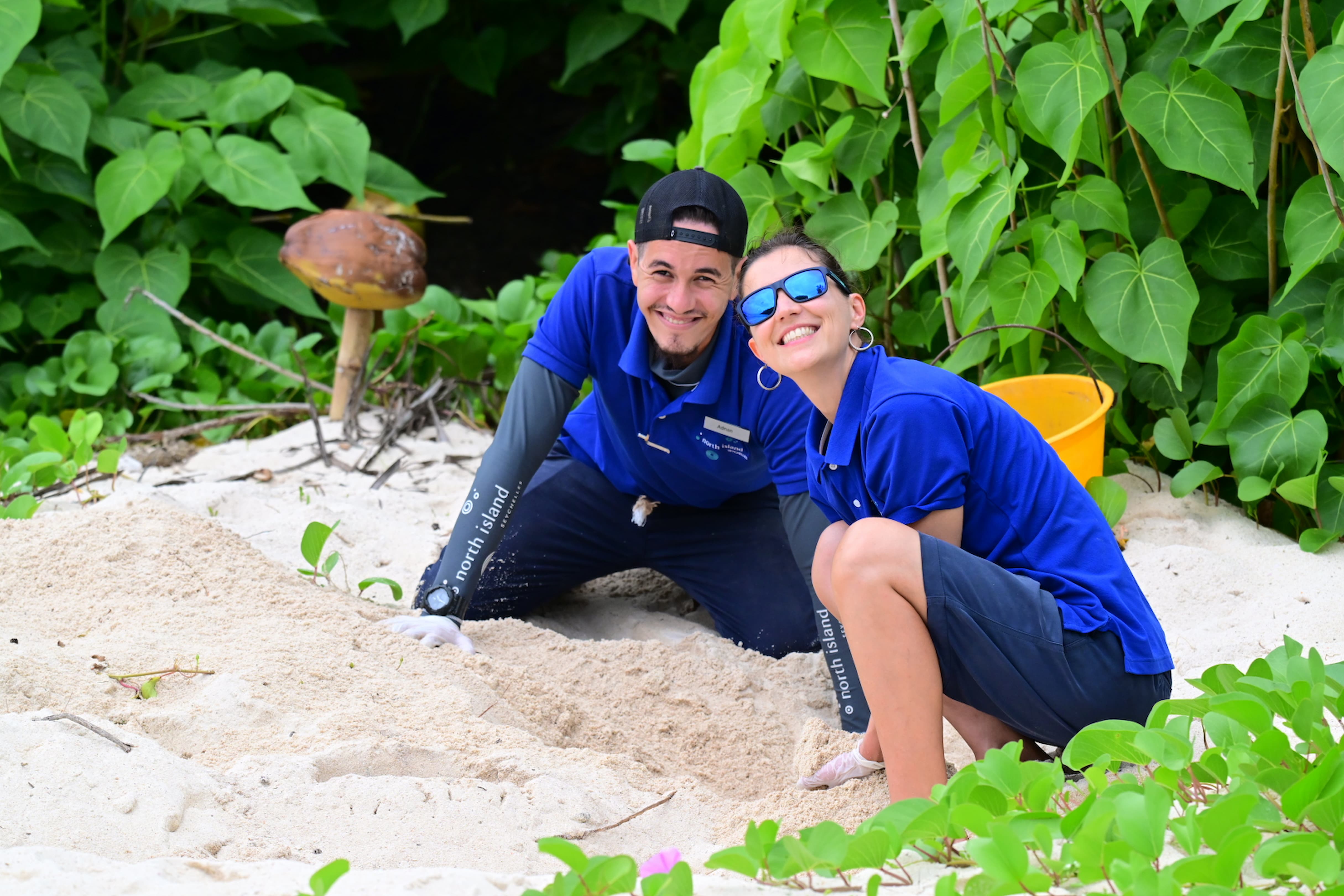
Marine ecosystems are among the most pressured environments globally. Coral reefs, seagrass beds, and coastal nesting beaches are increasingly affected by climate change, overfishing, pollution, and coastal development. In this context, marine conservation volunteering carries a heightened ethical responsibility, because poorly designed volunteer experiences can unintentionally cause harm to the very systems they claim to protect.
Ethical marine conservation volunteering is defined not by intention or enthusiasm, but by structure. Programmes must be designed around conservation needs rather than participant expectations, and must operate within clear scientific and welfare boundaries. Without these safeguards, volunteer involvement can lead to disturbance of wildlife, unreliable data, or the normalisation of practices that prioritise experience over impact.
In the Seychelles, where marine biodiversity is both globally significant and closely linked to tourism, ethical frameworks are especially important. Wildlife ACT operates within this context by supporting marine conservation initiatives that prioritise restraint, professional oversight, and long-term monitoring over visitor experience.
Volunteer programmes in these environments must balance access with responsibility, ensuring that conservation outcomes, animal welfare, and data integrity are never compromised for engagement or visibility.

Ethical versus unethical volunteer experiences in marine conservation
Not all marine conservation volunteer experiences are unethical, and not all travel-based volunteering is inherently problematic. The distinction lies in how programmes are designed, implemented, and evaluated.
Ethical marine conservation volunteering is characterised by clearly defined objectives, professional oversight, and measurable contribution to long-term conservation efforts. Volunteers support existing conservation initiatives rather than creating parallel activities for participation’s sake. Their involvement strengthens monitoring capacity, data collection, and operational consistency without replacing trained staff or influencing management decisions.
Unethical volunteer experiences tend to prioritise immediacy and spectacle. These programmes may promise close wildlife encounters, guaranteed hands-on activities, or visible outcomes regardless of environmental conditions. In marine settings, this can include unnecessary wildlife handling, captive interactions presented as conservation, or interventions that disrupt natural behaviour for the sake of participant experience.
A key indicator of ethical marine conservation volunteering is transparency. Ethical programmes are open about what volunteers will and will not do, the limits of their impact, and the realities of working in dynamic marine environments. They do not rely on emotional appeals or saviour narratives, and they avoid overstating outcomes that cannot be supported by evidence.
By distinguishing clearly between ethical and unethical volunteer experiences, conservation organisations help prospective participants make informed decisions. This protects marine ecosystems, maintains scientific credibility, and ensures that volunteer involvement contributes meaningfully to long-term conservation goals rather than short-term engagement.
Principle One: Conservation Outcomes Come Before the Volunteer Experience
Ethical marine conservation volunteering begins with a clear hierarchy of priorities. Conservation outcomes must always come before the volunteer experience. This principle shapes how ethical conservation programmes are designed, how fieldwork is structured, and how volunteer roles are defined.
In practice, this means that conservation objectives determine when and how work takes place, not volunteer schedules or expectations. Marine ecosystems are dynamic and unpredictable. Nesting activity, monitoring requirements, and environmental conditions change daily and seasonally. Ethical marine conservation volunteer programmes are designed to respond to these realities rather than attempting to control or stage them.

Real impact volunteering prioritises conservation objectives
Real impact volunteering focuses on supporting long-term conservation goals rather than producing immediate or visible outcomes. In marine conservation, meaningful impact often comes from consistent data collection, monitoring continuity, and adherence to standardised methodologies.
These contributions may not always be dramatic or hands-on, but they are essential for understanding population trends, environmental pressures, and the effectiveness of conservation interventions over time.
Ethical marine conservation volunteer programmes therefore prioritise tasks that strengthen scientific and operational capacity. Volunteers may spend significant time assisting with monitoring, recording observations, maintaining datasets, or supporting field teams during periods of low activity. While this work may feel less exciting than direct wildlife encounters, it forms the backbone of evidence-based conservation.
Programmes that promise constant activity or guaranteed impact risk undermining conservation integrity. Wildlife behaviour cannot be scheduled, and ethical conservation does not manipulate conditions to meet participation expectations. By placing conservation objectives first, ethical programmes ensure that volunteer involvement remains appropriate, proportionate, and beneficial to long-term outcomes.
Why ethical marine conservation programmes do not promise specific outcomes
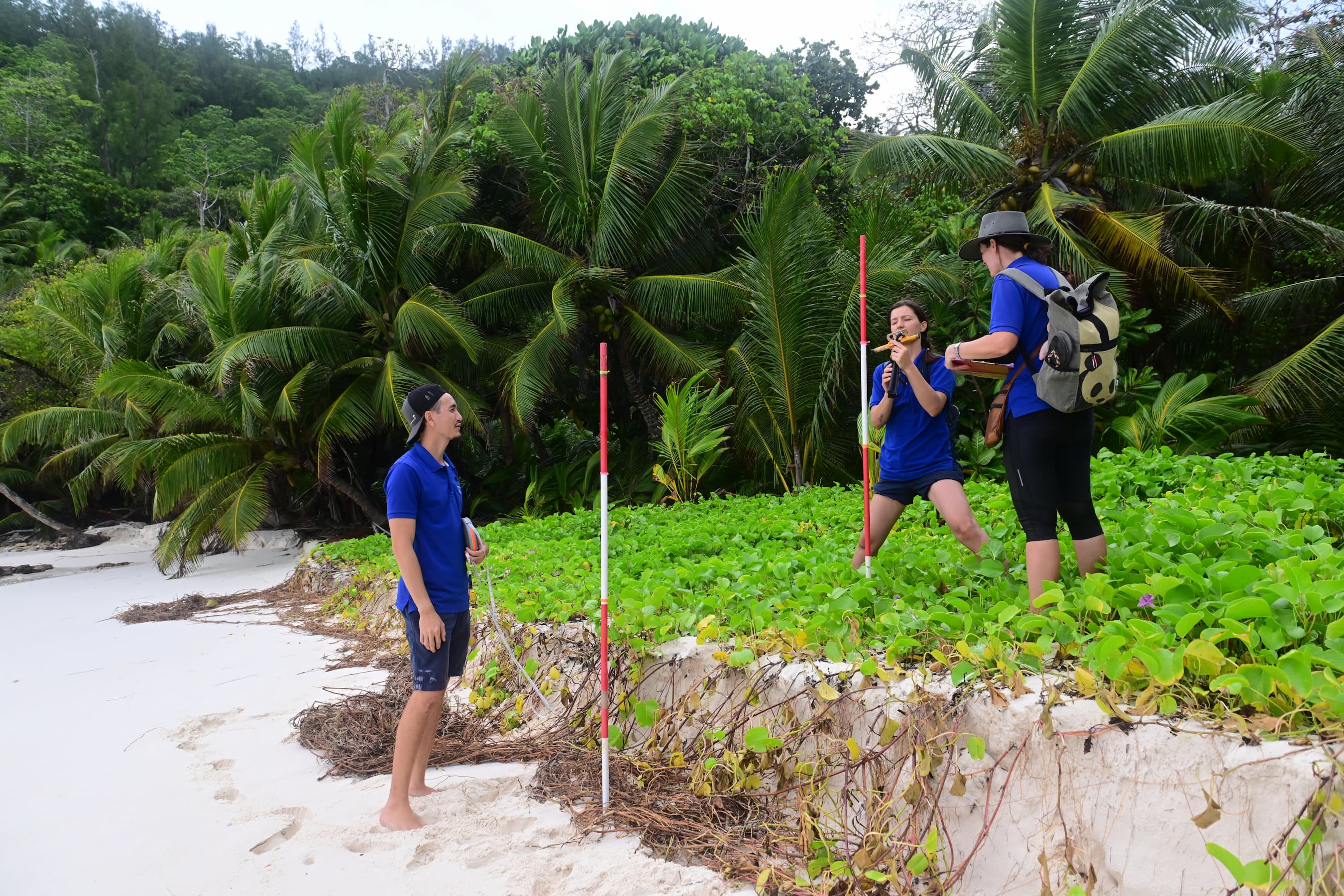
A defining feature of ethical marine conservation volunteering is the absence of guaranteed experiences or outcomes. Ethical programmes do not promise that volunteers will observe nesting events, handle wildlife, or contribute to visible success within a fixed timeframe. These elements depend on environmental conditions, species behaviour, and conservation priorities that cannot be predicted or controlled.
Guaranteeing outcomes often leads to unethical practices, such as unnecessary intervention, repeated disturbance of wildlife, or the creation of captive or staged experiences. Ethical programmes avoid these practices by being honest about variability and uncertainty.
Instead of offering assurances, ethical marine conservation volunteer programmes emphasise participation in a process rather than a result. Volunteers contribute to conservation systems designed for long-term monitoring and protection, where the value of their work lies in consistency, accuracy, and respect for ecological limits.
By accepting that conservation outcomes cannot be promised, ethical marine conservation volunteering protects both marine ecosystems and the integrity of the conservation effort itself. This principle reinforces trust, supports scientific credibility, and ensures that volunteer involvement serves conservation needs rather than shaping them.
Principle Two: No Captive Interactions and No Wildlife Handling
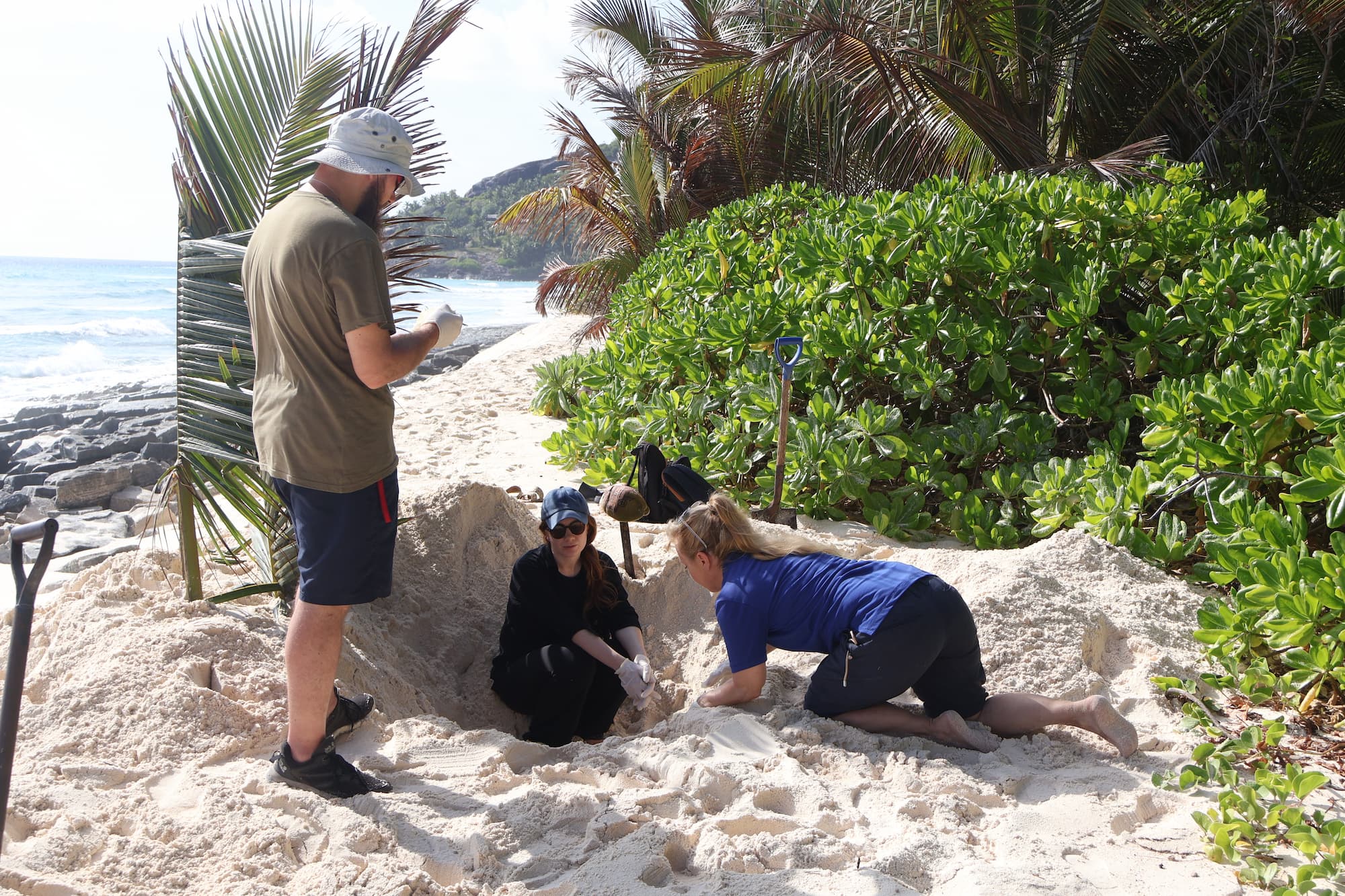
Ethical marine conservation volunteering is defined as much by what it does not include as by what it does. One of the clearest indicators of an ethical programme is the absence of captive interactions and unnecessary wildlife handling. In marine environments, where animals are highly sensitive to disturbance, these boundaries are essential for protecting welfare and maintaining scientific integrity.
Captive interactions and routine wildlife handling are often presented as educational or beneficial, but in many cases they prioritise volunteer experience over conservation outcomes. Ethical marine conservation volunteer programmes avoid these practices because they can alter natural behaviour, increase stress, and compromise the reliability of monitoring data.
Real marine conservation does not rely on captive interactions
Ethical marine conservation volunteering is grounded in the protection of wild systems. Programmes that rely on captive animals or controlled encounters blur the line between conservation and entertainment. While such experiences may create emotional engagement, they rarely contribute meaningfully to long-term conservation objectives.
In the marine context, captive interactions can include holding animals for viewing, encouraging repeated encounters, or manipulating conditions to increase the likelihood of sightings. These practices shift focus away from ecosystem health and towards participant satisfaction.
Ethical programmes reject captive interactions because conservation impact is measured through monitoring, protection, and data quality, not proximity to wildlife. By working exclusively within natural systems, ethical marine conservation volunteer programmes maintain ecological validity and reinforce respect for wild animals as autonomous, not interactive, subjects.

Why limiting wildlife handling protects animal welfare and data integrity
Wildlife handling, even when conducted with good intentions, introduces risk. Physical contact can cause stress, disrupt natural behaviours, and increase the likelihood of injury or habituation. In marine conservation, handling can also interfere with breeding, nesting, or foraging activities that monitoring efforts aim to understand rather than influence.
From a scientific perspective, repeated handling or disturbance can bias data. Animals may alter movement patterns, avoid monitored areas, or change behaviour in ways that reduce the reliability of observations. Ethical marine conservation volunteer programmes therefore restrict handling to situations where it is strictly necessary and carried out by trained professionals under defined protocols.
Volunteers in ethical marine conservation programmes are not excluded from meaningful contribution because they do not handle wildlife. Instead, they support conservation through observation, data recording, monitoring assistance, and operational tasks that strengthen long-term research and protection efforts.
By maintaining firm boundaries around captive interactions and wildlife handling, ethical marine conservation volunteering protects both animal welfare and the credibility of conservation outcomes. This principle ensures that volunteer involvement enhances, rather than compromises, the integrity of marine conservation work.
Principle Three: Volunteers Support Professional Field Teams
Ethical marine conservation volunteering is built on clear role definition. Volunteers are not positioned as replacements for trained conservation professionals, nor are they presented as independent researchers or decision makers. Instead, ethical programmes are structured so that volunteers support established field teams within a professional conservation framework.
This principle protects both conservation outcomes and volunteer expectations. When roles are clearly defined, conservation work remains consistent and evidence based, and volunteers are able to contribute meaningfully without being placed in positions of responsibility beyond their training or experience.
Joining the field team as an ecotourist within a defined role
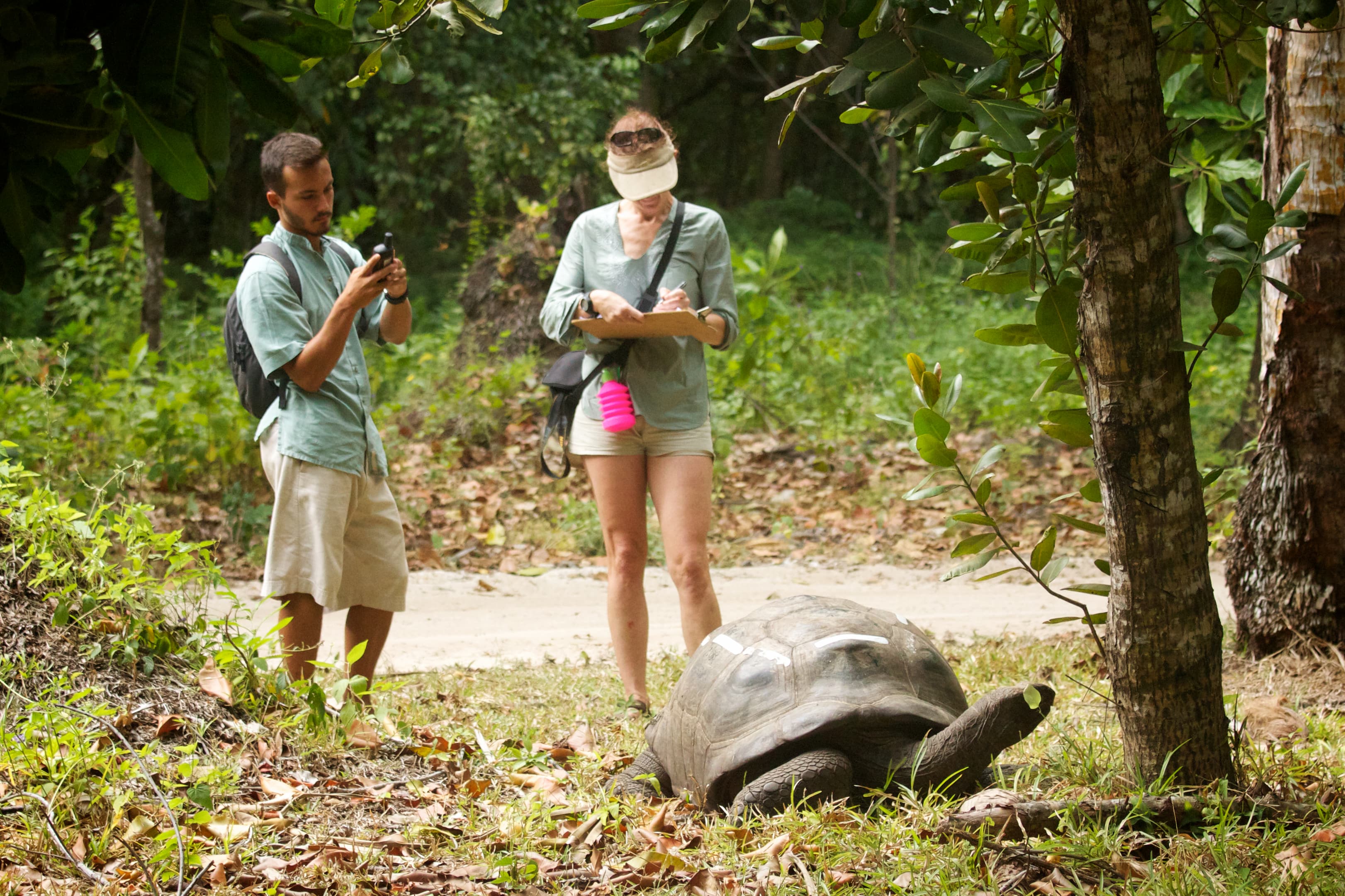
In ethical marine conservation volunteer programmes, participants join the field team as ecotourists rather than as researchers or wildlife managers. Their role is to assist with ongoing conservation activities under supervision, contributing time, effort, and continuity rather than leadership or decision making.
Ecotourists may support daily monitoring tasks, assist with data collection, help maintain records, and contribute to operational activities that enable conservation teams to function effectively. These contributions are valuable because they strengthen capacity without altering the structure or direction of the conservation programme.
Ethical programmes are transparent about this role from the outset. Volunteers are not given inflated titles or responsibilities, and their contribution is framed as supportive rather than directive. This clarity helps prevent misunderstandings and reinforces respect for the expertise of professional conservation staff.
Supervision, training, and accountability in ethical marine conservation programmes
Professional oversight is a defining feature of ethical marine conservation volunteering. Volunteers operate under the guidance of experienced field staff who are responsible for conservation planning, data quality, and adherence to ethical and legal standards.
Training is focused on ensuring that volunteers understand protocols, safety procedures, and ethical boundaries. It does not attempt to fast-track expertise or simulate professional qualifications. Accountability structures ensure that data collection remains standardised and that volunteer involvement does not compromise monitoring consistency.
-2.jpg)
Unethical volunteer experiences often blur these boundaries, placing volunteers in unsupervised or decision-making roles without adequate training. Ethical marine conservation volunteer programmes avoid this by maintaining clear lines of responsibility and by ensuring that conservation outcomes are led by professionals with long-term involvement in the project.
By positioning volunteers as supporters of professional field teams, ethical marine conservation volunteering protects the integrity of conservation work while offering participants a meaningful and realistic way to contribute to marine conservation efforts.
Principle Four: Transparency, Evidence, and Measurable Contribution
Ethical marine conservation volunteering depends on transparency. Conservation organisations have a responsibility to be clear about how volunteer programmes operate, what they contribute to, and where their limitations lie. Transparency allows prospective volunteers to make informed decisions and helps distinguish ethical conservation programmes from experiences driven primarily by marketing or engagement.
This principle is especially important in marine conservation, where outcomes are often gradual and not immediately visible. Without transparency, it becomes easy for programmes to overstate impact or imply results that cannot be supported by evidence.
What ethical marine conservation volunteer programmes are transparent about
Ethical marine conservation volunteer programmes are open about their structure and purpose. This includes clarity on how volunteer fees are used, how monitoring activities are designed, and how volunteer contributions support ongoing conservation work rather than standalone initiatives.
Transparency also extends to methodology. Ethical programmes explain what data is collected, how it is recorded, and how it is used over time. They are clear about the scope of volunteer involvement and the boundaries around decision making, wildlife interaction, and intervention. This openness helps protect both conservation integrity and participant trust.
Importantly, ethical programmes are transparent about uncertainty. They acknowledge that conservation outcomes cannot be guaranteed and that environmental conditions, species behaviour, and external pressures influence results. This honesty reinforces credibility and aligns expectations with reality.
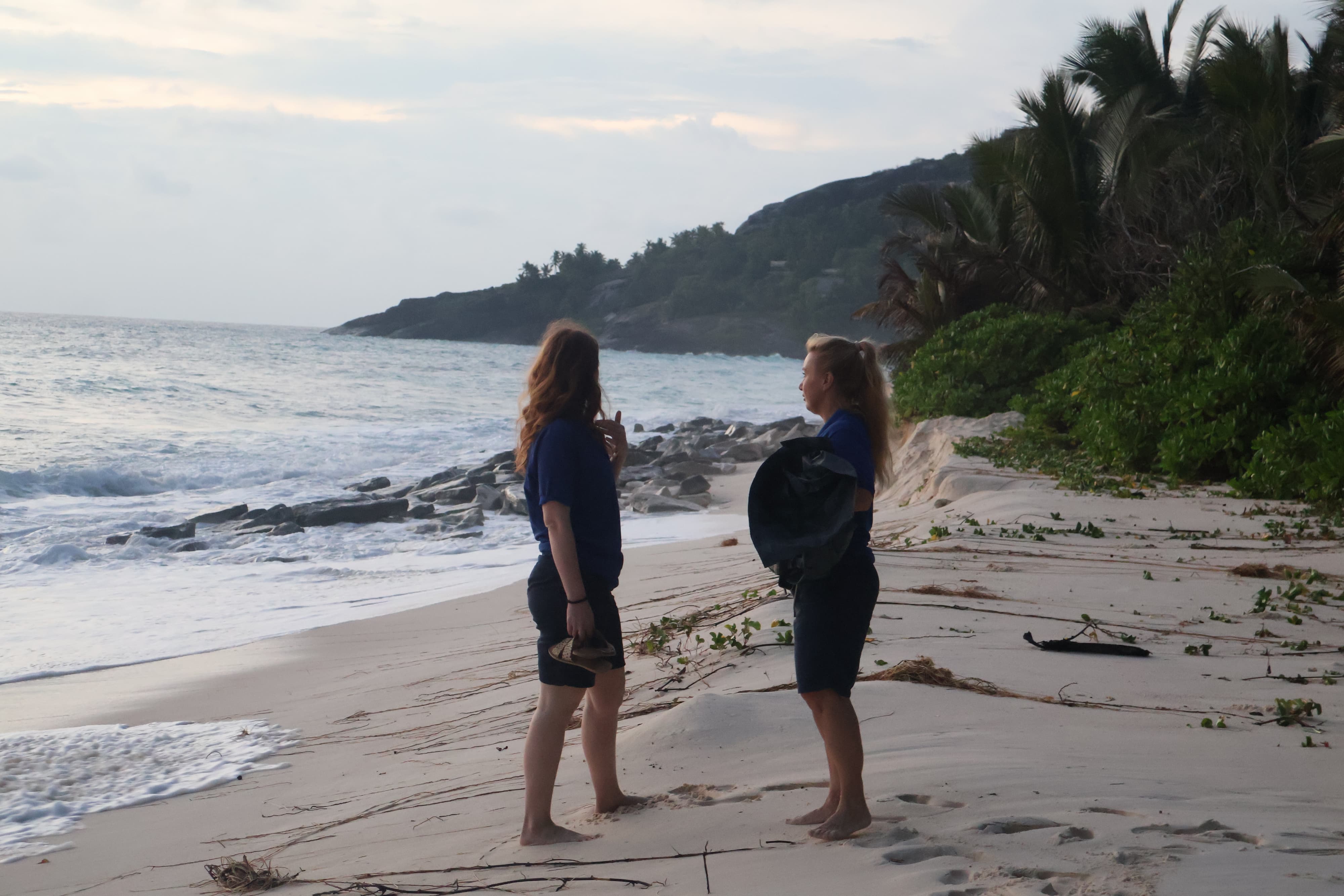
Why ethical conservation volunteering avoids inflated impact claims
Programmes that prioritise marketing over ethics often rely on exaggerated or simplified claims of impact. These claims may focus on individual success stories or short-term outcomes without context, creating a misleading picture of conservation effectiveness.
Ethical marine conservation volunteering avoids this approach. Impact is measured through evidence, consistency, and contribution to long-term monitoring rather than through dramatic narratives. Data collected over multiple seasons, adherence to standardised protocols, and integration into broader conservation frameworks provide a more accurate measure of value.
By avoiding inflated impact claims, ethical programmes maintain scientific credibility and foster realistic understanding of conservation work. Volunteers are invited to contribute to an ongoing process rather than a guaranteed result. This reinforces the principle that real impact in marine conservation is cumulative, evidence based, and grounded in long-term commitment.
Applying These Principles in Marine Conservation Programs
Ethical principles only have value when they are applied consistently in real conservation settings. In marine conservation programmes, this application is reflected in how fieldwork is structured, how volunteers are integrated, and how conservation priorities are upheld regardless of participation levels or expectations.
In the Seychelles, ethical marine conservation volunteering operates within complex coastal systems where species behaviour, weather conditions, and environmental pressures change constantly. Applying ethical principles in this context requires restraint, adaptability, and a commitment to long-term monitoring rather than short-term visibility.
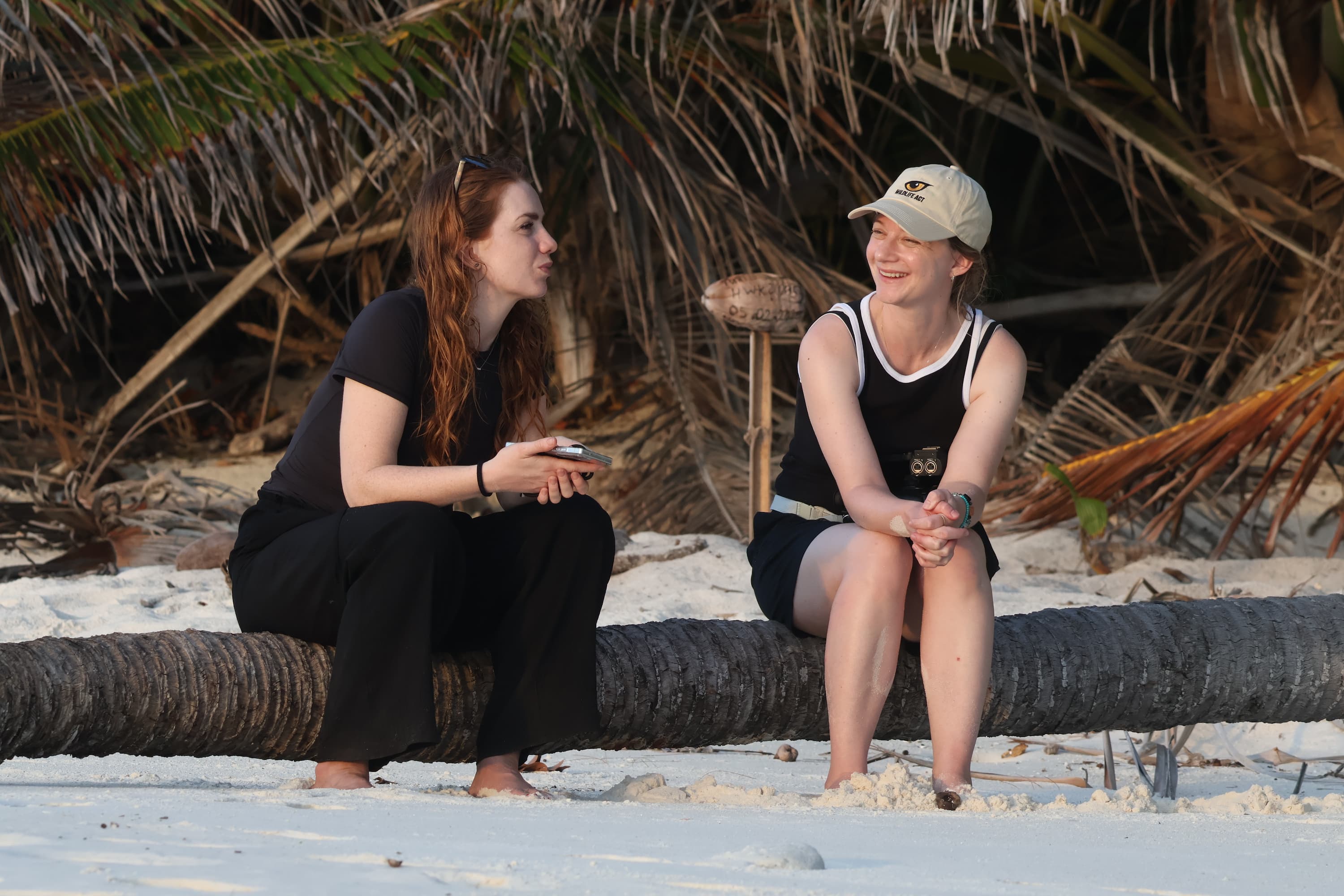
Ethical sea turtle conservation volunteer programs in practice
Sea Turtle conservation provides a clear example of how ethical marine conservation volunteering principles are applied in practice. Ethical sea turtle conservation volunteer programs are designed around monitoring and protection needs rather than volunteer experience design.
Volunteers support professional field teams through tasks such as beach patrols, nesting activity observation, data recording, nest protection, and post-hatching assessments. These activities follow established protocols and are conducted under supervision to ensure consistency and minimal disturbance. Volunteers do not handle turtles, do not intervene unless directed by trained staff, and do not influence management decisions.
This structure reflects all four ethical principles. Conservation outcomes come first, with monitoring schedules determined by ecological conditions. There are no captive interactions or staged encounters. Volunteers support, rather than replace, professional conservation staff. Data collection and reporting are transparent and evidence based.
What real impact looks like in long-term marine monitoring
In ethical marine conservation volunteering, impact is measured over time rather than through isolated events. Real impact may include consistent monitoring coverage across seasons, improved data continuity, and the ability to detect changes in nesting activity, habitat condition, or environmental pressures.
For volunteers, this means contributing to a system rather than producing a visible outcome. The value of their involvement lies in accuracy, repetition, and adherence to protocol. By supporting long-term marine monitoring, volunteers help build datasets that inform conservation decisions and adaptive management strategies.
This approach contrasts sharply with unethical volunteer experiences that prioritise immediacy and spectacle. Ethical marine conservation programmes recognise that meaningful conservation impact is cumulative. It emerges through sustained effort, reliable evidence, and respect for the limits of human intervention in natural systems.
By applying ethical principles consistently, marine conservation volunteer programs protect both ecosystems and the credibility of conservation work. Volunteers who engage within this framework contribute to real, measurable impact grounded in science, ethics, and long-term commitment.
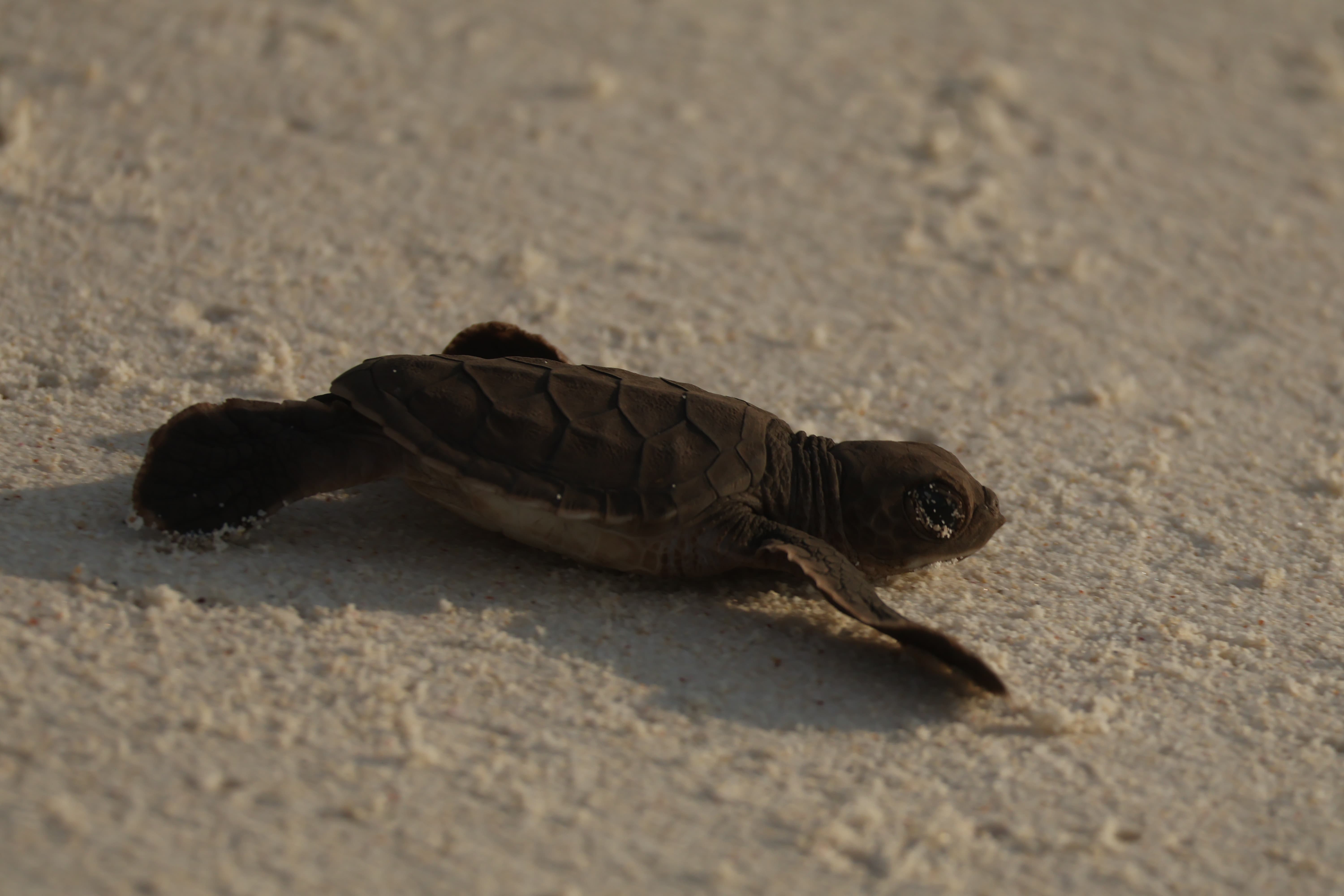
Who Ethical Marine Conservation Volunteering Is For
Ethical marine conservation volunteering is defined by a shared commitment to conservation integrity. It is for people who understand that protecting marine ecosystems requires restraint, patience, and respect for processes that cannot be shaped around individual expectations.
This form of volunteering attracts individuals who value long-term conservation outcomes over immediate experience. It is for those who are motivated by contributing to structured monitoring, ethical field practice, and evidence-based conservation rather than personal achievement or proximity to wildlife.
Ethical marine conservation volunteering requires acceptance of limits. Wildlife behaviour cannot be predicted, controlled, or guaranteed. Conservation work often involves repetition, observation, and data collection rather than visible intervention. Participants who are comfortable with this reality are best placed to contribute meaningfully.
It is also for people who respect professional expertise and accountability. Ethical marine conservation volunteering operates within established conservation frameworks led by trained field teams. Volunteers support this work by following protocols, working under supervision, and prioritising consistency and accuracy over autonomy.
Above all, ethical marine conservation volunteering is for individuals who recognise that conservation is not about experience design. It is about responsibility. Those who engage within this framework contribute to conservation systems that protect marine ecosystems over time, rather than shaping those systems to suit participation.
Frequently Asked Questions About Ethical Marine Conservation Volunteering
What makes a marine conservation volunteer program ethical
An ethical marine conservation volunteer program is designed around conservation needs rather than volunteer experience. It operates within clear scientific and welfare boundaries, avoids captive interactions and unnecessary wildlife handling, and contributes to long-term monitoring or protection efforts. Ethical programs are transparent about their methods, limitations, and the role volunteers play.
Why do ethical marine conservation programs avoid captive interactions
Captive interactions prioritise proximity to wildlife over conservation outcomes. In marine environments, these interactions can alter animal behaviour, increase stress, and undermine the integrity of monitoring data. Ethical marine conservation volunteering avoids captive interactions to protect animal welfare and ensure conservation work reflects natural conditions.
Can volunteers still have a real impact without handling wildlife
Yes. In ethical marine conservation volunteering, impact comes from supporting monitoring, data collection, and operational consistency rather than direct interaction. Volunteers contribute by assisting professional field teams with tasks such as observation, recording, and long-term monitoring, which are essential for evidence-based conservation.
How can I tell if a marine conservation volunteer experience is unethical
Warning signs of unethical volunteer experiences include guaranteed wildlife encounters, promises of hands-on interaction regardless of conditions, limited supervision, and vague or exaggerated impact claims. Ethical programs are clear about uncertainty, avoid spectacle, and prioritise conservation outcomes over participant satisfaction.
What role do ecotourists play in ethical marine conservation programs
Ecotourists support professional field teams by assisting with structured conservation activities under supervision. Their role is defined, supportive, and non-invasive. Ecotourists do not replace trained staff, do not make management decisions, and do not participate in captive or staged wildlife interactions.
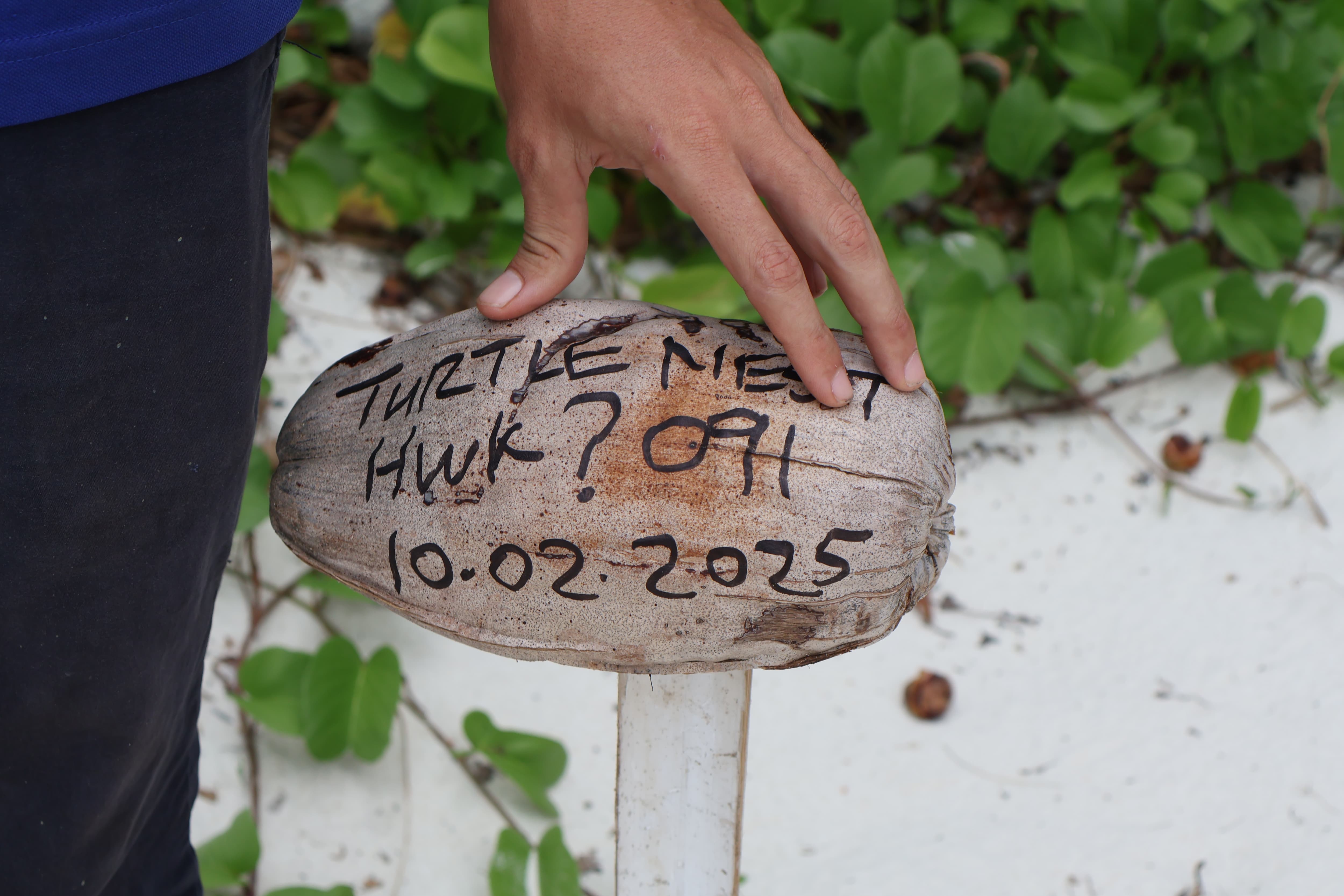
Ethical Marine Conservation Volunteering as a Trust-Based Conservation Model
Ethical marine conservation volunteering is built on trust. Trust between conservation organisations and the ecosystems they work to protect. Trust between professional field teams and the ecotourists who support their work. And trust between organisations and the wider public who invest time, funding, and belief in conservation outcomes.
At Wildlife ACT, this trust-based model underpins all marine and coastal conservation volunteering. The organisation’s approach prioritises conservation outcomes over experience, rejects captive interactions, defines volunteer roles clearly, and measures contribution through evidence rather than claims. These principles are not used as marketing language, but as operational standards that guide how conservation work is structured and delivered.
In the Seychelles, where Wildlife ACT supports marine conservation initiatives alongside professional environmental teams, this approach is especially important. Coastal and marine ecosystems are under increasing pressure, and effective conservation responses must be grounded in long-term monitoring, ethical field practice, and professional oversight. Volunteer involvement has value only when it operates within these parameters and strengthens, rather than reshapes, conservation priorities.
Wildlife ACT’s Marine and Coastal Conservation volunteer program does not promise transformation or guaranteed outcomes. Instead, it offers participation in a conservation model that values accuracy, patience, and responsibility. For those seeking to contribute meaningfully to marine conservation, this trust-based approach provides a clear, ethical framework for real, measurable impact over time.
If ethical marine conservation volunteering matters to you, take time to understand how Wildlife ACT applies these principles in practice. Explore our Marine and Coastal Conservation volunteer program in the Seychelles to learn how ecotourists support real conservation work within clear ethical boundaries.
Learn more about Wildlife ACT’s Marine and Coastal Conservation volunteer program: https://www.wildlifeact.com/volunteer/program/marine-conservation-volunteering-seychelles
References
IUCN, Guidelines for Conservation Translocations, IUCN Species Survival Commission, 2013, available at: https://portals.iucn.org/library/node/10386 (accessed 5 February 2026).
IUCN Species Survival Commission, About the Species Survival Commission, available at: https://www.iucn.org/ssc (accessed 5 February 2026).
UN World Tourism Organization, Tourism and Sustainable Development, available at: https://www.unwto.org/sustainable-development (accessed 5 February 2026).
Global Sustainable Tourism Council, GSTC Criteria for Sustainable Tourism, available at: https://www.gstcouncil.org/gstc-criteria/ (accessed 5 February 2026).
World Wide Fund for Nature, Oceans and Marine Conservation, available at: https://www.worldwildlife.org/initiatives/oceans (accessed 5 February 2026).
Wildlife ACT, Why Volunteer with Wildlife ACT, available at: https://www.wildlifeact.com/why-volunteer (accessed 5 February 2026).
Wildlife ACT, Responsible Tourism Policy, available at: https://www.wildlifeact.com/wildlife-act-responsible-tourism-policy (accessed 5 February 2026).
Wildlife ACT, Why Ethical Wildlife Volunteering Is Crucial for Conservation, available at: https://www.wildlifeact.com/blog/why-ethical-wildlife-volunteering-is-crucial-for-conservation (accessed 5 February 2026).
Wildlife ACT, Marine and Coastal Conservation Volunteer Program, Seychelles, available at: https://www.wildlifeact.com/volunteer/program/marine-conservation-volunteering-seychelles (accessed 5 February 2026).

.jpeg)




.jpg)
