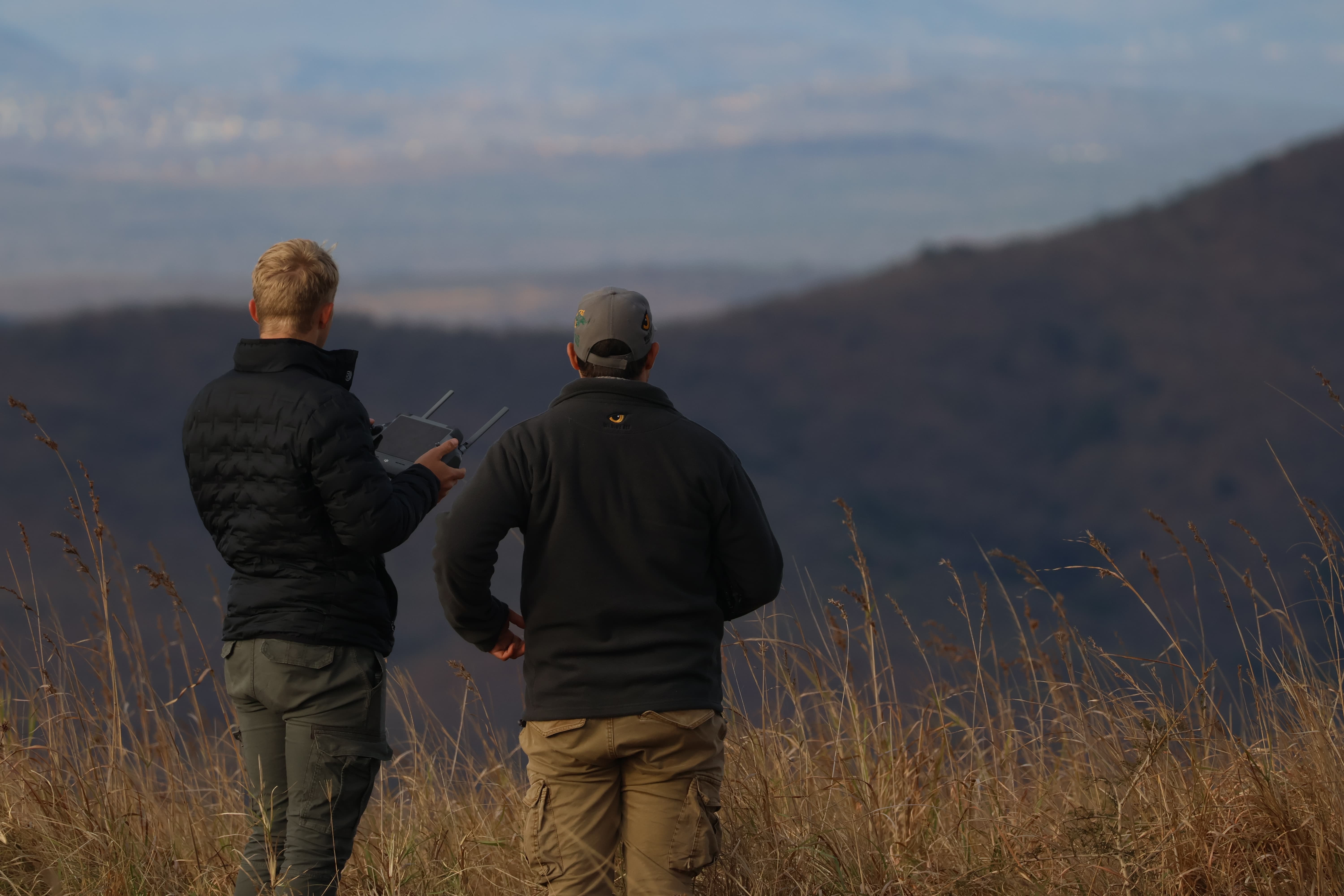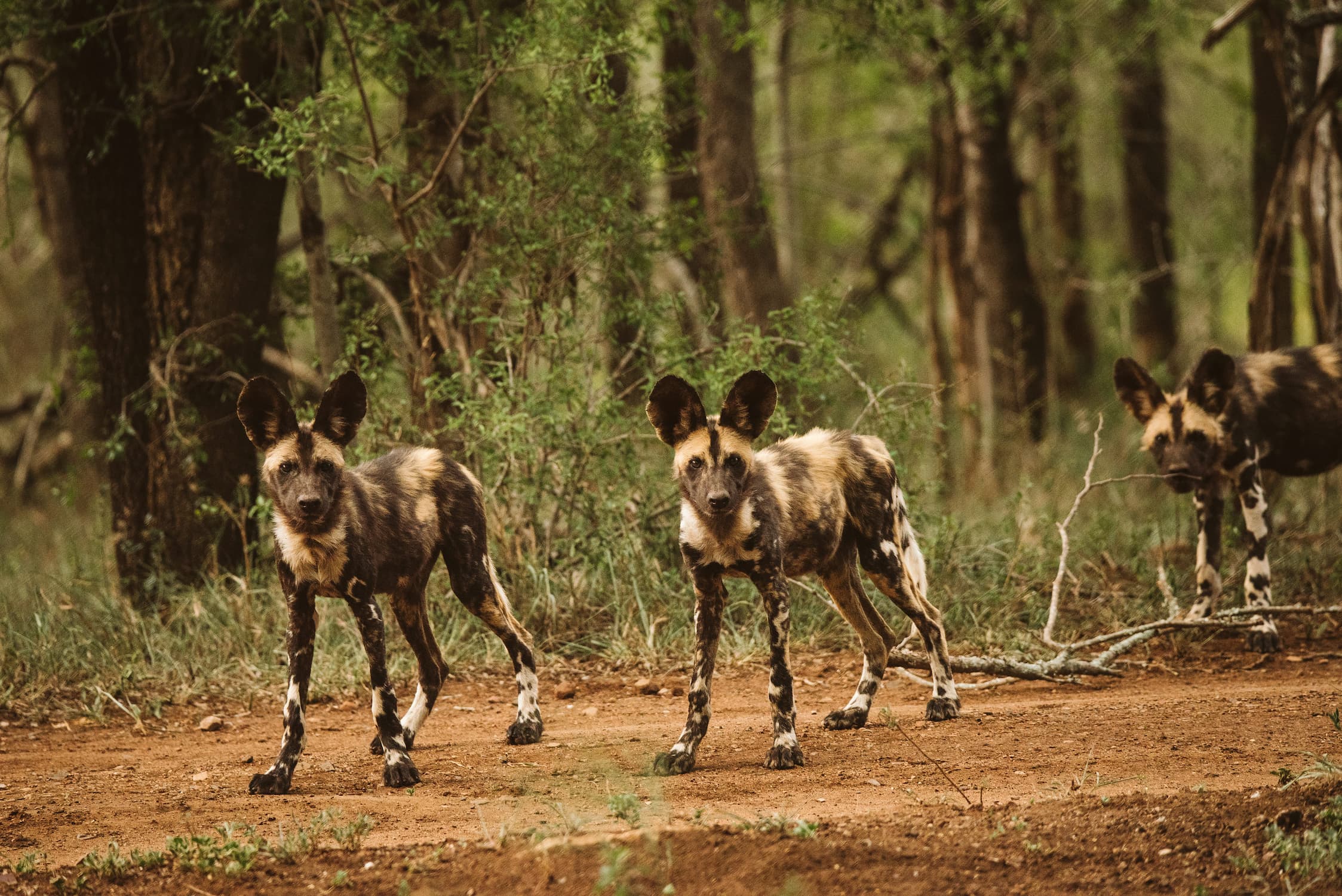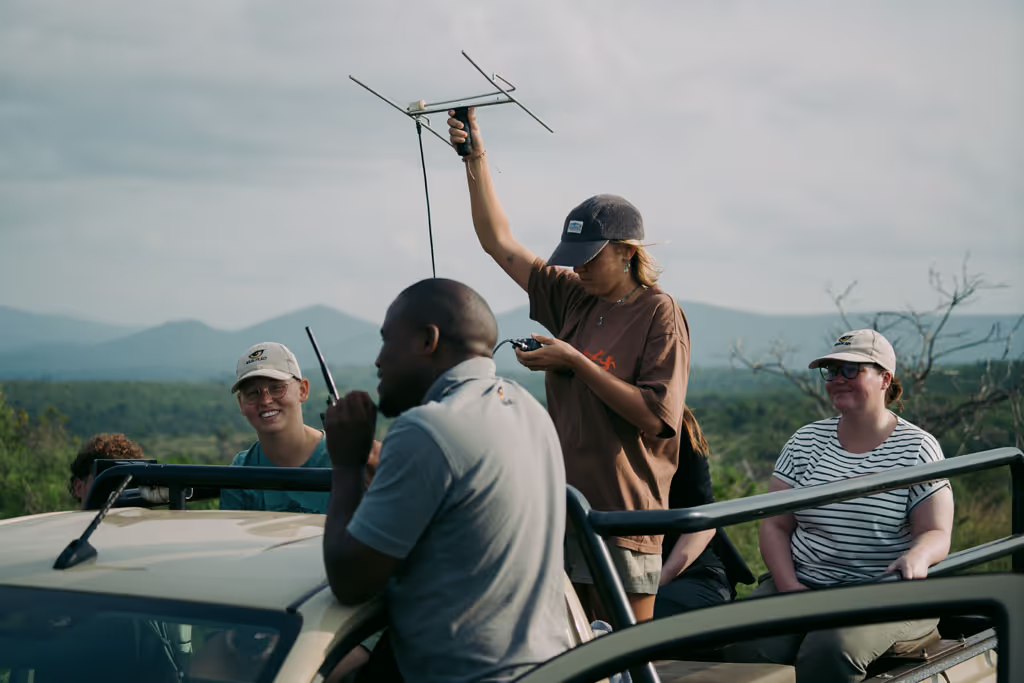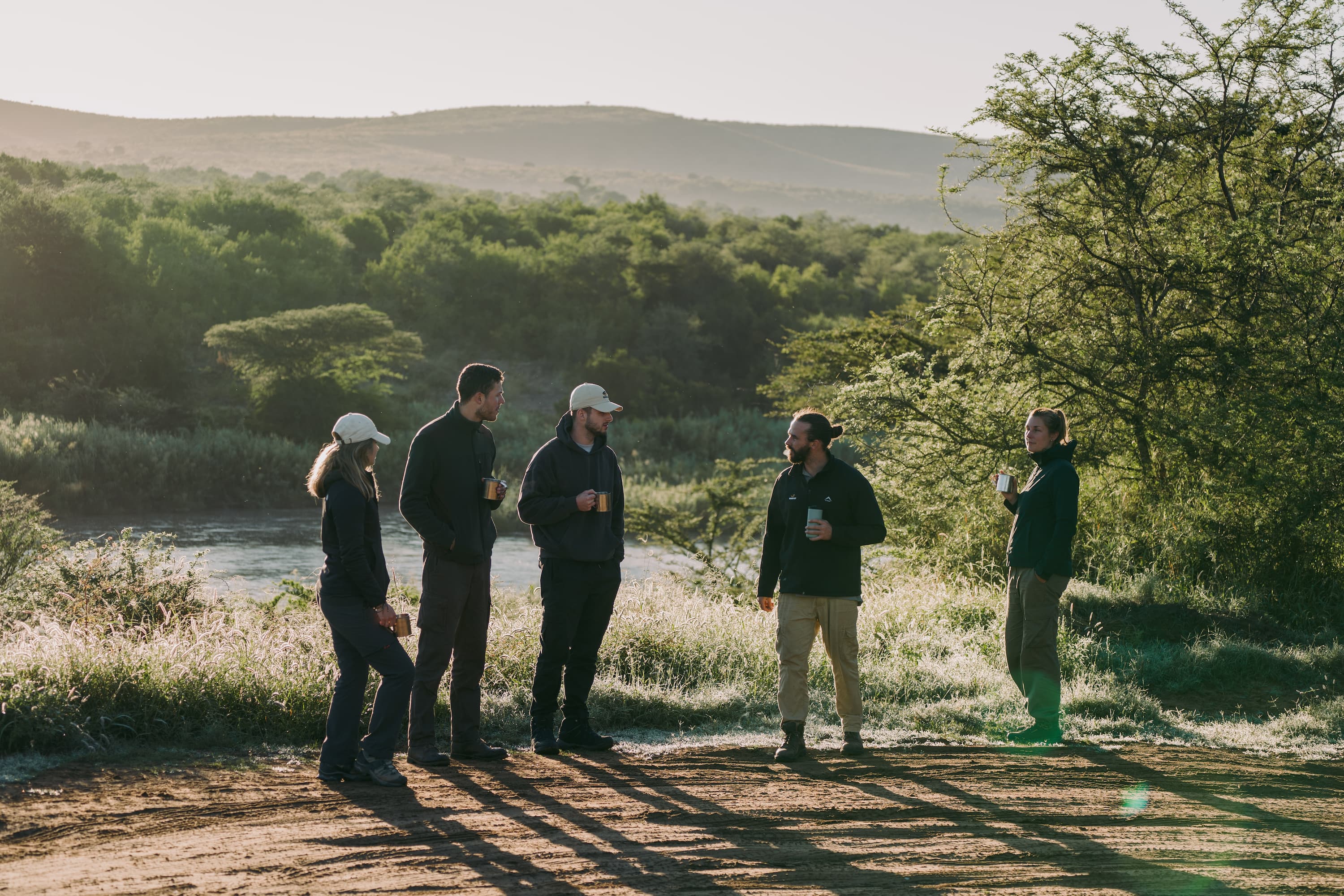
Why Preparation Matters: Function Over Fashion
When preparing for a Wildlife ACT conservation trip to Zululand, your packing list is not for a holiday. It is a kit list for a field assignment. The success of your work Monitoring Endangered and Priority Species like the African Wild Dog and Black Rhinoceros often depends on your preparation. The conditions in a Protected Area are varied and challenging. Days can start very cold and climb to sweltering heat by noon. Dust is constant, rain can be heavy, and your clothing will get worn out.
This reality means we focus on functionality above everything else. You need practical, durable items that allow you to work effectively, comfortably, and safely through long days in the bush. Your gear is a crucial part of the team. If you are cold, wet, or uncomfortable, it can slow down the entire wildlife Monitoring effort.
This essential guide breaks down exactly what you need to bring for wildlife volunteering. We cover the required field uniform, the critical art of layering for changing African weather, and the personal health and technology items that make life in the field manageable.
Prepare for a genuine, hands-on experience by ensuring you have the right tools for the job. We want you focused on the conservation mission, not on misplaced luggage.
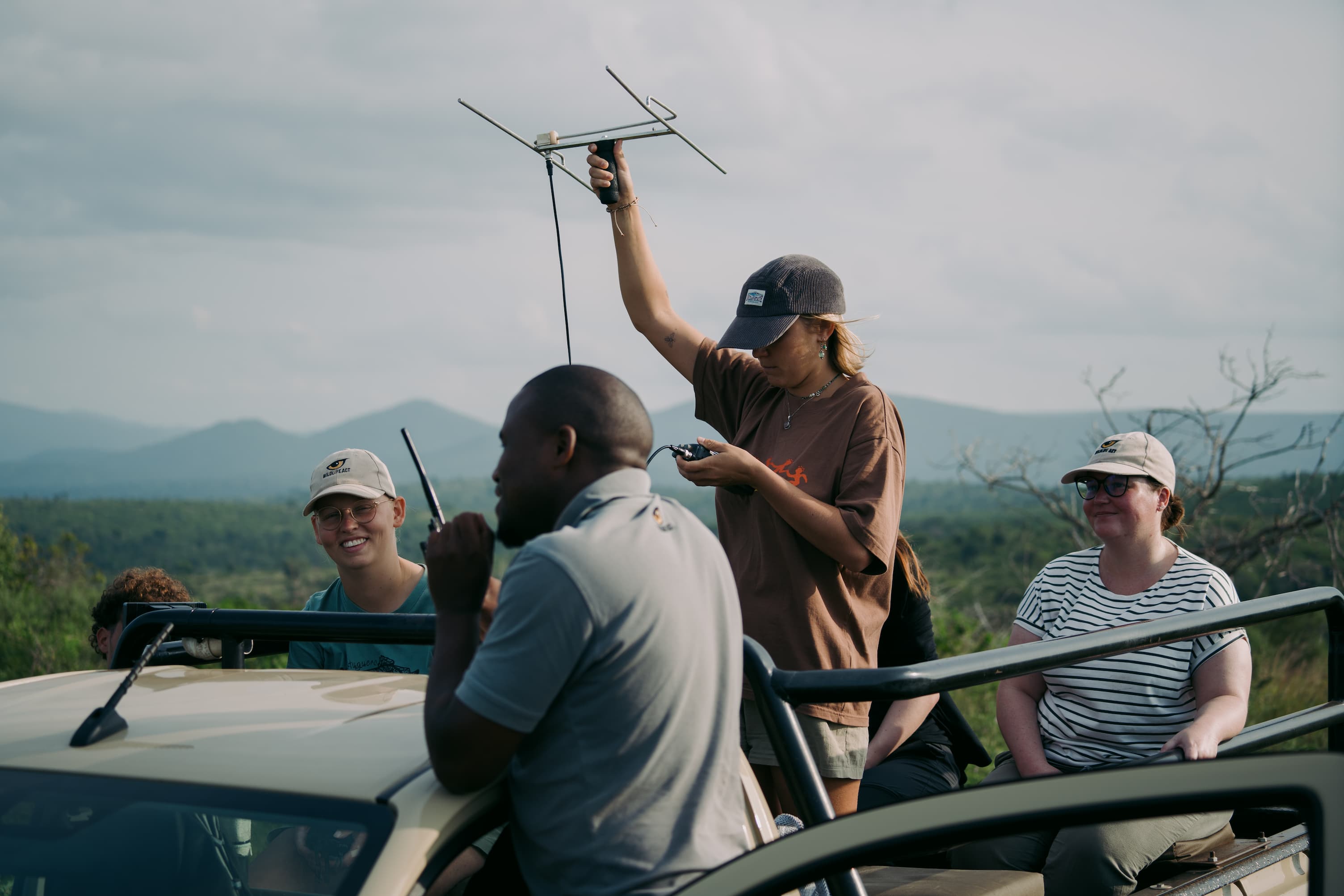
The Essentials: Uniform and Field Gear
The first and most important consideration for field work is blending in and staying protected. Wildlife conservation teams need to minimise their visual impact and avoid disturbing the wildlife being monitored. This allows for accurate data collection and ensures the long-term well-being of the Individuals under observation. This means strict adherence to neutral colours is mandatory for all core clothing items. Khaki, olive green, or brown are the only acceptable colours for shirts and trousers.
Your field uniform must be durable. We spend hours off-road, navigating through thick bush to Monitor a Priority Individual or check a camera trap. Lightweight materials will not survive the thorns and abrasive environment. Aim for tough, canvas or ripstop fabrics that can handle rough treatment.
- Footwear: The Most Critical Item
Good quality footwear is non-negotiable. You need two pairs of sturdy, worn-in hiking boots or leather boots that offer ankle support. Wet grass and sudden downpours are common, so they must be waterproof or highly water-resistant.
Do not bring a brand new pair; break them in fully before arrival to prevent blisters.
You also need thick, comfortable socks. Wool or synthetic moisture-wicking materials are best for long Monitoring shifts. Avoid plain cotton socks, which retain moisture and cause friction.
- Head and Hand Protection
A wide-brimmed hat or a peak cap is vital for sun protection. You will be exposed to the African sun for extended periods, making head protection a necessity.
Similarly, a pair of rugged gloves can protect your hands when assisting with vehicle maintenance or moving heavy equipment.
We also recommend a decent pair of polarised sunglasses. The glare from the African landscape can be intense. Protect your eyes to ensure you can clearly sight and monitor the wildlife.
Download you essential packing list here:
Layering for African Weather: Morning, Day, and Night
The African bush requires versatile clothing. The key to staying comfortable during long days of Monitoring is the three-layer system. This allows you to quickly adapt to the drastic temperature shifts common in Zululand's Protected Area s. Many wildlife Monitoring shifts start before dawn and finish well after sunset. These shifts involve sitting in the back of an open vehicle, meaning you will be exposed to the elements, including wind and fluctuating temperatures.
- Base Layers
Your base layer should focus on wicking moisture away from your body. Thermal shirts and long johns are recommended for those very early morning drives, especially in the cooler months of June, July, and August. As the day warms up, you can easily remove these.
- Mid Layers
The mid-layer provides insulation. A fleece jacket or a thick, neutral-coloured hooded sweatshirt is perfect for this role. It provides substantial warmth without being too bulky, making it ideal for sitting in the Monitoring vehicle before sunrise.
- Outer Layer: Protection from the Elements
The final layer must provide wind and rain protection. A lightweight, neutral-coloured waterproof jacket is a critical item. Even if the forecast is clear, sudden thunderstorms are a reality in Zululand.
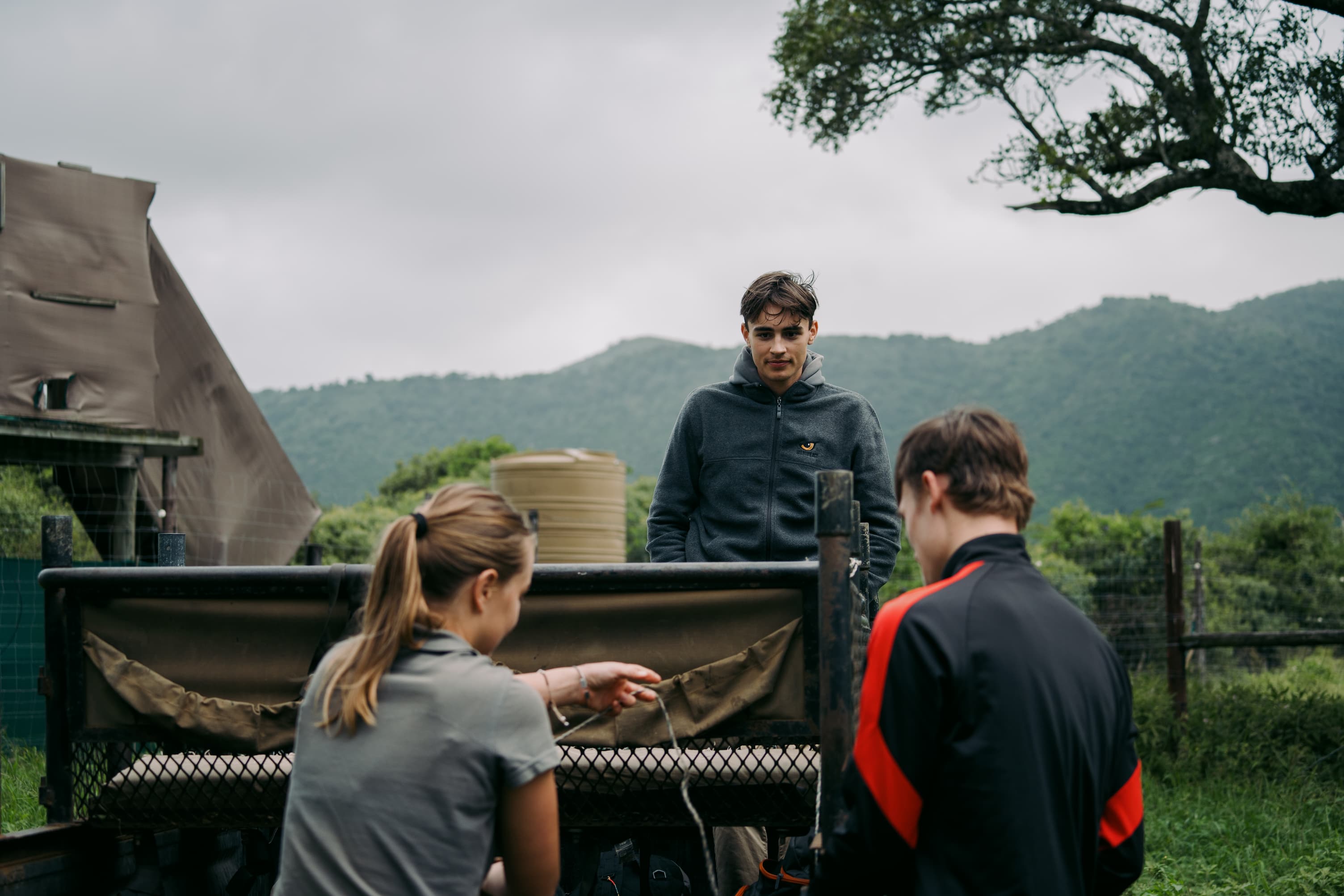
Furthermore, you will need durable, hard-wearing trousers. These protect against thorns, insects, and the sun far better than shorts.
Pro-Tip: Pack a lightweight scarf or a 'buff'. This small item is incredibly useful. It can protect your neck from the sun during the day and serve as a dust mask and holds your hair back when following game vehicles on dusty roads.
Personal Items: Health, Safety, and Comfort
In the field, self-sufficiency regarding health and basic comfort is paramount. The Protected Area s are remote, meaning that a quick run to a pharmacy is impossible. Packing the right personal items ensures you are ready for unexpected minor issues and maintain good health throughout your time with Wildlife ACT.
Health and First Aid
A personal medical kit is mandatory. While the Wildlife ACT team carries basic first aid kits, volunteers must be self-sufficient for their personal health needs, as we are unable to dispense medication. Your personal kit must include all prescription medication in sufficient quantity for your entire stay, as well as over-the-counter remedies for common issues like headaches, allergies, and nausea. This also includes prescription glasses or contact lenses, as replacements are often difficult to obtain quickly.
You must also pack high-SPF sunscreen and after-sun lotion. The African sun is deceptively strong, and prevention is easier than treating sun damage. Additionally, a quality insect repellent is essential to protect against mosquitoes and ticks. Pay extra attention to applying repellent to your ankles and lower legs, as pepper ticks are a concern.
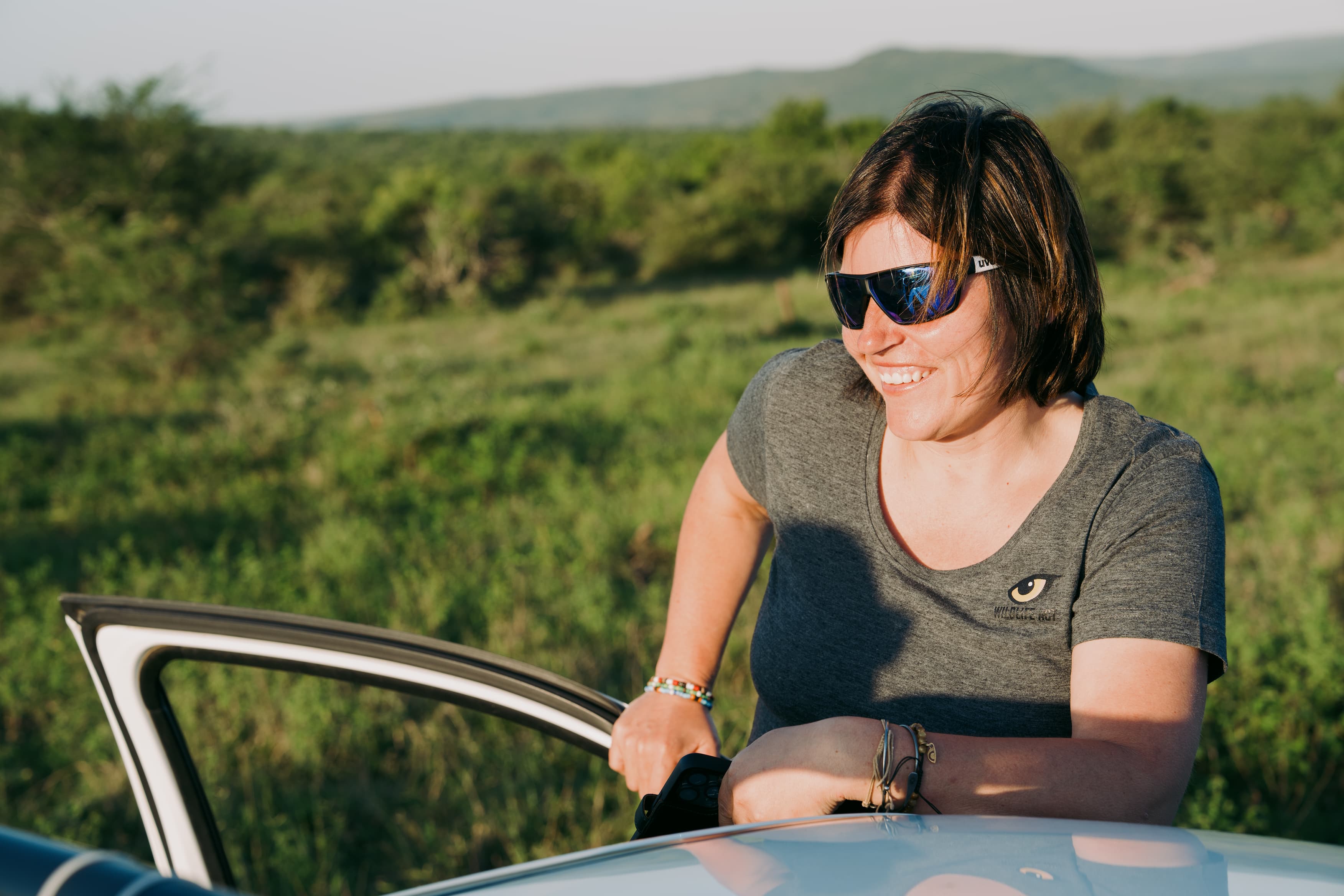
Camp Comfort and Essentials
Evenings are for downtime, recharging for the next wildlife Monitoring shift. A few simple items can make camp life much more comfortable. Bring a towel and all necessary toiletries. Remember that space is limited and communal, so opt for compact, quick-drying versions where possible. A full list of suggested comfort and self-catering items is provided in your pre-arrival documents and detailed packing list.
Furthermore, a powerful, durable headlamp or small torch is essential. Many tasks, such as finding gear or using communal facilities, happen in the dark. Having a reliable light source with spare batteries is a critical safety and convenience item.
Lastly, pack a large-capacity, insulated reusable water bottle. Staying hydrated is vital for long days under the sun, and insulation will help combat the heat.
Technology and Data Collection Must-Haves
While much of the essential conservation work is low-tech, modern wildlife Monitoring relies on accurate data collection and communication. It is important to remember that power is often supplied by solar systems.
Therefore, careful management of your technology is key.
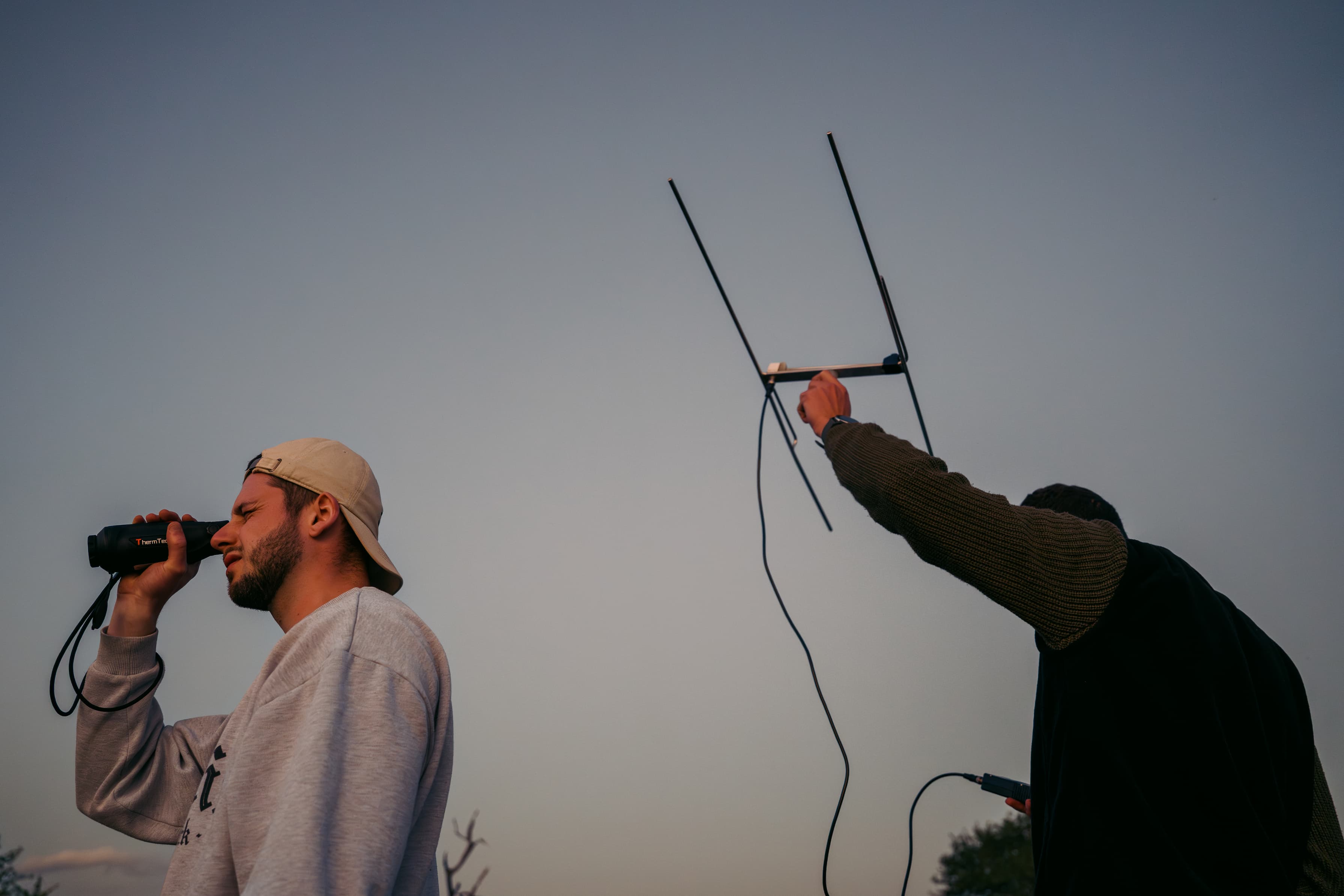
Essential Electronics and Power
You should bring:
- A travel adaptor appropriate for South African outlets (Type D and Type M).
- A portable power bank with high capacity is also highly recommended. This allows you to recharge devices while out in the Protected Area during long Monitoring drives.
- Because of the solar power limitations, you may not always have constant access to a wall socket for charging personal devices.
A small, durable camera is ideal for taking photo identification images of species like the Cheetah. You will use these images to verify individuals and update the Monitoring database.
Furthermore, a sturdy, sealed plastic bag or dry bag is necessary to protect all electronics from dust, moisture, and sudden rain showers in the vehicle.
Data Recording Tools
While much of the core Monitoring equipment (radios, telemetry receivers, GPS units) is supplied by the Wildlife ACT team, volunteers should carry a few basic recording tools.
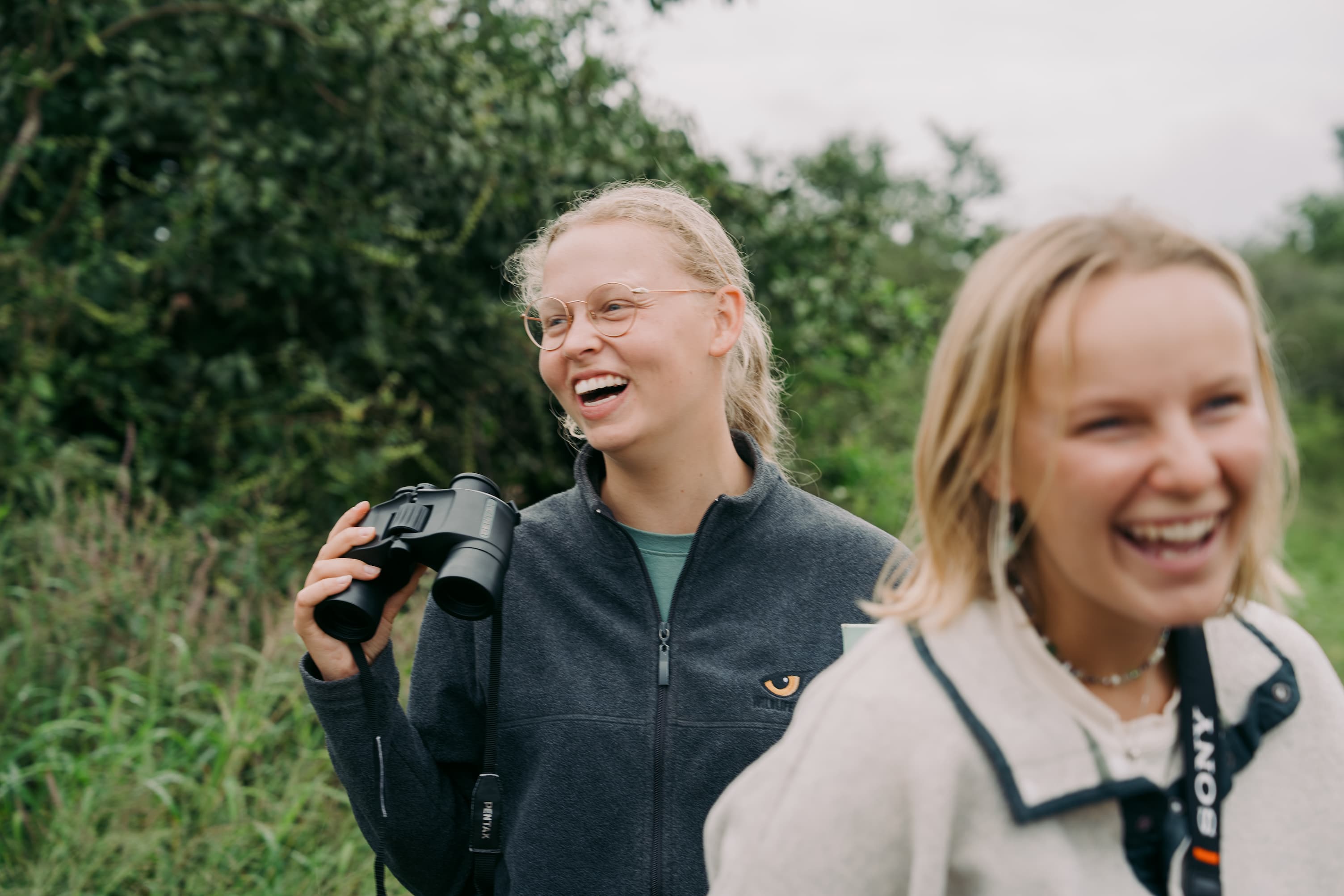
You should also pack a decent pair of binoculars (8x42 or 10x42 are ideal). Having your own good optics is crucial for accurately identifying and recording sightings from a distance without disturbing the Individual being monitored.
This commitment to non-disturbance is a core tenet of our work.
To deep dive into the full, hands-on experience, read our comprehensive blog post https://www.wildlifeact.com/blog/how-to-contribute-to-hands-on-conservation-in-zululand
Frequently Asked Questions
1. Are bright colours or camouflage permitted in the field?
No. Bright colours (like red or white) or heavy camouflage patterns are strictly prohibited. You must wear neutral colours only (khaki, olive green, or brown) to minimise your visual impact and avoid stressing or disturbing the wildlife being monitored.
2. Should I bring a camera with a long-range zoom lens?
Many wildlife volunteers find a camera with a long-range zoom lens useful, as sightings often occur at a distance in the bush. Team members use binoculars and radio telemetry for location and identification
3. What kind of bags are best for packing for a conservation trip?
Soft-sided bags are preferable. Wildlife ACT projects typically have limited storage space in vehicles and accommodation. A durable duffel bag or backpack that is easy to collapse and store is the most functional choice.
4. Is there laundry access available in the Protected Area camps?
Yes, simple laundry facilities are generally available in camp. This means you do not need to pack two full weeks of clothes. You can manage easily with four to five sets of field clothes, provided you wash them regularly.
5. Do I need to bring a sleeping bag?
A sleeping bag is not typically required. All accommodation provides bedding, including sheets, blankets, and pillows. However, if you are visiting in the cooler winter months (June to August), you may consider packing extra thermal layers for night-time comfort.
Pack Purposefully, Join the Mission
Your packing list is an extension of your commitment to conservation. Ultimately, being prepared means you can focus entirely on the mission: the protection and Monitoring of Endangered and Priority Species in Zululand through wildlife volunteering.
The correct field gear ensures your comfort and safety across the diverse environmental conditions, from cold dawn drives to hot midday Monitoring sessions.
Remember the core priorities:
- neutral,
- durable clothing;
- waterproof,
- broken-in boots;
- high-SPF protection;
- and reliable power.
These practical choices reflect the reality of field conservation work. By packing smart, you ensure you are ready to stand shoulder-to-shoulder with our team and make a tangible impact on the future of African wildlife.
Ready to Turn Preparation into Purpose?
The most critical item you can bring is your commitment.
If you have checked your bags, confirmed your visa, and reviewed the logistics, your next step is to join the Wildlife ACT team.
- Review the program Logistics: Head to the official volunteer page to review the specific program details, safety protocols, and transportation information.
- Connect with Alumni: Check the Wildlife ACT social channels to read testimonials and see the latest updates from the field. This gives you a current, real-world perspective on the Monitoring work.
- Secure Your Placement: Take the final step and apply to join a Wildlife ACT team. Become part of a purpose-driven conservation effort that makes a measurable difference to African wildlife., providing you with unique wildlife volunteer opportunities.
References:
Wildlife ACT (2025). Endangered Species Volunteer Experiences (Zululand) [YouTube video]. Available at: https://www.youtube.com/watch?v=g7m1lra2ZZc (Accessed: 23 January 2026).
Wildlife ACT (2025). How to Contribute to Hands-On Conservation in Zululand. Wildlife ACT Blog. Available at: https://www.wildlifeact.com/blog/how-to-contribute-to-hands-on-conservation-in-zululand (Accessed: 23 January 2026).
Wildlife ACT (2025). Endangered Wildlife Monitoring and Protection Programme. Internal programme documentation. Wildlife ACT, South Africa.
International Union for Conservation of Nature (IUCN) (2024). The IUCN Red List of Threatened Species. Available at: https://www.iucnredlist.org (Accessed: 23 January 2026).
South African Weather Service (2024). Climate of KwaZulu-Natal. Available at: https://www.weathersa.co.za(Accessed: 23 January 2026).
SANParks (2023). Field Safety and Equipment Guidelines for Protected Areas. South African National Parks, Pretoria.
.jpeg)