A wildlife conservation gap year has the potential to be more than a pause between academic chapters. It can provide structured exposure to real world conservation, build practical field skills, and contribute to the protection of Endangered and Priority Species across diverse ecosystems.
Ethical wildlife volunteering is defined by its purpose. It is science led, guided by professional conservation teams, and focused on long term Monitoring and species recovery. It does not prioritise guaranteed sightings or close wildlife interaction. It prioritises ecological integrity, data accuracy, and measurable conservation impact.
Wildlife ACT operates across nationally proclaimed and private Protected Areas in Zululand, within the Southern Drakensberg, and on North Island in the Seychelles. Across these landscapes, conservation work ranges from terrestrial species Monitoring and Vulture protection to marine habitat restoration and endangered Sea Turtle Monitoring. Each program is structured around conservation needs and delivered within established management frameworks.
This guide outlines how to plan a wildlife conservation gap year that aligns with ethical principles, supports real conservation objectives, and contributes meaningfully to biodiversity protection in Africa and the Indian Ocean.
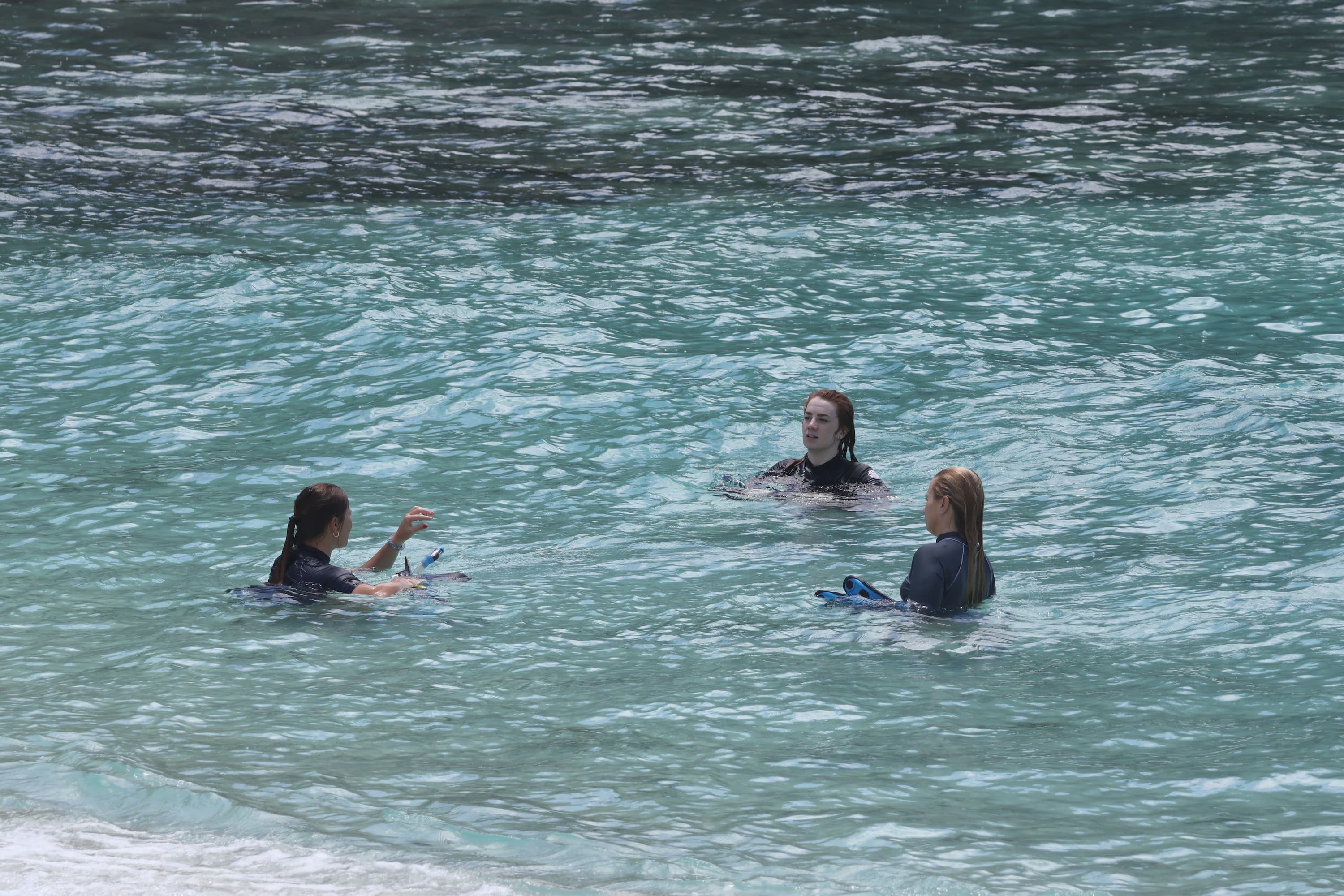
Step 1: Define Your Purpose Before Planning a Wildlife Conservation Gap Year
Planning an ethical wildlife conservation gap year begins with clarity of purpose. Before researching destinations or selecting a conservation program, it is important to understand why you want to volunteer and what you hope to gain from the experience. A gap year has the potential to shape your career path, your worldview, and your understanding of conservation. The choices made at this stage will determine whether your experience contributes meaningfully to wildlife protection or simply resembles travel with a conservation label attached.
If you are considering a future in conservation biology, wildlife management, ecology, or environmental science, your gap year should expose you to structured Monitoring systems, data collection protocols, and the realities of species management inside formally proclaimed Protected Areas. Field conservation is disciplined, methodical, and often repetitive. It is built on accurate data, daily consistency, and long term strategy rather than isolated moments of excitement.
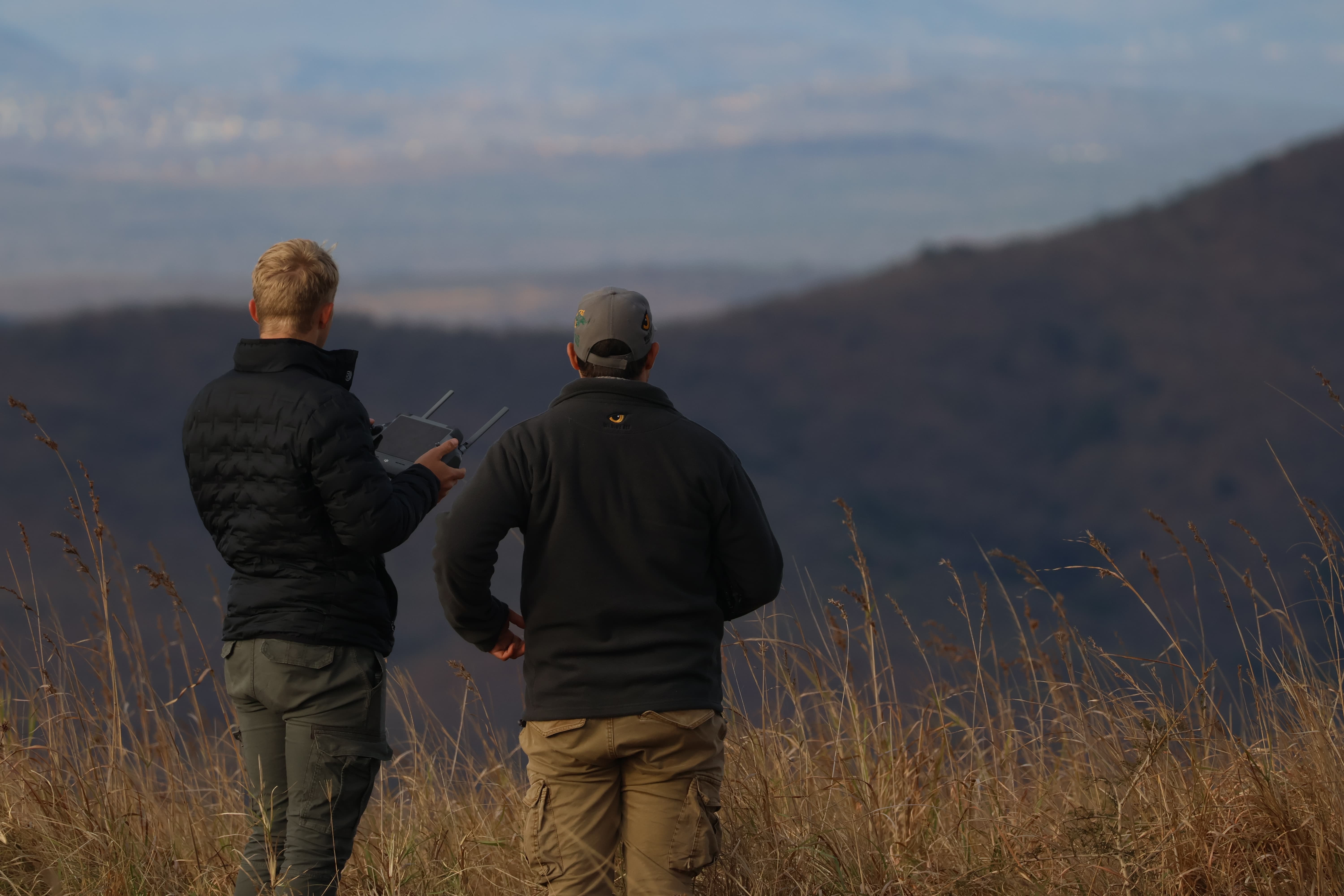
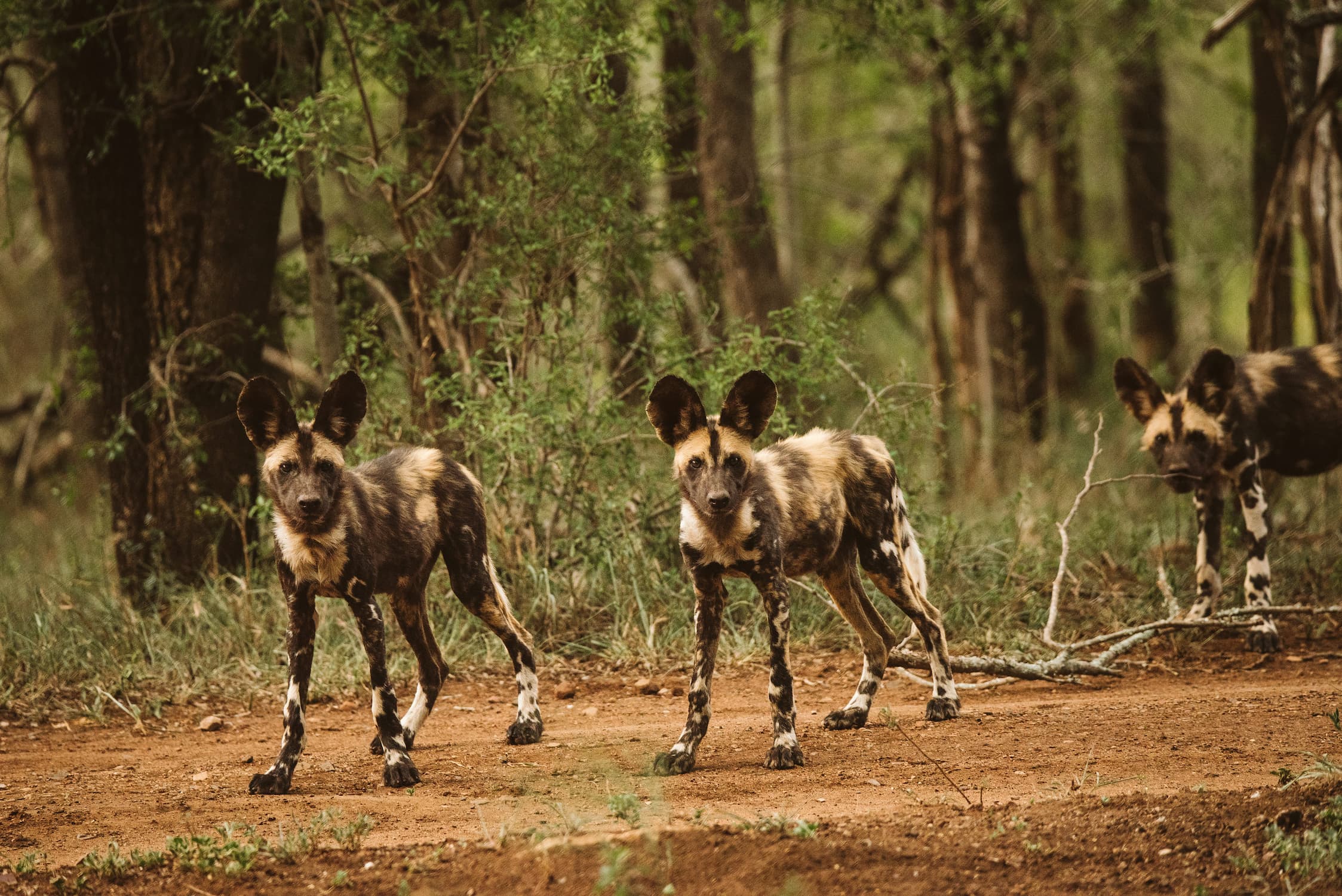
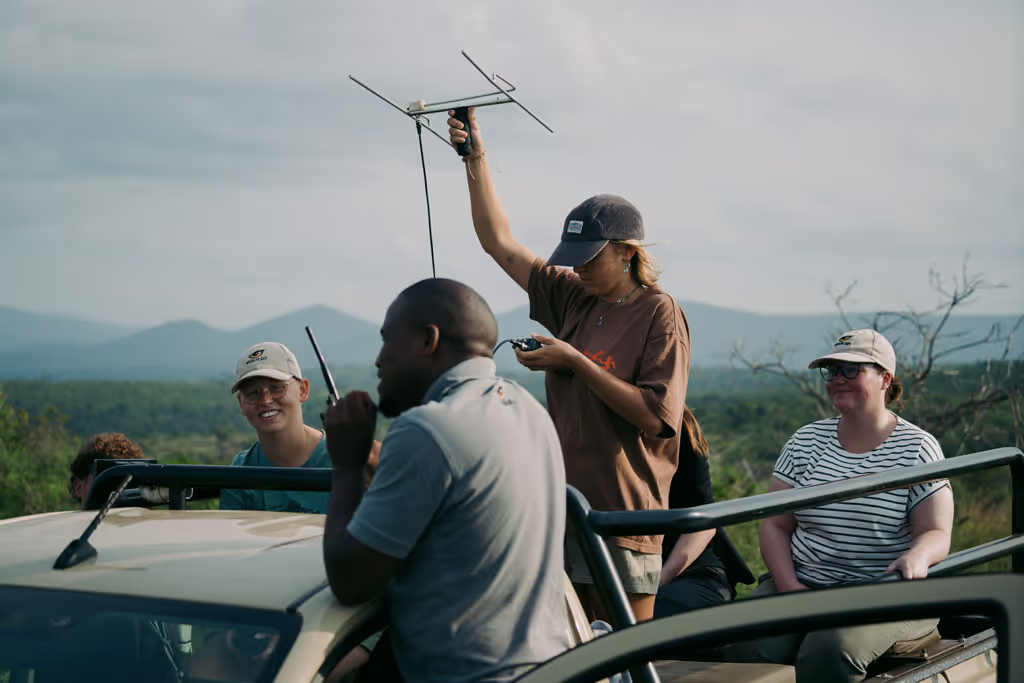
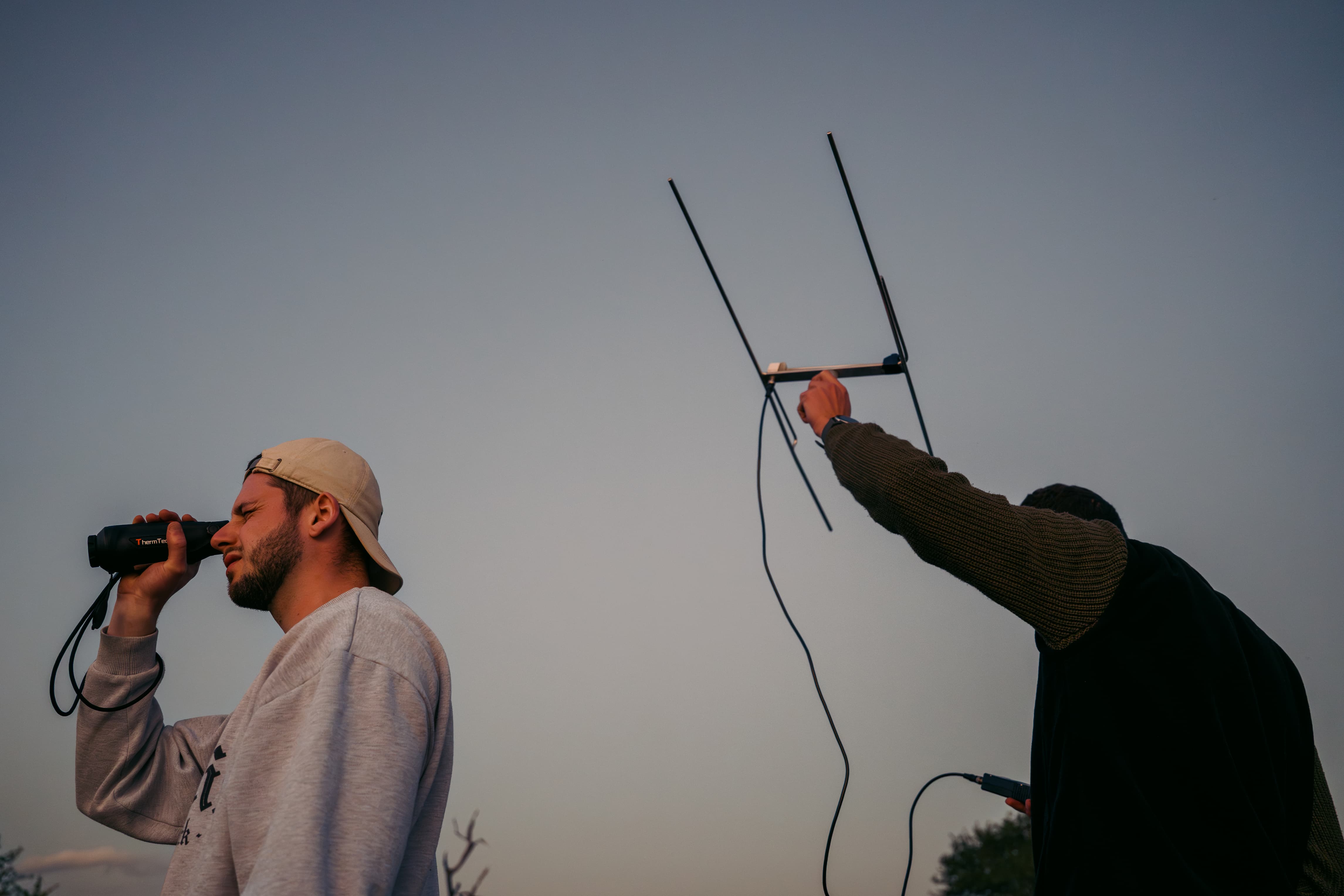
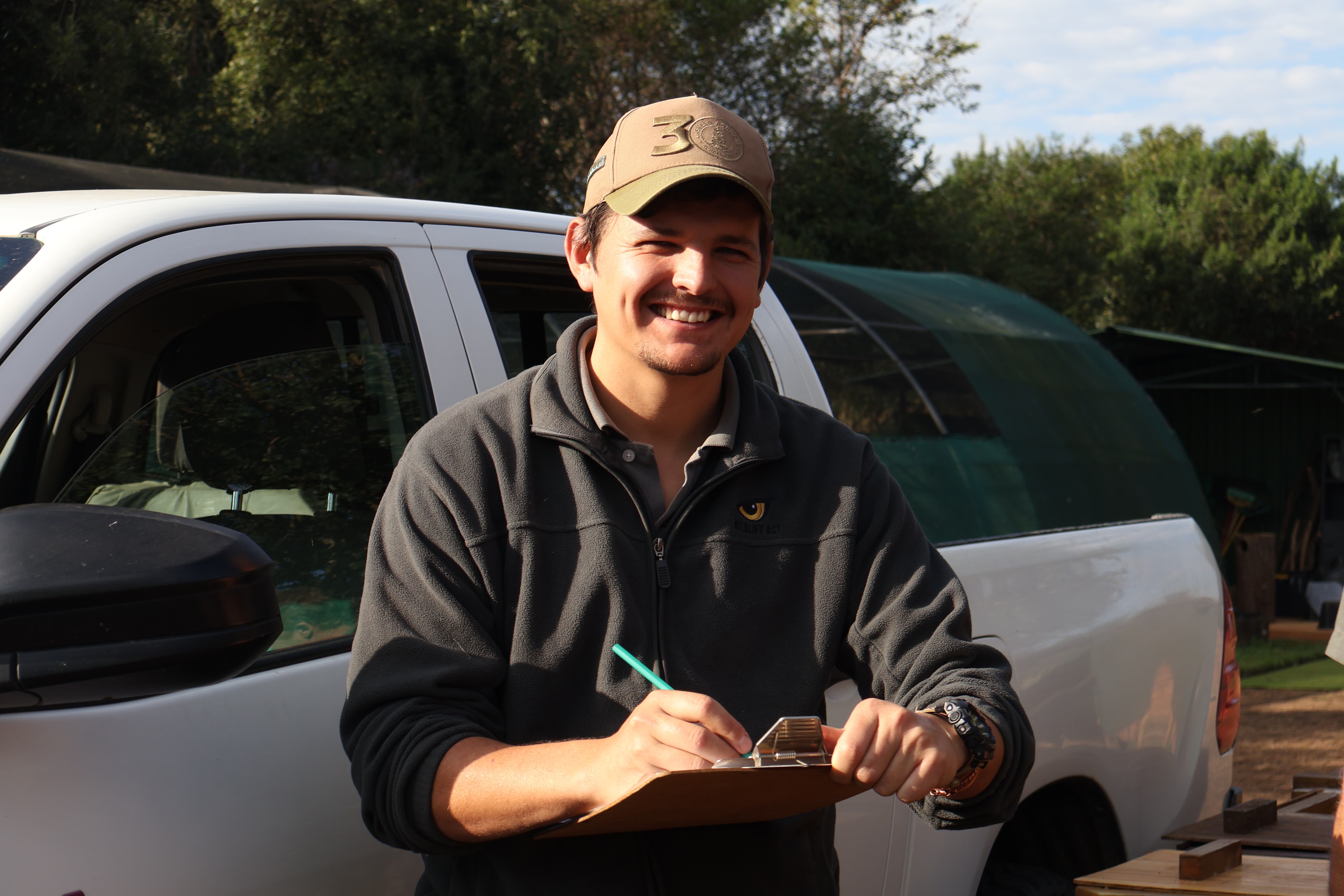
In Zululand, where Wildlife ACT supports Monitoring across nationally proclaimed and private Protected Areas, daily work may involve tracking collared African Wild Dogs at dawn, analysing camera trap data to assess population movement, or recording behavioural observations that contribute to long term management decisions. Each task fits into a wider conservation strategy that extends beyond a single reserve or season. The value lies not in the moment itself, but in how that moment strengthens a larger dataset used to guide species recovery.
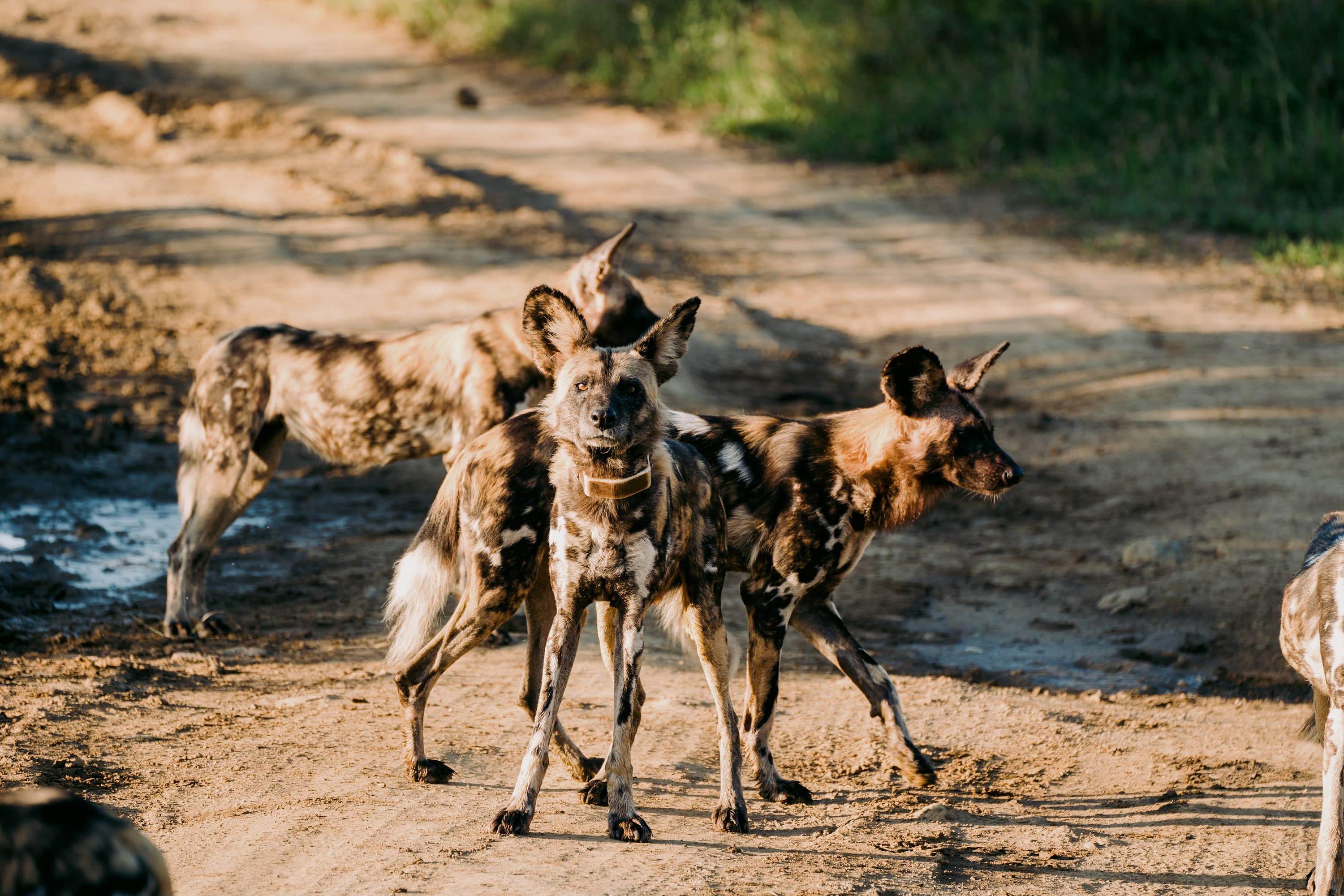
On North Island in the Seychelles, a different ecological context shapes the work. Supporting endangered Sea Turtle Monitoring or habitat restoration requires patience, consistency, and respect for standardised methodology. Data collected during a single nesting season only gains significance when compared against years of Monitoring. Volunteers who understand this from the outset tend to engage more deeply with the purpose behind the process.
Being honest about your intentions helps you choose a wildlife conservation gap year that aligns with your expectations and values. If your goal is to build practical field skills, understand science-led conservation, and contribute meaningfully to structured programs, then the experience will challenge you in ways that are constructive and lasting. When motivation and conservation need to align, the gap year becomes more than travel. It becomes informed participation in real world species protection.
Defining your purpose at the outset ensures that you select a wildlife volunteering experience aligned with science based conservation objectives. When your expectations reflect the realities of structured Monitoring, ethical practice, and long term species recovery, your gap year becomes a meaningful contribution to conservation rather than a temporary encounter with wildlife.
Step 2: Understand What Ethical Wildlife Volunteering Actually Means
Once you are clear about your motivation, the next consideration is the standard of conservation practice you are prepared to align with. The term “wildlife volunteering” is used broadly, yet the quality and ethics behind different programs can vary significantly. For anyone planning a conservation focused gap year, understanding what ethical wildlife volunteering truly requires is essential.
Ethical conservation is grounded in science, oversight, and long term strategy. It prioritises the well being of species and ecosystems over the experience of the visitor. In practical terms, this means that field activities are designed around conservation objectives rather than participation value. Monitoring takes place because it is required to inform management decisions. Data is collected according to established protocols. Intervention occurs only when necessary and under the guidance of relevant authorities.
A core principle of ethical wildlife conservation is the protection of natural behaviour. Wild animals must remain wild. Programs that promote unnecessary contact, guaranteed interaction, or staged wildlife encounters risk undermining this principle. Habituation, even when well intentioned, can have lasting consequences for individual animals and for broader population management. In contrast, structured no contact approaches maintain ecological integrity and ensure that conservation outcomes remain the priority.
Wildlife ACT’s model reflects this standard. Across Zululand’s protected landscapes and within the Seychelles, volunteers support existing conservation frameworks rather than shaping them. Small teams operate within defined management systems, contributing Monitoring capacity where it is needed most. Whether assisting with telemetry tracking of African Wild Dogs, supporting Vulture conservation in the Southern Drakensberg, or contributing to Sea Turtle Monitoring on North Island, volunteers are integrated into work that would continue regardless of external participation.
Transparency is another defining feature of ethical wildlife volunteering. Organisations should be clear about how volunteer fees are allocated, how data is used, and how conservation partnerships function. A gap year spent within a transparent, science led program provides not only experience, but credibility. It allows you to speak about conservation from an informed position rather than from assumption.
Choosing an ethical wildlife conservation gap year is therefore not simply about selecting a destination. It is about selecting a conservation philosophy. When programs are built around long term species recovery, structured Monitoring, and collaborative management, volunteers can engage with confidence, knowing their contribution strengthens rather than compromises conservation objectives.
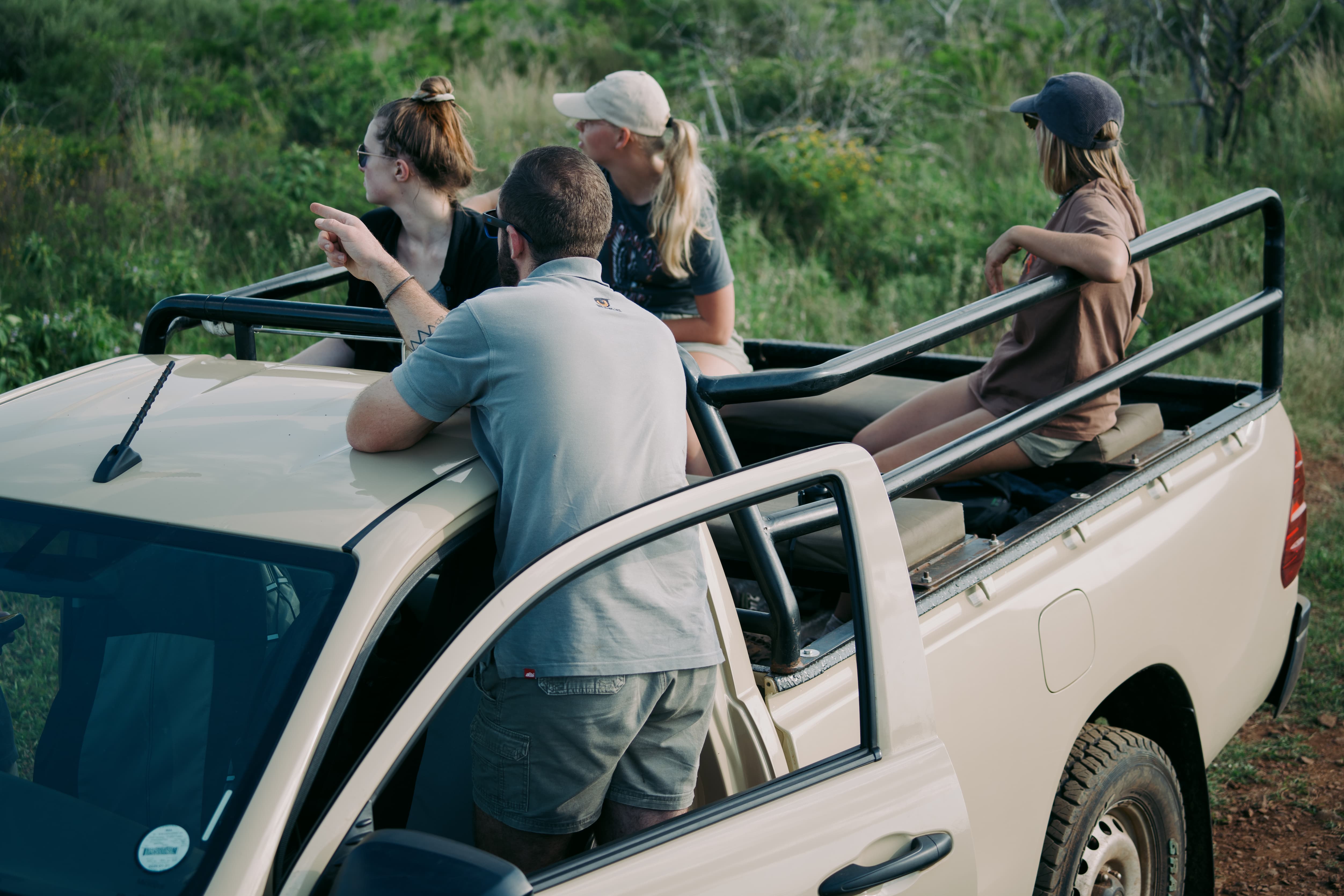
Step 3: Choose a Program That Aligns With Real Conservation Priorities
Once you understand what ethical wildlife volunteering requires, the next decision is not simply where to go, but how the program you choose fits into a broader conservation framework.
A meaningful wildlife conservation gap year is not defined by location alone. It is defined by whether the work you are stepping into addresses a genuine conservation need. Strong programs operate within established management plans, contribute to long term datasets, and collaborate with recognised conservation authorities. They are transparent about their objectives and clear about the role volunteers play within them.
When evaluating a program, look beyond the imagery and marketing language. Ask whether Monitoring follows standardised protocols. Consider whether volunteers support ongoing conservation operations or whether activities are designed primarily for participation. Determine whether wildlife welfare and ecosystem integrity are protected through structured oversight rather than flexible, experience driven scheduling.
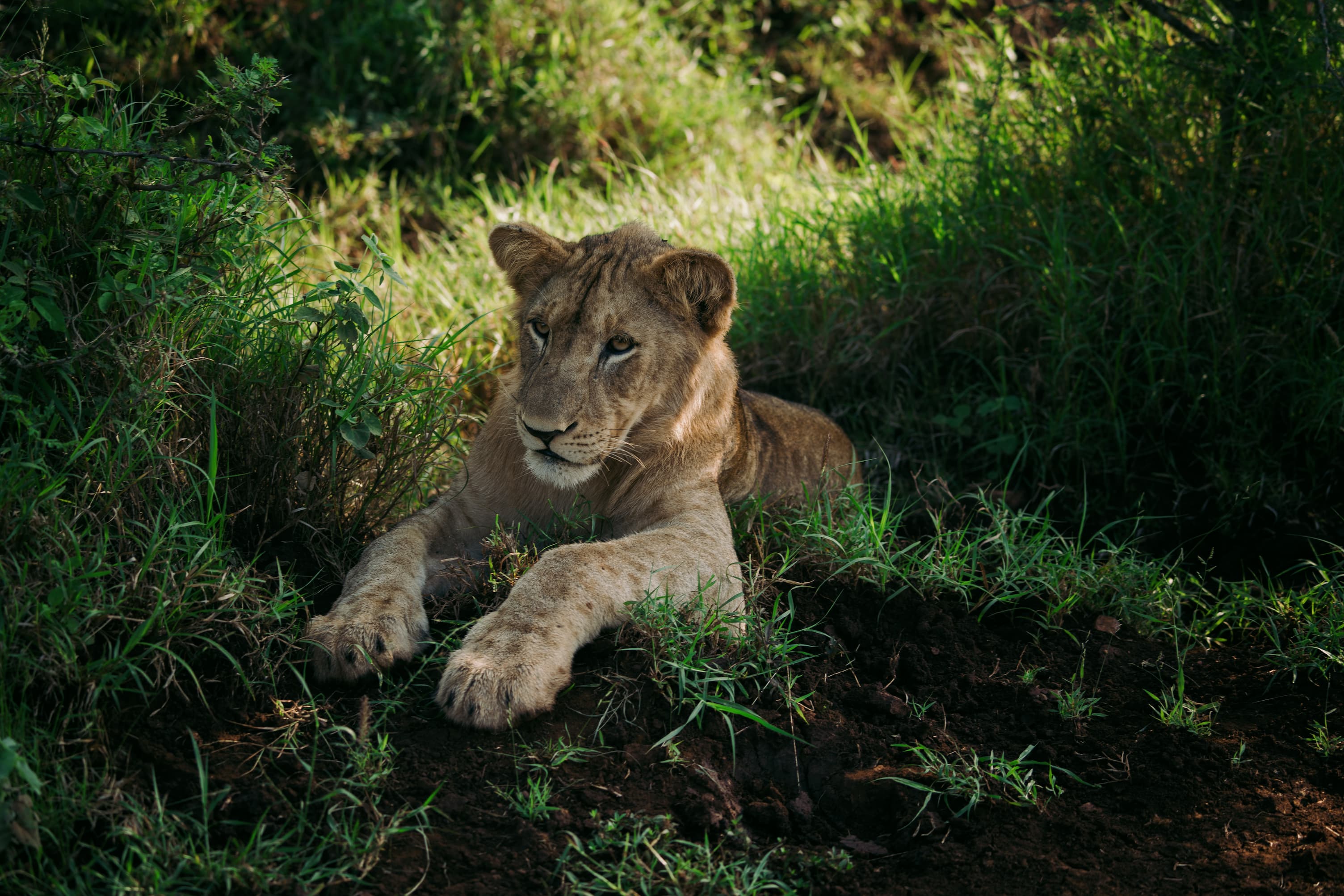
It is also worth examining scale and team structure. Smaller, focused teams often allow volunteers to integrate meaningfully into daily operations, while large groups can limit the depth of engagement and increase environmental pressure. Programs that prioritise consistency, continuity, and long term conservation partnerships are more likely to offer both credibility and genuine impact.
Choosing a wildlife conservation gap year in this way requires discernment. It may mean prioritising substance over spectacle. However, aligning yourself with a program that operates within real conservation systems ensures that your time in the field contributes to something measurable and enduring. That alignment is what ultimately transforms a gap year from an experience into a responsibility fulfilled with integrity.
Step 4: Be Prepared for the Reality of Field Conservation
A wildlife conservation gap year is deeply rewarding, but it is not effortless. The work is shaped by ecological rhythms rather than convenience, and that requires a level of adaptability that is often underestimated before arrival.
Field based conservation is structured and disciplined. Early mornings are common because wildlife movement does not align with office hours. Data must be recorded accurately, sometimes repeatedly, even when conditions are hot, wet, or physically demanding. Equipment requires maintenance. Vehicles must be checked. Camp responsibilities are shared. Much of conservation is built on routine, and that routine is what allows larger management strategies to function effectively.
There will be moments of extraordinary privilege, such as observing a species in its natural habitat or contributing to a Monitoring effort that informs a critical management decision. However, these moments sit within a broader framework of patience and consistency. The work is rarely dramatic for its own sake. Its value lies in accumulation over time.
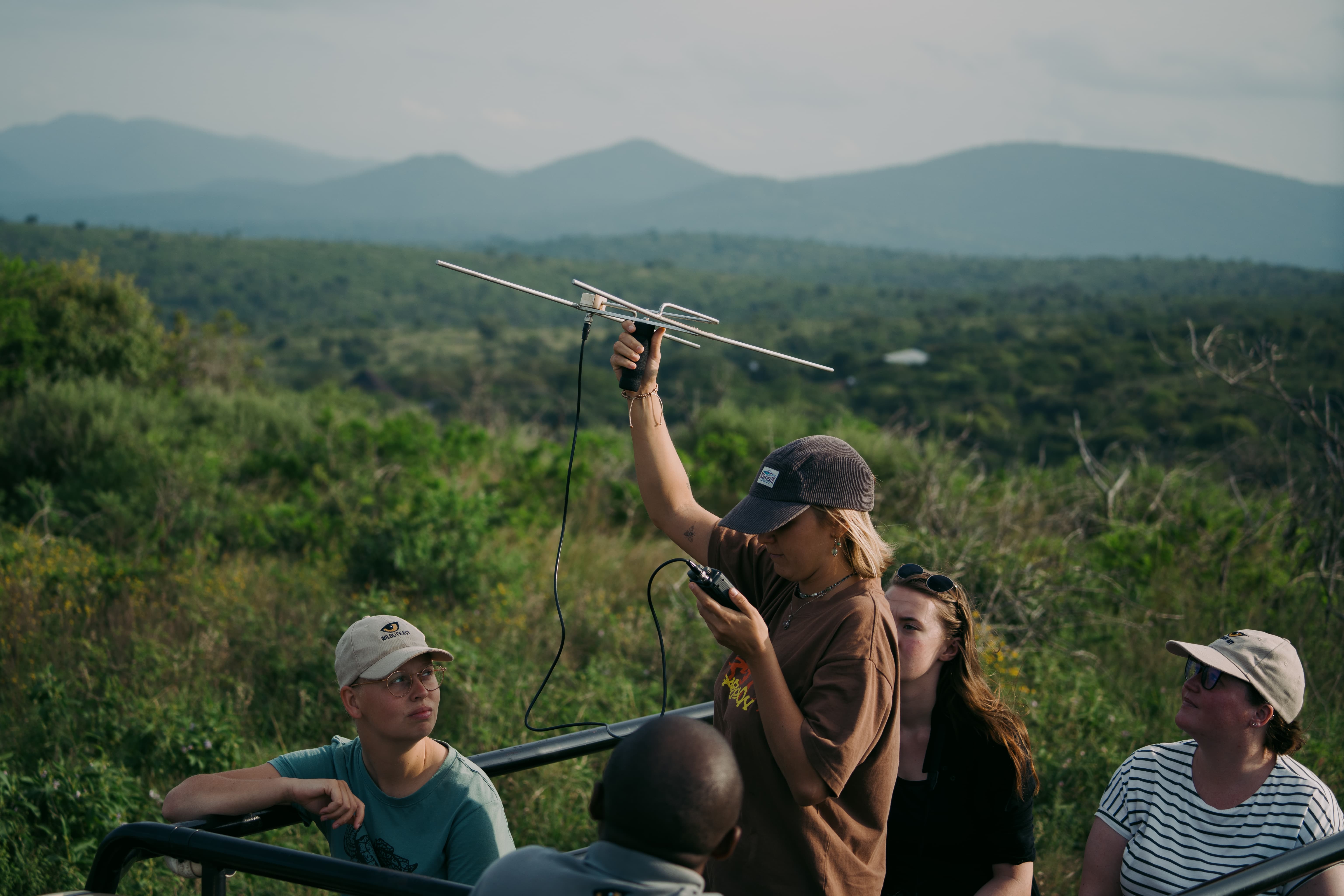
Living within or alongside active conservation landscapes also brings perspective. Limited connectivity, shared accommodation, and communal responsibilities are not inconveniences. They are part of operating responsibly within environments where ecological impact must be minimised. Volunteers quickly learn that conservation is collaborative, and that shared effort strengthens both the work and the experience.
Approaching your gap year with realistic expectations does not diminish its appeal. On the contrary, it allows you to engage more fully with the purpose behind the work. When you understand that conservation is steady, structured, and long term, you are better prepared to contribute meaningfully and to appreciate the significance of even small tasks within a much larger mission.
Planning Your Gap Year With Wildlife ACT
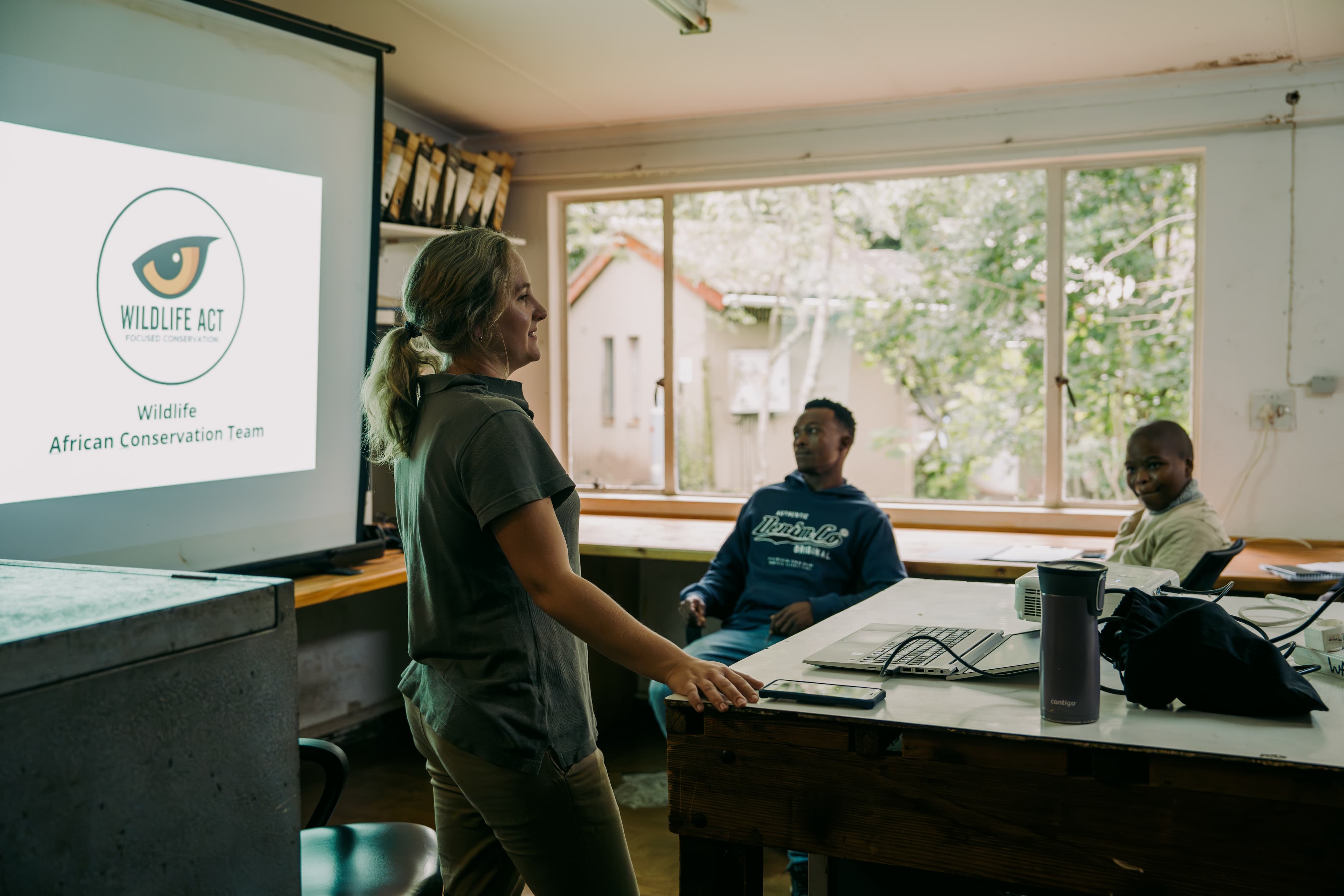
If you are considering building part of your gap year around wildlife conservation, Wildlife ACT offers structured placements that can be combined to create a meaningful and flexible experience.
In Zululand, your days might begin before sunrise, scanning for telemetry signals and learning how population data informs real time management decisions. You could assist with camera trap deployment, behavioural observations, and field data entry that contributes to the long term protection of species such as the African Wild Dog, Black Rhinoceros, and Cheetah. This is conservation embedded within working protected landscapes, where Monitoring supports coordinated species recovery rather than isolated activity.
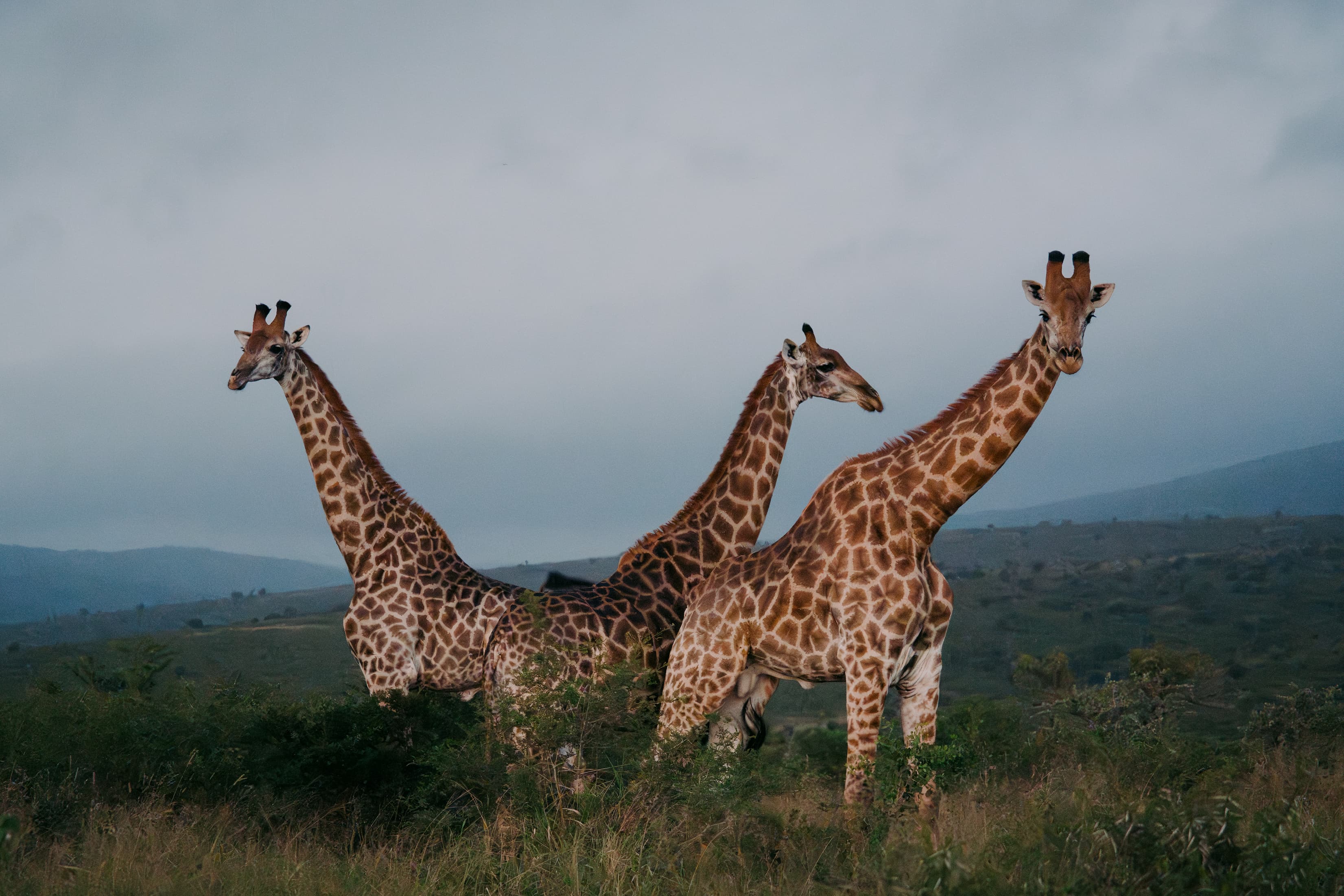
In the Southern Drakensberg, the focus shifts to mountain ecosystems and Vulture conservation. Here, exposure centres on understanding habitat pressures, regional collaboration, and the protection of species whose survival depends on careful landscape level management.
On North Island in the Seychelles, conservation is framed by island restoration. Volunteers support endangered Sea Turtle Monitoring during nesting season, contribute to biodiversity assessments, and assist with habitat rehabilitation under the island’s broader ecological recovery strategy. The work reflects the discipline required to restore and maintain fragile island systems over time.
Each placement runs in two to four week cycles to ensure volunteers integrate smoothly into ongoing conservation operations. For those planning a longer gap year, multiple cycles can be combined, and rotations between projects are possible depending on availability and conservation needs. Some participants choose to remain within one ecosystem to deepen their experience. Others structure their time to gain exposure to different species and conservation challenges across several months.
Wildlife ACT also offers formal Conservation Training Courses for those seeking a more intensive academic and practical foundation in wildlife management and habitat protection. These courses can form part of a gap year plan or follow a volunteer placement, providing structured learning alongside field application. Further details are available here:
https://www.wildlifeact.com/courses/conservation-training-courses
To begin the process, prospective volunteers complete the online application form at:
https://www.wildlifeact.com/wildlife-volunteer-application-form
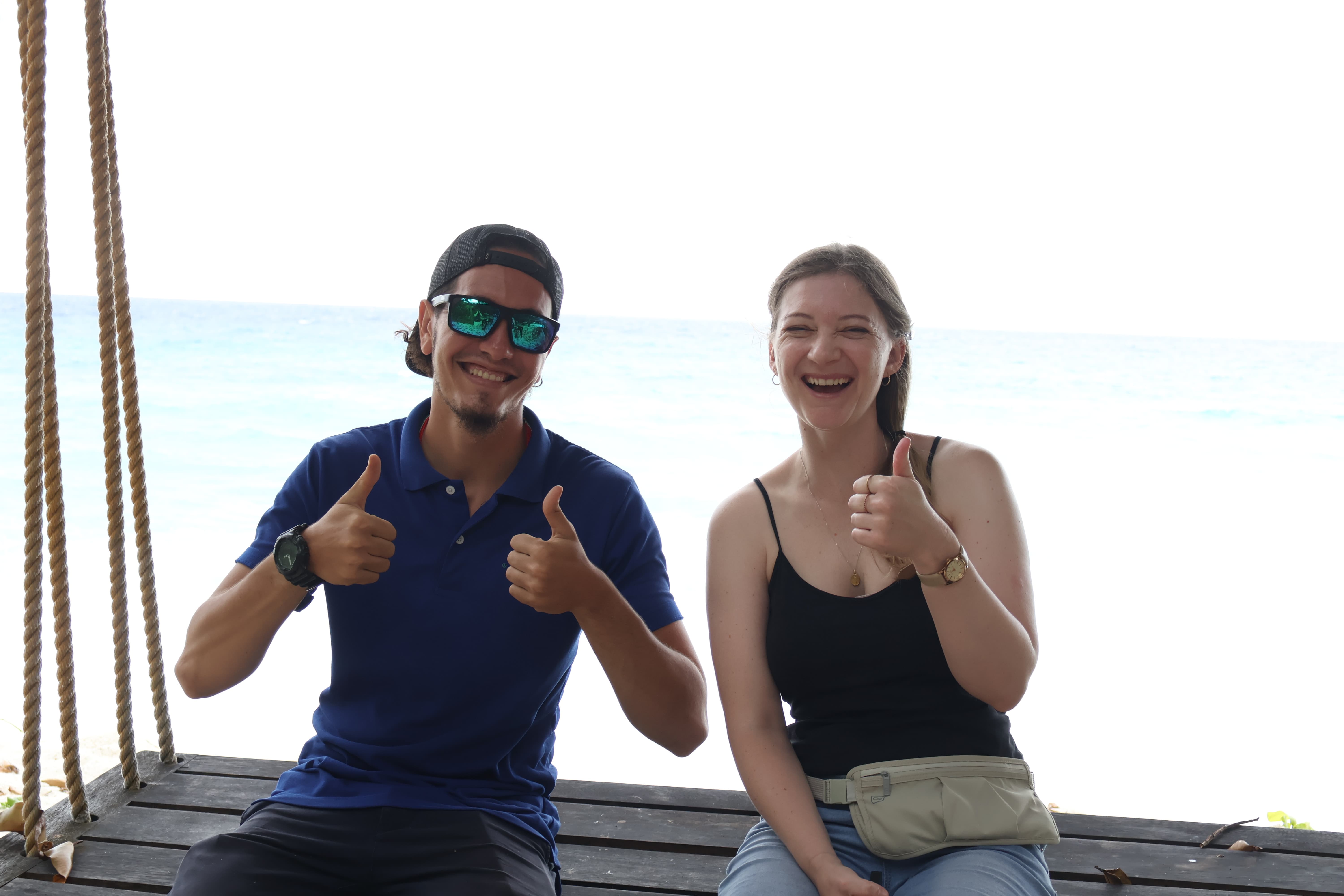
Once submitted, a member of the reservations team will be in contact to discuss preferred locations, dates, availability, and suitability. This allows each placement to be aligned with both conservation priorities and individual goals.
A wildlife conservation gap year with Wildlife ACT is not a packaged twelve month program. It is a flexible pathway into real conservation work, structured through placements that can be combined intentionally. Whether you join for two weeks or build a longer stay across multiple projects and training opportunities, your contribution sits within established conservation systems designed for long term impact.
.jpeg)