Written by Wildlife ACT Volunteer, Teeny Talsma
First Impressions of the Project
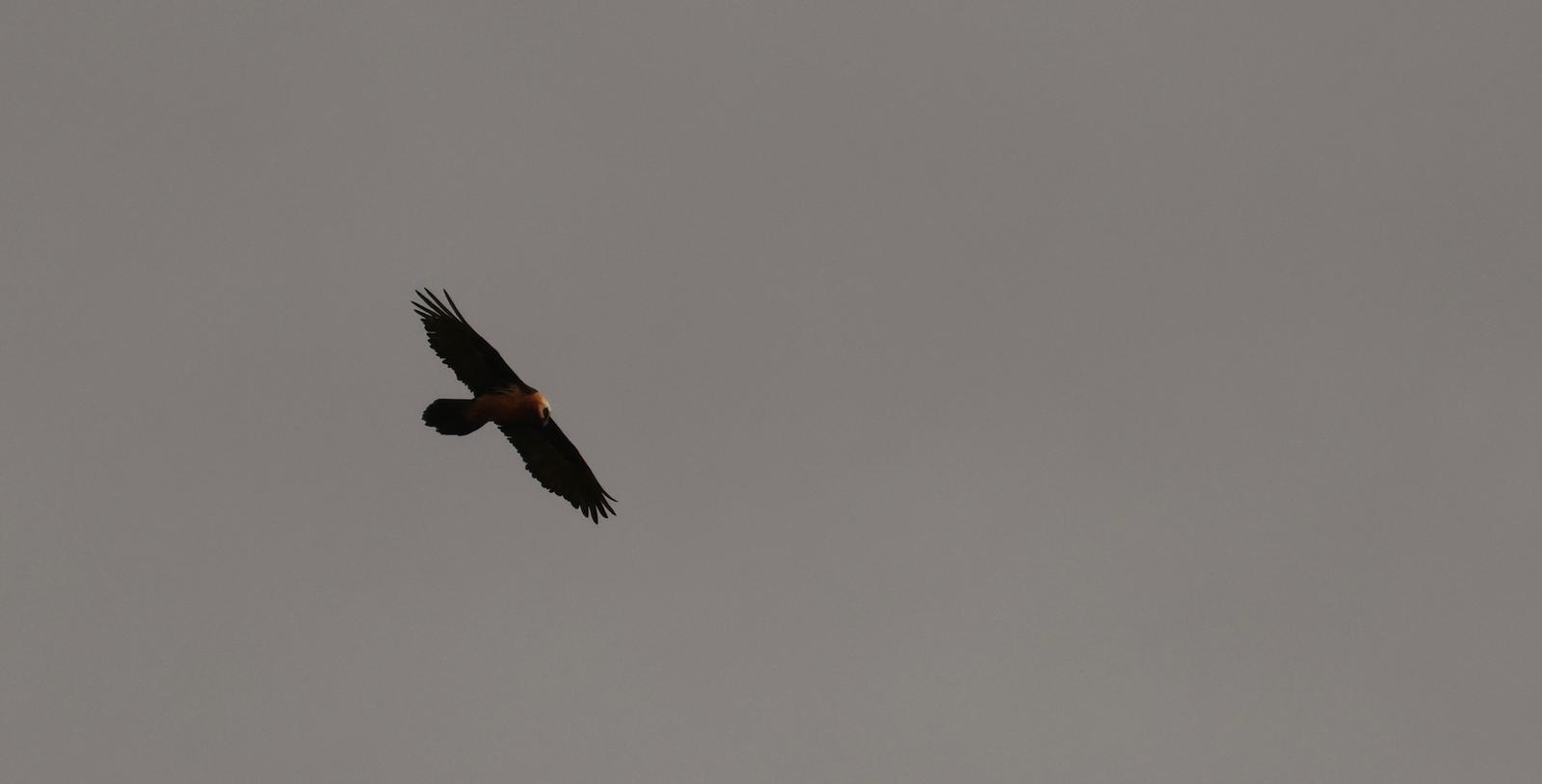
In 2025 I found myself heading to the Southern Drakensberg Conservation Project in Underberg for a two-week placement with Wildlife ACT. Having experienced some of Wildlife ACT’s other volunteer programs, I decided it was about time to check out the Vultures. With each visit to South Africa, the importance of their presence in the ecosystem had become more evident to me, and I needed to learn more.
In terms of expectations, I was aware there would be walking and some interesting “behind-the-scenes” work to do, and went with an open mind. I was not prepared for the stunning scenery on the drive from Durban, the blue skies, or the absolutely gorgeous views from The Gate House, which was my accommodation for the next two weeks - complete with a resident hadeda alarm clock to help you get up! I was the only volunteer at the time, but there is room for more.
Every day I continued to be amazed by the rugged, ancient mountains, each with interesting names and individual features, and often shrouded in cloaks of mist in the mornings. The surrounding farms, with their rolling green pastures and bales of hay and silage made me feel right at home - I’m a rural girl at heart.
Wildlife of the Southern Drakensberg

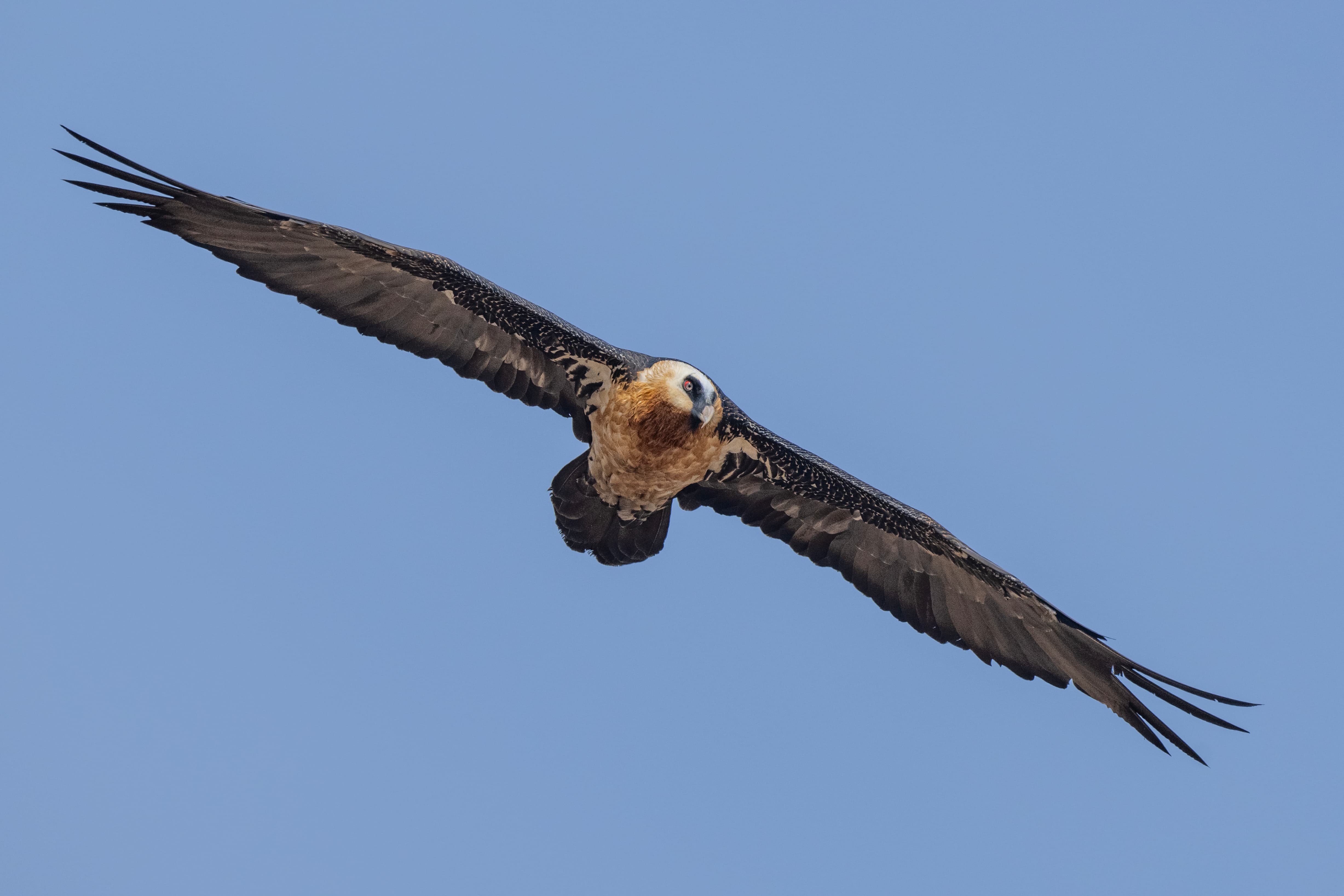
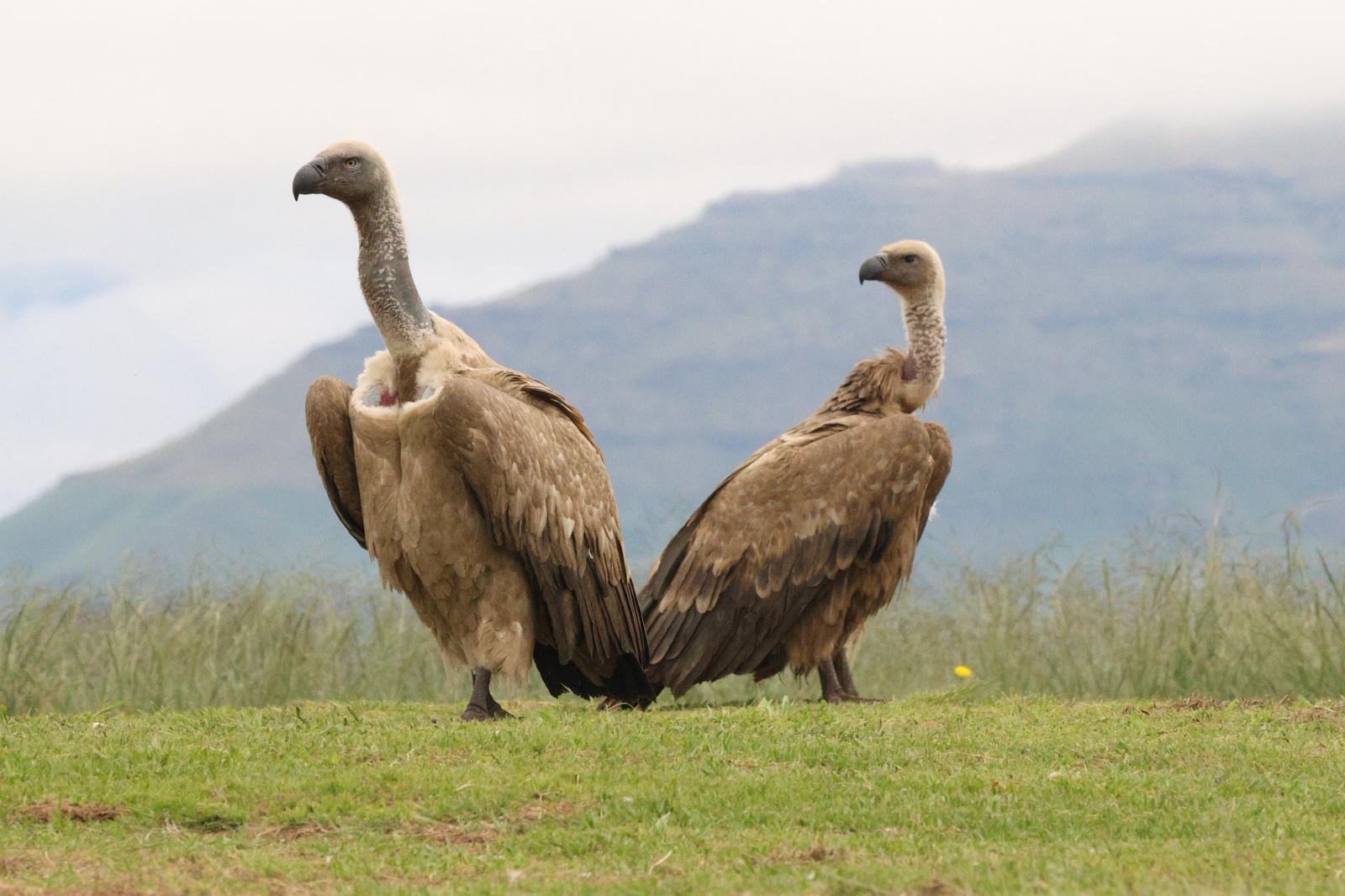
The weekly Tuesday morning monitoring sessions at the Mzimkulu Vulture Hide allowed me close-up sightings of Cape Vultures and the Bearded Vulture, along with white-necked ravens, yellow-billed kites, white-throated swallows, and the bald, sacred, and hadeda ibis.
As a novice birder, I was delighted to see and point out a big black-and-white eagle, which turned out - much to Mali’s delight - to be one of three Verreaux’s eagles seen that day. Black-backed jackals were often present and would boldly help themselves to the food at the Vulture Feeding Site!
The Work of Vulture Conservation
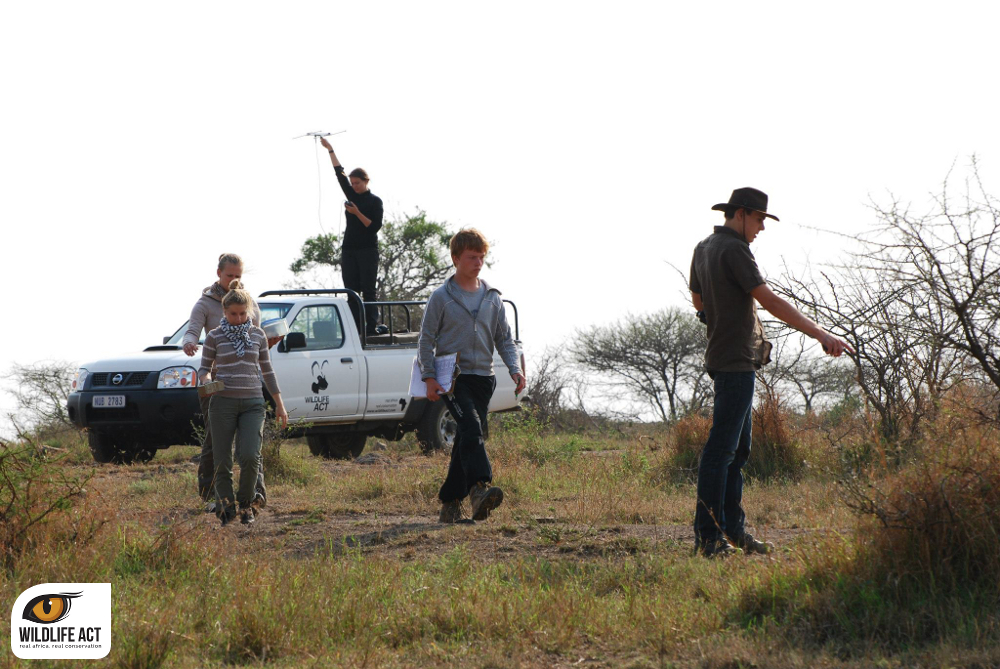
Recording data and cleaning up around the hide were part of a day’s work, and, as the garden is still fairly new, we did a lot of planting and weeding. Of course, we also had the task of opening and closing gates, as the hide is located on a local farm.
There was always plenty to do, including checking camera traps, entering data for recording purposes, and collecting and distributing feed for the Vultures at the hide. Each time I volunteer, I try to leave the camp a little better than when I arrived, whether through painting, cleaning, or attending to small jobs that there is never quite enough time to do.
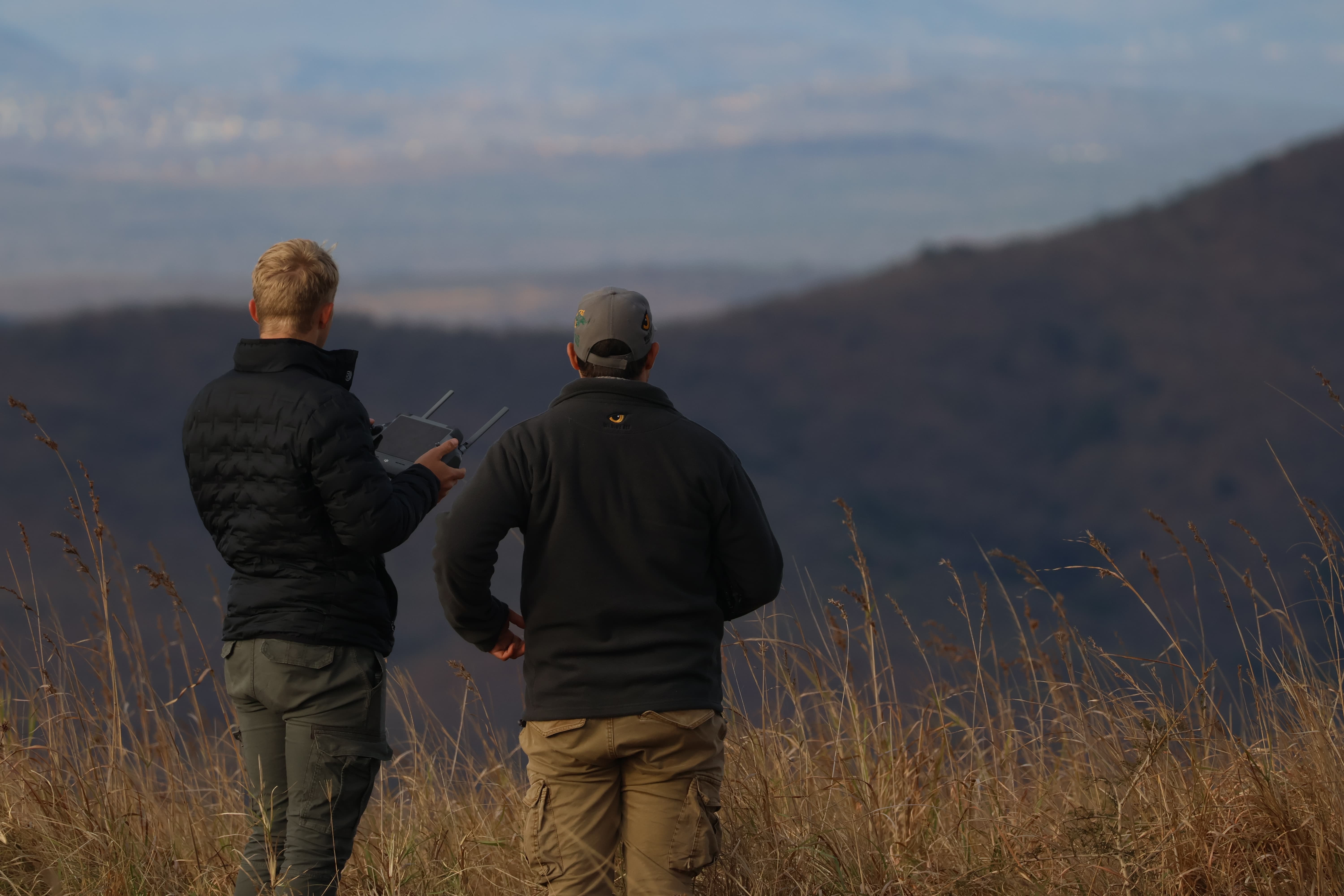
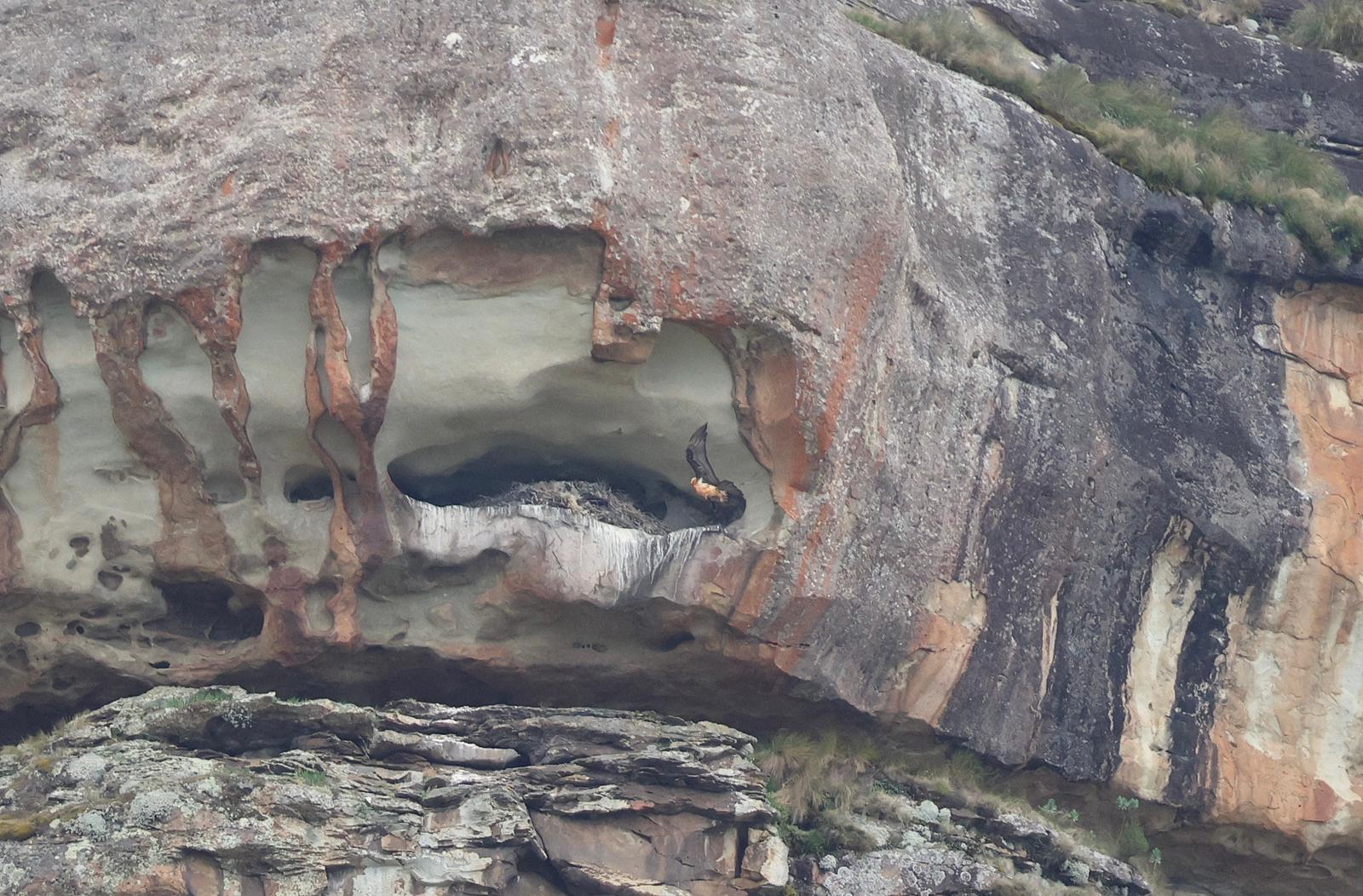
A highlight was Bearded Vulture nest monitoring. In preparation, we hiked to the vantage point until the car we had parked at the start was just a speck in the distance. We unloaded the equipment and waited. After about an hour, we were rewarded with an amazing sighting - a swap. This is when the parents exchange ‘babysitting duties’ for their single egg. We were able to record and photograph one bird entering the nest while the other departed, which was most exciting and exhilarating.
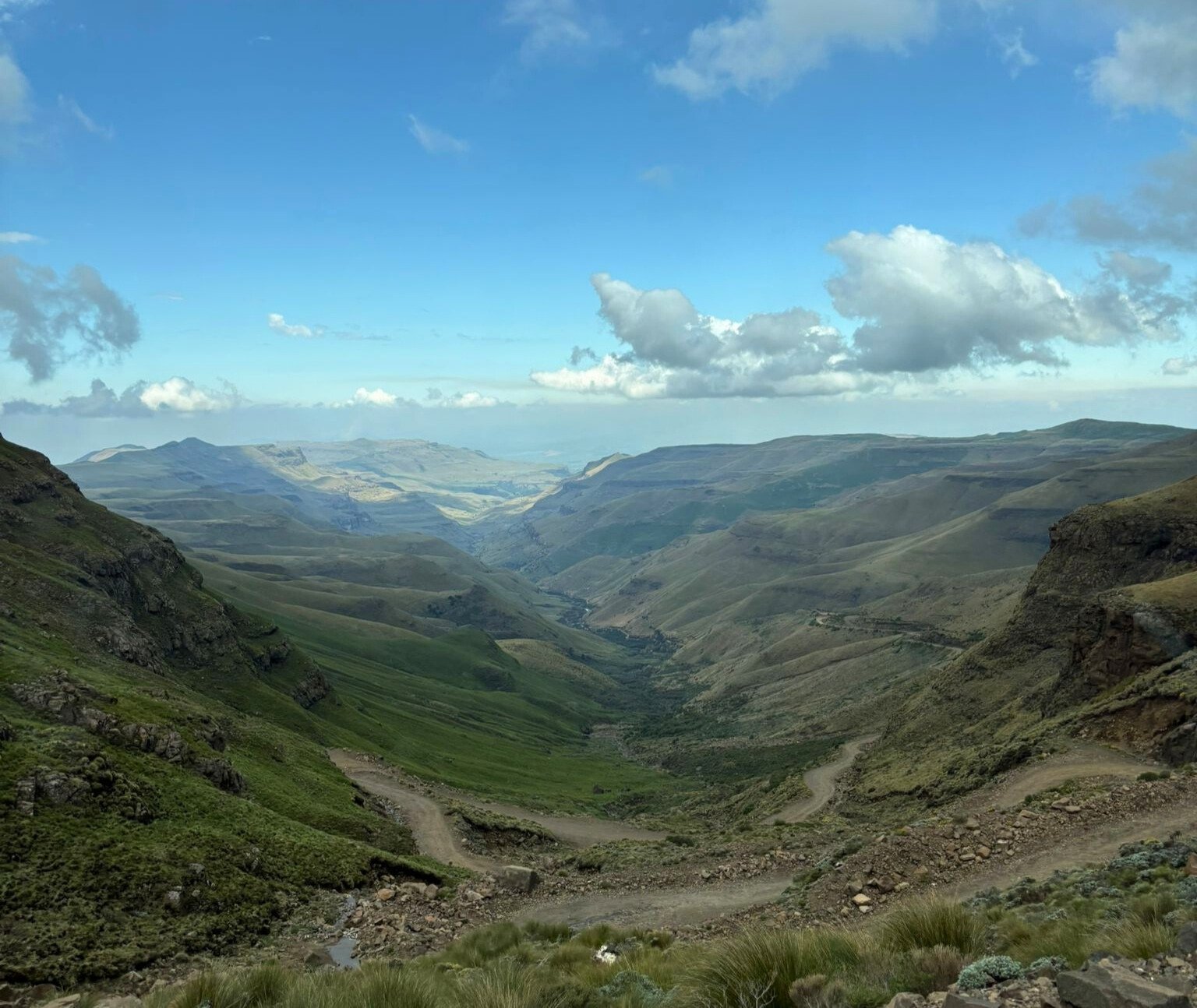
I was also lucky enough to travel with the team to the safe feeding site in Lesotho, supported by Wildlife ACT. To get there, we travelled through the Sani Pass. The views were out of this world and took my breath away! The road was rough, but incredibly rewarding, and we got to see it all again from another angle on the way down. It was just wonderful.
Final Thoughts
Because this project is less isolated than some others, we were able to do things like order pizza and go out for lunch in town on Sunday - a definite bonus! Best of all was the coffee shop down the road, which was perfect for a sunny break.
It is clear that the Southern Drakensberg Conservation Project works in close collaboration with local farmers, and that is, in my mind, a positive outcome for all. Thank you to Wildlife ACT (especially Dylan, Lexi, and Mali) for sharing such a great project and the experience of Vulture conservation - learning, laughing, and establishing new friendships.
The work at the project is, at times, dirty, messy, and challenging, but such is the nature of working with Vultures and playing a part in protecting these indispensable birds. I fell in love with the project, the area, and Underberg, and hope to see it again sometime in the future!
How to Get Involved
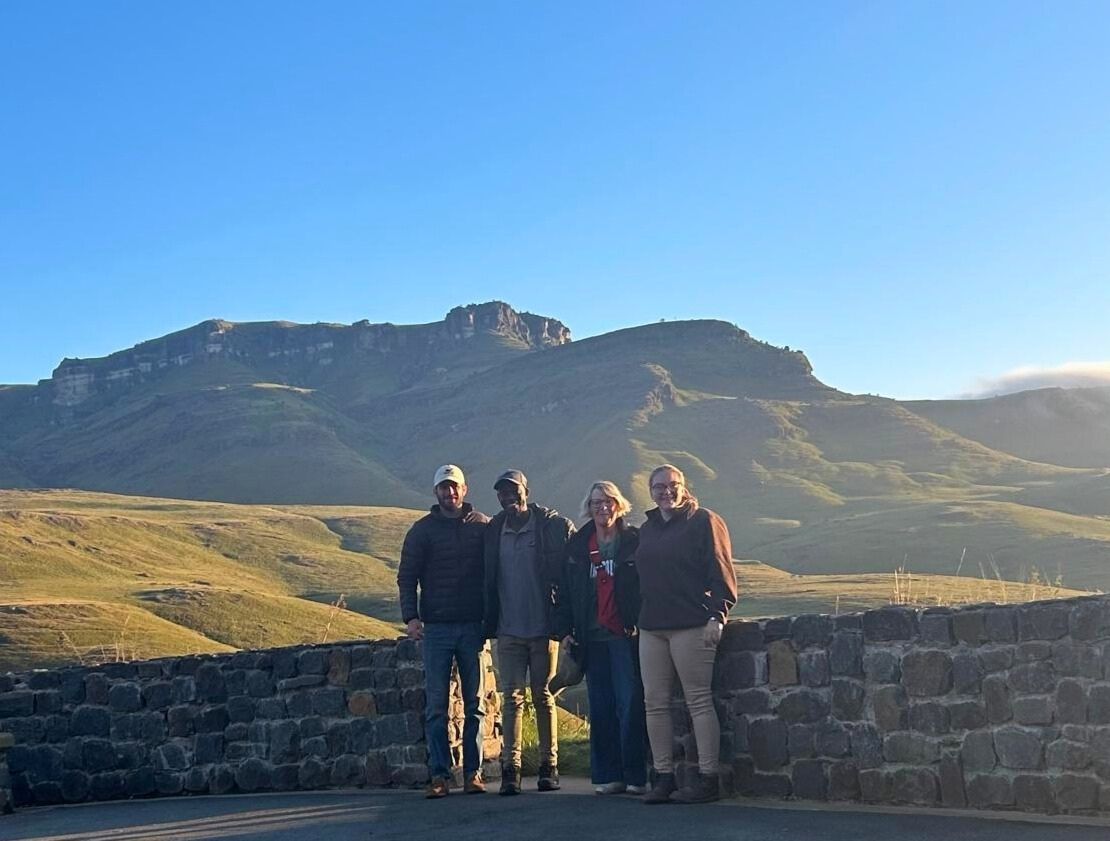
Want to experience Vulture conservation firsthand? The Southern Drakensberg Conservation Project offers volunteers the opportunity to contribute directly to the protection of some of southern Africa’s most threatened Vulture species, while working alongside dedicated and experienced conservationists.
Learn more about the Southern Drakensberg Conservation Project and discover how you can support this vital work as a Wildlife ACT volunteer here.
.jpeg)