The Lifetime Commitment to Conservation
Protecting Endangered and Priority Species is a lifelong commitment, not a moment in time. The work done in the field is only the beginning of a journey that continues through awareness, advocacy, and action. By staying informed, raising awareness, and supporting ongoing conservation initiatives, each person who joins Wildlife ACT can continue to play a meaningful role in protecting Endangered and Priority Species and the ecosystems they depend on.
This transition from field monitor to global ambassador is essential for the long-term survival of Endangered and Priority Species.
We often speak about the immediate data collected during a two-week Monitoring program, yet this essential fieldwork is what unlocks the real, lasting power of the volunteer experience: the knowledge, experience, and trust you gain.
This exposure to the day-to-day realities and inherent complexities of wildlife conservation includes the immense effort required for every success. This exposure to the day-to-day realities and inherent complexities of Monitoring Endangered and Priority Species includes the immense effort required for every success. This exposure equips you with the credibility needed to speak with scientific honesty about the issues.
Furthermore, it empowers your passion into focused action, enabling you to actively work on behalf of wildlife.
This post explores how Wildlife ACT volunteers translate their unique field experiences into tangible, sustained support once they return home.
You will learn about:
- the pivotal role of personal advocacy,
- the mechanics of ethical fundraising,
- and the power of sharing an authentic message of wildlife conservation with your own communities.
The Monitoring journey in Africa is just the beginning of your purposeful commitment to promoting human-wildlife coexistence and the protection of Endangered and Priority Species in Africa. You can start your career in wildlife conservation volunteer work right here.
The Shift: From Field Monitor to Global Advocate
The path from being interested in wildlife to becoming a dedicated conservation advocate begins in the bush.
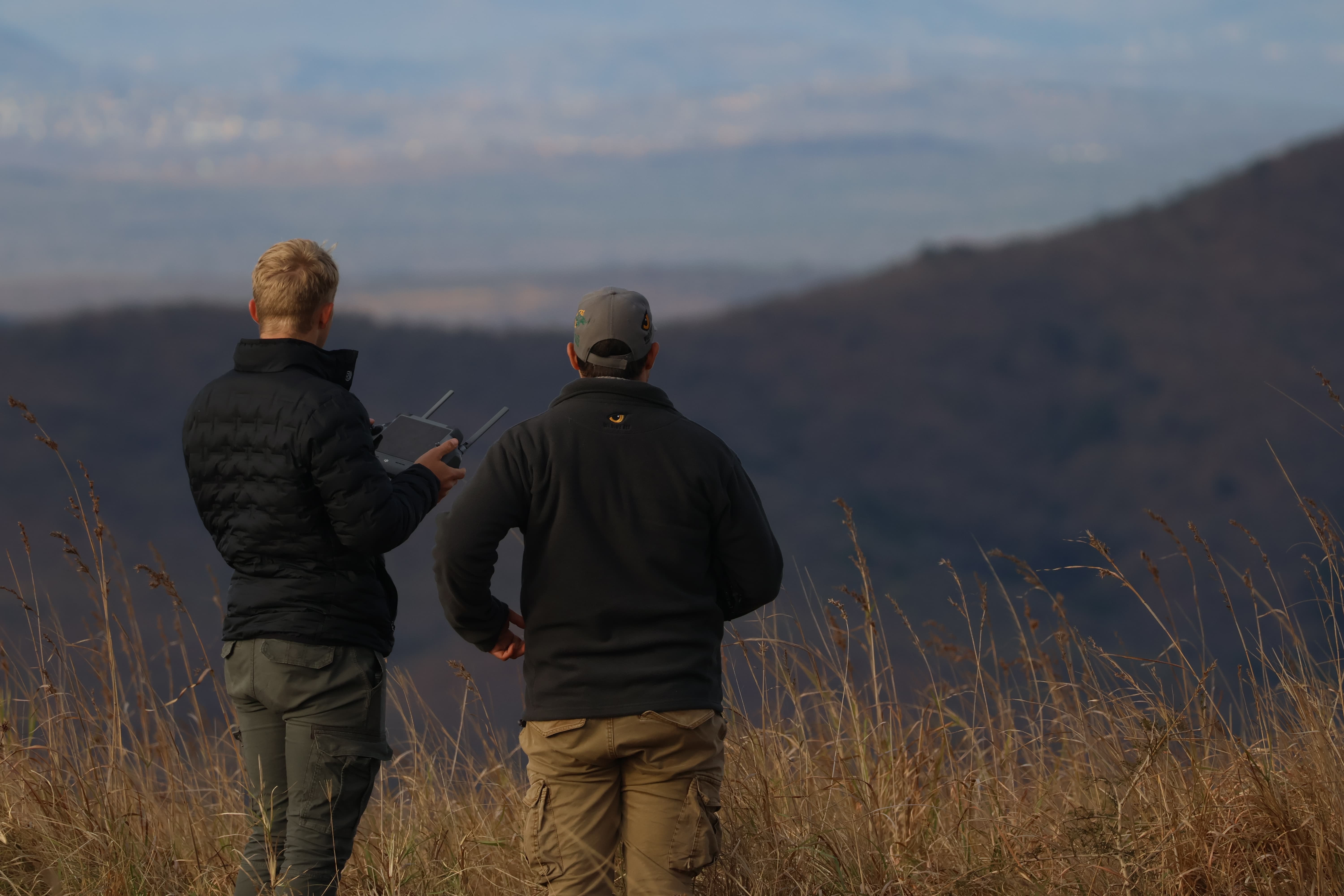
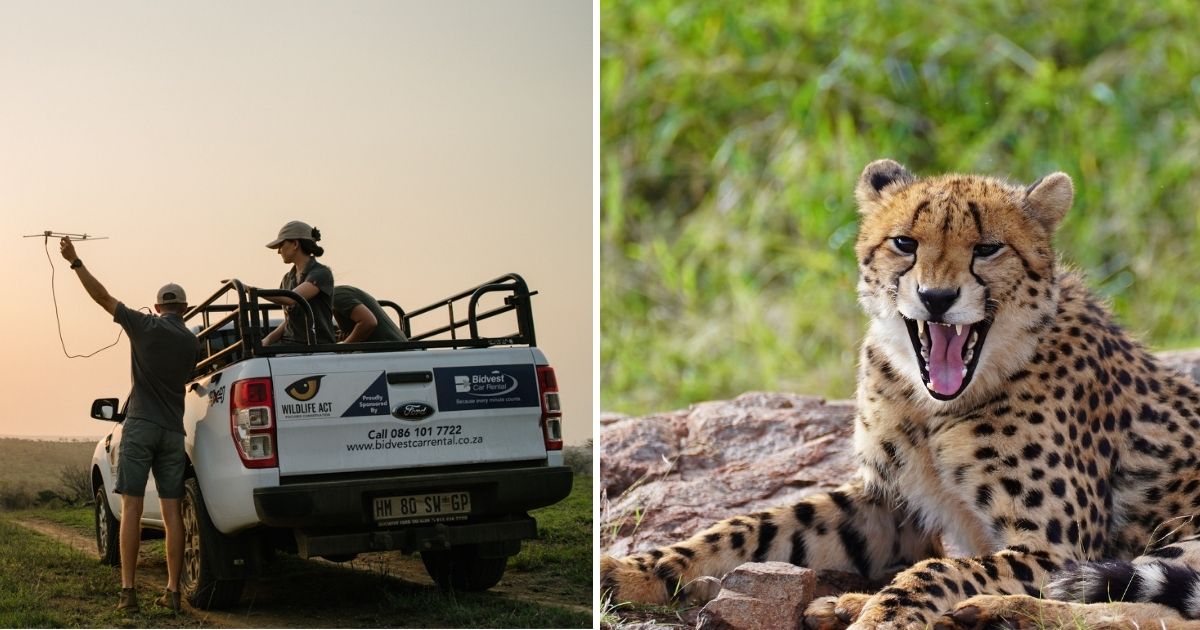
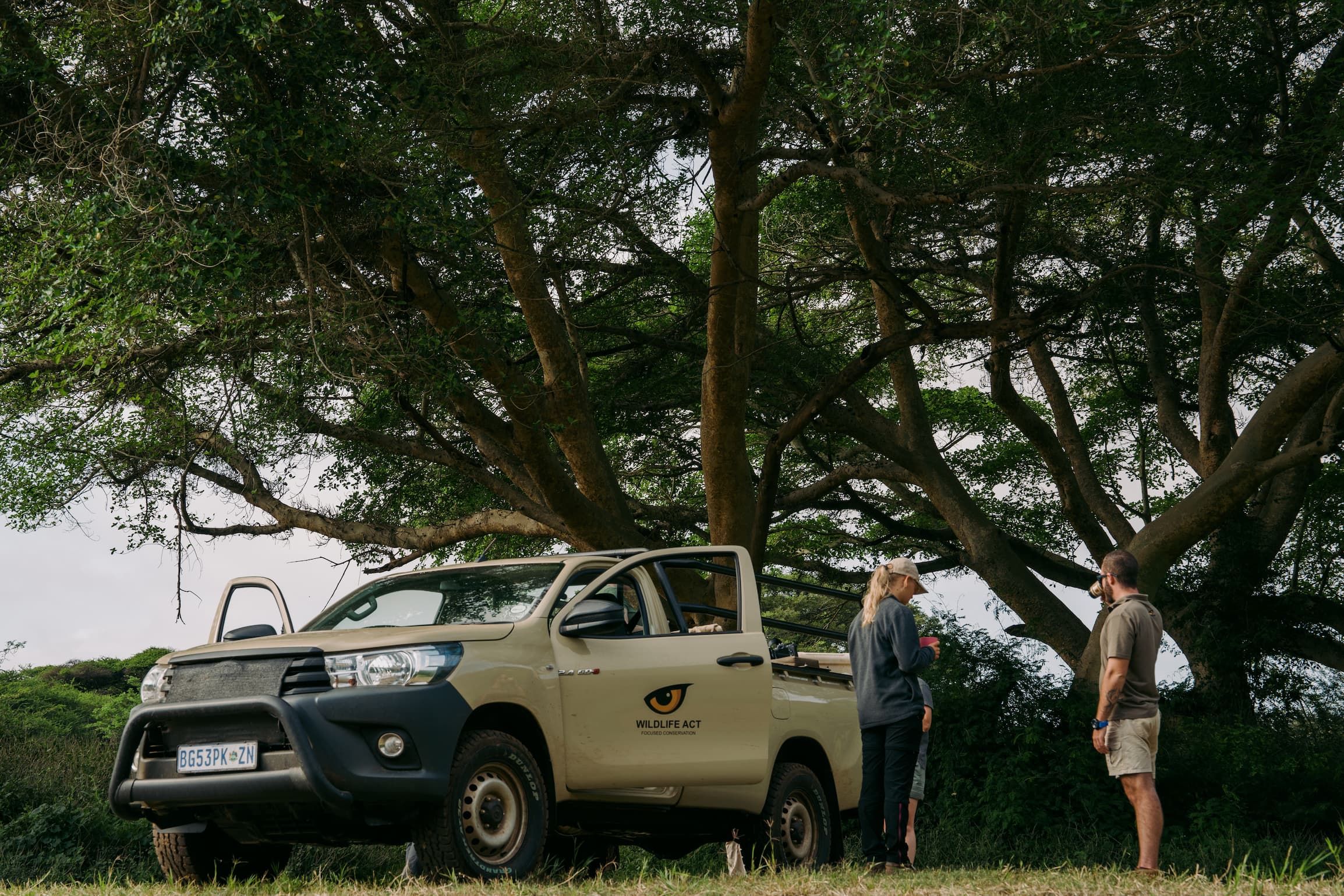
When volunteers join a Monitoring team, they are not on holiday; they are integrated into a professional structure dedicated to the survival of Endangered and Priority Species. This direct involvement strips away preconceived notions often associated with African wildlife, replacing it with hard, scientific reality. This grounded perspective is the most valuable tool a volunteer takes home. Find your wildlife volunteer opportunities here.
This level of detail establishes Experience and Trustworthiness.
Why Credibility Matters in Conservation Advocacy
In the crowded landscape of environmental messaging, credibility is everything.
An advocate who has worked side-by-side with field staff carries an authentic message that resonates far deeper than general appeals.
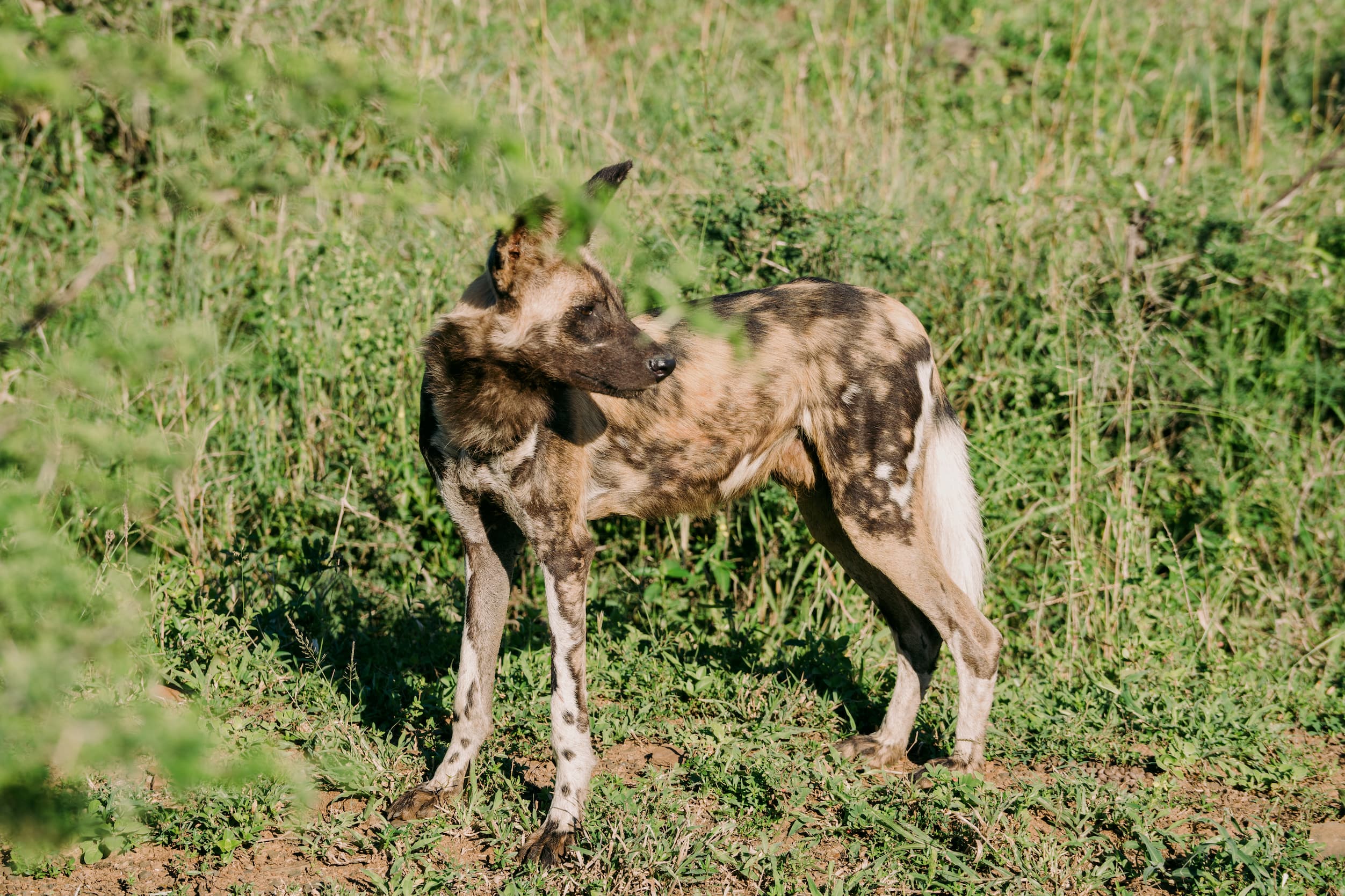
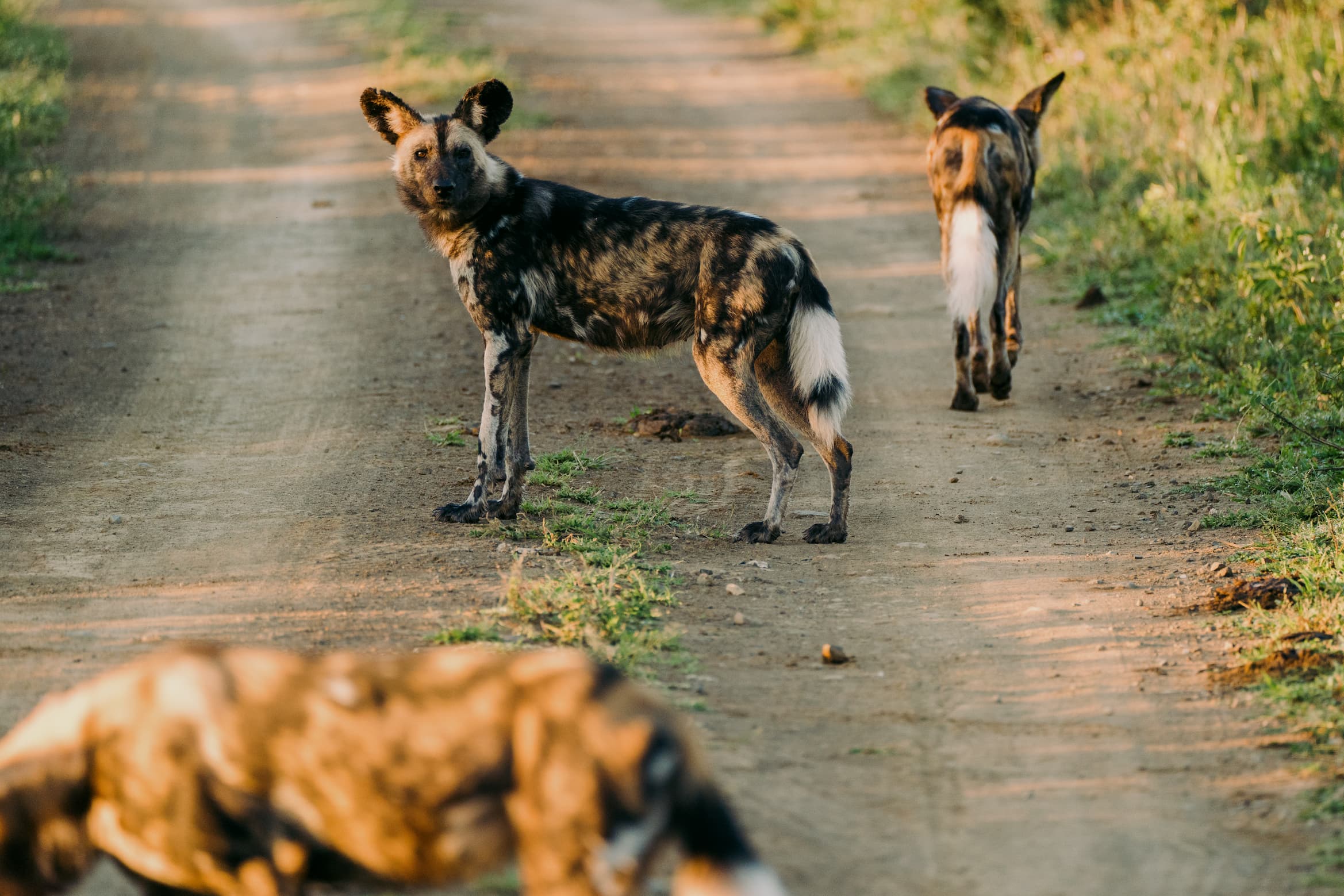
When discussing the challenges faced by African Wild Dogs, for instance, an advocate can speak specifically about the daily threat of snaring or the complexities of managing small, isolated populations.
The goal is not to sensationalise the work but to accurately convey its urgent, purpose-driven nature. This honesty is central to the organisation's ethos and strengthens the advocate's ability to inspire genuine support from their network.
Amplifying the Message of Human-Wildlife Coexistence
A core lesson learned in the field is that conservation is fundamentally a social challenge, not just a biological one. Effective advocacy, therefore, focuses on human-wildlife coexistence. Volunteers see firsthand the pressures that communities living near Protected Area s face.
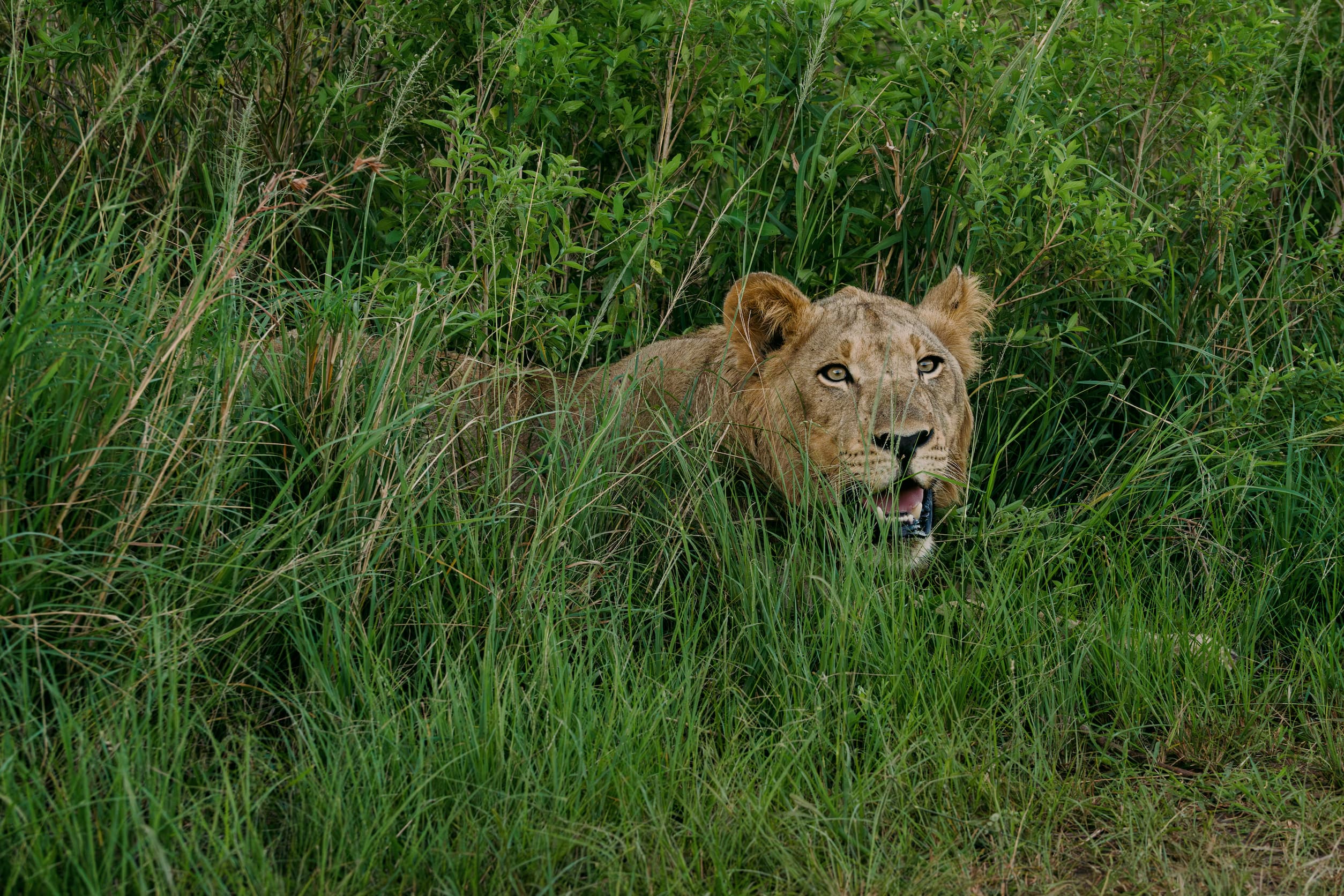
Upon returning home, advocates can share this holistic view. They can discuss the necessity of community projects and explain that protecting a Lion also means supporting the people who share the landscape with it.
This nuanced message helps supporters understand that funding conservation directly supports both the environment and human dignity.
The Advocate's Toolkit: Sharing Your Story Ethically
Effective advocacy is rooted in two principles: authenticity and responsibility.
When sharing your experience, it is vital to adhere to the Wildlife ACT ethos of being purpose-driven, scientifically accurate, and respectful.
Volunteers leave the program equipped with a powerful library of real stories and images that, when used correctly, serve as compelling evidence of the work's importance.
Turning Passion into Practical Funding
Advocacy often translates directly into fundraising, which provides the critical resources needed to sustain Monitoring programs, promote human-wildlife coexistence, and support species conservation programs.
Volunteers are uniquely positioned to connect donors to the tangible impact of their money because they have seen the results firsthand. A fundraiser speaking about the cost of a camera trap or a tracking collar is far more compelling when they have personally used that equipment in the field. They can campaign for Africa Wild Dog conservation efforts.
Ethical Fundraising: Focusing on Need, Not Guilt
The foundation of effective fundraising for Wildlife ACT is clear, honest communication about where the funding goes.
Ethical fundraising avoids sensationalism or playing on guilt; instead, it focuses on the purpose-driven need for specific, ongoing conservation activities.
Volunteers can host events, run campaigns, or simply appeal to their networks using examples like:
- Fuel Costs: Funding the daily vehicle patrols necessary to find and monitor African Wild Dogs.
- Equipment: Purchasing specialised Monitoring gear, such as GPS collars for Individual Lion or telemetry receivers.
- Community Support: Directly supporting programs that foster human-wildlife coexistence around Protected Areas.
The Power of Sustained, Small-Scale Support
While large donations are always valuable, much support also comes from creating a network of sustained, smaller-scale donors. These reliable contributions ensure that the core, day-to-day work of the field teams can continue without interruption.
An effective advocate knows that every conversation and every shared post is an opportunity to recruit a new long-term supporter.
This is the ultimate goal: transitioning people from passive awareness to active, ongoing investment in Endangered and Priority Species survival. Your role is to be the link connecting the Protected Area in Zululand and the long-term survival of its Endangered and Priority Species to the
To deep dive into the full, hands-on experience, read our comprehensive blog post https://www.wildlifeact.com/blog/how-to-contribute-to-hands-on-conservation-in-zululand
Frequently Asked Questions (FAQ)
1. How can I advocate for conservation without being in the field?
You advocate by sharing credible, honest stories based on your experience. Focus on the scientific Monitoring work and the necessity of human-wildlife coexistence. Explain to your network that conservation is long-term, purpose-driven work that needs reliable, ongoing funding to succeed. This is how you help with Endangered and Priority Species conservation volunteer work even after you leave.
2. Is it safe to share photos of rhinos after I return home?
You must follow the ethical guidelines learned during your time with Wildlife ACT. Do not post any rhino footage or images whatsoever without explicit, written permission from the management of the Protected Area . Never geotag photos of high-value species like the Black Rhinoceros. Ensure all media respects the integrity of the Protected Area s and the security of the Monitoring operations.
3. What is the most effective way to fundraise for an Endangered and Priority Species?
The Wildlife ACT model is predominantly funded through the volunteer program, making volunteer contributions the critical base resource for all operations. Therefore, the most effective fundraising links the donation directly to a specific, tangible need. This clarity ensures every dollar raised goes directly to targeted interventions. Transparency and a clear explanation of how the funds support the work are more compelling than general appeals.
4. How can I maintain my connection and receive updates from the field team?
The most reliable way to stay connected is by joining the Wildlife ACTive pack. This digital community is specifically designed to keep you engaged with the work, provide long-term support resources, and connect you with fellow alumni. Additionally, you can follow Wildlife ACT through official social media channels and the monthly newsletter to receive accurate updates on the Endangered and Priority Species and the outcomes of the Monitoring work you supported.
5. What is the most impactful way to share my experience with my community?
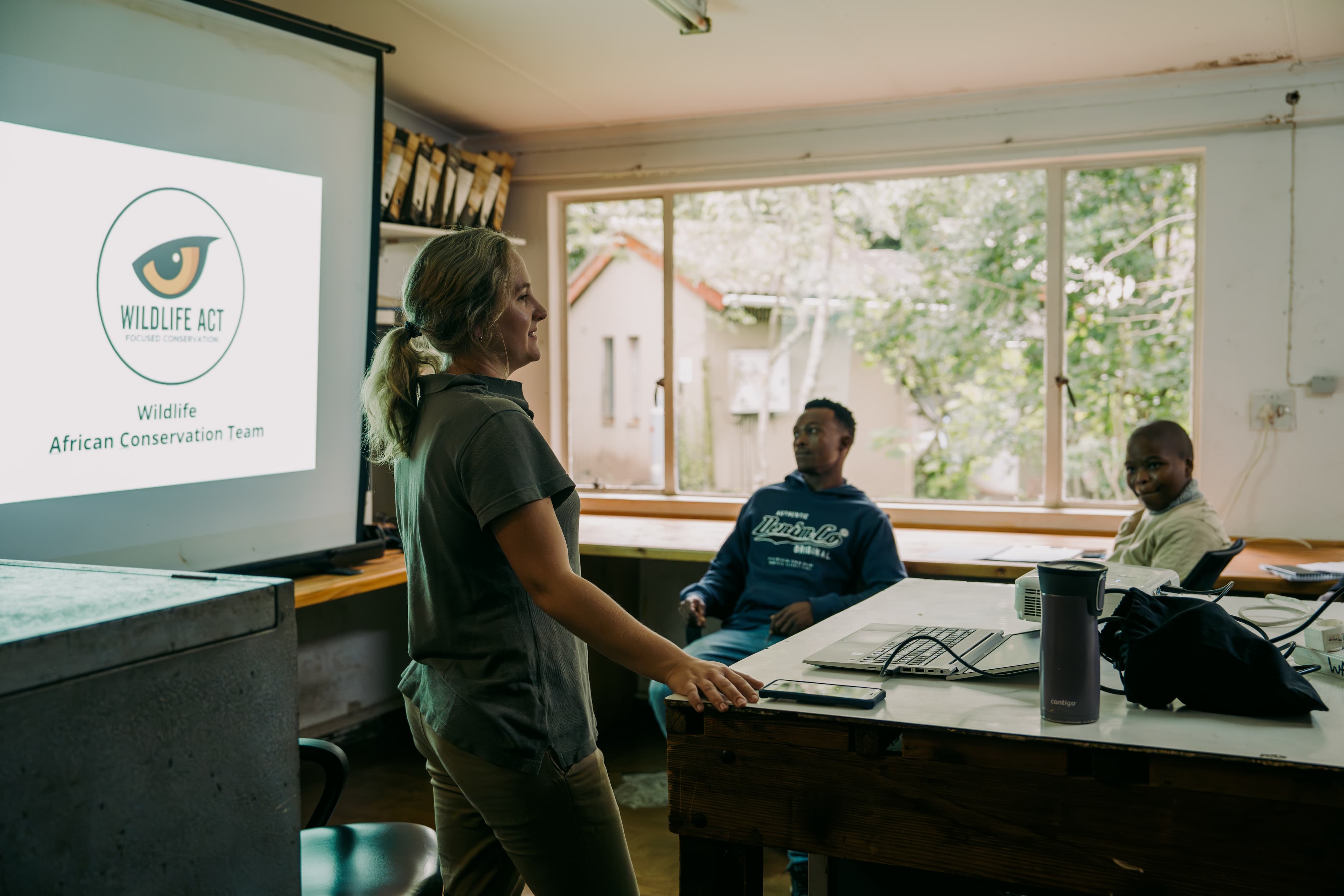
Hosting a fact-based, educational event is highly impactful. Focus on sharing the facts and the science behind the Monitoring program, rather than just adventure stories. Use the photos and anecdotes you gathered to explain the operational necessity of funding wildlife conservation projects like the Vulture Conservation Programme or KwaZulu-Natal Leopard Survey, which indirectly support anti-poaching and human-wildlife coexistence efforts. This approach fosters purposeful action.
Your Lifetime Conservation Mandate
The experience of a Wildlife ACT volunteer in Zululand is not simply a short-term trip; it is an induction into the urgent, purposeful reality of Endangered and Priority Species conservation.
The profound contribution you make is built directly upon the foundation of your field time. By shifting from a field monitor to a global advocate, you leverage your firsthand experience and credibility to share a real, honest message. This contribution is a lasting legacy for the wildlife Monitoring volunteer and the species they protect.
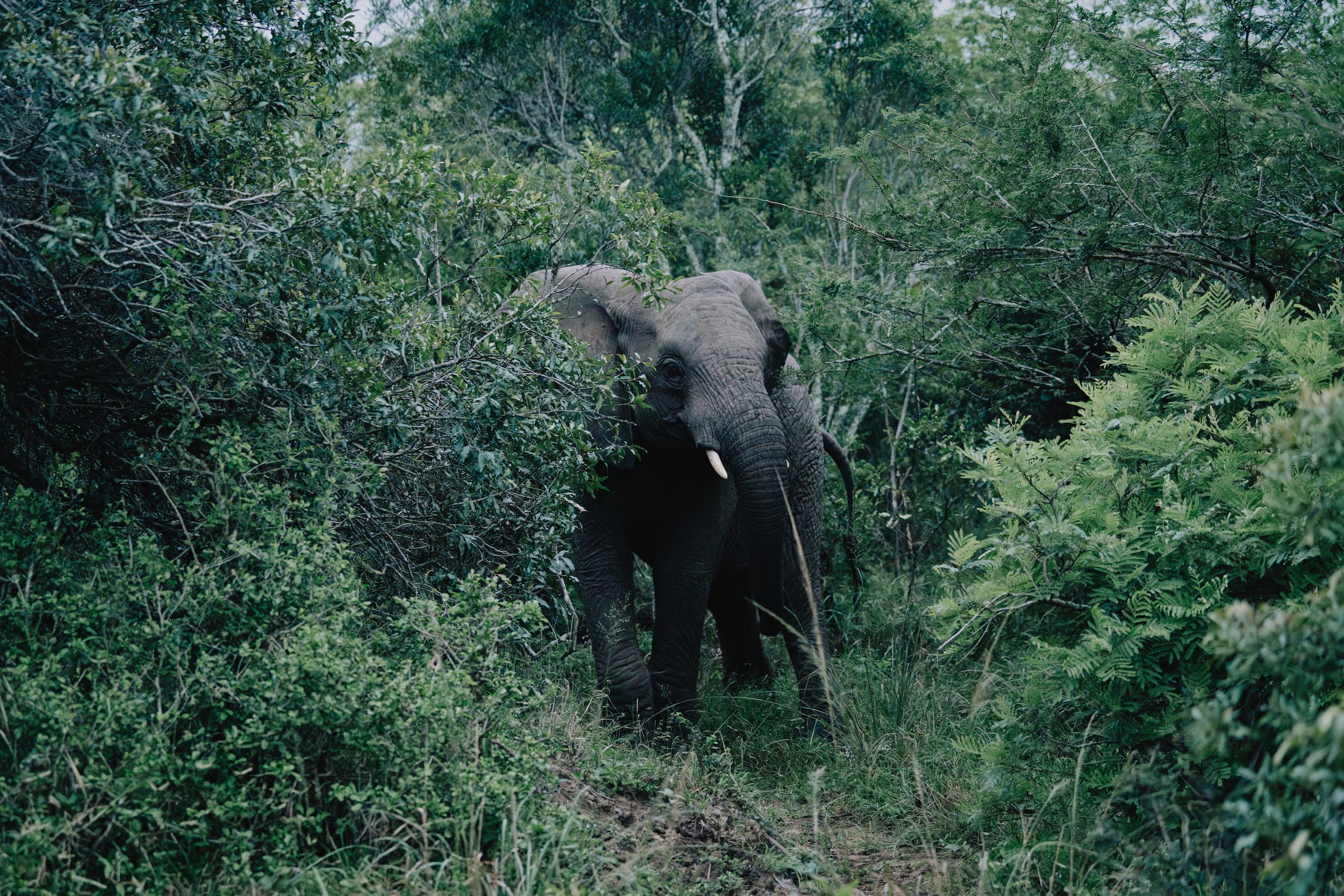
This advocacy is critical because it translates complex field challenges into understandable action, driving sustained support for species recovery, ecosystem restoration, and human-wildlife coexistence programs. You become the reliable bridge connecting our Protected Area s to the global community needed to fund their survival. The long-term safety of the African Wild Dog, the Bearded Vulture and all Endangered and Priority Species now relies on your voice.
Are you ready to amplify your impact?
Consider setting up a personalised fundraising campaign or hosting an awareness event to continue supporting the Monitoring team you worked with.
Every honest conversation about the daily reality of conservation is a step toward securing a future for the wildlife you protected.
References
Wildlife ACT (2025). How to Contribute to Hands-On Conservation in Zululand. Wildlife ACT Blog. Available at: https://www.wildlifeact.com/blog/how-to-contribute-to-hands-on-conservation-in-zululand (Accessed: 23 January 2026).
Wildlife ACT (2025). Endangered Wildlife Monitoring and Protection Programme. Internal programme documentation. Wildlife ACT, South Africa.
.jpeg)