Header image credit: Jaana Eleftheriou
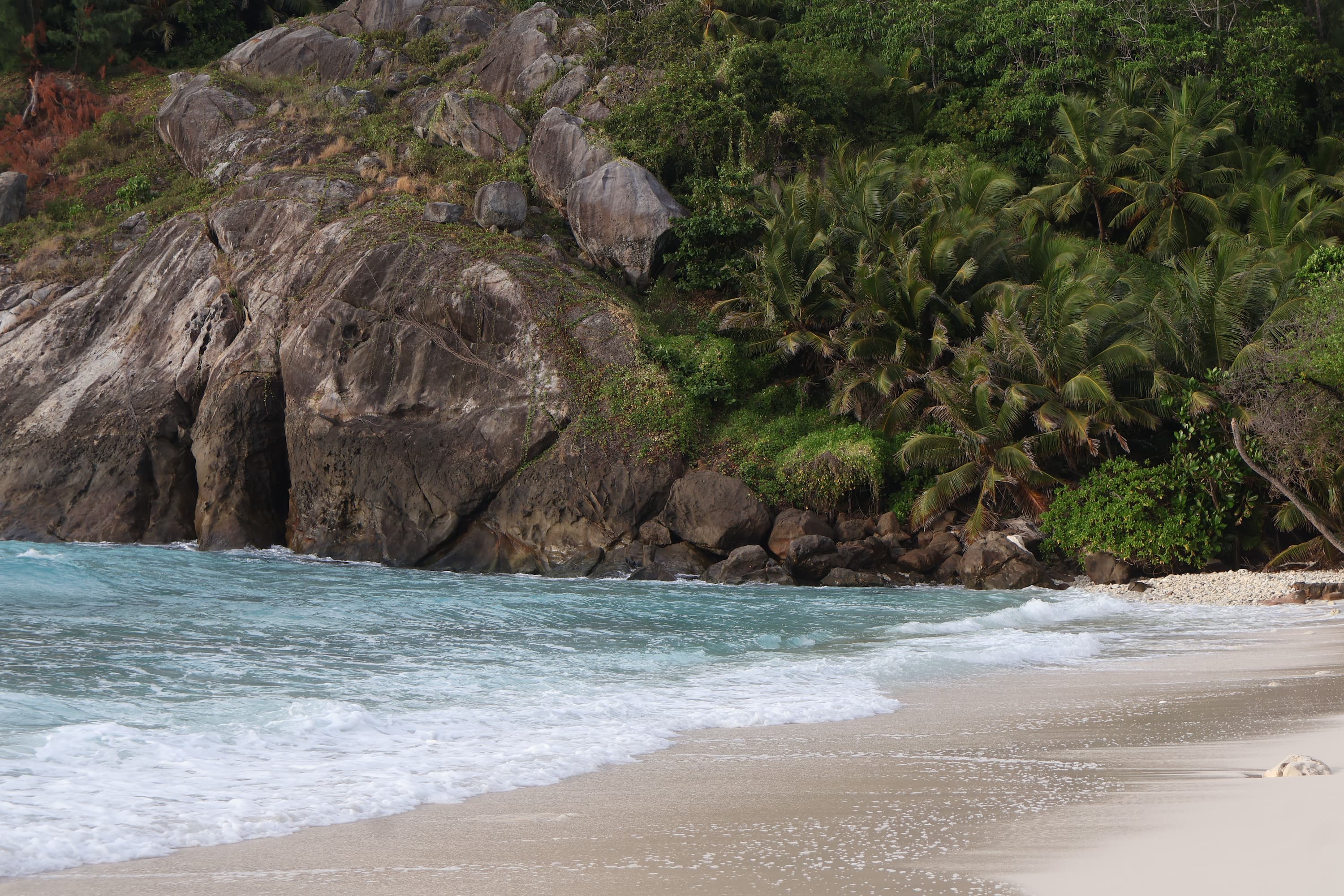
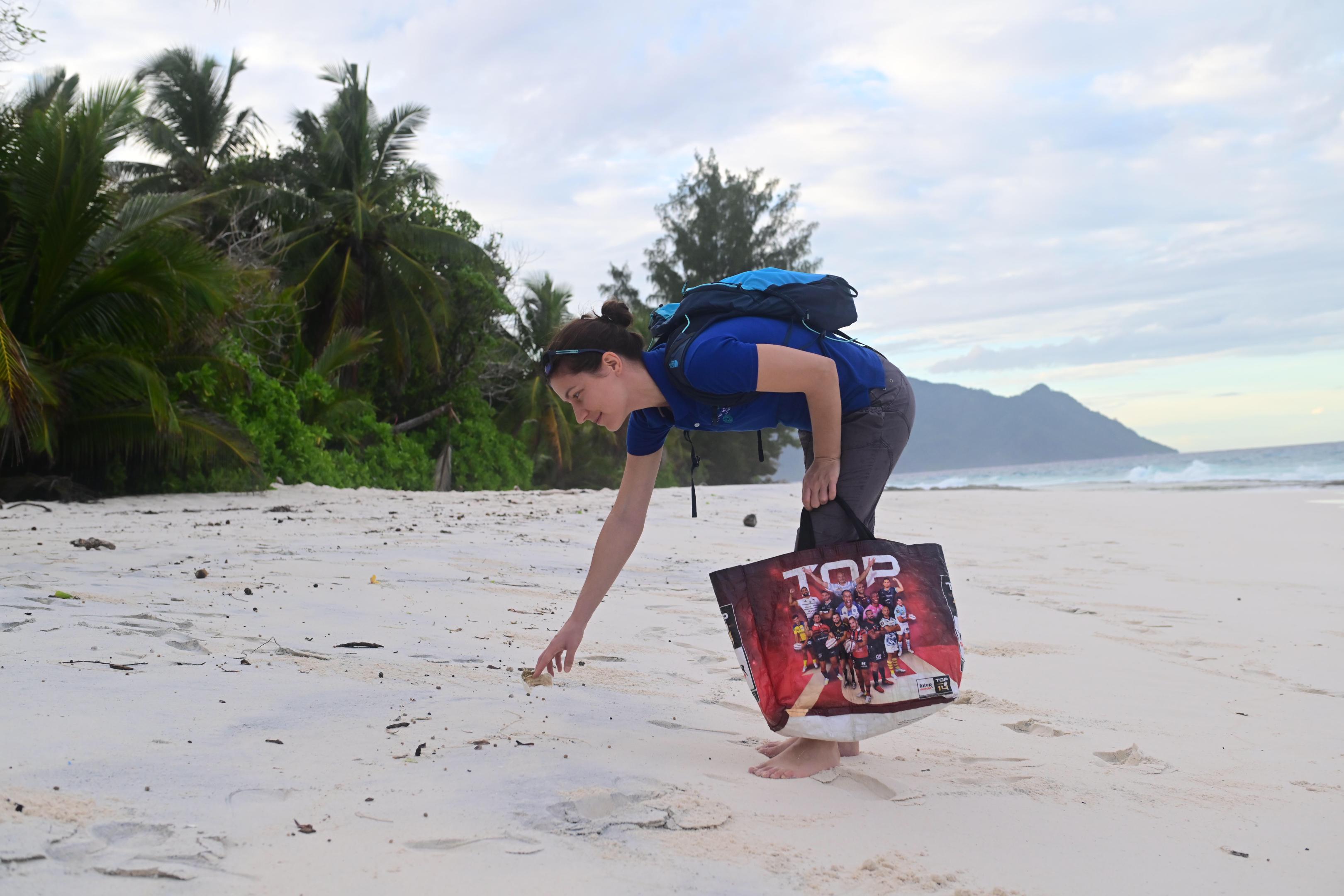
Waking up at 5AM may not be everyone’s idea of fun, but for marine conservation volunteers on North Island, Seychelles, it quickly becomes part of the island rhythm. Early mornings offer quiet moments on the beach, shared only with shorebirds, before the heat and activity of the day set in.
These early starts serve a clear conservation purpose. Volunteers conduct a morning beach patrol, also known as ‘turtle patrol’, checking for new Sea Turtle tracks or nest sites and recording them as part of long-term monitoring.
At the same time, ocean debris is collected along the shoreline. Plastic bottles, food packaging, fragments, and other waste are gathered and taken back to the volunteer house, where items are sorted, logged, and prepared for recycling.
While beach clean-ups have the obvious benefit of returning the beach to a pristine state, their importance goes beyond that. Wildlife ACT’s Marine Conservation Volunteer Program on North Island links routine debris collection to global marine debris datasets.
Every item recorded contributes to a global marine debris dataset, which can be used by researchers, NGOs, and advocacy groups to analyse oceanic pollution trends and support evidence-based conservation discussions.
Marine Debris and Data Digitisation
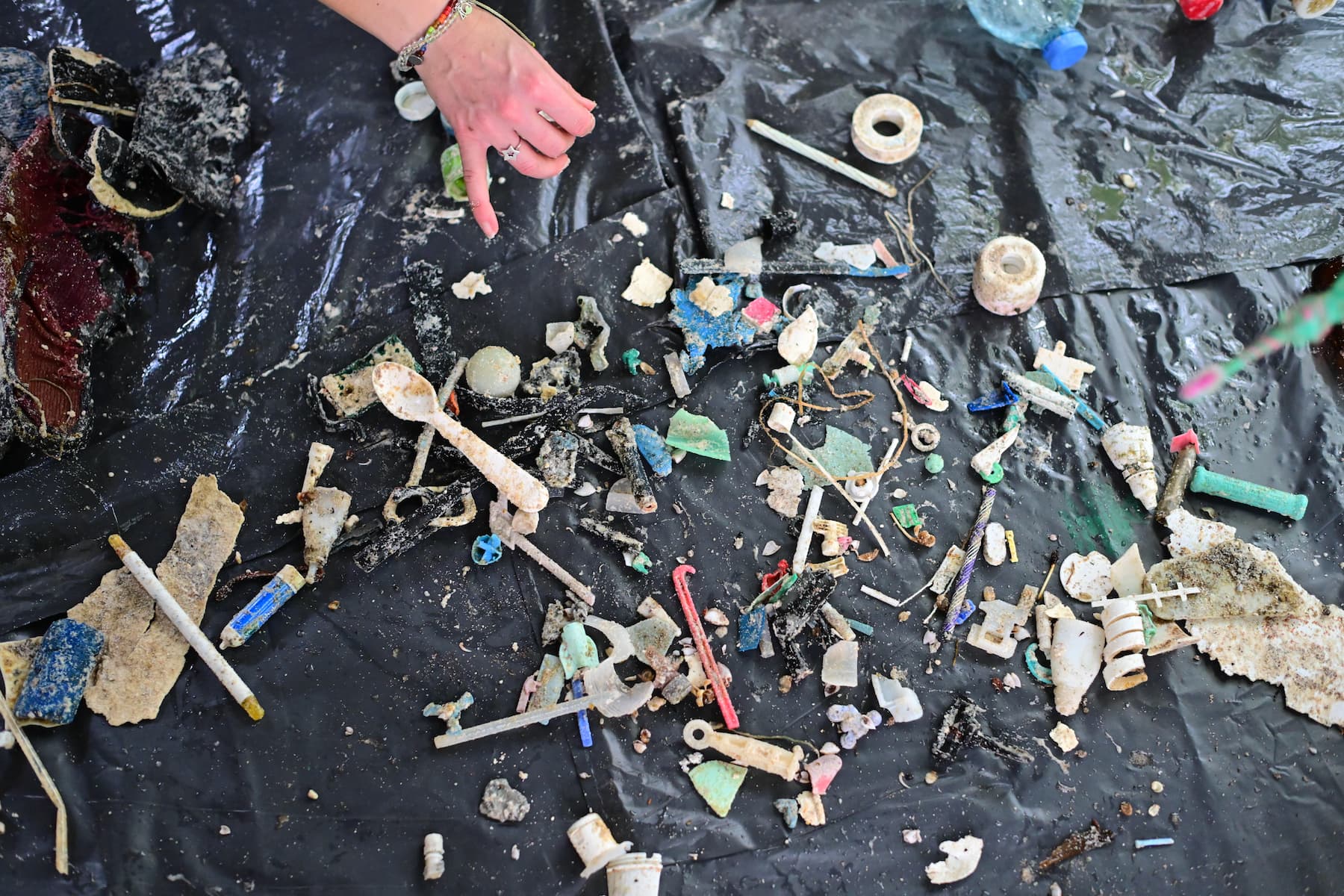
Plastic pollution is one of the most widespread threats facing marine ecosystems. Increasing plastic production, combined with inadequate waste management, has resulted in large volumes of marine litter entering the ocean every day. Some of this debris is deposited directly on beaches, some sinks, some is ingested by marine organisms, and some travels vast distances before accumulating in ocean gyres.
Addressing this issue requires more than removal alone. Data digitisation allows conservation practitioners to move beyond anecdotal observations and quantify what types of debris are entering marine systems, where they accumulate, and how patterns change over time.
On North Island, debris collection is conducted through structured audits that follow internationally recognised plastic audit methodology. Survey areas are predefined and item categories are standardised, ensuring that data collected in Seychelles can be compared reliably with data from other regions and across years.
All recorded data is uploaded to the TIDES project (Trash Information and Data for Education and Solutions), a global marine debris database managed by Ocean Conservancy. By contributing to TIDES, debris audits conducted by Wildlife ACT volunteers on North Island become part of a global dataset used by researchers and NGOs to analyse pollution sources, assess waste patterns, and strengthen evidence-based marine conservation initiatives.
Digitising debris data also helps ensure that small island nations such as Seychelles are represented accurately in global discussions. Although islands contribute relatively little to global plastic production, they often experience disproportionate impacts from marine pollution driven by distant sources.
From Beach Clean-Ups to Global Insight: How Debris Audits Work
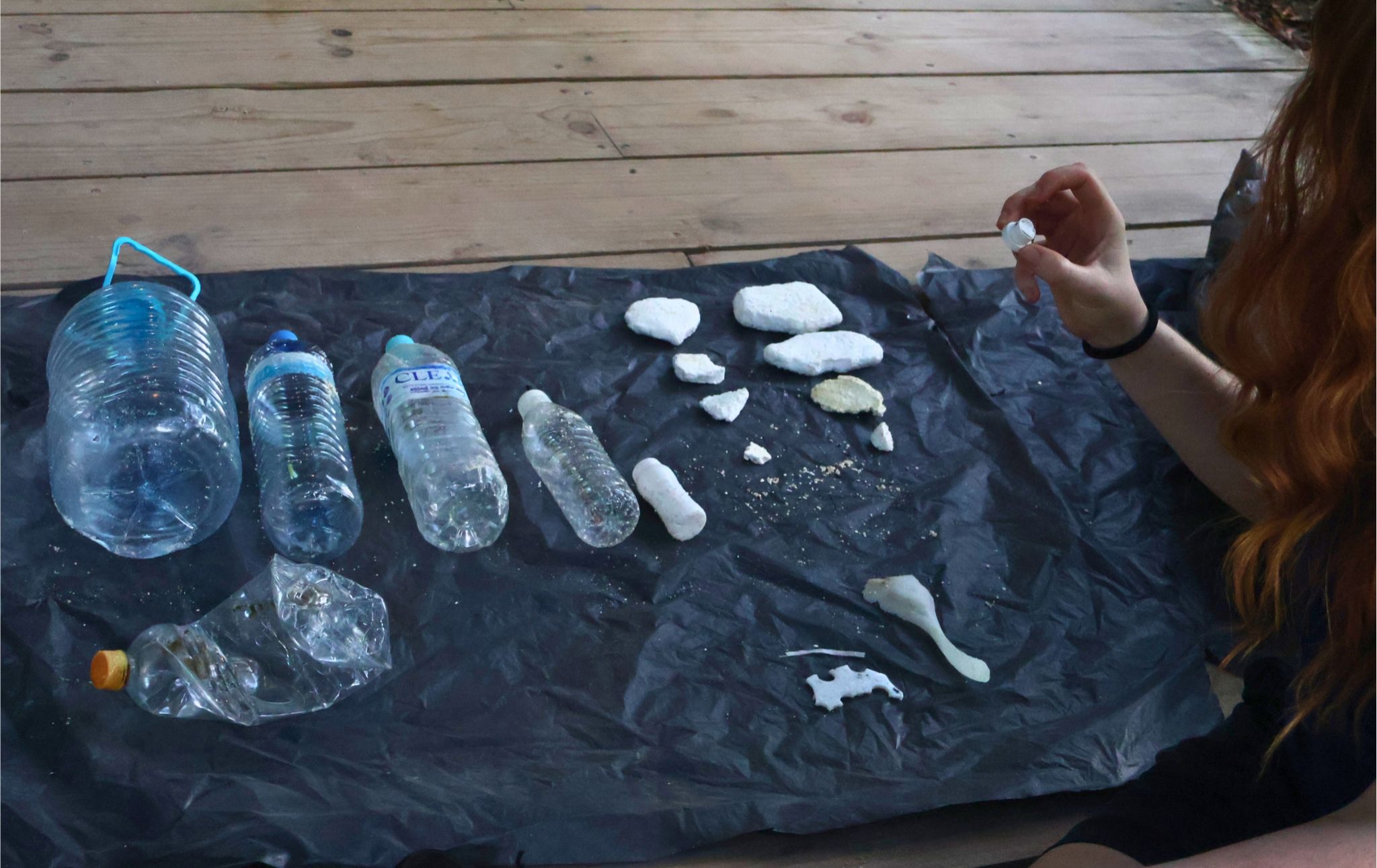
Beach clean-ups are often perceived as informal volunteer activities. Within Wildlife ACT’s Seychelles Volunteer Program, they function as structured scientific surveys.
Volunteers receive training to define and measure survey transects, sort debris into standardised categories such as plastics, metals, glass, rubber, and fishing-related materials, and record item counts rather than weight alone. Counting individual items allows for more precise analysis of trends and sources, particularly when tracking single-use plastics and fragments over time.
High-risk debris types are recorded in detail. These include microplastics, sharp fragments, and materials known to pose entanglement or ingestion risks to marine wildlife.
Once digitised and submitted to the TIDES project, this data contributes to global assessments of waste composition and frequency. Researchers use the information to evaluate the prevalence of specific product types, track changes following policy interventions such as plastic bans, and model the movement of debris through marine systems.
What We Monitor to Protect Marine Biodiversity
.jpeg)
Marine debris poses both physical and chemical threats to biodiversity. Plastics are the most frequently recorded items on North Island beaches and include bottles, caps, food packaging, and fragments that degrade into microplastics. Microplastics are of particular concern because they can enter food webs, accumulate in marine organisms, and transport toxic substances.
Fishing-related debris such as lines, nets, and ropes is monitored closely due to its role in entanglement and ghost fishing. Even small amounts of this material can have severe impacts on Sea Turtles, seabirds, and reef species.
Consumer waste categories also provide insight into land-based sources of pollution. Analysis of branded items and product types can help highlight the role of global manufacturers in marine pollution and support wider accountability initiatives.
All monitored categories feed into marine debris data digitisation efforts, ensuring that biodiversity protection is grounded in measurable evidence rather than assumption.
Explore the Biodiversity You’re Helping Protect
Marine debris monitoring on North Island supports the island's entire ecosystem. The island is home to a diverse range of flora, seabirds, nesting Sea Turtles, reef fish, and endemic species that depend on intact coastal ecosystems.
To better understand the full ecological context of this conservation work, download our North Island Species Checklist, featuring key terrestrial and marine species you may encounter as a volunteer.
Why Seychelles Data Matters in Global Conservation
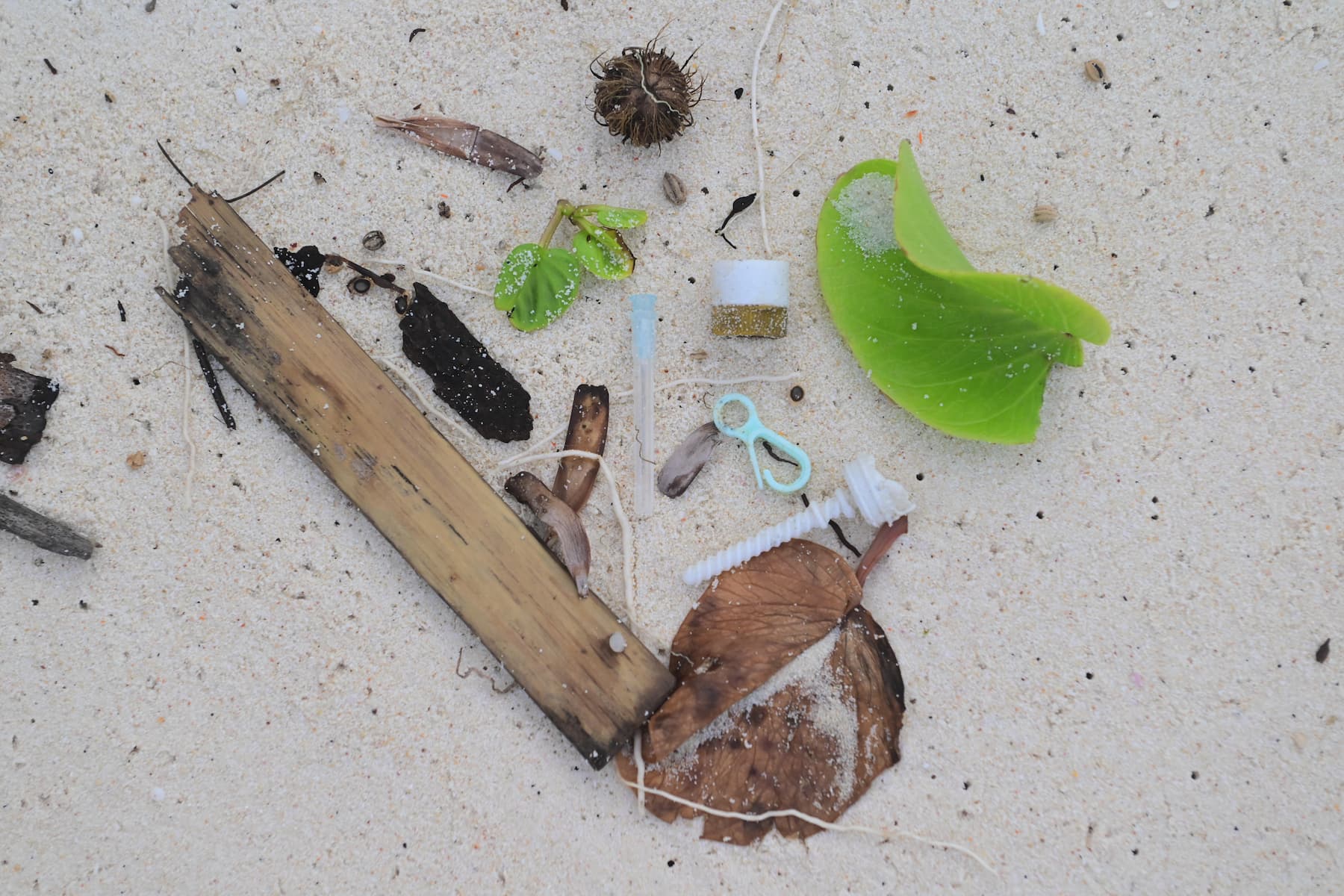
Small island developing states such as Seychelles experience the downstream effects of global consumption while contributing relatively little to overall plastic production. Without consistent, high-quality data, this imbalance is often overlooked in international policy discussions.
By contributing to the TIDES project, debris audits conducted on North Island help ensure that island ecosystems are represented in global marine debris datasets. This local data strengthens international analyses and supports evidence-based advocacy for improved waste management and plastic reduction policies.
Consistency is of the utmost importance when it comes to this kind of work. Daily debris monitoring builds a dataset that reflects real environmental conditions over time rather than isolated observations. As a result, local conservation activity is able to inform global understanding.
While Sea Turtle monitoring and habitat restoration are also critical components of Wildlife ACT’s Marine Conservation Volunteer Program, plastic debris collection takes place daily and represents a significant and ongoing contribution to marine conservation on North Island.
Methodology and Data Application
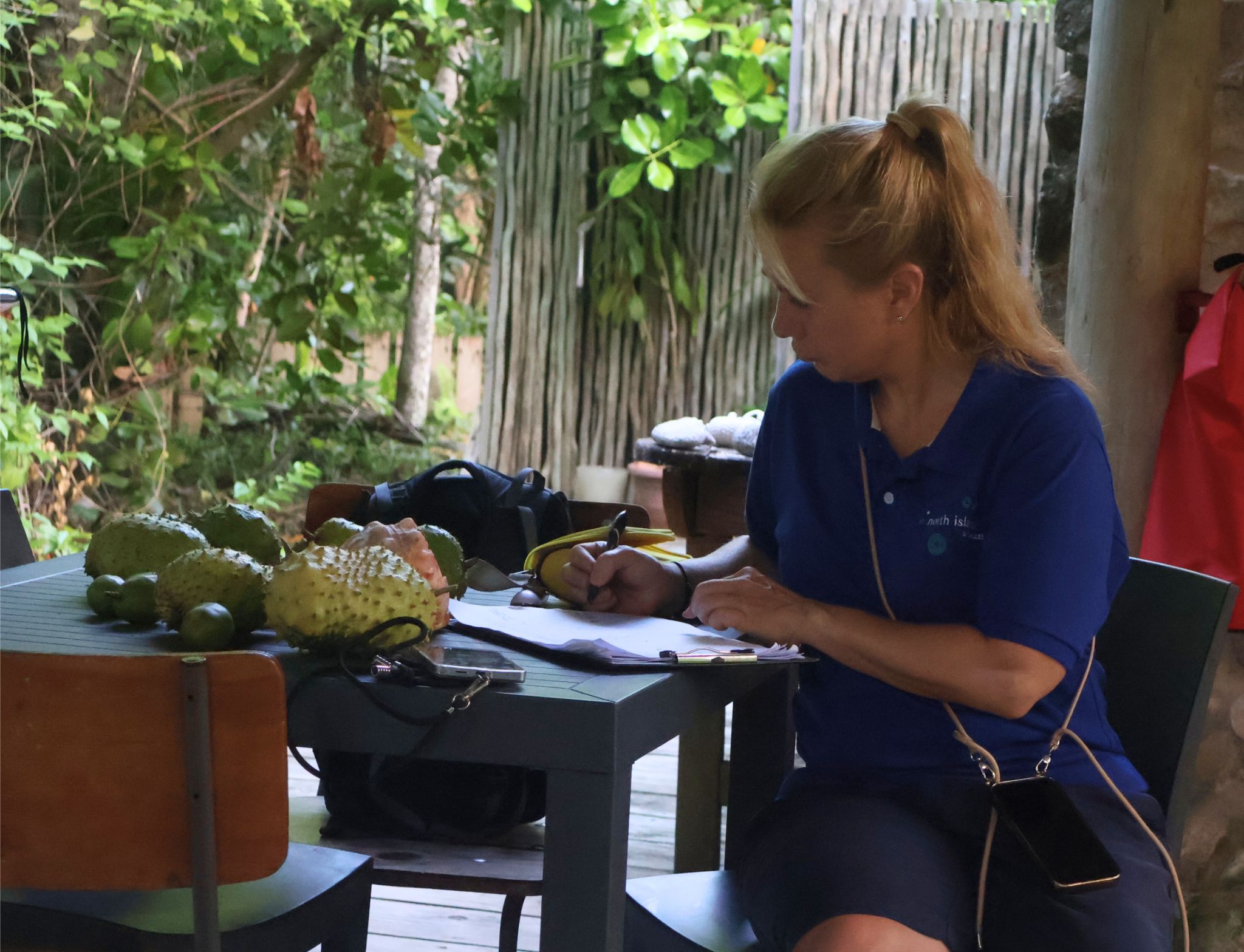
Marine debris monitoring on North Island follows repeatable field protocols designed to maximise data accuracy while maintaining operational efficiency. Survey transects are measured consistently, item categories align with international standards, and all data is recorded immediately after each patrol to reduce reporting error.
Each debris item is classified, counted, and digitised before submission to the TIDES database. This structured workflow ensures that data collected by Wildlife ACT volunteers can be integrated reliably into global marine debris analyses. Over time, this enables comparison across seasons, identification of shifts in dominant waste types, and evaluation of emerging oceanic pollution trends affecting Seychelles.
By embedding debris audits within a standardised methodology, Wildlife ACT’s Marine Conservation program ensures that volunteer-supported fieldwork contributes directly to long-term conservation planning rather than isolated clean-up outcomes.
Volunteering for Data-Driven Ocean Conservation

Global plastic production has increased rapidly over recent decades and now exceeds 400 million tonnes per year. According to the United Nations Environment Programme, production is projected to double by 2040 without significant intervention.
Since 2022, United Nations Member States have been engaged in negotiations toward a legally binding Global Plastics Treaty aimed at addressing plastic pollution across its lifecycle. While progress has been made, negotiations are ongoing and final agreement has not yet been reached.
In this context, consistent and credible data remains essential. Through structured debris audits and participation in the TIDES project, Wildlife ACT volunteers help transform local conservation action on North Island into global insight, supporting marine biodiversity protection in Seychelles and beyond.
Help Protect the North Island Ecosystem

By volunteering with Wildlife ACT’s Seychelles Marine Conservation program, you become part of a long-term effort to understand and reduce marine debris while supporting the broader rehabilitation of North Island’s ecosystems.
If you are looking for a volunteer experience that goes beyond surface-level impact and contributes to real-world conservation science, learn more about joining Wildlife ACT’s Seychelles Volunteer Program and help turn local action into global change.
Frequently Asked Questions About Marine Debris Monitoring in Seychelles
What is a marine debris audit?
A marine debris audit is a structured survey in which collected waste is categorised, counted, and recorded using standardised methods. This allows data to be compared across sites and contributes to global datasets such as the TIDES project.
How does debris data collected on North Island contribute globally?
All recorded debris data is digitised and uploaded to the TIDES database, where it is combined with data from conservation projects worldwide. Researchers and policymakers use this information to analyse pollution trends and inform waste reduction strategies.
What role do volunteers play in debris monitoring?
Volunteers support daily beach patrols, debris collection, sorting, and data recording under supervision. They do not make management decisions but contribute directly to long-term datasets used in conservation planning.
Is debris collection linked to other conservation work on North Island?
Yes. Debris monitoring is integrated with Sea Turtle monitoring and broader habitat management carried out by North Island’s Environmental Team in partnership with Wildlife ACT.
Why focus on data rather than removal alone?
While removal reduces immediate harm, data is essential for understanding sources, tracking change over time, and supporting effective policy responses. Long-term conservation depends on evidence, not isolated actions.
References:
Cowger, W., Willis, K. A., Bullock, S., Conlon, K., Emmanuel, J., Erdle, L. M., Eriksen, M., Farrelly, T. A., Hardesty, B. D., Kerge, K., Li, N., Li, Y., Liebman, A., Tangri, N., Thiel, M., Villarrubia-Gómez, P., Walker, T. R. and Wang, M. (2024). Global producer responsibility for plastic pollution. Science Advances, 10(17). Available at: https://www.science.org/doi/10.1126/sciadv.adj8275 (Accessed: 23 January 2026).
Ocean Conservancy (n.d.). Trash Information and Data for Education and Solutions (TIDES). Ocean Conservancy. Available at: https://www.coastalcleanupdata.org/ (Accessed: 23 January 2026).
Ocean Conservancy (2023). International Coastal Cleanup Report. Ocean Conservancy. Available at: https://oceanconservancy.org/trash-free-seas/international-coastal-cleanup/annual-data-release/ (Accessed: 23 January 2026).
United Nations Environment Programme (UNEP) (2021). From Pollution to Solution: A Global Assessment of Marine Litter and Plastic Pollution. UNEP. Available at: https://www.unep.org/resources/pollution-solution-global-assessment-marine-litter-and-plastic-pollution (Accessed: 23 January 2026).
United Nations Environment Programme (UNEP) (n.d.). Intergovernmental Negotiating Committee on Plastic Pollution. UNEP. Available at: https://www.unep.org/inc-plastic-pollution (Accessed: 23 January 2026).

.jpeg)


.jpg)