Last updated: 7 July 2026
As global travel continues to recover and evolve, 2026 is shaping up to be a defining year for ethical volunteering abroad. More people are actively seeking meaningful ways to travel responsibly, support conservation, and contribute to real solutions rather than surface-level experiences. At the same time, the wildlife volunteering space remains crowded with programs that prioritize entertainment over impact, often at the expense of the species they claim to protect.
Choosing the right volunteer program matters. Ethical wildlife conservation volunteering is not about close encounters or curated photo opportunities. It is about supporting science-led work, contributing to long-term conservation goals, and ensuring wildlife remains wild.
This guide highlights the top volunteer programs for 2026 that offer genuine, ethical wildlife conservation opportunities abroad. Every program featured is operated by Wildlife ACT, a registered non-profit conservation organization delivering professional, field-based conservation work in South Africa and the Seychelles. These are not tourism products. They are structured conservation programs designed to protect endangered species, restore ecosystems, and support local communities.
How These Programs Compare to Other Volunteer Opportunities Abroad
Many well-known volunteer abroad platforms offer a wide variety of placements across countries and causes. While this broad choice can be appealing, it often comes at the cost of depth, conservation relevance, and ethical oversight. Wildlife conservation programs are frequently grouped alongside unrelated volunteer activities, with limited transparency around how contributions support long-term conservation outcomes.
In contrast, the programs featured in this guide are purpose-built conservation initiatives. Rather than rotating short-term experiences or entertainment-driven activities, Wildlife ACT operates long-term, science-led conservation programs that exist because there is a real ecological need. Volunteers are integrated into ongoing monitoring and protection efforts, working alongside professional conservationists within nationally recognized conservation frameworks.
This focused model ensures that participation supports real conservation impact, contributes to species recovery strategies, and avoids the ethical risks commonly associated with wildlife voluntourism. For volunteers seeking meaningful conservation work rather than generic travel experiences, this distinction is critical.
How These Volunteer Programs Were Selected
The programs featured here were selected using clear ethical and conservation-focused criteria. Each program operates within recognized conservation frameworks, contributes to measurable conservation outcomes, and is led by experienced professionals working in partnership with conservation authorities.
Key considerations included alignment with priorities outlined by the IUCN Red List of Threatened Species, contribution to national and regional species management strategies, avoidance of harmful wildlife interactions, small group sizes, and transparent use of volunteer contributions. All programs support long-term biodiversity protection rather than short-term or extractive tourism models.
Wildlife ACT’s work aligns with international conservation priorities, including the United Nations Sustainable Development Goals, particularly Goal 15 Life on Land and Goal 14 Life Below Water. The organization works closely with partners such as Ezemvelo KZN Wildlife, BirdLife South Africa, WWF, and the IUCN Species Survival Commission to ensure its work remains ethical, relevant, and effective.
Why Volunteer with Wildlife ACT in 2026
Choosing where to volunteer is not just about the destination or the species you hope to support. It is about trust, credibility, and whether an organization is equipped to deliver real conservation outcomes.
Wildlife ACT is a registered non-profit conservation organization that has been delivering professional, science-led conservation work since 2008. The organization operates year-round across under-resourced protected areas in South Africa and the Seychelles, providing free wildlife monitoring services that generate the data needed to inform management decisions, support species recovery, and respond rapidly to threats such as poaching, poisoning, and human-wildlife conflict.
Unlike many volunteer providers, Wildlife ACT does not design programs around volunteer demand. Its volunteer model exists to fund and support conservation work that is already needed on the ground. Volunteers join established conservation teams, working alongside experienced monitors, conservation authorities, and partner organizations.
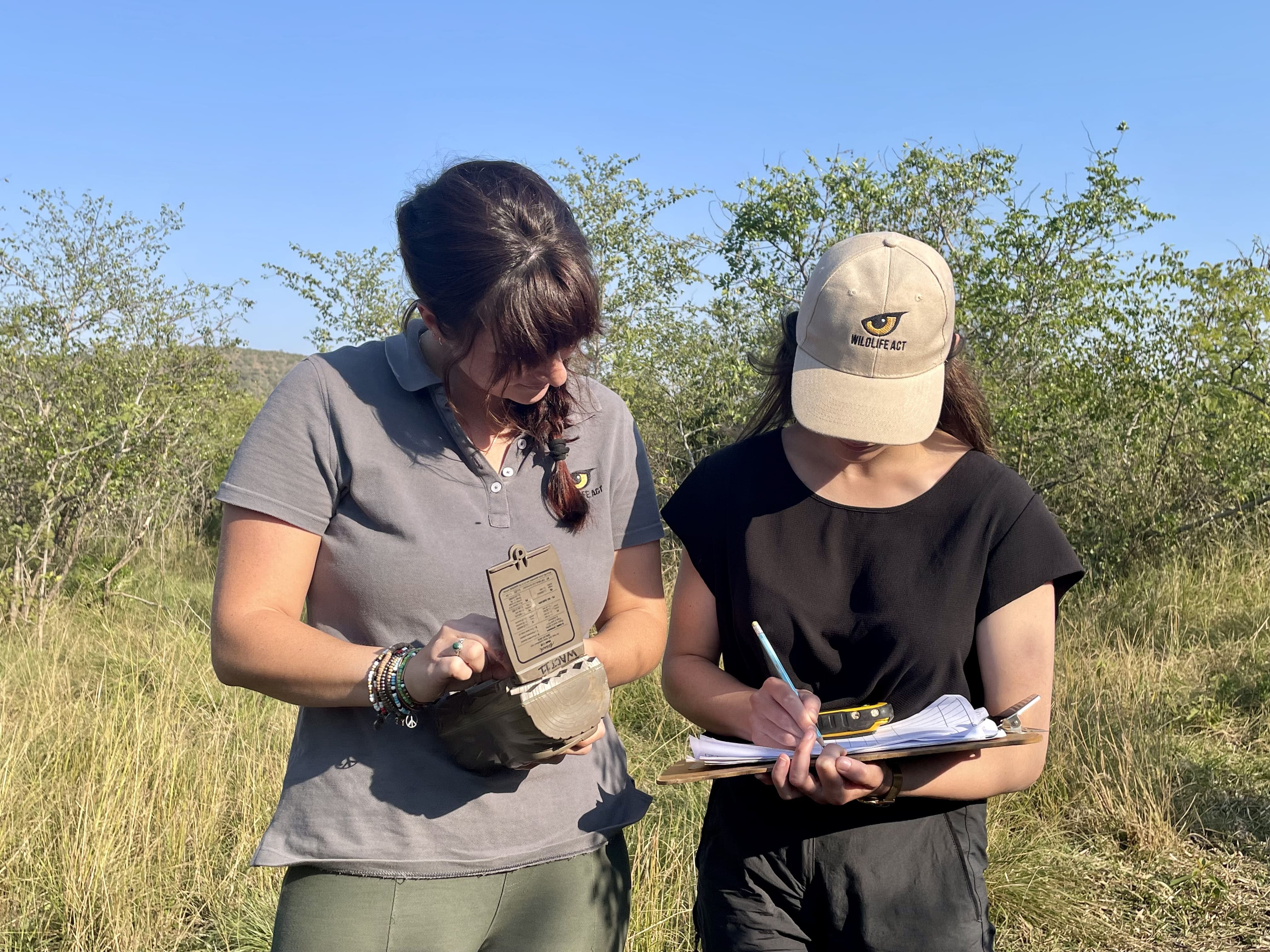
Wildlife ACT’s approach has been recognized internationally. The organization is a winner of the WTM World Responsible Tourism Award for Best Nature-Positive Tourism and has received multiple accolades for ethical wildlife tourism and conservation impact. These awards reflect Wildlife ACT’s commitment to transparency, accountability, and conservation outcomes rather than entertainment-led experiences.
Wildlife ACT also works in close partnership with conservation authorities and organizations including Ezemvelo KZN Wildlife, WWF, BirdLife South Africa, the Endangered Wildlife Trust, Project Rhino, and Project Vulture. These partnerships ensure that all programs align with national and regional conservation priorities and are regularly reviewed for effectiveness.
Learn more about Wildlife ACT’s ethical volunteer model, conservation impact, and international recognition at https://www.wildlifeact.com/why-volunteer.
Best for Endangered Species Conservation: Zululand, South Africa
For volunteers looking to work directly with some of Africa’s most threatened wildlife, the Endangered Species Conservation program in Zululand stands out as one of the most impactful volunteer opportunities available in 2026.
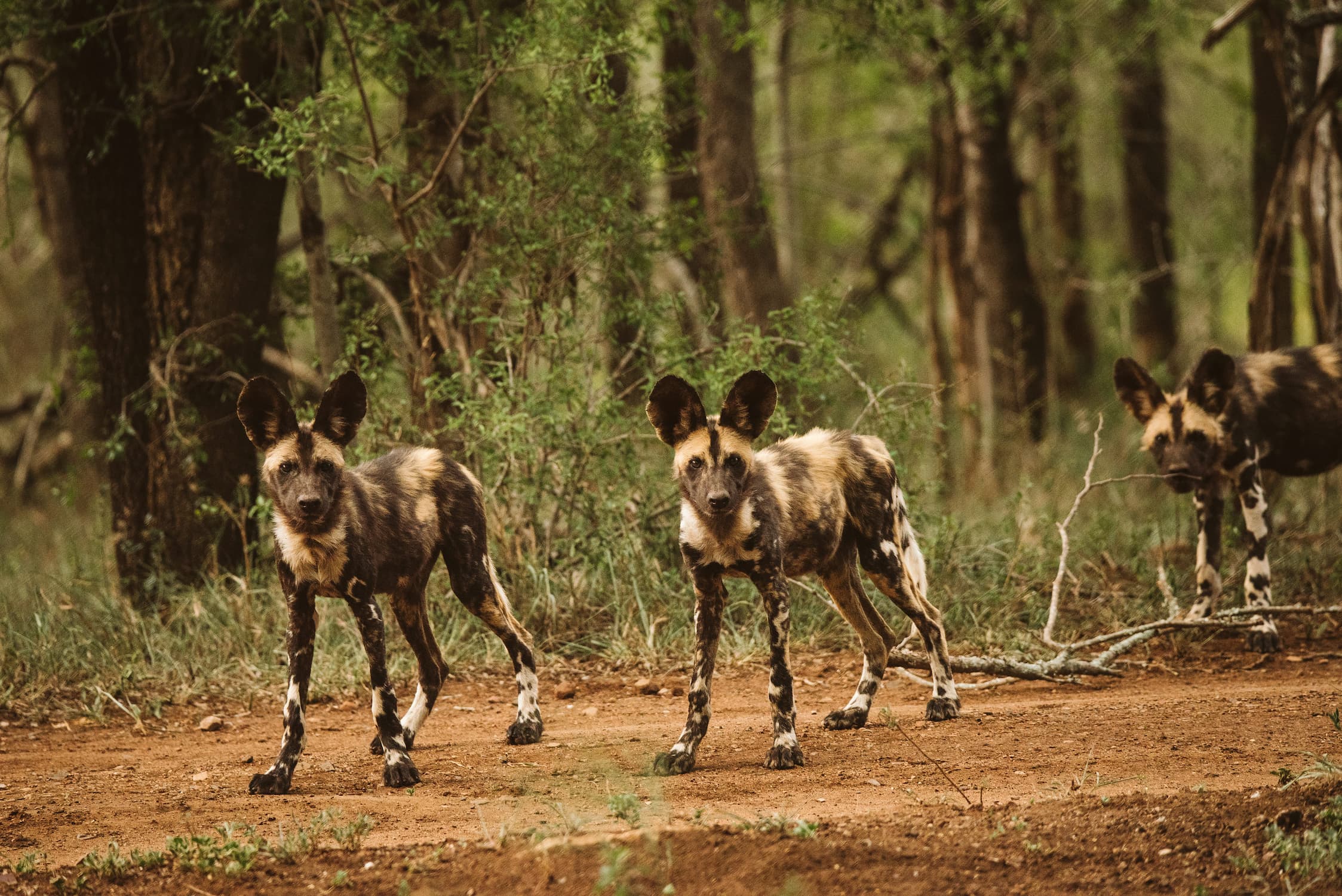
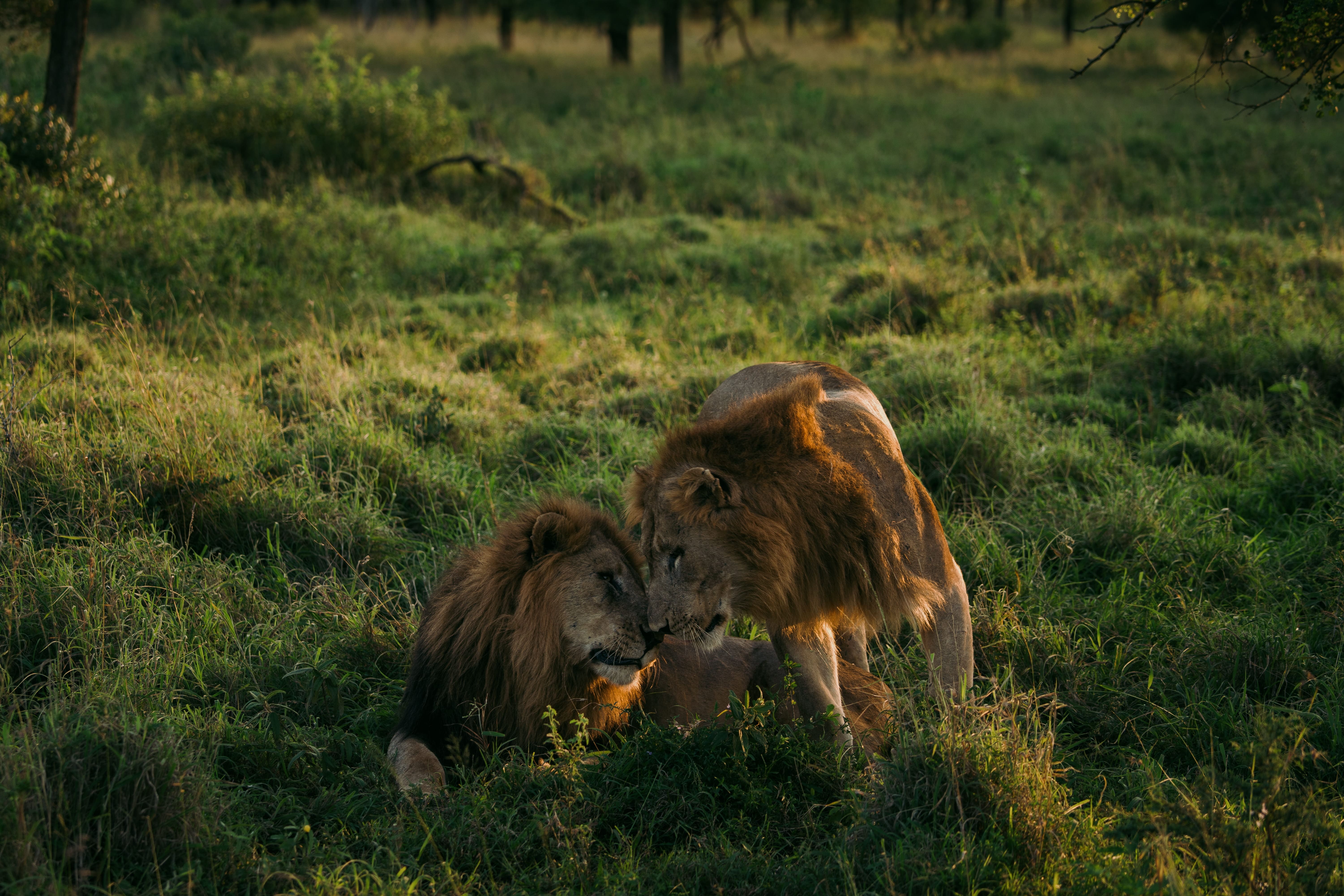
This program operates across key protected areas in KwaZulu-Natal, a globally significant biodiversity hotspot. Volunteers support daily monitoring of Endangered and Priority species including the African Wild Dog, Black Rhinoceros, White Rhinoceros, Cheetah, Leopard, Elephant, Lion, and multiple Vulture species. Many of these species are listed as Vulnerable, Endangered, or Critically Endangered on the IUCN Red List.
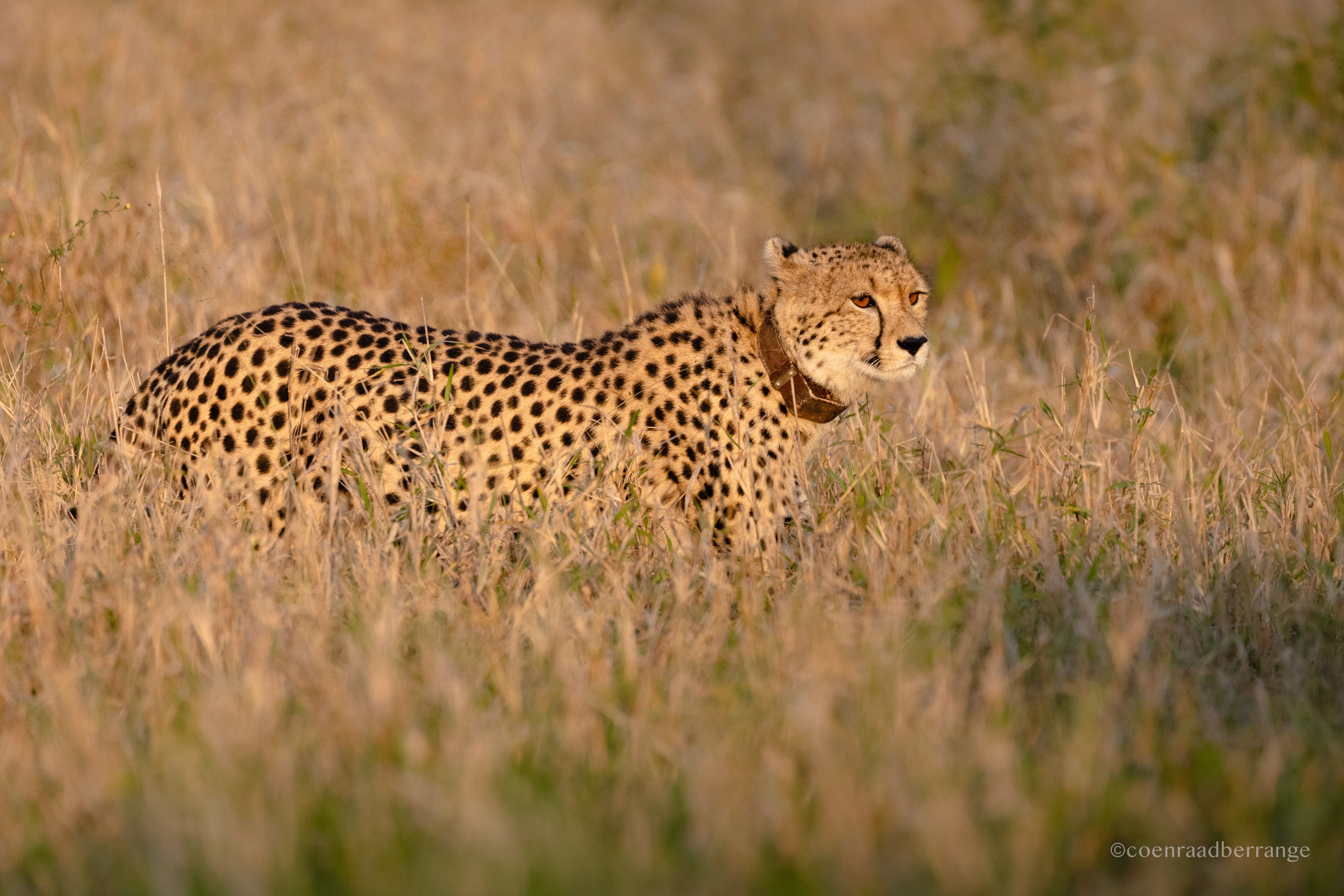
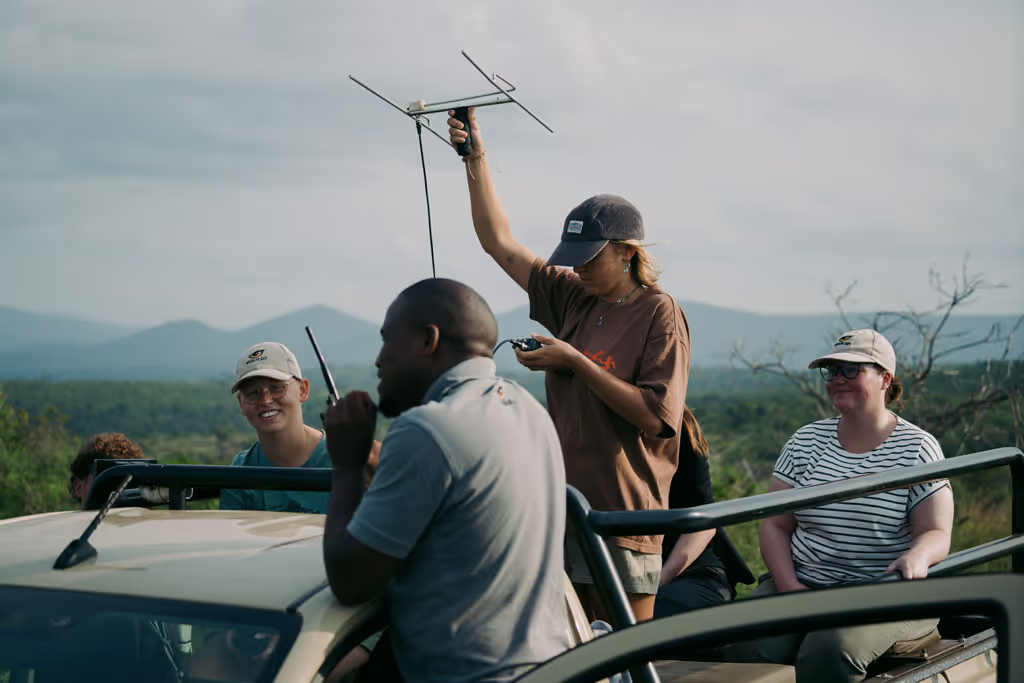
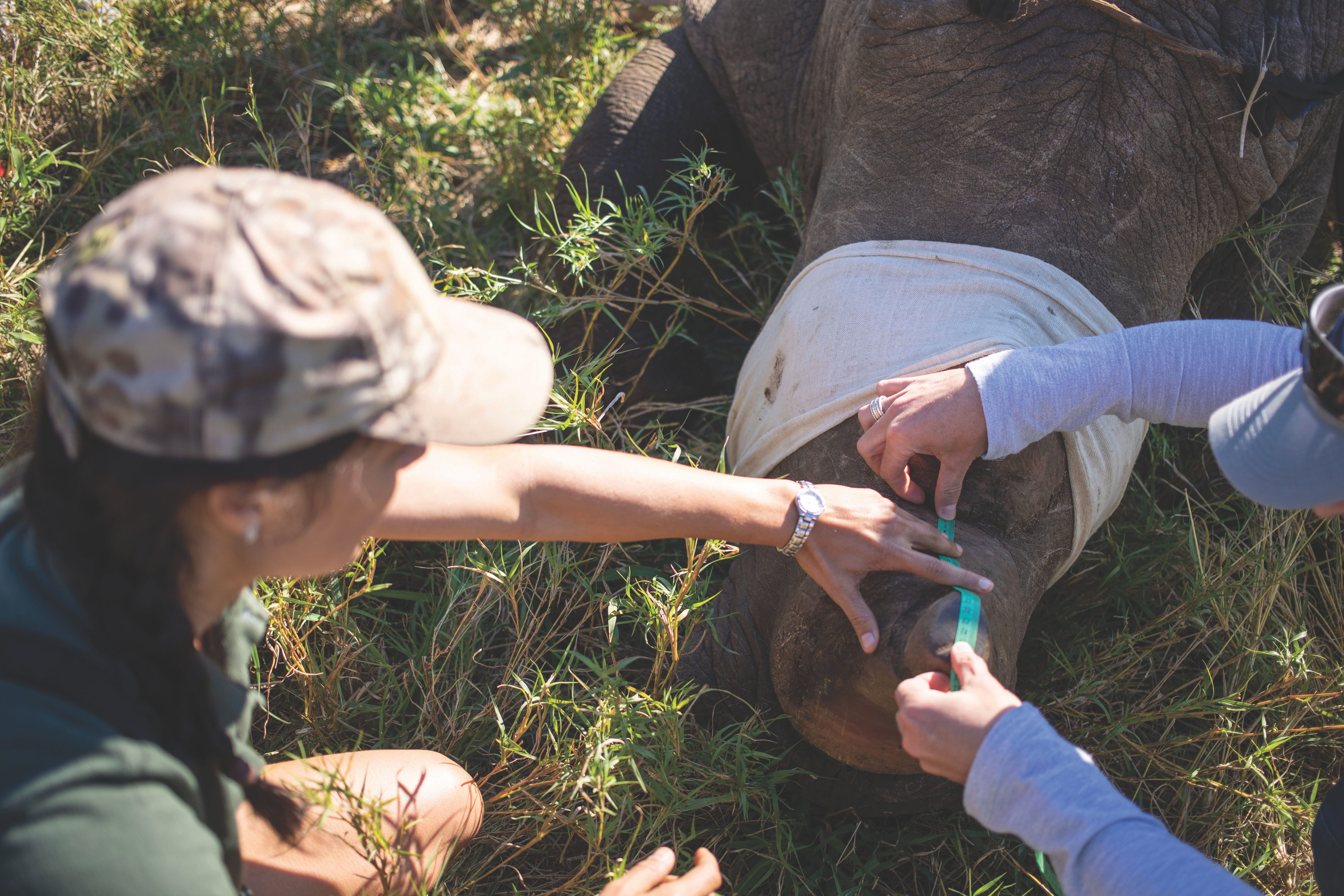
Volunteers work alongside Wildlife ACT’s professional Priority Species Monitors, assisting with tracking, camera trap surveys, ecological data collection, and field support for conservation management. The data collected feeds directly into protected area management decisions and national conservation strategies, supporting long-term species survival rather than short-term research outputs.
Unlike many wildlife volunteer programs in Africa, this program is not observation-based. Volunteers contribute to real conservation work that underpins species recovery. Small group sizes ensure meaningful participation, while strict ethical standards ensure no unnecessary wildlife interaction takes place.
Learn more about volunteering with endangered species in Zululand. More information about this program is available HERE.
Best for Marine Conservation Volunteering: Seychelles
Marine ecosystems face mounting pressure from climate change, pollution, and habitat degradation. For volunteers seeking to support ocean conservation while contributing to a globally recognized restoration initiative, Wildlife ACT’s Marine Conservation Volunteering program in the Seychelles offers a rare and highly specialized opportunity.
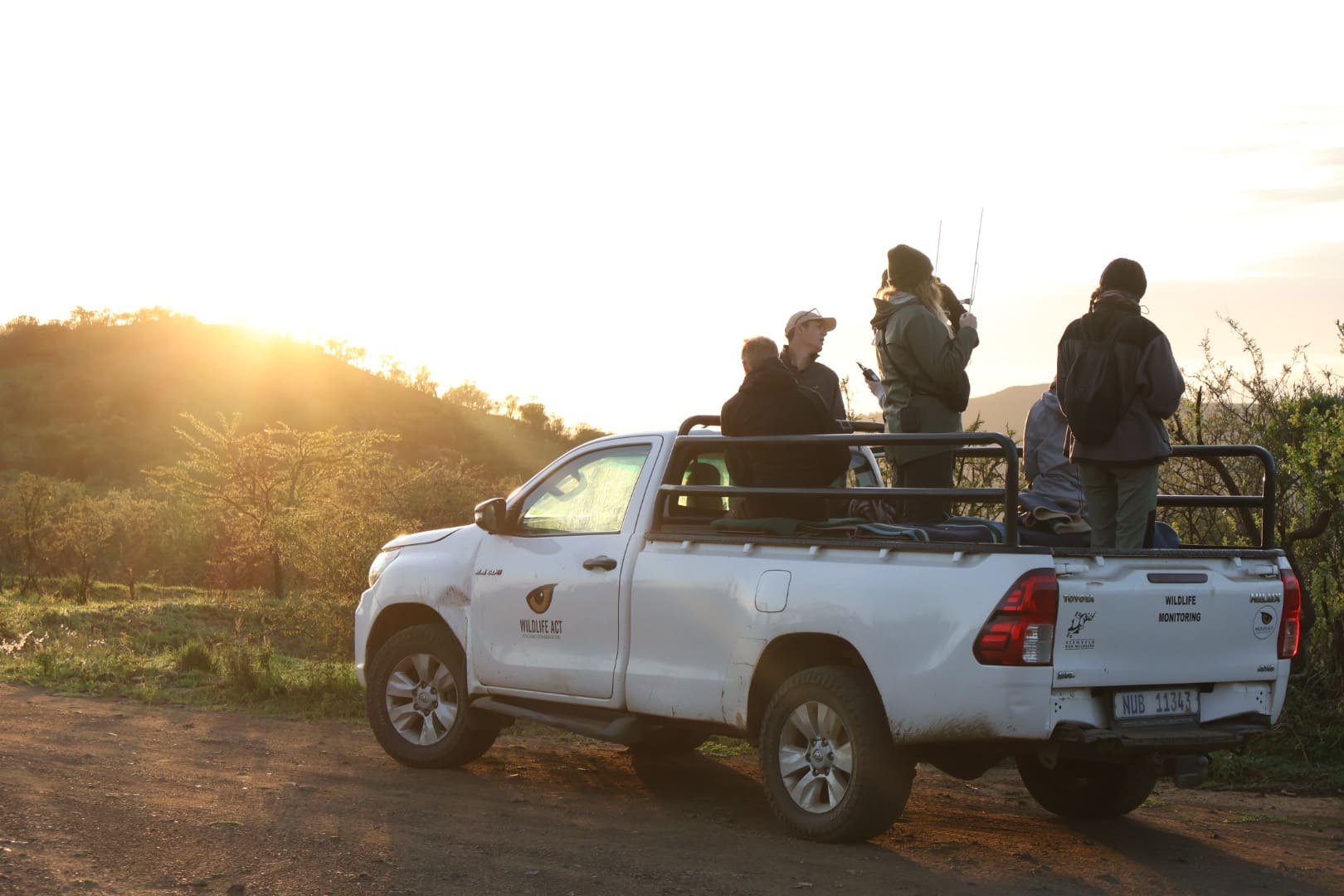
Based on North Island in the Seychelles, this program supports endangered marine and island species as part of the island-wide Noah’s Ark Project. Participants assist with monitoring Critically Endangered Hawksbill Turtles and Endangered Green Turtles, both listed by the IUCN Marine Turtle Specialist Group https://iucn-mtsg.org.
Additional activities include marine debris data collection, snorkel-based reef monitoring, invasive species removal, and indigenous vegetation restoration. The program contributes to broader marine biodiversity protection goals recognized by the United Nations Environment Programme.
This program operates under strict capacity limits and is best suited to individuals seeking a conservation-first experience rather than a traditional volunteering holiday.
Learn more about marine conservation volunteering in Seychelles. Full details are available HERE.
Best for Vulture Conservation and Mountain Ecosystems: Southern Drakensberg
Vultures are among the most threatened bird groups globally, yet they play a critical role in maintaining healthy ecosystems by preventing the spread of disease. Wildlife ACT’s Vulture Conservation program in the Southern Drakensberg focuses on protecting two cliff-nesting species, the Bearded Vulture and the Cape Vulture.
The Bearded Vulture is regionally classified as Critically Endangered, with fewer than 100 breeding pairs remaining in South Africa and Lesotho. The Cape Vulture is listed as Vulnerable, with populations declining due to poisoning, collisions with energy infrastructure, and habitat loss. These threats are well documented by BirdLife International and other conservation partners.
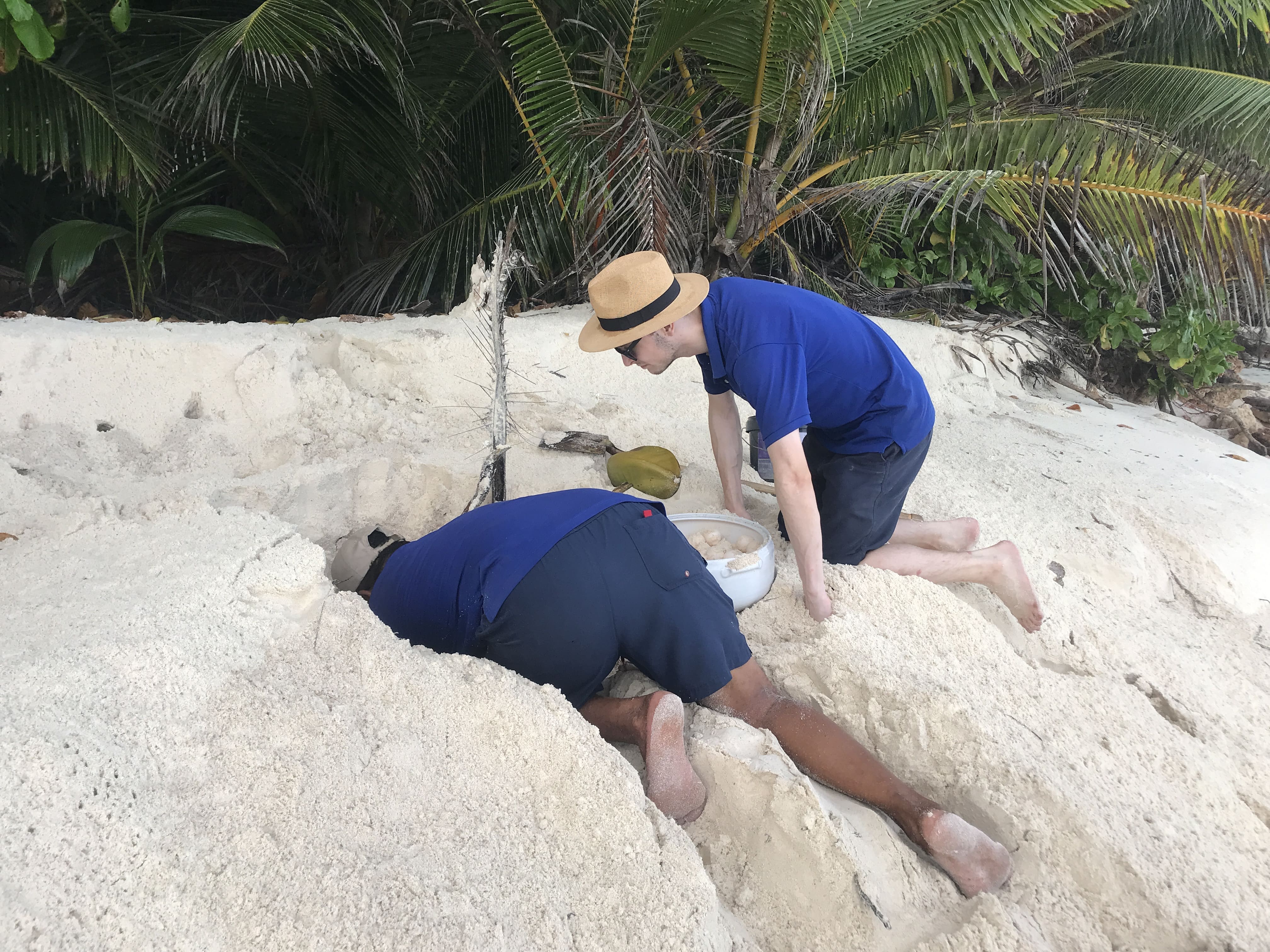
This program operates in and around the Maloti-Drakensberg Park World Heritage Site. Volunteers assist with nest monitoring, maintenance of Vulture Safe Feeding Sites, camera trap surveys, and emergency response to poisoning events.
Learn more about volunteering with vultures in Southern Drakensberg, South Africa. More information HERE.

Best for Conservation Training and Career Pathways: Conservation Training Courses
For those seeking structured, in-depth training rather than traditional volunteering, Wildlife ACT’s Conservation Training Courses offer a focused pathway into practical wildlife conservation. These courses are designed for graduates, career changers, gap year participants, and conservation enthusiasts who want a deeper understanding of how conservation works on the ground.
Delivered across multiple protected areas in South Africa, the courses combine classroom-based learning with extensive field-based application. Participants are trained in key conservation disciplines including wildlife monitoring techniques, ecological data collection, conservation technology, habitat management, and species-specific conservation strategies. Training is led by experienced conservation professionals and aligned with current best practice in the field.
Unlike informal internships or short-term placements, these courses are structured, intensive, and purpose-driven. Participants gain real-world exposure to conservation decision-making, operational challenges, and ethical wildlife management while contributing to ongoing conservation programs. The focus is on building competence, confidence, and practical skills that are directly transferable to conservation careers or further study.
Explore current opportunities HERE.
An Alternative to Traditional Volunteering: Conservation Safaris
Not everyone can commit to a volunteer program, but ethical travel can still support conservation. Wildlife ACT’s Conservation Safaris offer a meaningful alternative for travelers seeking a conservation-driven experience without direct field participation.
These safaris prioritize education, impact, and transparency, avoiding exploitative wildlife interactions while supporting ongoing conservation work through responsible tourism.
Learn more about conservation-focused safaris. More information is available HERE.
Why Ethical Wildlife Volunteering Matters More Than Ever in 2026
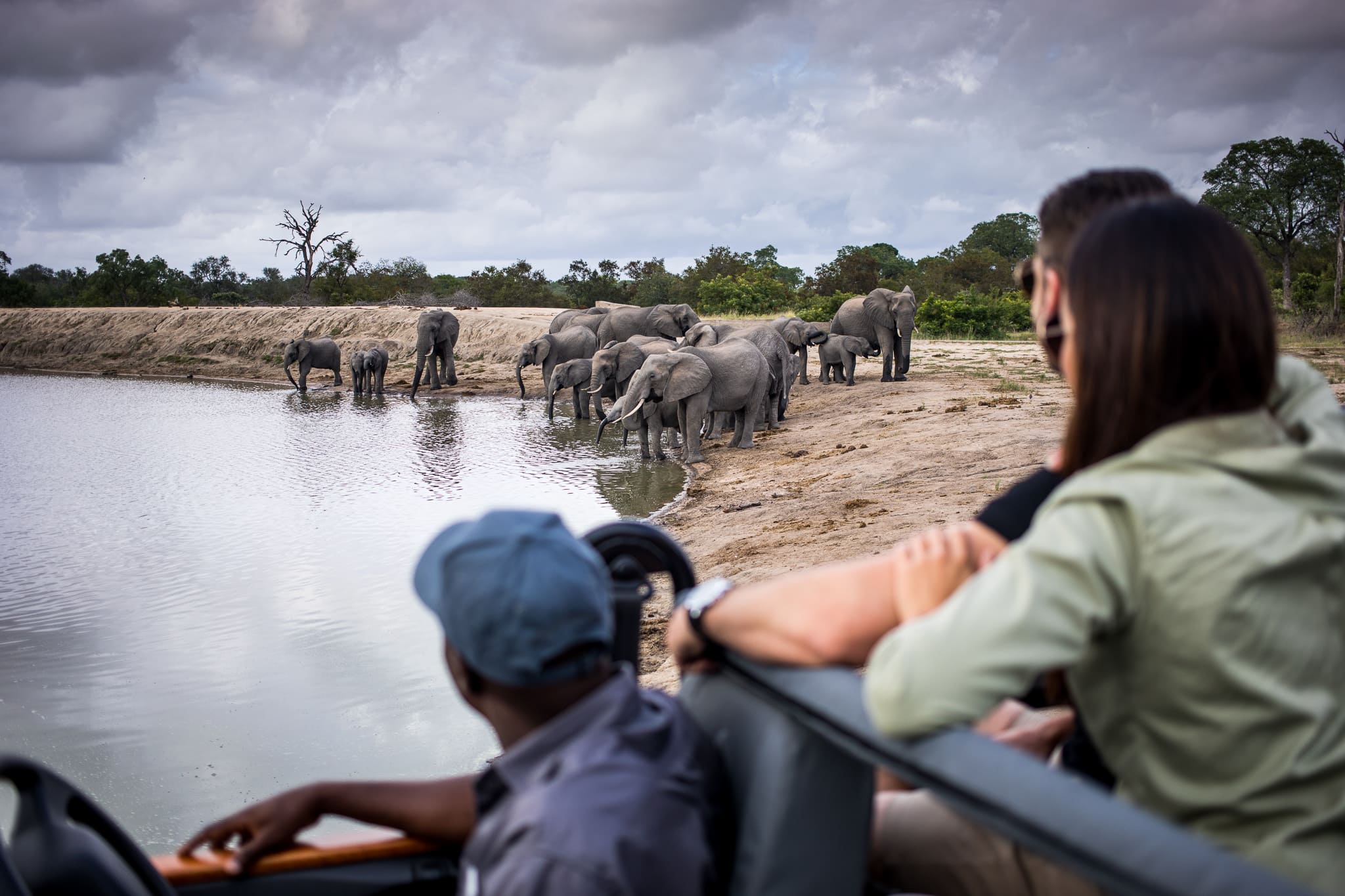
As demand for volunteering abroad grows, so does the risk of unethical practices. Programs that promote close wildlife interactions, captive breeding, or vague conservation claims can cause lasting harm to wildlife and ecosystems.
Ethical wildlife volunteering prioritizes species welfare, science-led decision-making, and community involvement. Wildlife ACT’s programs are built on these principles, ensuring that volunteer contributions support conservation outcomes rather than undermine them.
Guidance on evaluating ethical wildlife programs can be found at https://www.wildlifeact.com/why-volunteer-with-wildlifeact.
Is a Wildlife ACT Volunteer Program Right for You in 2026?
Wildlife ACT’s volunteer and ecotourism programs are best suited to individuals motivated by impact rather than spectacle. Participants should be prepared for physically demanding work, early mornings, and environments where conservation priorities guide daily activities.
These programs are not designed for close wildlife encounters or guaranteed sightings. They are designed for people who want to contribute meaningfully to conservation and understand that protecting wildlife often happens quietly, consistently, and over time.
Frequently Asked Questions About Volunteering Abroad in 2026
What makes a wildlife volunteer program ethical?
An ethical wildlife volunteer program prioritizes species welfare, science-led conservation, and long-term impact. Ethical programs avoid unnecessary wildlife interaction, operate under professional leadership, contribute to recognized conservation strategies, and are transparent about how volunteer contributions are used.
Do I need prior conservation experience to volunteer?
Most Wildlife ACT programs do not require prior conservation experience. Volunteers receive training and work under the guidance of experienced conservation professionals. Commitment, adaptability, and respect for wildlife are more important than prior field experience.
How long should I volunteer to make a meaningful impact?
Longer placements allow volunteers to contribute more consistently and gain a deeper understanding of conservation work. Minimum duration recommendations vary by program and location.
Are these programs suitable for gap years or career changers?
Yes. Wildlife ACT programs are well suited to gap year participants, graduates, and career changers seeking practical exposure to conservation and ethical wildlife management.
References
International Union for Conservation of Nature. The IUCN Red List of Threatened Species. Available at: https://www.iucnredlist.org.
BirdLife International. State of the World’s Birds. Available at: https://www.birdlife.org.IUCN Marine Turtle Specialist Group. Marine Turtle Conservation. Available at: https://iucn-mtsg.org.
United Nations Environment Programme. Marine and Coastal Ecosystems. Available at: https://www.unep.org.
World Wildlife Fund. Biodiversity and Species Conservation. Available at: https://www.worldwildlife.org.

.jpeg)