-2-2.jpg)
On World Wildlife Day, attention often turns to iconic species that capture the public imagination. Yet some of the most ecologically important birds in Southern Africa are declining at an alarming rate, often outside the spotlight. Vultures, highly specialised obligate scavengers, are now among the most threatened groups of birds on the continent.
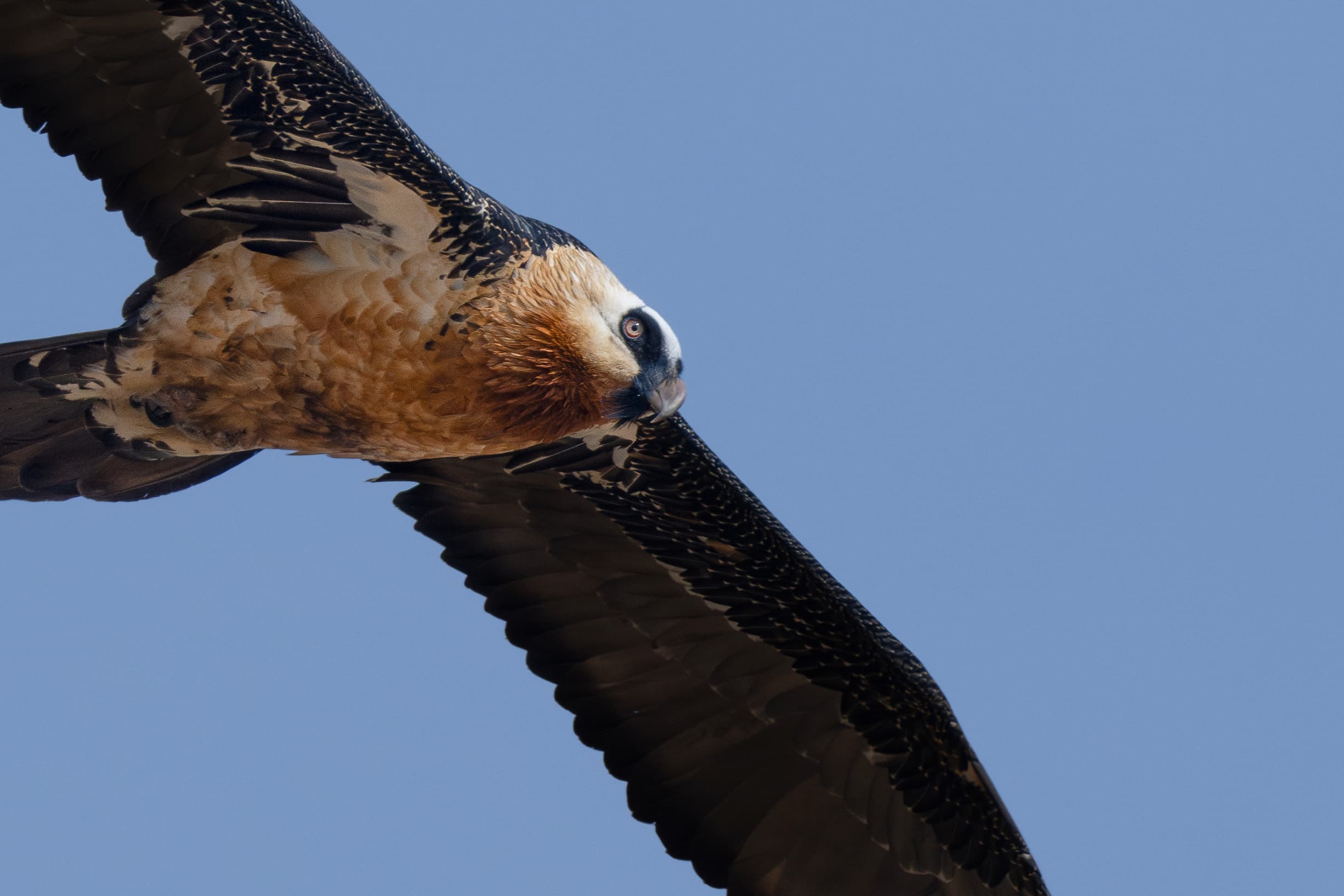
Of the six vulture species that occur in South Africa, all are currently classified as Vulnerable, Endangered, or Critically Endangered. In KwaZulu-Natal, the White-Headed Vulture has been confirmed as regionally extinct as a breeding species. The Bearded Vulture is now restricted to the Maloti-Drakensberg mountain range, with an estimated 50 to 100 breeding pairs remaining across South Africa and Lesotho. The Cape Vulture, once more widespread, persists in fragmented colonies, with approximately 4,500 breeding pairs remaining in southern Africa.
Understanding why Vultures are endangered in Southern Africa requires examining a combination of interlinked threats. Poisoning, energy infrastructure collisions, habitat degradation, food scarcity, and human disturbance are acting simultaneously across vast, interconnected landscapes. These pressures are compounded by the biological realities of vultures themselves: slow reproduction, high site fidelity, and reliance on large, undisturbed territories.
This is not a crisis driven by a single factor. It is the result of cumulative, human-driven pressures operating at landscape scale.
Wildlife ACT works directly within this complex conservation space in both Zululand and the Southern Drakensberg, contributing to national recovery strategies, emergency response systems, long-term monitoring, and collaborative policy implementation. To understand the urgency of this work, it is essential to examine the drivers behind the decline.
The Escalating Poisoning Crisis in Southern Africa
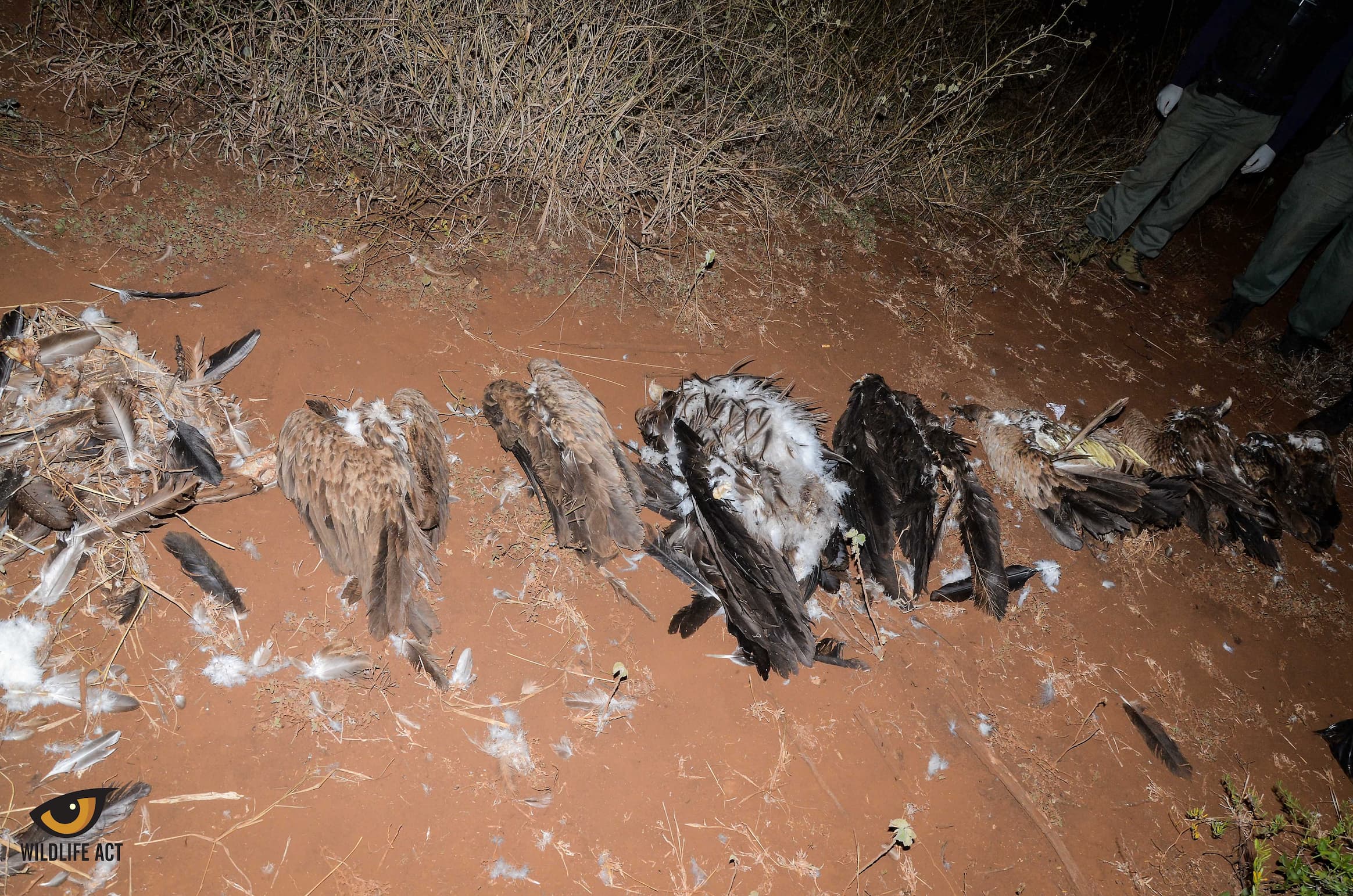
Poisoning remains the single most devastating threat facing Vultures in Southern Africa. Across multiple provinces, including KwaZulu-Natal, poisoning incidents are occurring with increasing frequency and severity, contributing directly to rapid population declines.
Poisoning events generally fall into two categories: intentional and unintentional.
Intentional poisoning includes the deliberate lacing of carcasses with toxic substances. In some cases, Vultures are directly targeted for their body parts, which are used in belief-based practices and illegal trade. In other instances, poisoned bait is placed to kill predators such as jackals or leopards in response to livestock losses. These poisons are indiscriminate. Any scavenger that feeds on the carcass is exposed.
Because Vultures feed communally and are highly efficient at locating carrion, a single poisoned carcass can result in mass mortality. Entire breeding clusters can be wiped out in one event. For species that lay only one egg per year and raise a single chick at a time, these losses are catastrophic and recovery is slow.

Unintentional poisoning is equally concerning and often more difficult to detect. Lead exposure occurs when Vultures ingest fragments from carcasses shot with lead-based ammunition. Over time, accumulated lead can cause neurological damage, physiological impairment, and death. Veterinary drugs, particularly certain non-steroidal anti-inflammatory drugs used to treat or euthanise livestock, can remain in animal tissues after death. When Vultures feed on contaminated carcasses, they may suffer kidney failure and other severe health effects.
In northern KwaZulu-Natal, particularly in Zululand, poisoning has emerged as a critical conservation challenge. The region supports populations of African White-Backed Vulture, Lappet-Faced Vulture, and Hooded Vulture, yet it is also one of the areas most affected by targeted Vulture poisoning. Wildlife ACT, working in partnership with Ezemvelo KZN Wildlife, the Endangered Wildlife Trust, Project Vulture, and other conservation organisations, has responded to more than 60 potential poisoning alerts in the region since 2019.
Rapid response is essential. Wildlife ACT maintains a dedicated emergency response system supported by GPS-tagged Vultures that transmit real-time location data. When tagged individuals become stationary for extended periods or congregate unexpectedly, alerts can signal a potential poisoning event. Trained teams are then deployed to assess the site, recover surviving birds, collect samples for toxicology, document evidence, and decontaminate affected areas.
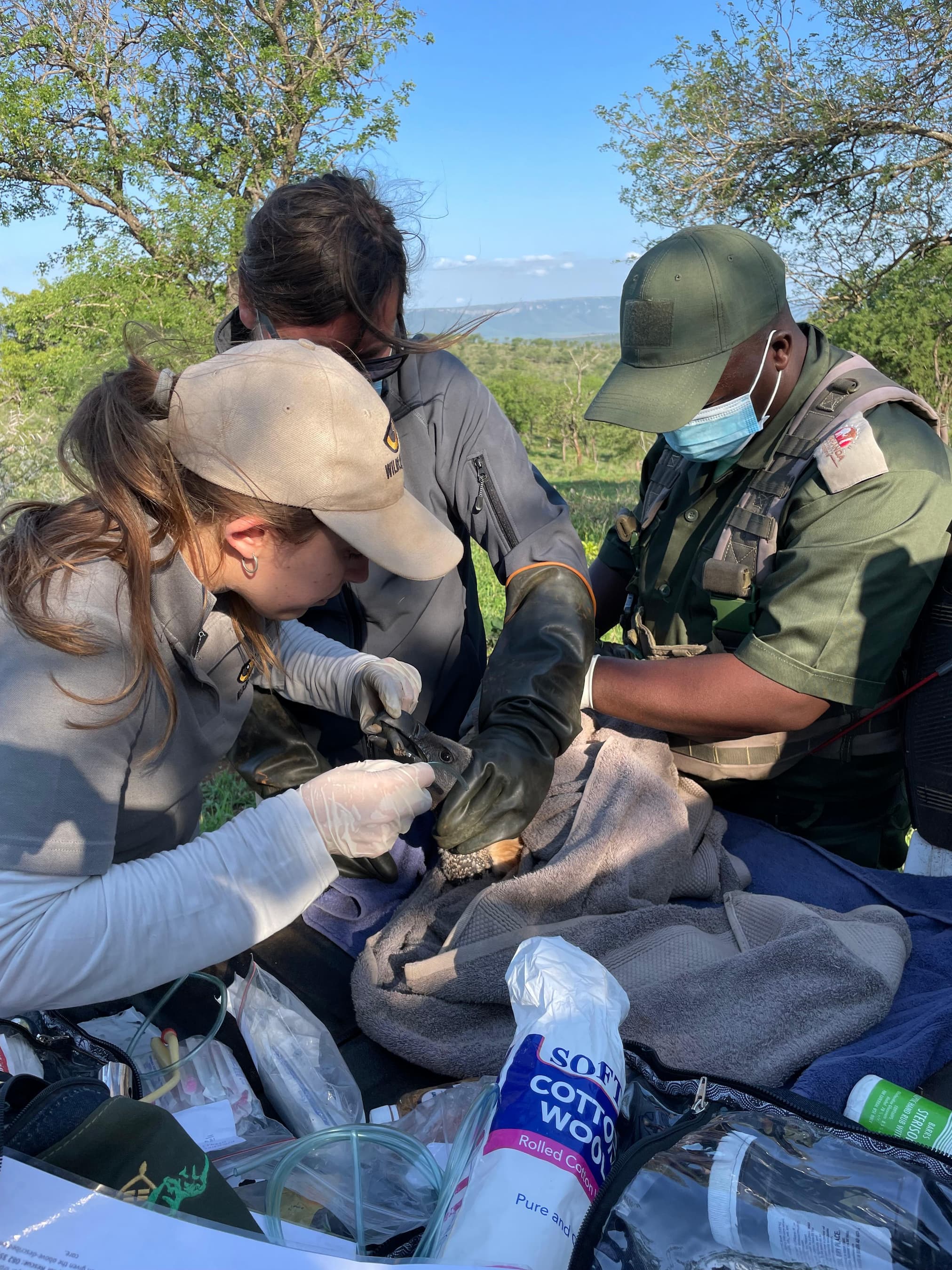
This coordinated approach limits secondary mortality, supports law enforcement processes, and strengthens long-term prevention strategies. However, even with swift intervention, the impact of poisoning events on already vulnerable populations can be profound.
Poisoning is not an isolated threat. It is a systemic issue that intersects with rural livelihoods, illegal trade, veterinary practices, and land-use pressures. Addressing it requires landscape-level coordination, technical capacity, community engagement, and sustained funding.
For Vultures in Southern Africa, poisoning remains the most immediate and destabilising driver of decline.
Beyond poisoning, energy infrastructure presents a significant and ongoing threat to Vultures across Southern Africa. As wide-ranging birds that travel vast distances in search of food, Vultures frequently move between protected areas, communal lands, and agricultural zones. This mobility, essential to their survival, also exposes them to expanding networks of power lines and pylons.
Collisions with power lines occur when birds, scanning the ground for carrion while in flight, fail to detect cables in time. These incidents are particularly common along established flight corridors and near foraging areas. Because Vultures often soar in groups and rely on thermal currents, multiple individuals may be affected along the same stretch of infrastructure.
Electrocution presents an additional risk. When Vultures perch on exposed pylons, especially where design standards do not include bird-safe insulation, contact between conductive components can result in fatal injuries. These incidents are often underreported, making it difficult to quantify the full scale of mortality across the landscape.
For species such as the Bearded Vulture and Cape Vulture in the Southern Drakensberg, collision risk is particularly concerning in high-use flight areas that intersect with mountainous terrain. In Zululand, where tree-nesting species move between feeding and breeding grounds across agricultural and communal lands, infrastructure density further increases exposure.

Addressing this threat requires accurate movement data and coordinated mitigation planning. Wildlife ACT contributes to this process through long-term monitoring, GPS tracking support, and the collection of geo-referenced sighting information. By identifying key foraging areas, movement corridors, and high-risk zones, field data helps inform infrastructure retrofitting decisions, land-use planning discussions, and risk mitigation strategies aligned with national conservation frameworks.
Energy infrastructure is a necessary component of modern development. However, without strategic planning and informed mitigation, it becomes a persistent mortality factor for already fragile Vulture populations. Reducing collision and electrocution risk depends on collaboration between conservation organisations, government authorities, energy providers, and landowners.
For long-lived species with slow reproductive rates, even small annual losses from infrastructure interactions can have measurable impacts on long-term population stability.
Habitat Degradation, Nest Disturbance, and Landscape Fragmentation
Vultures rely on vast, interconnected landscapes to survive. Their breeding and foraging ecology depends on access to secure nesting sites, predictable food sources, and safe movement corridors between them. As these landscapes become increasingly fragmented and human-dominated, the stability of Vulture populations is undermined.
In Zululand, tree-nesting species such as the African White-Backed Vulture, Lappet-Faced Vulture, and Hooded Vulture depend on mature trees for breeding. The loss of suitable nesting trees through agricultural expansion, fuelwood harvesting, and infrastructure development directly reduces available breeding habitat. When nesting trees are removed or disturbed, breeding pairs may abandon territories altogether.
In the Southern Drakensberg, the Bearded Vulture and Cape Vulture are cliff-nesting species. While cliffs offer some natural protection, these sites are highly sensitive to disturbance. Increased human activity near nesting areas, recreational land use, infrastructure development, and habitat alteration can reduce breeding success. Even indirect disturbance during the long incubation and chick-rearing period can cause nest abandonment or reduce fledging success.

Landscape fragmentation also forces Vultures to travel further between feeding and breeding areas. As natural foraging opportunities decline due to changes in land use and carcass disposal practices, birds must range across agricultural and communal lands where risks such as poisoning and infrastructure exposure are higher.
The Maloti-Drakensberg Park World Heritage Site remains a critical stronghold for cliff-nesting species, but conservation work cannot occur exclusively within formal protected area boundaries. Vultures regularly utilise surrounding communal grazing lands and privately owned agricultural areas. Effective conservation therefore requires collaboration beyond protected areas, working with landowners and local communities to maintain safe habitat conditions across the broader landscape.
Wildlife ACT’s monitoring work reflects this reality. Nest observation, long-term camera trap surveys, and engagement with landowners help build a clearer picture of breeding success, habitat use, and potential disturbance pressures. By collecting site-specific data and contributing to broader management strategies, the organisation supports informed decision-making that balances land use with species protection.

Habitat degradation does not always produce immediate, visible mortality. Its impact is often gradual, expressed through declining breeding success, reduced recruitment of juveniles, and long-term population contraction. For species that already breed slowly and depend on high adult survival rates, even subtle reductions in productivity can have serious consequences over time.
Slow Reproductive Rates and Population Fragility
The conservation crisis facing Vultures in Southern Africa is intensified by the biological characteristics of the species themselves. Vultures are long-lived, slow-breeding birds that invest heavily in raising a single chick at a time. This life-history strategy works under stable environmental conditions, where adult survival is high and threats are limited. Under sustained human pressure, it becomes a vulnerability.
Most Vulture species breed only once per year and typically lay a single egg. In some cases, pairs may not breed annually if they are still supporting a dependent juvenile from the previous season. Chicks have extended dependency periods, and juveniles take several years to reach sexual maturity. For example, species such as the Lappet-Faced Vulture and White-Headed Vulture only begin breeding at around five to six years of age. The Bearded Vulture is similarly characterised by low reproductive output and prolonged parental investment.

This means population recovery is inherently slow. When adult birds, particularly experienced breeding individuals, are lost to poisoning, infrastructure collisions, or other human-driven threats, the gap cannot be quickly filled. Each breeding adult represents years of survival and accumulated experience. Their loss has disproportionate consequences for long-term population viability.
For the Bearded Vulture in the Maloti-Drakensberg, with only 50 to 100 breeding pairs remaining across South Africa and Lesotho, every adult bird matters. The population is geographically isolated and genetically vulnerable. A single mass mortality event or consistent annual losses can significantly alter long-term recovery prospects.
Similarly, in Zululand, declining nesting pairs of tree-nesting species reflect the cumulative impact of adult mortality and habitat pressure. The confirmed regional extinction of breeding White-Headed Vulture in KwaZulu-Natal illustrates how quickly a fragile population can collapse when sustained pressures exceed recruitment capacity.
Vultures are resilient in many ways. They are intelligent, highly mobile, and adapted to challenging environments. However, their reproductive biology does not allow for rapid rebound once numbers decline sharply. Conservation strategies must therefore prioritise adult survival, breeding success, and long-term stability rather than short-term gains.
Understanding this biological fragility is essential to understanding why Vultures are endangered in Southern Africa. The threats they face are not occurring in isolation, and their capacity to recover is limited. Without sustained, coordinated intervention, small losses accumulate into population collapse.
Regional Extinction as a Warning Signal
The decline of Vultures in Southern Africa is not theoretical. In some areas, it has already resulted in localised collapse.
Following focused nest surveys conducted across KwaZulu-Natal by Ezemvelo KZN Wildlife and Wildlife ACT, the White-Headed Vulture has been confirmed as regionally extinct as a breeding species within the province. No active nests have been recorded in recent survey cycles, marking the loss of a species that once formed part of the region’s ecological network.
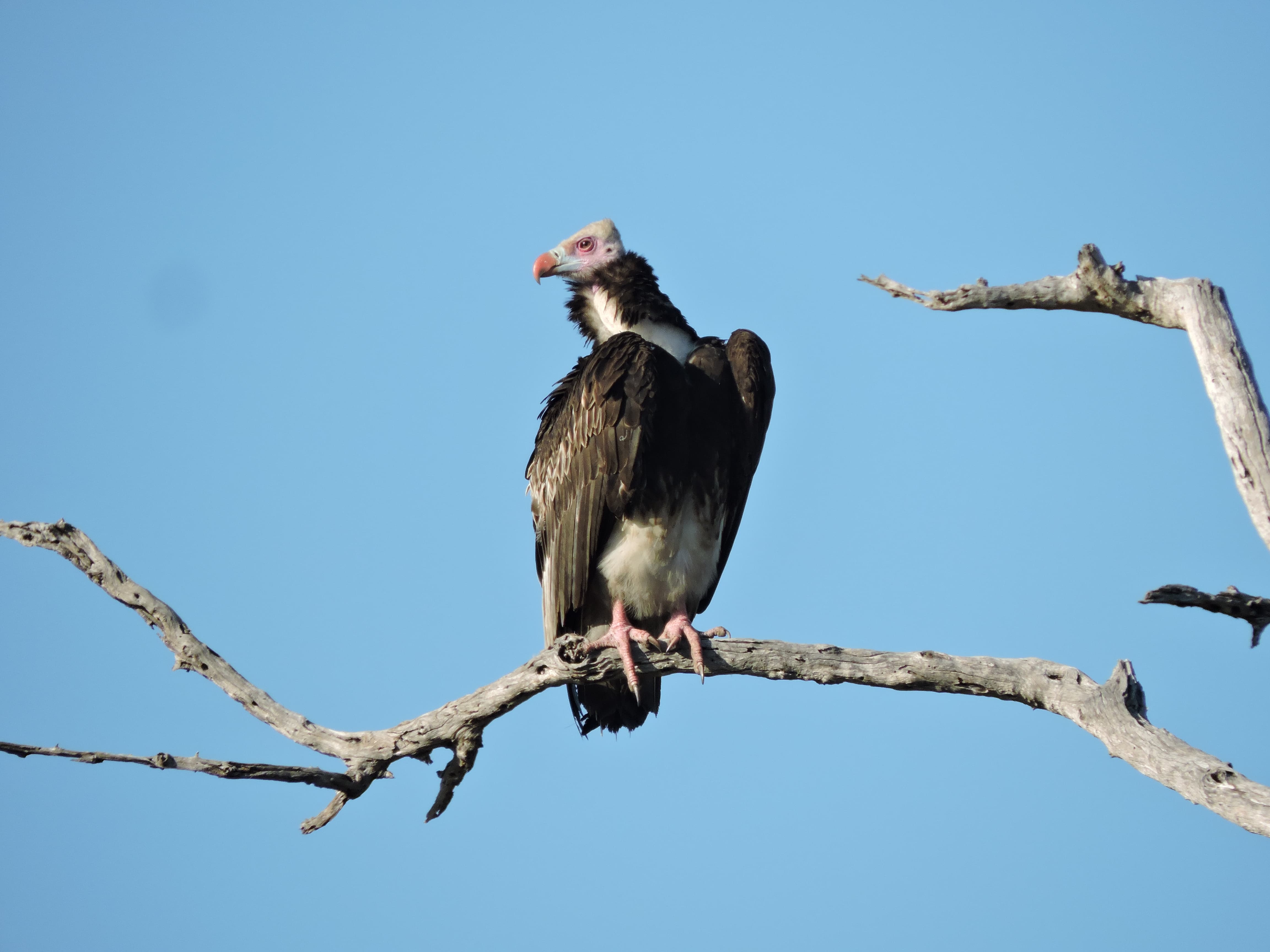
This outcome illustrates how cumulative pressures can lead to irreversible local decline. The White-Headed Vulture was first listed as Vulnerable in 2000, before being uplisted to Critically Endangered in 2015. Despite monitoring efforts and conservation interventions, sustained threats including poisoning and habitat pressure have driven the collapse of the breeding population in KwaZulu-Natal.
Lappet-Faced Vulture numbers in the province have also shown alarming reductions in active nesting pairs. Breeding clusters that once supported multiple pairs have declined significantly in just a few years. These patterns reflect the compound effect of adult mortality, slow reproductive rates, and habitat fragmentation.
Regional extinction is not simply the loss of a species from a checklist. It represents the breakdown of ecological function within a landscape. Each Vulture species occupies a distinct feeding niche and contributes uniquely to carcass removal and nutrient cycling. When one species disappears, the system becomes less resilient.
The Maloti-Drakensberg population of Bearded Vulture now stands as the final stronghold for the species in Southern Africa. With only 50 to 100 breeding pairs remaining across South Africa and Lesotho, the margin for error is narrow. The confirmed regional loss of White-Headed Vulture in KwaZulu-Natal demonstrates how quickly decline can become irreversible when intervention does not outpace threat.
These warning signs reinforce the need for coordinated, science-based conservation at provincial and national scale. Monitoring must be continuous. Emergency response must be rapid. Habitat protection must extend beyond protected areas. Most importantly, data must inform policy and management decisions before populations reach tipping points.
How Wildlife ACT Is Responding: Science, Strategy, and Collaboration
Addressing the decline of Vultures in Southern Africa requires coordinated, science-led conservation operating across protected areas, communal land, and agricultural landscapes. Wildlife ACT works within this framework across KwaZulu-Natal and the Southern Drakensberg, contributing directly to monitoring, emergency response, habitat protection, and the implementation of national recovery strategies.
Wildlife ACT is a founding member of the Bearded Vulture Task Force, the steering committee responsible for guiding conservation action for this Regionally Critically Endangered species in Southern Africa. The organisation’s field data and operational experience support the strategic objectives outlined in the Biodiversity Management Plan for Vultures in South Africa, gazetted in 2024.
In Zululand, Wildlife ACT conducts nest monitoring, GPS tracking support, ground-truthing surveys, and rapid response to poisoning alerts. Working in partnership with Ezemvelo KZN Wildlife, the Endangered Wildlife Trust, Project Vulture, and other conservation organisations, Wildlife ACT has responded to more than 60 potential poisoning alerts in the region since 2019. GPS-tagged Vultures transmitting real-time location data form part of a broader early-warning system that helps identify potential poisoning sites. Trained field teams assess affected areas, recover surviving birds where possible, collect samples for toxicology, document evidence, and support site decontamination.

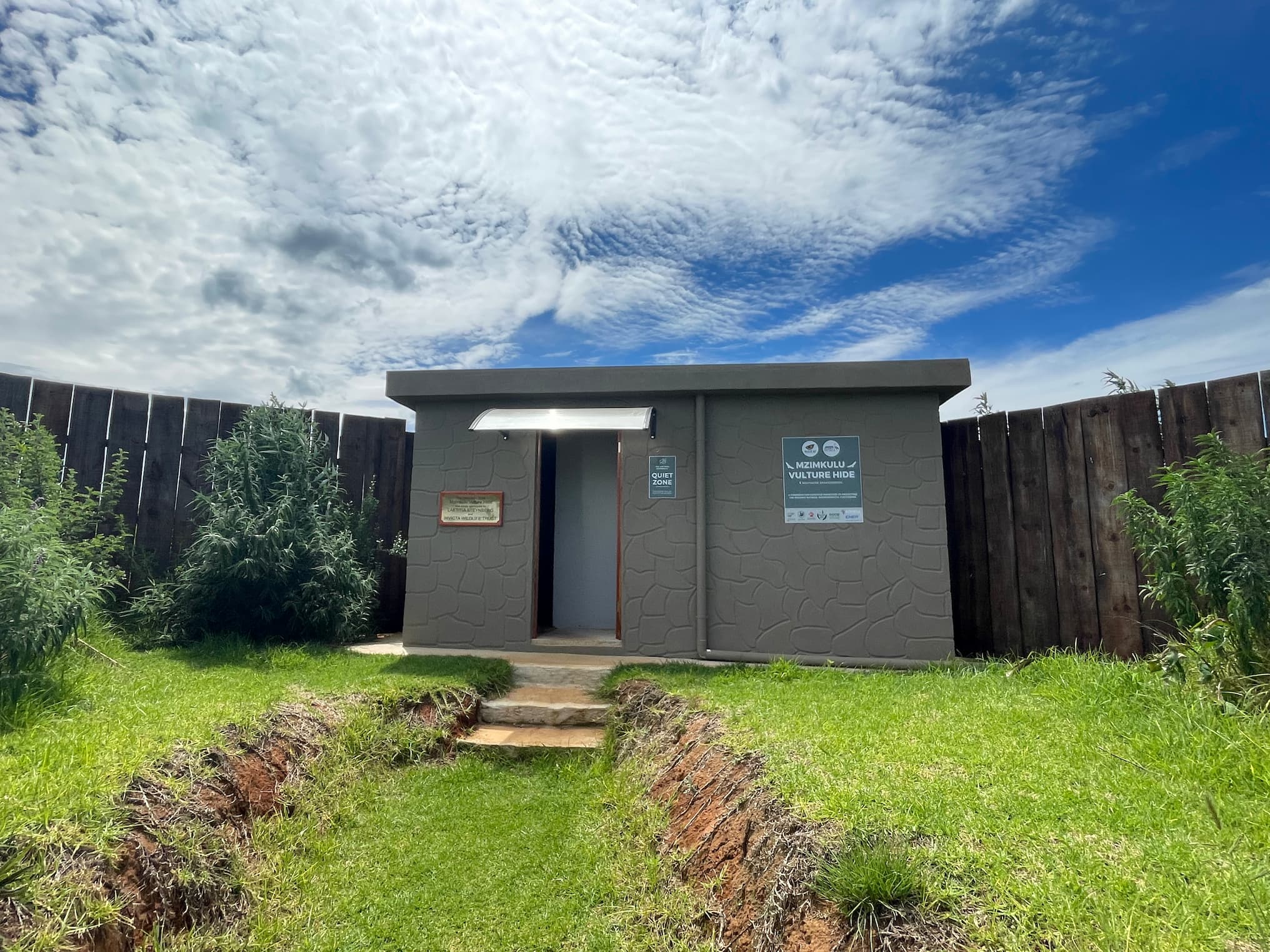
In the Southern Drakensberg, Wildlife ACT focuses on the Regionally Critically Endangered Bearded Vulture and the Vulnerable Cape Vulture through cliff-based nest monitoring, remote camera assessments, and the management of safe feeding initiatives such as the Mzimkulu Vulture Hide. These Vulture Safe Feeding Sites provide uncontaminated food in a controlled environment while generating long-term behavioural and population data.
Long-term monitoring enables conservation teams to detect both decline and resilience. In 2025, the confirmation of a Hooded Vulture nest in KwaZulu-Natal marked a significant milestone for the province. In a region heavily affected by poisoning and breeding decline, this confirmed nesting event demonstrated that where habitat remains suitable and threats are actively managed, breeding can persist. Such findings reinforce the importance of sustained monitoring and coordinated conservation action.
Wildlife ACT’s approach recognises that Vulture conservation cannot be confined to protected areas alone. Many nesting and foraging sites occur on private and communal land. Engagement with landowners, farmers, and rural communities is therefore essential to reducing poisoning risk, promoting safe carcass disposal practices, and maintaining suitable breeding habitat across the broader landscape.
Every geo-referenced sighting, breeding record, and camera trap dataset contributes to a growing evidence base that informs management decisions and risk mitigation strategies. Effective Vulture conservation depends on accurate data, collaborative networks, and consistent long-term commitment.

Why Protecting Vultures Matters for Ecosystem and Human Health
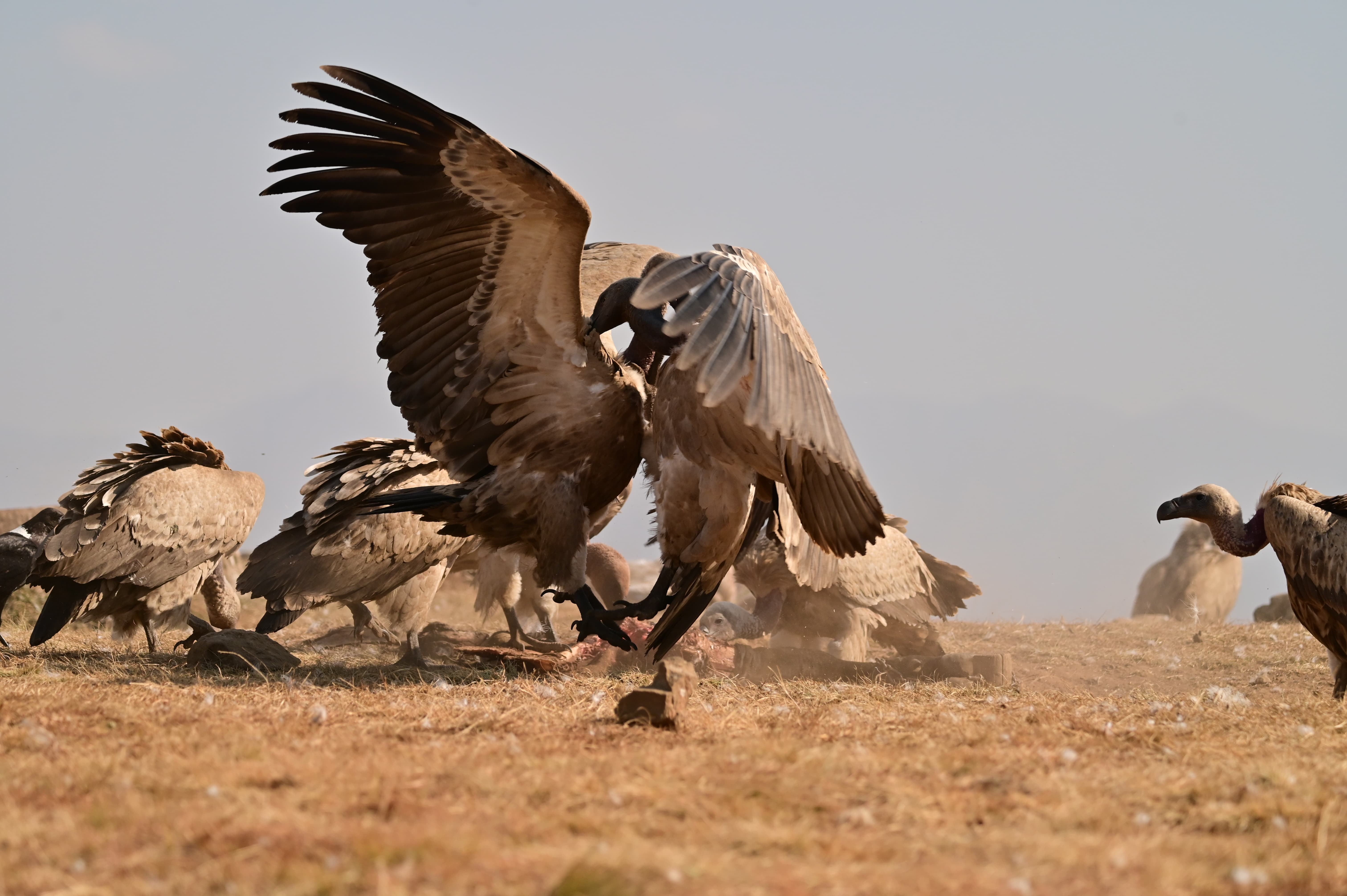
Vultures are integral to the stability of Southern Africa’s ecosystems. As obligate scavengers, they remove carcasses from the landscape quickly and efficiently. Their highly acidic digestive systems neutralise pathogens such as anthrax, botulism, rabies, and brucellosis. By eliminating animal remains before bacteria proliferate, Vultures reduce disease risk for wildlife, livestock, and surrounding communities.
Where Vulture populations are stable, carcasses are processed rapidly and safely. Where they decline, decomposition slows, contamination risk increases, and secondary scavengers such as feral dogs and rats expand. These species are less efficient at carcass removal and more likely to spread disease, particularly in rural and agricultural landscapes.
In KwaZulu-Natal, protected areas exist alongside communal grazing lands and commercial farming operations. Many communities depend directly on livestock and natural systems for food security and income. The ecological services provided by Vultures therefore have tangible environmental and public health value across these shared landscapes.
Vultures also contribute to nutrient cycling. By consuming organic waste and redistributing nutrients through natural processes, they support soil productivity and ecosystem function in grassland and savanna systems.
Each species performs a specific ecological role. Cape Vultures and African White-Backed Vultures rapidly remove soft tissue from carcasses. The Bearded Vulture specialises in bone consumption, extracting marrow and completing the recycling process. Together, these species strengthen ecosystem resilience through functional diversity.
The decline of Vultures reduces the efficiency of these processes. The loss is ecological, economic, and social. Sustaining healthy Vulture populations supports the long-term stability of landscapes that underpin biodiversity, agriculture, and rural livelihoods across Southern Africa.
The Path Forward for Vulture Conservation in Southern Africa
The endangered status of Vultures in Southern Africa is the result of cumulative, human-driven pressures acting across interconnected landscapes. Poisoning, infrastructure risk, habitat degradation, and slow reproductive rates combine to create a fragile conservation scenario that requires sustained, coordinated intervention.
Recovery is possible. However, it depends on long-term monitoring, rapid response capacity, informed land-use planning, and strong collaboration between conservation organisations, government authorities, researchers, landowners, and local communities. Effective Vulture conservation is not reactive. It is strategic, data-led, and implemented consistently over time.
In KwaZulu-Natal, Wildlife ACT continues to contribute to this effort through nest monitoring, GPS tracking support, poisoning response, camera trap surveys, safe feeding site management, and partnership-driven implementation aligned with national recovery strategies. From Zululand’s tree-nesting species to the cliff-nesting Bearded Vulture and Cape Vulture populations of the Southern Drakensberg, the organisation’s work focuses on adult survival, breeding success, and long-term population stability.
Protecting Vultures is an investment in ecological resilience. Stable Vulture populations strengthen disease control systems, support nutrient cycling, and reinforce the health of landscapes that sustain biodiversity and rural livelihoods alike. Ensuring their survival requires ongoing commitment, technical expertise, and public support.
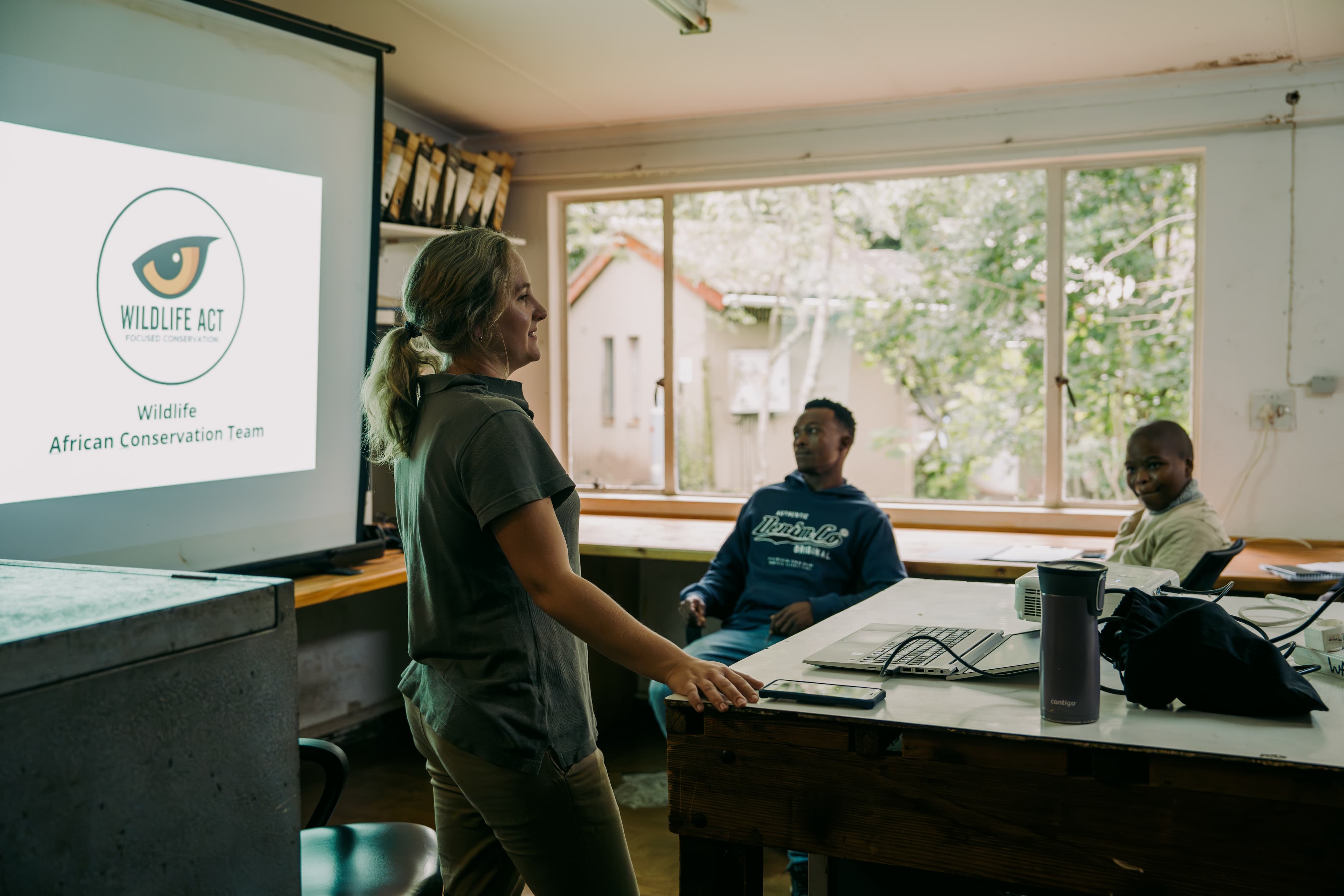
Wildlife ACT offers direct opportunities to contribute to this work. In Zululand, volunteers assist with nest monitoring, biodiversity surveys, camera trap management, and support for emergency response operations within a region heavily affected by poisoning pressures. In the Southern Drakensberg, volunteers contribute to Bearded Vulture and Cape Vulture conservation through cliff-based monitoring, long-term data collection, and the maintenance of Vulture Safe Feeding Sites such as the Mzimkulu Vulture Hide.
These programmes are structured around real conservation outcomes. Participants support trained field teams and contribute to datasets that inform provincial and national management decisions. Engagement extends beyond protected areas, reflecting the reality that Vulture conservation depends on cooperation across working landscapes.
The future of Vultures in Southern Africa will be shaped by the decisions and actions taken today. Sustained monitoring, coordinated partnerships, and informed public participation remain central to stabilising populations and preventing further regional losses.
To support science-based Vulture conservation in KwaZulu-Natal, explore Wildlife ACT’s volunteer opportunities in Zululand and the Southern Drakensberg or contribute directly to ongoing field operations. Long-term stability for these species depends on consistent, collective effort.
Cover photo by Zoe Phillips
.jpeg)


.jpg)