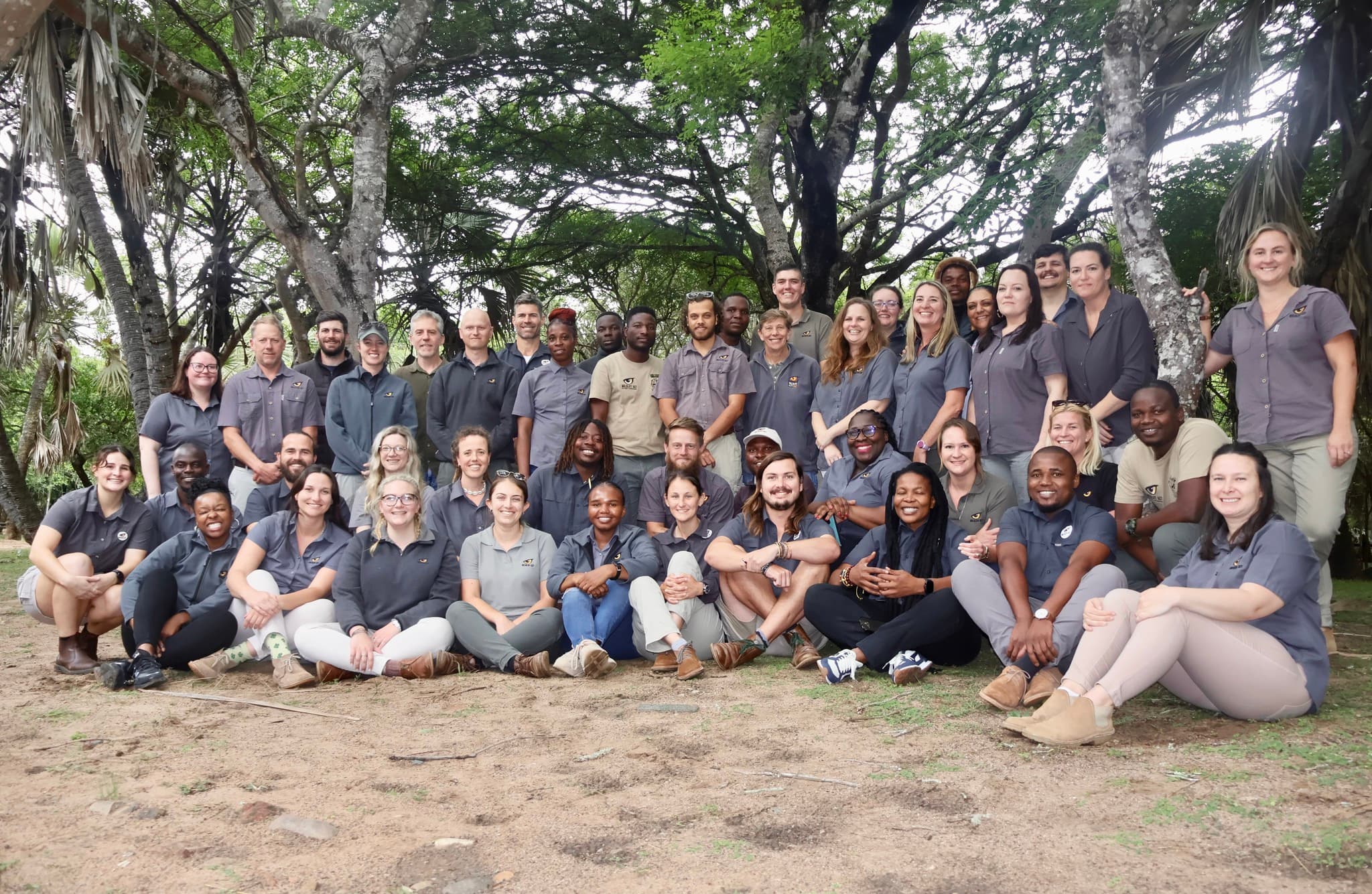
Whether on the ground in the heart of the bush or working behind the scenes to strengthen systems and partnerships, our vision remains unwavering: thriving wildlife, resilient ecosystems, and empowered people.
As we look back on 2025, we are reminded once again that our work is only possible because of an exceptional team, our committed conservation partners, generous funders, and the volunteers who join us from across the world. Their passion and support have contributed to every achievement we celebrate today.
This year has been one of growth, resilience, and innovation across all our projects. Here are some of the stories and successes that inspired us most in 2025.
Safeguarding the African Wild Dog
.jpg)
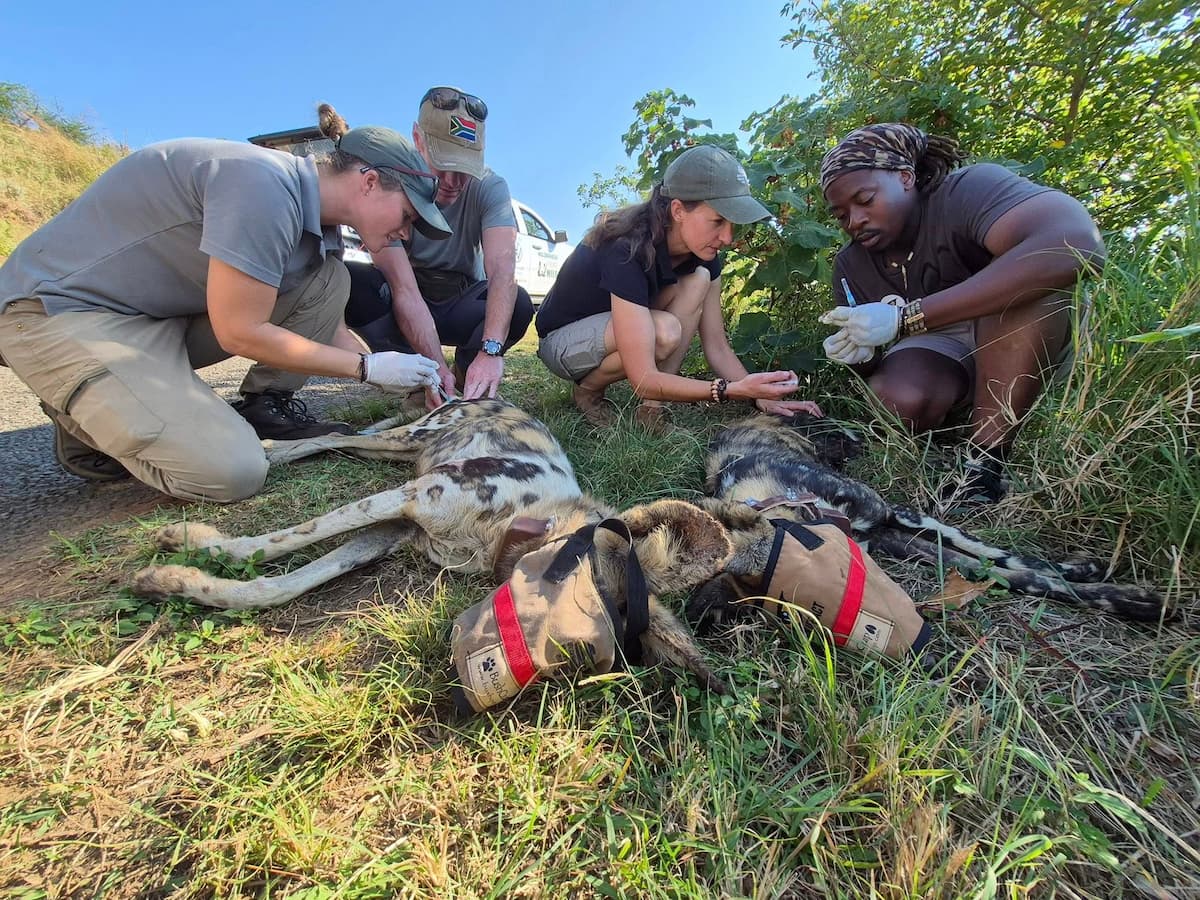
African Wild Dogs continue to be one of the most threatened carnivores on the continent, and yet 2025 offered moments of genuine optimism. These developments reflect years of careful management, collaring, monitoring, and collaboration between Protected Areas.
This year saw ongoing collaring in Hluhluwe-iMfolozi Park (HiP) and Mpilo Game Reserve that will help ongoing monitoring and guide future metapopulation management of the species. The possibility of the formation of new packs in KwaZulu-Natal (KZN) is a testament to the dedication of conservation teams working tirelessly to secure this species’ survival.
Additionally, the Munywaneni Pack in the Hluhluwe Section welcomed a new litter of pups, choosing a sheltered rocky valley as their den site. The Mfukuzweni Pack similarly moved to a new den with five young puppies, a rare and significant observation that reinforces the importance of long-term monitoring. With thanks to Science Based Ingredients, Maya von Dach, and Hans Hoheisen Charitable Trust, and Alistair Stalker for their continued support of this work.
Collaborations and partnerships: Wildlife ACT is proud to partner with Ezemvelo KZN Wildlife (EKZNW) and Endangered Wildlife Trust (EWT). Wildlife ACT works in collaboration with Ezemvelo KZN Wildlife Game Capture Veterinarian Dr Rowan Leeming, as well as African Wildlife Vets’ Dr Jennifer Lawrence.
Groups, task forces, and forums: Wildlife ACT is a formal member of the Wild Dog Advisory Group of South Africa (WAG-SA), which brings together governmental bodies, reserves, and NGOs to advise on and manage African Wild Dog populations in South Africa and Africa. Wildlife ACT is a formal committee member and secretariat of the KwaZulu-Natal Wild Dog Management Group (KZN-WMG), as well as the KZN Predator Forum and the Snaring National Advisory Group (SNAG).
A Positive Year for Rhino Conservation
In the first half of the year, Hluhluwe-iMfolozi Park recorded a significant decrease in Rhino poaching incidents compared to the same period in 2024. Still, the Protected Area remains under threat of Rhino poaching, and dehorning efforts have continued with good momentum. Wildlife ACT significantly supported the annual Rhino dehorning maintenance on Hluhluwe-iMfolozi Park (HiP), in partnership with Ezemvelo KZN Wildlife. The annual target for dehornings was achieved, made possible from the support of partners Rhino Recovery Fund (RRF), Save the Rhino International (SRI) and Jon Melberg, with assistance from World Wildlife Fund (WWF).
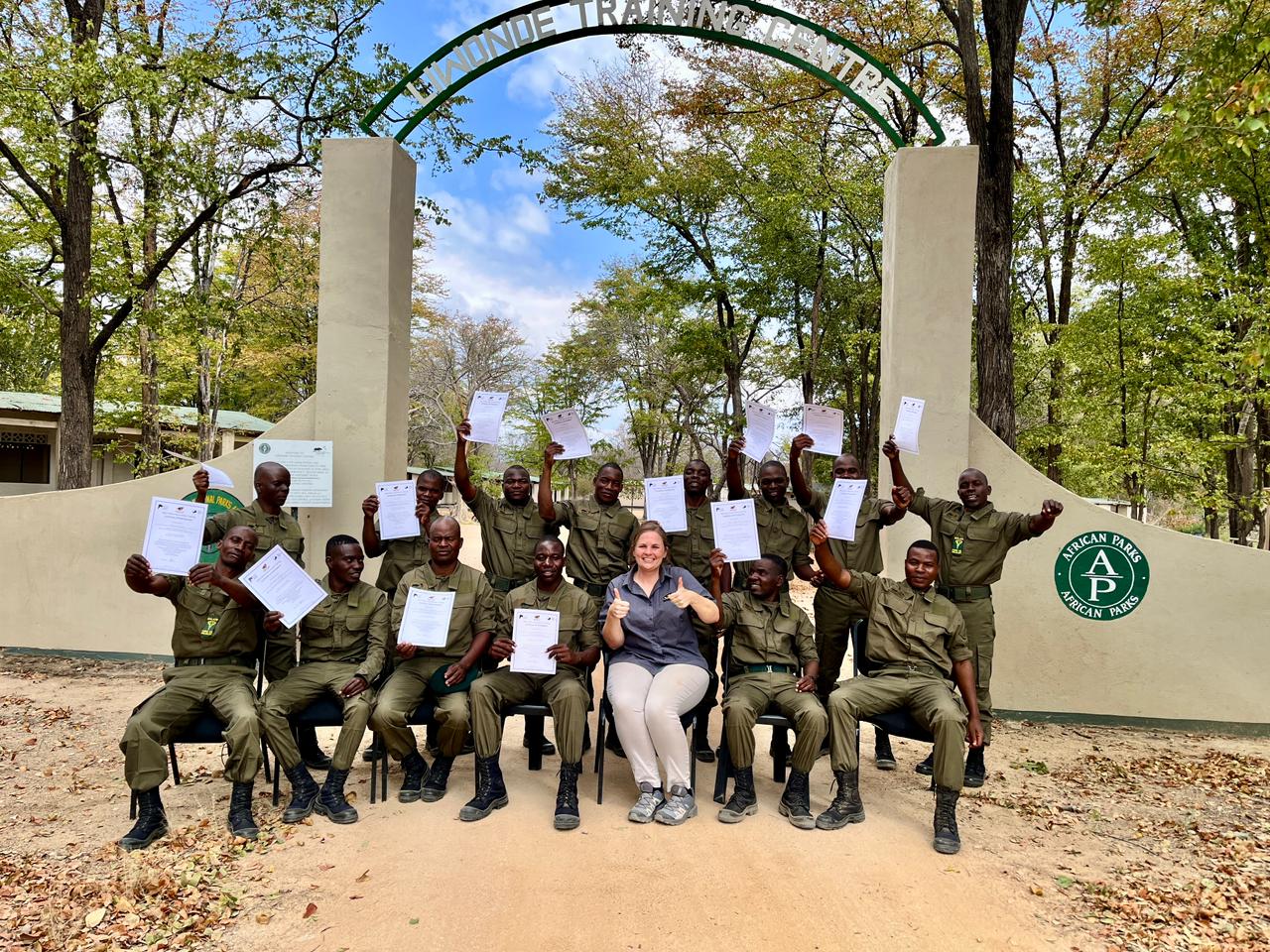
Additionally, Wildlife ACT supported the specialised training of 37 field rangers and Black Rhino monitors across World Wildlife Fund’s Black Rhino Range Expansion Project (BRREP) sites, strengthening both regional and international conservation capacity.
Collaborations and partnerships: Wildlife ACT is grateful for its long-standing partnership with WWF South Africa, particularly through the Black Rhino Range Expansion Project, as well as Rhino Africa Safaris, African Wildlife Vets, Jackie Scott and CHEP and all Rhino Peak Challenge ambassadors
Groups, task forces, and forums: Wildlife ACT serves on the Rhino Guardianship Strategy Advisory Group. Wildlife ACT is also a founding member of Project Rhino, an award-winning, project-wide association.
Big Cat Conservation: Innovation & Collaboration
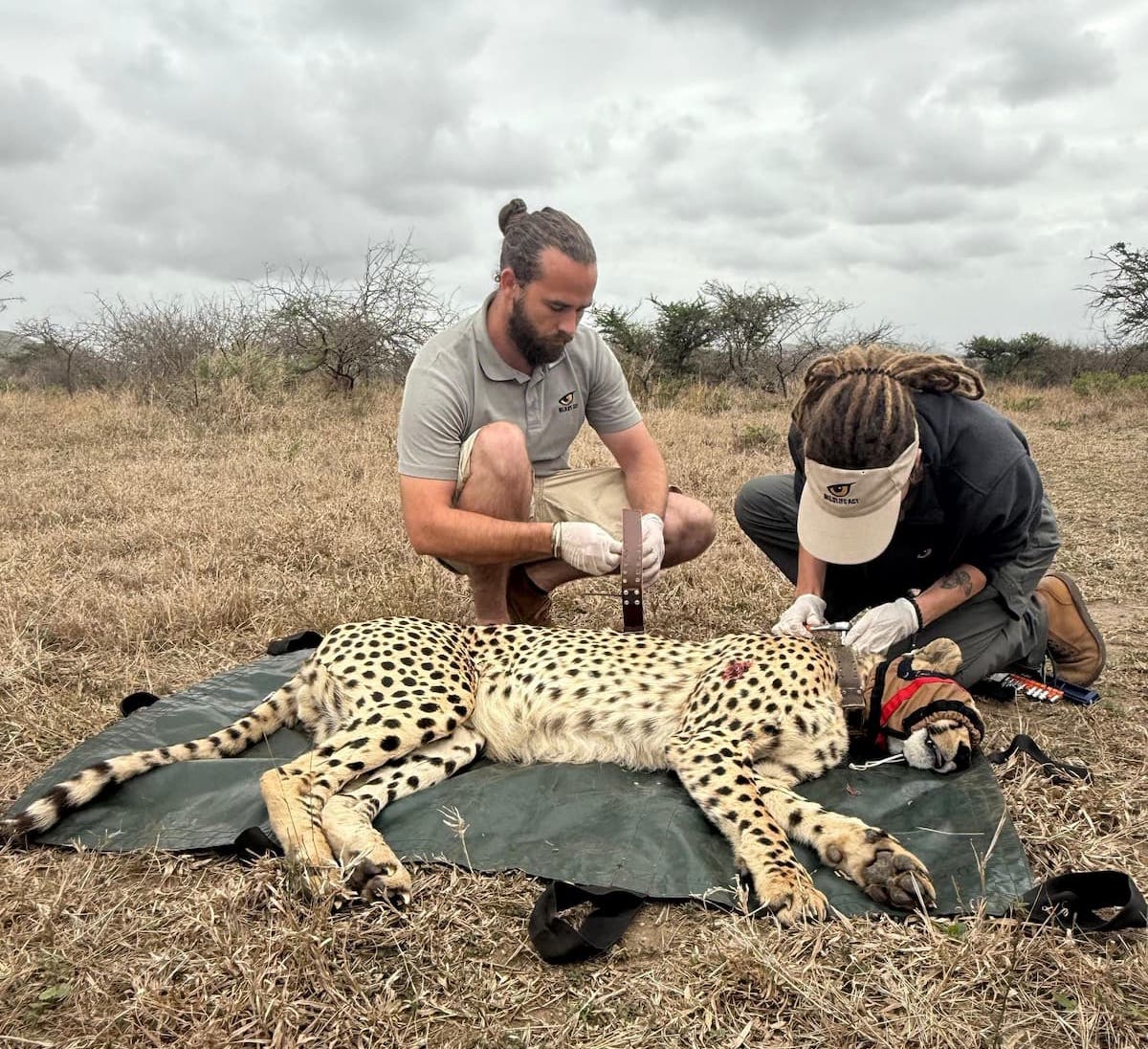
Our Big Cat Conservation Programme, encompassing Lions, Leopards, and Cheetahs, continued to grow in impact.
Thanks to the ongoing support of the Forever Wild Foundation (FWF), Cheetah collaring efforts on Hluhluwe-iMfolozi Park have been strengthened with 15 collars ringfenced for deployment. Collaring efforts are well underway and will significantly enhance our monitoring capacity on this iconic Protected Area.
The long-standing KwaZulu-Natal Leopard Survey continued in strength this year, with surveys from Babanango Game Reserve to the Karkloof region revealing encouraging shifts in population dynamics. The adoption of advanced AI tools for camera-trap processing marks an exciting step forward in wildlife data accuracy and efficiency.
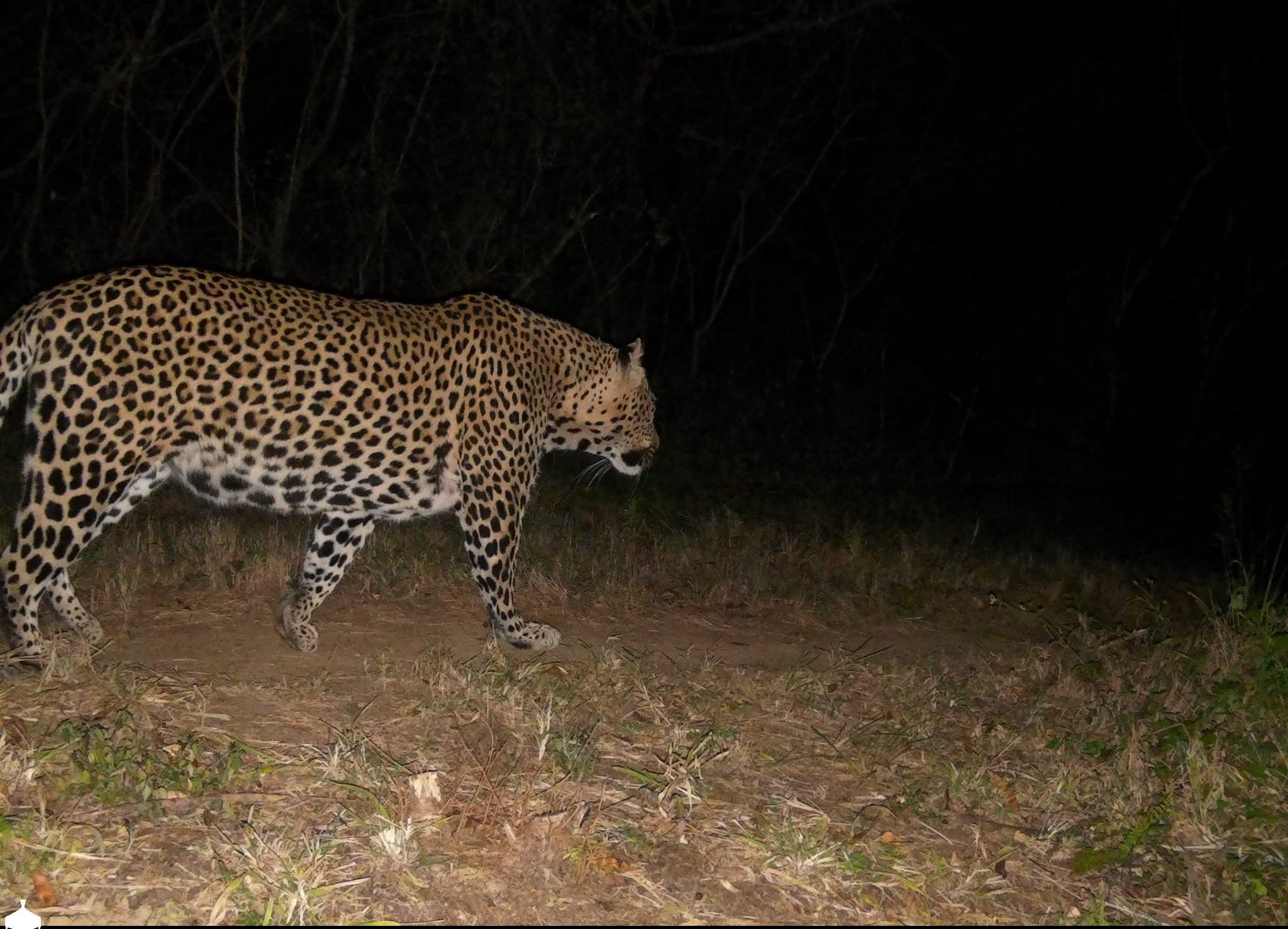
Collaborations and partnerships: Collaboration with Panthera supports some of the province’s largest long-term Leopard camera-trap surveys, while Ezemvelo KZN Wildlife (EKZNW) is a core partner for integrating big cat monitoring into reserve management. Forever Wild Foundation (FWF) is an integral partner in our Cheetah initiatives, with vital support and veterinary oversight provided by African Wildlife Vets.
Groups, task forces, and forums: Wildlife ACT forms part of the Conservation Education Network, which includes 48 organisations across Africa collaborating and sharing resources and knowledge for effective conservation communication. We are the secretariats of the KZN Predator Forum and a member of the Cheetah Advisory Group.
Breaking New Ground for Vulture Conservation
In 2025, our Vulture Conservation Programme team made significant strides in both research and on-the-ground protection. We strengthened our data systems, refined and completed our annual ground-truthing survey on HiP, and supported the safe rehabilitation and release of several Vultures back into the wild.
One of the year’s most exciting discoveries was the first active Hooded Vulture nest in KZN - an exceptionally rare and important find that opens new avenues for research and underscores just how vital ongoing protection is for these Critically Endangered birds.
.jpg)
Supporting Ezemvelo KZN Wildlife and working closely with partners, the Vulture Conservation Programme team implemented targeted conservation actions aligned with the Zululand Vulture Project, Bearded Vulture Recovery Programme, and the National Vulture Biodiversity Management Plan.
.jpg)
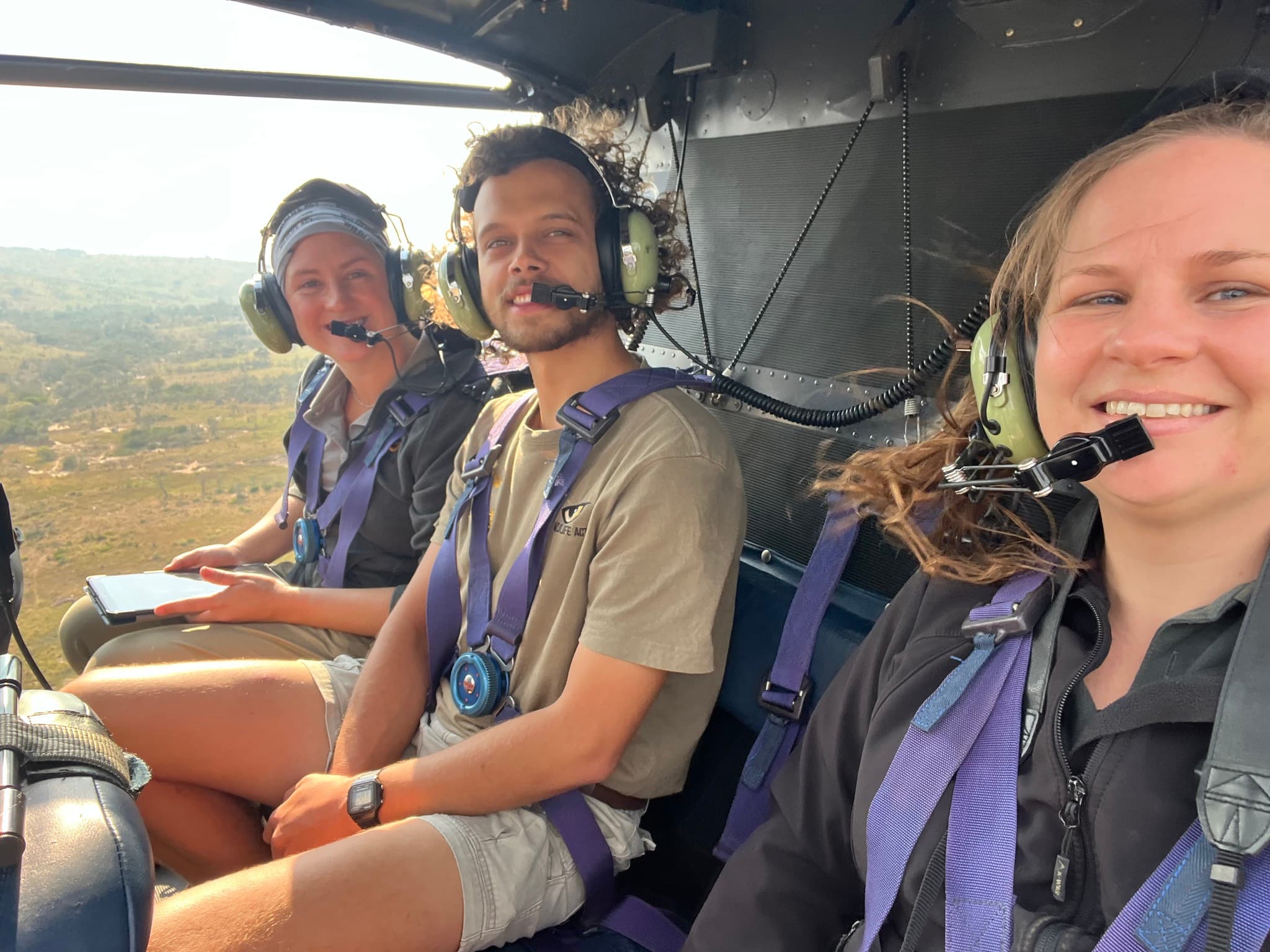
The team also published an extended abstract on lead exposure in KZN Vultures in the African Journal of Wildlife Research, establishing a baseline for conservation action measurement, and highlighting the ongoing threat of lead poisoning as well as identifying key areas to target during mitigation efforts.
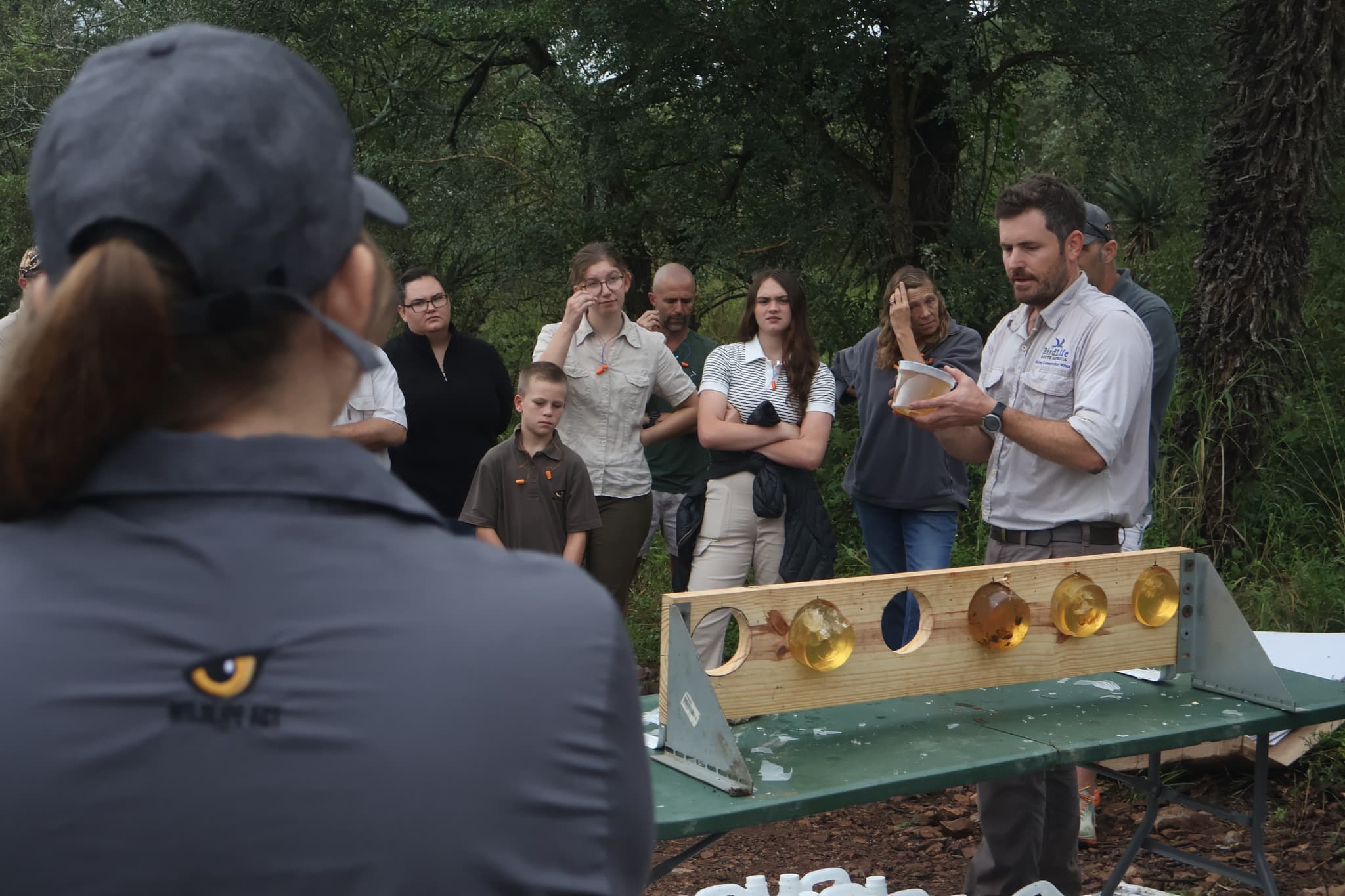
In April, Wildlife ACT, along with BirdLife South Africa, the Zululand Vulture Project, Endangered Wildlife Trust (EWT), Ezemvelo KZN Wildlife (EKZNW), and Pongola Game Reserve, hosted the inaugural Battle of the Bullets - Zululand edition. This pioneering awareness event aimed at reducing the devastating impact of lead-based ammunition on South Africa’s ecosystems and wildlife.
Collaborations and partnerships: Valued partners include Ezemvelo KZN Wildlife, BirdLife South Africa and Endangered Wildlife Trust (EWT), as well as The Bateleurs, Dry Creek Foundation, Briandez Legacy Trust, North Atlantic Trust and Happy Hollow Quarters for Conservation for their vital support of the Vulture Conservation Programme. Additional thanks goes to Ford Wildlife Foundation for their support.
Groups, task forces, and forums: Established by Ezemvelo KZN Wildlife (EKZNW), Wildlife ACT now facilitates the Zululand Vulture Project (ZVP) to bring a wide range of stakeholders together for the protection of Vultures across boundaries. Wildlife ACT is also a key member of Project Vulture, a platform to coordinate various NGOs and Vulture conservation organisations’ efforts, as well as the National Vulture Task Force (NVTF) and National Wildlife Poisoning Prevention Working Group (NWPPWG). The team also represented Wildlife ACT at the EarthRanger Conference in Hoedspruit.
Southern Drakensberg: A Haven for Raptors and Community Engagement
In the Southern Drakensberg, the Wildlife ACT team had a year defined by community engagement, strengthened emergency response, and deepened collaboration.
The Mzimkulu Vulture Hide continued to attract visitors and researchers, offering intimate glimpses of Cape and Bearded Vultures and supporting vital supplementary feeding initiatives.
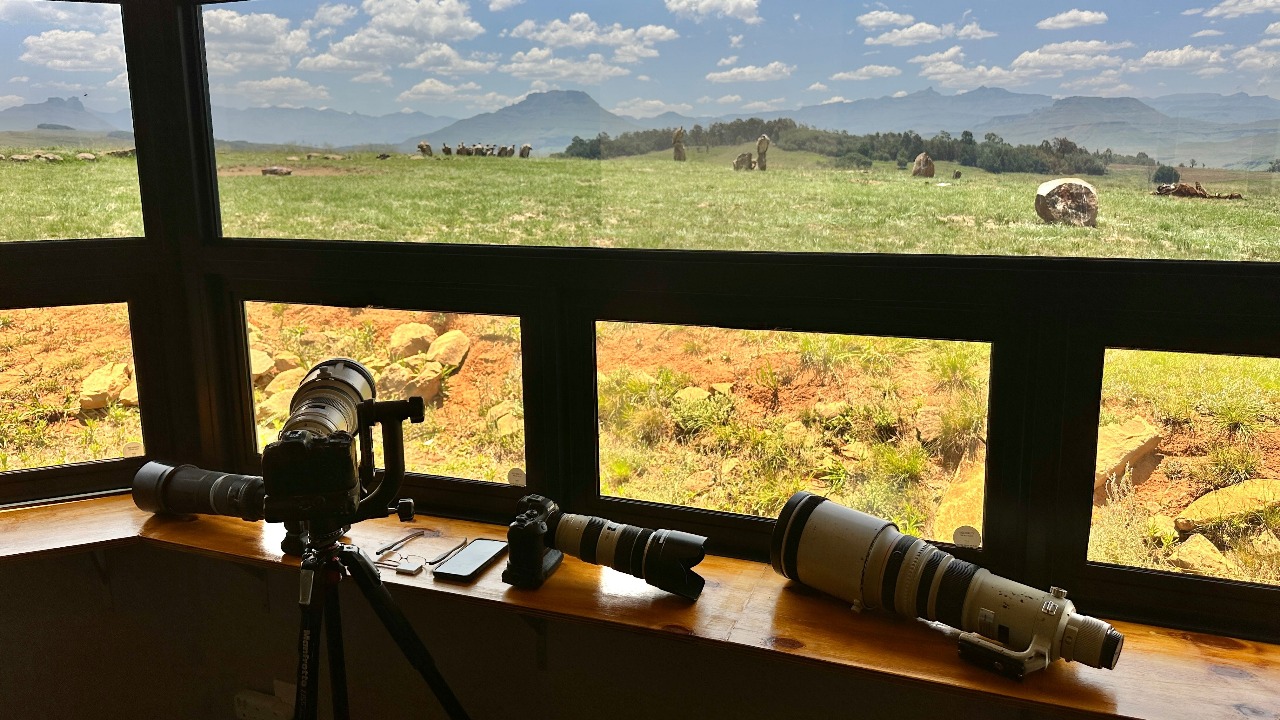
Wildlife emergencies, from raptors to small carnivores, received swift, skilled responses thanks to a growing network of trained team members, including those on the Bearded Vulture Task Force in Lesotho.
Frog audio surveys, camera trap biodiversity surveys, Bearded Vulture nest monitoring, and school education initiatives highlight the importance of hands-on conservation and raising awareness to protect our wildlife for generations to come.
Partnerships and collaborations: Important collaborations included Riverlea Farms and Anura Africa as well as CHEP and Ezemvelo KZN Wildlife.
Groups, task forces, and forums: Wildlife ACT is an active member of the Bearded Vulture Task Force (BVTF), established to implement the Conservation Action Plan for the Bearded Vulture species. Wildlife ACT is also a secretariat and co-chair of the Southern Drakensberg Forum.
Strengthening Conservation on Community-owned Land
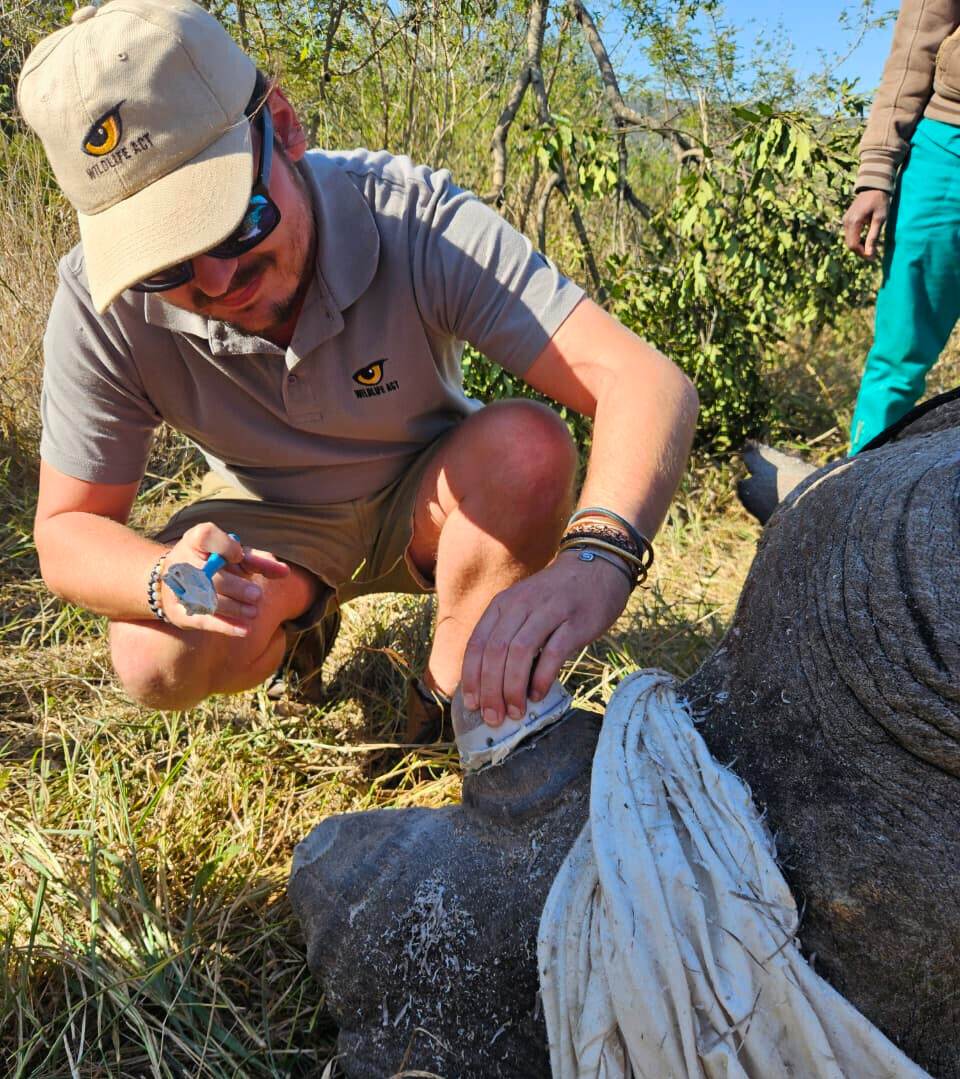
Somkhanda Game Reserve remains a strong example of how community-led conservation can protect vulnerable species while strengthening local stewardship. This year, the Wildlife ACT team on Somkhanda continued its strong focus on Rhino conservation, achieving several crucial interventions, from a snare removal to successful dehorning operations to de-incentivise poaching. The team also assisted with deploying new tracking devices that have already helped shed light on movement patterns of these animals.
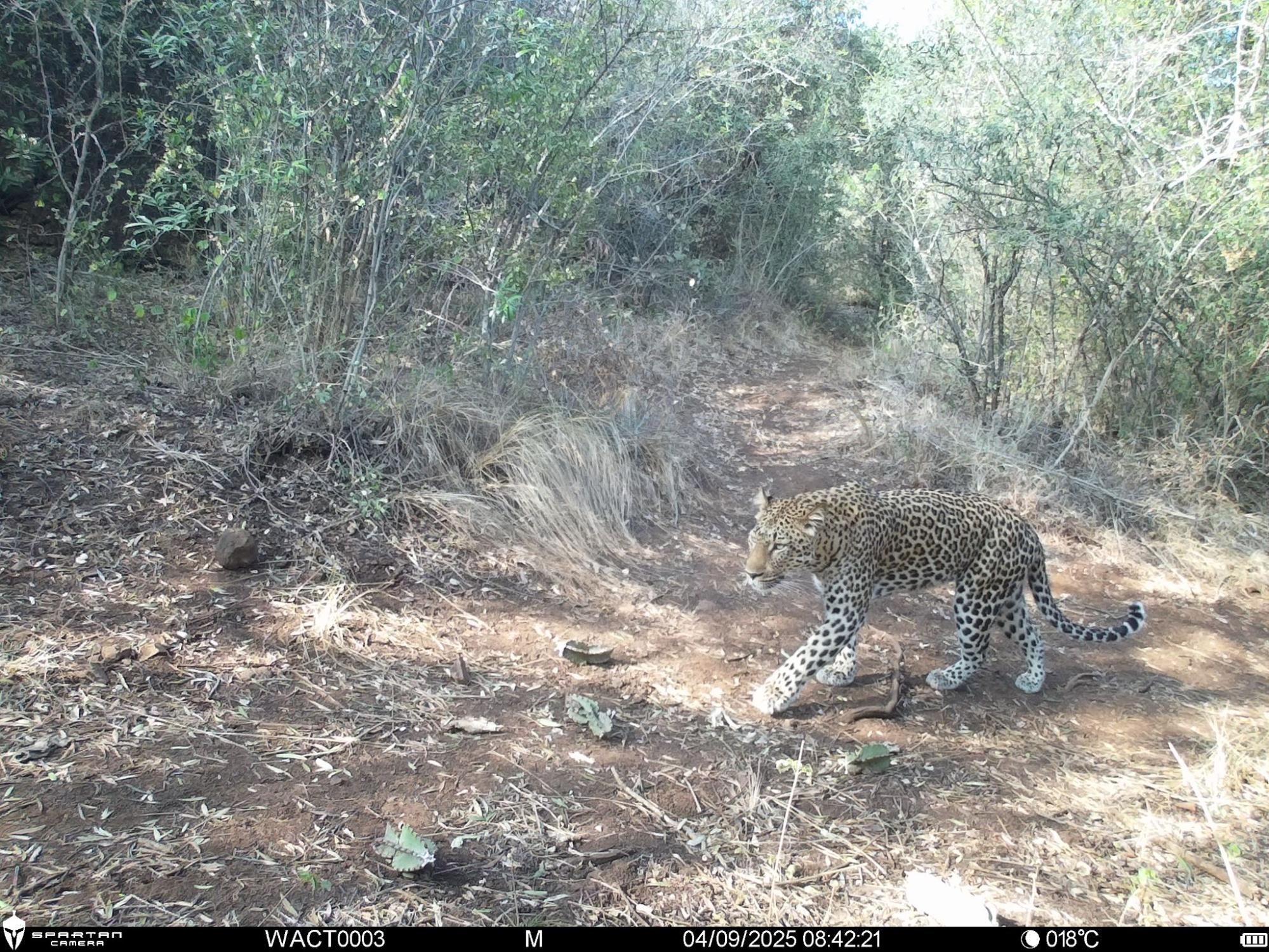
Monitoring and management of other Priority Species also remained a key focus, with deployment of tracking technologies on Lions and Elephants. An expanded camera trapping programme has also revealed increased activity among lesser-known and more cryptic species, such as Leopards, Hyaenas, servals, caracals, and aardvarks, painting a positive picture of ecological diversity within the reserve.
Partnerships and collaborations: PAMCo plays a vital role in long-term sustainable governance of Somkhanda Game Reserve. Thanks to the support of funding partners that include IUCN Save Our Species, CHEP, Rhino Recovery Fund and Protank.
Building a New Generation of Conservation Leaders
Our Community Conservation and Coexistence teams continued to inspire, uplift, and empower youth across KwaZulu-Natal, with a focus around Hluhluwe-iMfolozi Park, uMkhuze, and Somkhanda.
Interns, liaisons, and ambassadors helped bring conservation concepts to life through hands-on experiences, whether planting and maintaining school gardens, visiting Protected Areas, or learning about Priority species. These interactions continue to build a foundation of pride, knowledge, and empowerment within the communities that neighbour our Protected Areas.
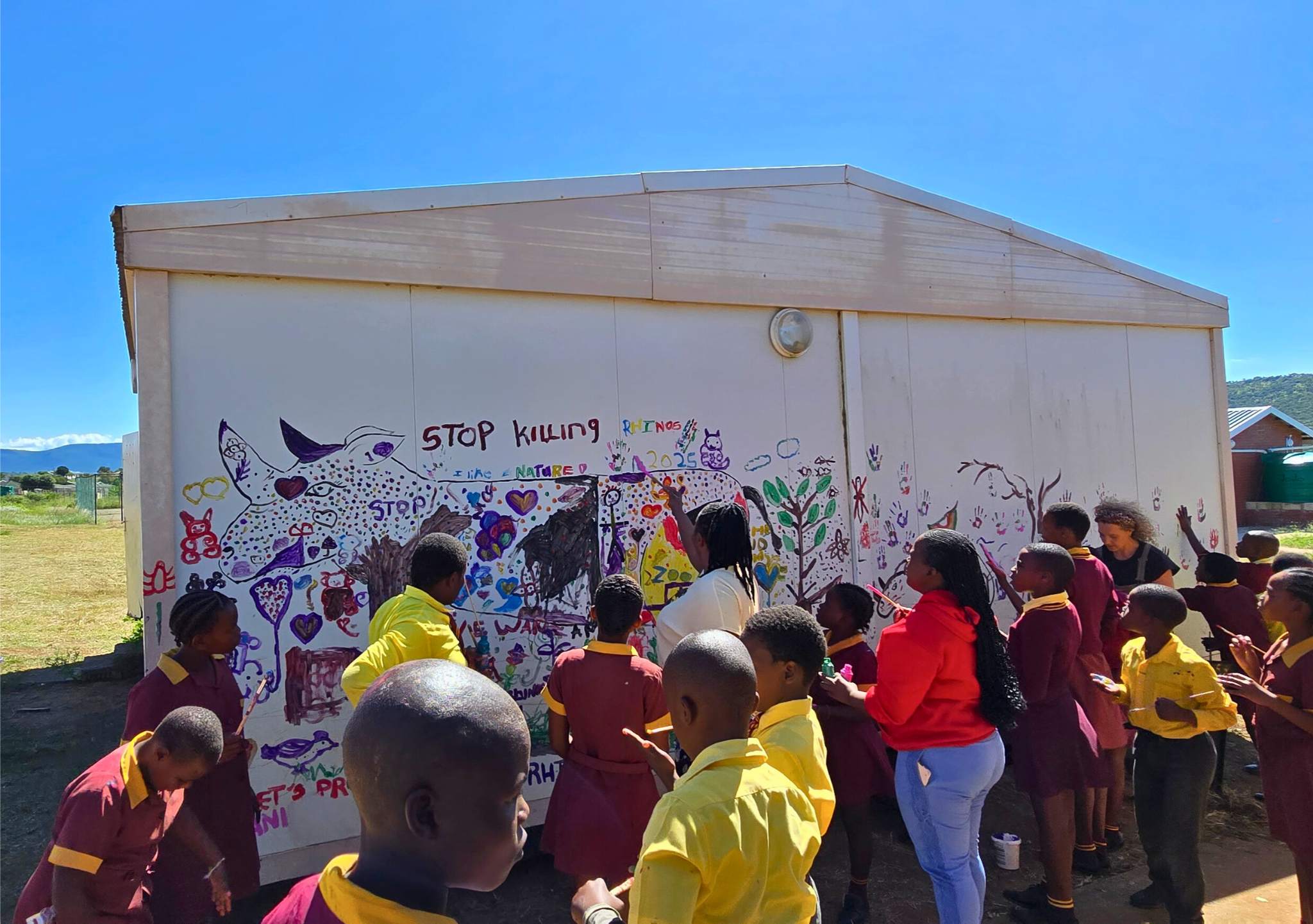
Our Youth Network includes over 160 young adults from Conservation Ambassador Clubs in KwaJobe, KwaNgwenya, Hlabisa and Maphambilli communities, who embrace environmental stewardship with passion and pride. Through our Community Conservation Programme (CCP), our team has facilitated 12 Kids Camps, enabling 343 primary school children from local schools to experience overnight stays and practical conservation lessons inside uMkhuze Game Reserve.
Towards Coexistence
This year our Human-Wildlife Coexistence Programme and partners have made headway with furthering collaboration and building relations across five focal areas around Hluhluwe-iMfolozi Park (HiP). Through an ongoing process of focusing on human-wildlife coexistence through the WWF Nedbank Green Trust project, we have run 15 days of workshops with communities to build a common understanding of the pain points of human-wildlife coexistence around HiP. This process is ongoing and is helping to direct important future community conservation work in these areas.
Additionally, we have partnered with six communities around Hluhluwe-iMfolozi Park and Somkhanda to provide training and employment of local youth to support rapid human-wildlife conflict (HWC) incident detection, and enable rapid responses to conflict. We have also expanded our work with livestock owners in four of these communities around HiP, helping train and mentor 148 community livestock owners which strengths sustainable livelihoods and reduces conflict at the interface between people and wildlife.
Partnerships and collaborations: Our Community Conservation and Coexistence programmes’ work is supported by collaborations with local schools, community groups, and particularly strong partnerships with Ezemvelo KZN Wildlife and People Nature Connect. Our collaborations with Isibindi Foundation, WildTrust, iSimangaliso Authority, Wilderness Leadership School, and Project Rhino have also strengthened our work this year. Furthermore, much of this work would not be possible without significant funding support from the Kenchaan Foundation, WWF BRREP, Rhino Recovery Fund, Dry Creek Foundation, the Mowat Family, Aurex, Earth Limited, Mineware, Different.org and Assore.
Groups, task forces, and forums: Wildlife ACT plays a key role in assisting with the coordination of the HiP Community Conservation Network.
Additional Awareness and Education

This year saw several exciting initiatives aimed at expanding conservation awareness and deepening public engagement. Thanks to the generous support of John van de Ruit and Julia Clarence, Wildlife ACT was once again provided the opportunity to join the Hilton Arts Festival in August. Our stall was generously sponsored by RockJumper, and a highlight of the event was a talk delivered by Wildlife ACT’s Vulture Conservation Technician, which was well-attended.
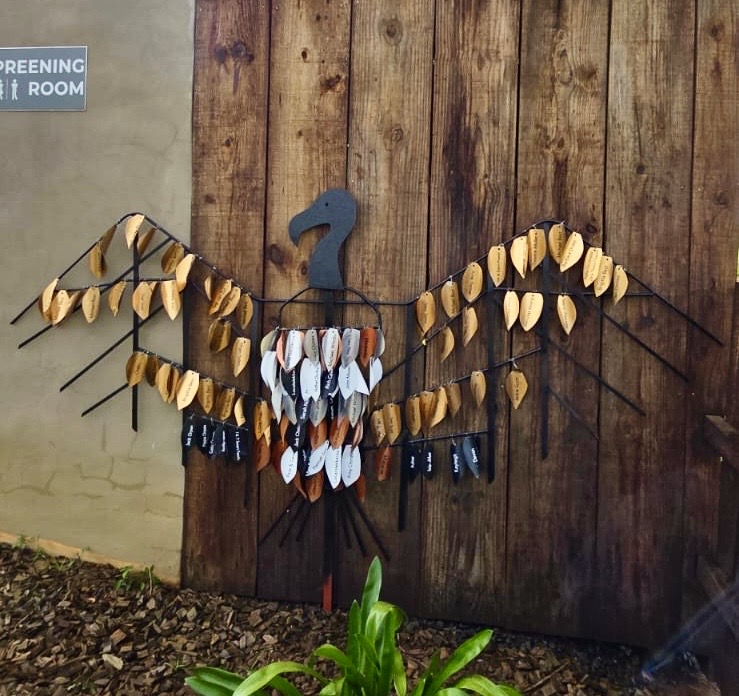
A striking Cape Vulture sculpture, created to raise funds for Vulture Awareness Day, was another proud achievement and will be permanently displayed at the Mzimkulu Vulture Hide, where it will continue inspiring visitors and reinforcing the importance of Vulture conservation.
This year also saw the growing impact of our educational outreach efforts. Wildlife ACT's Rhino Roadshow schools initiative reached close to 3,000 young people across schools in the Upper Highway area of KwaZulu-Natal, helping to build a deeper understanding of the species and inspire a new generation to protect and safeguard the natural world.
Looking Ahead With Gratitude
2025 has been a year defined by collaboration, innovation, and dedication. Every success, whether big or small, has been made possible by the people who stand with us: field teams on the ground, partners offering resources and expertise, donors who believe in our mission, and volunteers who give of their time and finances in support of conservation.
Help to Power Conservation in 2026
Donor support enables us to fit collars, train monitors, engage communities, and protect Endangered species. As we look ahead, your contribution helps ensure Wildlife ACT continues delivering impactful science-based conservation where it matters most.
Be Part of the Action
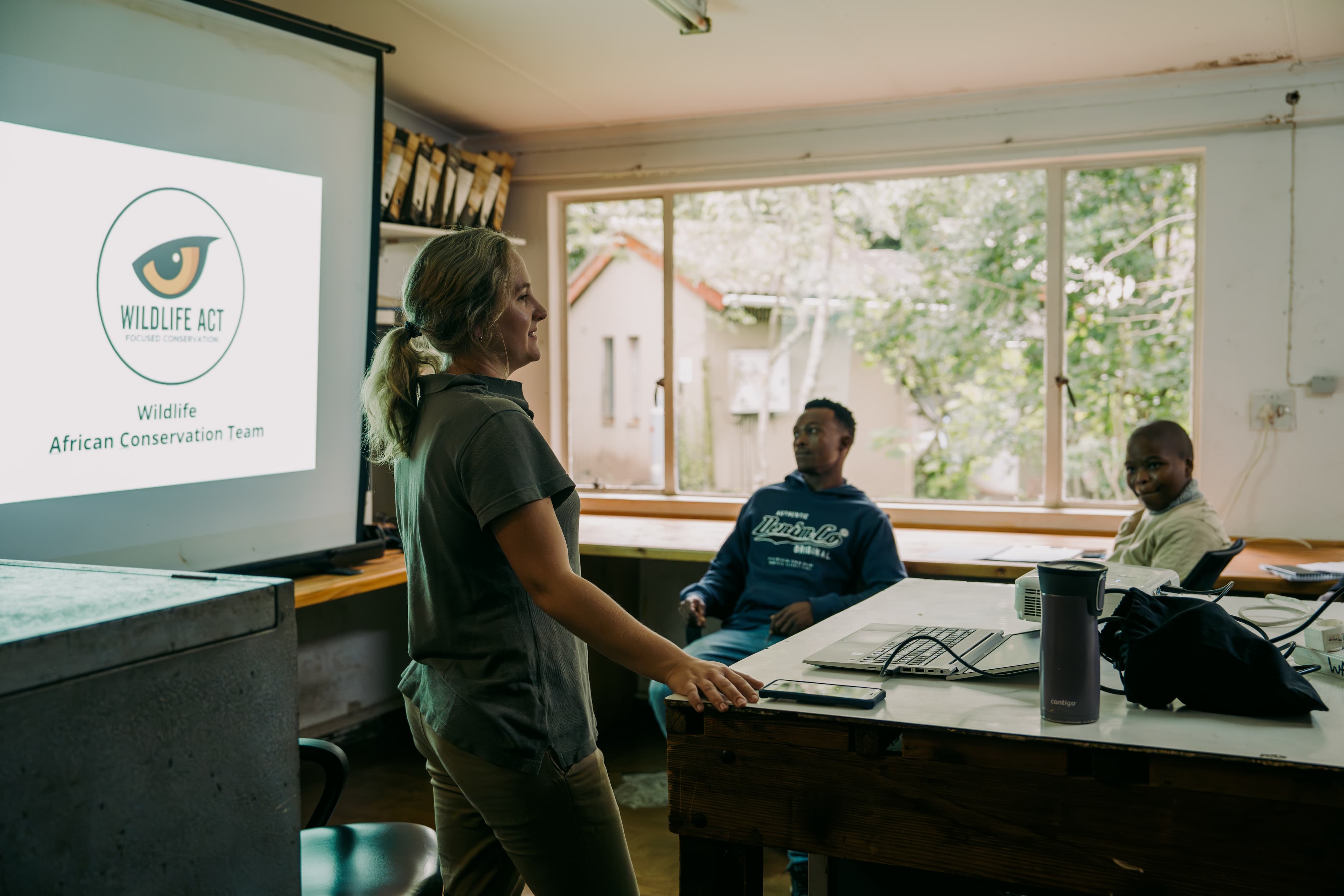
Volunteers remain a vital part of Wildlife ACT’s impact. If you’re looking to turn passion into purpose, we invite you to join our conservation teams in the year ahead.
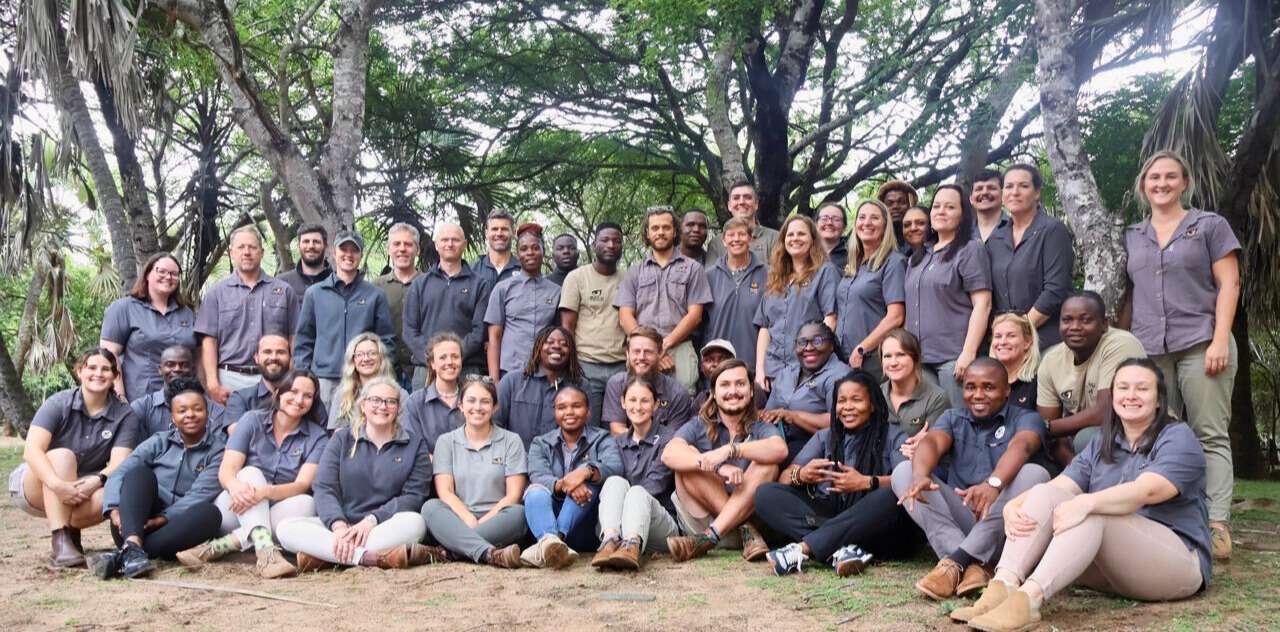
As we step into a new year, we remain committed to safeguarding Africa’s wildlife, empowering communities, strengthening partnerships, and embracing new technologies. From all of us at Wildlife ACT, thank you for being part of this journey and we wish you a wonderful year ahead!
-Team Wildlife ACT
.jpeg)


.avif)