The Essential Difference Between Conservation and Exploitation
The decision to volunteer in conservation is often driven by a genuine desire to make a lasting, positive impact on the planet's most threatened species.
You want to contribute to the protection of Endangered and Priority species and the effective management of African Protected Areas, knowing your effort genuinely matters.
However, the conservation travel landscape can be confusing. It is crucial to understand the difference between ethical, purpose-driven volunteering and exploitative tourism disguised as altruism.
This distinction is what separates real, measurable conservation outcomes from experiences that might inadvertently cause long-term harm to wildlife or habitats.
Real conservation work is based on scientific integrity, long-term strategy, and the critical principles of Experience, Expertise, Authoritativeness, and Trustworthiness. This work is not centred on providing hands-on opportunities for human visitors. It is centred on the health and survival of the species we protect.
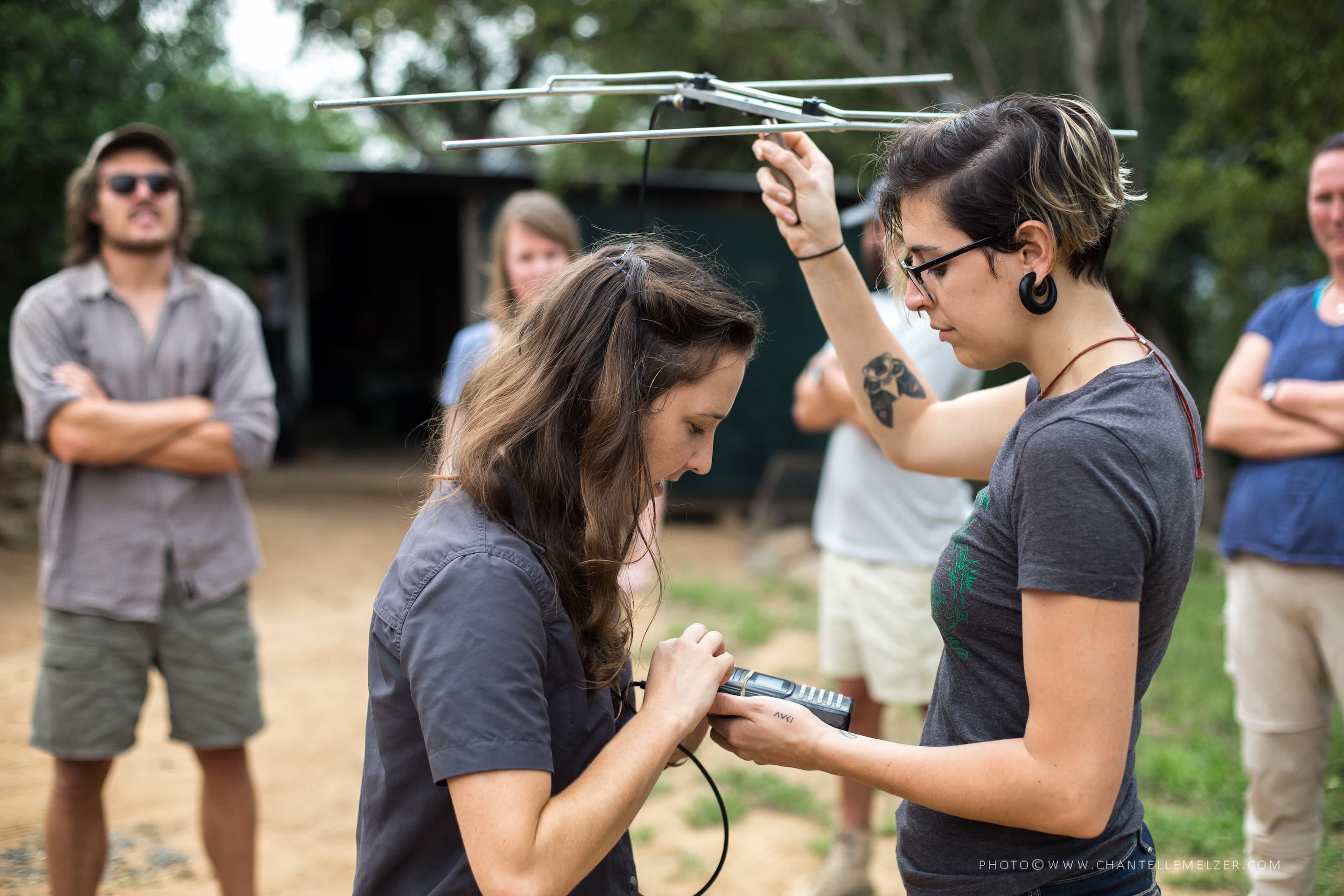
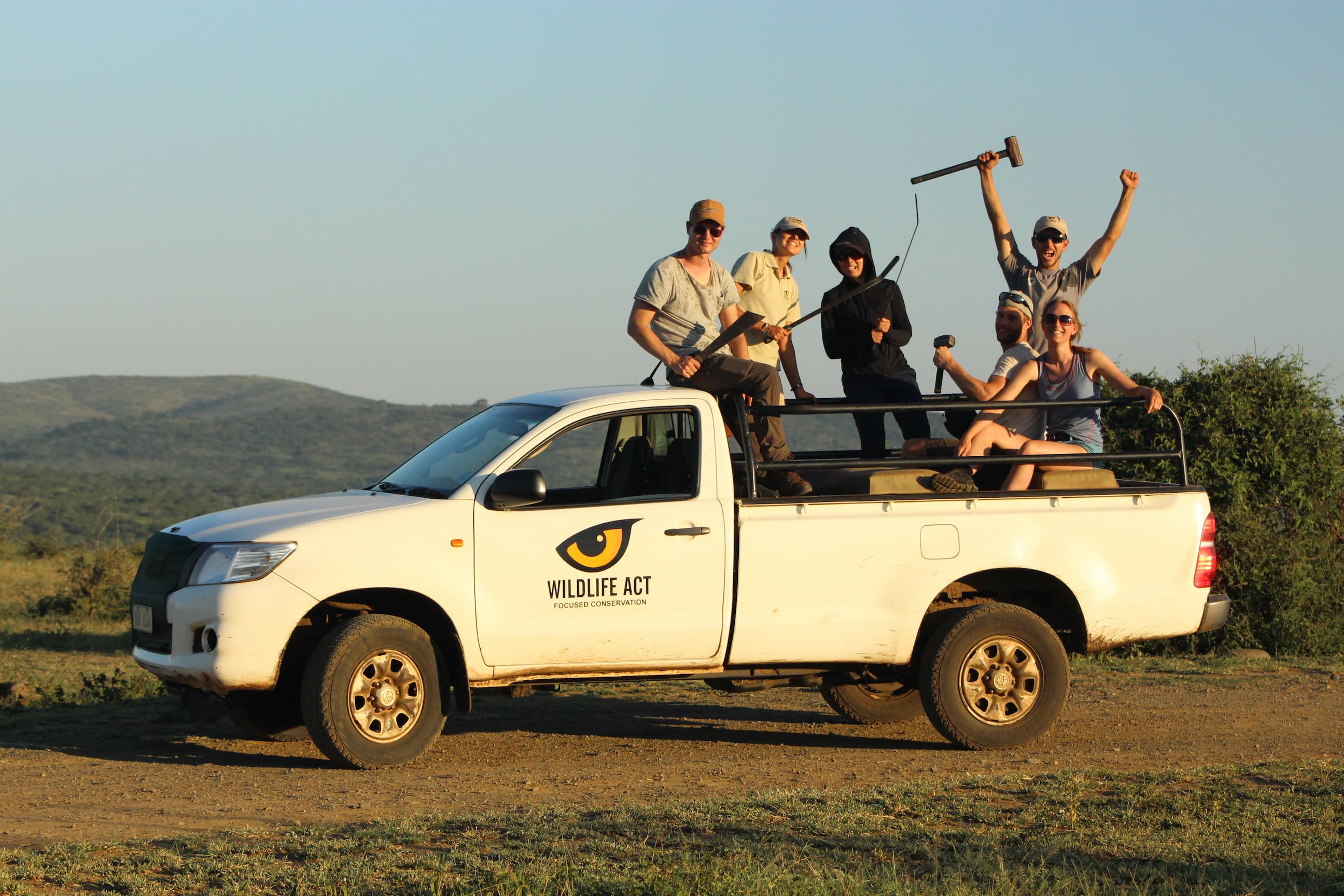
At Wildlife ACT, our mission is driven by the African Wild Dog ethos: focused, cooperative, and relentlessly determined. We operate under a unique model that is proudly partnered with the WWF and works within key South African nationally proclaimed Protected Areas.
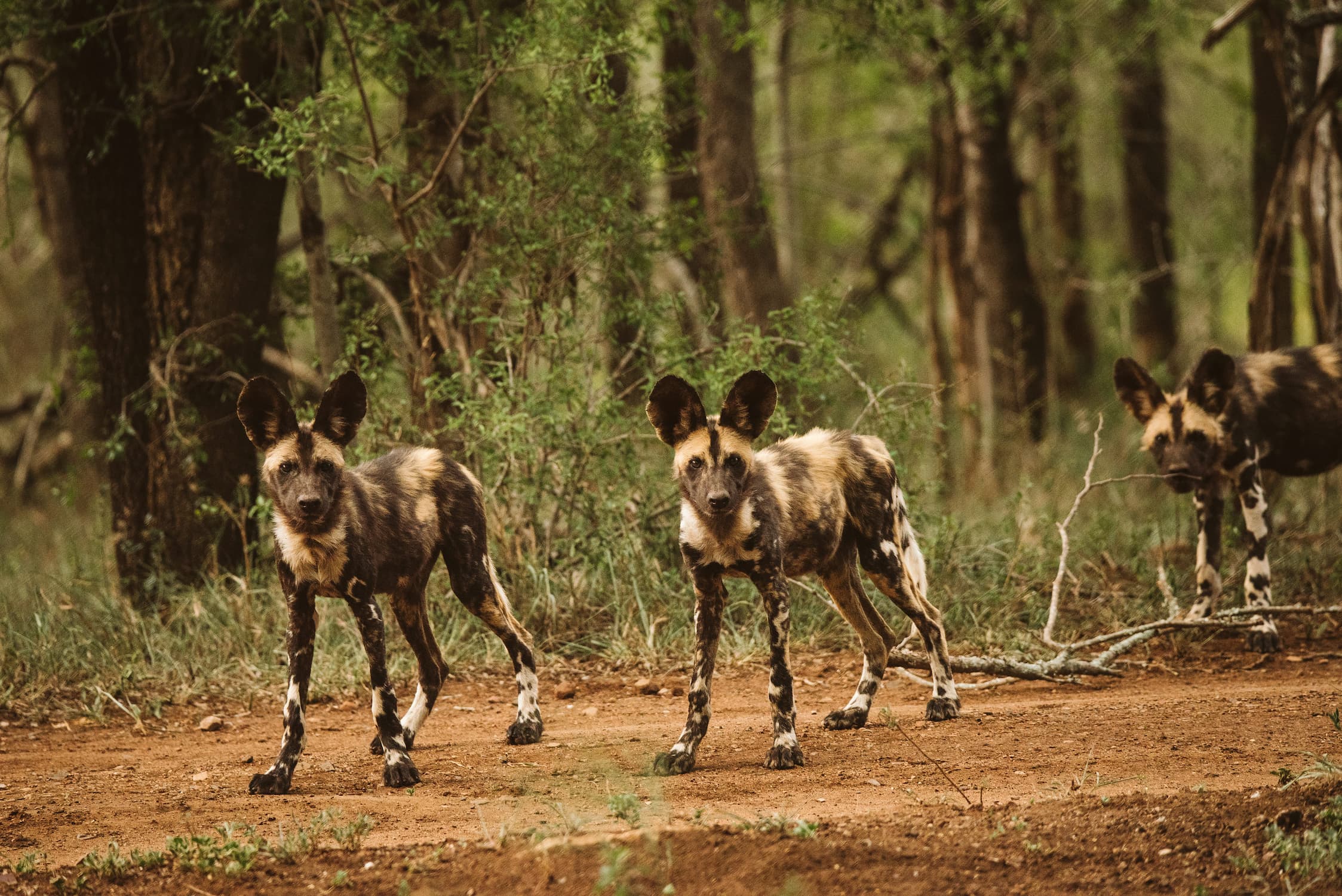
Our priority is always the well-being and security of the Endangered and Priority species we monitor, such as the African Wild Dog, Cheetah, and Black Rhinoceros. This commitment leads directly to our non-negotiable principle: a strict no-contact, hands-off approach to all wildlife,unless absolutely necessary for conservation management, under the guidance of provincial and national authorities.
We often hear questions about why other projects may allow direct interaction, such as walking with big cats or bottle-feeding Lion cubs.
The simple answer is that these activities serve human desire, not scientific conservation goals.
Ethical volunteering recognises that the goal is to observe, monitor, and protect without ever causing them to lose their natural wariness or exploiting an individual.

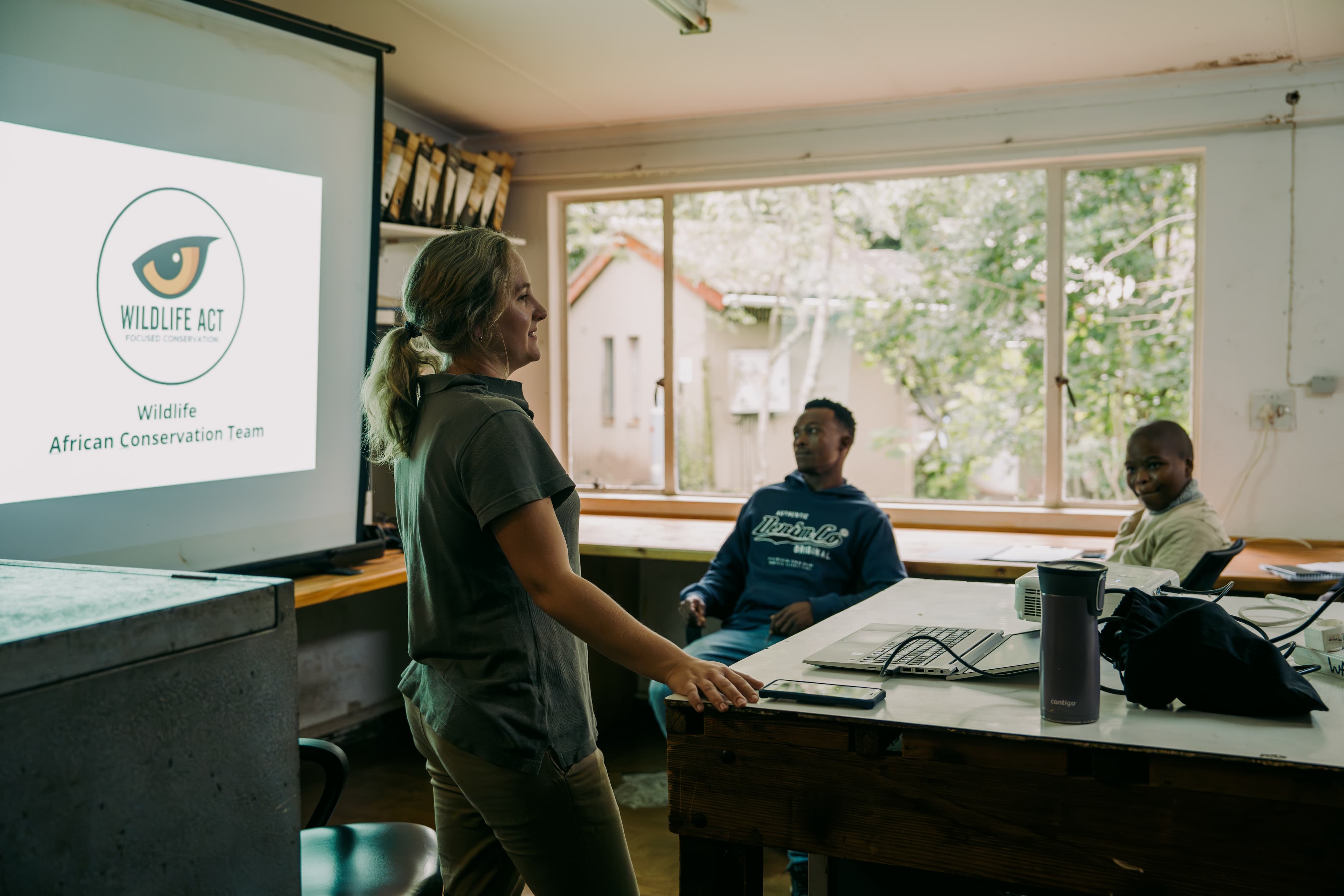
When you join a Wildlife ACT team
- You are an essential part of an on-the-ground conservation team.
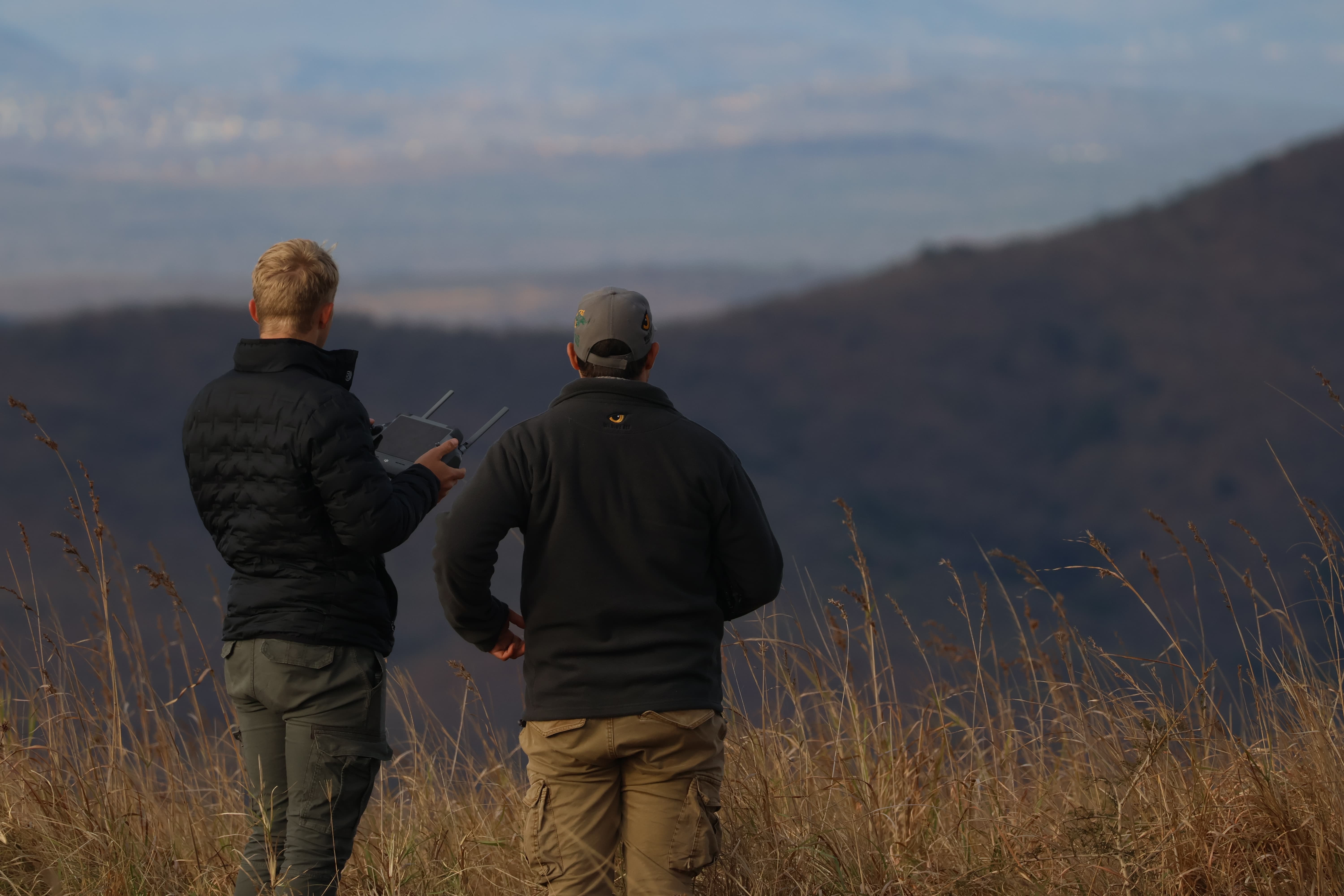
- Your role involves collecting time-sensitive data, Monitoring Endangered and Priority species using telemetry, and supporting real-time decision-making that keeps these individuals safe.
- Your time and energy translate directly into actionable, long-term conservation impact in Zululand's Protected Areas.
This article will help you confidently choose a path that is both rewarding for you and genuinely beneficial for conservation.
We will explore the core principles that define ethical volunteering, the scientific rationale for a hands-off approach, and the powerful, measurable difference that data-driven wildlife Monitoring makes.
The Scientific Rationale for a Hands-Off Model
The no-contact rule is the single most critical factor distinguishing credible conservation organisations from commercialised voluntourism. This rule is not simply an organisational preference; it is a foundational principle of wildlife management and Protected Area management.
The core scientific goal of any genuine conservation effort is to ensure that wild individuals retain their natural fear of humans and remain completely independent.
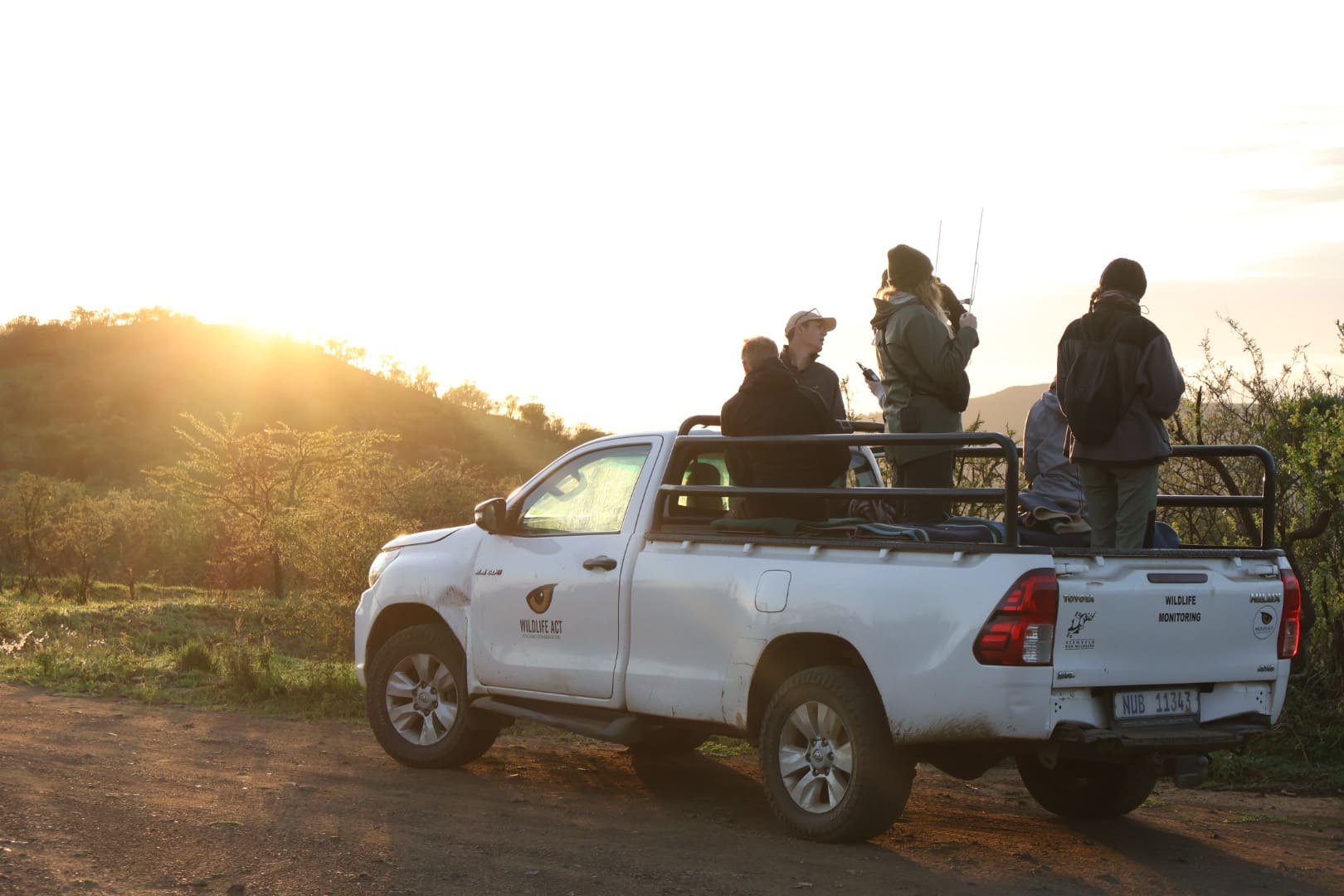
Therefore, when volunteers engage in Monitoring with Wildlife ACT, the work is conducted from a respectful, non-invasive distance. You might be following an African Wild Dog pack from a vehicle for hours, observing natural behaviour without intervention.
This process allows the team to collect accurate, unbiased data on movements, health, and social dynamics. This ethical distance ensures that every individual monitored has the best possible chance of long-term survival in its natural environment.
By embracing the hands-off approach, wildlife conservation volunteers become a part of the solution, not a source of the problem. This reality is the true value of ethical volunteering, especially for those who want to volunteer with animals in South Africa
The Exception to the Rule: While the hands-off approach is the daily standard, there are rare, critical times when hands-on intervention is necessary. Volunteers may be privileged to assist the professional team during essential conservation interventions, such as collaring for ongoing Monitoring or dehorning as part of intensive anti-poaching security measures for Black Rhinoceros. These are non-routine, highly controlled operations conducted solely for the animal's long-term protection and survival.
Monitoring Over Interaction: The Core of Real Conservation
Ethical conservation volunteering is fundamentally a data collection process. Your role is not to interact with the wildlife, but to become the eyes and ears of the Protected Area ’s management. This work provides the foundational information necessary for making crucial conservation decisions.
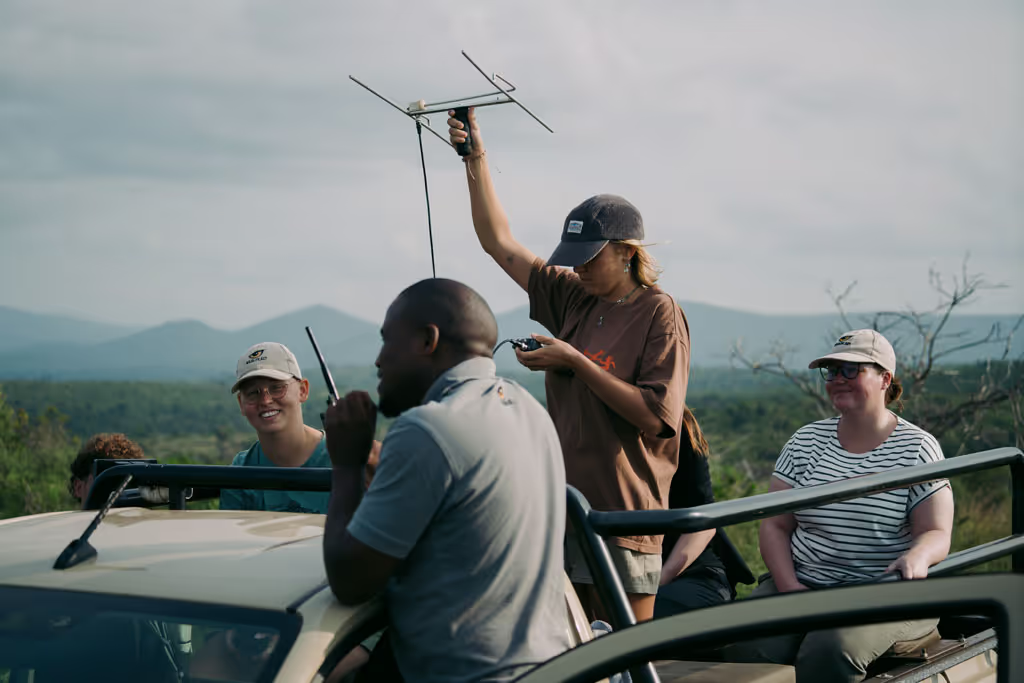
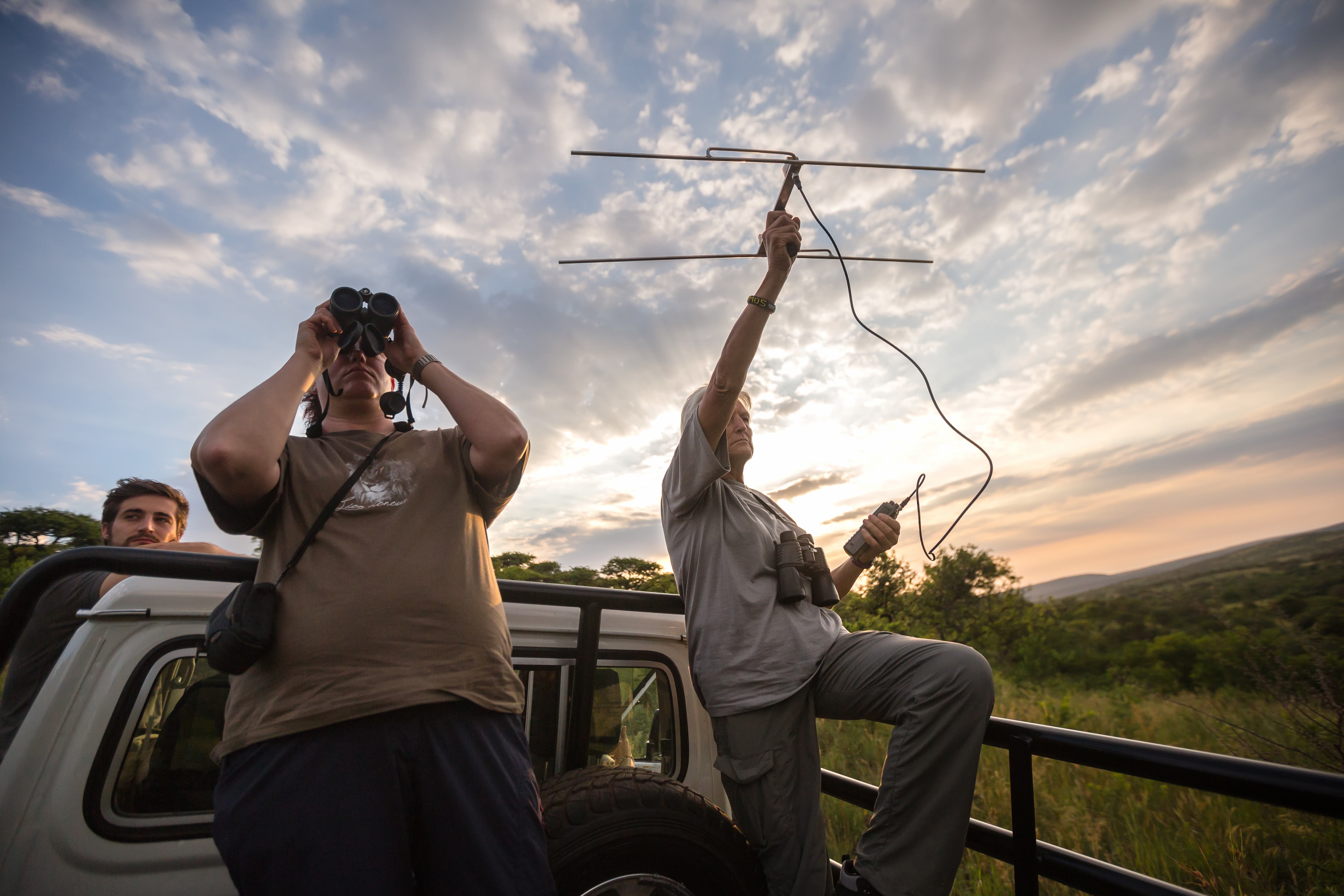
The primary tool for this is Monitoring equipment. Many Endangered and Priority species are fitted with tracking collars because this essential tool allows field teams to locate individuals in challenging terrain.
The wildlife volunteer team's daily objective is often to locate the signal of a target species, such as African Wild Dogs and Cheetah
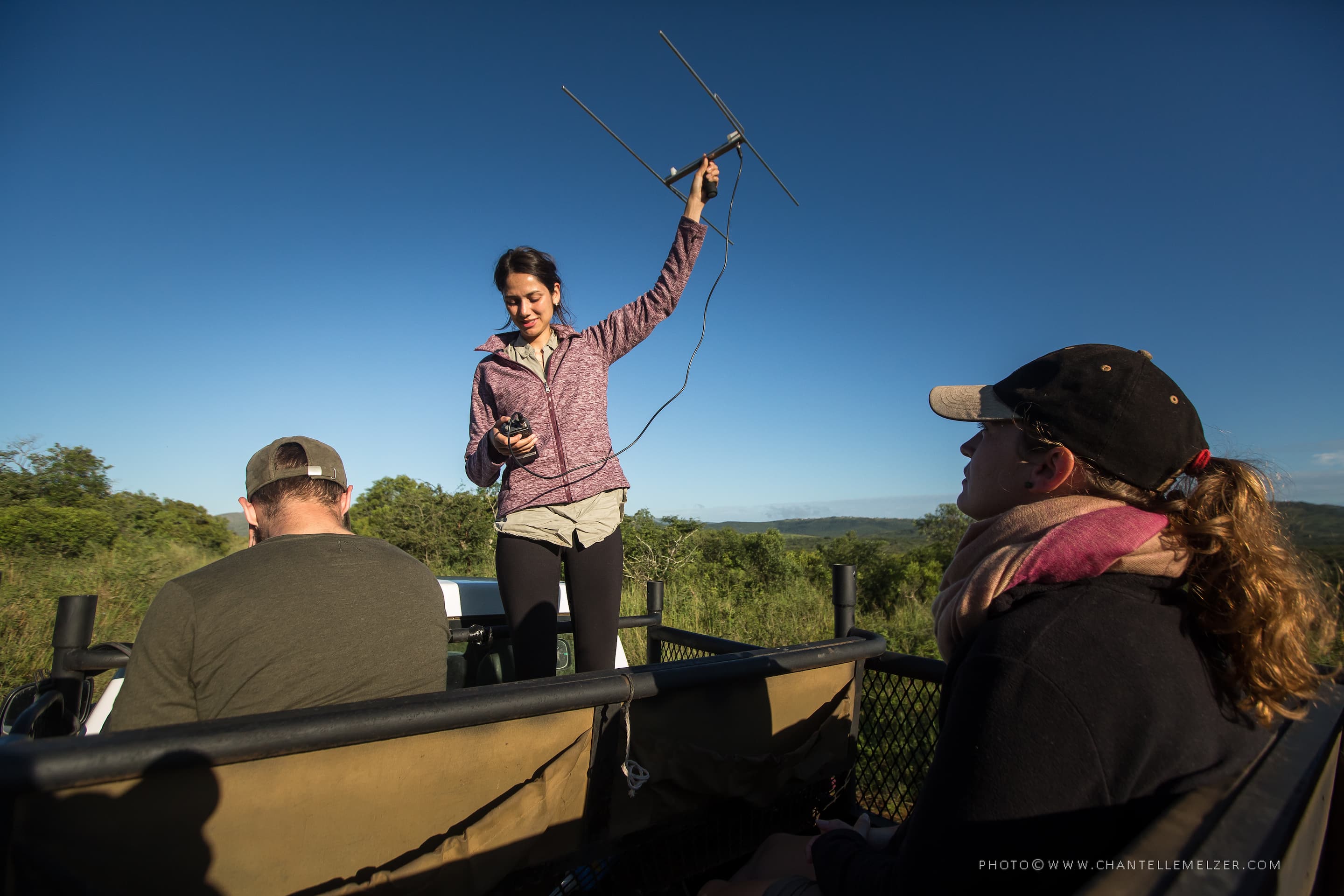
Using specialised antennae and receivers, volunteers learn the practical skills of Monitoring the signal until the individual is sighted. This is often the hardest part of the job, requiring patience, focus, and early mornings.
Once an individual or a pack is found, the work shifts to behavioural observation and data recording.
For instance, the team records crucial metrics like group size, body condition, location via GPS coordinates, and specific behaviours like hunting, resting, or socialising. This data is time-sensitive and critical. It is immediately uploaded into central databases used by conservation managers and researchers.
Furthermore, by quickly identifying potential threats, such as snaring or injury, the team can initiate an immediate and necessary intervention by a veterinary unit.
In short, your presence provides the critical data and early warning system that protects Endangered and Priority species.
To learn more about The Science of Telemetry Tracking Endangered and Priority Species, start your deep dive here: https://www.wildlifeact.com/blog/your-hands-on-guide-to-monitoring-africas-endangered-and-priority-species
Recognising the Red Flags of Exploitative Voluntourism
Having established what genuine ethical conservation is, it is equally vital to understand what it is not.
Exploitative voluntourism is designed to appeal to the desire for close animal contact, but it often operates under the guise of conservation while prioritising human experience and profit over animal welfare.
The Problem with Hands-On Contact
The most immediate red flag is any opportunity for direct, physical interaction with wild or captive individuals.
If a volunteer project offers Lion cub petting, bottle-feeding of large carnivores, or "walking with" big cats, it is fundamentally unethical.
These practices require the animal to be removed from its mother or bred specifically for human interaction, that makes them unsuitable for release into a Protected Area . This short-term human gain comes at the ultimate cost of the animal's natural life.
Science Over Selfies
Another warning sign is a focus on high-traffic photo opportunities.
Genuine conservation work is often repetitive, quiet, and requires discretion. It is driven by the need for accurate data, not by the guarantee of a perfect photograph.
Ask what the scientific objective is. If the activity is vague, such as "caring for the animals" without any structured data collection, it lacks the scientific purpose required for a reputable Monitoring program. Real work is defined by GPS coordinates, behavioural logs, and long-term research goals.
Lack of Local and Expert Leadership
Ethical conservation projects are run by qualified, professional conservationists and field monitors who possess the necessary expertise and authority. Volunteers are there to assist these experts, not to replace them.
If a program shows high volunteer turnover or lacks clearly defined, qualified professional leadership, it suggests that the project is more focused on rotating paying guests than achieving measurable conservation outcomes.
How Volunteer Fees Fund Real Conservation Work
In ethical conservation, volunteer fees are not simply the cost of a trip; they are a direct contribution to the operational costs of running a professional Monitoring program in challenging environments. Wildlife ACT operates a skills-based volunteering model, where the fees provide the essential capital required to sustain long-term presence in the Protected Areas.
Where the Money Goes
Transparency is essential to establishing trust. A significant portion of the fees covers the direct costs of conducting the fieldwork. This includes vehicle maintenance for accessing remote areas, the necessary telemetry equipment for Monitoring Endangered and Priority species, and fuel for daily patrols.
Furthermore, fees cover the costs associated with employing and training dedicated, permanent field Monitoring staff and providing the logistical support needed to keep the teams safe and supplied in isolated locations.
Investing in the Future of Conservation
Critically, these funds also contribute to strategic conservation initiatives that extend beyond daily Monitoring.
This can include research projects, emergency veterinary interventions for snared or injured individuals, or specialised equipment for anti-poaching units within the partner Protected Areas.
By ensuring the program is financially self-sustaining through the volunteer model, Wildlife ACT can consistently focus on the long-term protection of Endangered and Priority species like the African Wild Dog and Black Rhinoceros.
Your financial contribution, therefore, is an investment in the tools and the professional personnel required to protect these species.
To deep dive into the full, hands-on experience, read our comprehensive blog post https://www.wildlifeact.com/blog/how-to-contribute-to-hands-on-conservation-in-zululand
Frequently Asked Questions
1. Why does Wildlife ACT not allow petting or interaction with the animals?
Physical interaction or petting is strictly prohibited because it causes the wild individuals to become tolerant of human presence. This loss of natural fear makes the animals vulnerable to conflict and is detrimental to their long-term survival in the wild. The no-contact rule is a non-negotiable scientific principle.
2. What is the primary role of a volunteer in the Monitoring team?
The primary role of a Wildlife ACT volunteer is to assist qualified field staff in the non-invasive Monitoring of Endangered and Priority species. This involves using specialised radio telemetry and other Monitoring technology to locate collared individuals, observing their behaviour, and accurately recording time-sensitive data on their location, health, and group dynamics for Protected Area management.
3. How much of my volunteer fee actually goes to the conservation work?
Wildlife ACT is committed to financial transparency. A significant portion of your volunteer fee directly covers the operational costs of the field units, including essential costs like vehicle maintenance, fuel, and specialised Monitoring equipment. The fees also support the employment of full-time professional field staff and fund emergency conservation interventions.
4. Is the work physically demanding?
Yes, the work can be physically demanding. Days start very early and involve long hours of driving and patient Monitoring in varying weather conditions across challenging terrain. However, all tasks are managed by experienced field staff who prioritise safety and sustainable work rhythms.
5. What specific skills do I need before joining a field team?
You do not need prior conservation experience. Wildlife ACT operates a skills-based volunteering model, meaning we look for dedication and a willingness to learn. You must be prepared for long, focused hours of Monitoring, patience, attention to detail for data collection, and an ability to work cooperatively in a small team in challenging conditions.
Choosing Purpose Over Pleasure
Ethical volunteering is not defined by what you get to touch, but by the tangible impact you help create. By choosing a no-contact, data-driven Monitoring program, you ensure your time and resources are directed toward real, measurable conservation outcomes that protect Endangered and Priority species for the long term. This commitment to scientific integrity over human desire is the core difference between Wildlife ACT and commercial voluntourism. The work is fact-based, essential, and requires focus, much like the inspiting nature of the African Wild Dog.
When you join a team in Zululand, you become an extension of the professional conservation effort, providing the eyes and ears necessary to track, protect, and manage Endangered and Priority species in South Africa's most critical Protected Areas. The rewarding part is knowing that the data you collect today contributes directly to the survival strategies of tomorrow.
Take the Next Step: If you are ready to move beyond tourism and contribute to a professional, ethical, and science-led Monitoring program, learn more about joining a Wildlife ACT volunteer program in Africa today.
References:
World Wildlife Fund. Biodiversity and Species Conservation. Available at: https://www.worldwildlife.org.
Wildlife ACT. Endangered wildlife tracking and monitoring.https://www.wildlifeact.com/about-wildlife-act/endangered-wildlife-tracking-monitoring
.jpeg)