

Real Conservation: A Purpose-Driven Commitment
If you're seeking a meaningful commitment beyond the tourist trail, you've found it. Real conservation in South Africa transcends the typical tourist experience. A Wildlife ACT conservation volunteering experience is focused, challenging, and profoundly rewarding. It is a genuine commitment to hands-on, field-based conservation in the Protected Area s of Zululand, offering you the chance to become part of the solution.
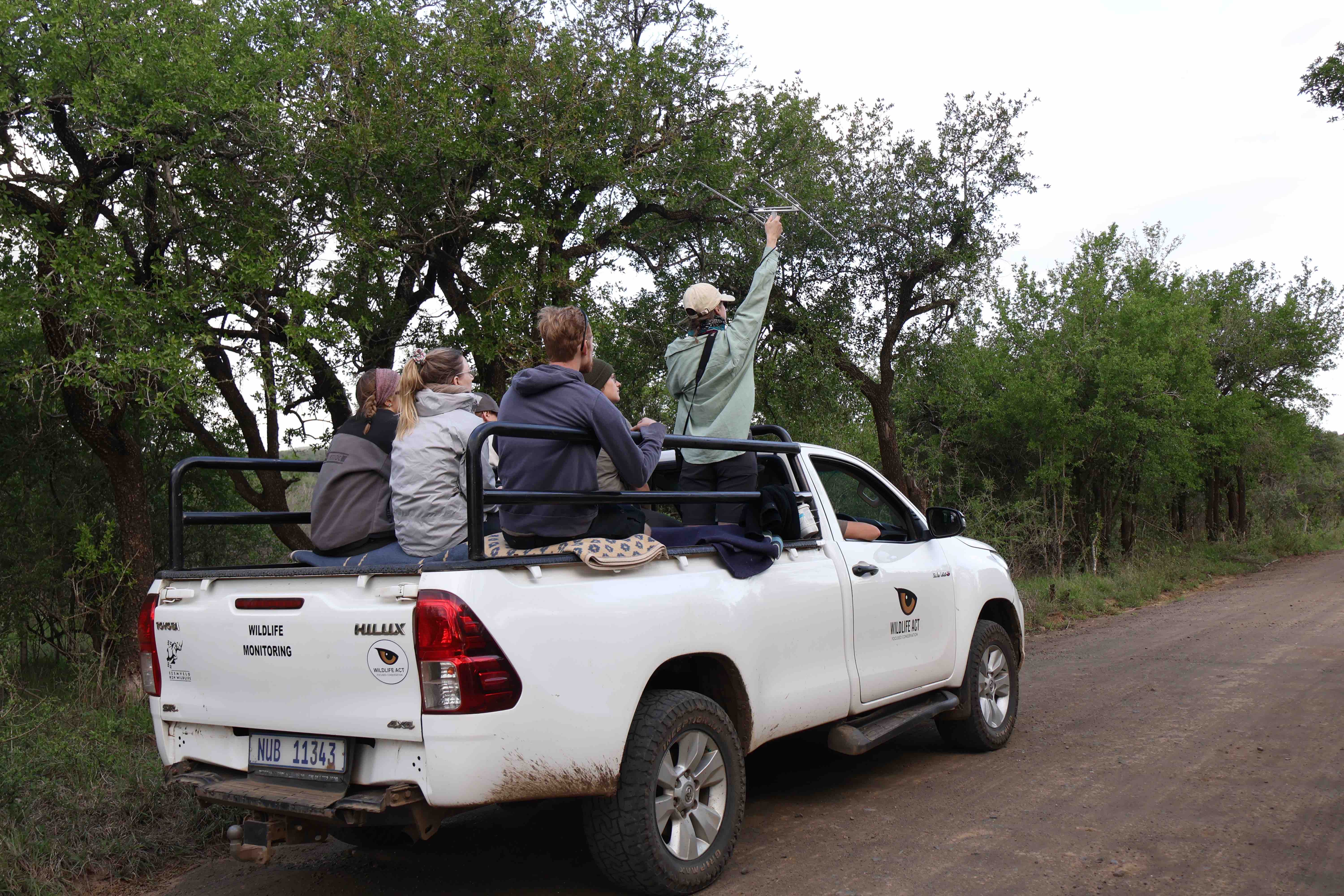
A typical day here is not a holiday; it is a rotation of mission-critical tasks led by experienced field monitors. From the moment the first VHF signal hits the telemetry antenna to the final data entry of the night, your presence directly supports the survival of Endangered and Priority species.
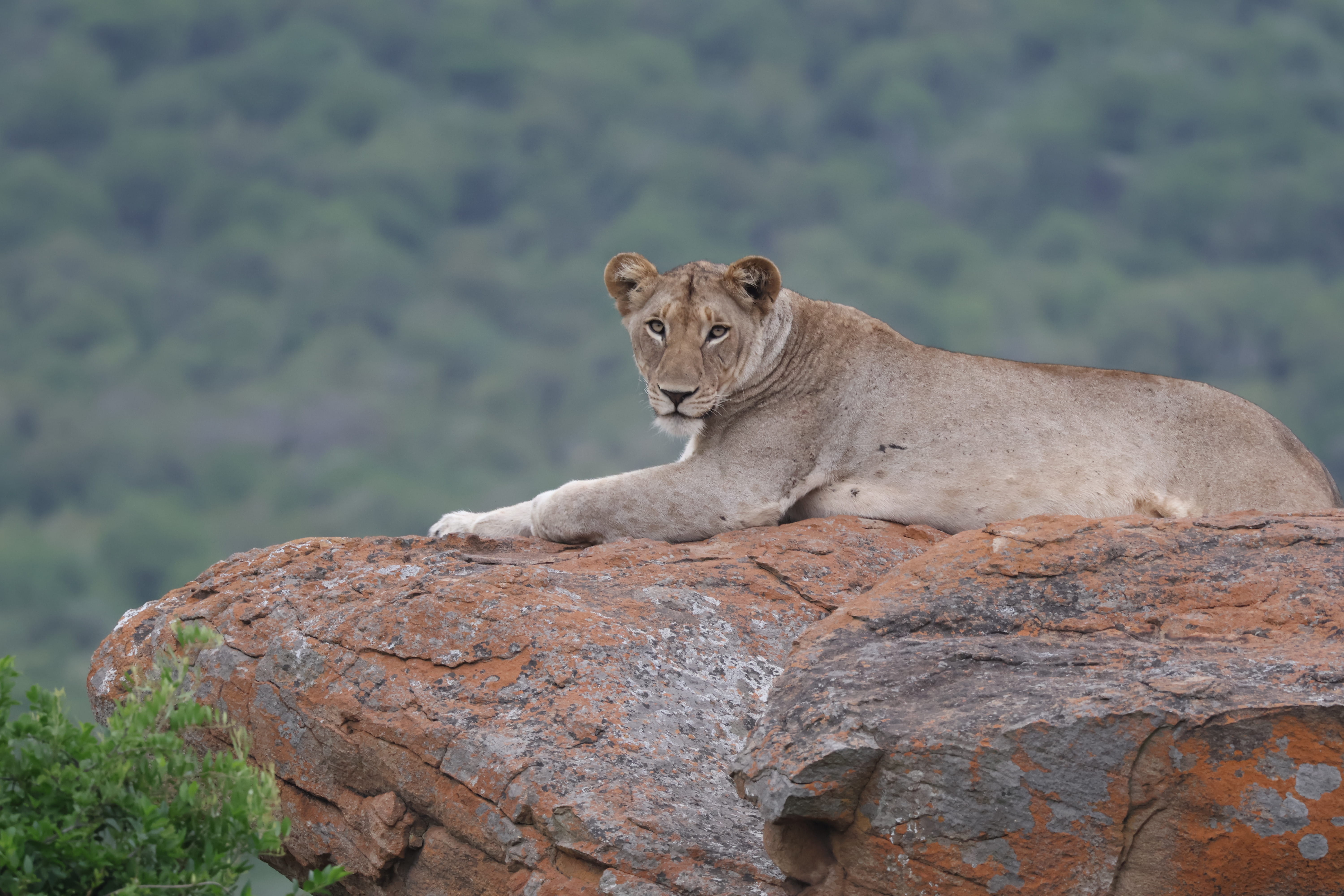
The routine in Zululand is dictated by the animals themselves, particularly the African Wild Dog, the Black Rhinoceros, and the Lion. Our team’s primary function is to monitor these key species.
We track their movements, assess their health, and document their behaviour. This information provides the scientific foundation for critical management decisions made by Protected Area authorities.
This work requires early starts and long hours, but it connects you deeply to the conservation mission. As a volunteer, you become an essential part of the small, dedicated Wildlife ACT team. You are not a tourist; you are contributing vital capacity and resources to projects that operate 365 days a year. Furthermore, every Monitoring session, every vehicle check, and every kilometre driven helps sustain a complex ecosystem.
What follows is an honest look at the conservation commitment you are making.
This is the truth of a day in the life of a Wildlife ACT volunteer, showing the genuine impact of joining us in the field. It is conservation led by experts, achieved through routine, diligence, and the willingness to wake up before dawn.
The Pre-Dawn Start: Monitoring Endangered and Priority Species
The conservation mission demands a pre-dawn start, with the team mobilising for the field long before the sun rises. There is a sense of quiet urgency in the air as the team prepares to leave camp around 04:30, depending on the season and priority for the day. This early start is a strategic requirement for effective wildlife Monitoring.
Many Endangered and Priority Species, especially predators like the African Wild Dog, are most active at dawn. Their movements during this crucial period are vital for accurate data collection.
The primary tool for this mission is the telemetry receiver. This equipment allows us to locate specific collared Individuals within the vast Protected Area . Each species, and often key Individuals within a pack, wears a collar emitting a unique radio frequency. Wildlife volunteers quickly learn how to operate the antenna and listen for the distinct "ping" that confirms a target species is nearby.
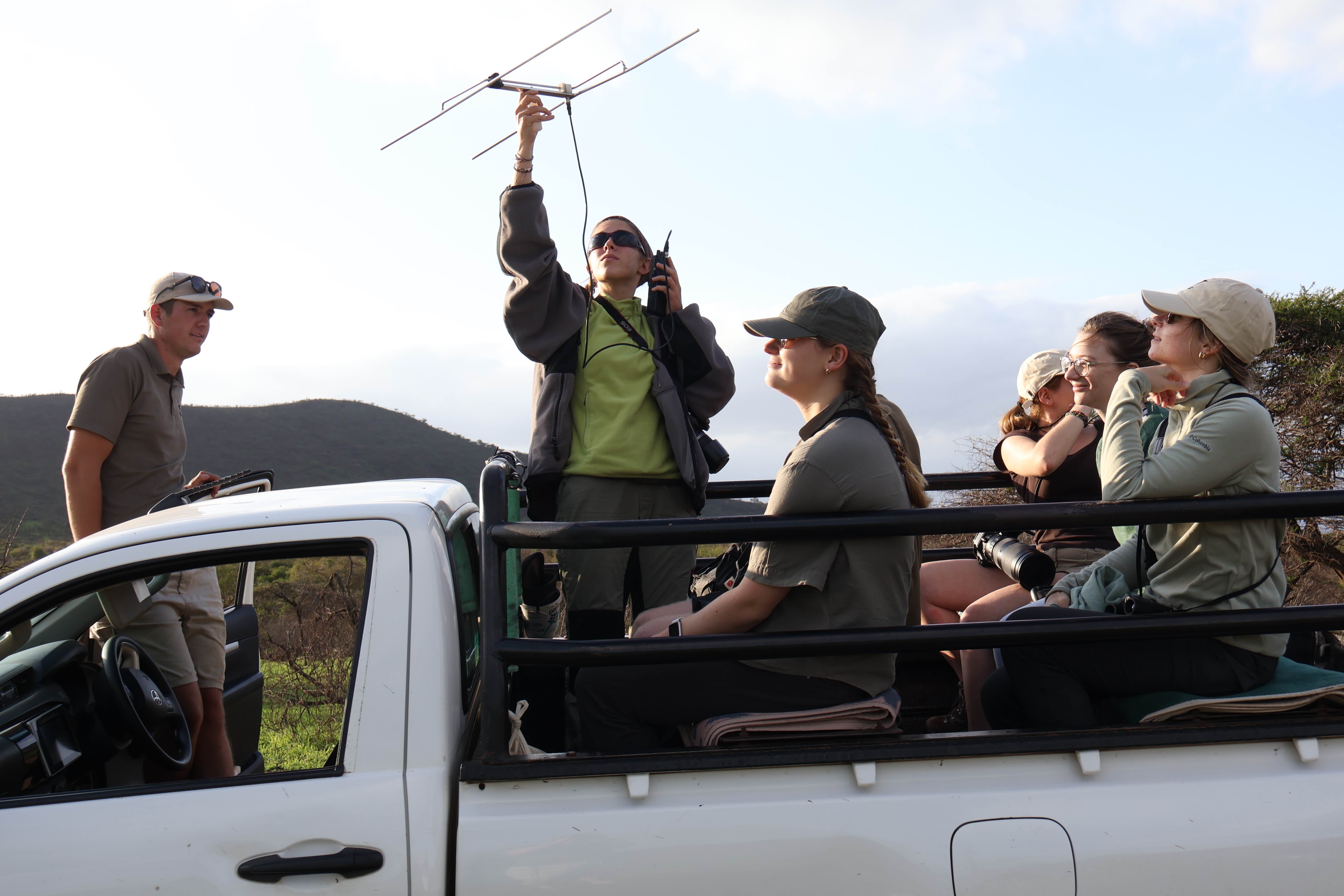
To learn more about The Science of Telemetry Tracking Endangered and Priority Species, start your deep dive here: www.wildlifeact.com/blog/your-hands-on-guide-to-monitoring-africas-endangered-and-priority-species
Searching for a signal can take time and involves driving kilometres through the bush, often navigating challenging terrain before first light.
This is a fact-based, systematic process of listening, stopping, and taking bearings.
The excitement is palpable when a clear, strong signal finally locks in. This indicates that the African Wild Dogs or the Cheetah are in close proximity or a short distance away.
This is the moment when the purpose of the early start becomes clear. The goal is not just to see the animal, but to find it efficiently and begin data collection without disturbing its natural behaviour. This Monitoring effort is foundational, directly enabling the conservation decisions that follow.
Data Collection in the Field: Beyond the Sighting
Once the target species is located, the hard work of detailed conservation data collection begins. The true value of the volunteer’s role lies here, as this data moves the conservation needle, supporting endangered species Monitoring efforts. It is not enough to simply observe; we must document precisely what we see. This scientific rigour ensures that management decisions are fact-based and effective.
Monitoring Behaviour and Health
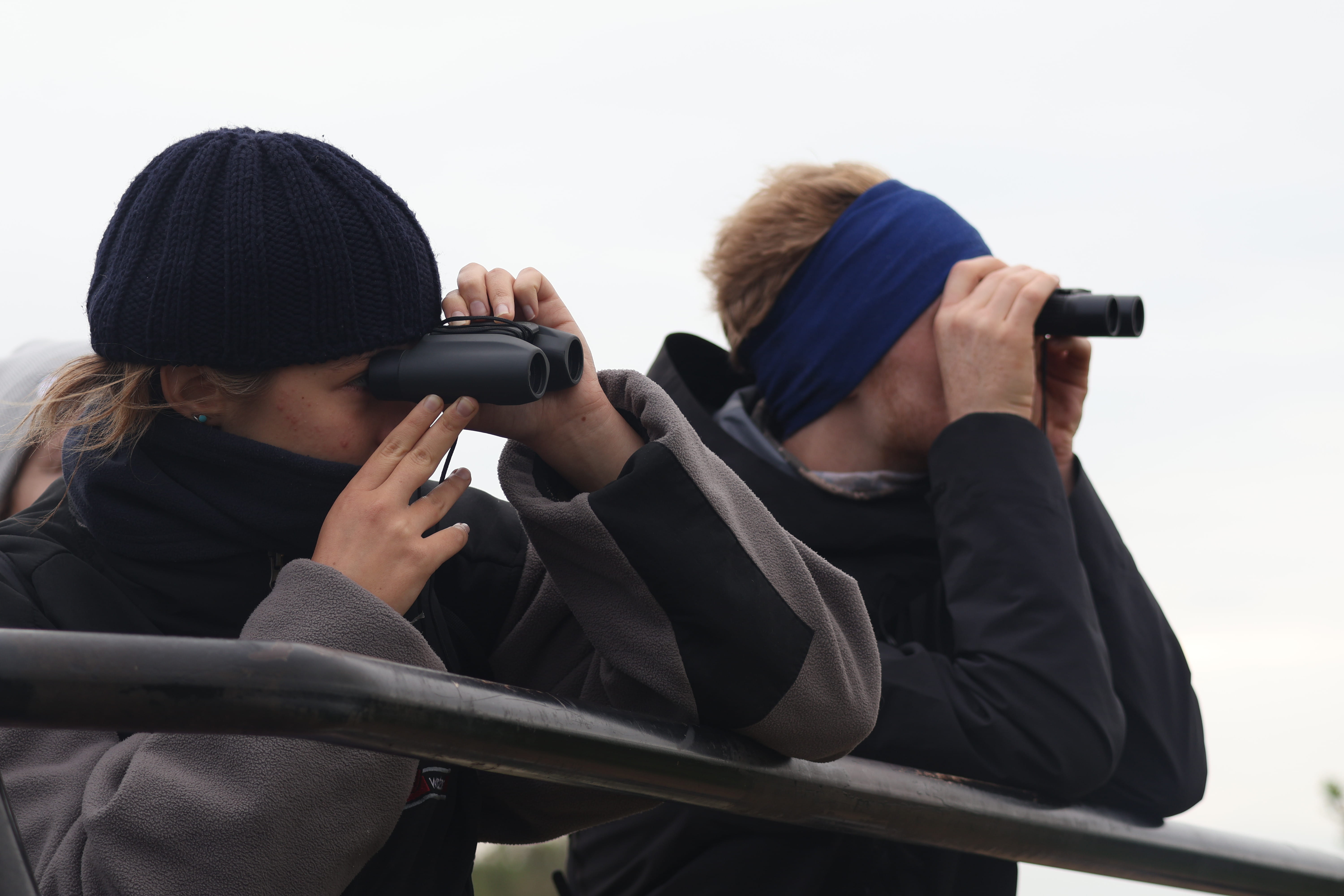
Wildlife Volunteers are trained to identify and record specific behavioural data points.
For example, when Monitoring the African Wild Dog pack, we record social interactions, hunting attempts, and signs of distress or injury. This gives us a crucial understanding of the pack’s health and dynamics.
Midday Break and Camp Duties: The Pack Mentality
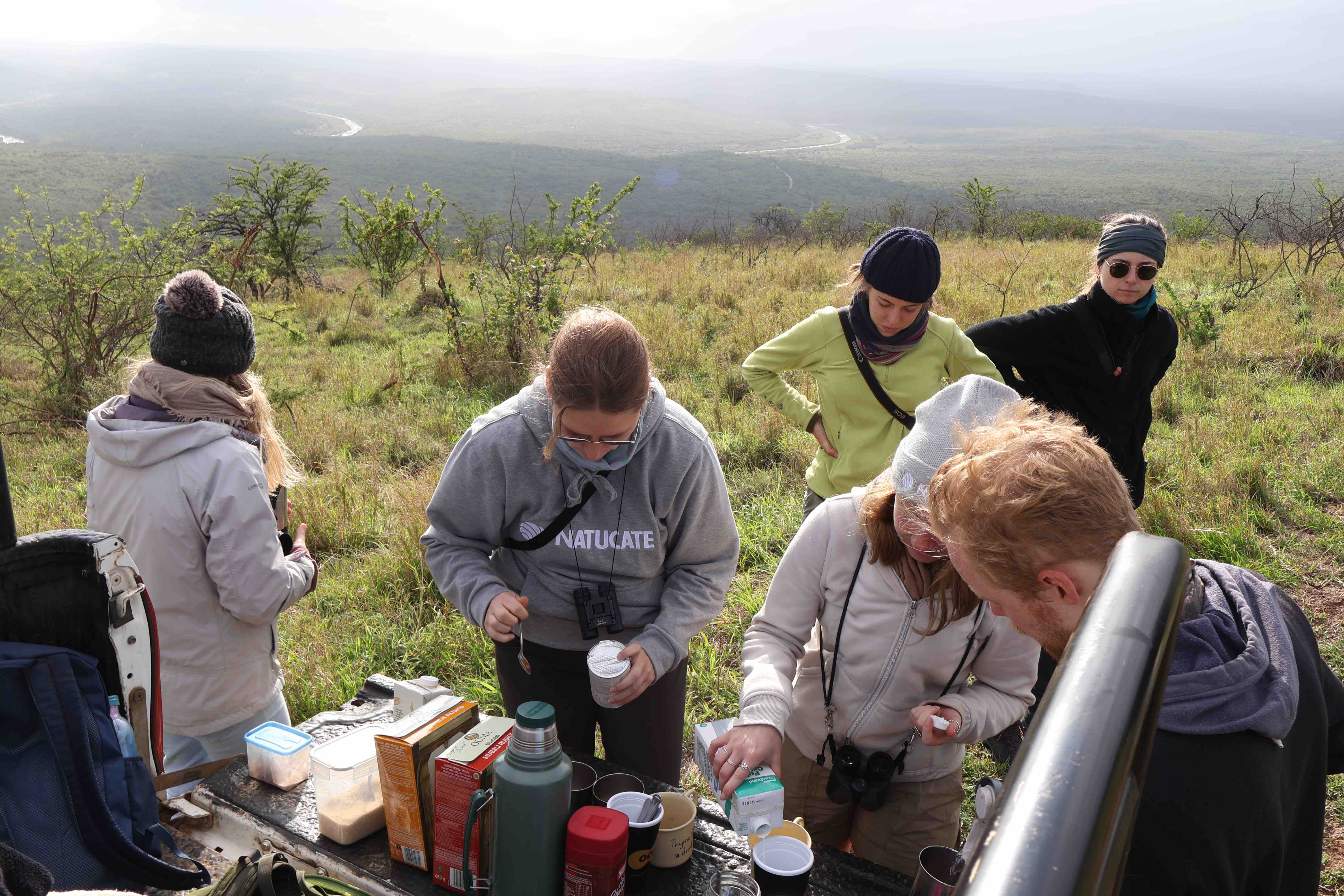
By late morning, as the sun’s intensity peaks, the morning Monitoring session usually concludes. This marks the transition from intensive fieldwork to the necessary camp duties that keep the operation running. Conservation is not just about locating animals; it is about the sustained, disciplined logistics behind the effort. This mid-day period highlights the "pack mentality" of the team.
Shared Responsibilities
Camp life is based on shared responsibility. Wildlife volunteers are responsible for their own personal space and contributing to the communal tasks, such as cleaning, cooking, and maintaining the basic needs of the camp. This is part of the fact-based reality of fieldwork; comfort is simple, and the focus remains on the mission. This teamwork creates a close-knit and effective field unit.
Data Entry and Equipment Checks
The heat of the day is often dedicated to desk work. This includes transferring the morning’s raw observations from field notes into digital databases for processing.
Accurate wildlife conservation data entry is vital, transforming observations into actionable scientific records. Furthermore, this time is used to meticulously check all field equipment. This includes refueling and inspecting the Monitoring vehicles, cleaning camera lenses, and ensuring all telemetry batteries are charged. Consistent equipment maintenance is non-negotiable for mission success.
Afternoon Operations: Protecting the Protected Areas
As the heat of the day subsides, the team prepares for the afternoon’s operational duties.
These activities often involve tasks that directly support the Protected Area ’s infrastructure and the broader Human-wildlife coexistence strategy. The schedule is flexible and depends on the immediate needs of the Protected Area , but these tasks are equally mission-critical.
Varied Support Activities
The afternoon often involves a second Monitoring session, focusing on Endangered and Priority Species that are most active later in the day, or following up on morning movements. Camera trap checks are also carried out on occasion, which are important for Monitoring elusive species and documenting biodiversity across the Protected Area . Wildlife volunteers assist in retrieving memory cards and correctly repositioning the devices.
Furthermore, fence-line patrols are necessary to ensure the integrity of the Protected Area boundaries, which is a crucial element of anti-poaching solutions and maintaining the safety of the wildlife.
To deep dive into the full, day-in-the-life experience, read our comprehensive blog post https://www.wildlifeact.com/blog/how-to-contribute-to-hands-on-conservation-in-zululand
Frequently Asked Questions
1. What species will I be Monitoring in Zululand?
You will primarily Monitor Endangered and Priority species, which include the African Wild Dog, Black Rhinoceros, and Lion. Depending on the Protected Area , Monitoring may also involve the Cheetah, Hyaena, and Vulture Individuals. This work provides critical data for their ongoing protection and scientific management.
2. How long are the typical daily shifts?
The daily schedule is driven by the animals' activity, not a clock. Shifts typically start before dawn (around 04:30) and include a full morning session, midday tasks, and an afternoon session that can extend until sunset. This results in long, rewarding days dedicated to fieldwork.
3. Do I need prior conservation experience to volunteer?
No prior experience is necessary. Wildlife ACT provides full training on all the scientific Monitoring methods and equipment, including telemetry, data collection protocols, and species identification. The most important requirement is a commitment to the mission and a positive, hard-working attitude in the field.
4. What is the accommodation like in the field?
Accommodation is basic, functional, and situated within the Protected Area s. You will typically be housed in a shared facility, such as a tent or simple cabin, with communal living spaces. We prioritise location and mission over comfort, ensuring quick access to the field for early morning Monitoring sessions.
5. What level of physical fitness is required?
A moderate level of fitness is recommended. While much of the Monitoring is done by vehicle, you must be able to withstand long hours outdoors in varied weather conditions, assist with camp duties, and handle the physical nature of activities like setting up camera traps or conducting short fence patrols.
Why Every Day Matters
A day in the life of a Wildlife ACT volunteer is defined by routine, diligence, and impact. It is a rotation of tasks that directly contribute to the scientific management and protection of some of Africa’s most vulnerable species. From the focused silence of a pre-dawn telemetry sweep to the necessary work of data entry and camp maintenance, every action serves the conservation mission.
The work is challenging and requires a personal commitment to the cause.
However, this focused effort is precisely what makes the experience uniquely rewarding. You will acquire expert skills in telemetry and data collection, operating within the strict scientific protocols that guide successful conservation. More importantly, you gain the fact-based understanding that real conservation is hard, sustained work, and you were an essential part of the team achieving it.
Your contribution is far more than just a presence in the field; it represents the vital human capacity that allows Wildlife ACT to continue its 365-day operation. It is a chance to move beyond observation and become a genuine protector of these Protected Area s.
Actionable Takeaway: If you are ready to commit to a purpose-driven experience and explore wildlife volunteer opportunities in South Africa, join the pack. Apply to be a Wildlife ACT volunteer and make your every day count towards a lasting conservation legacy.
Read a first hand account from Wildlife ACT volunteer, Will Odyssey.
References
James Hendry, Wildlife ACT volunteering video series, YouTube, uploaded by James Hendry, 2021, https://www.youtube.com/watch?v=utEMzMqKyhA&list=PLpB_CMC422aeJy8rdTQtEiddQSgqr0-v- (accessed 15 January 2026).
Will Odyssey, Exploring the Wild: My Volunteer Experience at Manyoni Private Game Reserve with Wildlife ACT, Will’s Odyssey, 18 October 2024, https://www.willsodyssey.co.uk/blog/yjnjd4yx8dl6k3j6oi0jy60kyuwiyb (accessed 15 January 2026).
.jpeg)

