.jpg)
Join Wildlife ACT to protect the Regionally Critically Endangered Bearded Vulture. Learn the real-world impact of monitoring in the Drakensberg Protected Areas.
Real Impact: Volunteering to Guard the Drakensberg's Vultures
You seek an experience that delivers real impact, not just a travel story. We understand that purpose drives your desire to be a wildlife volunteer. The Drakensberg mountains and Maloti-Drakensberg Park, a UNESCO World Heritage Site, known for its dramatic peaks and deep valleys, are home to one of Southern Africa’s most endangered raptors: the Bearded Vulture. This magnificent species, also known as the Lammergeier, requires urgent conservation action across its fragmented range (Wildlife ACT, 2024). Its fate is linked directly to the actions of dedicated field teams who work tirelessly in these remote and challenging conditions.

Volunteering with Wildlife ACT in this demanding, beautiful environment means contributing to genuine conservation outcomes. We are not offering a holiday or a traditional safari experience. This is demanding, rewarding, and necessary fieldwork, an authentic commitment to a singular mission. You will be immersed in a daily routine that delivers critical data, enabling you to become a crucial part of the Southern Drakensberg Conservation Program. This direct engagement ensures the protection of a Regionally Critically Endangered species that desperately needs a voice.
This article serves as your comprehensive guide to the Volunteer Drakensberg experience. We will honestly detail the early morning routine, explain essential packing and preparation for the high-altitude environment, and clarify the specific monitoring tasks you will undertake. Our focus is on the Bearded Vulture and the Vulnerable Cape Vulture, majestic scavengers and vital parts of the Drakensberg ecosystem, whose presence signals the health of the entire food chain (Wildlife ACT, 2024). We will show you exactly how your commitment translates into science-backed protection for the Guardians of Africa's natural heritage. Get ready to step into the field, backed by data and driven by purpose. We are ready for you.
You’ve learned about the dramatic peaks of this UNESCO World Heritage Site. As you prepare to join our field teams, use this professional tool to track the biodiversity you are helping to protect.
The Essential Guardians of Our Ecosystem's Health
Vultures are nature’s clean-up crew. They perform a vital ecosystem service by consuming carcasses. This scavenging quickly removes potential sources of disease (Wildlife ACT, 2024). The efficiency of this natural clean-up is unparalleled; a single Vulture can consume up to 1kg of carrion, often clearing a carcass hours before it poses a risk to other wildlife. Their unique digestive systems, equipped with highly corrosive stomach acids, neutralise dangerous pathogens such as anthrax, botulism, and rabies. This essential function protects other wildlife populations and livestock in the region (Wildlife ACT, 2024), contributing significant, quantifiable economic benefits by preventing the spread of zoonotic diseases. The health of the entire Protected Area relies on them.

When Vulture populations decline, the health risks for other species rise significantly. Carcasses decompose slowly, becoming breeding grounds for infectious bacteria (Wildlife ACT, 2024). This can lead to outbreaks of disease across mammal populations. Protecting Vultures is a direct public health measure. It safeguards the entire food web and the economy of the surrounding communities.
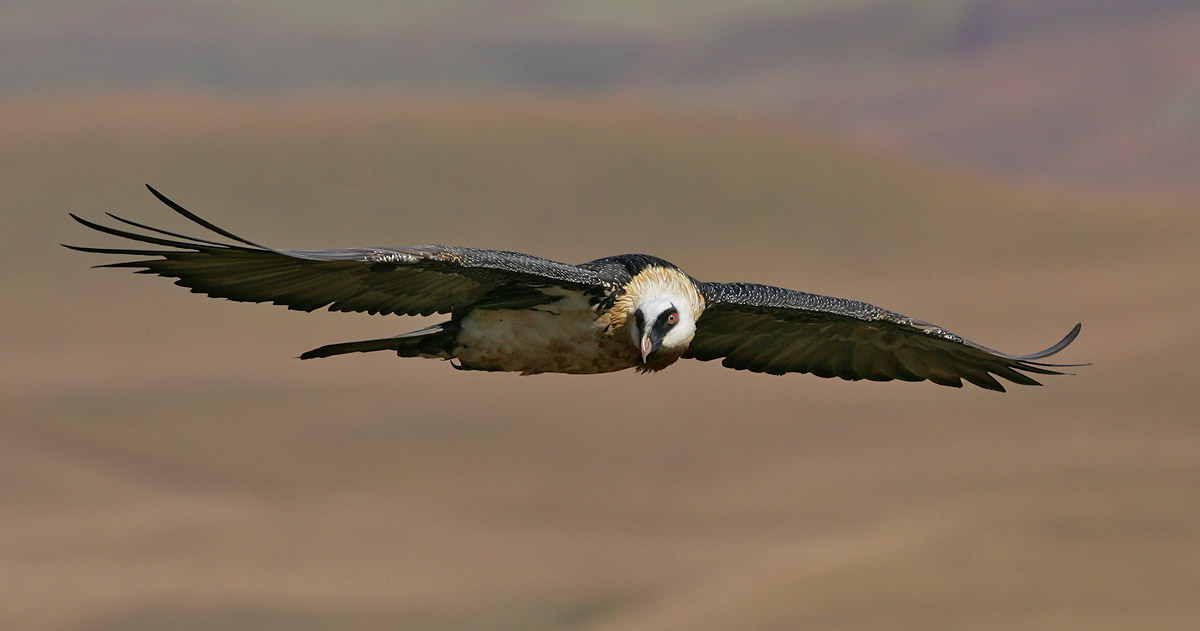
The Bearded Vulture, our focus in the Drakensberg, occupies a unique ecological niche. They are bone specialists. They drop bones from great heights onto rock slabs to access the nutrient-rich marrow inside (Wildlife ACT, 2024). This behaviour gives them the common name Lammergeier, meaning 'lamb-vulture' in German. They ensure that virtually nothing in the ecosystem goes to waste, acting as the final stage of the recycling process and maximising nutrient flow in the harsh mountain environment.
The Urgent Threat Facing Bearded Vultures

The Bearded Vulture is officially listed as Regionally Critically Endangered in Southern Africa (Project Vulture, 2025). This designation is the highest level of threat a species can face before regional extinction, signifying an extremely high risk in the immediate future. Only an estimated 50-100 breeding pairs remain across the entire Southern African population (Wildlife ACT, 2024). This small number makes the population genetically vulnerable and means that every breeding pair and every successful sighting is incredibly valuable to the species' long-term survival.
This species faces threats primarily from human activity. Poisoning is one of the greatest dangers to Vultures. Individuals involved in illegal hunting sometimes use poisoned carcasses to target predatory mammals (Wildlife ACT, 2024). Vultures, with their exceptional scavenging ability, locate and feed on these toxic baits, resulting in rapid, indiscriminate mass mortalities that can devastate local populations.. Furthermore, collision with power lines, particularly poorly marked lines in high-use flight corridors, and permanent habitat loss also contribute significantly to their decline. Alongside a task team dedicated to policy change, advocacy, and awareness, we aim to mitigate the threats facing Bearded Vultures through daily fieldwork and data collection. This is where the efforts of our Endangered and Priority Species conservation volunteers are invaluable.
The Maloti-Drakensberg range is the last major stronghold for this species in the region. Our work here provides the crucial data needed for effective intervention, ensuring that conservation action is always proactive and site-specific. Consistent monitoring is essential to safeguard the remaining population, particularly during the critical breeding season. Your commitment helps us keep eyes on the skies.
With only 50-100 breeding pairs of Bearded Vultures remaining in South Africa and Lesotho, identifying every individual is critical. This visual guide helps you distinguish between the eight species found in South Africa.
A Day in the Life of a Drakensberg Vulture Volunteer
Your daily routine as a Volunteer Drakensberg begins early, often before sunrise, to capitalise on the best monitoring windows. This early start is mission-critical: it allows the team to be at remote vantage points before the vultures take flight for the day, which often occurs only once the sun creates the necessary thermal currents. You will prepare your gear, including optics, and field notebooks, all checked and ready to deploy instantly.
The work is highly variable, demanding adaptability and focus. A typical day involves:
- Maintaining the vulture safe feeding site, ensuring the area is clean, secure, and ready to provide toxin-free carrion for the local population.
- Hiking to remote vantage points for observation, which frequently means undertaking challenging, high-altitude ascent to reach fixed observation points with clear line-of-sight to nesting cliffs or wide foraging areas.
- Processing camera trap data, a detailed task involving the downloading, labelling, and cataloguing of thousands of images to identify vulture presence and behaviour, plus biodiversity.

Expect physical labour, long hours of stationary observation in all weather conditions, and unpredictable demands (Wildlife ACT, 2024). This is authentic, boots-on-the-ground conservation in action, forming the core of wildlife volunteer programs.
Afternoons often involve critical data entry, equipment maintenance, and planning for the next day's activities. Essential afternoon tasks include:
- Data entry and planning for the next day's activities, where raw field notes are translated into geo-referenced sightings, and initial quality checks, ensuring the scientific integrity of the long-term data set.
- Equipment maintenance, such as meticulous cleaning and repairing optics to maintain peak functionality in the harsh mountain environment.
- Managing field vehicles to ensure they are prepared for the demanding terrain and ready for emergency deployment.
This essential support work ensures the team is always ready to respond instantly to threats or capture crucial monitoring information.

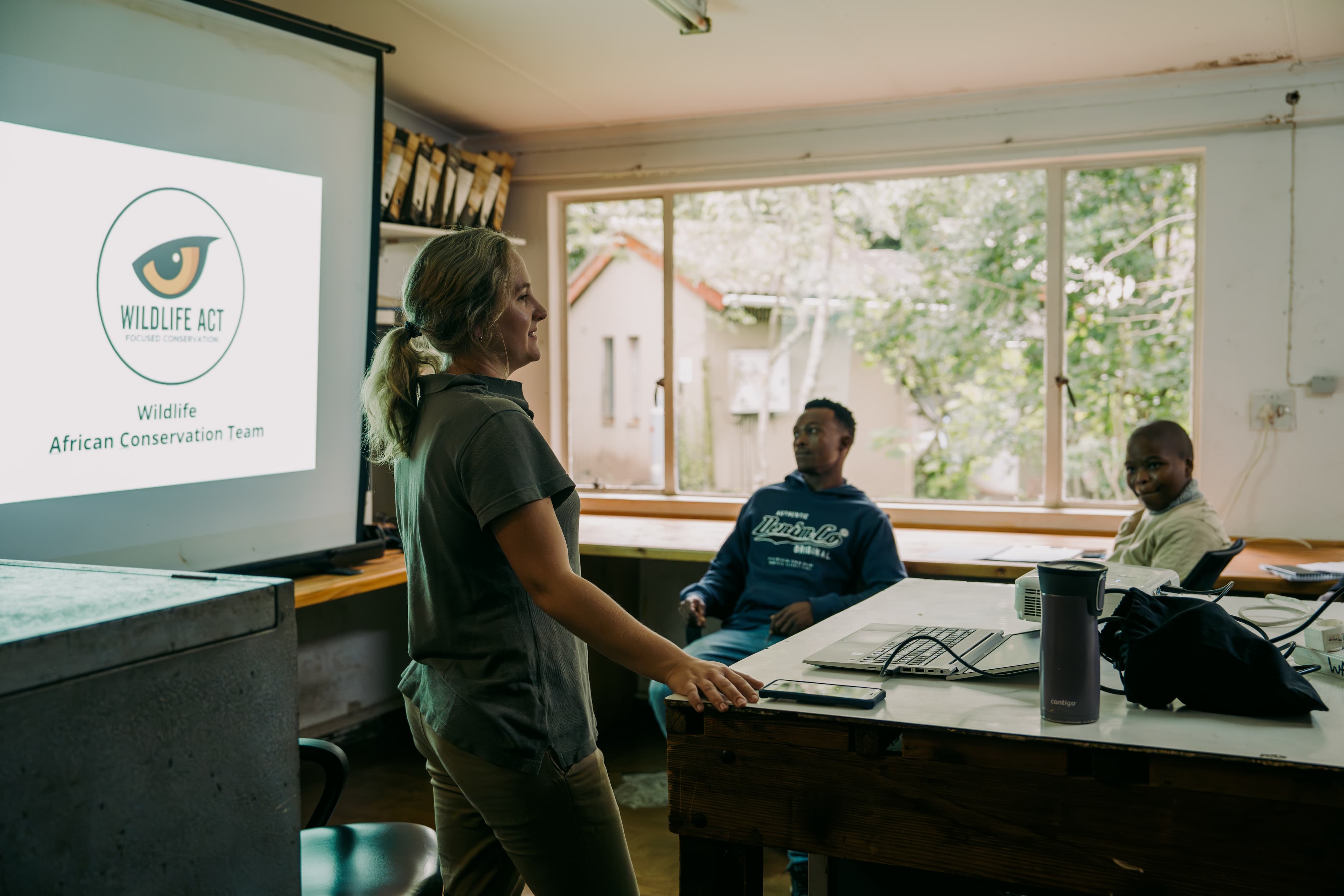
Evenings provide time for shared meals, team discussions on the day's findings, and in-depth learning sessions. You will have the opportunity to engage with the field co-ordinator about complex topics like vulture biology, and the national conservation strategy (Wildlife ACT, 2024). This shared environment is collaborative, ensuring everyone contributes to the team's knowledge and preparedness for the challenges ahead.
"The best days are not when we see a lot, but when we see exactly what we need for the data set. That means success." - Dylan Baldwin, Southern Drakensberg Programme Manager
Essential Gear and Realistic Camp Life
We must be clear: this is a wilderness environment. Comfort is secondary to function. Your accommodation is designed to be highly functional field housing, not luxurious. Expect basic, shared living spaces that are kept clean and tidy through collective effort (Wildlife ACT, 2024), reflecting the cooperative nature of the entire project.
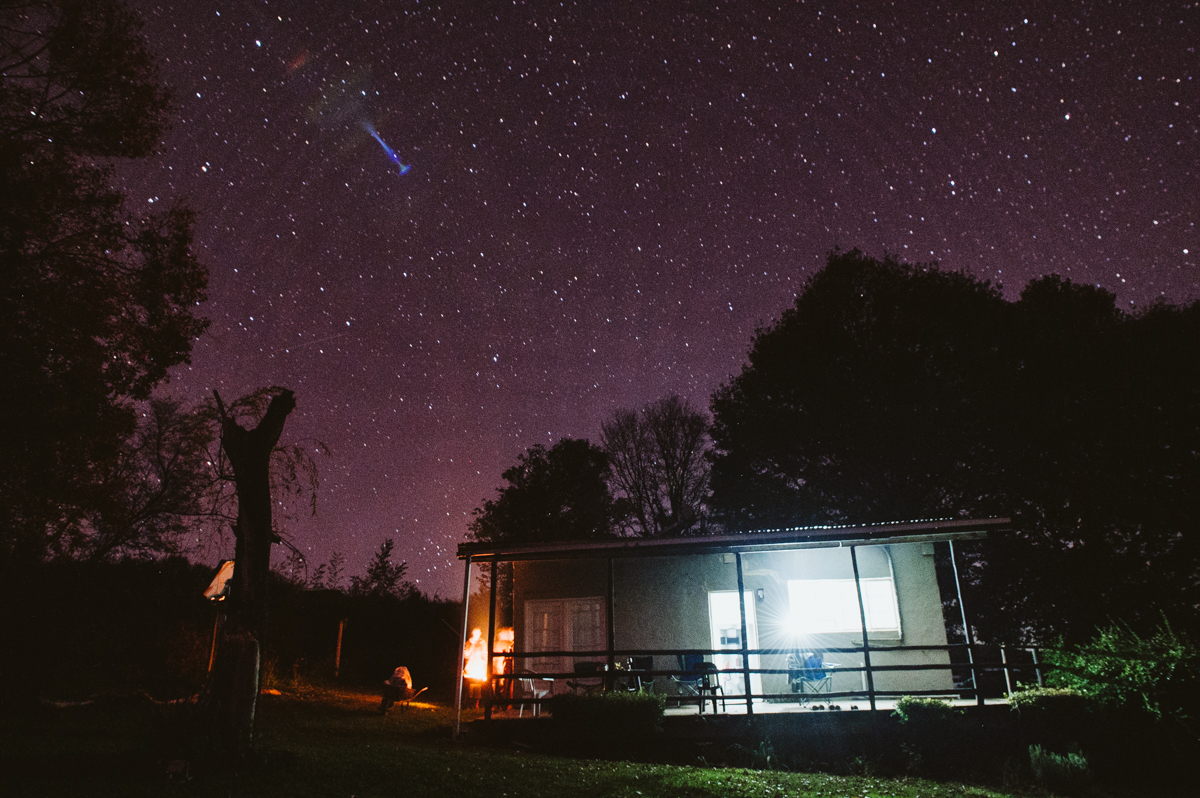
Proper preparation is non-negotiable for the Drakensberg's high-altitude climate. The weather is extreme and can change fast, posing a genuine risk to safety. You must pack diligently for intense sun and heat, sudden severe rain, and near-freezing mountain conditions. High-quality, waterproof rain gear, layers of warm clothing (including thermal base layers), and durable, broken-in hiking boots are mandatory to withstand the physical demands of the terrain.
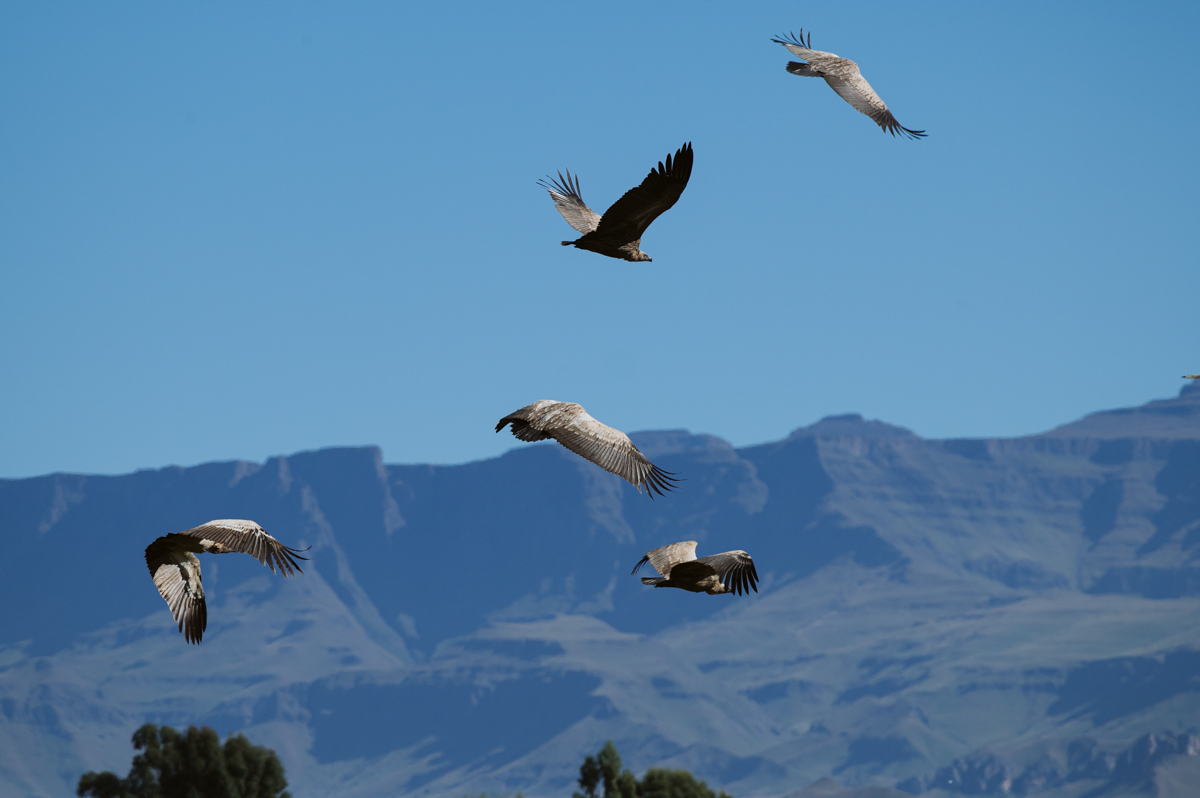
We cannot promise wildlife sightings during the fieldwork. Our purpose is the Bearded Vulture and the specific data we collect. Although sightings aren’t guaranteed, these Protected Areas are internationally recognised for their biodiversity and host a variety of threatened birds besides Vultures, such as the Cape Vulture, Southern Bald Ibis, and Wattled Crane, as well as other specialised grassland species that make this landscape so special. The emphasis remains on collecting high-quality monitoring data for Bearded and Cape Vulture conservation, with the greatest reward coming from the impact of the work itself.
The Science of Protection: Bearded Vulture monitoring Tasks and Sighting Data
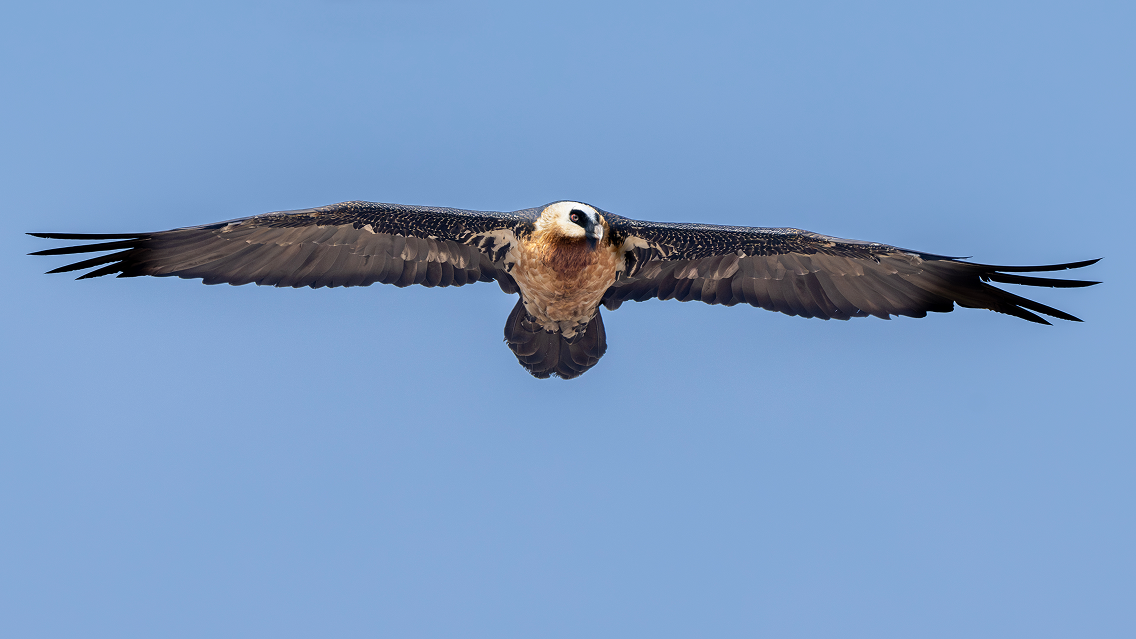
This fieldwork delivers essential movement data. The data confirms activity patterns, monitors movement across the Protected Areas, and helps identify critical habitat use (Project Vulture, 2025). Each data point is logged with precision for long-term scientific analysis, revealing dispersal routes, preferred foraging grounds, and areas of high collision risk. This detailed, current information drives our threat mitigation strategies, allowing us to implement preventative measures where they are most needed.
Crucial Nest and Breeding Site Observation
Monitoring breeding success is paramount for the Regionally Critically Endangered population. The Bearded Vulture has one of the longest chick-rearing periods of any raptor, making the nest site exceptionally vulnerable. Wildlife volunteers participate in remote observation of known nest sites, primarily from May to November during the breeding season (Wildlife ACT, 2024). We use high-powered optics from safe distances to check for activity, incubation, and the presence of chicks. This crucial task confirms if a pair is actively breeding and raising young. Success at this stage is the bedrock of long-term recovery.
Crucial boundary: We only share sensitive nest site locations or specific GPS coordinates with conservation authorities. This is a critical security measure against human disturbance and potential criminal activity, which could jeopardise the birds’ safety and undisturbed breeding cycle. We protect this information rigorously. The collected data ensures breeding sites remain safe and productive, providing the team with actionable intelligence without compromising the vultures' security.
Managing the Vulture Safe Feeding Site
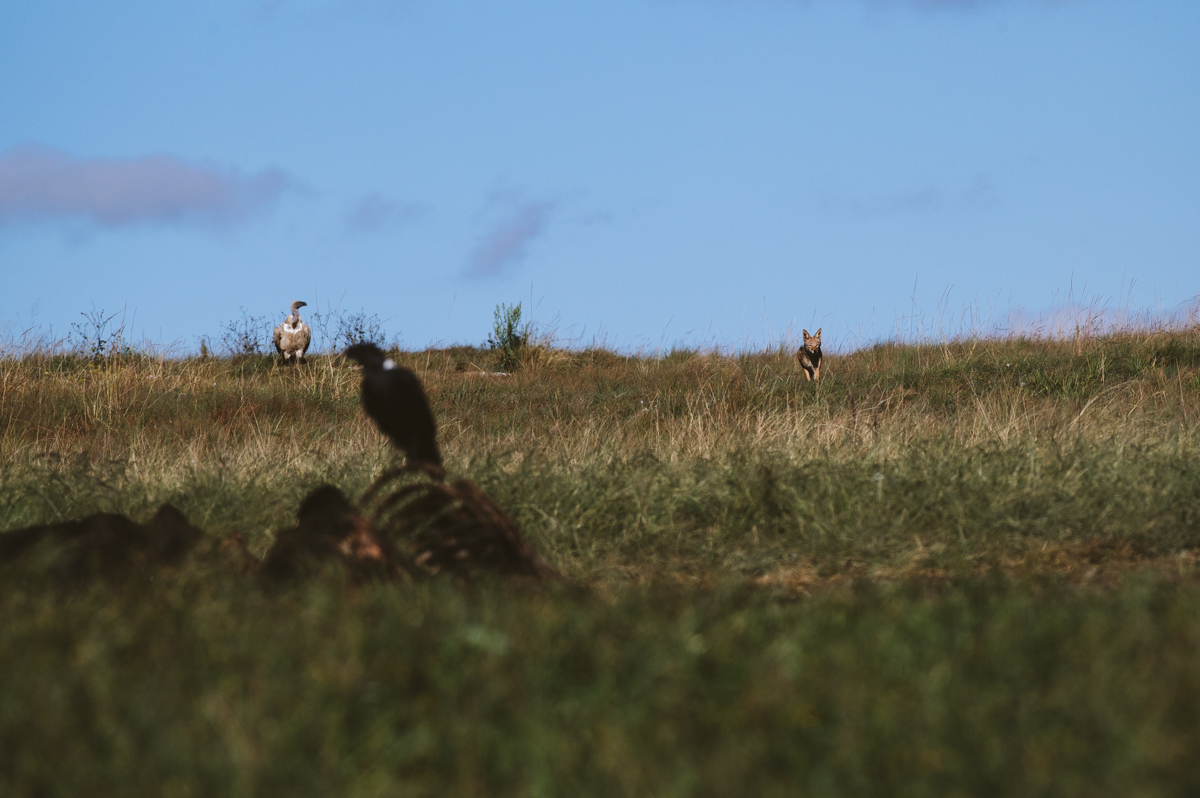
Wildlife volunteers manage the Mzimkulu Vulture Hide safe feeding site. This task involves careful preparation and site maintenance. The site operates as a critical conservation tool, providing clean, toxin-free food in an area where carcasses may otherwise be poisoned. We monitor vulture activity visually and through the use of camera traps. This helps us understand feeding behaviours, overall health of the local population, and the frequency of visits by specific tagged individuals.
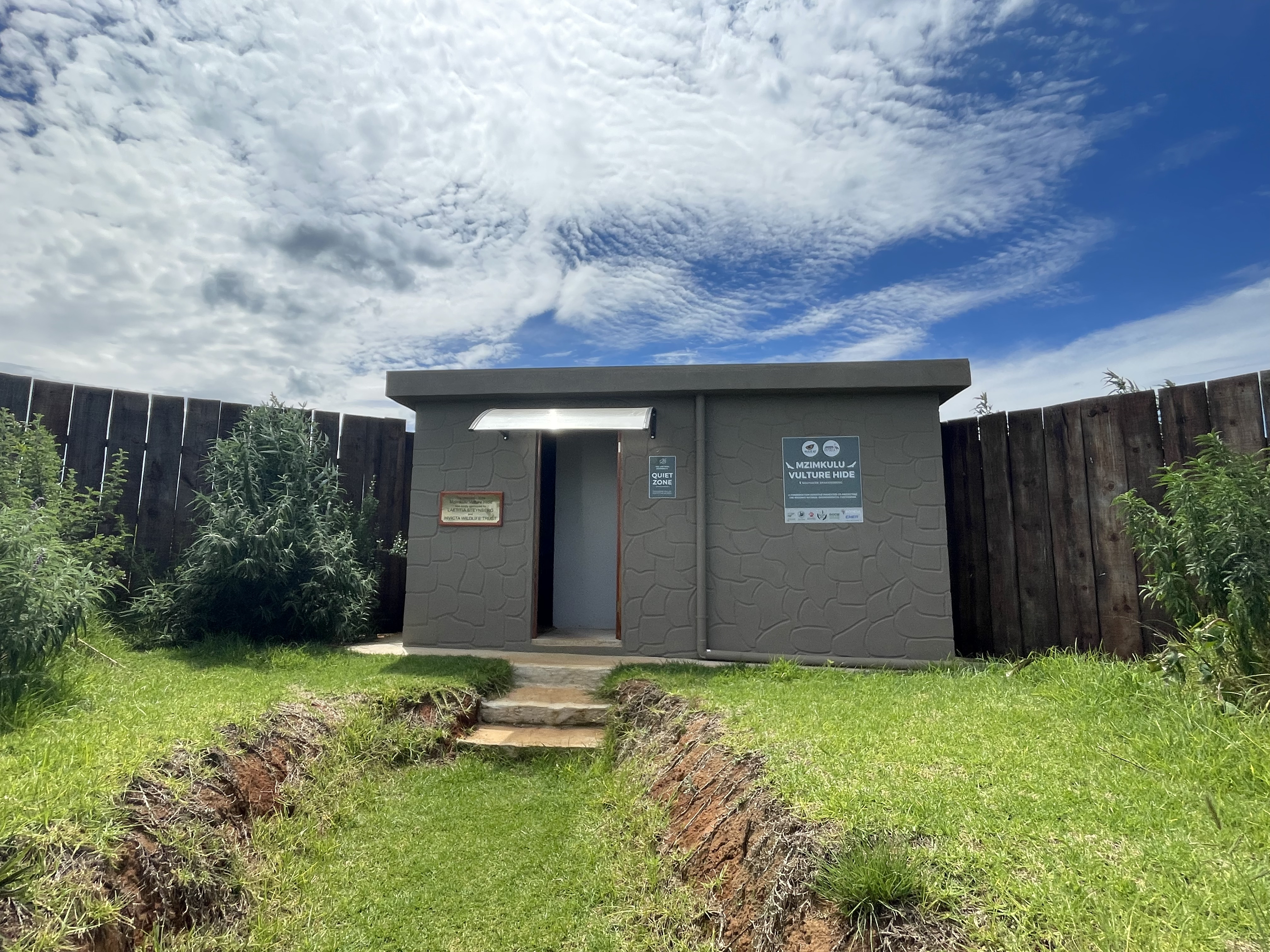
You will help with maintaining the camera traps, including changing batteries and memory cards, which involves meticulous attention to detail to avoid data loss. The resulting footage is catalogued for long-term monitoring, contributing to a comprehensive health baseline. This controlled site provides clean, toxin-free food and serves as a vital, protected anchor for the population during periods of scarcity or environmental risk.
Long-term Camera Trap Surveys
The long-term camera trap survey extends our monitoring reach into remote areas, acting as passive surveillance that covers vast, rugged territory. Wildlife volunteers scout locations, set up stations, ensure optimal placement, and assist with clearing vegetation to maximise capture rates. The traps capture images of vultures, other Endangered and Priority species, and potential threats to the ecosystem, such as human encroachment or invasive animals.
This systematic survey work is demanding, often involving hikes to rugged locations to download and catalogue vast amounts of footage. The catalogue must be correctly labelled and timestamped to maintain data integrity. This systematic data collection provides a scientifically sound baseline for population health, dispersal patterns, and habitat use across the vast Protected Areas.
Monitoring breeding success is the bedrock of long-term recovery. Use this scientific timeline to align your monitoring efforts with the key stages of the Bearded Vulture’s breeding cycle.
Driving Strategy: Your Impact Within the Bearded Vulture Task Force Partnership
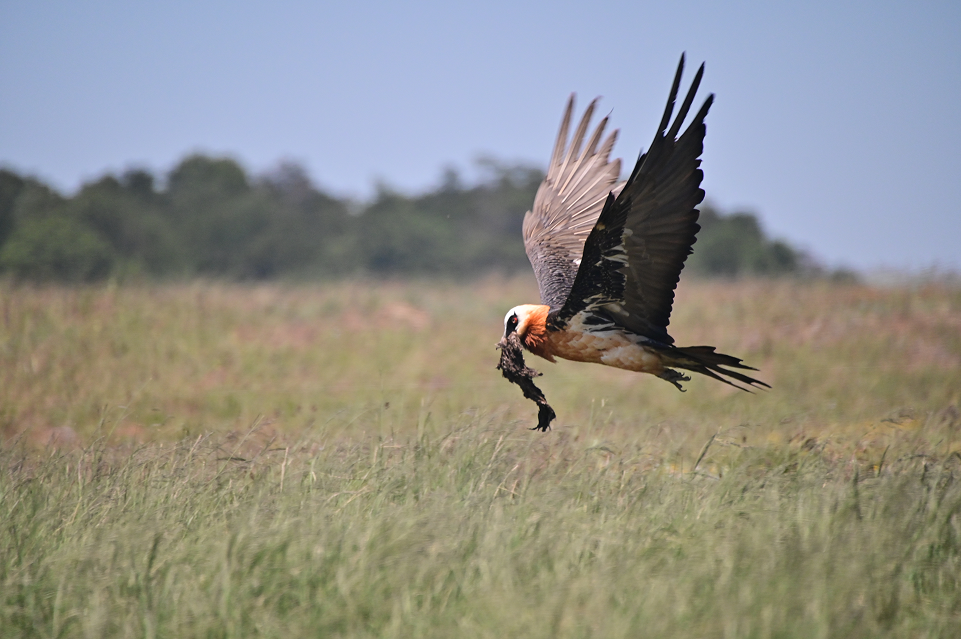
Wildlife ACT is a founding member of the Bearded Vulture Task Force (BVTF). This is a highly collaborative collective of scientists, government agencies (including provincial conservation authorities), and non-governmental organisations . The BVTF guides the entire conservation strategy for this Regionally Critically Endangered species across Southern Africa, acting as the scientific and legislative steering committee. Your volunteer efforts feed directly into this collective, national plan, providing ground-level verification of conditions reported at the policy level.
Data Integrity and Scientific Outcomes
Integrity is paramount in all our work. Every sighting, every piece of information, and every camera trap image must be logged accurately, geo-referenced, and cross-verified. This commitment to scientific rigour is why we train you in precise field data collection protocols (Wildlife ACT, 2024). The quality of our data is what drives policy change and intervention success; inaccurate data can lead to misallocation of scarce resources or, worse, incorrect management decisions that endanger the population.
Important Takeaway: Data collected by our wildlife volunteers leads to tangible conservation outcomes. Accurate data directly supports policy decisions regarding power line mitigation, land-use planning, and anti-poisoning campaigns. For example, consistent data revealing high mortality near a specific power line section can trigger an urgent retrofitting intervention. Your fieldwork moves the needle on vulture protection, translating your time and effort into verifiable ecological wins.
Promoting Human-Wildlife Co-existence

A significant part of this strategy involves working beyond the formal Protected Area boundaries of the Maloti-Drakensberg Park World Heritage Site to foster human-wildlife coexistence in surrounding communities. Vultures frequently utilise communal grazing land, where they provide an essential ecological clean-up service by locating animal carcasses from kilometres away and consuming them. By swiftly removing decomposing animals from the landscape, these birds help reduce the environmental persistence of pathogens associated with carcasses, such as anthrax and botulism, contributing to a healthier environment for both livestock and local people. Our conservation efforts therefore depend on building transparent, cooperative relationships with farmers and landowners who recognise the vital role Vultures play in supporting ecosystem health and reducing disease risks on their land. (Wildlife ACT, 2024).
Wildlife volunteers are educated on the importance of sensitive communication required for Wildlife ACT’s dedicated team to respectfully engage with these stakeholders, helping to bridge the gap between conservation science and rural livelihood needs. The goal is promoting vulture-friendly farming practices, such as ensuring safe disposal of potentially poisoned carcasses. This outreach dramatically helps reduce accidental poisoning incidents, which are a major threat. Our approach is collaborative, rooted in mutual respect, and focused on shared responsibility for Africa’s natural heritage.
The Long-term View: Population Stabilisation
The overall aim of the Southern Drakensberg Conservation Programme is population stabilisation. With fewer than 50-100 breeding pairs Bearded Vultures remaining in Southern Africa, every vulture matters (Wildlife ACT, 2024). Your work, from nest observation to feeding site maintenance, directly contributes to juvenile survival and breeding success.
We are implementing a science-based recovery effort that requires dedication over years, not just weeks. This long-term focus ensures that interventions are sustained and effective, building resilience into the wild population. When you volunteer Drakensberg, you become part of this long-term legacy, contributing essential data that influences conservation decisions for the next decade. You are directly supporting the future survival of the Bearded Vulture and Cape Vulture populations.
The Unique Rewards of Field Conservation
The Volunteer Drakensberg experience is a hands-on training opportunity:
- Implementing data collection methods, moving from raw observation to scientifically structured data entry, including the use of GPS and field data sheets. This commitment to data integrity and field protocol is a critical, universally valued professional skill.
- Field navigation in rugged terrain (Wildlife ACT, 2024), gaining competence in map reading, orientation, and safely traversing high-altitude environments, including the ability to identify animal tracks and signs. This navigational expertise is vital for expeditionary work and search and rescue scenarios.
These practical skills are transferable to any future career in ecology, wildlife management, field research, or logistics. You receive direct instruction from experienced field co-ordinators; professional conservationists who guide you through the process of reading the landscape, interpreting wildlife signs, and making on-the-spot scientific judgments . You will leave with a clear understanding of the logistics required to run a complex, science-backed conservation project, which is knowledge that is innovative and essential for modern conservation efforts.
The Quiet Satisfaction of Purpose
The rewards here are subtle and profound. You may be lucky enough to watch a Bearded Vulture chick fledge, knowing your monitoring data secured its safety during its most vulnerable period. This sense of fulfilment comes from genuine contribution, not comfortable viewing. It is a shared, quiet pride among the entire team, reinforcing the collective impact of the pack.
The work builds resilience and patience. Hours of stationary observation under the sun or in the cold often yield few results, but the one crucial sighting or the single vital data point, a confirmed nest activity, a healthy juvenile, makes the entire day matter. This experience teaches focus, discipline, and the profound value of sustained effort in the face of long odds. You learn to value the process of dedicated fieldwork over instant gratification, a mental shift that influences future problem-solving.

"The work at the project is, at times, dirty, messy, and challenging, but such is the nature of working with Vultures and playing a part in protecting these indispensable birds." - Wildlife ACT volunteer, Teeny Talsma, 2025
Becoming a Guardian of Africa’s Natural Heritage
You join a community committed to a singular mission: protecting the Endangered and Priority species of Africa. You are not a tourist; you are a peer in the field (Wildlife ACT, 2024). This means you earn the genuine respect of the full-time field staff and become an integrated member of the conservation team, trusted with sensitive data and critical tasks. This deep immersion into the Protected Areas transforms your perspective from external observer to internal stakeholder.
This wildlife volunteer experience grounds you in integrity. You witness conservation in its truest form, the unglamorous, consistent reality of hard work, ethical decision-making, and unwavering dedication to the species' well-being above all else. You contribute directly to the safeguarding of the Drakensberg Protected Areas not just by collecting data, but by becoming a living part of the ethical framework that protects them. You become a Guardian of Africa's natural heritage, embracing a long-term role that carries a responsibility far beyond the duration of your trip. This transition from wildlife volunteer to Guardian is defined by the integrity of the contribution you make and the lasting respect you gain for the complexity of saving a species at the edge of extinction.
Frequently Asked Questions

1. What essential fitness level do I need for this work?
You need a moderate to high level of fitness. The work involves hiking in mountainous, rugged terrain, often carrying equipment like scopes (Wildlife ACT, 2024). Long periods of stationary observation are also required. Prepare for both physical effort and patience in the field.
3. Will I be involved in fitting GPS monitoring units to the vultures?
No. Fitting GPS monitoring units is a highly specialised and sensitive task. It is performed only by qualified scientists and veterinary professionals (Wildlife ACT, 2024). Wildlife volunteers are trained to monitor the individuals after they have been fitted with units, and visual confirmation.
4. Is prior conservation experience mandatory to volunteer in Drakensberg?
Prior experience is not mandatory. We provide thorough, hands-on training in all monitoring techniques, field protocols, and data collection procedures (Wildlife ACT, 2024). A commitment to the conservation mission and a strong work ethic are the most essential requirements for all volunteer programs in Africa.
5. What are the main threats that wildlife volunteers help mitigate in the Drakensberg?
The primary threats are accidental and intentional poisoning, collision with power lines, and human disturbance near nest sites (Project Vulture, 2025). Wildlife volunteers mitigate these by collecting data that informs threat-mitigation strategies and by maintaining the integrity of the safe feeding sites.
6. Where exactly are the monitoring and feeding sites located?
We never share precise locations of Bearded Vulture nest sites or monitoring areas. This is a crucial security measure to protect the Regionally Critically Endangered species from disturbance. The safe feeding site is managed at the Mzimkulu Vulture Hide, located within the Southern Drakensberg region.

7. Can I use a drone to capture footage of the mountains or vultures?
No. The use of drones is strictly prohibited during all conservation activities . Drones can cause severe stress and disturbance to the vultures, particularly near sensitive nest and breeding sites. We prioritise the well-being of the birds above all else.
8. What kind of weather conditions should I expect to encounter?
The Drakensberg Protected Areas experience extreme and rapidly changing weather. You must prepare for everything from high-altitude intense sun and heat to sudden severe thunderstorms and near-freezing, sub-zero conditions. Layered, high-quality gear is essential.
Join the Line of Defence for the Skies

This article has offered an honest, transparent view of the Volunteer Drakensberg experience. You now understand the profound necessity of the mission. The regionally Critically Endangered Bearded Vulture and the Vulnerable Cape Vulture populations, require dedicated, accurate, and consistent monitoring to secure their future. This region represents the last stronghold of the Southern African Bearded Vulture population, and conservation teams working here form a critical line of defence for the species’ future.
We established that the daily routine demands physical resilience, mental focus, and a willingness to embrace the functional reality of fieldwork. You will hike hard, observe for hours, and process data with scientific precision. In return, you gain practical telemetry skills, real-world conservation experience, and the quiet satisfaction of knowing your hands-on contribution directly informs national conservation strategy (Wildlife ACT, 2024).
The reward is not a typical adventure; the reward is significance. It is finding the single crucial data point that protects a nest. It is becoming an active Guardian of Africa’s natural heritage . We seek intentional wildlife volunteers who are driven by this purpose. We need individuals who understand that the conservation effort is a long-term commitment, backed by data and executed with integrity.
Are you ready to move from observer to participant? Are you ready to trade comfort for cause and contribute to the survival of the Bearded Vulture? The data you collect today shapes the policy of tomorrow. We offer the chance to become indispensable to this urgent wildlife conservation volunteering abroad effort.
Your next step:
Learn more about the specific monthly tasks, current availability, and the application process for the Southern Drakensberg Conservation Programme. Do not delay your decision to help secure the future of the Guardians of the Skies.
References:
- Project Vulture. (2025). Homepage. https://projectvulture.org.za/
- UNESCO World Heritage Centre. (n.d.). Maloti-Drakensberg Park. https://whc.unesco.org/en/list/985/
- Wildlife ACT. (2024). Saving endangered African wildlife and their ecosystems. https://www.wildlifeact.com/about-wildlife-act/endangered-and-priority-species-conservation
- Wildlife ACT. (2024). Vulture conservation South Africa program. https://www.wildlifeact.com/volunteer/program/vulture-conservation-south-africa
- Wildlife ACT. (2024). Vultures. https://www.wildlifeact.com/about-wildlife-act/wildlife-species/vultures
- Wildlife ACT. (2024). Why volunteer. https://www.wildlifeact.com/volunteer
- Wildlife ACT. (2024). Wildlife tracking and monitoring in Africa. https://www.wildlifeact.com/
- BirdLife South Africa. (2025). Bearded vulture. https://www.birdlife.org.za/red-list/bearded-vulture/
- Mzimkulu Vulture Hide. (n.d.). A conservation initiative dedicated to protecting the region's natural environmental custodians. https://www.saveourvultures.com/
- Wildlife ACT. (2025). Nature’s clean-up crew: The environmental importance of vultures and the urgent need for their conservation. Wildlife ACT. https://www.wildlifeact.com/blog/natures-clean-up-crew-the-environmental-importance-of-vultures-and-the-urgent-need-for-their-conservation
- Wildlife ACT. (2023). Endangered vulture conservation in the Southern Drakensberg with Wildlife ACT. https://www.wildlifeact.com/blog/endangered-vulture-conservation-in-the-southern-drakensberg-with-wildlife-act
- Wildlife ACT. (2024). Southern Drakensberg hide launches in aid of endangered vulture conservation. https://www.wildlifeact.com/blog/mzimkulu-vulture-hide-launched-in-southern-drakensberg
- Wildlife ACT. (2025). Vulture poisoning in South Africa: Understanding this conservation crisis. https://www.wildlifeact.com/blog/vulture-poisoning-in-south-africa-understanding-this-conservation-crisis
.jpeg)


.jpg)