

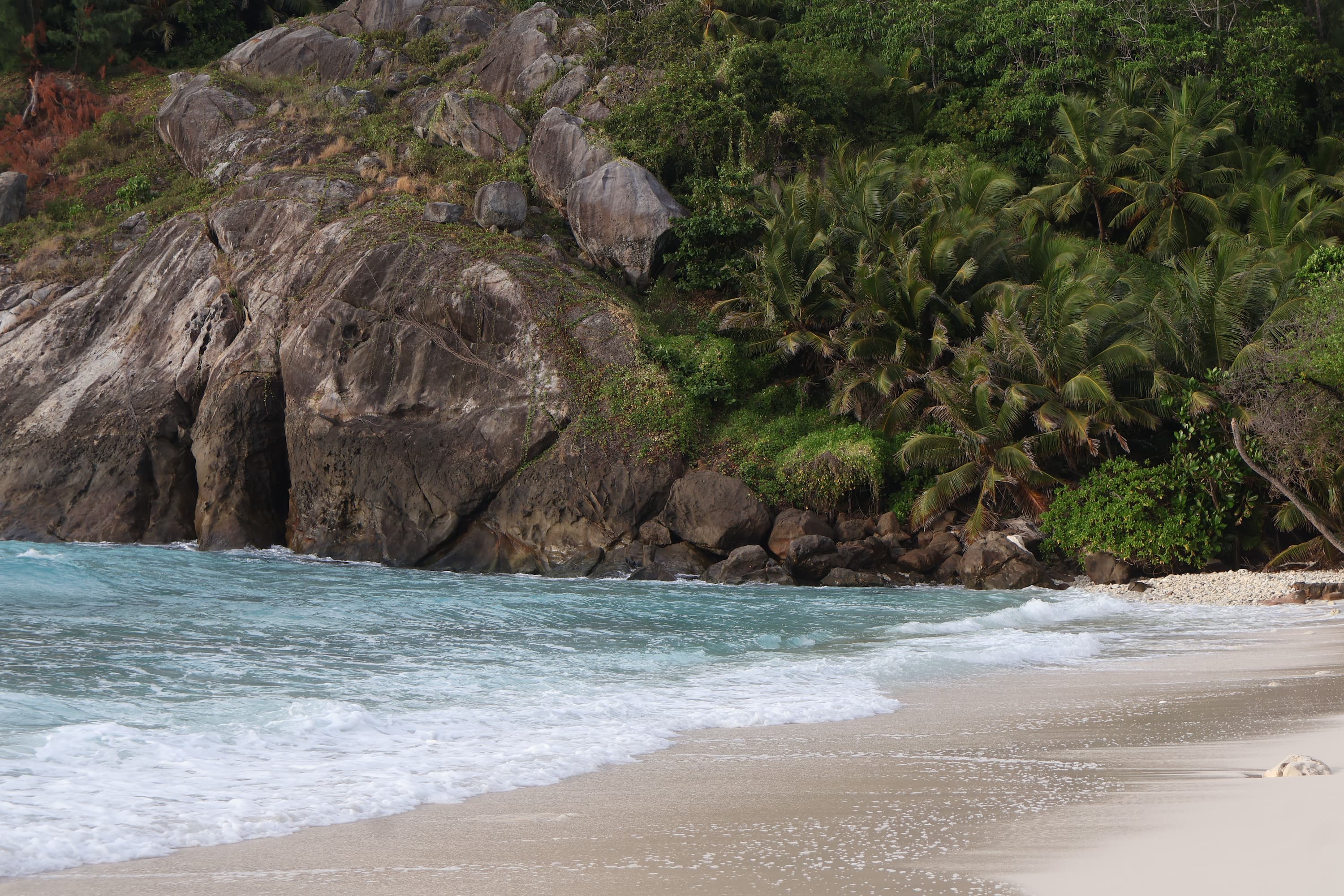
Marine habitat restoration on small islands such as North Island, Seychelles is increasingly recognised as a critical response to climate change. In island systems where land and sea are tightly interconnected, marine resilience cannot be achieved through ocean-based interventions alone. The condition of terrestrial and coastal habitats directly influences shoreline stability, water quality, and the health of nearshore marine ecosystems.
On North Island, marine habitat restoration is embedded within the Noah’s Ark Project, a long-term, whole-island restoration initiative designed to restore ecological function across land, coast, and ocean. This integrated approach recognises that marine resilience is the outcome of sustained terrestrial and coastal recovery, supported by consistent monitoring and adaptive management.
Wildlife ACT’s Marine and Coastal Conservation programme supports this model by strengthening conservation capacity, ethical field support, and long-term data collection alongside North Island’s Environmental Team.
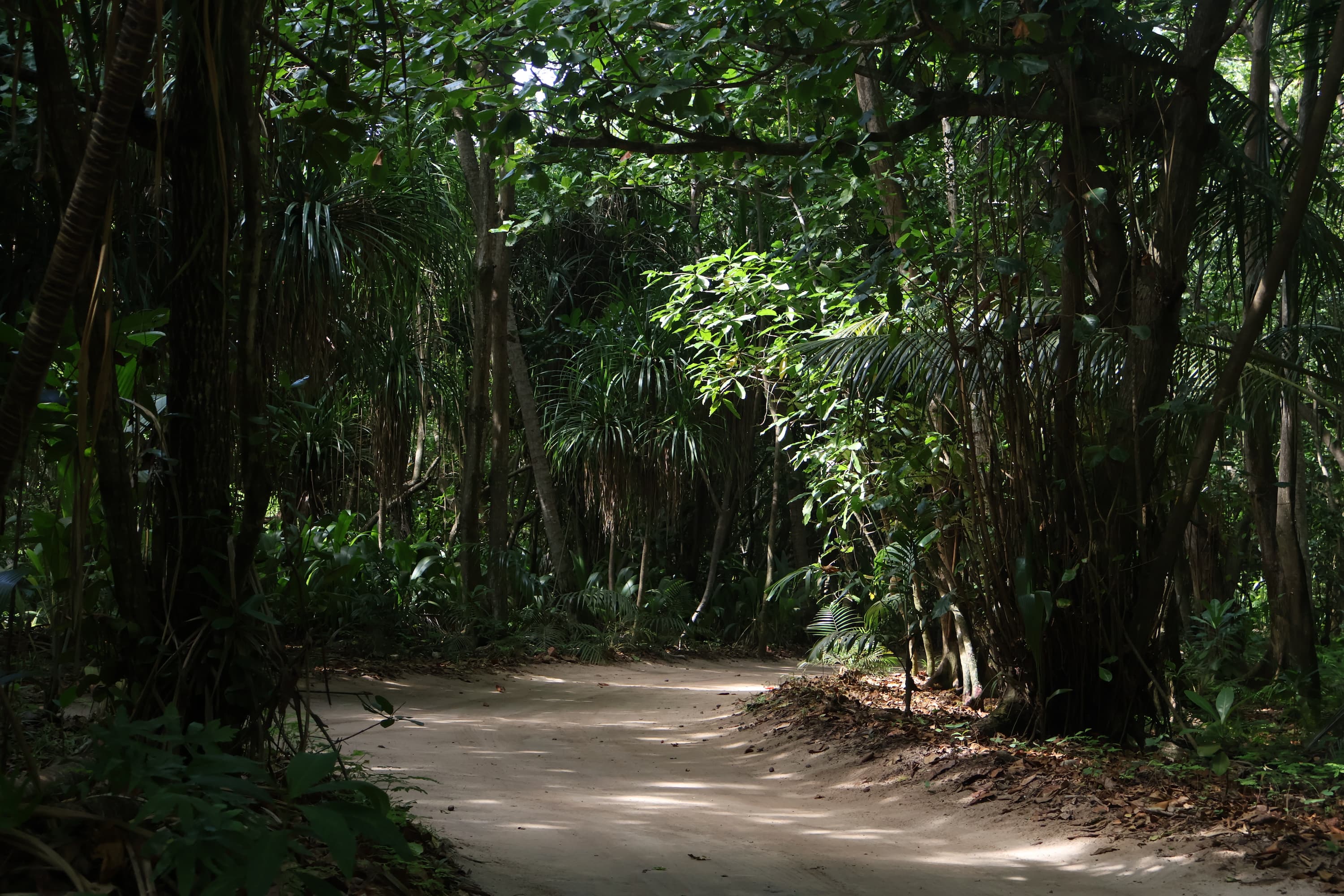
How Climate Change Is Increasing Marine Habitat Vulnerability in the Seychelles Islands
The Seychelles is internationally recognised as a global marine biodiversity hotspot, yet its island ecosystems are highly vulnerable to the impacts of climate change (IUCN, 2022). Rising sea levels, increased storm intensity, coastal erosion, and changing rainfall patterns place growing pressure on both terrestrial and marine environments. These pressures are particularly pronounced on small islands, where limited land area and extensive coastlines allow ecological disruption to cascade rapidly between systems.
Climate change impacts in the Seychelles extend beyond coral reefs and offshore marine habitats. Coastal ecosystems, including beaches, wetlands, dunes, and vegetated shorelines, play a critical role in buffering marine systems against erosion, sedimentation, and nutrient runoff.
When these coastal habitats are degraded, nearshore marine environments such as lagoons and reefs become more vulnerable to physical damage and ecological stress, reducing their ability to recover from climate-related disturbances (UNEP, 2021).
On North Island, these risks are addressed through integrated environmental management rather than isolated marine interventions. Marine habitat restoration is planned as part of a broader framework that recognises climate vulnerability across interconnected land and sea systems.
Why Small Island Ecosystems Like the Seychelles Are Highly Vulnerable to Climate Change
Island ecosystems face disproportionate climate change impacts due to their high coastline-to-land ratios, limited land area, and dependence on intact coastal systems for protection. Sea-level rise increases the risk of shoreline retreat and saltwater intrusion, while more intense storm events accelerate erosion and habitat loss (IPBES, 2019).
In the Seychelles, climate-driven coastal erosion has consequences beyond physical land loss. Eroded shorelines increase sediment input into lagoons and reef systems, reducing water clarity and affecting coral health. The loss of coastal vegetation weakens natural wave attenuation, allowing storm energy to penetrate further inland and disrupt both terrestrial and marine habitats (UNEP, 2021).
The Noah’s Ark Project on North Island was established in response to these compounded vulnerabilities. Its whole-island restoration model recognises that long-term climate resilience depends on restoring ecological processes across land, coast, and ocean rather than relying on short-term or engineered solutions.
How Healthy Coastal Ecosystems Reduce Climate Change Impacts on Islands
Healthy coastal ecosystems are a cornerstone of climate resilience in island environments. Vegetated shorelines, wetlands, and intact beach systems stabilise sediments, reduce erosion, and absorb wave energy during storm events. These natural processes provide protection against sea-level rise and extreme weather while supporting marine biodiversity and ecosystem function (IUCN, 2020).
Marine habitat restoration strengthens these processes by rebuilding ecosystem structure and connectivity. When coastal habitats are restored and maintained, they reduce sediment and nutrient inputs into marine environments, supporting healthier reefs and lagoons over time.
This approach aligns with international best practice for ecosystem-based adaptation, which identifies habitat restoration as a cost-effective and sustainable response to climate change impacts (IUCN, 2020).
On North Island, coastal ecosystem health is maintained through long-term restoration under the Noah’s Ark Project. Areas where invasive vegetation has been removed and native plant species re-established show improved soil stability and reduced surface runoff during heavy rainfall events. Wildlife ACT supports this work through its Marine and Coastal Conservation programme by contributing to monitoring continuity and conservation capacity alongside the island’s Environmental Team.
On North Island, this relationship is evident in areas where invasive vegetation has been removed and indigenous plant species re-established under the Noah’s Ark Project. These restored areas show greater soil stability during heavy rainfall, reducing surface runoff onto adjacent beaches and into nearshore marine environments. This land-based restoration directly supports coastal resilience and marine habitat stability over time.
Dive deeper into your North Island, Seychelles Ecotourist experience with this essential Fact Sheet.
How Land Restoration on North Island Directly Affects Marine Ecosystems
On small islands such as North Island, land and ocean health function as a single, connected ecological system. Rainfall moving across land carries sediments, organic material, and nutrients into coastal waters. When vegetation cover is reduced, soil stability declines and erosion increases, particularly during heavy rainfall events associated with climate change (UNEP, 2021).
Excess sediment entering nearshore marine habitats reduces water clarity and can smother benthic organisms, including corals and seagrass. Elevated nutrient inputs can alter ecological balance, encouraging algal growth that competes with reef-building species. These processes weaken marine ecosystem resilience and reduce recovery capacity following climate-related disturbances (IPBES, 2019).
Under the Noah’s Ark Project, sustained vegetation rehabilitation across North Island’s hills, plateau, and wetland areas directly influences coastal and marine conditions. By restoring indigenous vegetation cover, erosion from inland areas is reduced before sediment reaches nesting beaches, lagoons, and reef systems.
Wildlife ACT’s Marine and Coastal Conservation programme operates within this ridge-to-reef framework by supporting monitoring activities that track how land-based restoration influences shoreline condition and nearshore marine environments over time.
Consequences of Degraded Land for Marine and Coastal Systems
Degraded terrestrial habitats increase vulnerability across the coastal zone. Unstable shorelines erode more rapidly under rising sea levels and intensified storm events. Beach erosion affects critical habitats such as turtle nesting beaches and intertidal zones, which are closely linked to marine biodiversity and species recovery.
Loss of coastal vegetation reduces natural wave attenuation, allowing storm energy to accelerate erosion and increase sediment deposition in adjacent marine areas. Over time, these changes undermine both coastal ecosystem function and marine biodiversity, reducing the effectiveness of conservation interventions (UNEP, 2021).
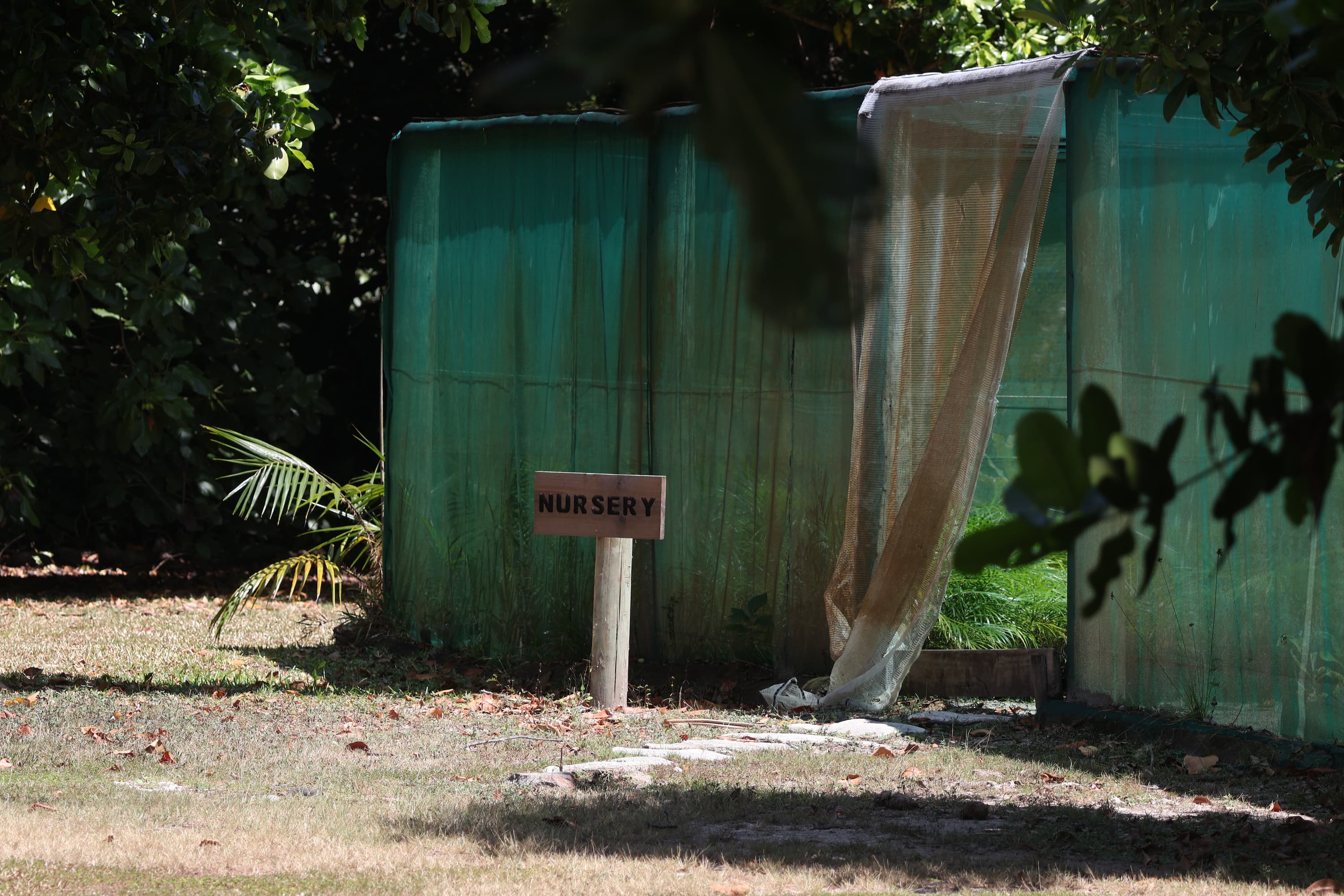
On North Island, restoration efforts focus on reversing these trends through invasive species removal, native vegetation planting, and long-term habitat management under the Noah’s Ark framework. Wildlife ACT supports conservation initiatives that prioritise native vegetation rehabilitation and shoreline stability, helping reinforce the natural systems that protect marine habitats from climate-driven impacts.
Why Coastal Habitat Restoration Is a Key Climate Adaptation Strategy for Islands
Coastal habitat restoration is increasingly recognised as a practical climate adaptation strategy for island environments. Rather than relying solely on engineered structures, restoration strengthens natural systems that reduce vulnerability to erosion, flooding, and habitat loss while maintaining ecological function (IUCN, 2020).
Native coastal vegetation plays a critical role in this process. Root systems stabilise soils, reduce surface runoff, and anchor sediments during heavy rainfall and storm events. Vegetated shorelines also absorb wave energy, reducing the force of waves reaching inland habitats and supporting shoreline stability over time.
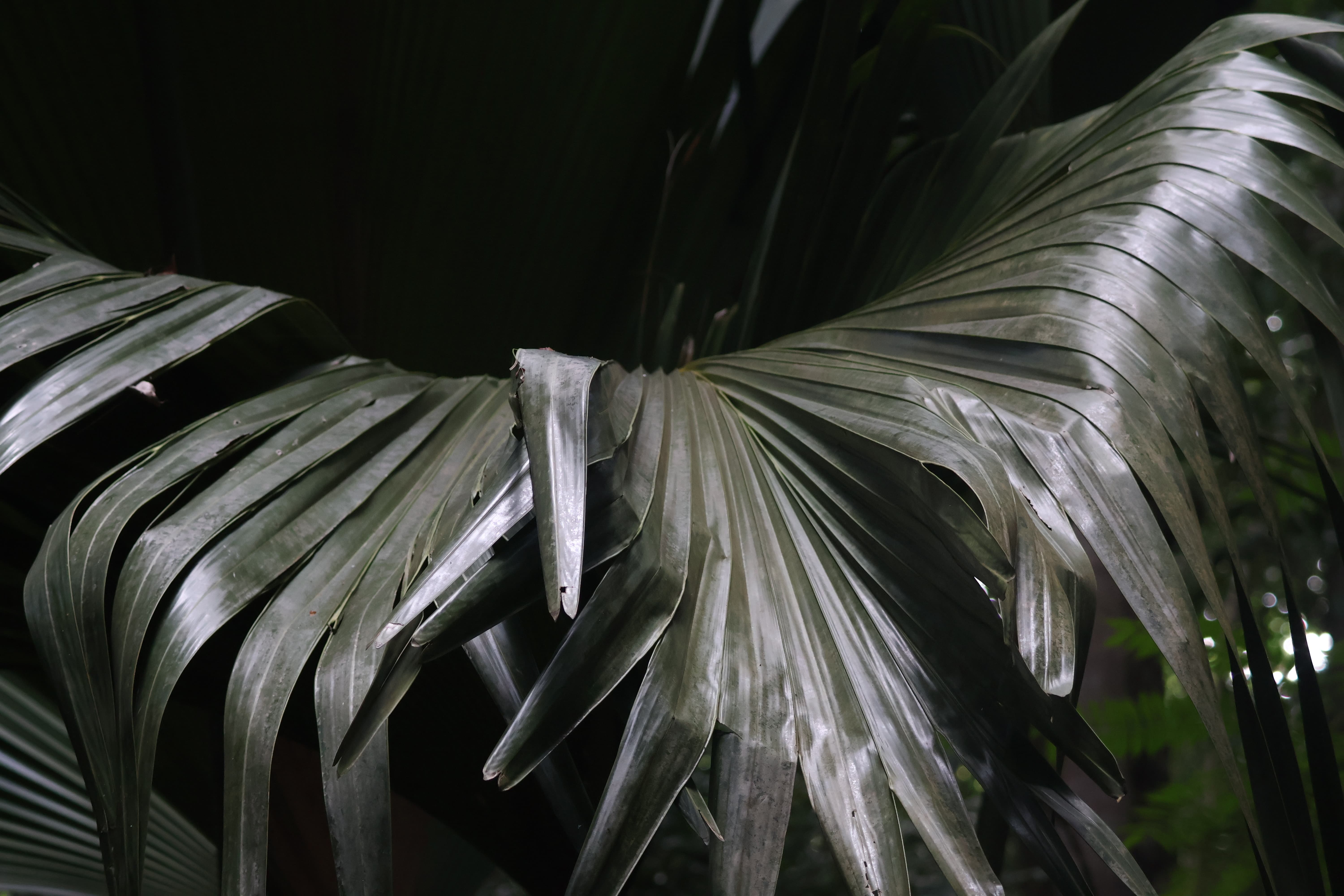
On North Island, coastal restoration is implemented as part of long-term environmental management rather than short-term intervention. Wildlife ACT supports this approach through its Marine and Coastal Conservation programme by reinforcing monitoring and restoration activities that prioritise native species selection, ecological function, and long-term resilience.
What Marine Habitat Restoration Looks Like in Practice on North Island, Seychelles
Marine habitat restoration on North Island is embedded within the Noah’s Ark Project, a long-term initiative aimed at restoring native ecosystems and safeguarding species of global conservation concern. Restoration is designed to address underlying drivers of degradation rather than isolated symptoms.
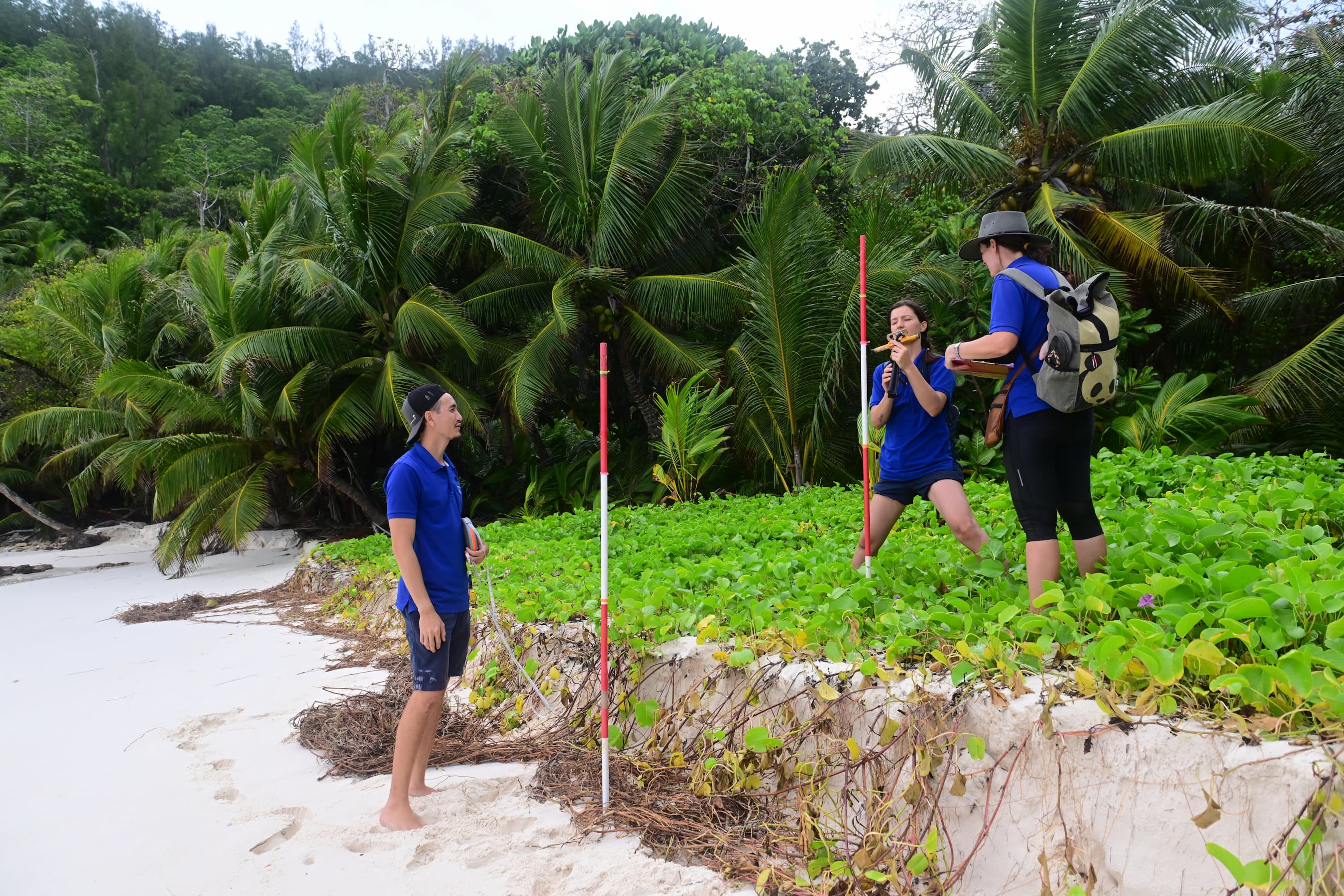
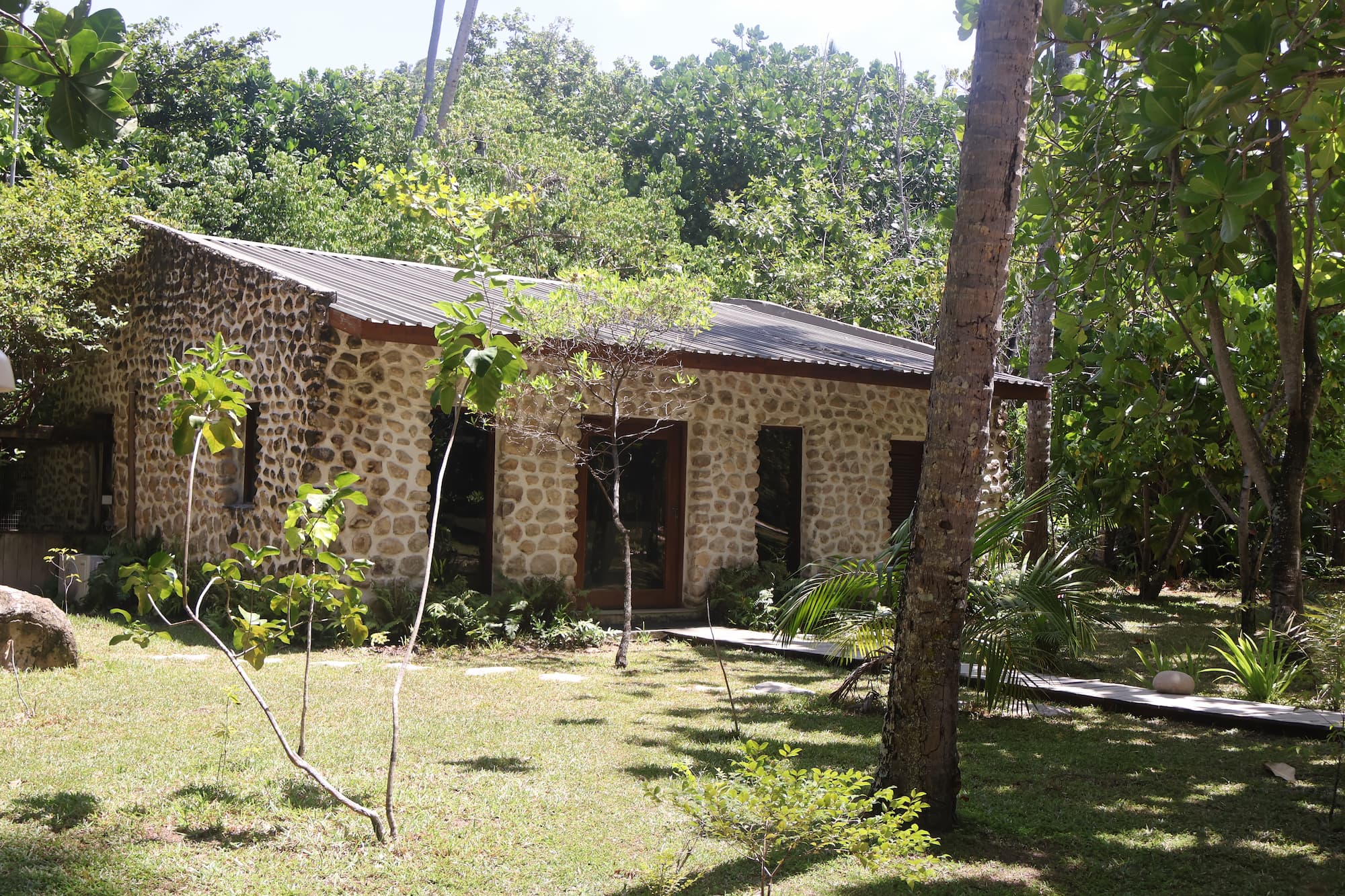
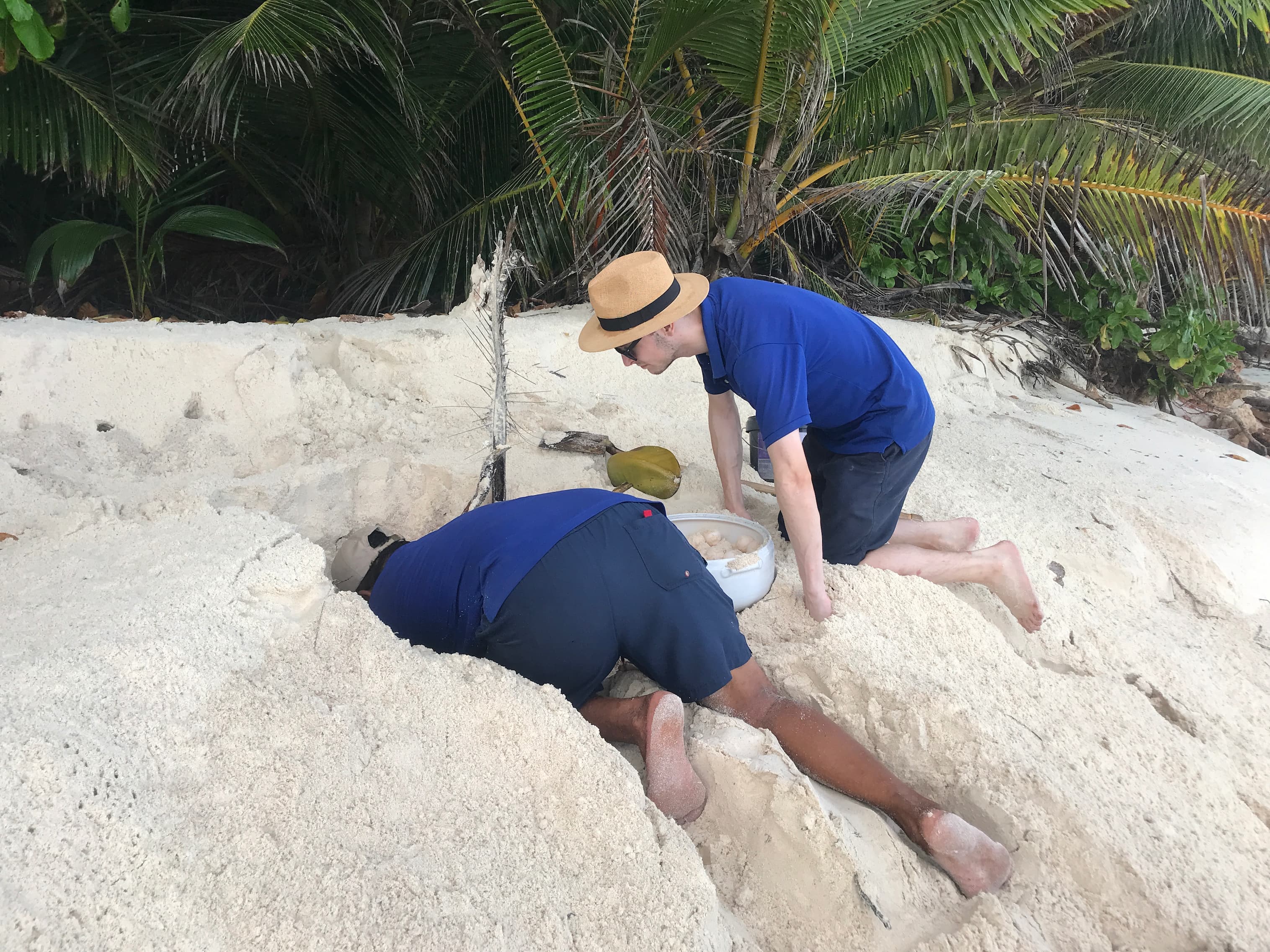
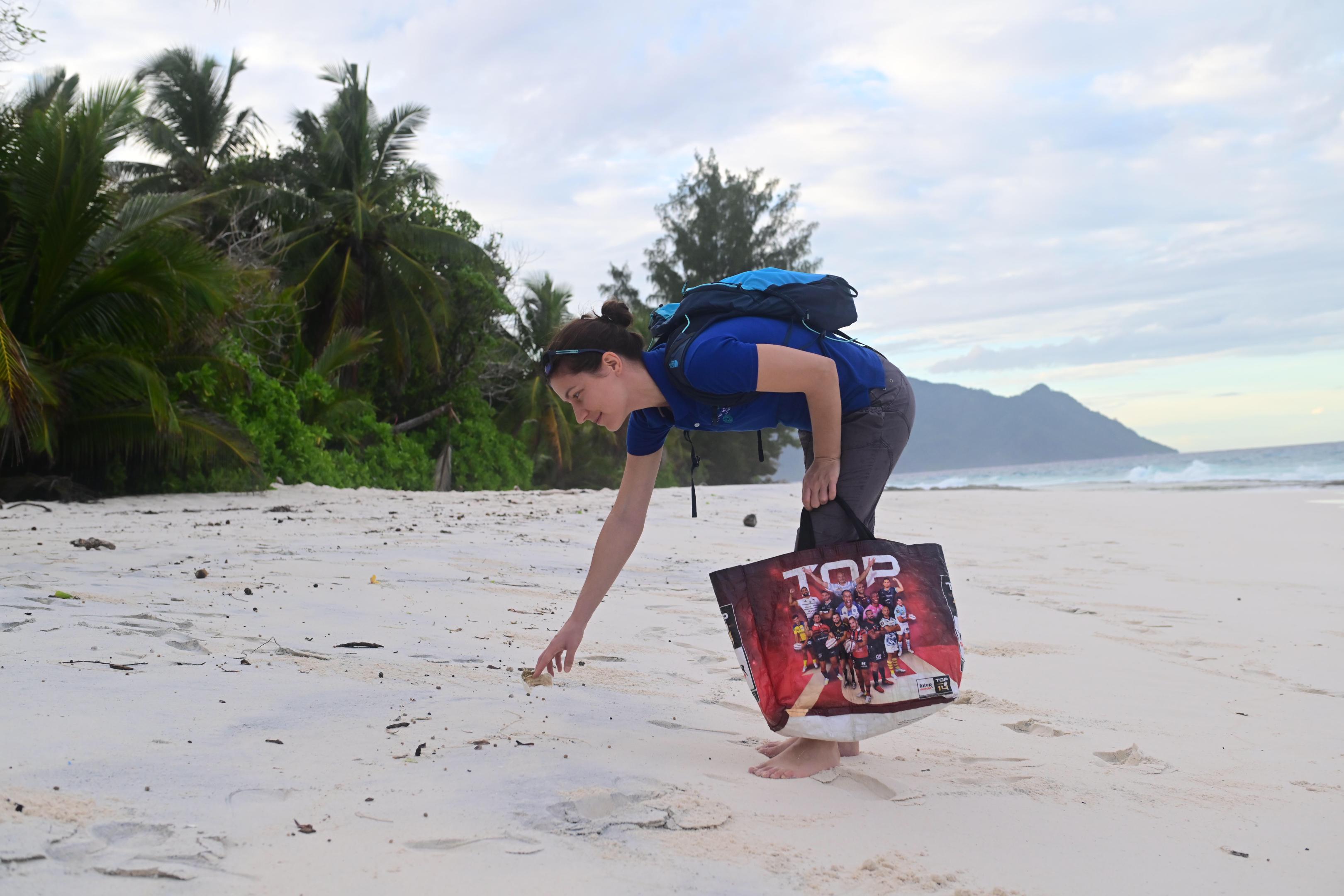
Work on the island is led by the Environmental Team and supported through sustained monitoring, habitat rehabilitation, and ethical conservation support. Wildlife ACT contributes by providing structured monitoring support and conservation capacity through its Marine and Coastal Conservation programme. Trained ecotourists assist with habitat assessments, shoreline condition monitoring, beach profiling, and data collection under professional supervision.
Restoration activities are informed by baseline assessments of vegetation cover, shoreline stability, erosion patterns, and nearshore marine conditions. Ongoing monitoring allows conservation teams to understand how land-based restoration influences marine habitats over time, supporting adaptive management in response to climate variability.
How Science-Led Monitoring Guides Restoration on North Island
Marine habitat restoration on North Island follows science-led principles that prioritise ecological function, site-specific conditions, and long-term monitoring. Baseline assessments inform where intervention is appropriate and how restoration should be implemented.
Rather than applying uniform solutions, restoration approaches are tailored to specific habitats. In coastal zones, this includes the re-establishment of native vegetation to stabilise soils and reduce sediment runoff. In adjacent marine areas, monitoring focuses on indicators such as water clarity, sediment deposition, and habitat structure to understand how terrestrial restoration influences marine systems.
Wildlife ACT supports these science-led approaches by contributing consistent monitoring and data recording. Through the Marine and Coastal Conservation programme, ecotourists assist with observation, habitat assessments, and data collection under professional supervision, helping maintain long-term datasets essential for evaluating restoration effectiveness and ecosystem resilience.
Wildlife ACT’s Role in Supporting Restoration and Monitoring
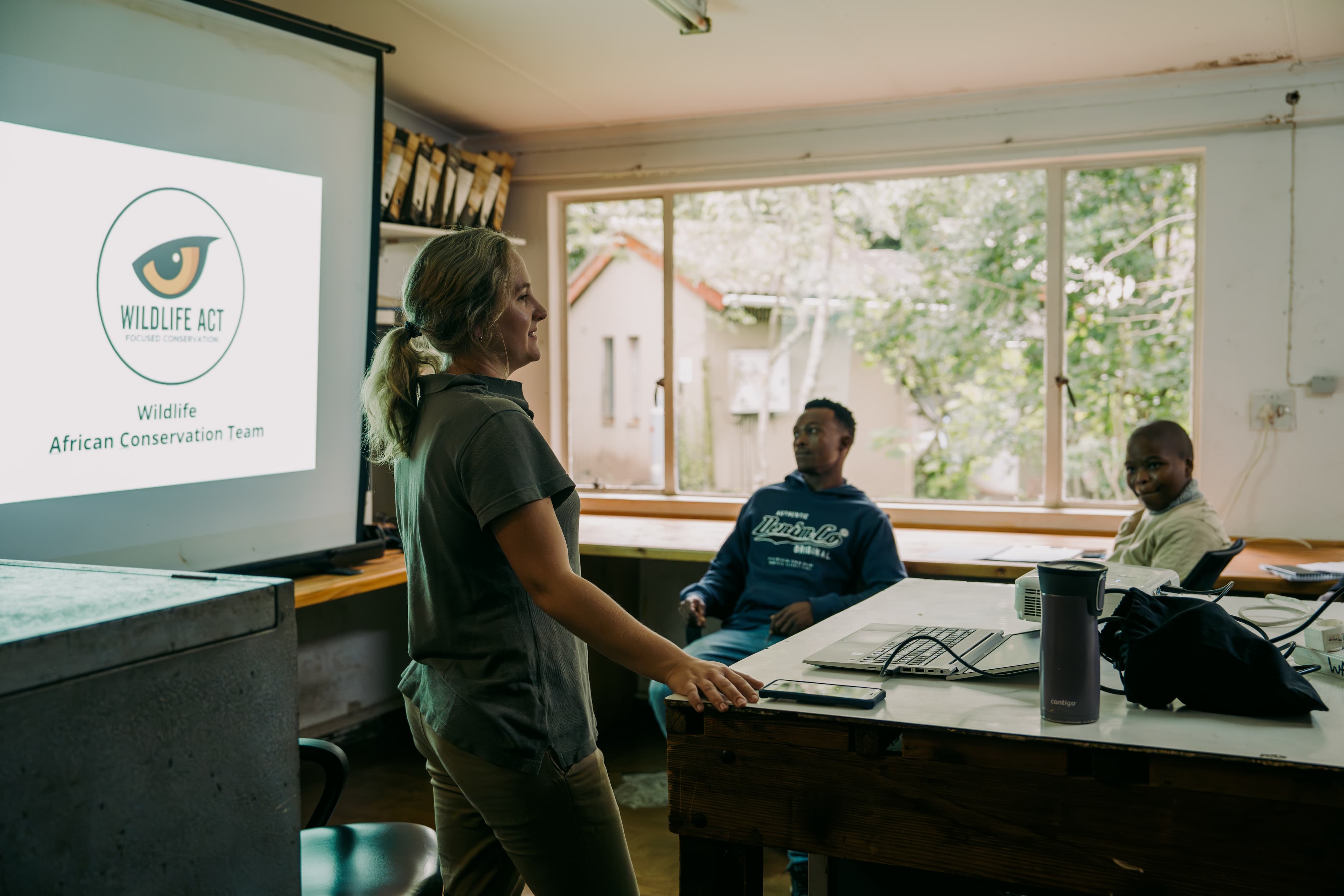
Wildlife ACT’s role on North Island is to strengthen conservation continuity rather than direct environmental management decisions. The organisation works alongside North Island’s Environmental Team to support consistent monitoring, ethical conservation practice, and long-term data collection.
Through the Marine and Coastal Conservation programme, Wildlife ACT provides dedicated ecotourists who contribute to habitat assessments, shoreline monitoring, marine debris data collection, and ecological observation. This sustained field presence supports long-term datasets that are critical for understanding ecosystem response to climate pressure.
Long-term monitoring is particularly important in island systems, where short-term change may not reflect long-term stability. Wildlife ACT’s contribution helps ensure conservation decisions are informed by evidence rather than reaction.
What Climate-Resilient Conservation Looks Like on Small Islands
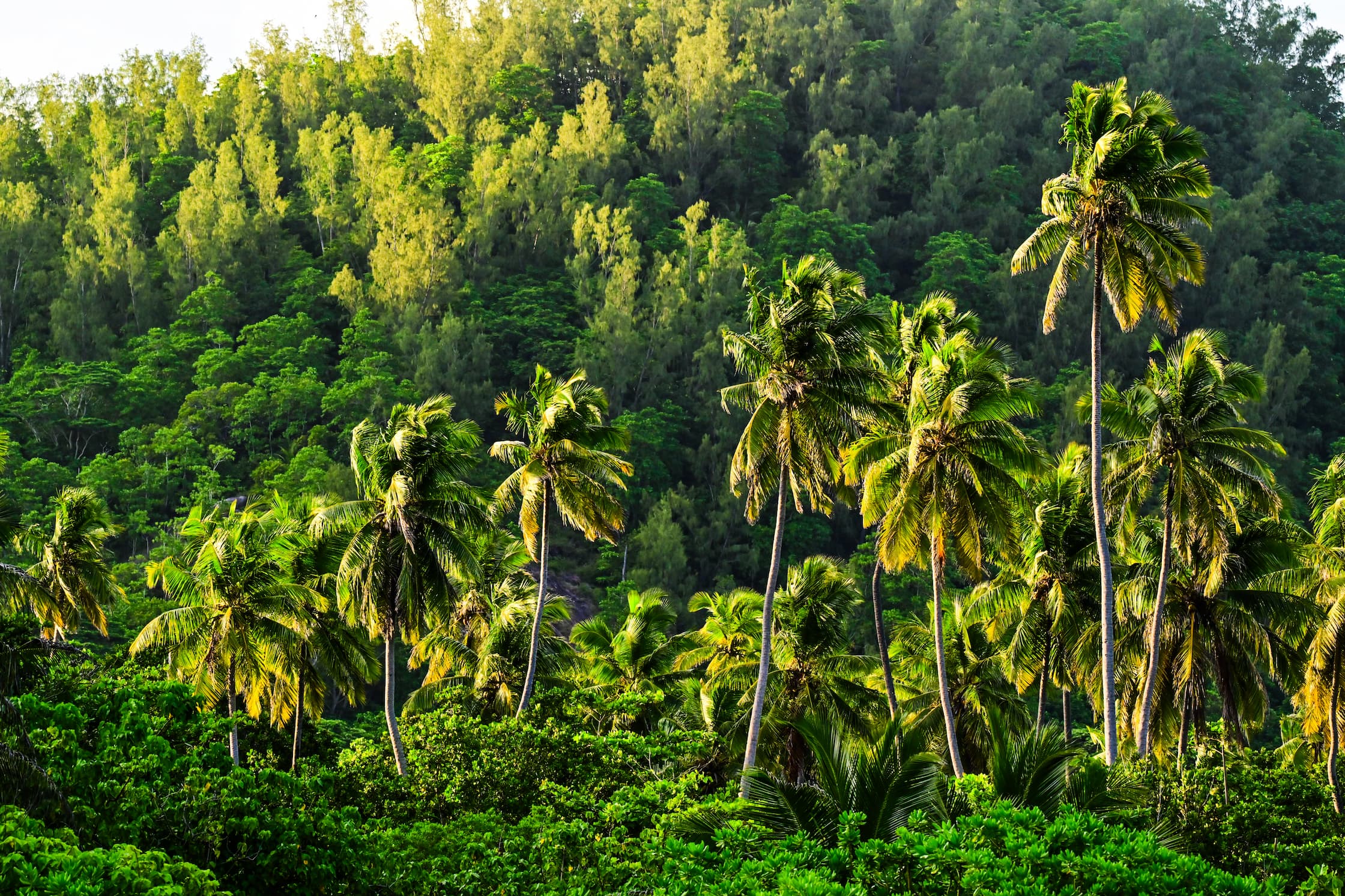
Climate-resilient conservation on islands is defined by integration, consistency, and evidence rather than short-term success or visible intervention. Resilience is built through coordinated management of land, coastal, and marine environments, recognising that disruption in one area can rapidly affect the entire system.
On North Island, resilience indicators include shoreline stability, vegetation establishment and survival, erosion trends, and changes in nearshore marine conditions such as sedimentation and water clarity. Tracking these indicators over time allows conservation teams to assess whether restored habitats continue to function under climate stress (IUCN, 2020).
Wildlife ACT supports this monitoring effort through long-term data collection and field presence, enabling early detection of change and adaptive management within the Noah’s Ark framework.
The Role of Ethical Conservation Support in Long-Term Habitat Restoration
Marine habitat restoration depends on long-term commitment, professional oversight, and ethical conservation support. On North Island, restoration is not driven by short-term projects or isolated interventions, but by sustained environmental management embedded within the Noah’s Ark Project.
Wildlife ACT contributes to this work through its Marine and Coastal Conservation programme by supporting monitoring continuity and conservation capacity alongside North Island’s Environmental Team. Ecotourists operate within clearly defined roles and do not design restoration strategies or direct environmental management decisions. Instead, they support professional teams through structured monitoring and data recording.
This approach aligns with international guidance on ecosystem-based adaptation, which emphasises governance, long-term monitoring, and stewardship as foundations for climate resilience (IUCN, 2020).
Marine Habitat Restoration as a Climate Resilience Strategy for the Seychelles
Marine habitat restoration on North Island demonstrates how climate resilience can be built through integrated land, coastal, and marine management. By restoring native vegetation, stabilising shorelines, and maintaining long-term monitoring, the Noah’s Ark Project strengthens ecosystem function across interconnected systems.
Wildlife ACT supports this strategy through its Marine and Coastal Conservation programme by contributing ethical conservation support, monitoring continuity, and conservation capacity that enable restoration to persist over time. This model recognises that climate resilience cannot be achieved through isolated actions or short-term solutions, but through sustained effort and adaptive management informed by evidence.
Together, these actions demonstrate how marine habitat restoration on North Island, Seychelles functions as a practical, evidence-based climate resilience strategy at an island scale.
Frequently Asked Questions About Marine Habitat Restoration and Climate Resilience
What is marine habitat restoration on North Island, Seychelles
Marine habitat restoration on North Island focuses on strengthening the natural systems that support coastal and marine ecosystems, rather than rebuilding habitats in isolation. This includes restoring native coastal vegetation, stabilising shorelines, reducing land-based sediment runoff, and monitoring nearshore marine conditions. All marine restoration work on the island is embedded within the Noah’s Ark Project, which takes a whole-island, ridge-to-reef approach to ecosystem recovery.
How does the Noah’s Ark Project support marine habitat restoration
The Noah’s Ark Project supports marine habitat restoration by restoring terrestrial and coastal ecosystems that directly influence marine health. By removing invasive species, re-establishing native vegetation, and rehabilitating wetlands and coastal zones, the project reduces erosion and sediment flow into marine environments. These land-based actions improve water quality, protect nesting beaches, and support healthier lagoons and reef systems over time.
Why is land restoration important for marine ecosystems on small islands
On small islands like North Island, land and marine ecosystems are closely connected through water flow and sediment movement. Degraded land increases erosion, which can smother corals, reduce water clarity, and weaken marine ecosystem resilience. Restoring native vegetation stabilises soils and reduces runoff, protecting nearshore marine habitats from climate-driven stress and disturbance.
How does marine habitat restoration help protect turtle nesting beaches
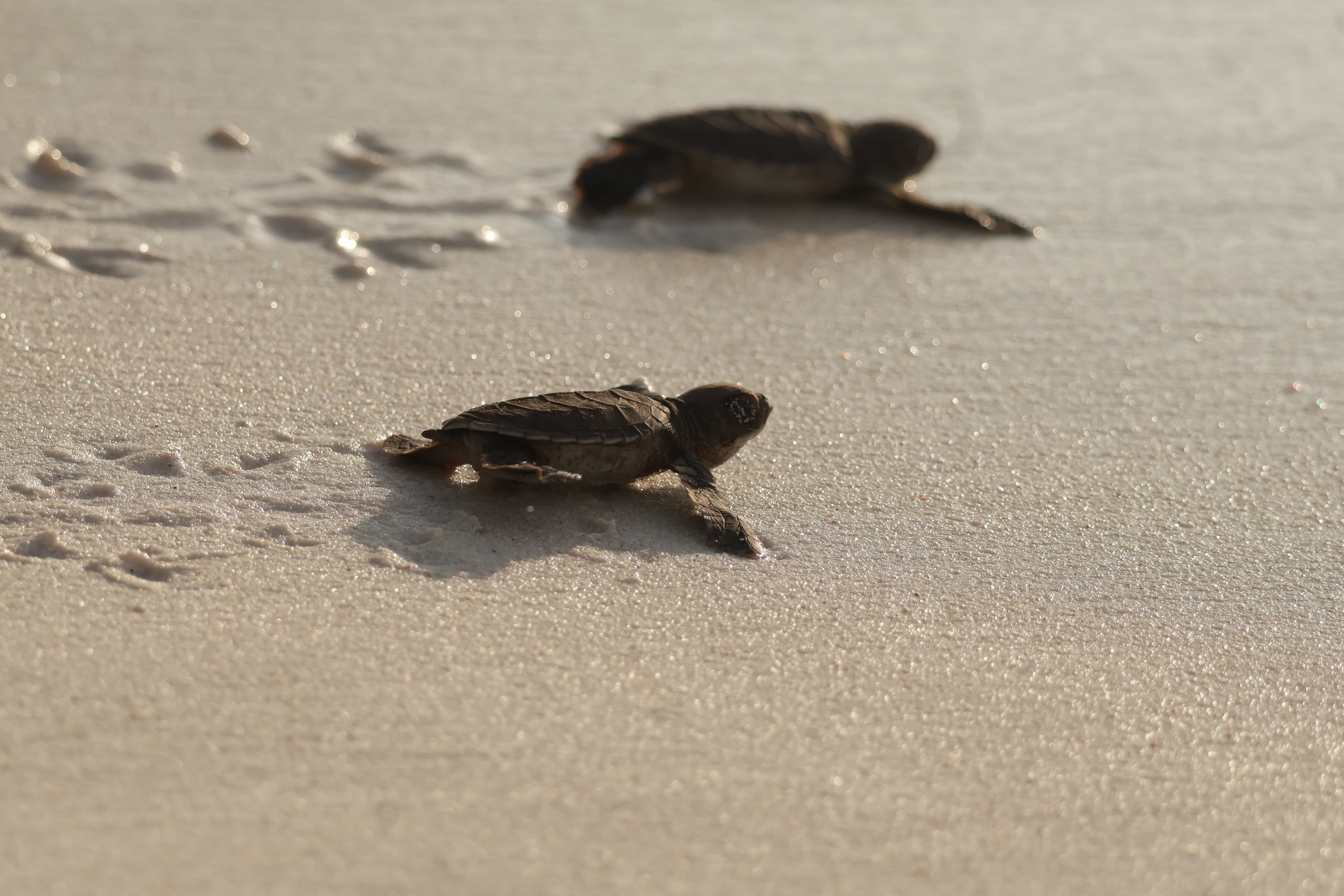
Marine habitat restoration helps protect turtle nesting beaches by stabilising shorelines and maintaining natural beach profiles. Healthy coastal vegetation reduces erosion and buffers beaches from storm surge and wave energy. On North Island, these processes support suitable nesting conditions for species such as Hawksbill Sea Turtles and Green Turtles, linking terrestrial restoration directly to marine species conservation.
What role does Wildlife ACT play in marine habitat restoration on North Island
Wildlife ACT supports marine habitat restoration through its Marine and Coastal Conservation programme by strengthening monitoring continuity and conservation capacity on North Island. Wildlife ACT works alongside the island’s Environmental Team to support long-term data collection, shoreline monitoring, habitat assessments, and ethical conservation support. This sustained presence helps ensure restoration outcomes are tracked and adapted over time.
How is climate change affecting marine and coastal ecosystems in the Seychelles
Climate change is increasing sea levels, storm intensity, and erosion across the Seychelles, placing pressure on coastal and marine ecosystems. These changes affect beaches, wetlands, and nearshore marine habitats, reducing their ability to recover from disturbance. On small islands, these impacts are amplified, making integrated land and marine restoration essential for long-term resilience.
What does climate-resilient conservation look like on small islands
Climate-resilient conservation on small islands focuses on maintaining ecosystem function over time. On North Island, this is achieved through integrated land, coastal, and marine management under the Noah’s Ark Project, supported by long-term monitoring and adaptive management.
How does ethical conservation support contribute to long-term restoration
Ethical conservation support ensures that restoration work is guided by science, professional oversight, and long-term commitment. On North Island, Wildlife ACT ecotourists support monitoring and data collection under supervision, rather than directing restoration activities. This model strengthens conservation outcomes without compromising ecological integrity or scientific standards.
Why is long-term monitoring essential for marine habitat restoration
Marine and coastal ecosystems respond slowly to restoration and climate pressure. Short-term observations may not reflect long-term stability or resilience. Long-term monitoring allows conservation teams to track trends in shoreline stability, vegetation recovery, and marine conditions, supporting adaptive management and evidence-based decision-making.
How does marine habitat restoration support climate change resilience in the Seychelles
Marine habitat restoration on North Island focuses on strengthening the natural systems that support coastal and marine ecosystems. This includes restoring native coastal vegetation, stabilising shorelines, reducing sediment runoff, and monitoring nearshore marine conditions. All restoration work is embedded within the Noah’s Ark Project, which follows a whole-island, ridge-to-reef approach.
Reference List
International Union for Conservation of Nature (IUCN). Ecosystem-based Adaptation: Strengthening Coastal Resilience. Gland: IUCN, 2020. Available at: https://www.iucn.org/resources/publication/ecosystem-based-adaptation-strengthening-coastal-resilience
International Union for Conservation of Nature (IUCN). Climate Change and Biodiversity in Small Island States. Gland: IUCN, 2022. Available at: https://www.iucn.org/resources/issues-brief/climate-change-and-biodiversity-small-island-states
Intergovernmental Science-Policy Platform on Biodiversity and Ecosystem Services (IPBES). Global Assessment Report on Biodiversity and Ecosystem Services. Bonn: IPBES Secretariat, 2019. Available at: https://ipbes.net/global-assessment
United Nations Environment Programme (UNEP). Ecosystem-based Adaptation – Climate Action. Nairobi: UNEP. Available at: https://www.unep.org/topics/climate-action/adaptation/ecosystem-based-adaptation
United Nations Development Programme (UNDP). Ecosystem-based Adaptation to Climate Change in Seychelles. UNDP, 2014-2022. Available at: https://www.undp.org/mauritius-seychelles/projects/ecosystem-based-adaptation-climate-change-seychelles
Wildlife ACT. Marine and Coastal Conservation Programme: North Island, Seychelles. Internal programme documentation, 2024. (Organisation site): https://www.wildlifeact.com
North Island Seychelles. Environmental Management Plan and Noah’s Ark Project Framework. North Island, Seychelles, 2025. Available at: https://www.north-island.com/conservation
.jpeg)


.jpg)
