

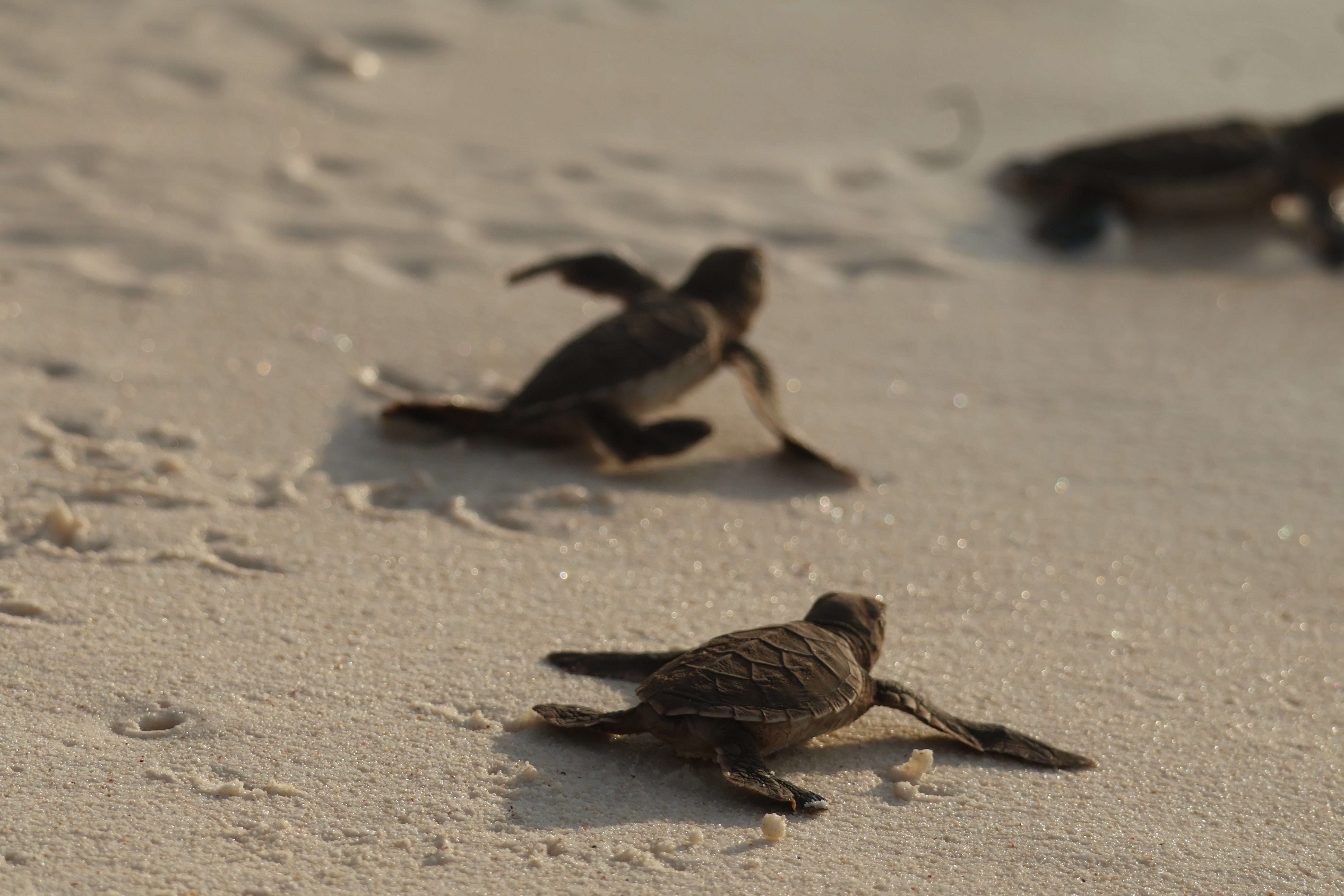
Join Wildlife ACT's Marine Conservation Volunteer team in Seychelles. Monitor endangered sea turtles and restore marine habitats for real, measurable conservation impact.
The Seychelles: A Fragile Global Biodiversity Hotspot
The Seychelles archipelago is undeniably more than a tropical postcard destination. It represents a fragile, globally significant marine biodiversity hotspot (Ministry of Agriculture, Climate Change and Environment, 2025). Its vast oceanic territory spans an enormous 1.3 million square kilometres. This immense size gives rise to a range of critical and complex marine habitats. This territory contains vital ecosystems, including expansive, temperature-sensitive coral reefs, highly productive seagrass meadows, deep-sea channels, and rich intertidal zones (GEF, 2020). The stability of the entire region’s ecology is tethered to the health of these Seychelles habitats.
Yet, these vital ecosystems face mounting and immediate threats that demand urgent intervention. Climate change and coastal erosion pose a significant, existential risk to the stability of the low-lying coral islands and the functionality of coastal infrastructure (IPCC, 2022). Furthermore, the proliferation of invasive species and persistent, micro-plastic marine pollution compound these severe ecological challenges, reducing the natural resilience of the whole system (CEPF, 2025). Urgent, dedicated, on-the-ground conservation is not optional; it is fundamentally required to protect this island paradise before critical ecological thresholds are irreparably crossed.
Prepare for Your Marine Conservation Journey
Choosing to join Wildlife ACT’s Marine Conservation Volunteering on North Island, Seychelles, is a step into something genuinely meaningful. This program blends the experiential nature of your trip with essential conservation objectives.
To help you prepare for this purpose-driven journey, we've created the Wildlife ACT's Seychelles Volunteer Preparation and Packing Guide
By preparing well before you travel, you give yourself the space to focus fully on the work and the experience. This guide walks you through the practical steps leading up to your arrival. With these details in place, you will be ready to step into the field confident, prepared, and open to the life-changing work that awaits! You are directly contributing to the protection of Sea Turtles and the long-term sustainability of North Island’s ecosystem.
Wildlife ACT works in close partnership with North Island management to implement the Noah’s Ark Conservation Project. This unique, long-term, science-led initiative is meticulously dedicated to rehabilitating and restoring an entire island ecosystem. The goal is to create a secure, pristine sanctuary where endemic and Endangered and Priority Species and native flora can not only survive but thrive without human interference. This large-scale restoration effort serves as a critical model for island conservation globally.
Wildlife ACT marine conservation volunteers join North Island’s passionate Environmental Team, contributing to this vital work. This sea turtle conservation volunteer programme is designed for maximum conservation impact, providing essential, reliable field capacity and crucial operational funding (Wildlife ACT, 2024). Your hands-on involvement directly supports endangered sea-turtle Monitoring and extensive marine habitat restoration. This is not recreational travel or tourism. This is real, hands-on conservation in action, delivering quantifiable, measurable results for species recovery.
Why the Seychelles Islands are Critical for Global Marine Biodiversity

The conservation work undertaken in the Seychelles is not just locally essential; it is strategically significant for the entire Western Indian Ocean basin. These specific vital ecosystems serve as a global ecological anchor, safeguarding species that are severely threatened globally and acting as crucial ecological refuge against widespread environmental decline. Your commitment to ocean conservation directly serves this larger ecological goal, having a tangible, positive impact on regional biodiversity health and stability. The success of North Island contributes to the long-term conservation outlook for the entire Indian Ocean region.
Dive deeper into your North Island, Seychelles Ecotourist experience with this essential Fact Sheet.
By joining this project, you’re directly contributing to the protection of Sea Turtles and the long-term sustainability of North Island’s ecosystem.
An Archipelago of Endemic Life
The Seychelles forms an irreplaceable and vital component of the Madagascar and West Indian Ocean Biodiversity Hotspot. This region is internationally recognised for its irreplaceable natural heritage, a treasure shaped by its unique geological formation and prolonged evolutionary isolation (Ministry of Agriculture, Climate Change and Environment, 2025). The islands are characterised by exceptional and complex marine biodiversity, including over 1,000 recorded species of fish and approximately 300 species of scleractinian corals.
The Seychelles’ geographic isolation has given rise to a notably high degree of endemism, with many plant and animal species found nowhere else on Earth. Endangered and Priority Species here include the Critically Endangered Hawksbill Sea Turtle and the Green Sea Turtle (Wildlife ACT, 2024), both of which rely on the islands’ beaches and nearshore waters for nesting and foraging. Coastal habitats and the surrounding ocean also support a rich diversity of reef-associated life, including a small number of marine fish species that are endemic to Seychelles waters, and the iconic Aldabra Giant Tortoise (North Island, 2025). Protecting these foundational, unique species ensures the stability and longevity of the entire island ecology and its genetic lineage.
The Noah’s Ark Project focuses on the unique tropical island ecology of North Island. North Island is a critical habit for species recovery and population growth, and is therefore intensively managed by a team of trained professionals. This is particularly important given the threats faced by both turtle species.

Marine and Coastal Conservation Threats
Despite the protected status of many of Seychelles’ islands, and the need for rehabilitation of several others, identified by scientists in the 1990s, the marine and coastal areas face severe and escalating pressure. Climate change represents a primary and ongoing challenge, specifically through the devastating impacts of rising sea surface temperatures. Warming seas lead directly to catastrophic coral bleaching events, fundamentally threatening the delicate reef ecosystems that provide food, essential shelter, and breeding grounds to countless marine species (CEPF, 2025). The destruction of reefs has cascading ecological consequences.
Plastics and persistent marine debris frequently wash ashore from distant ocean currents, polluting crucial turtle nesting beaches and threatening marine life through entanglement and ingestion (North Island, 2025). Furthermore, centuries of historical habitat degradation resulting from former agricultural plantation activities have profoundly reduced the natural resilience of coastal wetlands, mangroves, and native forests (North Island, 2025). The long-term loss of these protective, indigenous features makes the coastline acutely vulnerable to severe weather events and escalating sea-level rise.
Proactive, interventionist habitat protection is therefore essential for long-term survival. Conservation efforts must actively build ecosystem resilience through meticulous restoration to withstand these severe, compounding threats. Your work as a volunteer will contribute directly to this critical, long-term defense of the marine environment and coastal stability, improving the outlook for countless species.
North Island: The ‘Noah’s Ark’ of Coastal Restoration
North Island: A Sanctuary for Species Recovery
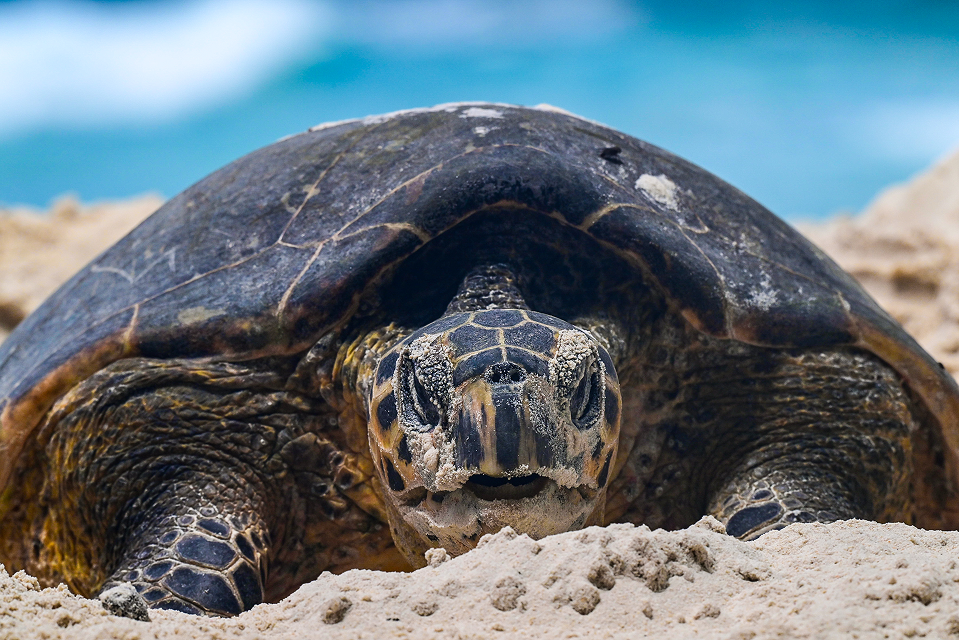
North Island serves as the exclusive, dedicated field site for Wildlife ACT’s Marine and Coastal Conservation programme. The conservation strategy undertaken by Wildlife ACT in partnership with North Island management, known as the Noah’s Ark Project, is well regarded for its long-term, science-led restoration approach. The explicit mission is to systematically reverse centuries of human-induced habitat degradation, returning the island as closely as possible to its pristine ecological state through comprehensive ecological restoration and strategic species reintroduction. (North Island, 2025).
The first and most critical major steps involved the successful eradication of aggressive invasive species. This included rats, which were introduced after a Portuguese shipwreck in 1784, as well as feral cats, and all former livestock from when the island was used as a coconut plantation from 1826 to 1976. The alien plants and animals introduced during this time were devastating to native bird and reptile populations (North Island, 2025). This critical removal established a safe, ecologically stable, and resilient foundation for native wildlife to return and flourish. The project then strategically and systematically reintroduced endangered Seychelles fauna and flora, including key endemic bird species like the Seychelles White-eye.
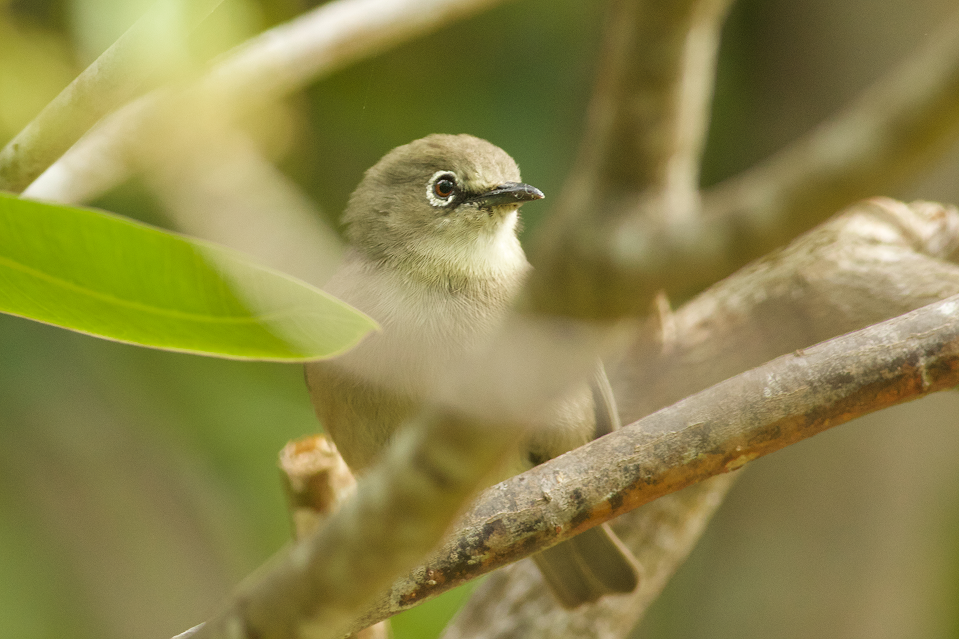
The result is a thriving sanctuary, demonstrating measurable ecological recovery on both land and sea. North Island now functions as a crucial sanctuary for species recovery and population growth, particularly for nesting marine turtles. Marine conservation volunteers are key participants in maintaining this ongoing success, ensuring rigorous bio-security measures prevent any return of invasive species.
How North Island’s Land and Ocean Health Are Connected
The Noah’s Ark project operates with a holistic perspective, actively bridging and connecting the conservation work between land and ocean health. Coastal restoration tasks executed by marine conservation volunteers directly support the long-term preservation of critical marine life (Wildlife ACT, 2024). This is a fundamental concept of island ecology. For example, diligently removing aggressive alien vegetation, like dense coconut palms, opens up, cleans, and helps stabilise the vital sea turtle nesting beaches that require open sand (North Island, 2025).
Marine conservation volunteers nurture and plant thousands of indigenous trees and palms grown meticulously from seed in the island’s dedicated nursery. This strategic habitat restoration strengthens the coastal zone's natural resilience against erosion and the increasing impact of rising sea-level impacts (North Island, 2025). The dense, native root systems of these re-established plants stabilise the sand and soil. This holistic land-to-sea approach ensures the comprehensive conservation of the whole island ecosystem, from the highest granite peaks to the surrounding fringing reefs.
This long-term, highly ethical commitment to ecological integrity has earned global recognition for the quality and sustainability of its work. North Island was the recipient of the prestigious 2017 National Geographic World Legacy Award for Conserving the Natural World (National Geographic, 2017). This prestigious award validates the integrity and significant, measurable impact of the marine habitat restoration and conservation model.
Discover the North Island, Seychelles Marine Conservation Volunteering Project through this detailed overview of the marine and island conservation work.
By joining this project, you're directly contributing to the protection of Hawksbill and Green Turtles and the long-term sustainability of North Island’s ecosystem. This program, designed for purpose-driven travellers, blends a structured, guided experience with real conservation contribution
Core Pillars of Marine and Coastal Conservation
Science-Led Action: What Conservationists Do on the Ground
Marine conservation volunteering on North Island means contributing to professional, science-led action every day. Your hands-on tasks generate the accurate, consistent, and long-term data needed for essential conservation management decisions (Wildlife ACT, 2024.). This meticulous, purpose-driven work is essential to achieving long-term ecological stability and demonstrating conservation efficacy to partners and authorities.
Endangered Sea Turtle Monitoring and Protection
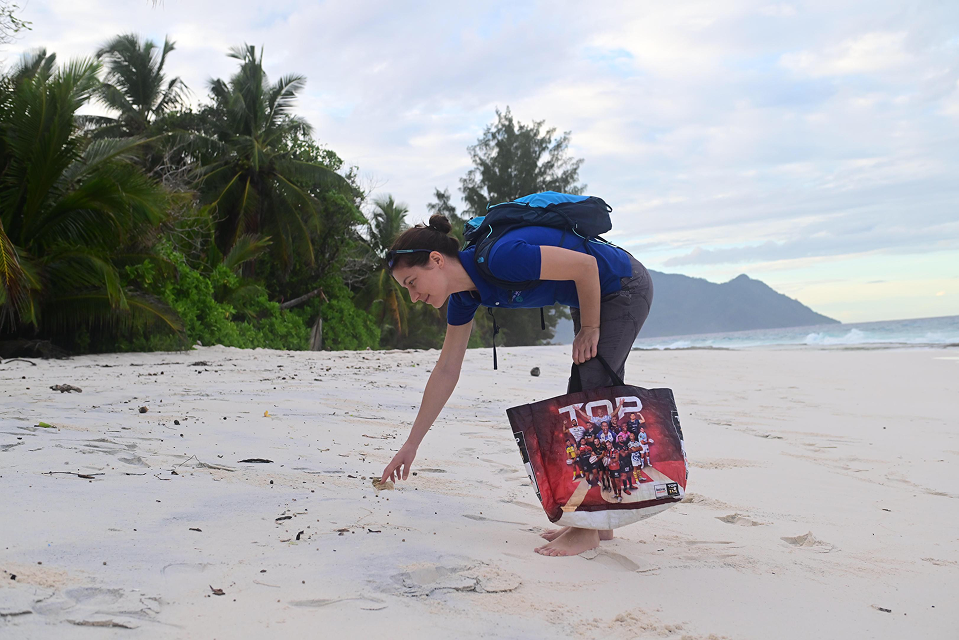
Hawksbill Sea Turtles and Green Turtles represent the core focus of the coastal Monitoring work. Your shift starts before dawn with early morning beach patrols to systematically search for new tracks and identify any nesting activity (Wildlife ACT, 2024).
The Hawksbill Sea Turtle (Eretmochelys imbricata) is classified as Critically Endangered globally, making its protection an absolute top priority for the North Island team. The urgency of protecting the Hawksbill Sea Turtle’s endangered population is paramount. They are distinct due to their narrow, pointed beak and ornate shell, which sadly made them a historic target for the tortoiseshell trade. Hawksbill Sea Turtle’s primarily feed on sponges found around coral reefs, making their population health a direct indicator of reef health.
The Seychelles is one of the few places in the world where Hawksbill Sea Turtle’s commonly nest during the day. This unusual diurnal nesting behaviour makes the morning beach patrols essential to ensure their safety and track every nesting event accurately. Protecting the sensitive Hawksbill Sea Turtle’s habitat is essential. When a Hawksbill Sea Turtle is encountered, sea turtle volunteers assist under supervision with accurate carapace measuring and recording data.
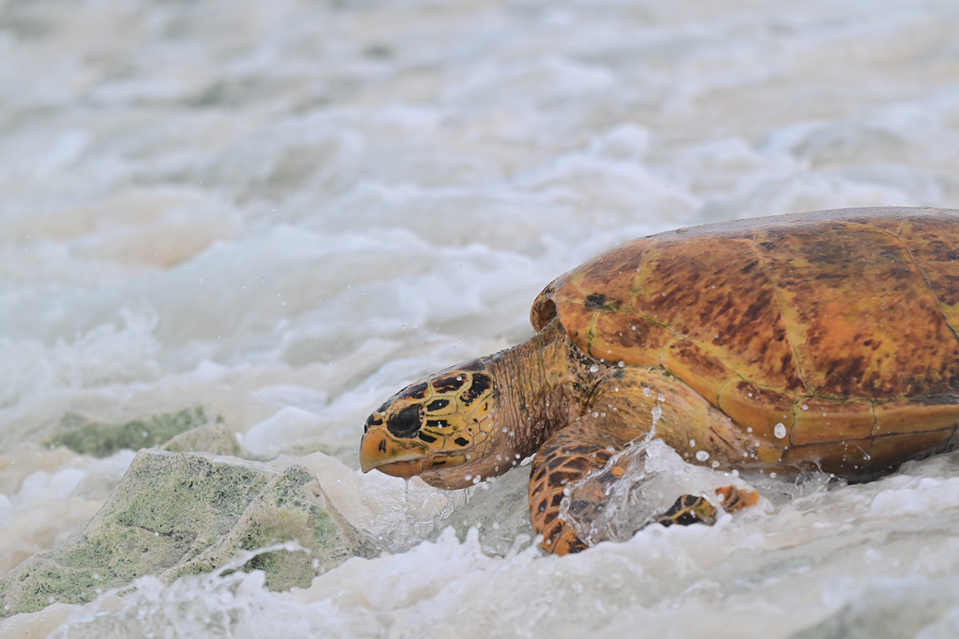
The Green Sea Turtle
The Green Sea Turtle (Chelonia mydas) is equally vital to the North Island project. These large, herbivorous Green Sea Turtles are primarily known for grazing on seagrass meadows in shallow coastal waters. By maintaining these seagrass beds, the Green Sea Turtles support a host of other marine life and contribute to coastal ecosystem stability. North Island is a significant nesting sanctuary for this species in the inner Seychelles archipelago (North Island, 2025).
Monitoring for Green Sea Turtles involves the same rigorous early morning patrols and data collection. The project generates long-term records of their nesting success. Protecting the nesting beaches and the surrounding marine habitats directly contributes to the global recovery efforts for this species. Marine volunteers play a critical role in documenting the movements of these iconic, ancient mariners.
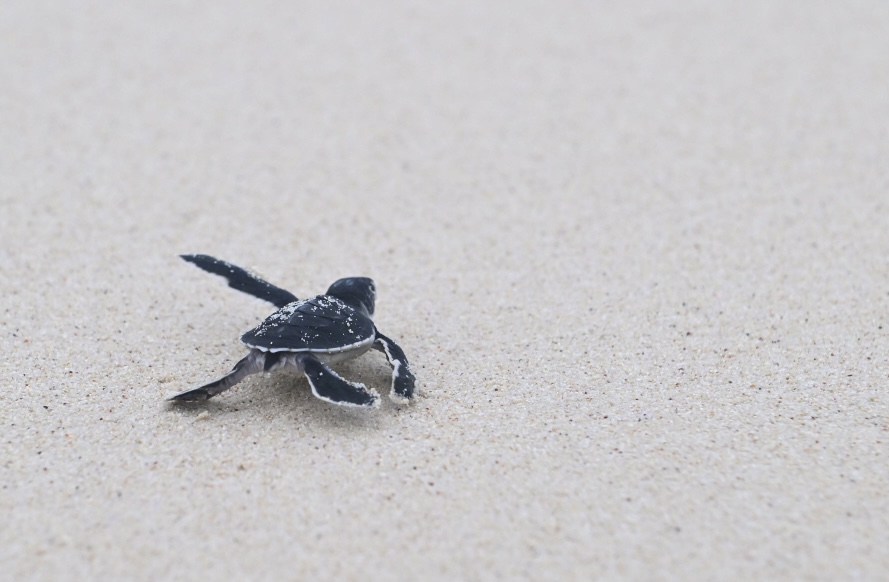
Discover the key distinctions between two of the ocean's most vital species with this quick Spot the Differences: Hawksbill Sea Turtle vs Green Sea Turtle guide.
Wildlife ACT's Marine Conservation Project on North Island, Seychelles, focuses on the monitoring and protection of nesting Hawksbill and Green Turtles. By joining the project, ecotourists are directly contributing to the long-term sustainability of the island's ecosystem.
Methodology and Data Application
When a nesting individual of either species is encountered, the team meticulously identifies the turtle using existing flipper tag numbers or photographic records of scute patterns. This process provides critical data on population size, reproductive success, and long-term site fidelity (Wildlife ACT, 2024).
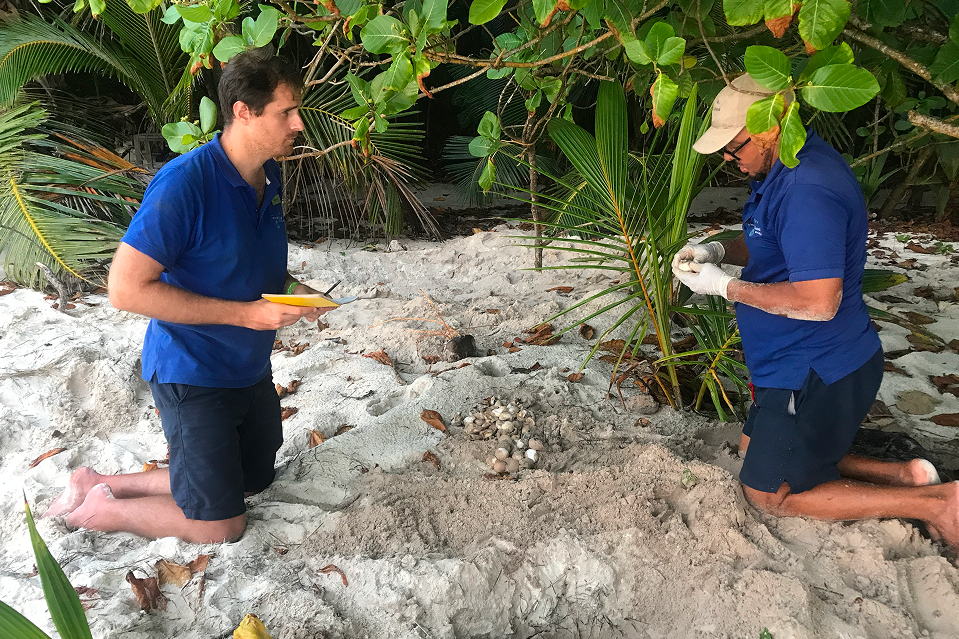
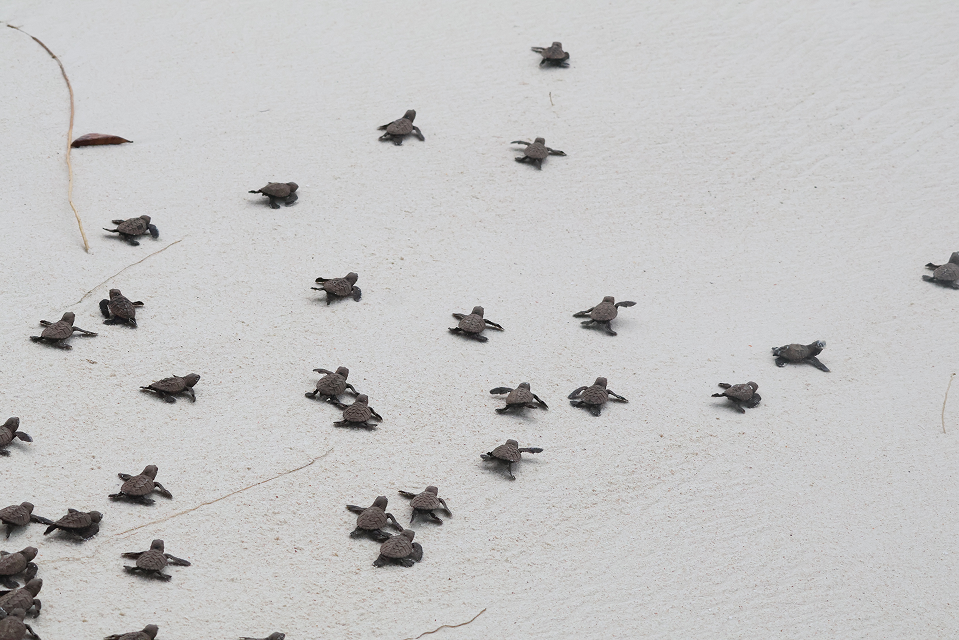
Data collection is a continuous process that extends for weeks after nesting. Field teams perform nest excavations to count shell fragments and determine the clutch’s hatching success rate. This meticulous process generates crucial data on hatchling survival, informs regional population estimates, and helps identify localised threats to the young.
Coastal Habitat Restoration
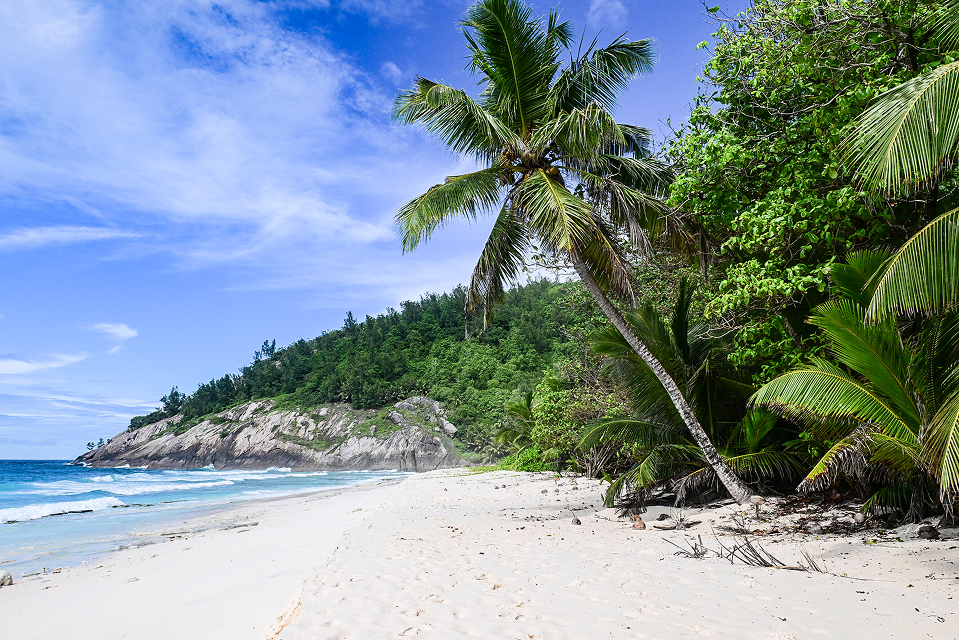
Protecting the ocean fundamentally requires restoring the land that borders it. Land-based tasks are absolutely essential for maintaining healthy nesting beaches and filtering runoff, preventing pollutants from reaching the sensitive coral reefs. Volunteers actively manage the island’s endemic vegetation and landscape across all zones (Wildlife ACT, 2024).
Core tasks include the careful and continuous removal of invasive species, such as aggressive coconut seedlings, that displace native plants and destabilise the dune systems (Wildlife ACT, 2024). They also cultivate and propagate new plants from seed in the dedicated island nursery. Planting indigenous and endemic trees in rehabilitated areas builds strong, natural coastal resilience, improves soil health, and provides essential habitat for endemic birds (North Island, 2025). Volunteers also participate in marsh and wetland restoration during the dry season to restore these vital, natural water filtration systems and prevent stagnation (Wildlife ACT, 2024).

Beach Patrols and Nest Protection
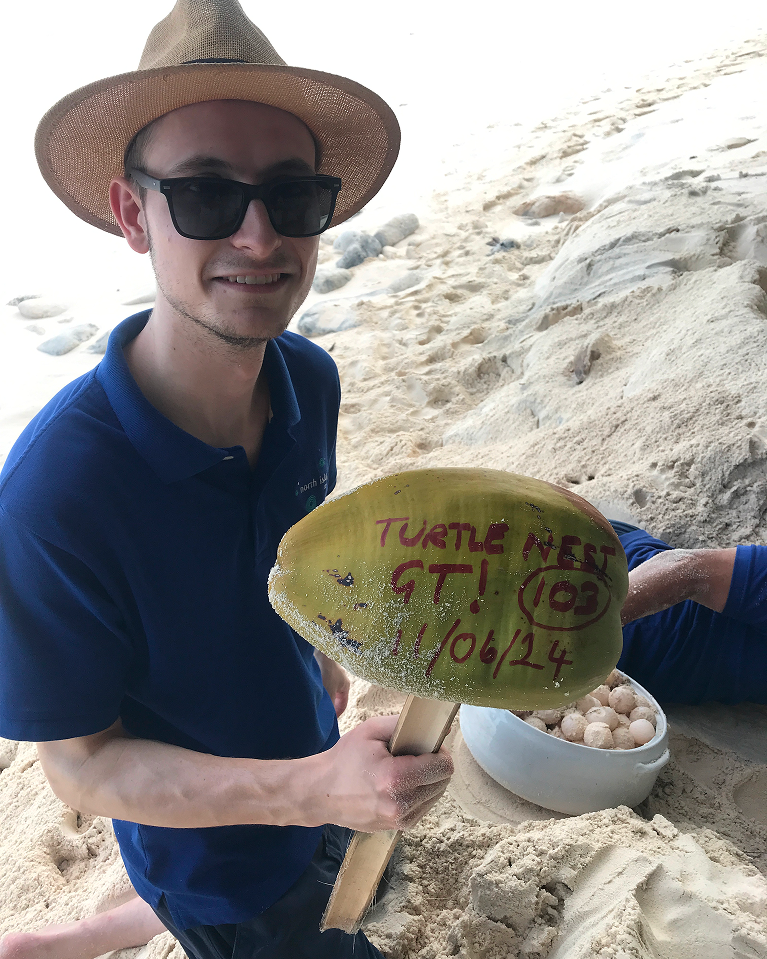
Crucial to the conservation of sea turtles is the daily monitoring of nesting beaches. Sea turtle volunteers begin patrols at dawn to identify new tracks, which indicate a female has emerged from the ocean to nest. We differentiate between an "attempt" (where the turtle returns to the sea without laying) and a "nesting event" (where eggs are deposited). Identifying the location of the eggs is vital for protection and monitoring.
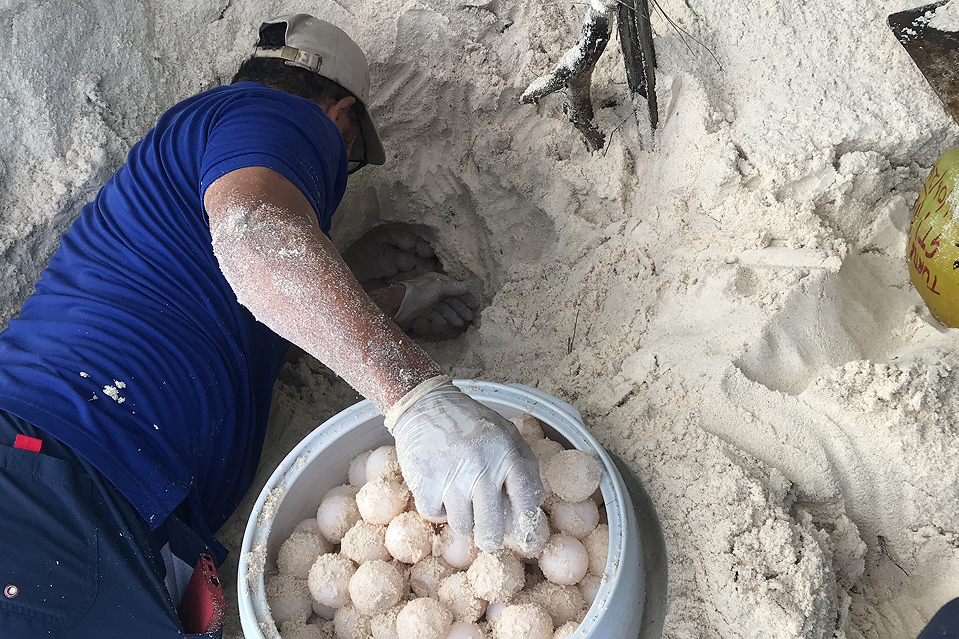
If a successful nest is located, the team assesses its vulnerability. Nests may be vulnerable if they are too close to the high-tide line (risking inundation) or in high-traffic areas. When a nest is deemed vulnerable, the team may decide to undertake a nest relocation under strict supervision. This delicate procedure involves carefully excavating the eggs and moving them to a safer, more stable location higher up the beach. This proactive measure significantly increases the chances of successful hatching and enhances overall nest survival, directly contributing to the recovery of these Endangered and Priority Species.
What We Monitor to Protect Marine Biodiversity
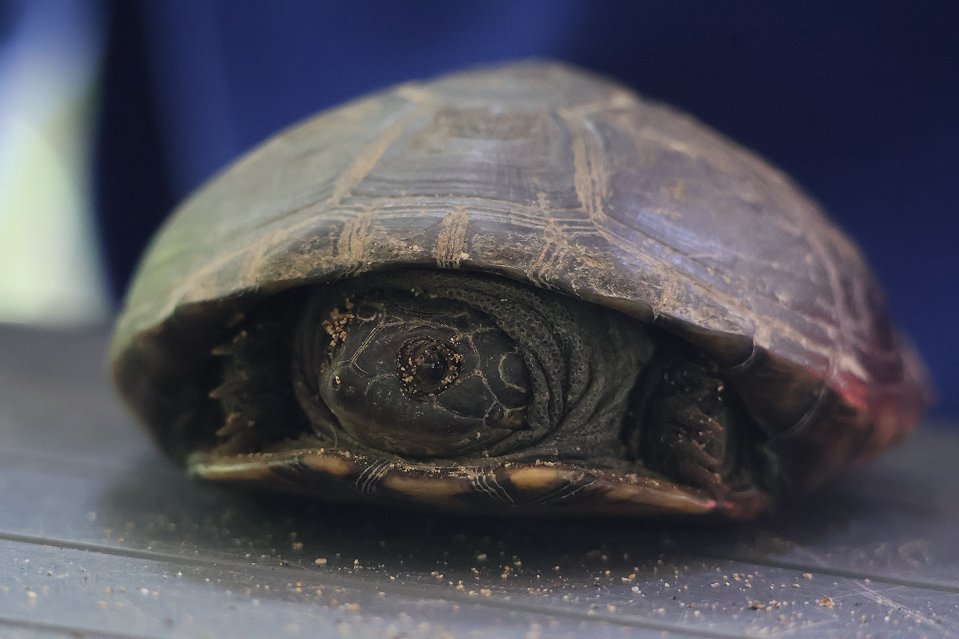
The marine conservation scope extends beyond endangered Sea Turtles to the wider marine ecosystem health. Photographic marine surveys collect data on the fish and invertebrate species present around the island - from nurse sharks to sea slugs. This information supports North Island’s appeal for Marine Protected Area status and provides a long-term record for tracking biodiversity change over time.Volunteers assist with the critical Monitoring of the Seychelles Black Mud Terrapin population, an important endemic species for the island’s freshwater marsh habitats.
Marine Debris and Data Digitisation
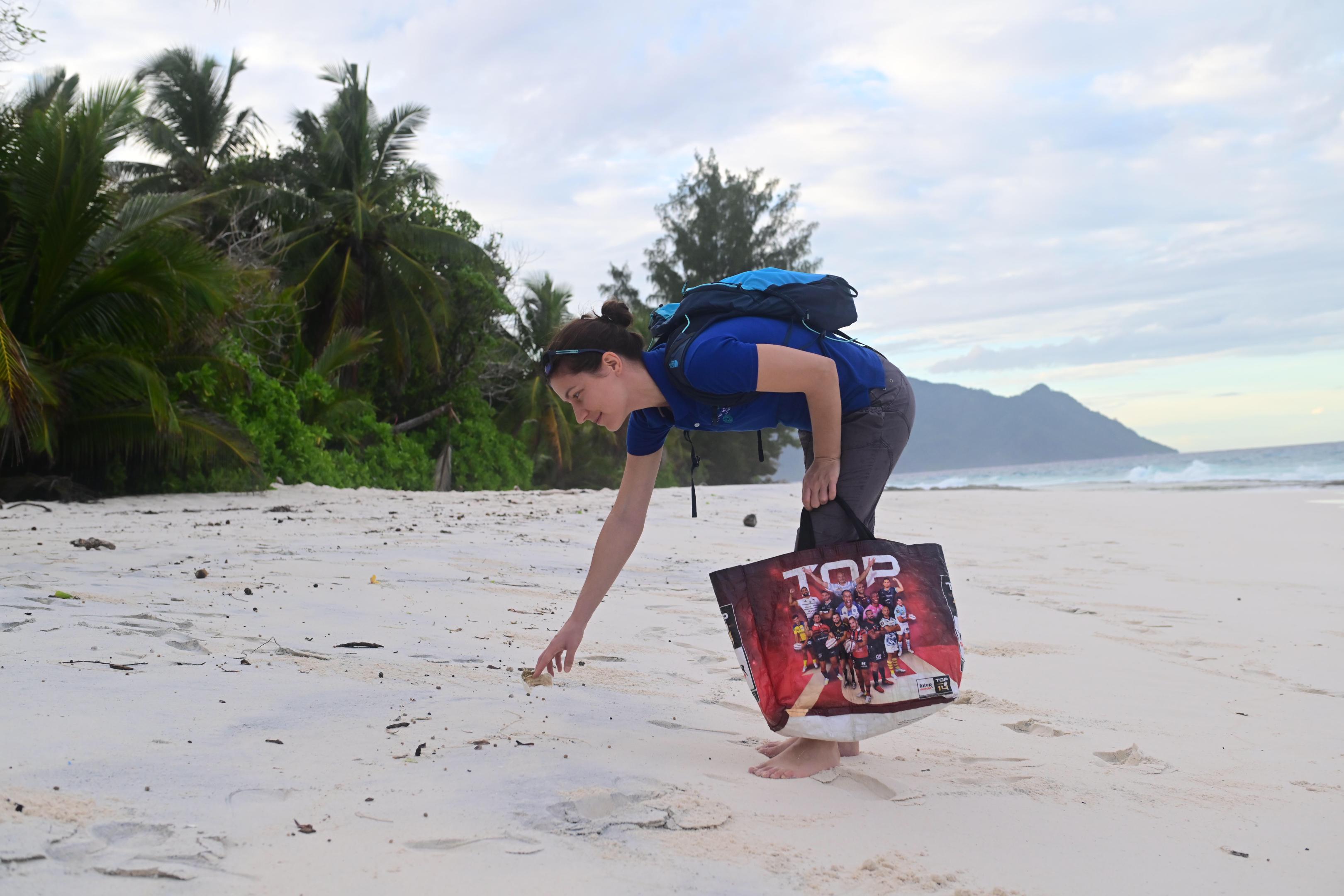
The work also contributes significantly to global research on oceanic pollution trends. Marine conservation volunteers conduct daily beach clean-ups, meticulously collecting, sorting, and auditing all washed-up oceanic trash (Wildlife ACT, 2024). This environmental data is then accurately digitised and submitted to global databases, like The Ocean Conservancy's TIDES project. This process helps conservationists track global plastic trends, identify pollution sources, and advocate for policy change (Wildlife ACT, 2024.).
Volunteers also play a vital, crucial role in digitising North Island’s extensive historical and current field fauna and flora database. This professional data management ensures conservation research is accessible, secure, and usable for management decisions and future scientific study by university partners (Wildlife ACT, 2024).
Life in the Field: A Day as a Conservation Ecotourist
What Does the Immersive Daily Routine Look Like?
The marine conservation volunteer placement on North Island is an intensive commitment to the field. Ecotourists are integrated as staff and expected to contribute professionally and diligently to fieldwork six days a week. The daily schedule is not a fixed office routine. It is physically demanding and can vary based on ecological priorities and unpredictable weather. This is the demanding reality of field conservation.
Your day begins before dawn with the crucial Sea Turtle patrols when temperatures are cool and tracks are fresh. Mid-day is often reserved for data entry, nursery work, or a break during the intense equatorial heat. The afternoons are often dedicated to habitat rehabilitation, such as planting or invasive species removal, as well as to Monitoring Sea Turtle hatchings. The schedule can change often and with little notice, based on nesting events, marine sightings, or specific instructions from the Environmental Manager. Flexibility and self-discipline are therefore vital to succeed in this role.
Accommodation and Community Life
Marine conservation volunteers live in shared, twin-room accommodation, fostering a community atmosphere. While North Island is known for its resort, the volunteer house is dedicated to the conservation team and forms part of the staff village. It is a functional living space, not a luxury one. The goal is immersion in the conservation lifestyle.
Daily life encourages direct integration with the full-time North Island Environmental Team. This provides unparalleled learning opportunities in tropical island ecology and restoration techniques. You will be provided with the official island conservation uniform. Following uniform guidelines and island conduct protocols is essential to maintaining the integrity of the professional field site.
The Ethical Conservation Model
Joining the Field Team: The Ecotourist’s Professional Role
Marine conservation volunteer placement is a profound commitment to ethical, immersive conservation practices. Ecotourists are recognised and treated as dedicated staff members. They are expected to contribute professionally and diligently to fieldwork, operating as core members of the Environmental Team. This high-impact marine conservation volunteering role with real, necessary responsibility, focusing on data collection, habitat support, and bio-security. The entire program is directly led and managed by the Conservation Coordinator.
The intensity of the daily work requires a high degree of participant dedication. The role is physically active, often involving long hours of patrol or manual labor under the equatorial sun. It is entirely dependent on ecological priorities and the specific, immediate needs of the island’s endemic wildlife. Participants must be highly adaptable and contribute professionally, working independently under the direct supervision of the senior team. The experience is truly an immersive contribution, not a recreational break or holiday.
Real Marine Conservation: No Captive Interactions
Wildlife ACT adheres rigidly to the strictest ethical boundaries regarding wildlife management and human interaction. There are absolutely no captive animals utilised in the project, and therefore no forced interactions, unnecessary handling, or performance-based wildlife experiences involved in this ethical project. The conservation success is purely measured by the natural recovery and thriving of wild, free-roaming species within their protected, secure, and resilient habitat. This non-invasive philosophy ensures the integrity of the wildlife populations remains the absolute priority.
The value of the marine conservation volunteer contribution is profound, significant, and absolutely essential to the operational continuity and sustainability of the project. Your donated time, focused physical effort, and direct financial contributions support the specialised Monitoring and conservation services that are critical for supporting significant ecorestoration programs such as the Noah's Ark Project on North Island. This ethical funding and marine conservation volunteering model provides the necessary, consistent human resources required to enable continuous data collection, execute habitat rehabilitation, and conduct long-term research-tasks that would otherwise be financially or logistically impossible to sustain over decades.
The Wider Conservation Vision
Connecting Marine Health to Global Wildlife ACT Impact
The North Island project is an essential marine pillar of Wildlife ACT's global mission. While Wildlife ACT is widely known for its work with Endangered and Priority Species like African Wild Dogs and Black Rhino in Zululand, the Seychelles project proves that the same rigorous, science-led Monitoring approach is universally effective. The ethical principles and professional data standards used on North Island mirror those applied across all our land-based projects. This integrated vision shows that ecosystem health, whether on land or in the ocean, requires the same committed, hands-on, long-term dedication.
.png)
Ethical Funding and Program Sustainability
The marine conservation volunteering project’s sustainability is fundamentally tied to its ethical model. By integrating ecotourists who contribute financially and physically, Wildlife ACT ensures long-term program viability without relying solely on unpredictable grants. This model promotes self-sustaining conservation management. The funds generated cover vital operational costs, including field equipment and Monitoring technology. When you become a marine conservation volunteer, you are directly investing in the perpetual conservation of the North Island ecosystem, securing its future as a haven for indigenous species.
Explore the diverse flora and fauna of North Island with this handy species checklist.
Wildlife ACT is committed to field-based, data-driven conservation on North Island, Seychelles, and this checklist reflects the incredible biodiversity we work to protect.
FAQ: Preparing for Your Marine Conservation Placement

1. Why is the Seychelles Archipelago globally recognised as a critical marine biodiversity hotspot?
The Seychelles is designated as part of the Madagascar and West Indian Ocean Hotspot, encompassing a massive 1.3 million square kilometres of ocean (Ministry of Agriculture, Climate Change and Environment, 2025). Its geographic isolation fosters exceptional marine biodiversity, featuring high degrees of endemism and irreplaceable species that are not found anywhere else globally.
2. How does the presence of the Aldabra Giant Tortoise contribute to coastal ecosystem stability on North Island?
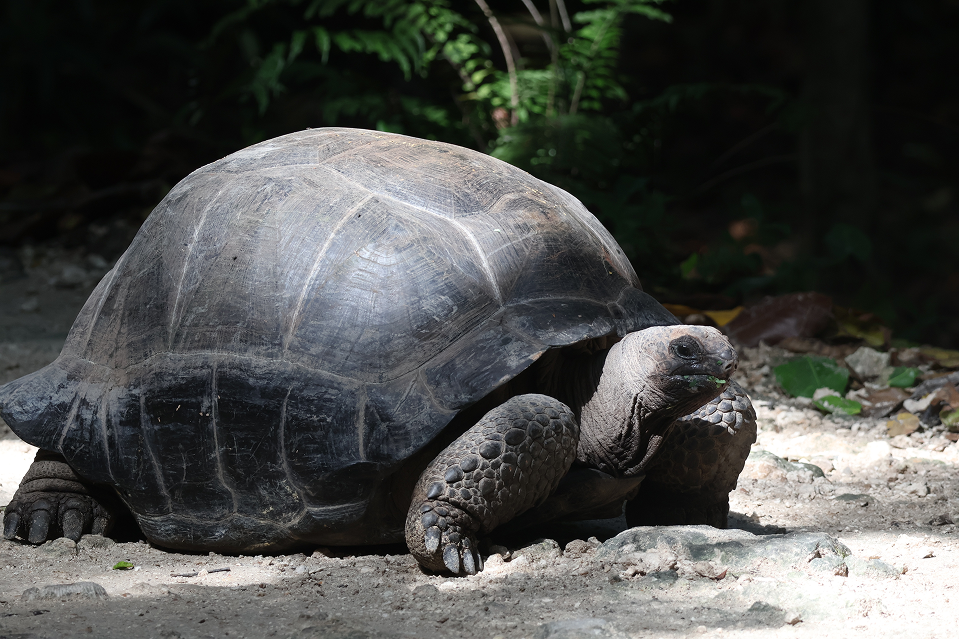
These iconic tortoises function as essential ecosystem engineers, actively controlling invasive growth. By grazing naturally on aggressive alien vegetation, they continuously clear areas, helping to create crucial space for native plant species to return and stabilise the fragile coastal dunes (North Island, 2025).
3. Beyond species eradication, what constitutes the 'Noah’s Ark' project’s most significant ecological achievement to date?
The project’s greatest success lies in establishing a resilient, self-sustaining ecosystem. The painstaking removal of all introduced pests and livestock established the ecological foundation (North Island, 2025). This now allows critically endangered native species to thrive and naturally repopulate the island. (Wildlife ACT, 2024).
4. Why is the health of the endemic Seychelles White-eye population tracked, and what does it indicate about the habitat?
The Seychelles White-eye is an endemic bird species successfully reintroduced as part of the restoration. Monitoring its population health, breeding success, and territorial establishment provides a robust, measurable indicator of the overall recovery and long-term ecological stability of the island's native habitats.
.png)
5. What rigorous bio-security measures are implemented by the field team to ensure North Island remains invasive-species-free?
The field team implements highly disciplined, continuous bio-security measures. This involves relentless Monitoring for any sign of invasive plant regrowth or rodent sightings. Crucially, all incoming cargo, equipment, and vessels undergo meticulous inspection and quarantine protocols to prevent the reintroduction of pests.
6. How does the global issue of coral bleaching directly affect the marine conservation work undertaken near North Island?
Climate change impacts the sensitive coral reefs directly; rising sea temperatures trigger mass bleaching events, which profoundly threaten the entire adjacent reef ecosystem (CEPF, 2025). The habitat restoration work reduces terrestrial runoff, helping to build vital ecosystem resilience against these wider climate stressors.
7. Given strong legal protections, what is now considered the greatest long-term threat to the Green Sea Turtle population in the Seychelles?
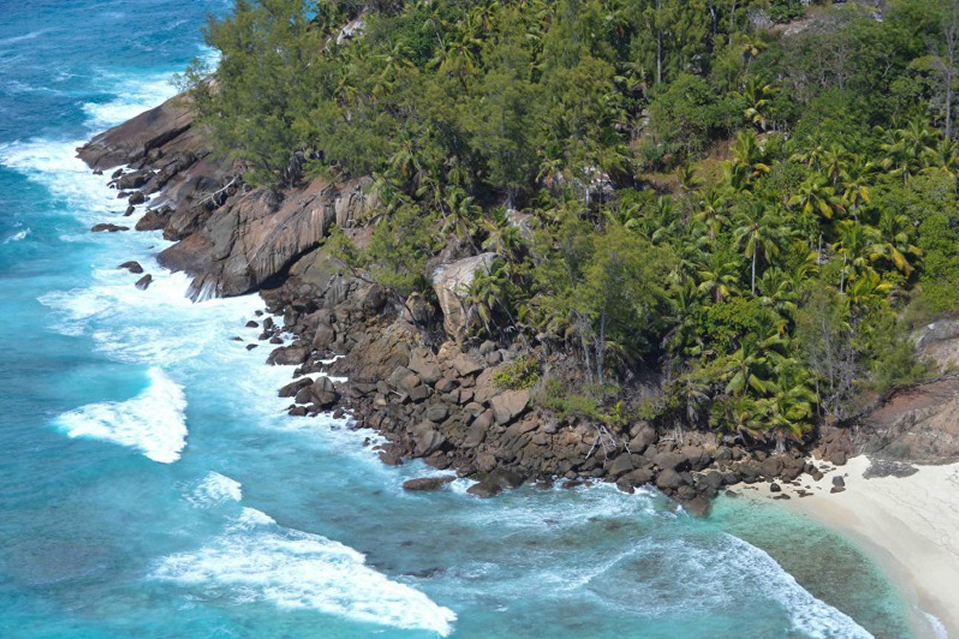
Given strong legal protections, historical poaching is no longer the principal threat to Green Sea Turtles in Seychelles. Today, one of the most significant long-term threats is climate change. Rising sea levels and increased coastal erosion threaten to physically inundate crucial nesting beaches and dramatically reduce the remaining viable nesting habitat (IPCC, 2022).
8. Do marine volunteers participate in active marine surveys, such as monitoring coral reef health or identifying fish species?
Yes. Volunteers assist with snorkel-based photographic marine surveys, during which they help document the fish and invertebrate species found around North Island - from nurse sharks to sea slugs. This contributes to a long-term photographic database used to track changes in species diversity over time and to support the ongoing effort to have the waters around North Island listed as a Marine Protected Area in the future. Volunteers participate actively in coral reef monitoring, through snorkeling and fish identifications. The existing surveys follow a citizen-science style protocol, which still produces valuable ecological information, but does not constitute full scientific coral-health monitoring.

9. Beyond the turtles and tortoises, which other Endangered and Priority Species can I expect to observe and help monitor in the field?
The core focus is the Hawksbill Sea Turtles and Green Sea Turtles, frequently monitored on beach patrols (Wildlife ACT, 2024). You will also encounter the endemic Aldabra Giant Tortoise. Bird Monitoring focuses on endemic species like the Seychelles White-eye, the White-tailed Tropicbird, and various other seabirds. Volunteers also assist with the critical Monitoring of the Seychelles Black Mud Terrapin population and participate in fish surveys that contribute valuable data to biodiversity mapping.
10. What specific permits, required insurance, or detailed medical documentation is necessary for joining the placement in the Seychelles?
For all specific questions regarding travel insurance, detailed medical requirements, or travel authorisation please Contact Us. This ensures you receive the most current, accurate, and personal advice necessary for your journey.
Start Your Impactful Conservation Journey: Apply to Join the Field Team
Your commitment supports the essential monitoring and rehabilitation tasks that underpin the 'Noah’s Ark' success story. Join the field team and contribute directly to endangered species Monitoring in the Seychelles
Securing a Wilder Future for the Seychelles
The Measurable Impact of Conservation Work
Wildlife ACT delivers real, science-driven marine and coastal conservation in the Western Indian Ocean. Our successful, long-term model is built around three measurable pillars: Thriving Wildlife, Resilient Ecosystems, and Empowered People (Wildlife ACT, 2024). The work on North Island serves as a potent global example of what strategic, long-term, and ethical restoration can achieve, inspiring similar initiatives worldwide.
How Do We Measure the Success of Species Recovery?
The success of species recovery is assessed through systematic, long-term Monitoring that includes photographic marine surveys and detailed hatchling assessments. Key indicators include documented nesting activity, hatchling success rates determined through nest excavations, and re-sightings of tagged females over multiple seasons. For endemic terrestrial species, the continued establishment and growth of the reintroduced Aldabra Giant Tortoise population reflects the suitability of restored habitats and the progress of North Island’s rehabilitation efforts. Together, these datasets help build an evidence-based picture of ecological recovery and the long-term resilience of the island’s native wildlife.
Creating Resilient Ecosystems Against Climate Change Impacts
The marine habitat restoration work yields tangible, visible results essential for long-term resilience. The sustained eradication of invasive pests, a decades-long commitment, directly prevents ecological collapse. Furthermore, the systematic planting of indigenous trees and the continuous removal of aggressive alien vegetation creates resilient coastal habitats. These healthy, native coastal zones are better able to withstand the inevitable impacts of climate change, specifically protecting low-lying turtle nesting beaches from erosion and storm surges. In addition, healthier native vegetation can reduce sediment runoff, contributing to improved conditions for nearby reef ecosystems.
Empowering Local Teams to Influence Global Conservation Policy
The project’s recognition, including the National Geographic World Legacy Award (National Geographic, 2017), validates its integrity and provides a replicable blueprint for threatened tropical island habitats globally. Every hour of data entry and field monitoring conducted by a marine conservation volunteer is a contribution to this critical legacy of informed, ethical conservation practice.
Ready to Contribute? Start Your Journey as a Marine Conservation Volunteer in the Seychelles
You can be the next essential part of this global effort. Join the field team and contribute directly to Endangered and Priority Species Monitoring in the Seychelles. Your commitment supports the essential Monitoring and rehabilitation tasks that underpin the 'Noah’s Ark' success story.
Visit the official marine volunteer page to apply today.
Reference List:
- CEPF. (2025). Madagascar and Indian Ocean Islands - Threats. https://www.cepf.net/our-work/biodiversity-hotspots/madagascar-and-indian-ocean-islands/threats
- GEF. (2020). Prioritising Biodiversity Conservation and Nature-based Solutions as Pillars of Seychelles' Blue Economy. https://www.thegef.org/sites/default/files/web-documents/10535_BD_PIF_v1.pdf
- IPCC. (2022). Cross-Chapter Paper 1: Biodiversity Hotspots. https://www.ipcc.ch/report/ar6/wg2/downloads/report/IPCC_AR6_WGII_FOD_CCP1.pdf
- Ministry of Agriculture, Climate Change and Environment. (2025). Biodiversity. https://macce.gov.sc/biodiversity-conservation/
- National Geographic. (2017). World Legacy Awards winner for Conserving the Natural World 2017. https://www.natucate.com/en/blog/news/volunteer-abroad-seychelles-north-island-conservation-legacy-award
- North Island. (2025). Conservation. https://north-island.com/
- Wildlife ACT. (2024). Restoring Paradise: The Noah's Ark Project and Marine Volunteering on North Island. https://www.wildlifeact.com/volunteer/program/marine-conservation-volunteering-seychelles
- The Ocean Conservancy's TIDES project. https://www.coastalcleanupdata.org/
- Wildlife ACT. (2025). https://www.wildlifeact.com/blog/restoring-paradise-the-noahs-ark-project-and-marine-volunteering-on-north-island
- Wildlife ACT. (2024).https://www.wildlifeact.com/reserves-we-work-on/north-island-seychelles
.jpeg)


.jpg)
