

.jpg)
Why Leopards Are So Elusive and Difficult to Study
Few large predators have captured the imagination quite like the Leopard. Widespread across Africa and parts of Asia, the Leopard is often described as adaptable and resilient. Yet despite this broad distribution, it remains one of the least understood big cats in the wild. Its ability to survive in diverse landscapes, from dense bushveld to mountainous terrain and even near human settlements, is matched only by its extraordinary ability to remain unseen.
Leopards are largely solitary animals. With the exception of females raising cubs or brief courtship periods, adults live and move alone. Each individual maintains a territory that varies in size depending on prey availability, habitat quality, and the presence of other Leopards. In some regions, territories may span as little as 5 square kilometres. In others, particularly in marginal or fragmented habitats, they can extend to over 1,000 square kilometres. A single male territory may overlap with multiple female territories, creating a complex and dynamic spatial structure that shifts over time.
Their behaviour further complicates monitoring efforts. Leopards are primarily nocturnal and crepuscular, conducting much of their movement under the cover of darkness. They are masters of stealth, relying on camouflage and silence to stalk prey and avoid larger competitors such as Lion and Spotted Hyena. This cryptic nature reduces direct sightings and makes traditional wildlife survey methods, such as aerial counts or daytime observation, largely ineffective.
Unlike some other large carnivores, Leopards also move fluidly across landscapes. Fences and reserve boundaries do not necessarily restrict them. Individuals may traverse protected areas, private land, agricultural zones, and community landscapes in a single dispersal event. Young males, in particular, can travel vast distances in search of territory. This wide-ranging behaviour creates challenges for conservationists attempting to estimate population size, understand density, or track long-term trends.
.jpg)
Attempts to monitor Leopards using invasive methods such as collaring present additional difficulties. Leopards are notoriously hard to capture safely, and repeated recapture is often required to adjust collars as individuals age and their neck musculature changes. This process can be stressful and logistically complex. In low-density populations, the risks and costs of capture-based monitoring are often not justified when weighed against conservation outcomes.
The combination of solitary behaviour, expansive territories, nocturnal movement, and cross-boundary dispersal means that Leopards can persist in a landscape while remaining virtually invisible to human observers. For conservation planning, this invisibility creates uncertainty. Without reliable data on population density, movement patterns, and demographic structure, management decisions risk being based on assumptions rather than evidence.
Understanding the secret lives of Leopards therefore begins with solving a scientific challenge: how to monitor a predator that is rarely seen, widely dispersed, and highly adaptable. Over the past decade, advances in non-invasive monitoring technology have begun to close this knowledge gap, transforming the way Leopard populations are studied and protected.
The Challenge of Monitoring Leopard Populations
Monitoring large carnivores has always required a balance between practicality, precision, and animal welfare. For Leopards, that balance is particularly difficult to achieve. Their low population densities, wide-ranging behaviour, and preference for dense cover mean that traditional wildlife survey techniques often fail to produce reliable estimates.
In many ecosystems, herbivore populations can be estimated through aerial surveys or systematic ground counts. These methods rely on visibility and group living. Leopards, however, are neither highly visible nor social. A single individual may occupy a vast area and move primarily at night, making it unlikely to be detected through opportunistic sightings or drive counts. The absence of sightings does not necessarily indicate absence of Leopards. It may simply reflect their ability to avoid detection.
Track and scat surveys can provide useful presence data, but they are limited in their ability to generate robust density estimates. Tracks may be misidentified or washed away by weather, and scat analysis requires laboratory processing and cannot always distinguish individuals without genetic testing. While these methods can confirm that Leopards are present in a landscape, they rarely provide the long-term, standardised datasets required for population trend analysis.
-2.jpeg)
Live capture and collaring has been used in some studies to understand movement ecology and home range size. GPS telemetry can offer valuable insights into dispersal, habitat use, and conflict risk. However, collaring Leopards presents significant logistical and ethical challenges. Individuals must be captured, sedated, and fitted with tracking devices. In male Leopards, the presence of a dewlap that enlarges with age means collars may require adjustment or replacement, necessitating recapture. These interventions carry risk, increase stress for the animal, and are costly to implement at scale.
Perhaps most critically, capture-based monitoring typically focuses on a small number of individuals. While detailed, it does not necessarily provide accurate estimates of total population density across a landscape. For conservation policy and management planning, density and trend data are essential. Without repeatable, standardised surveys, it becomes difficult to determine whether a population is stable, increasing, or declining.
This challenge is amplified in fragmented landscapes. Across much of sub-Saharan Africa, Leopard habitat has been divided into a mosaic of protected areas, private land, agricultural fields, and rural settlements. Leopards frequently move across these boundaries, meaning that population assessments confined to a single protected area may not reflect the broader reality. Monitoring must therefore extend beyond fences and account for connectivity, dispersal corridors, and areas of human-wildlife interaction.
For decades, the elusive nature of the Leopard resulted in substantial knowledge gaps. Population estimates were often extrapolated from habitat models rather than direct field data. In some regions, this uncertainty complicated conservation decisions, including those relating to hunting quotas, conflict mitigation, and land-use planning.
Addressing these limitations required a monitoring method that was non-invasive, repeatable, scalable, and capable of identifying individual animals across time and space. The solution emerged through the strategic use of remote camera trap technology, a tool that has fundamentally transformed Leopard research and conservation management.
How Camera Trap Surveys Revolutionised Leopard Monitoring
The development of remote camera trap technology has transformed the way elusive carnivores such as the Leopard are studied. Unlike traditional survey techniques, camera traps operate continuously, day and night, without requiring human presence. Strategically positioned across a landscape, they provide a non-invasive, standardised, and repeatable method of monitoring wildlife that would otherwise remain largely undetected.
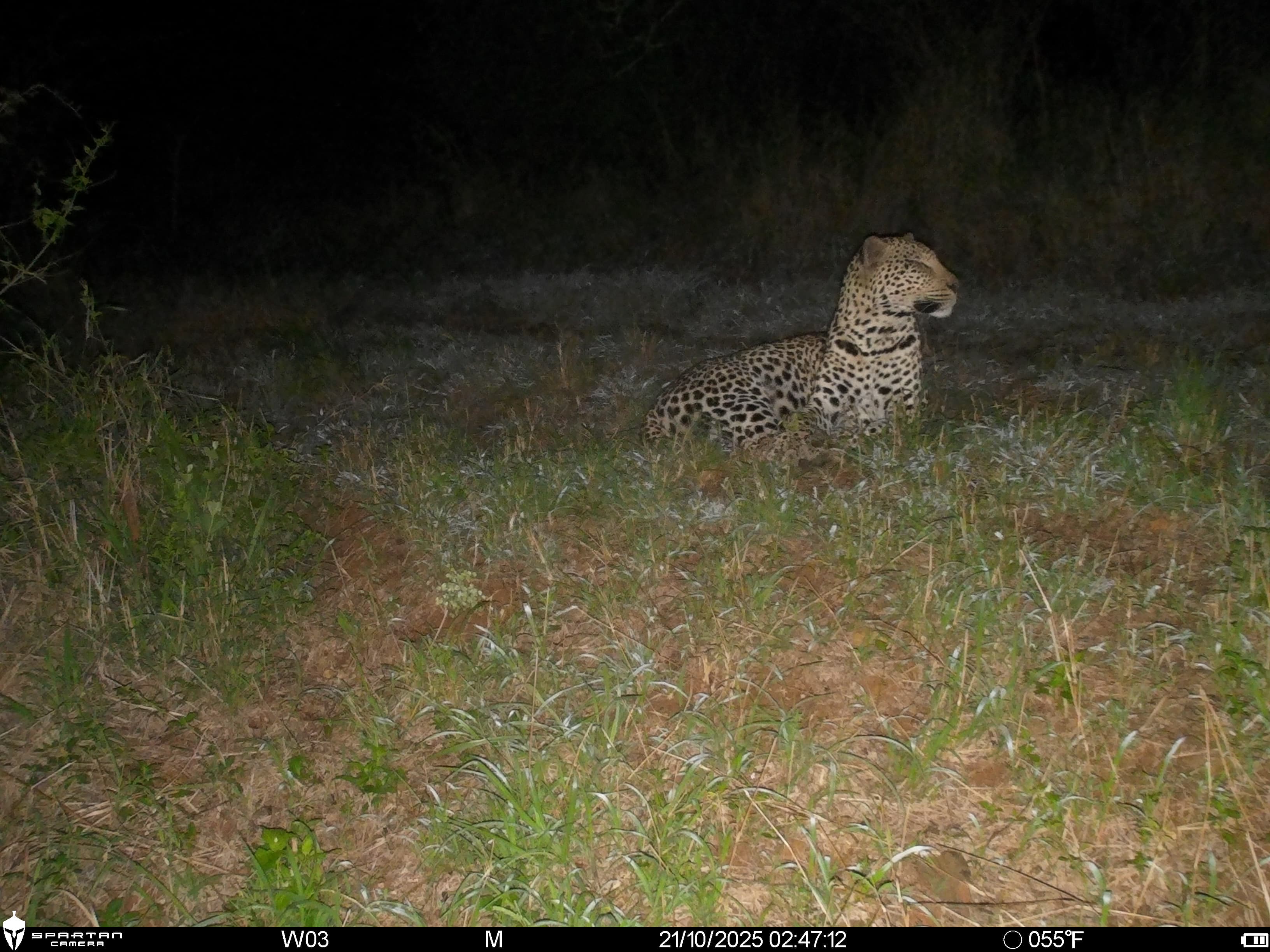
Camera traps are motion-activated devices equipped with infrared sensors. When an animal passes in front of the unit, the sensor triggers a photograph or short video. For Leopards, this technology is particularly effective because each individual can be identified by its unique rosette pattern. Much like fingerprints in humans, no two Leopards share the same arrangement of rosettes. This allows researchers to distinguish between individuals with a high degree of accuracy.
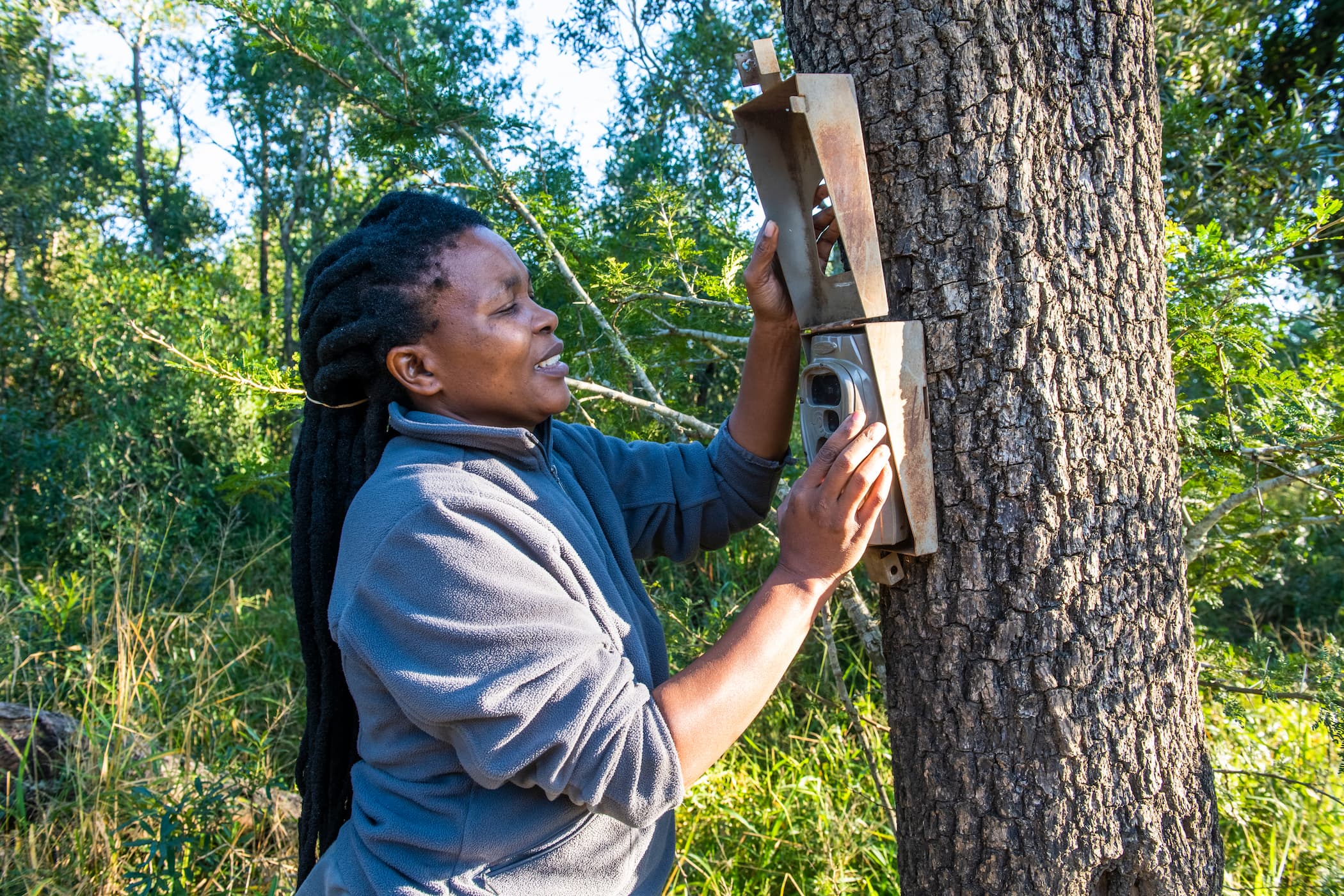
To ensure reliable identification, camera trap surveys for Leopards are carefully designed. Stations are typically arranged in a systematic grid across a defined study area. Each station consists of two cameras positioned opposite one another along roads, game paths, drainage lines, or other natural travel routes. Photographing both flanks of the animal ensures that its rosette pattern can be matched accurately to existing records.
Spacing between camera stations is informed by the expected home range size of Leopards within the region. In medium- to high-density areas, stations are commonly placed two to three kilometres apart to maximise the probability of capturing every individual whose territory overlaps the study area. Cameras remain active for a fixed and consecutive survey period, often around 45 days, to ensure standardisation across sites and over time.
The images collected during this period are then analysed using capture-recapture modelling. This statistical approach estimates population density based on the frequency with which individual Leopards are photographed across multiple camera stations. If a Leopard is captured on camera repeatedly at different locations, the data provides insight into its movement and territorial range. When repeated surveys are conducted annually using the same methodology and grid design, researchers can assess trends in density over time.
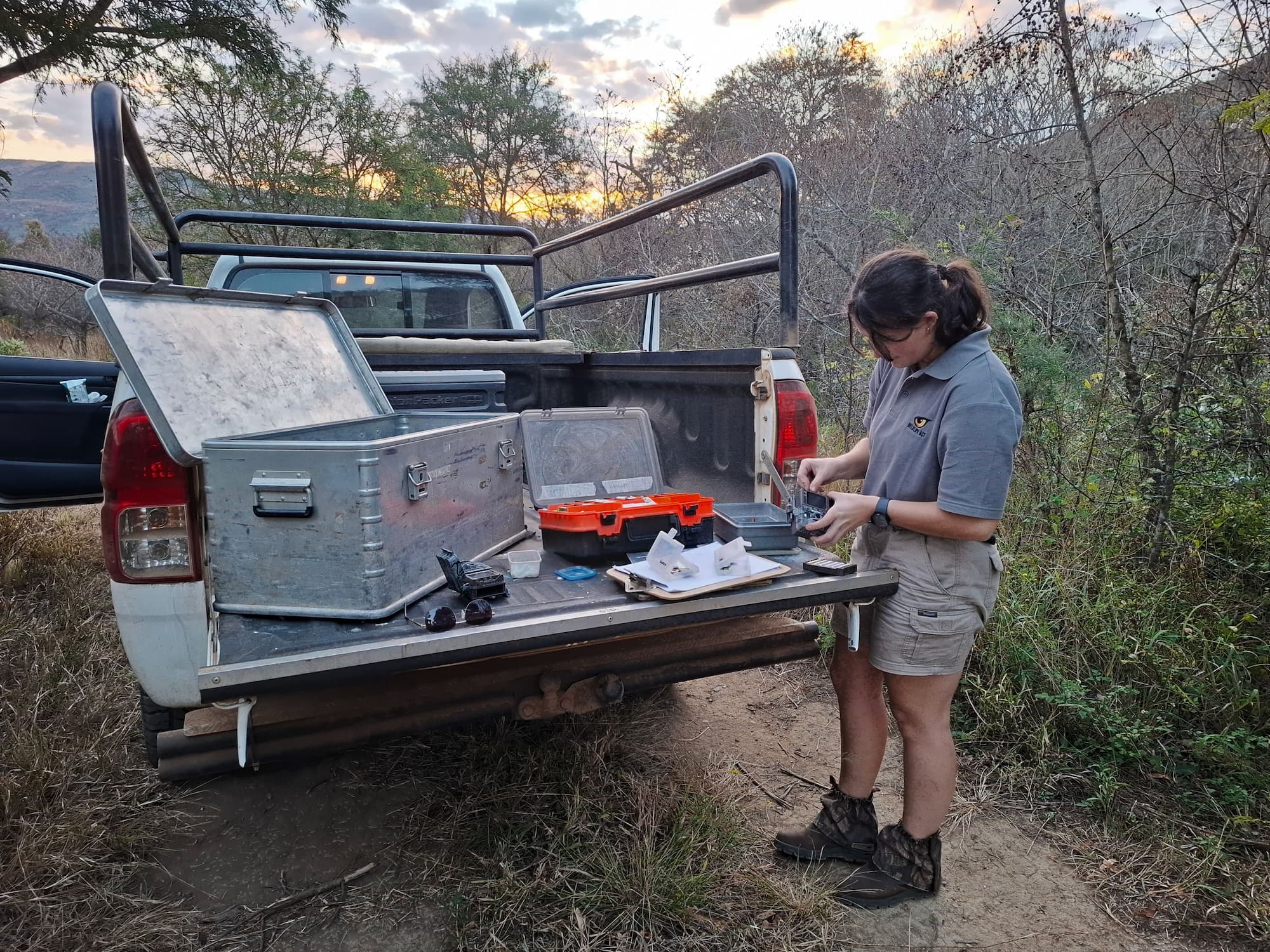
Beyond density estimates, camera trap surveys generate valuable information on demographics and spatial ecology. Researchers can determine sex ratios, detect cub presence, identify dispersing sub-adults, and monitor movement between adjacent protected areas. Long-term datasets also reveal patterns of immigration and emigration, which are essential for understanding connectivity and genetic viability across fragmented landscapes.
Crucially, camera trap monitoring minimises disturbance. There is no need for capture, sedation, or direct handling. The animals continue their natural behaviour, often entirely unaware of the devices recording them. For a cryptic species such as the Leopard, this non-invasive approach provides a level of reliability and scalability that was previously unattainable.
Over the past decade, camera trap surveys have become the global standard for monitoring Leopards and other elusive carnivores. In regions where conservation decisions depend on robust population data, this method has shifted management from assumption to evidence. It has enabled researchers and authorities to move beyond anecdotal estimates and instead rely on repeatable, scientifically defensible data to guide policy and adaptive management.
In South Africa, and particularly in KwaZulu-Natal, this technological shift has underpinned one of the most comprehensive Leopard monitoring initiatives in the region.
The KwaZulu-Natal Leopard Monitoring Project
In 2013, growing concern over declining Leopard populations in fragmented habitats led to the establishment of the KwaZulu-Natal Leopard Monitoring Project. This initiative was developed through a formal collaboration between Ezemvelo KZN Wildlife, iSimangaliso Wetland Park Authority, Panthera, and Wildlife ACT. The objective was clear: generate robust, repeatable population data to inform conservation policy and adaptive management across KwaZulu-Natal.
Wildlife ACT plays a central role in managing and implementing the fieldwork component of this long-term monitoring programme. Officially contracted by Panthera to conduct Leopard density estimate surveys in the province, Wildlife ACT leads the design, deployment, maintenance, and data capture processes associated with large-scale camera trap surveys. This includes coordinating survey logistics across multiple protected areas and mixed-use landscapes, ensuring methodological consistency, and maintaining high standards of data integrity.
The KwaZulu-Natal Leopard Monitoring Project has now become one of the longest-running and most comprehensive Leopard camera trap survey initiatives in South Africa. Over more than a decade of structured monitoring, the programme has surveyed approximately 393,530 hectares across 16 protected areas within the province. Within these landscapes, 281 female and 225 male Leopards have been individually identified through rosette pattern analysis, contributing to a growing photographic database that exceeds 13,000 verified Leopard images.
-2.jpg)
Each survey follows a standardised grid-based camera trap design, allowing density estimates to be calculated using capture-recapture models. By repeating surveys across the same sites over multiple years, Wildlife ACT and its partners are able to assess population trends rather than relying on isolated data points. This long-term dataset has provided unprecedented insight into Leopard distribution, density variation between reserves, sex ratios, and dispersal patterns within KwaZulu-Natal.
One of the most striking findings from the project has been the scale at which individual Leopards move across the landscape. In one documented case, a male Leopard was photographed moving approximately 111 kilometres across multiple protected areas. Such long-distance dispersal highlights the importance of ecological corridors and landscape connectivity in maintaining viable Leopard populations. It also reinforces the need for monitoring efforts that extend beyond individual reserve boundaries.
As the programme has matured, Wildlife ACT has expanded its monitoring footprint beyond northern Zululand into additional regions of KwaZulu-Natal. This expansion recognises that Leopards frequently move through a mosaic of protected areas, private reserves, agricultural land, and community landscapes. Monitoring therefore requires strong partnerships with landowners and stakeholders across the broader landscape to ensure accurate data collection and coordinated conservation action.
The scale and continuity of the KwaZulu-Natal Leopard Monitoring Project have positioned it as a cornerstone of Leopard conservation in the province. By generating defensible, landscape-level data, the project has moved Leopard management away from anecdotal reporting and toward evidence-based decision making. For a species that is both elusive and wide-ranging, this level of structured monitoring is essential to understanding long-term population dynamics and responding effectively to emerging threats.
How Leopard Monitoring Data Informs Conservation Policy in South Africa
Reliable conservation policy depends on reliable data. For wide-ranging carnivores such as the Leopard, uncertainty around population size and density can complicate management decisions, particularly in regions where multiple land uses intersect. The KwaZulu-Natal Leopard Monitoring Project was established specifically to address this knowledge gap through structured, repeatable surveys.
Since its inception in 2013, the project has generated long-term density estimates using standardised camera trap grids and capture-recapture modelling. By maintaining consistency in survey design and revisiting sites over multiple years, Wildlife ACT and its partners have been able to detect trends rather than rely on isolated observations. This distinction is critical in carnivore management, where short-term fluctuations may not reflect broader population trajectories.
Data collected through the KwaZulu-Natal Leopard Monitoring Project has contributed to provincial and national decision-making processes. In particular, density estimates and documented trends informed discussions around Leopard hunting regulation in South Africa. Following analysis of available population data, including survey results from KwaZulu-Natal, a moratorium on Leopard hunting permits was implemented in 2015. Since that time, no trophy hunting of Leopards has taken place in KwaZulu-Natal.
.jpg)
The role of monitoring data in this context was not ideological but analytical. Sustainable use frameworks require defensible estimates of population size and trend direction. Where uncertainty exists, precautionary management is often adopted until more comprehensive data becomes available. The structured camera trap surveys conducted in KwaZulu-Natal provided one of the most robust datasets available at the time for informing these assessments.
Beyond hunting regulation, Leopard monitoring data contributes to broader management planning. Density estimates support biodiversity reporting requirements at provincial level. Movement data informs corridor planning and landscape-level conservation strategies. Sex ratios and demographic information assist in understanding recruitment and population stability within individual protected areas.
Importantly, the long-term nature of the dataset strengthens its value. Carnivore populations respond slowly to changes in habitat, prey availability, and human pressure. Annual or multi-year monitoring allows conservation authorities to assess whether management interventions are associated with measurable outcomes over time.
By maintaining methodological consistency and centralised data capture, Wildlife ACT ensures that survey results remain comparable across years and across sites. This continuity allows the KwaZulu-Natal Leopard Monitoring Project to function not simply as a research initiative, but as an adaptive management tool grounded in empirical evidence.
Habitat Fragmentation, Connectivity, and the Future of Leopards in KwaZulu-Natal
Across much of their range, Leopards persist in increasingly fragmented landscapes. KwaZulu-Natal reflects this broader pattern. Protected Areas form critical conservation strongholds, yet they are embedded within a mosaic of agricultural land, private reserves, rural settlements, and infrastructure. For a wide-ranging carnivore, this spatial configuration has important implications for movement, gene flow, and long-term population stability.
Camera trap surveys conducted through the KwaZulu-Natal Leopard Monitoring Project have reinforced the importance of landscape connectivity. While some protected areas support stable Leopard presence, survey data from newer monitoring regions has indicated lower densities in certain landscapes. In several mixed-use areas, limited movement between neighbouring reserves has been observed through photographic recaptures. These patterns suggest that human activity, fencing, and habitat transformation may influence dispersal dynamics in parts of the province.
At the same time, long-distance dispersal events documented through camera trap recaptures highlight the ecological scale at which Leopards operate. The recorded movement of a male Leopard across approximately 111 kilometres between Protected Areas demonstrates that individuals can traverse extensive distances when landscape permeability allows it. Such movements are important for maintaining genetic diversity and demographic stability, particularly in regions where local populations may be small.
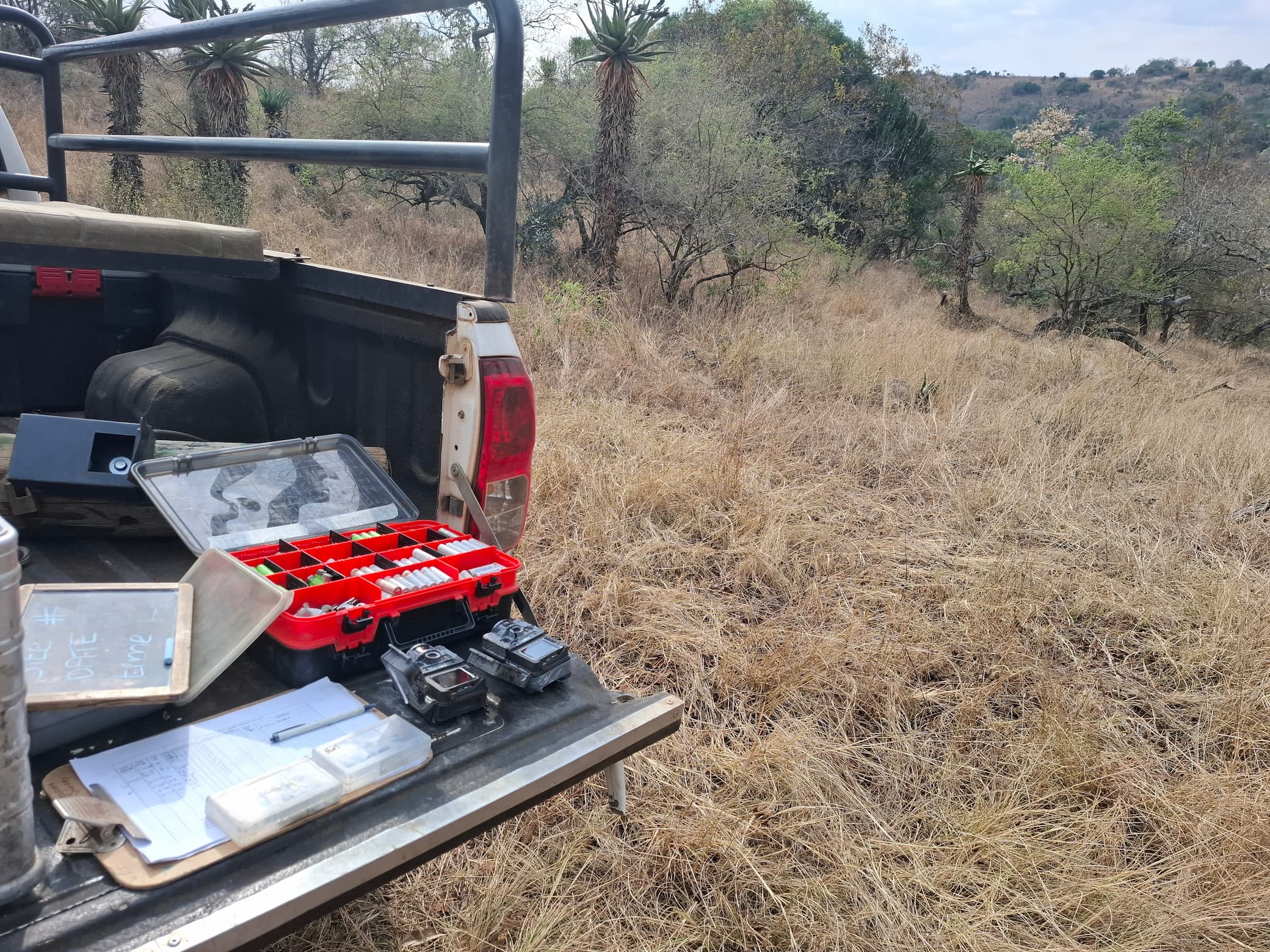
Fragmentation does not only reduce available habitat. It can also increase the interface between Leopards and human activity. As Leopards move across agricultural or community landscapes, the risk of conflict, retaliatory killing, and incidental threats such as snaring may increase. Monitoring across both protected and non-protected areas therefore becomes essential for understanding where these interfaces occur and how they shift over time.
The expansion of monitoring beyond the original northern Zululand cluster reflects recognition of this landscape reality. By surveying additional regions of KwaZulu-Natal and integrating data from multiple Protected Areas, Wildlife ACT and its partners are working toward a more comprehensive understanding of Leopard distribution and connectivity at provincial scale. This broader footprint allows researchers to identify potential corridors, assess movement between population clusters, and detect areas where connectivity may be constrained.
Long-term conservation of Leopards in KwaZulu-Natal depends not only on the strength of individual Protected Areas, but also on the permeability of the landscape between them. Camera trap monitoring provides a practical means of assessing this connectivity. By identifying individual Leopards across multiple survey sites and over successive years, the project contributes to an evolving map of spatial dynamics within the province.
As land-use pressures continue to shape KwaZulu-Natal, maintaining and strengthening ecological corridors will remain a central consideration in Leopard conservation planning. Ongoing monitoring ensures that decisions regarding habitat management, corridor protection, and landscape-level strategy are informed by empirical evidence rather than assumption.

From Monitoring to Management: Securing the Future of Leopards in KwaZulu-Natal
Effective conservation requires more than isolated research findings. It depends on consistent data collection, long-term trend analysis, and coordinated management across multiple stakeholders. In KwaZulu-Natal, structured Leopard monitoring has become an essential foundation for this process.
The KwaZulu-Natal Leopard Monitoring Project demonstrates how systematic camera trap surveys can move conservation from uncertainty toward clarity. By surveying 393,530 hectares across 16 Protected Areas, identifying over 500 individual Leopards, and building a database of more than 13,000 verified images, the programme has established one of the most comprehensive Leopard monitoring datasets in the province. This level of continuity enables researchers and authorities to evaluate population stability, detect changes in density, and respond appropriately where needed.
Importantly, the value of monitoring lies not only in counting individuals, but in understanding patterns. Repeated surveys reveal where Leopards persist, where densities may be lower, and where movement between landscapes is occurring or constrained. These insights support adaptive management at both site and provincial scale. Protected Area managers can assess whether current habitat conditions support stable populations. Landscape planners can identify priority corridors for maintaining connectivity. Provincial authorities can ground regulatory decisions in empirical data.
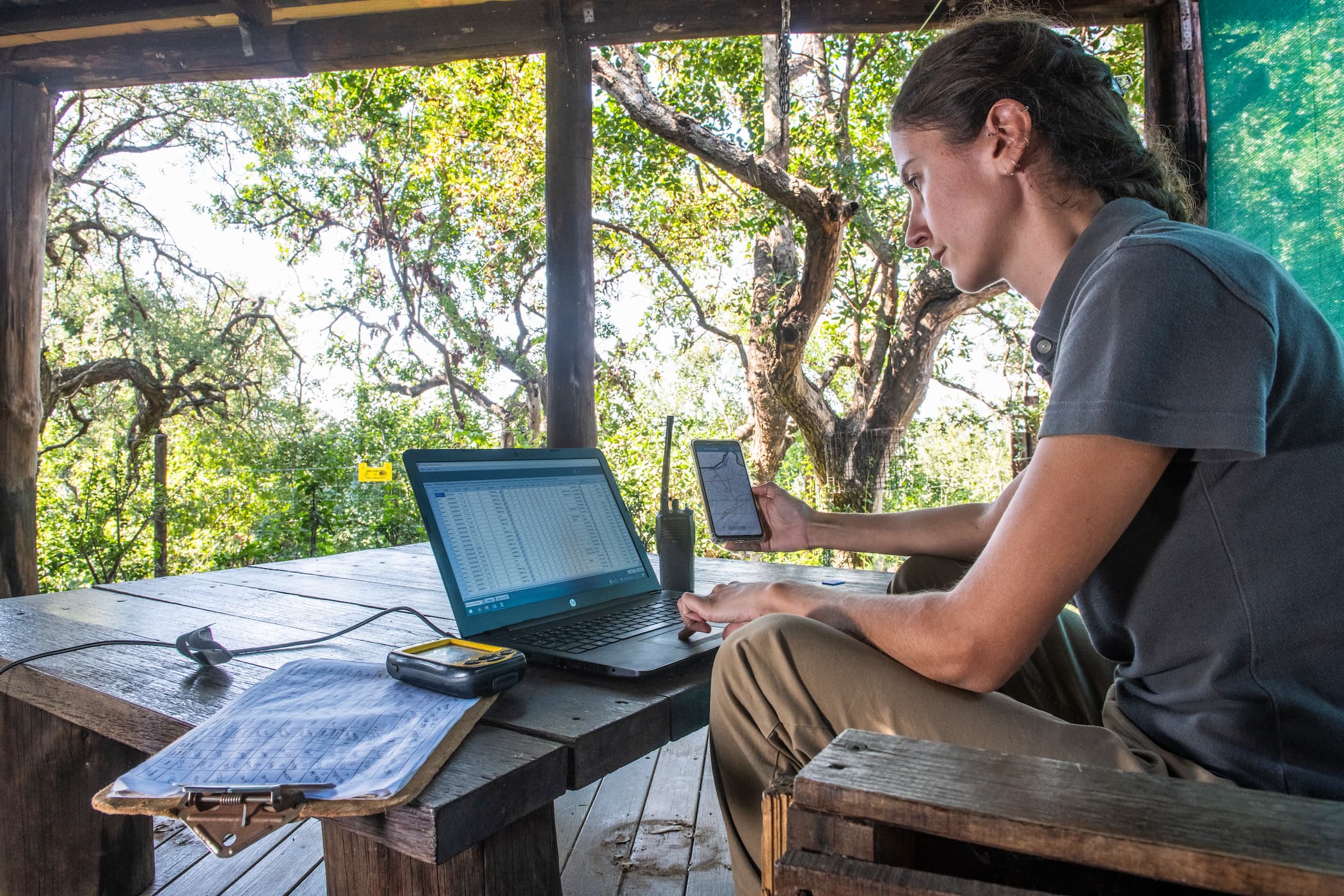
Wildlife ACT’s role in implementing and managing the field component of this programme ensures that survey design, deployment, and data capture remain consistent across years and across sites. Methodological standardisation is essential in carnivore monitoring, where small variations in survey effort can influence density estimates. Maintaining rigour in field execution strengthens the reliability of long-term trend assessments.
As pressures on land use, infrastructure development, and human-wildlife interfaces continue to evolve in KwaZulu-Natal, the need for repeatable, landscape-level monitoring will remain. Leopards are adaptable, but adaptability does not eliminate vulnerability. A species listed as Vulnerable on the IUCN Red List requires ongoing assessment to ensure that local populations remain viable within increasingly dynamic environments.
The secret lives of Leopards may unfold largely beyond human view, but in KwaZulu-Natal they are no longer scientifically invisible. Through structured camera trap surveys and long-term collaboration between conservation authorities and research partners, Leopard conservation in the province is grounded in data rather than assumption.
Sustained monitoring provides the evidence base needed to guide future management decisions, strengthen connectivity across fragmented landscapes, and ensure that Leopards continue to function as keystone predators within KwaZulu-Natal’s ecosystems.
Frequently Asked Questions About Leopard Monitoring
How are Leopards monitored in the wild?
Leopards are primarily monitored using remote camera trap surveys. Motion-activated cameras are placed in a structured grid across a defined landscape. When a Leopard passes in front of a camera, the device captures an image that can be used to identify the individual by its unique rosette pattern. These images are analysed using capture-recapture statistical models to estimate population density and assess trends over time.
Why are camera traps used to study Leopards?
Leopards are solitary, nocturnal, and highly elusive. Traditional monitoring methods such as aerial surveys or direct observation are generally ineffective. Camera traps provide a non-invasive, standardised, and repeatable method of collecting reliable data without disturbing the animals. They allow researchers to identify individual Leopards and monitor movement, distribution, and demographic structure across large areas.
How large is a Leopard’s territory?
Leopard territory size varies depending on habitat quality, prey availability, and population density. Territories can range from approximately 5 square kilometres in resource-rich areas to over 1,000 square kilometres in more marginal or fragmented landscapes. Male territories often overlap with multiple female territories, creating a dynamic spatial structure.
What is the conservation status of the Leopard?
The Leopard (Panthera pardus) is listed as Vulnerable on the IUCN Red List of Threatened Species, with a decreasing population trend. Threats include habitat loss and fragmentation, conflict with humans, illegal trade in skins and body parts, and other anthropogenic pressures. Reliable monitoring is essential for informing conservation policy and management decisions.
What is the KwaZulu-Natal Leopard Monitoring Project?
The KwaZulu-Natal Leopard Monitoring Project was established in 2013 through collaboration between Wildlife ACT, Ezemvelo KZN Wildlife, iSimangaliso Wetland Park Authority, and Panthera. The project conducts long-term, standardised camera trap surveys to estimate Leopard density, assess population trends, and support evidence-based conservation planning across the province.
.jpeg)


