

.jpg)
Header image credit: Joel Alves
South Africa is widely considered one of the world’s most rewarding travel destinations, attracting millions of international visitors each year with its remarkable wildlife, diverse landscapes, and vibrant cultural heritage.
From the dramatic peaks of the Drakensberg Mountains to the savannas of Zululand and the spectacular coastlines of the Eastern and Western Cape, the country offers an extraordinary variety of travel experiences, with something for everyone.
Because of this diversity, many travellers ask the same question when planning their trip: when is the best time to visit South Africa?
The answer depends on the type of experience you are hoping to have. Some visitors come for summer beach holidays, while others plan their trip around exceptional wildlife viewing, seasonal natural events, or opportunities to participate in meaningful conservation work.
We’ve compiled this guide especially with nature and wildlife lovers in mind - from those dreaming of seeing the Big 5 on safari, to landscape photographers, and from marine enthusiasts to those passionate about conservation.
And if you are still deciding whether South Africa should top your travel list, this article explores reasons for visiting South Africa, and details many of the landscapes, ecosystems, and wildlife encounters that make the country so special.
When to Travel to South Africa: A Month-by-Month Guide
.jpg)
South Africa has long been heralded as one of the world’s most rewarding travel destinations. With dramatic landscapes, remarkable biodiversity, rich cultural heritage, and generally mild weather throughout the year, it offers experiences that appeal to nearly every type of traveller.
In recent years, international tourism to South Africa has continued to grow, with millions of visitors drawn to the country’s natural beauty, wildlife, and affordability. For many travellers, the question is not whether to visit South Africa, but when.
While it may sound cliché, South Africa is truly a year-round destination. The best time to visit depends largely on what you want to experience: whether that's exceptional wildlife sightings, vibrant coastal summers, spring wildflowers, or conservation travel opportunities.
For travellers who care deeply about nature and wildlife, timing your visit well can enhance both your experience and your impact.
Understanding South Africa’s Seasons
South Africa’s seasons are the opposite of those in the northern hemisphere. The seasons generally go as follows: summer months are from December to February, followed by autumn from March to May, winter starts from around June and ends in August, and spring runs from September to November.
Because the country spans several climatic regions, weather conditions vary significantly between the coast, the interior, and the mountains. Coastal regions such as KwaZulu-Natal remain warm throughout the year, while inland areas experience cooler winters and hotter summers.
This diversity means that there is always somewhere in South Africa that is experiencing ideal travel conditions.
When is the Best Time for Wildlife Viewing in South Africa?
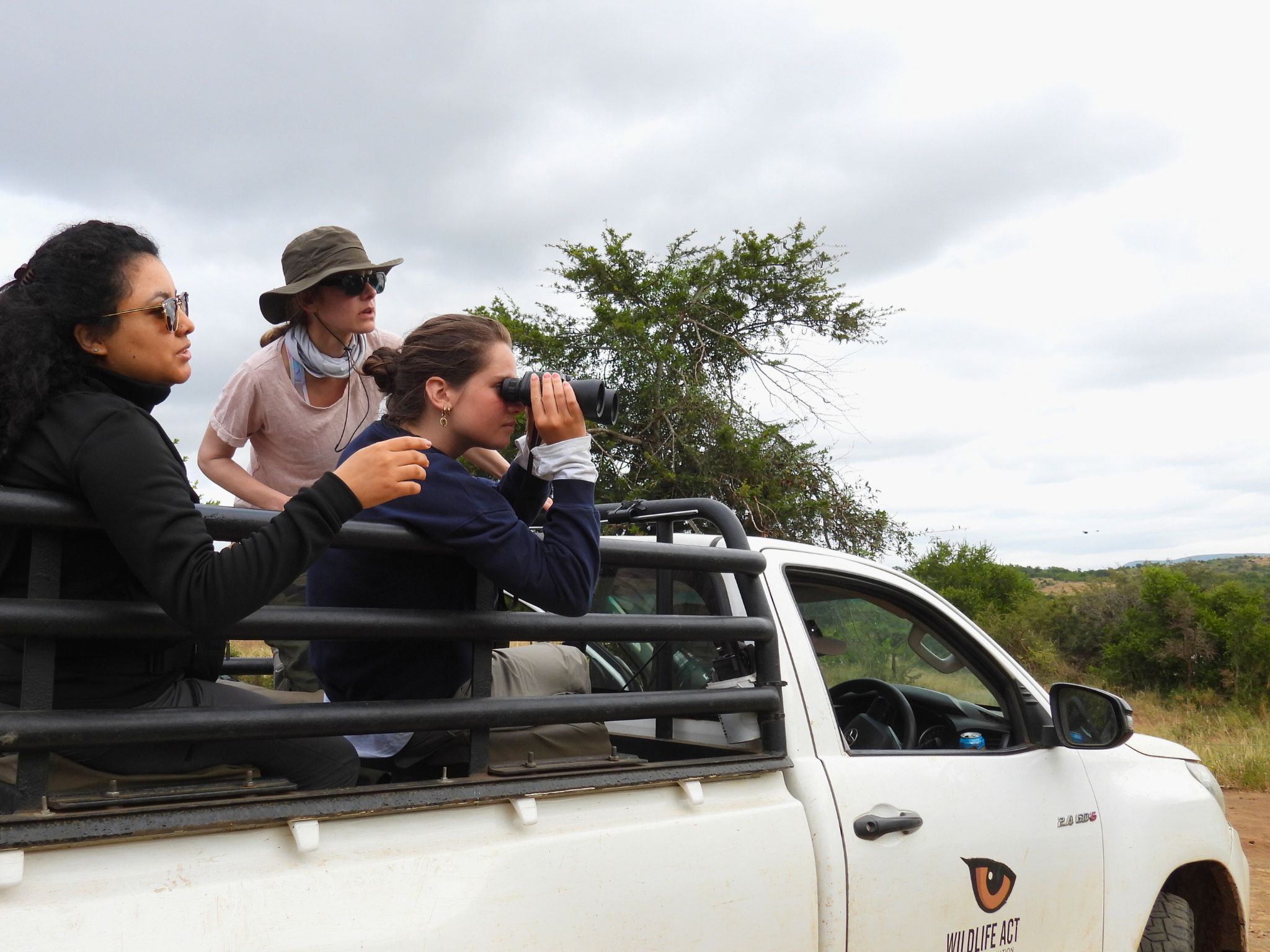
For travellers hoping to experience Africa’s iconic wildlife, the winter months (May to September) are widely considered the best time to visit.
During this period, the vegetation thins out, making animals easier to spot. Wildlife congregates around water sources (again, increasing your chances of those great sightings), temperatures are cooler and more comfortable for game drives, and the malaria risk is generally lower in many safari regions.
In areas such as Northern KwaZulu-Natal, where Wildlife ACT conducts much of its conservation work, winter conditions create excellent opportunities for observing Endangered species like African Wild Dogs, Cheetahs, and Black Rhinos.
Cooler temperatures are more favourable for certain conservation activities (such as Rhino dehornings as well as Cheetah translocation or collaring work), which makes winter an excellent time to participate in hands-on conservation experiences.
Winter is an important time for conservation monitoring across several of South Africa’s most threatened species. For example, African Wild Dogs typically den between May and August. During this time, packs remain near their dens while raising pups. In the Drakensberg Mountains, winter also coincides with the breeding season of South Africa's Vultures, including the regionally Critically Endangered Bearded Vulture, when pairs nest on remote cliff ledges. (Volunteering in winter? Find a comprehensive packing list here).
Unlike traditional safaris, conservation volunteering allows travellers to actively contribute to protecting these species while gaining deeper insight into how wildlife monitoring works on the ground.
In reality, though, there is no ‘wrong’ time when it comes to wildlife viewing.
Some of our volunteers prefer the warmer summer months, where you can afford to pack a bit lighter (don’t forget the rainjacket, though!). The shoulder seasons - spring and autumn - are also wonderful options, with reduced numbers of tourists visiting Zululand’s Protected Areas.
Spring is also a wonderful time to see young wildlife in many reserves. Many antelope species give birth during this period, and predators such as African Wild Dogs begin bringing their growing pups out of the den, offering a glimpse into the early stages of life in the wild.
When is the Best Time for Beaches and Coastal Travel?
If your ideal trip includes beaches, warm ocean water, and vibrant summer energy, the South African summer (December to February) is the perfect time to visit.
The east coast, including KwaZulu-Natal and Durban, experiences warm, subtropical weather with water temperatures that are comfortable for swimming (though keep in mind that you can expect quite a bit of rainfall here at this time of year).
The west coast and Cape Town offer beautiful beaches as well, with wonderful, long, sunny days - though swimming in the chilly waters of the Atlantic Ocean is perhaps reserved for the brave among us!
Summer is also a lively time across South Africa’s cities and coastal towns, with outdoor festivals, bustling markets, and long evenings perfect for exploring.
For travellers combining conservation experiences with leisure travel, a summer itinerary can include volunteering with wildlife followed by time exploring South Africa’s famous coastlines.
When is the Best Time for Wildflowers and Scenic Landscapes?
(1).jpg)
Spring (August to September) brings one of South Africa’s most extraordinary natural spectacles: the Namaqualand wildflower bloom.
After winter rains, the normally arid landscape transforms into carpets of colourful flowers stretching across the Northern and Western Cape. This seasonal phenomenon attracts photographers, botanists, and nature enthusiasts from around the world.
Spring is also a wonderful time for hiking and exploring mountain landscapes such as the Drakensberg, where warming temperatures and blooming vegetation create beautiful conditions for outdoor activities.
For travellers interested in conservation, the Drakensberg is also home to important monitoring work by Wildlife ACT, focused on the regionally Critically Endangered Bearded Vulture, one of southern Africa’s most threatened raptor species, as well as the region’s only endemic, resident Vulture - the Cape Vulture.
When is the Best Time for Marine Wildlife?
South Africa’s oceans, in which major ocean currents converge to create nutrient-rich waters, support exceptional marine biodiversity.
Different seasons offer different marine spectacles and sighting opportunities. The sardine run, typically occurring between May and July along the KwaZulu-Natal coastline, occurs when massive shoals of sardines migrate northwards, attracting dolphins, sharks, whales, and seabirds in an extraordinary feeding event often referred to as the “Greatest Shoal on Earth.”
Along the western coast, visitors may encounter whales, dolphins, seals, and seabirds, while kelp forest ecosystems offer remarkable snorkelling and diving experiences.
These marine environments are also critical conservation areas, highlighting the importance of protecting South Africa’s diverse ecosystems both on land and at sea.
When is the Best Time to Volunteer with Wildlife?
.jpg)
Conservation volunteering in South Africa takes place year-round, but each season offers slightly different experiences. While it can be a difficult decision to make, you really can’t go wrong - any time of year is sure to offer up unique experiences and unforgettable sightings.
The Benefits of Volunteering in Winter (May to September)
- Excellent wildlife visibility
- Cooler working conditions
- High levels of wildlife monitoring activity
The Benefits of Volunteering in Spring (September to November)
- Mild weather and green landscapes
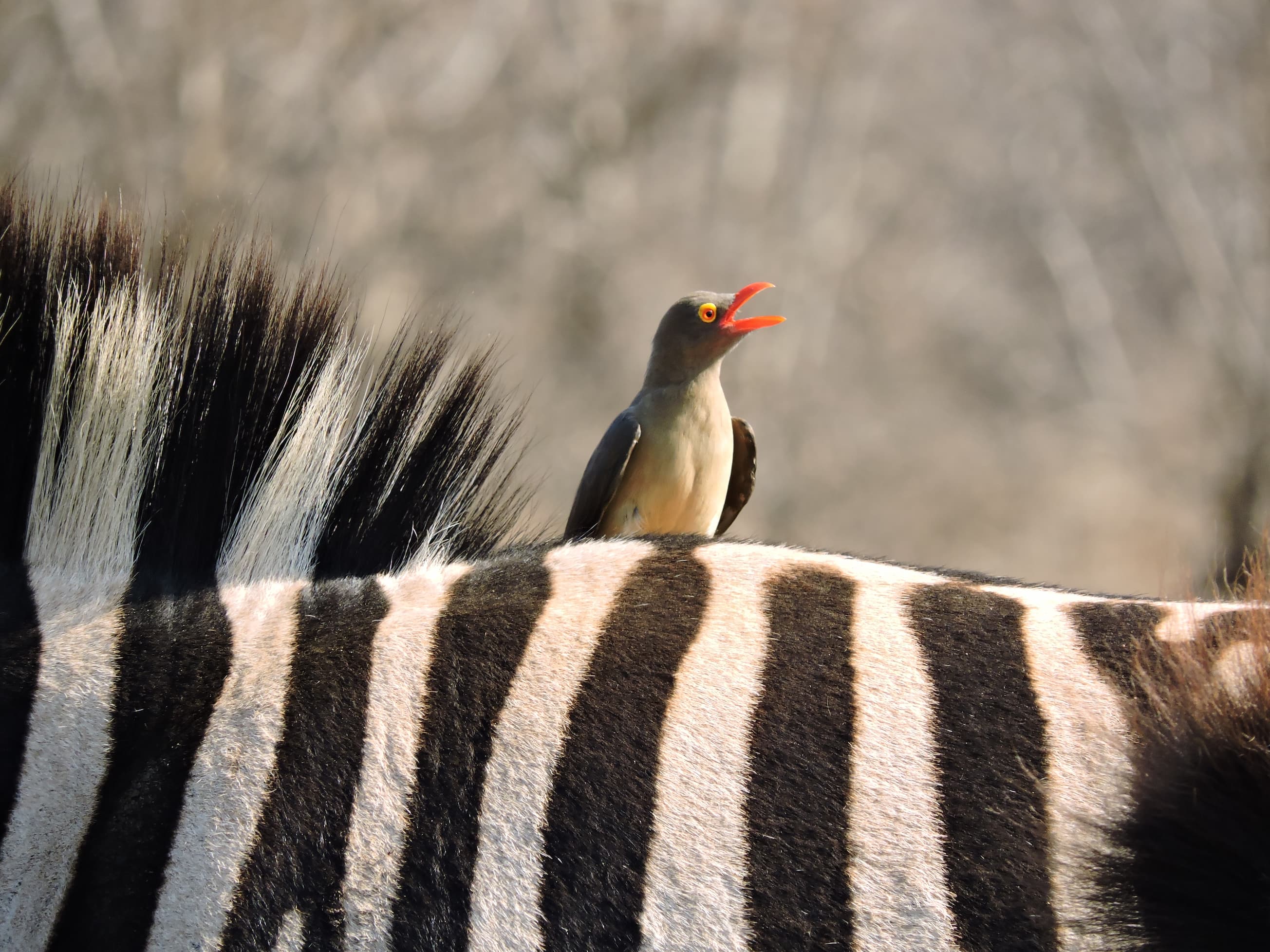
- Bird activity increases during breeding season
- Ideal for combining volunteering with wildflower travel
The Benefits of Volunteering in Summer (December to February)
- Lush vegetation and vibrant ecosystems
- Warmer temperatures and dramatic summer storms
- Good conditions for extended travel across the country
The Benefits of Volunteering in Autumn (March to May)
- Pleasant, moderate temperatures and lower humidity in many regions
- Landscapes begin transitioning from lush summer growth to drier winter conditions
- Fewer tourists in many areas, creating a quieter and more immersive conservation experience
Zululand: A Conservation-Focused Safari Experience
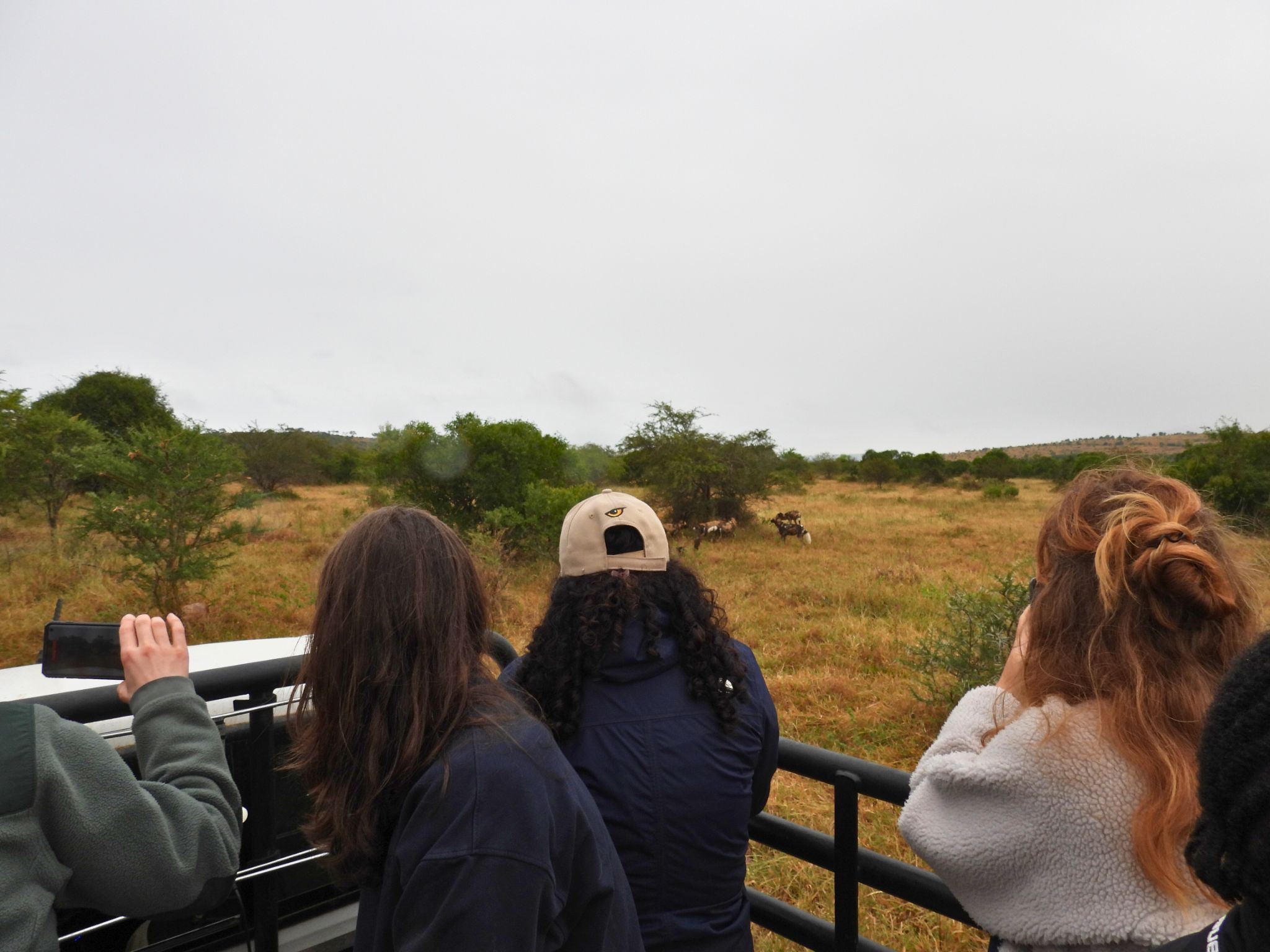
Many wildlife enthusiasts choose to combine several regions in one South Africa trip, such as the Kruger National Park, South Africa’s most famous safari destination, as well as Zululand, one of the most important conservation landscapes in South Africa. This way, you’ll experience more traditional wildlife viewing as well as hands-on conservation.
Within Zululand, there is a network of Protected Areas that play a critical role in safeguarding threatened species such as African Wild Dogs, Cheetahs, Black Rhinos, and Vultures.
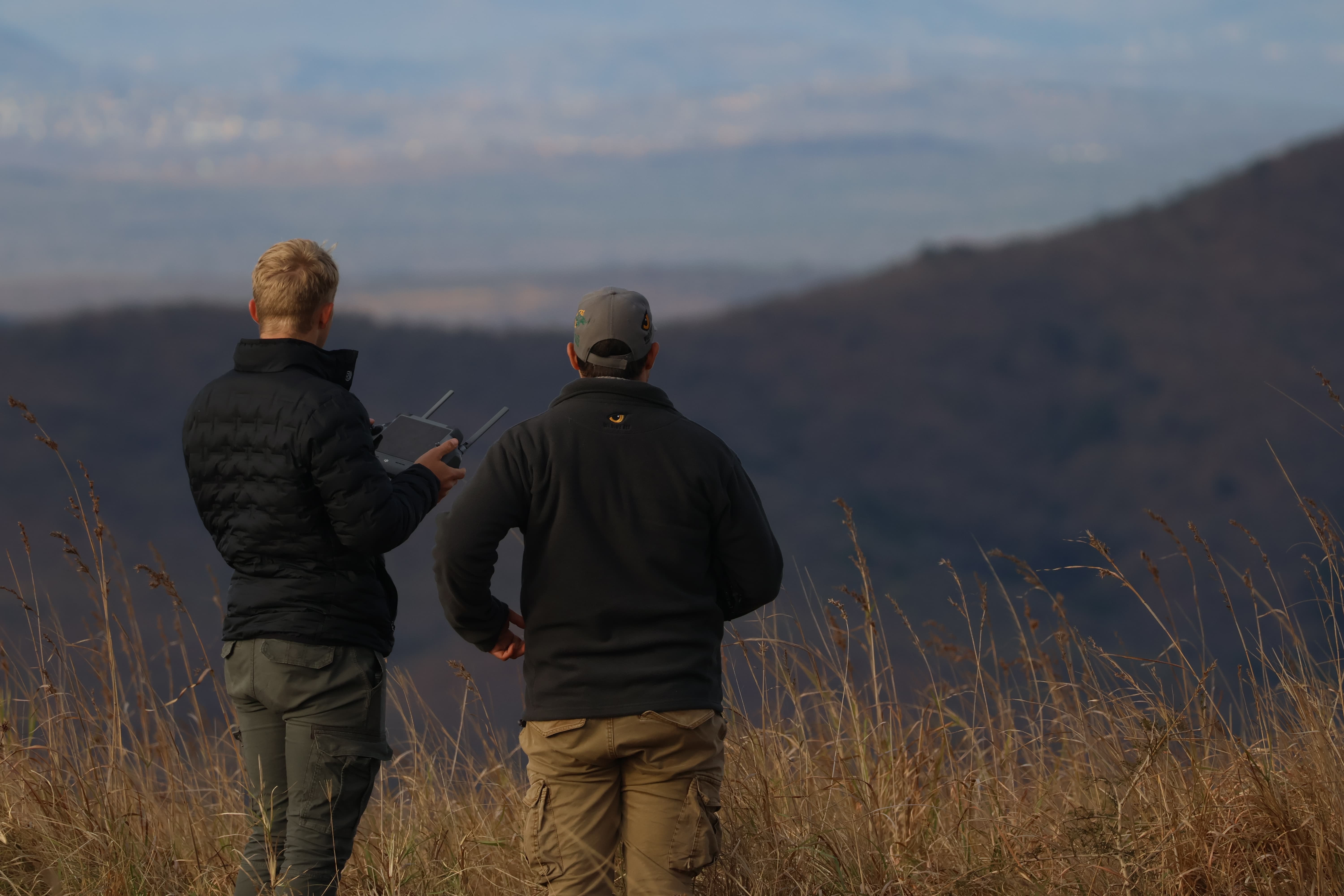
Wildlife ACT’s Endangered Species Project in Zululand offers participants the opportunity to assist with real conservation work, including wildlife monitoring, camera trap surveys, and data collection that contributes directly to Endangered species protection.
Many participants describe these experiences as far more meaningful than a traditional safari, offering insight into the daily work of conservationists and the complex challenges involved in protecting wildlife.
For those looking to travel with purpose, joining a Wildlife ACT conservation programme in Zululand or the Drakensberg provides a rare opportunity to contribute directly to protecting South Africa’s most vulnerable species while exploring some of the country’s most remarkable natural landscapes.
Planning Your Trip to South Africa
When planning your visit, consider experiences that you’d like to have, which regions of the country you want to explore, seasonal wildlife events to plan your travel around, as well as your travel budget.
South Africa is widely regarded as a relatively affordable long-haul travel destination, partly due to favourable exchange rates and strong performance in global tourism price competitiveness rankings. High-quality accommodation, world-class cuisine, and unique experiences are often accessible at a fraction of the cost of other similar destinations.
For travellers interested in sustainable tourism, it is particularly important to research organisations carefully. Ethical wildlife experiences should support genuine conservation outcomes and avoid exploitative practices.
A Journey That Makes a Difference
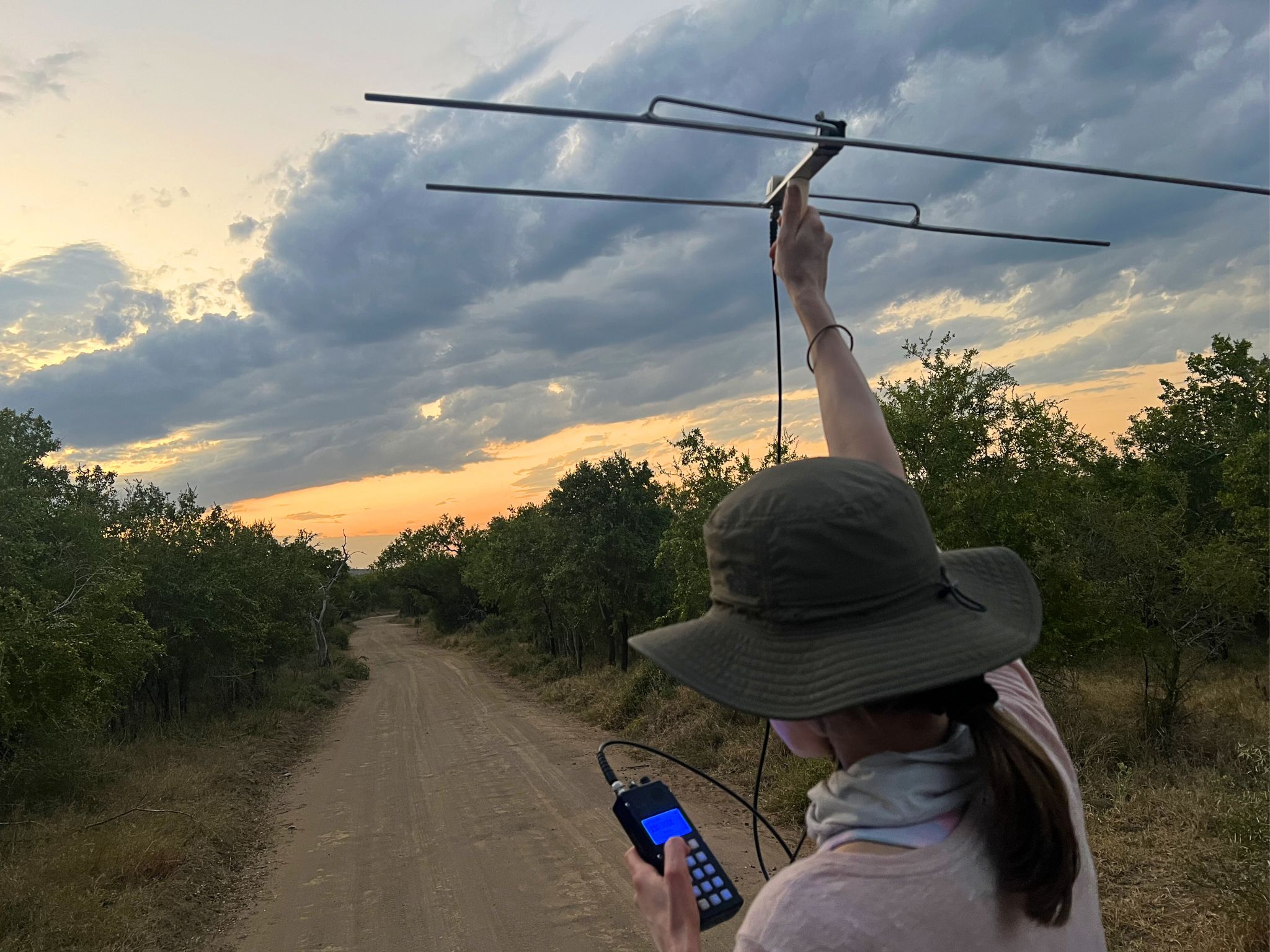
South Africa’s extraordinary landscapes and wildlife make it one of the most compelling destinations on Earth. But for many travellers, the most rewarding experiences come from connecting with the people and conservation initiatives working to protect these ecosystems.
Whether you are exploring the coastlines, hiking through mountain ranges, witnessing spectacular wildlife events, or joining conservation teams in the field, every journey here has the potential to deepen your connection with nature.
For those who want to go beyond traditional tourism, volunteering with organisations such as Wildlife ACT offers the opportunity to contribute directly to the protection of Endangered and threatened species while experiencing the wild places that make South Africa so remarkable.
When you plan your trip thoughtfully, your visit has the potential to become part of the ongoing effort to safeguard South Africa’s natural heritage for generations to come.
Frequently Asked Questions About Visiting South Africa
.jpg)
Is South Africa a year-round travel destination?
Yes. South Africa can be visited throughout the year because its climate varies by region. Coastal areas such as KwaZulu-Natal remain warm for most of the year, while inland regions experience cooler winters and hotter summers. Each season offers different advantages depending on whether you are interested in wildlife viewing, beach holidays, hiking, or nature events.
When is the cheapest time to visit South Africa?
The most affordable time to visit is usually during the shoulder seasons, particularly March to May (autumn) and September to November (spring). During these periods, there are generally fewer tourists, moderate weather conditions, and more availability at accommodation and tour operators.
Can you volunteer with wildlife in South Africa year-round?
Yes. Conservation volunteering opportunities operate throughout the year. Programmes such as those run by Wildlife ACT allow participants to assist with wildlife monitoring, camera trapping, and conservation research in regions like Zululand and the Drakensberg Mountains. Seasonal conditions may influence the type of fieldwork undertaken, but meaningful conservation experiences are available year-round.
.jpeg)


(1).avif)
.avif)
