Life on a Mountain Conservation Project in the Southern Drakensberg
The Southern Drakensberg offers one of the most distinctive settings for wildlife conservation volunteering in South Africa. Defined by dramatic mountain cliffs, high altitude grasslands, and expansive valleys, this landscape supports important populations of threatened species, including the Bearded Vulture and Cape Vulture.
For those joining a conservation volunteer program in this region, daily life is shaped by the rhythms of the mountain ecosystem. Each day revolves around wildlife monitoring, field surveys, and contributing to long term conservation work across the Maloti–Drakensberg landscape. Rather than focusing on short-term wildlife encounters, this is a hands-on wildlife conservation volunteering experience where participants support real conservation programs alongside trained practitioners.
A typical day on a wildlife conservation volunteer program in the Drakensberg includes early morning monitoring, field surveys across remote mountain terrain, recording ecological data, and supporting ongoing conservation research. Activities vary depending on the season and conservation priorities, but each day contributes to long term efforts to protect species and ecosystems.
Volunteers become part of a small conservation team working in a remote and ecologically significant environment. Some days begin with early morning hikes to observation points overlooking Vulture nesting cliffs, while others may involve maintaining camera traps, monitoring activity at a Vulture safe feeding site, or assisting with biodiversity surveys across the landscape.
This combination of fieldwork, learning, and conservation contribution defines the wildlife volunteer experience in the Southern Drakensberg.
Early Mornings in the Drakensberg Mountains
For many taking part in wildlife conservation volunteering in South Africa, early mornings quickly become part of the daily rhythm. On the Wildlife ACT Southern Drakensberg conservation volunteer program, most days begin around 7am, and sometimes earlier depending on the monitoring schedule or travel requirements.
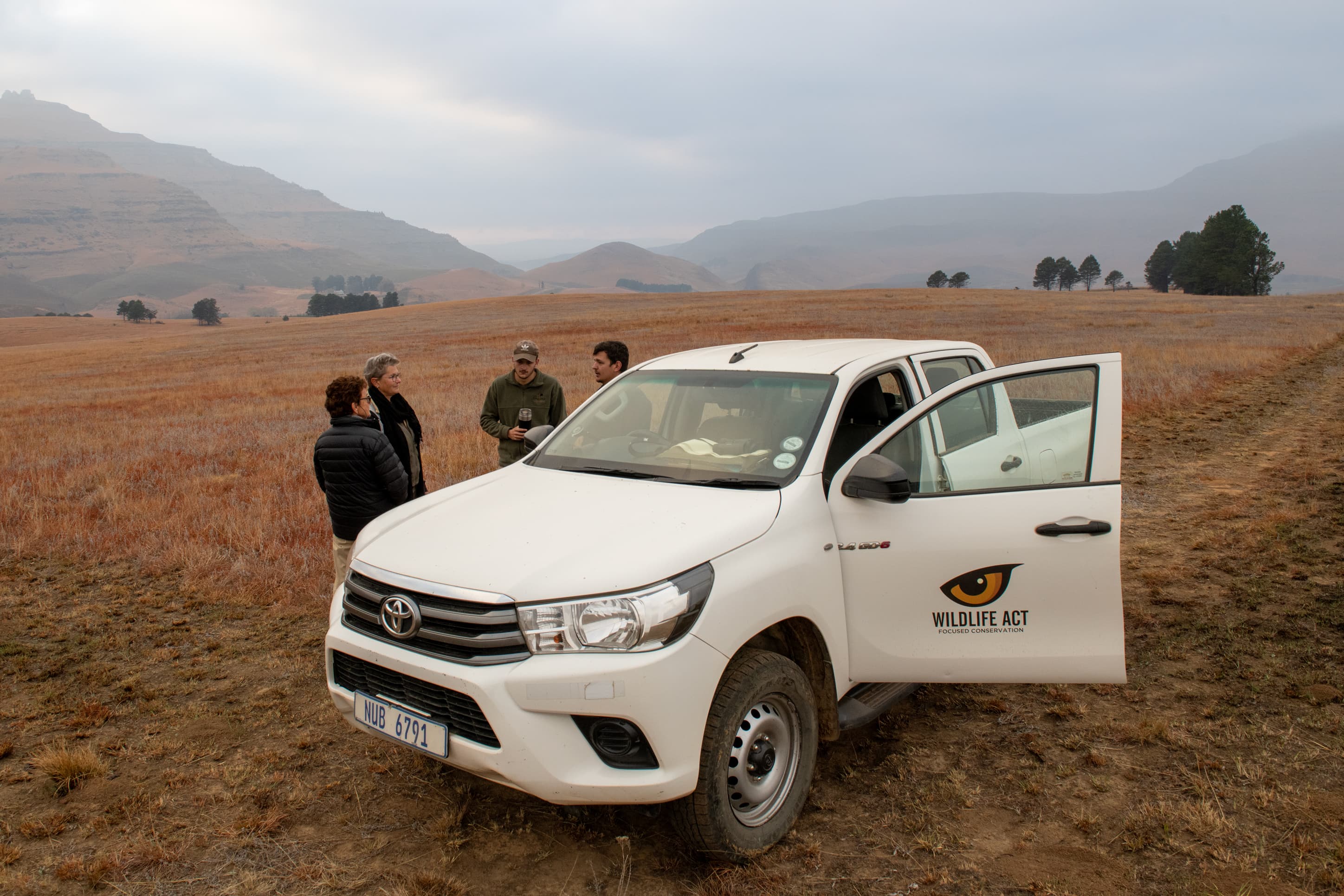
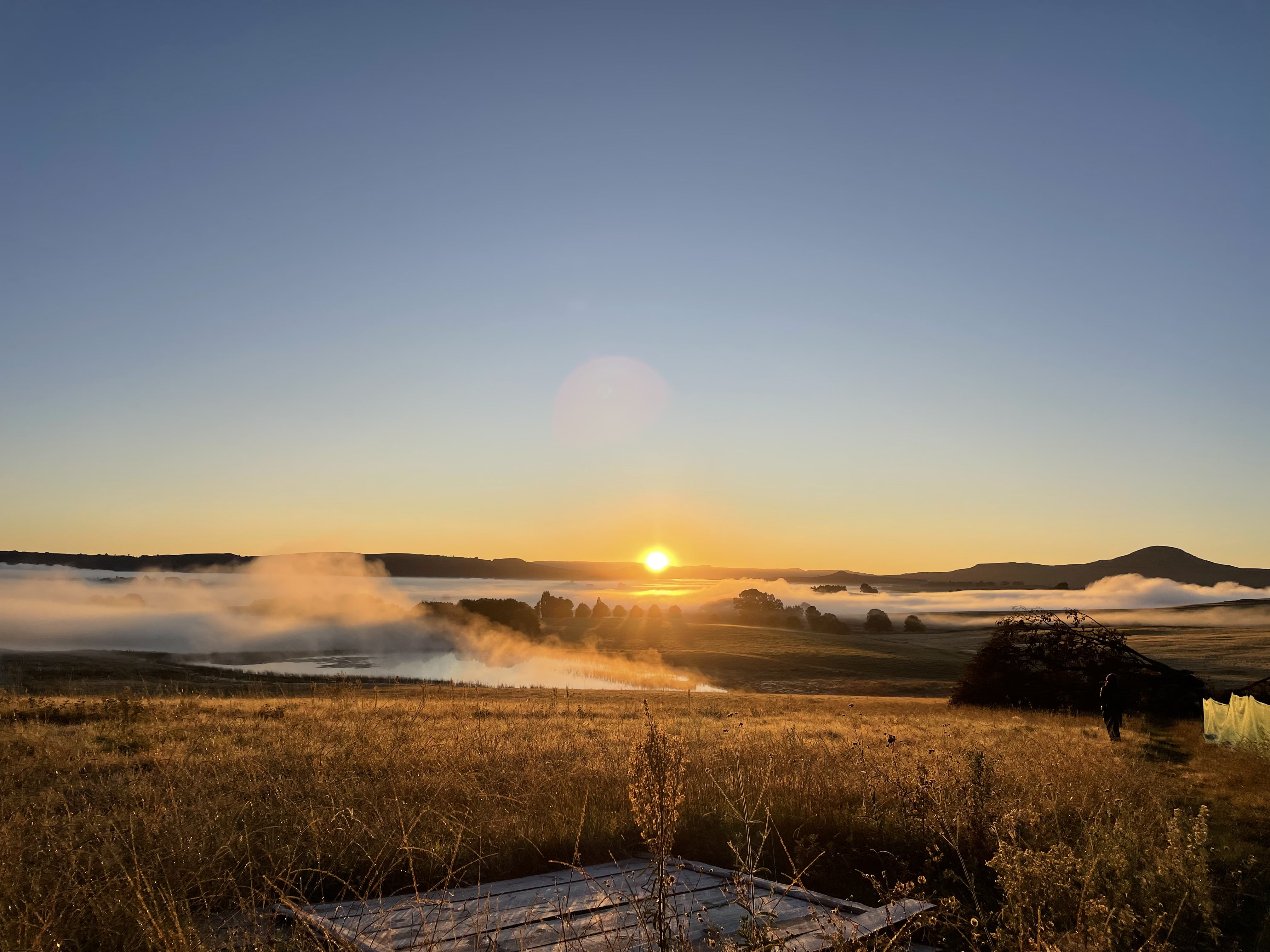
There is a quiet sense of anticipation at the start of the day. With the mountains still cool and often wrapped in low mist, the team prepares equipment, packs field gear, and reviews the plan for the day ahead. Coffee is usually essential, often poured into a travel mug as everyone heads out into the landscape.
These early hours are critical for wildlife monitoring. As the sun begins to warm the cliffs and valleys, thermals start to form along the escarpment, creating ideal flying conditions for Vultures. Bird activity increases steadily, and the landscape shifts from stillness to movement as species begin to forage.
For those volunteering in South Africa on a conservation project like this, mornings often provide some of the most rewarding moments in the field. Being present during this period allows volunteers to observe natural behaviour while contributing to meaningful conservation monitoring.
Beginning the Day’s Wildlife Monitoring
Once the team reaches the field site, structured monitoring begins. Observation points are selected to provide clear views across valleys and cliff faces where Vultures may be nesting or moving through the landscape.
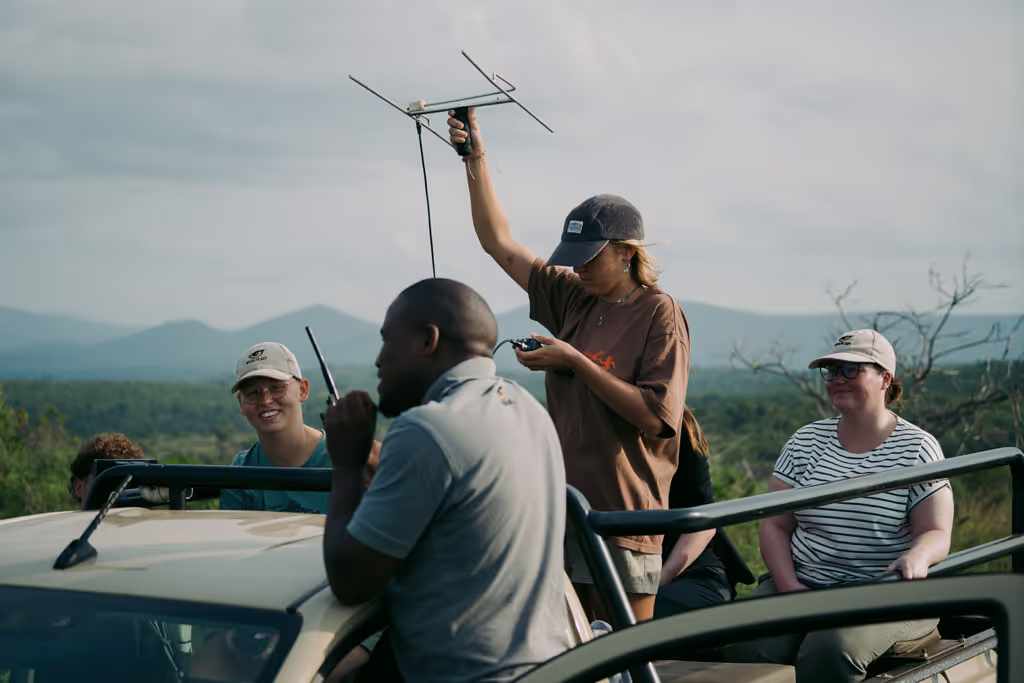
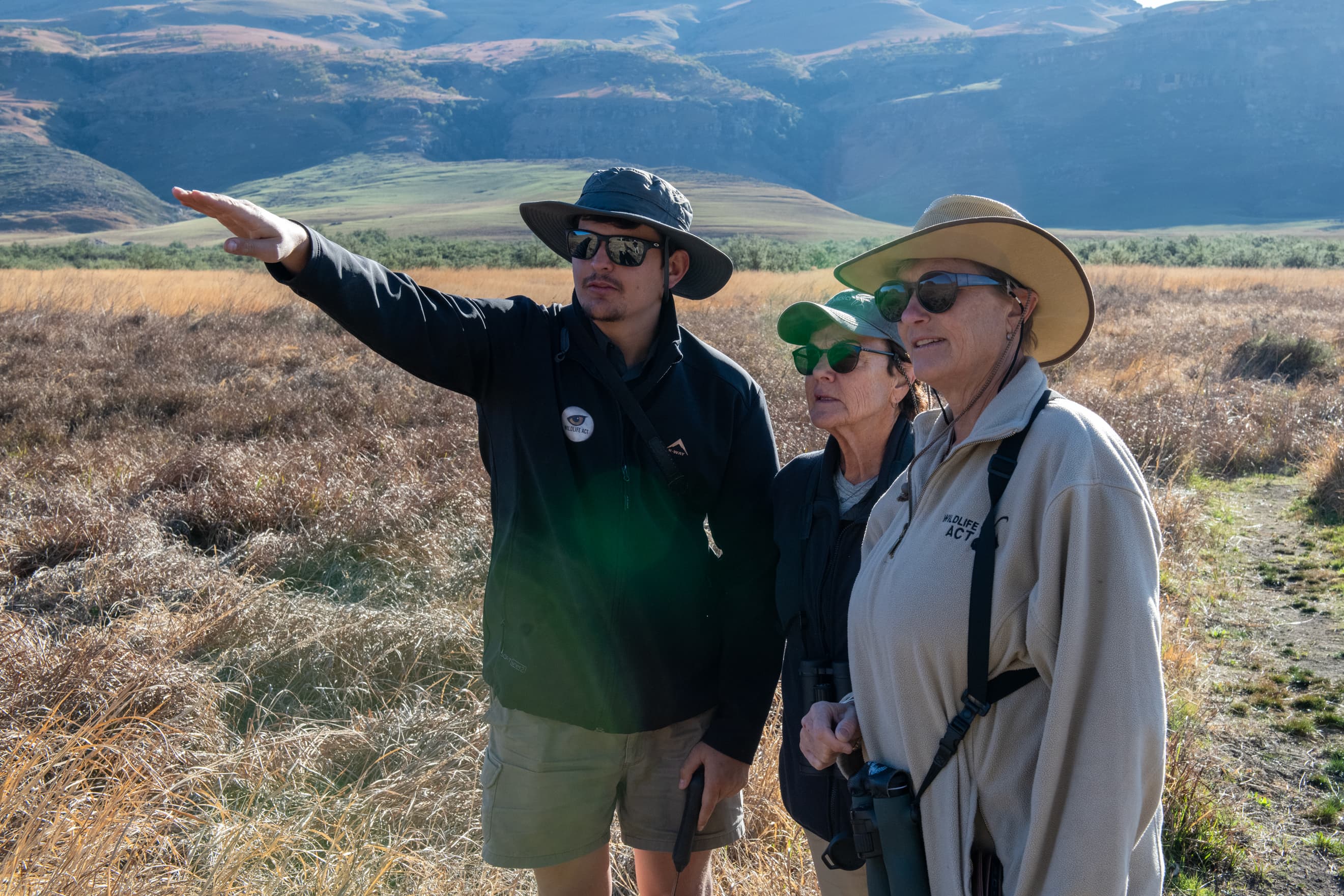
From these vantage points, the team scans the environment using binoculars and spotting scopes. The process requires patience and focus, with observers watching for Vultures lifting off from cliffs, circling on thermals, or travelling between feeding and nesting areas.
Volunteers actively contribute to this work. Sightings are recorded in detail, including species identification, number of individuals, behaviour, and flight direction. Environmental conditions such as wind and visibility are also noted, as these influence wildlife activity.
Over time, these observations form part of long term conservation datasets. This is a key part of what volunteers do on a wildlife conservation program, turning daily fieldwork into data that supports conservation planning and species protection.

Field Surveys in a Mountain Landscape
Field surveys in the Southern Drakensberg involve working across a landscape that is both physically demanding and ecologically significant. The terrain ranges from open grasslands to steep slopes and rocky escarpments, requiring both vehicle access and hiking to reach monitoring locations.
Conditions in the mountains can change quickly. Clear skies may give way to mist or strong winds, requiring the team to adapt plans and adjust fieldwork accordingly. This variability is part of working in a high altitude environment and adds to the dynamic nature of conservation volunteering in the region.
Despite these challenges, the scale of the landscape provides a unique perspective. Large open areas allow conservation teams to observe wildlife movements across vast distances, offering insights that are not always possible in more densely vegetated environments.
For volunteers, this highlights the importance of landscape-level conservation and the role monitoring plays in understanding how species use these ecosystems.
Observing Vultures and Other Mountain Wildlife
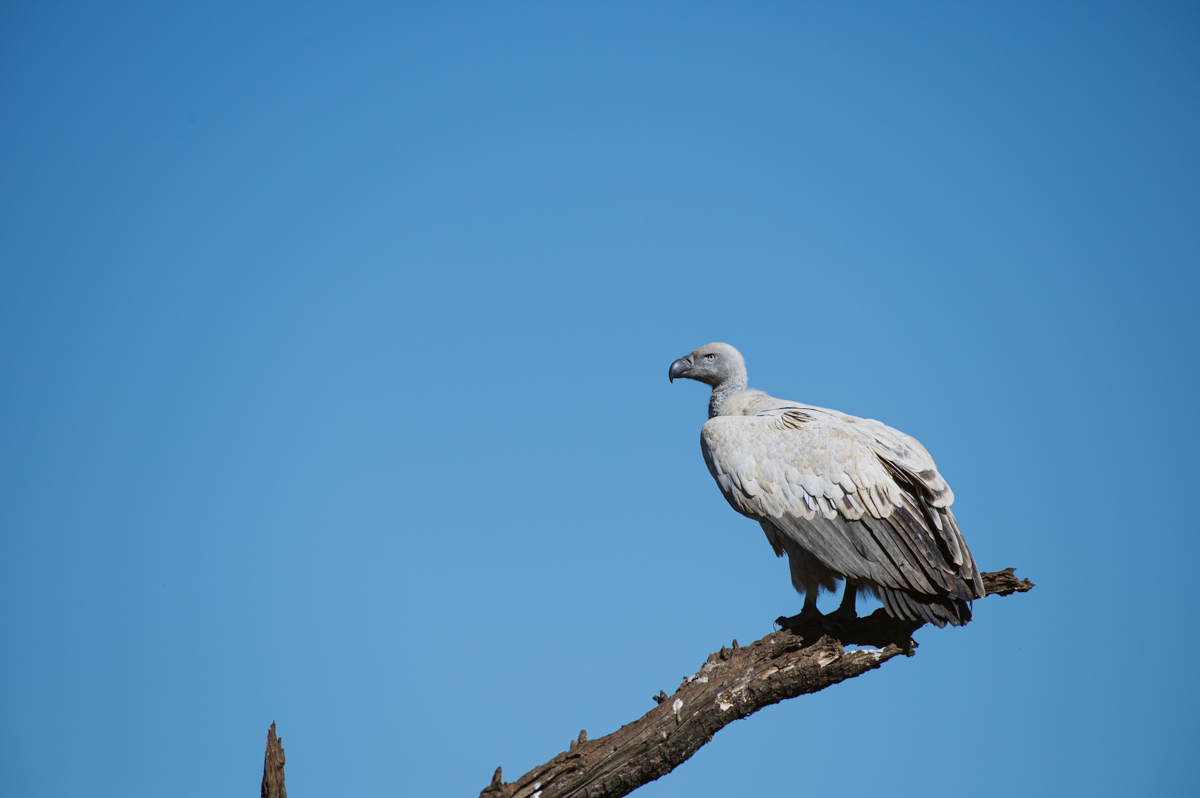
A central part of the wildlife conservation volunteer experience in the Drakensberg is observing Vulture activity across the landscape. The region supports important populations of Bearded Vultures and Cape Vultures, making it a key area for conservation monitoring.
Observers watch for birds soaring along cliff edges, gliding across valleys, or riding thermals above the mountains. Identifying species, noting behaviour, and tracking movements all contribute to understanding how these birds use the landscape.
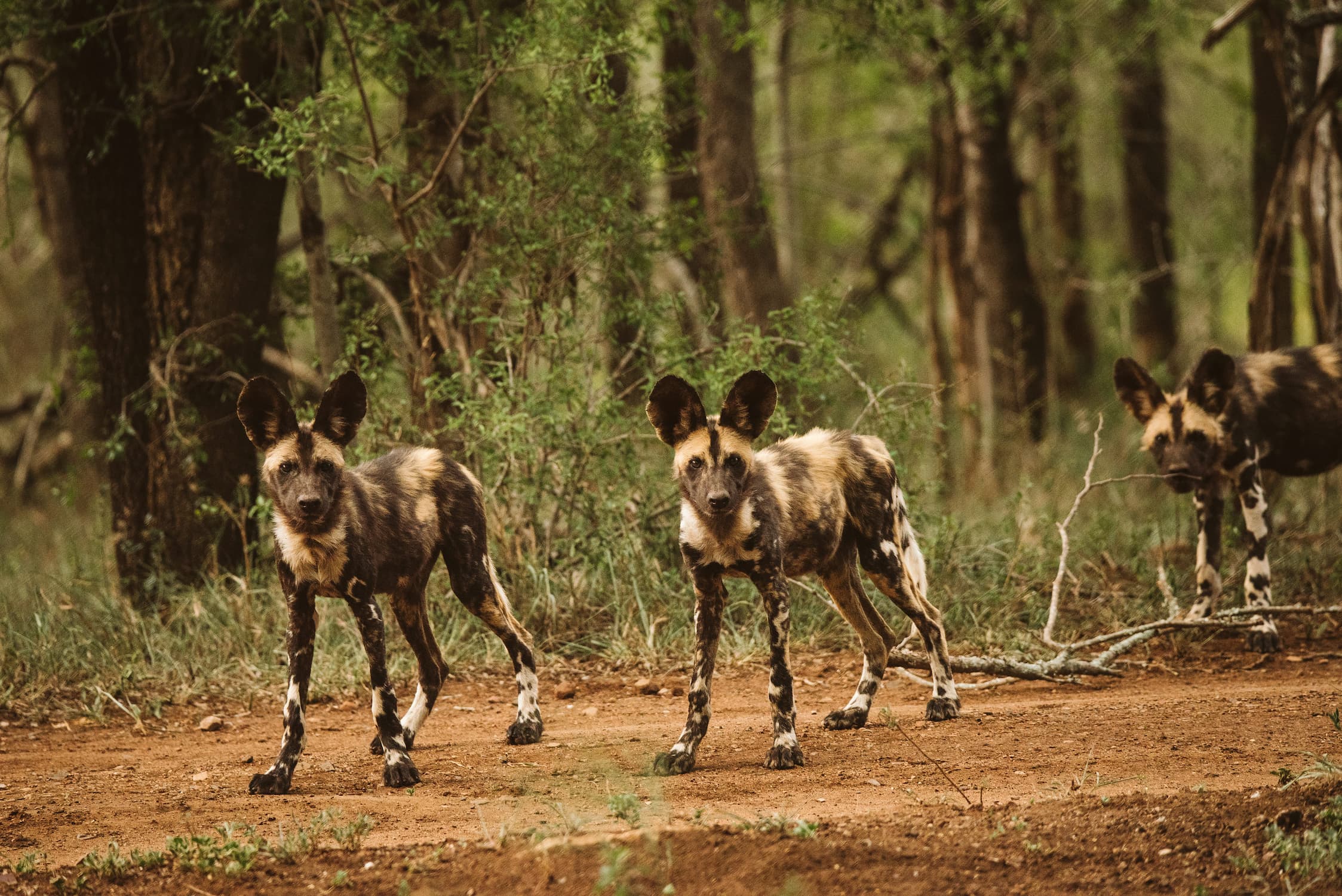
While Vultures are the primary focus, monitoring often reveals a much wider range of species. Camera trap surveys and field observations may record Serval, Caracal, Leopard, Aardvark, and Otters. Many of these animals are rarely seen directly, making camera traps an essential tool in conservation research.
These observations provide important context, helping conservation teams understand how different species interact within the ecosystem.
Recording Data and Supporting Conservation Research
Data collection is a core part of wildlife conservation volunteering and plays a critical role in turning field observations into meaningful conservation outcomes. Throughout the day, wildlife sightings and environmental conditions are recorded carefully to ensure accuracy.
Volunteers contribute directly to this process, supporting the recording and organisation of ecological data. This includes maintaining field notes and assisting with camera trap data processing.
Camera trap surveys provide an additional layer of insight. Memory cards are retrieved and images are reviewed and catalogued, often revealing species that are rarely seen during active fieldwork. This process is time intensive but highly valuable for understanding biodiversity.
For those interested in conservation careers, this is one of the most informative parts of the experience. It demonstrates how data collected in the field is used to inform research, management, and conservation decision making.
Life as Part of a Small Conservation Team
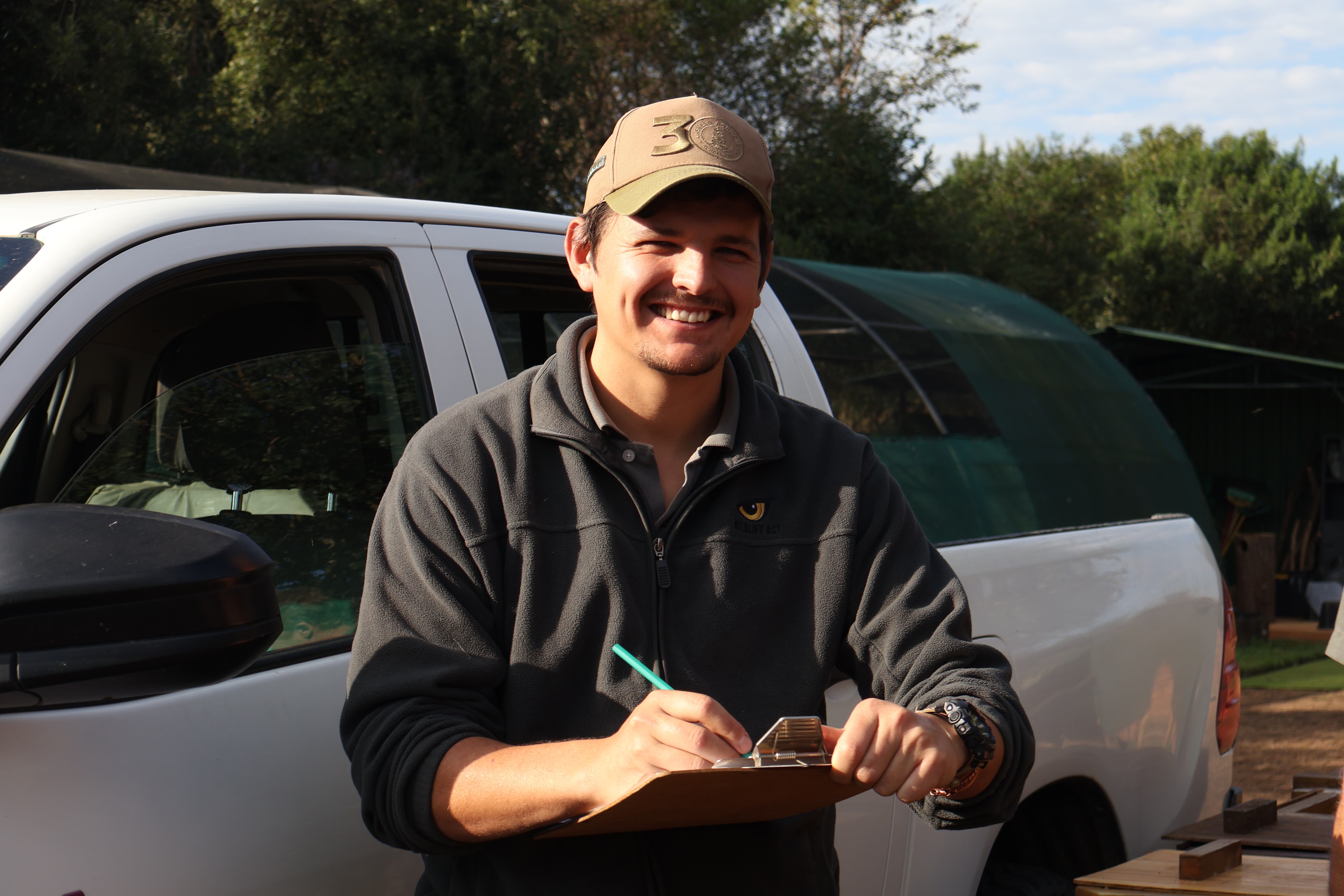
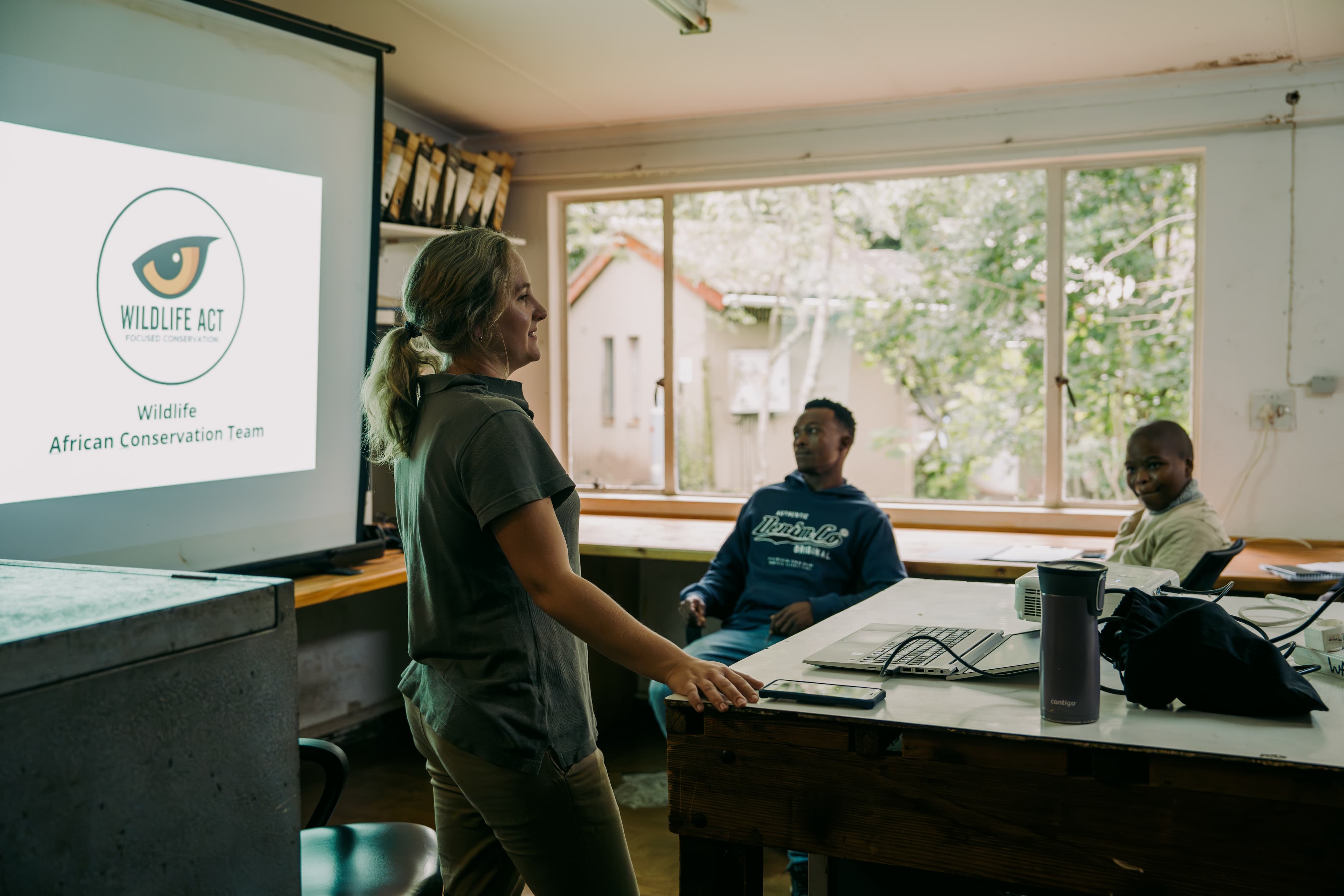
Life on the Southern Drakensberg conservation volunteer program is shaped by a small and collaborative team environment. Volunteers work closely with experienced conservation practitioners and contribute to the daily functioning of the project.
This creates a strong sense of shared purpose. Tasks are approached collectively, whether navigating to monitoring sites, maintaining equipment, or supporting fieldwork activities.
The close team dynamic also provides ongoing learning opportunities. Conversations in the field often lead to deeper discussions about wildlife behaviour, conservation challenges, and ecological processes.
For many volunteers, this collaborative environment becomes one of the most rewarding aspects of the experience.
Experiencing the Drakensberg Landscape
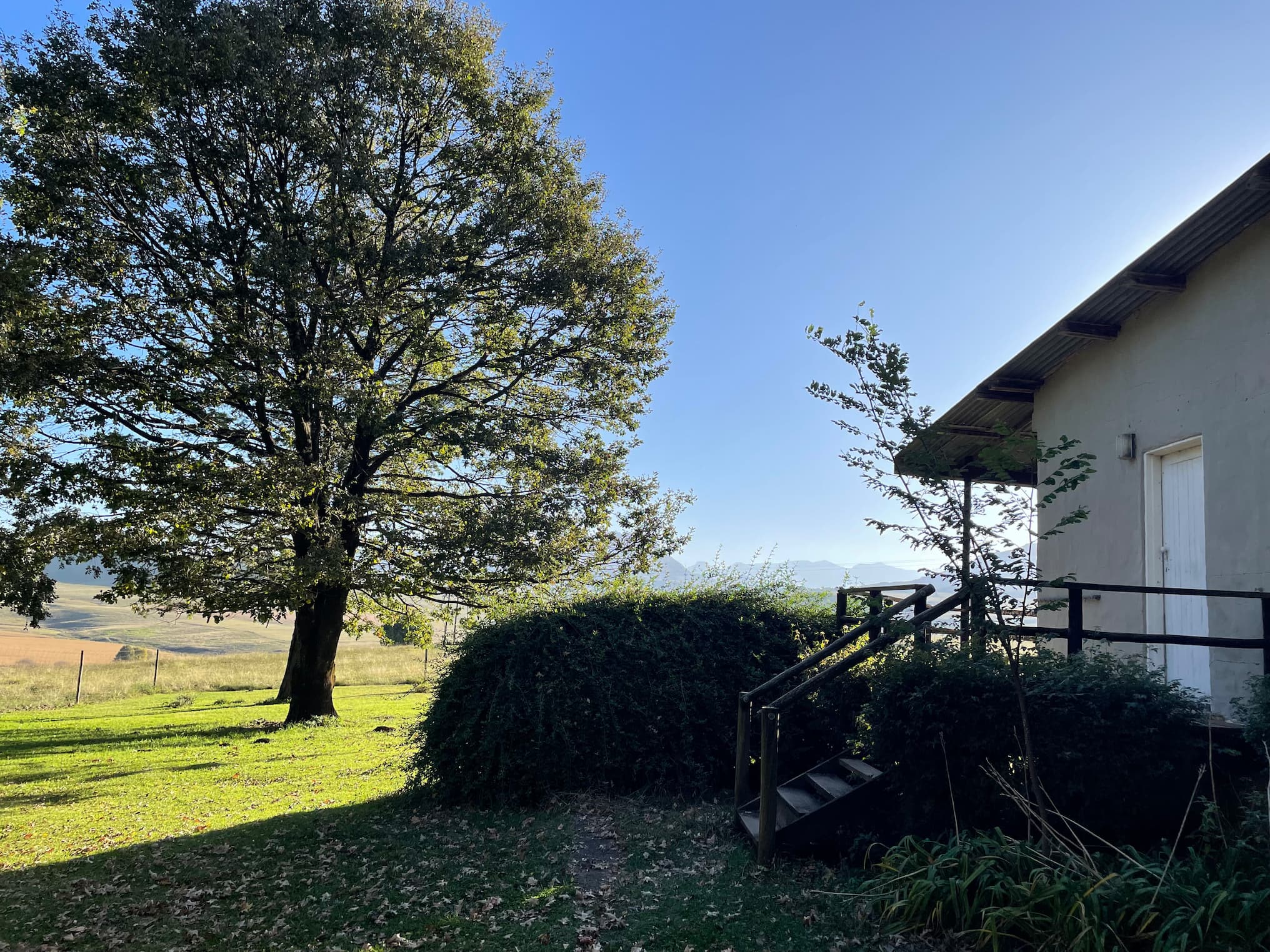
The Southern Drakensberg is a landscape that leaves a lasting impression. Towering cliffs, open grasslands, and distant mountain ridges create an environment that feels both expansive and remote.
Living and working in this setting allows volunteers to experience the rhythms of a mountain ecosystem in a direct and meaningful way. The day is shaped by changing light, shifting weather, and the movement of wildlife across the landscape.
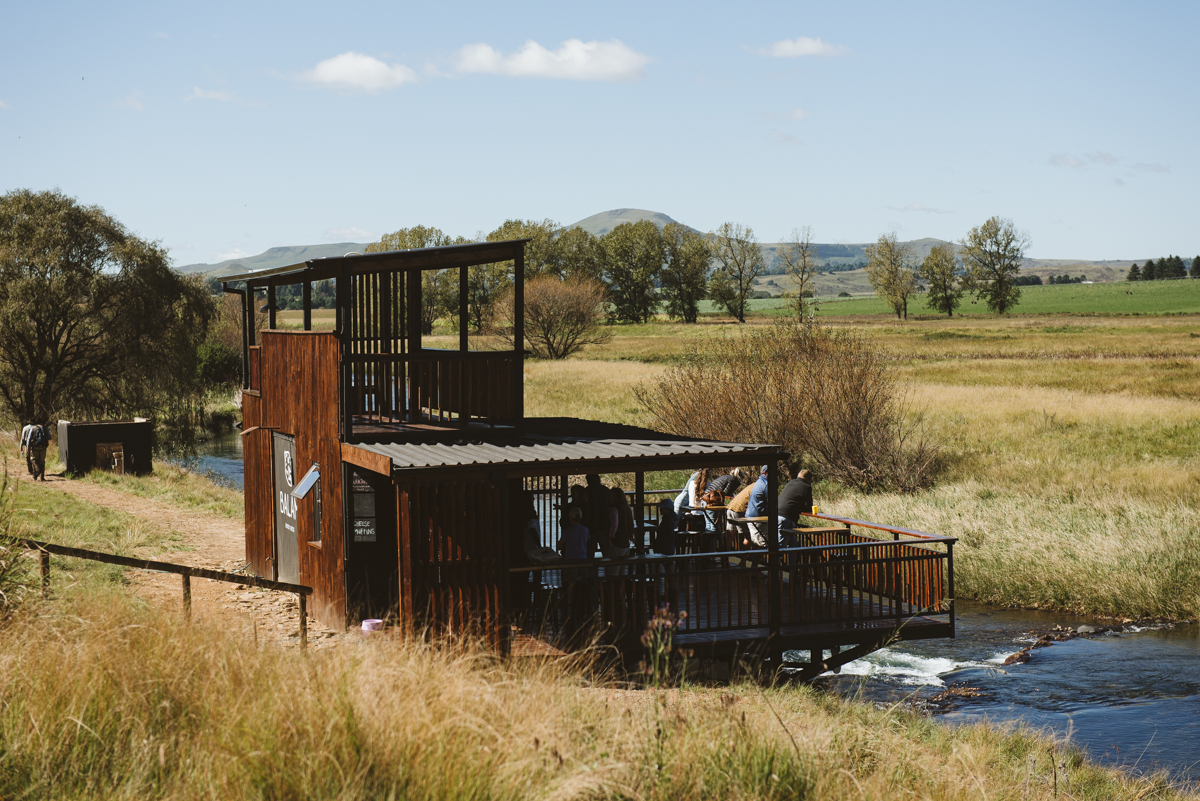
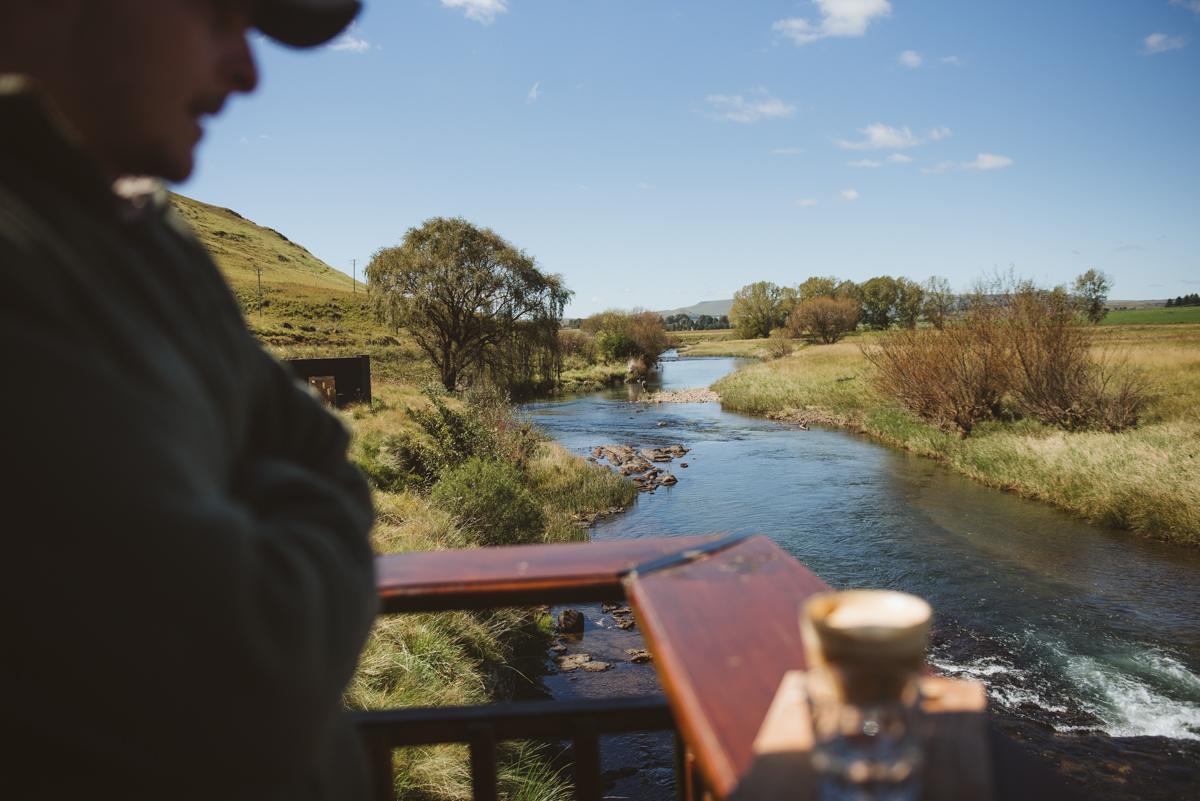
Outside of structured fieldwork, quieter moments become part of the experience. Whether it is spending time near a river, enjoying a walk, or watching the mountains at sunset, these moments help create a deeper connection to the environment.
Learning Through Hands-On Conservation Work
Wildlife conservation volunteering in the Drakensberg provides a practical and immersive learning experience. Volunteers are actively involved in monitoring activities and gain exposure to how conservation programs operate in the field.
Through participation, individuals develop skills in wildlife observation, species identification, and ecological data collection. They also gain insight into how monitoring protocols are applied and why long term datasets are essential for conservation.
For students, graduates, and aspiring conservationists, this experience offers a valuable introduction to the realities of conservation work in South Africa.
Contributing to Long-Term Conservation in the Drakensberg
Every day of wildlife conservation volunteering contributes to a broader conservation effort across the Maloti–Drakensberg region. Monitoring activities support long term datasets that help conservation teams understand species populations, identify threats, and guide management decisions.
By assisting with these activities, volunteers help strengthen conservation capacity in a remote and ecologically important landscape. Their contributions support research, improve knowledge of biodiversity, and help protect species such as the Bearded Vulture and Cape Vulture.
For those seeking a meaningful conservation volunteer experience, this work provides the opportunity to contribute directly to real conservation outcomes.
How to Join the Wildlife ACT Southern Drakensberg Project
If you are interested in wildlife conservation volunteering in South Africa, you can join the Wildlife ACT Southern Drakensberg Conservation Project through the organisation’s volunteer program.
Participants join small teams working alongside experienced conservation practitioners and assist with wildlife monitoring, Vulture conservation activities, and biodiversity surveys across the Maloti–Drakensberg landscape.
To learn more and apply, visit:
https://www.wildlifeact.com/volunteer/program/vulture-conservation-south-africa
Frequently Asked Questions About Volunteering in the Drakensberg
What does a typical day look like on a wildlife conservation volunteer program in South Africa?
A typical day on a wildlife conservation volunteer program in the Southern Drakensberg includes early morning wildlife monitoring, field surveys across mountain landscapes, recording ecological data, and supporting conservation research. Activities vary depending on the season and conservation priorities, but each day contributes to long-term efforts to protect species such as the Bearded Vulture and Cape Vulture.
What do wildlife conservation volunteers do on a program in the Drakensberg?
Wildlife conservation volunteers assist with structured monitoring activities, including observing Vulture populations, maintaining camera traps, supporting Vulture safe feeding site management, and recording biodiversity data. These activities contribute directly to long-term conservation research and ecological monitoring in the Maloti–Drakensberg region.
Do I need experience to join a wildlife conservation volunteer program?
No prior experience is required to join the Wildlife ACT volunteer program. Volunteers work alongside trained conservation practitioners who provide guidance on monitoring techniques, data collection, and fieldwork protocols. A willingness to learn and an interest in conservation are far more important than previous experience.
Do volunteers see wildlife during conservation monitoring?
Wildlife sightings can occur during fieldwork and camera trap reviews, particularly when monitoring Vultures and other species in the Drakensberg. However, sightings are never guaranteed, as wildlife behaviour is unpredictable. The focus of ethical wildlife conservation volunteering is on contributing to monitoring and research rather than seeking wildlife encounters.
Is wildlife conservation volunteering physically demanding?
Wildlife conservation volunteering in the Southern Drakensberg can involve moderate physical activity, including hiking to remote monitoring sites and working outdoors for extended periods. Volunteers should be comfortable spending time in nature and navigating uneven terrain.
How do volunteers contribute to real conservation work?
Volunteers support professional conservation teams by assisting with data collection, wildlife monitoring, and biodiversity surveys. The data collected contributes to long-term datasets that inform conservation planning, species protection strategies, and ecological research in the region.
Why is wildlife monitoring important for conservation?
Wildlife monitoring allows conservation teams to track species populations, understand behaviour, and identify emerging threats over time. In the Southern Drakensberg, monitoring Vultures and other species helps guide conservation decisions and supports regional conservation initiatives.
How long can I volunteer on the Wildlife ACT Drakensberg project?
Volunteers typically join the program in structured two-week cycles, with the option to stay longer depending on availability. Longer stays allow volunteers to gain deeper experience and contribute more meaningfully to ongoing conservation work.
What should I expect when volunteering in the Drakensberg?
You can expect a combination of hands-on fieldwork, learning, and teamwork in a remote mountain environment. Each day involves contributing to conservation activities while gaining insight into how wildlife monitoring and ecological research are conducted in practice.
References
BirdLife International, State of the World’s Birds: Indicators for Our Changing World, BirdLife International, Cambridge.
Drakensberg.org, Flora and Fauna of the Drakensberg, available at: https://drakensberg.org/flora-fauna/ (accessed 17 March 2026).
IUCN, The IUCN Red List of Threatened Species, International Union for Conservation of Nature, available at: https://www.iucnredlist.org/ (accessed 17 March 2026).
Project Vulture, The Bearded Vulture Recovery program, available at: https://projectvulture.org.za/our-work/reintroduction/the-bearded-vulture-recovery-project/ (accessed 17 March 2026).
Save Our Vultures, Mzimkulu Vulture Hide, available at: https://www.saveourvultures.com (accessed 17 March 2026).
Wildlife ACT, Monitoring Vultures in the Southern Drakensberg, available at: https://www.wildlifeact.com/blog/monitoring-vultures-in-the-southern-drakensberg (accessed 17 March 2026).
.jpeg)