Bridging the Gap Between Conservation Theory and Field Practice
For many science and biology students, the study of conservation begins in lecture halls, textbooks, and research papers. These foundations are essential, but they often leave an important question unanswered. What does conservation actually look like in practice?
Across Africa and beyond, conservation work is shaped by real-time decision making, complex ecological systems, and the daily realities of working in protected areas. Understanding these dynamics requires more than theory alone. It requires exposure to field-based conservation, where data is collected, species are monitored, and management decisions are informed by ongoing research.
The African Wildlife Conservation and Habitat Management Course offered by Wildlife ACT is designed to bridge this gap. Based in Hluhluwe-iMfolozi Park in South Africa, the course provides a structured conservation training experience that combines scientific learning with practical field application.
This guide is intended to help you assess whether this type of conservation training is the right fit for your academic interests, career direction, and personal goals.
A Structured Conservation Training Course Within a Working Protected Area
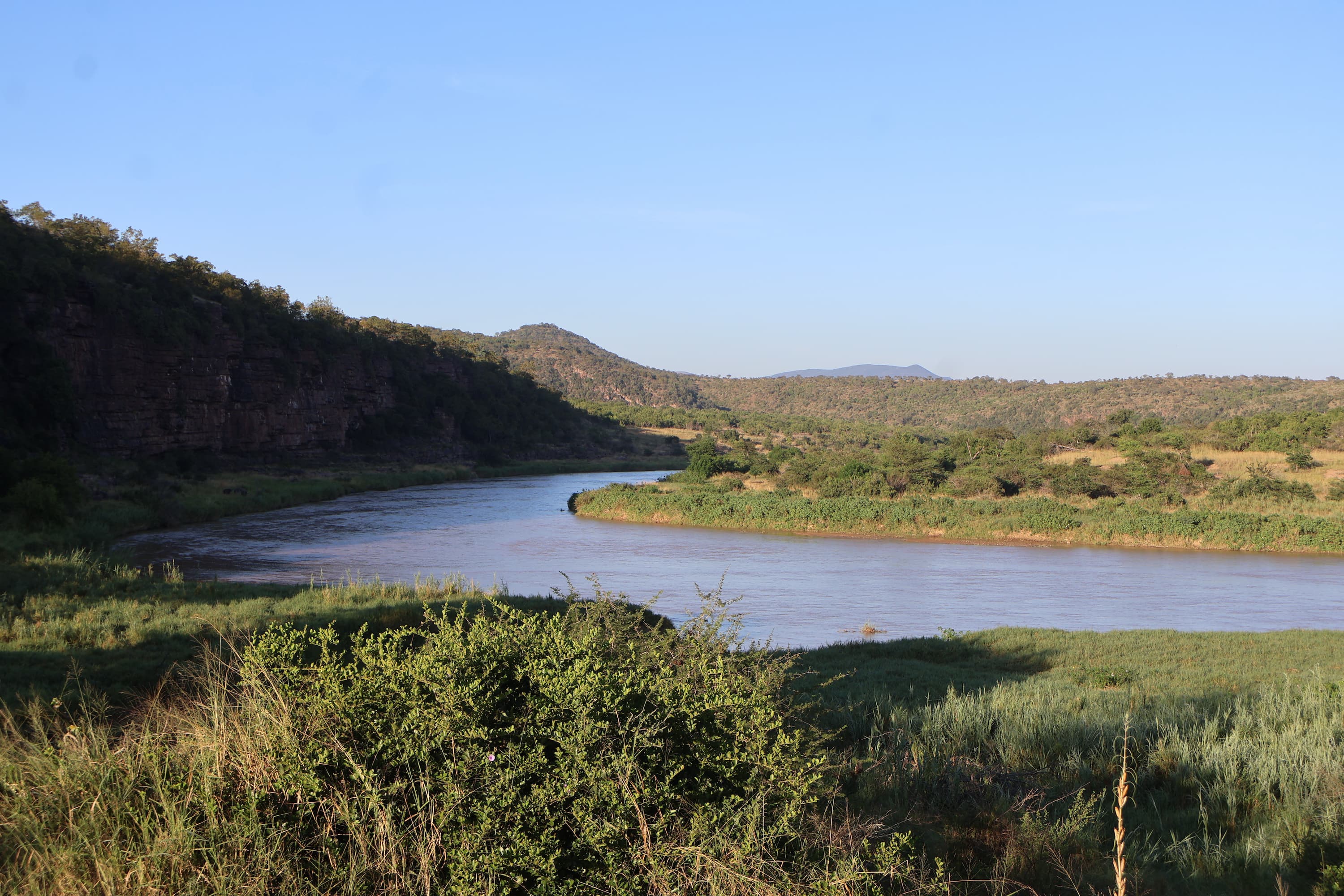
The African Wildlife Conservation and Habitat Management Course is a 28-day conservation training program delivered within a working protected area in South Africa. It is based in Hluhluwe-iMfolozi Park, one of the oldest proclaimed protected areas on the African continent, where active conservation management takes place daily.
The course is developed from Wildlife ACT’s internal staff training framework, which is used to prepare field-based conservation teams. This means that participants are not following a simplified or theoretical version of conservation, but are instead exposed to the same principles, systems, and expectations that guide professional conservation work.
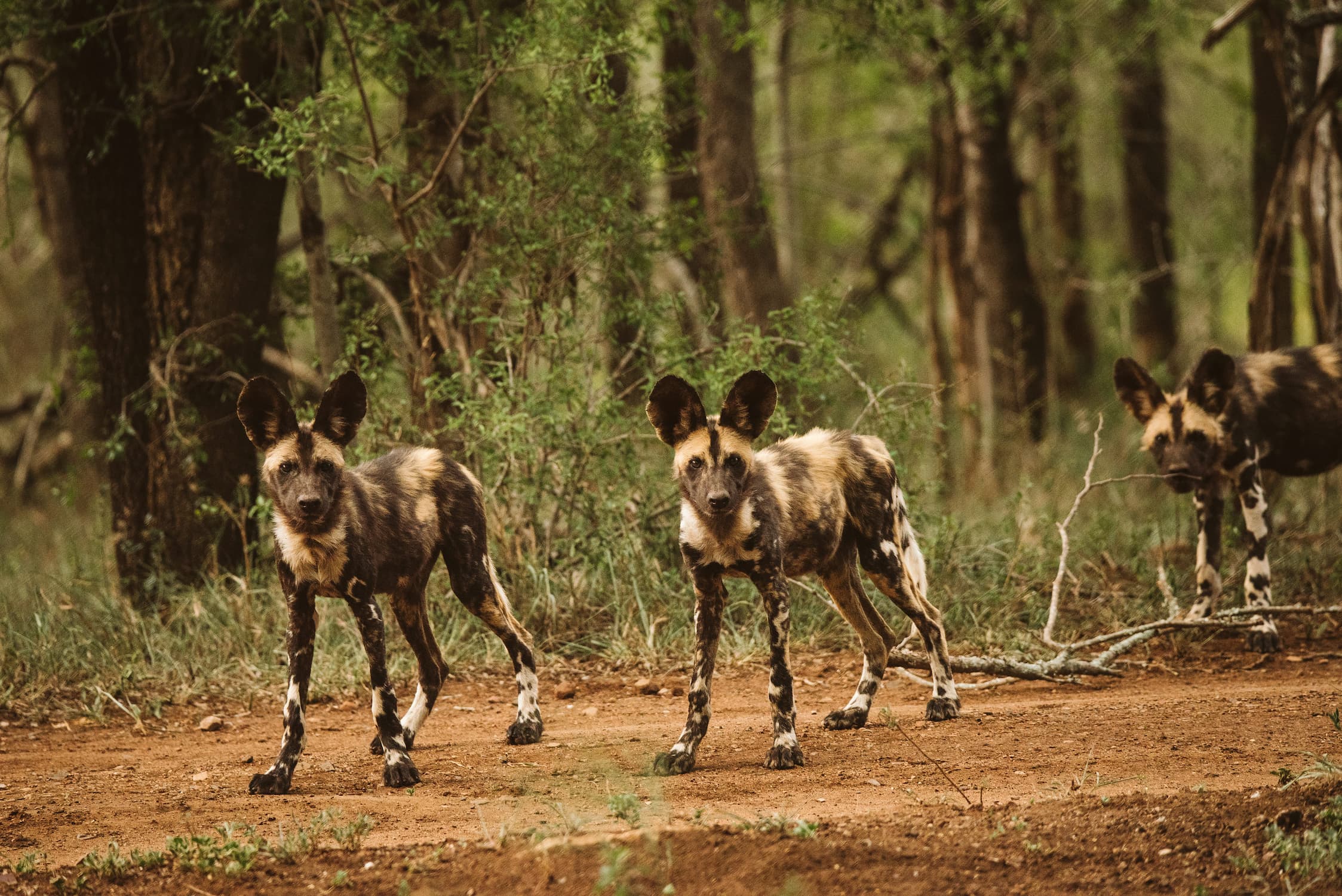
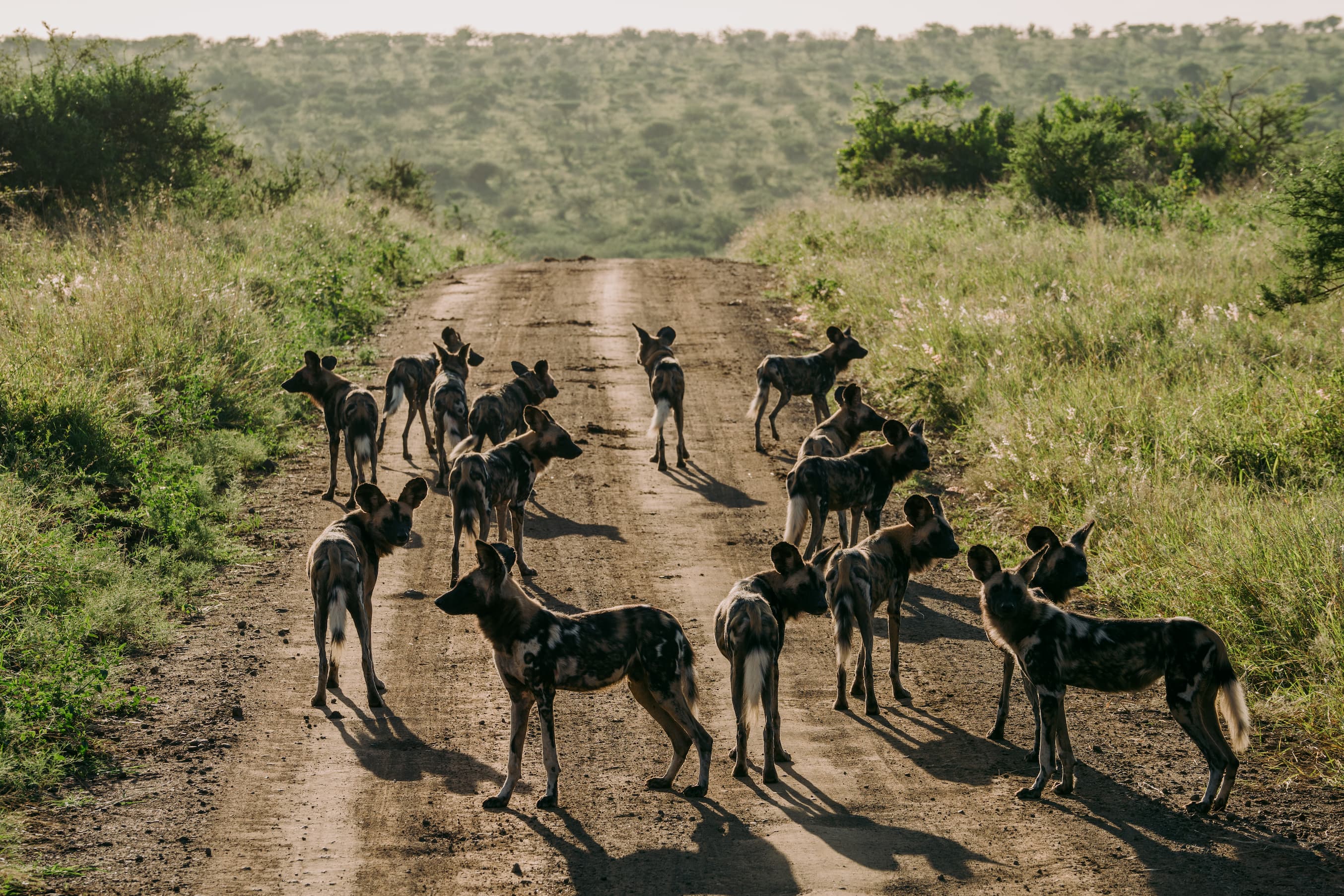
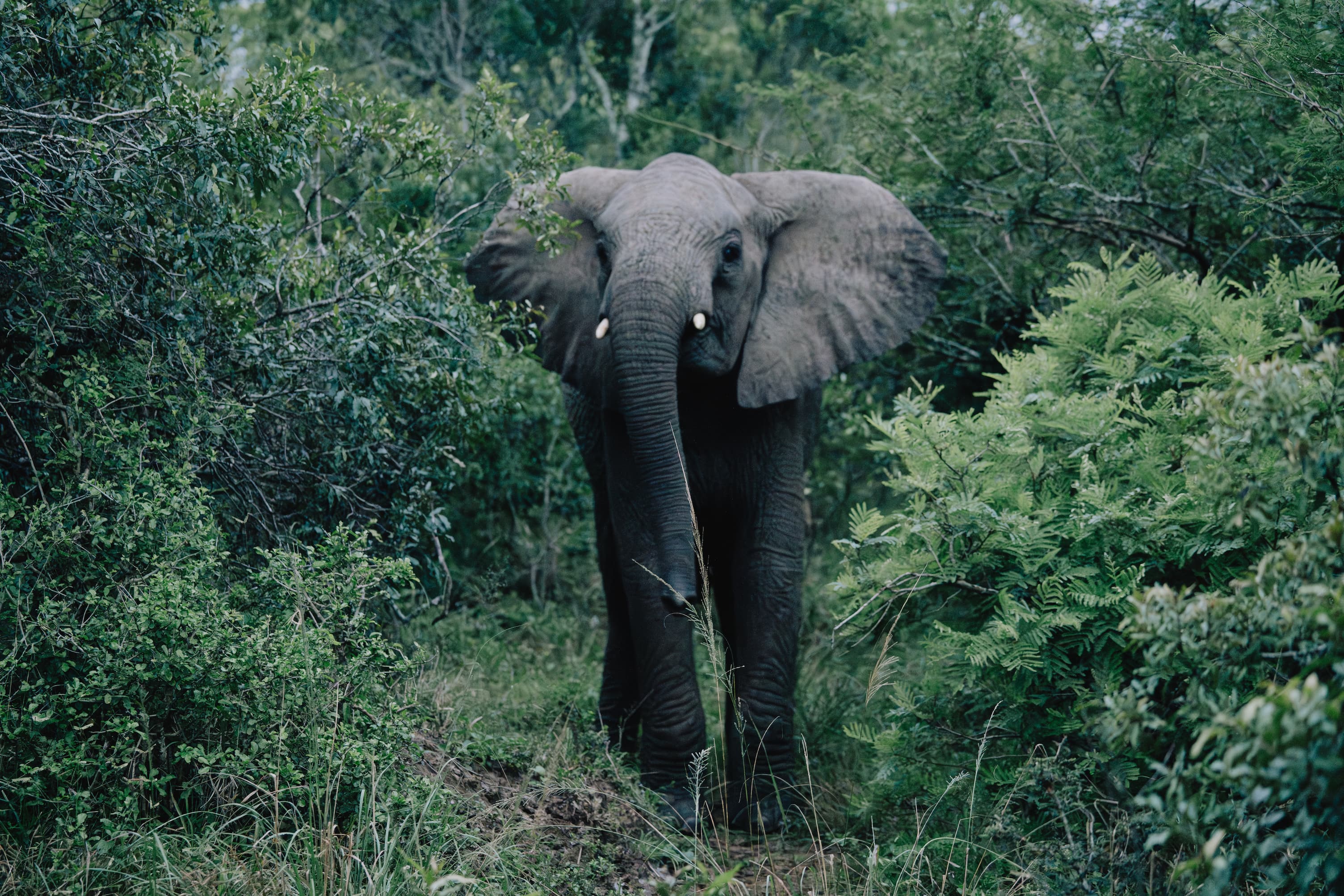
Learning takes place alongside active wildlife monitoring and habitat management activities. Participants work with experienced conservation staff, contributing to ongoing programs that focus on Endangered and Priority species such as African Wild Dog, Cheetah, African Lion, African Elephant, Rhino, Leopard, and Vulture species.
Group sizes are intentionally kept small, with a maximum of five participants at any given time. This allows for a more focused learning environment and ensures that each participant has meaningful exposure to both field activities and instructional support.
It is a structured, immersive conservation course designed to reflect the realities of working in a protected area, where learning is directly linked to the needs and priorities of ongoing conservation work.
Who This Conservation Training Course Is Designed For
The African Wildlife Conservation and Habitat Management Course is designed for individuals who want to move beyond theory and gain a clearer understanding of how conservation works in practice.
It is particularly well suited to students studying biology, ecology, environmental science, or related fields, who are looking to complement their academic learning with real-world field experience. Many participants join the course during or after their studies, using it as a way to connect classroom knowledge with the realities of conservation work in a protected area.
The course also attracts graduates and early-career conservationists who are building practical skills, as well as individuals exploring a transition into conservation from related disciplines. What brings this group together is a shared interest in learning, a curiosity about applied conservation, and a willingness to engage with both the scientific and operational aspects of the field.
While prior academic experience is not required, a basic understanding of conservation or ecology can enhance the learning experience. It allows participants to engage more deeply with the material and make stronger connections between theory and field application.
At its core, this course is designed for people who are interested in how conservation is implemented on the ground, and who want to take part in a structured learning experience within a working protected area.
What You Will Learn on a Wildlife Conservation Course in South Africa
The African Wildlife Conservation and Habitat Management Course is designed to provide a practical, well-rounded understanding of how conservation is implemented within a protected area. Learning is structured, but always grounded in real-world application, with each topic reinforced through field experience.
Over the 28-day course, participants are introduced to the key disciplines that underpin modern conservation work in South Africa, with a strong focus on how these elements connect in practice.
Wildlife Monitoring and Field Tracking Techniques
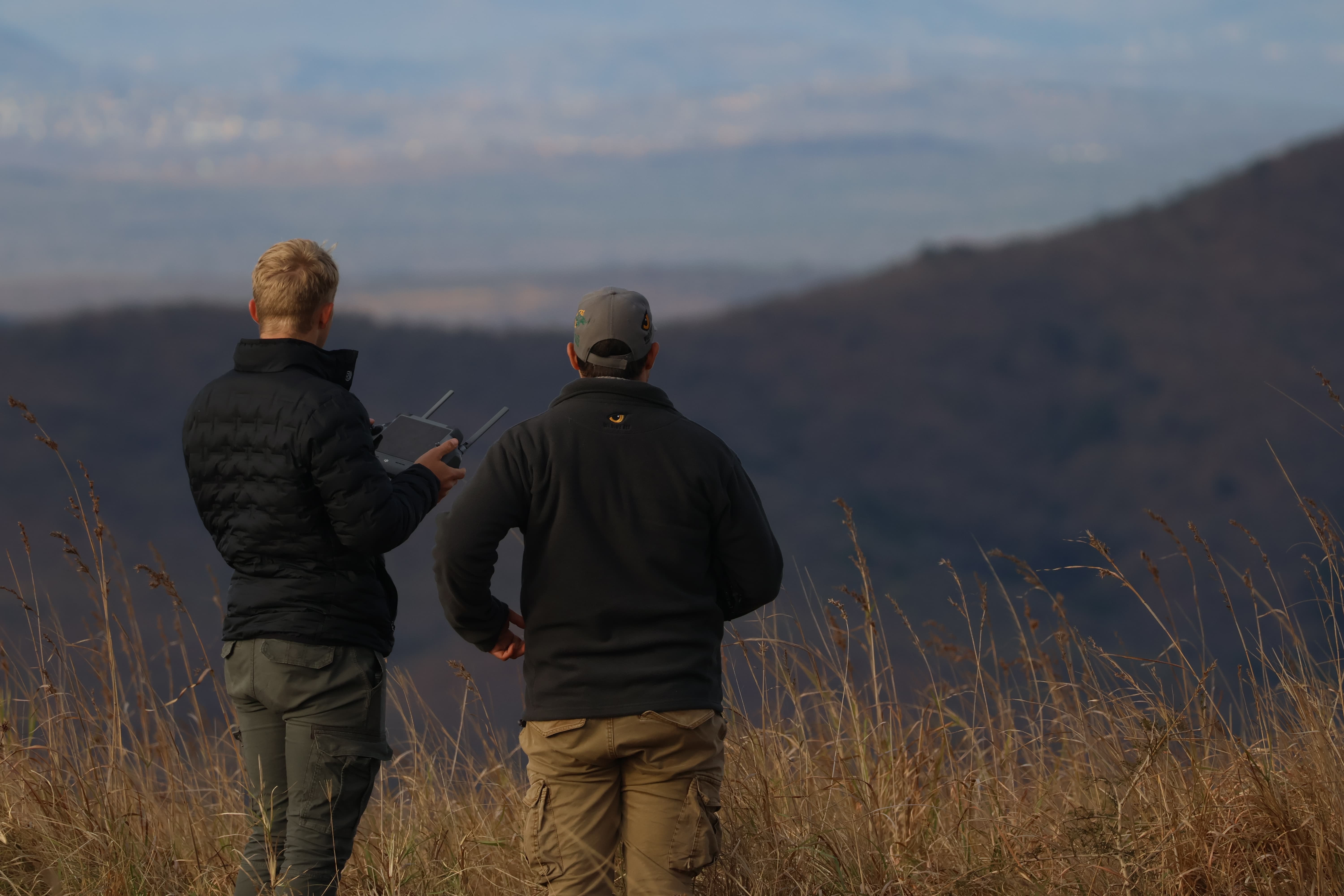
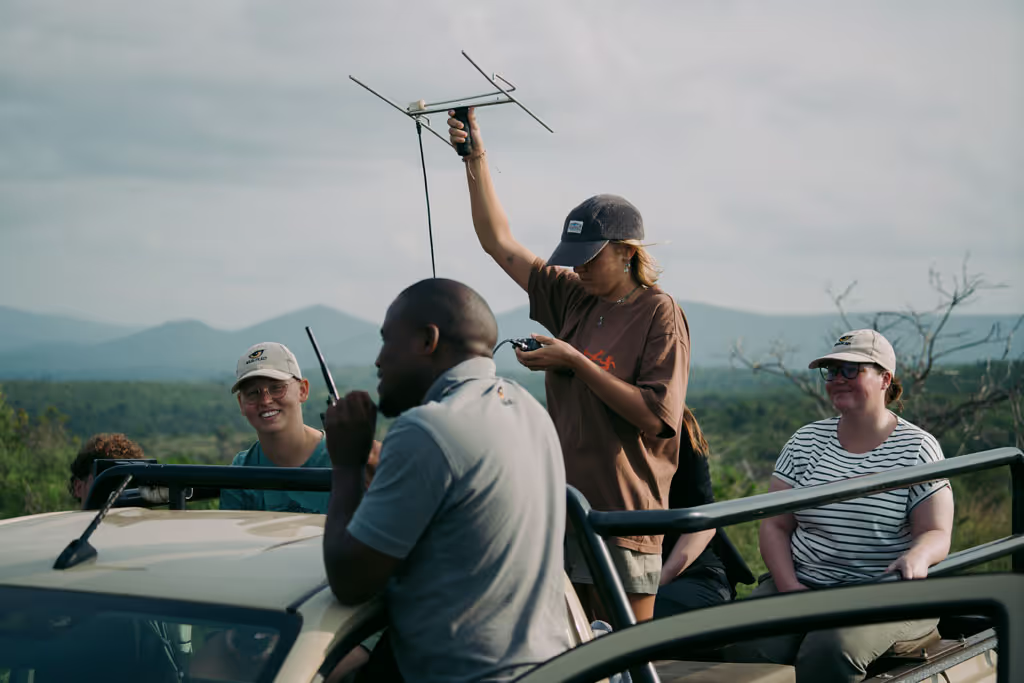
A central component of the course is learning how wildlife monitoring supports conservation decision-making. Participants are introduced to a range of monitoring techniques used to locate and observe species in the field.
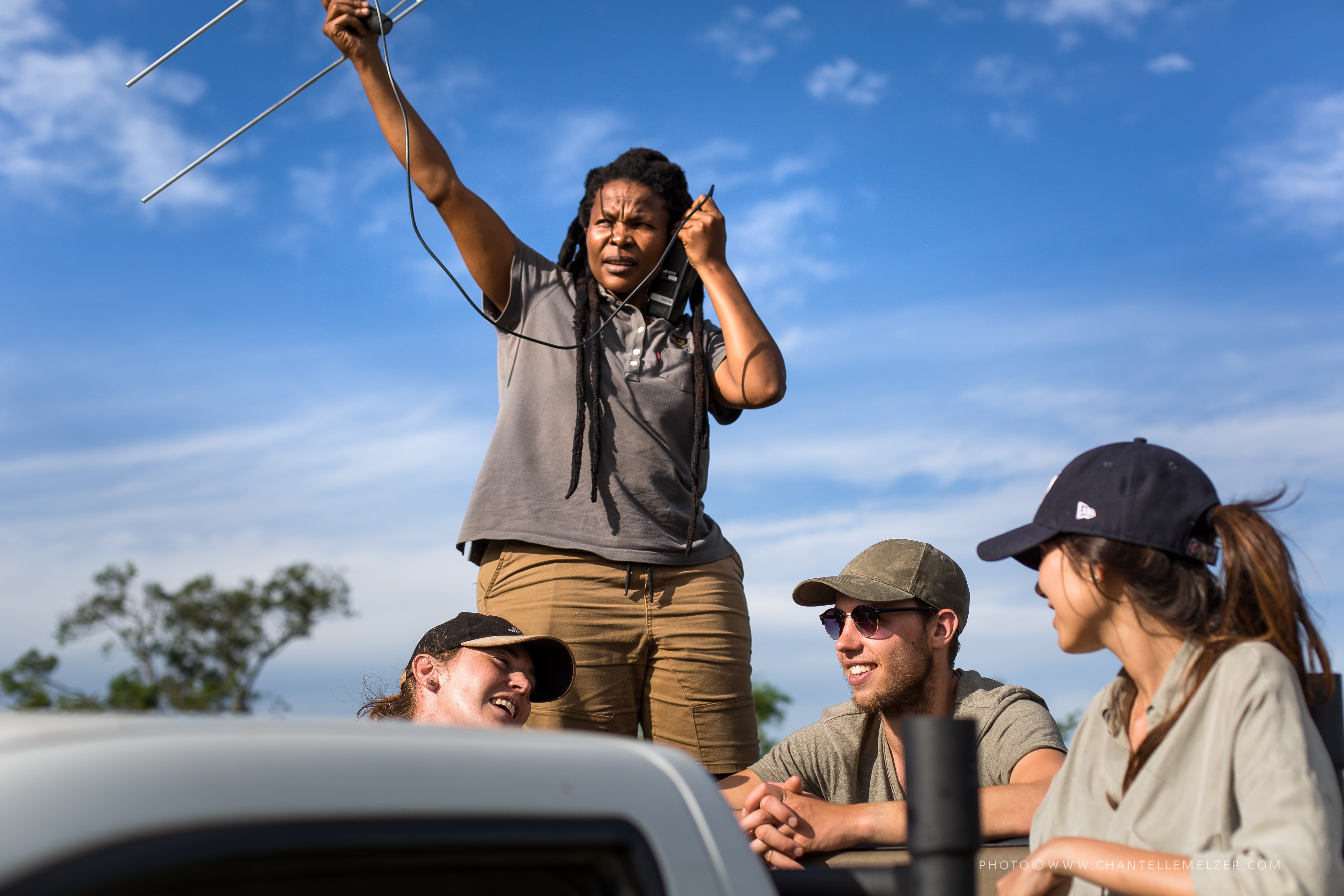
This includes telemetry tracking, direct observation, and the interpretation of tracks and signs. These skills allow participants to better understand animal behaviour, movement patterns, and habitat use, all of which are essential for effective conservation management.
Data Collection and Applied Research Skills
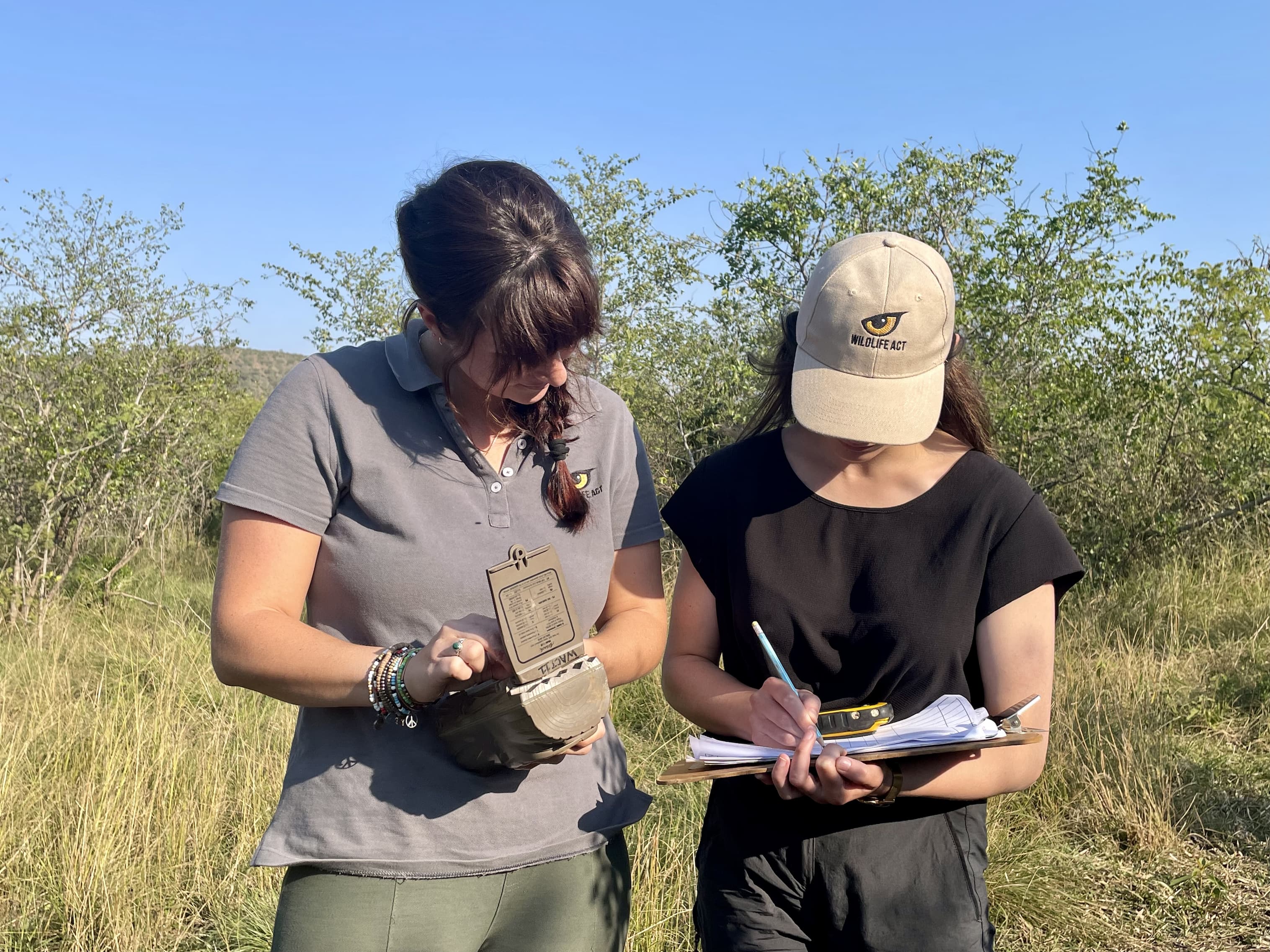
Conservation relies on accurate and consistent data. Throughout the course, participants learn how to collect, record, and interpret field data in a structured way.
This includes understanding how observations are documented, how datasets are managed, and how this information contributes to broader research and conservation planning. Exposure to these processes provides valuable insight into how field data informs real management decisions.
Camera Trapping and Wildlife Monitoring Technology
Participants are introduced to camera trapping as a key research and monitoring tool used in conservation. This includes learning how surveys are designed, how camera traps are deployed in the field, and how images are analysed to identify species presence, movement, and behaviour.
Camera trapping plays an important role in monitoring elusive or nocturnal species, and provides a valuable complement to direct observation methods.
Habitat Management and Ecosystem Understanding
Conservation extends beyond individual species. Participants are introduced to the principles of habitat management and the role it plays in maintaining ecosystem health.
This includes vegetation surveys, game counts, and understanding how environmental factors such as fire, grazing, and human impact influence biodiversity. These insights help build a more complete understanding of how protected areas are managed over time.
Conservation Challenges and Human-Wildlife Coexistence
The course also explores the broader challenges facing conservation today. Participants are introduced to topics such as wildlife crime, illegal trade, and the pressures placed on ecosystems by human activity.
Alongside this, there is a focus on community conservation and the importance of working with people living alongside protected areas. Understanding these social and environmental dynamics is essential for anyone looking to engage meaningfully in conservation work.
How You Learn, From Classroom Concepts to Field Application
One of the defining features of this conservation training course is the way learning is structured and applied. The program is designed to move beyond passive instruction, creating a direct link between theoretical understanding and practical experience in the field.
Each topic introduced during the course is supported by a combination of guided discussions, field-based learning, and hands-on participation. Rather than separating theory and practice, the course integrates them. Concepts introduced during learning sessions are reinforced through real conservation activities, allowing participants to apply knowledge in context.
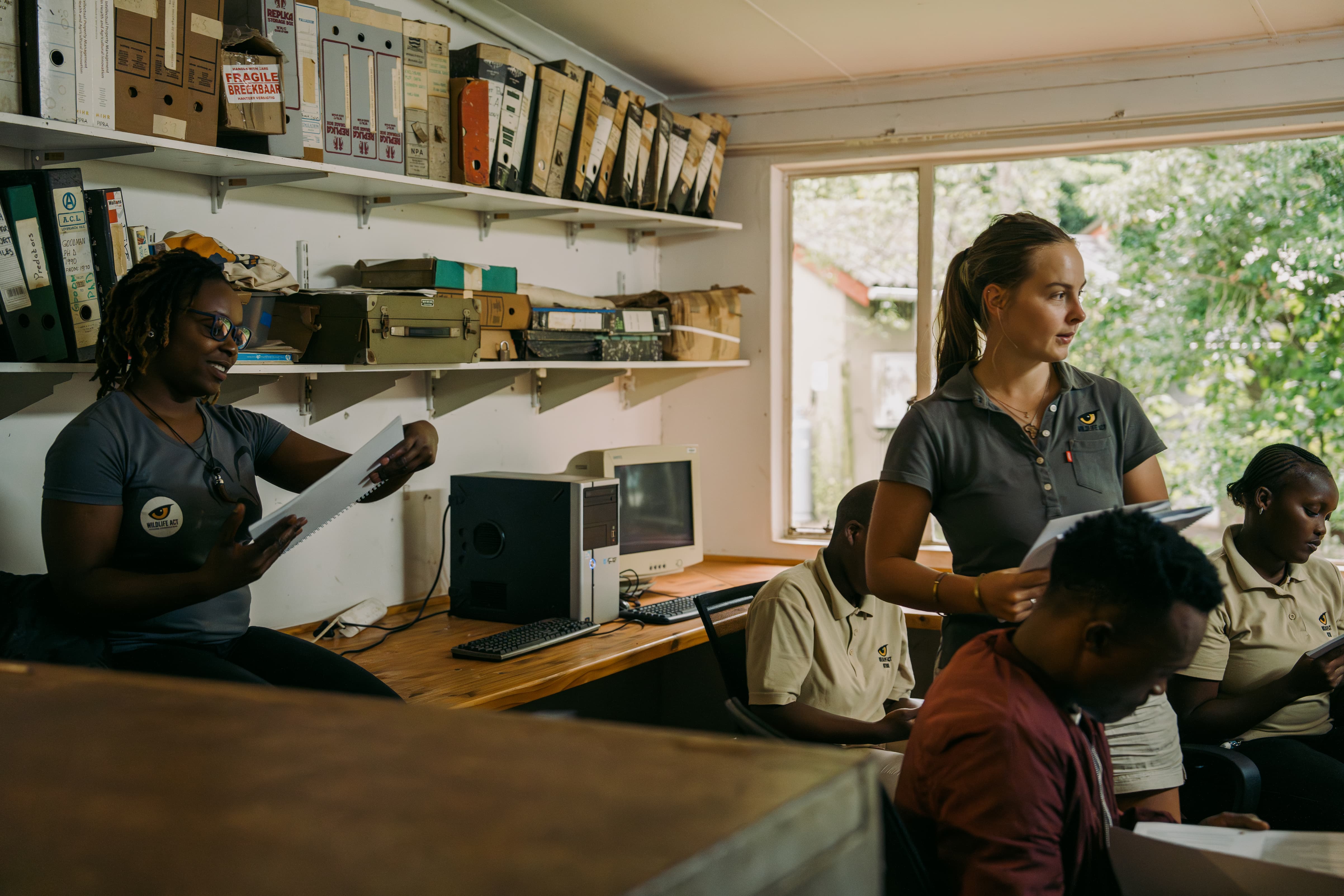
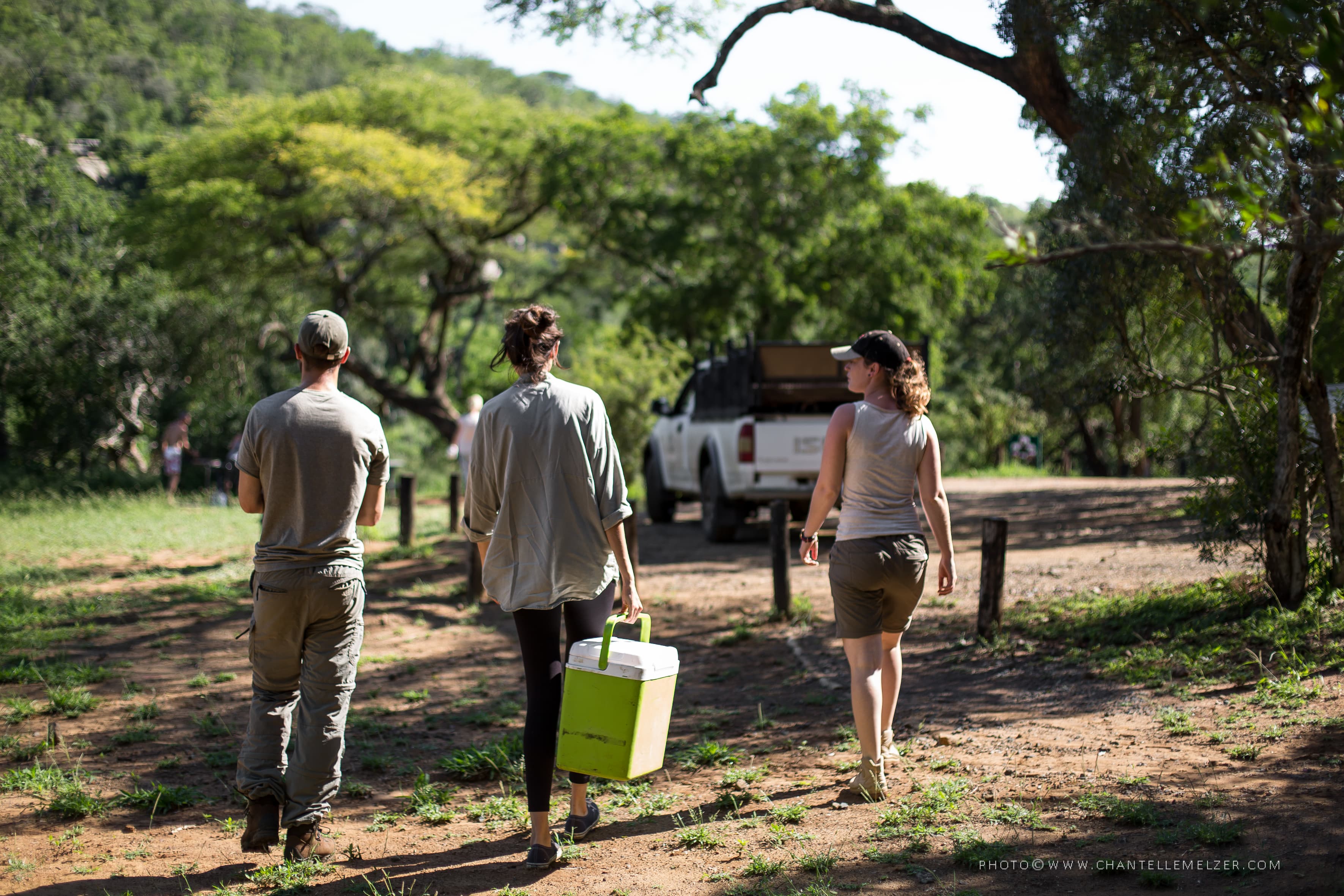
Participants work alongside experienced Wildlife ACT field teams, gaining exposure to the day-to-day realities of conservation work. This includes wildlife monitoring sessions, data collection, and participation in habitat management activities that form part of ongoing conservation programs.
The course is supported by structured learning materials, including a research and methodologies workbook designed to guide participants through key concepts and practical skills. This resource encourages independent thinking, deeper engagement, and continued learning beyond the time spent in the field.
It is important to note that conservation does not operate on a fixed schedule. Activities may shift depending on environmental conditions, species movement, or operational priorities within the protected area. This flexibility is an intentional part of the learning experience, helping participants understand how conservation work adapts to dynamic and often unpredictable systems.
Through this approach, participants gain not only knowledge, but also context. They begin to understand how different aspects of conservation connect, from data collection and species monitoring to habitat management and decision-making on the ground.
What a Typical Day Looks Like on a Wildlife Conservation Course in South Africa
Life on a conservation training course is structured around the rhythms of the natural environment, while also being guided by clear learning objectives. Each day is designed to balance field exposure with structured learning, allowing participants to engage practically while building a deeper understanding of conservation principles.
Most days include a dedicated field session, where participants join Wildlife ACT monitoring teams within a working protected area. During this time, participants are exposed to wildlife monitoring techniques, species tracking, and data collection processes that contribute to ongoing conservation work.
These sessions may involve locating priority species, interpreting tracks and signs, or observing animal behaviour. The emphasis is not only on what is seen, but on how observations are made, recorded, and understood within a conservation context.
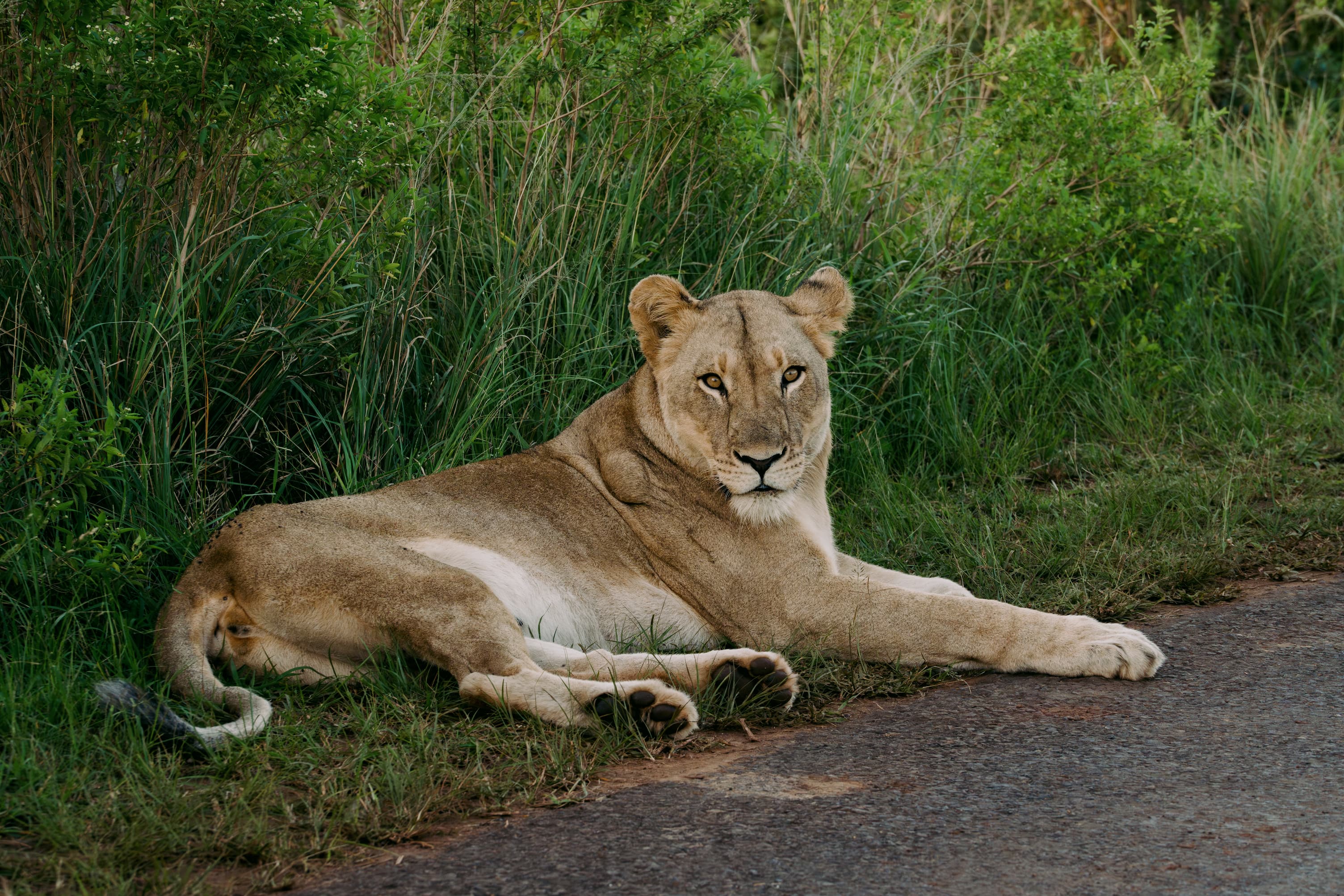
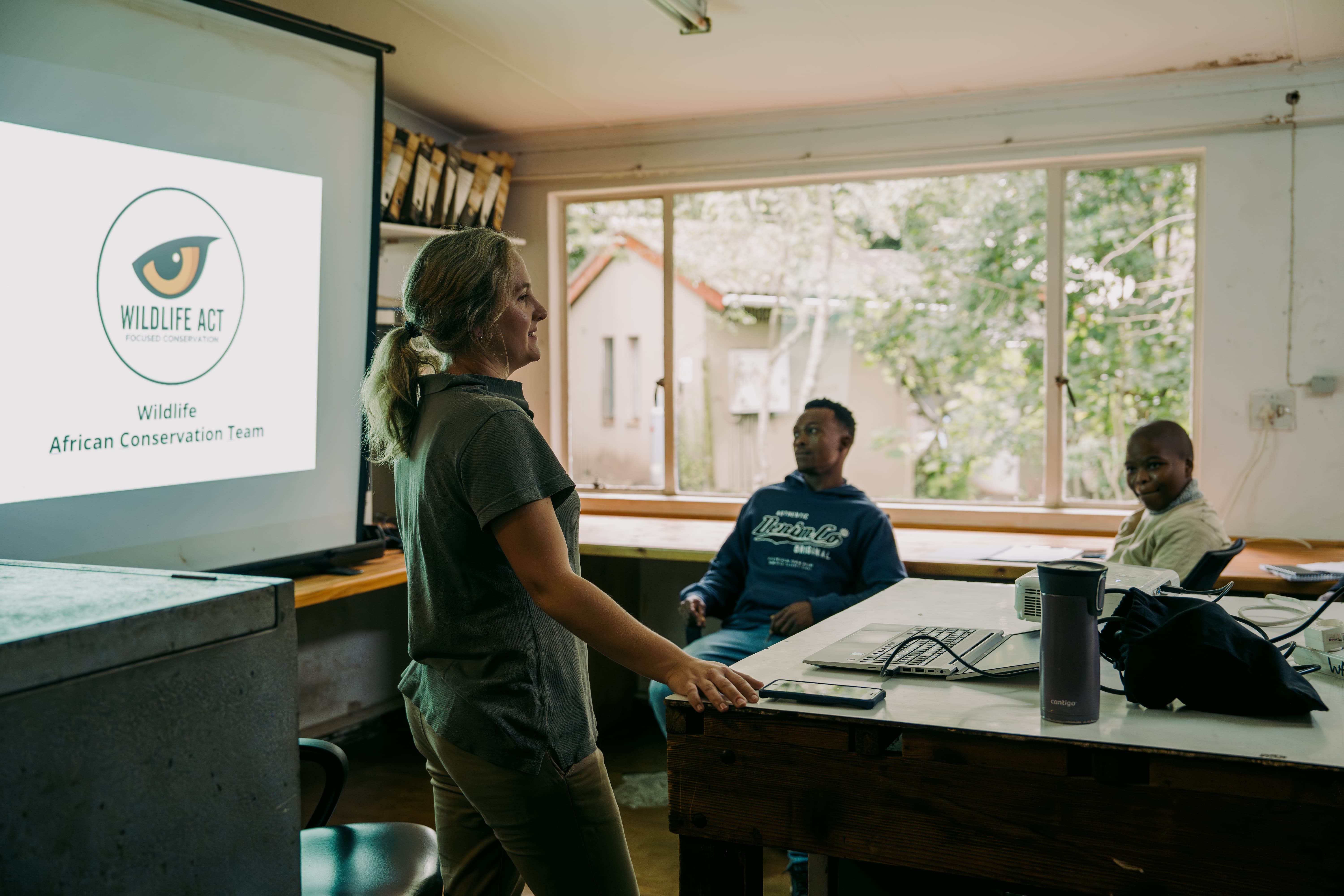
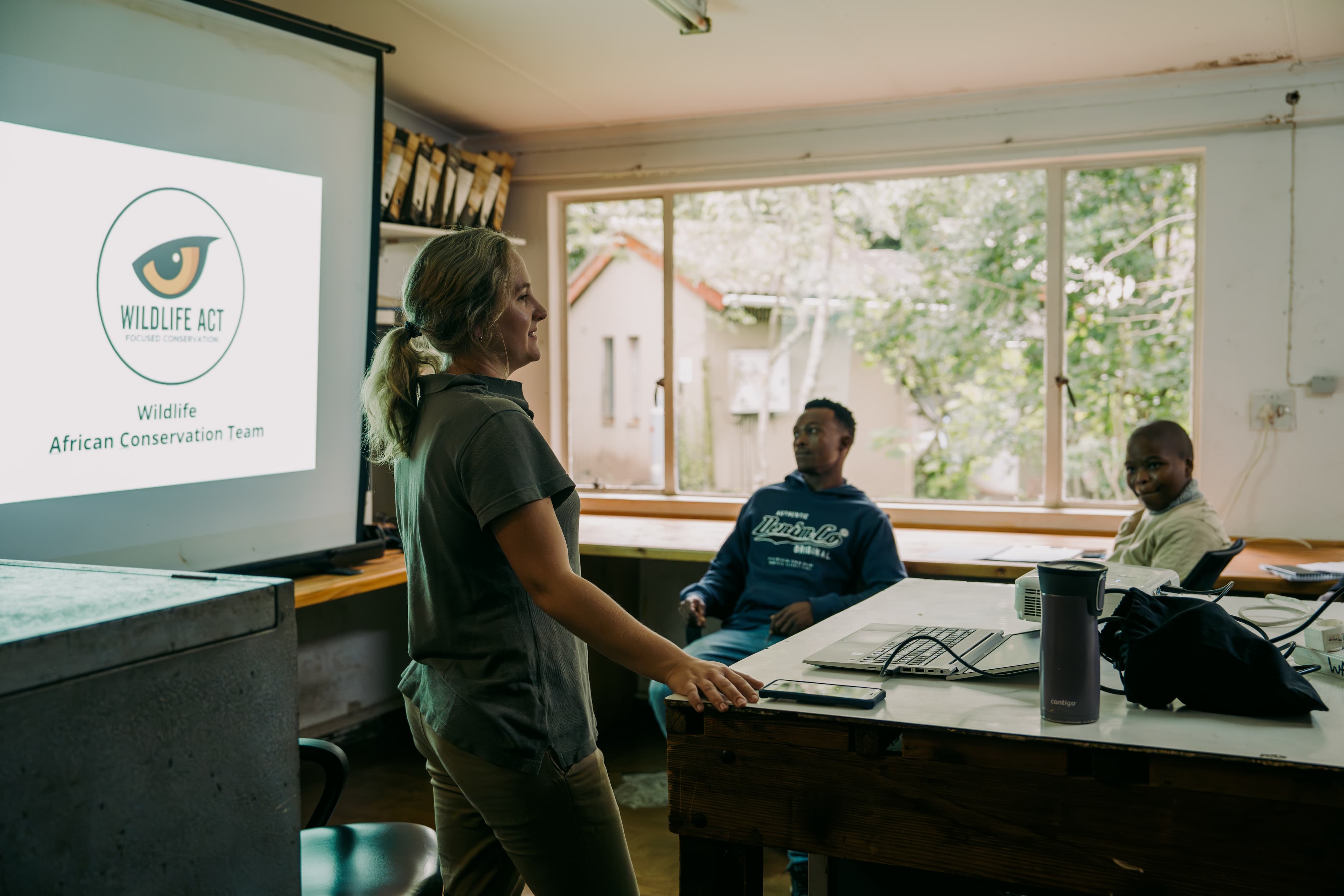
Outside of field time, the program includes a combination of lectures, guided discussions, and data-related tasks. Lectures introduce key topics such as wildlife monitoring, habitat management, and conservation challenges, providing the theoretical foundation needed to support field-based learning. These sessions are designed to be practical and relevant, linking directly to what participants experience in the field.
Participants may also spend time reviewing field observations, entering and interpreting data, or engaging with course materials that deepen their understanding of ongoing conservation work. This integrated approach helps connect theory with application in a meaningful way.
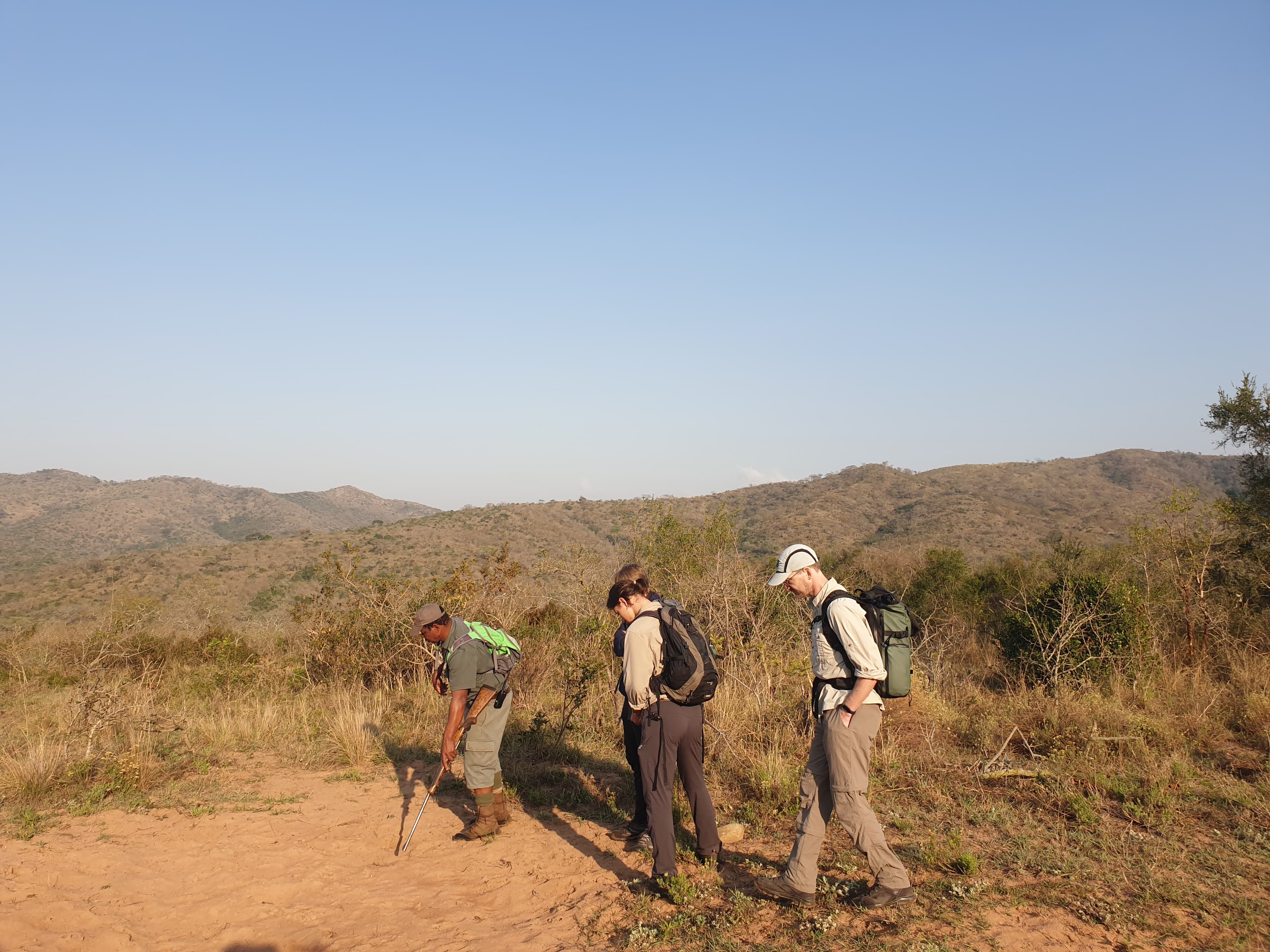
In addition to the core program, there are occasional excursions and activities that support broader learning. These may include guided bush walks, which offer a more detailed understanding of ecosystems at ground level, as well as overnight field experiences such as camping. These moments provide additional context, allowing participants to engage more closely with the environment and the conditions in which conservation work takes place.
It is important to recognise that conservation work is not fixed or predictable. Field activities may vary depending on environmental conditions, species movement, and operational priorities within the protected area. This variability forms part of the learning process, offering insight into how conservation operates in real and changing systems.
Over time, this balance between field exposure, lectures, and structured learning allows participants to build both confidence and context, developing a more complete understanding of conservation in practice.
Choosing Between a Conservation Training Course and Wildlife Volunteering
When exploring conservation opportunities in South Africa, many people find themselves choosing between a structured training course and a wildlife volunteering program. Both play an important role within conservation, but they are designed to support different goals and learning preferences.
Wildlife ACT’s volunteer programs are centred around active contribution. Participants join ongoing field operations, assisting with wildlife monitoring and gaining consistent exposure to conservation work through regular field sessions. This approach suits individuals who want to spend extended time in the field, supporting projects while building familiarity through repetition and experience.
The African Wildlife Conservation and Habitat Management Course offers a more structured learning environment. The program is designed to guide participants through key conservation topics using a combination of lectures, field sessions, and applied learning. A key aspect of this experience is the opportunity to learn directly from experienced conservation practitioners who are actively working in the field. These are individuals involved in the daily monitoring and management of priority species, bringing practical insight and real-world context into both lectures and field sessions.
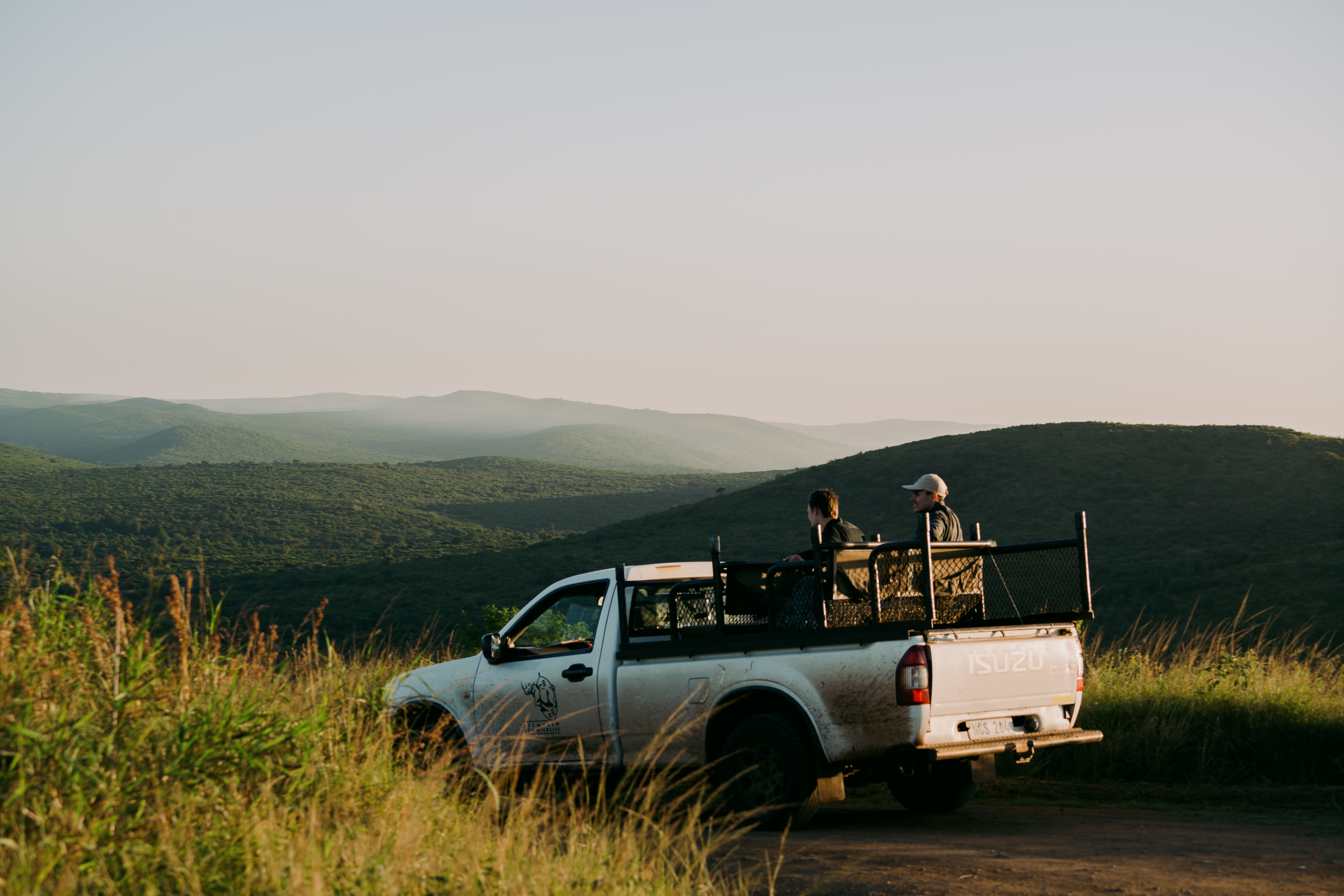
This direct exposure allows participants to move beyond theory and understand how conservation decisions are made, how challenges are approached, and how different elements of conservation work connect in practice. Learning is not abstract. It is grounded in the lived experience of professionals working within protected areas.
Fieldwork remains a core part of both experiences. The difference lies in how that fieldwork is framed. Within the course, field sessions are used to support specific learning outcomes, guided by experienced staff who provide context, explanation, and feedback throughout the process. Within the volunteer program, fieldwork is more frequent and focused on supporting ongoing conservation efforts over time.
For students and early-career conservationists, the choice often depends on what they are looking to gain. Those wanting a structured introduction to conservation concepts, supported by guided learning and mentorship from experienced conservationists, may find the course a strong starting point. Those looking to spend more time in the field, contributing to projects and gaining experience through participation, may prefer the volunteer program.
Many participants choose to combine both pathways, starting with the training course to build foundational understanding, and then continuing into volunteering to apply that knowledge in a longer-term field setting.
Ultimately, both options are designed to support meaningful engagement with conservation. The right choice depends on your goals, your preferred learning style, and where you are in your journey.
How to Apply for the Wildlife ACT Conservation Training Course
If you are studying or planning to study conservation, ecology, biology, or a related field, the African Wildlife Conservation and Habitat Management Course offers a practical way to deepen your understanding through real-world experience.
The application process is designed to be straightforward, with each course running in set monthly blocks and limited to a small number of participants. This ensures a focused learning environment and meaningful access to both fieldwork and instruction.
To apply, prospective participants can submit an enquiry through the Wildlife ACT website. From there, the reservations team will guide you through available dates, course details, and any questions you may have about preparing for the program.
Because the course follows a structured schedule and operates with small group sizes, availability can be limited, particularly during peak academic periods. It is recommended to plan ahead and secure a place in advance where possible.
For students, this course can be taken as a standalone learning experience or combined with a volunteer program before or after completion. This allows you to build both a strong theoretical foundation and extended field exposure over time.
If you are looking to better understand how conservation works in practice, and to learn directly from experienced conservationists in a working protected area, this course offers a clear and structured starting point.
Frequently Asked Questions About the Wildlife ACT Conservation Training Course
Do I need a background in biology or conservation to join?
A background in biology, ecology, or conservation is beneficial, but not required. Many participants are current students or graduates in these fields, which allows them to engage more deeply with the course content. However, individuals with a strong interest in conservation and a willingness to learn are also well suited to the program.
Is this course suitable for university students?
Yes. The course is particularly well suited to university students studying environmental science, biology, ecology, or related disciplines. It provides an opportunity to apply academic knowledge in a real conservation setting, helping to build a clearer understanding of how conservation works in practice.
What is the difference between this course and a wildlife volunteering program?
The key difference lies in the focus of the experience. The conservation training course is structured around learning, with a combination of lectures, field sessions, and guided instruction. Wildlife volunteering programs are more focused on contributing to ongoing conservation work through regular field participation.
Both options offer valuable experience, and many participants choose to combine them.
What kind of practical experience will I gain?
Participants are introduced to a range of field-based conservation activities, including wildlife monitoring, tracking and interpreting animal signs, data collection, and habitat management practices. These activities are supported by structured learning, helping participants understand how each task contributes to broader conservation goals.
Will I be working with real conservation teams?
Yes. Participants learn alongside Wildlife ACT’s field teams, who are actively involved in monitoring and managing priority species within protected areas. This provides valuable insight into how conservation work is carried out on a daily basis.
How physically demanding is the course?
The course involves time spent outdoors in a natural environment, including field sessions and practical activities. While a high level of fitness is not required, participants should be comfortable spending time outside and engaging in light to moderate physical activity.
Where does the course take place?
The course is based in Hluhluwe-iMfolozi Park in KwaZulu-Natal, South Africa. This protected area is one of the oldest on the African continent and plays an important role in ongoing conservation and research efforts.
How long is the conservation training course?
The program runs for 28 days and follows a structured schedule that combines field experience with lectures and guided learning.
Can I combine this course with a volunteer program?
Yes. Many participants choose to continue into a Wildlife ACT volunteer program after completing the course. This allows them to apply what they have learned in a longer-term, field-based context.
How do I apply for the course?
Applications can be made through the Wildlife ACT website by submitting an enquiry. The team will then guide you through available dates, program details, and the next steps in the booking process.
.jpeg)