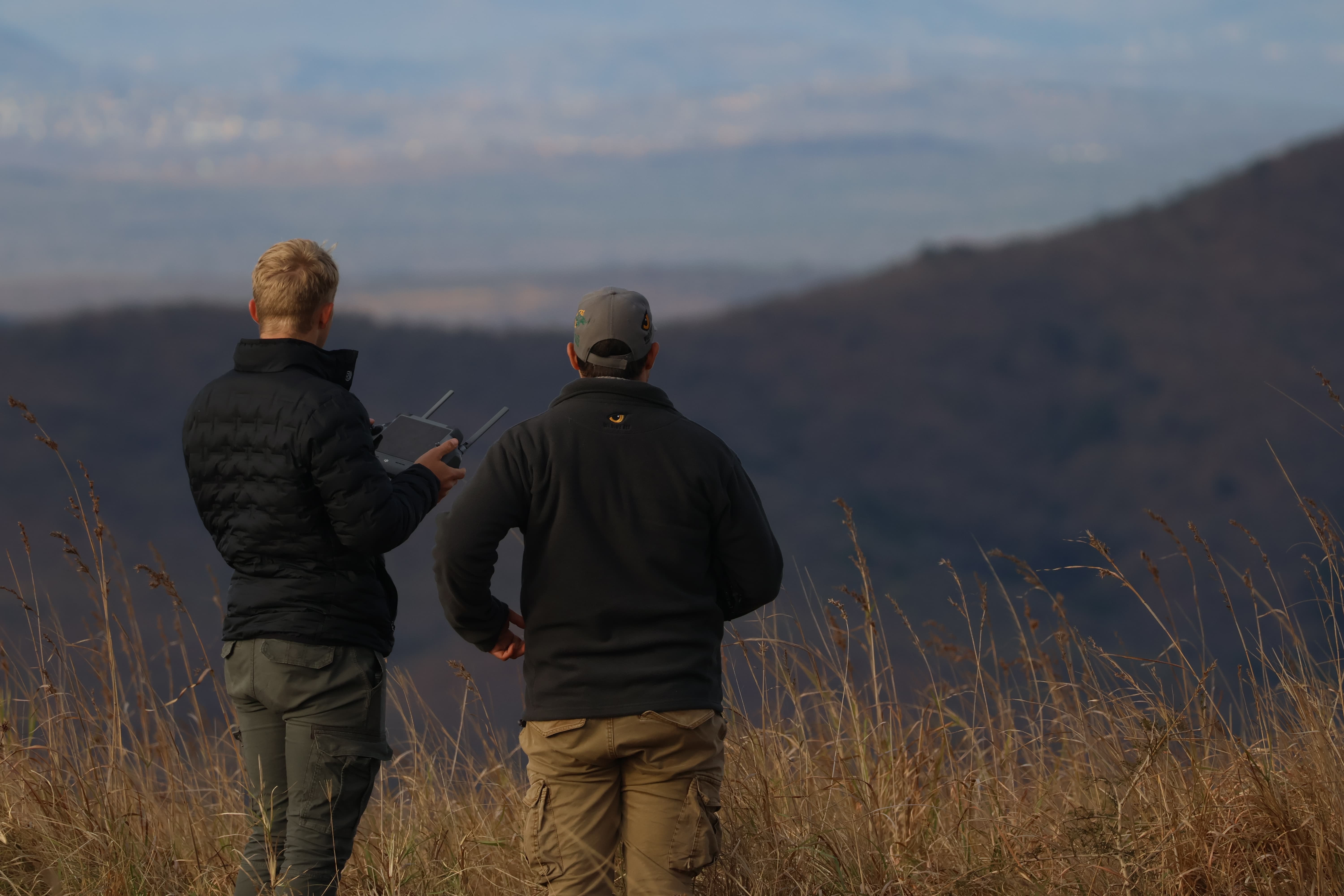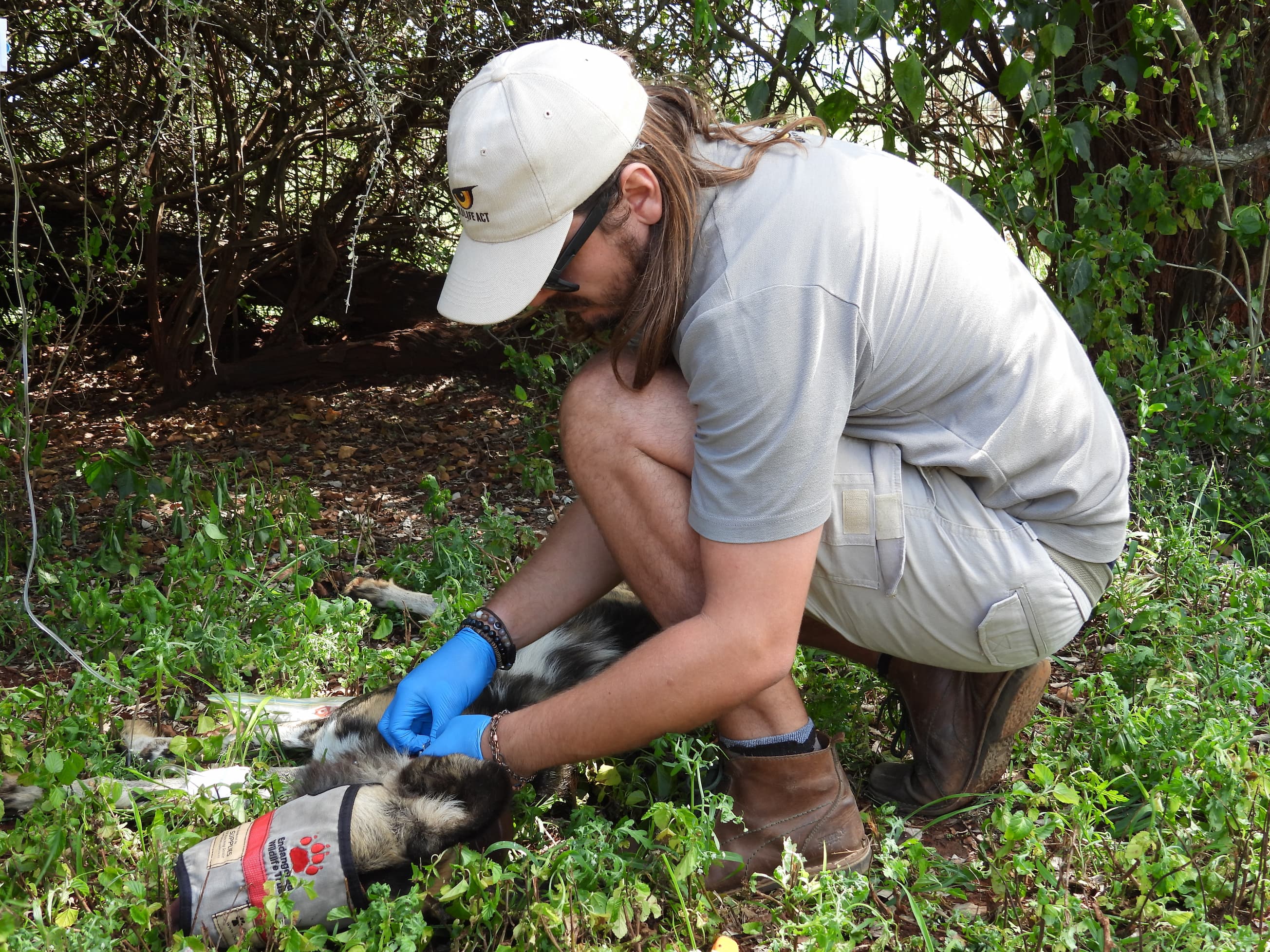
In a significant step forward for African Wild Dog conservation in South Africa, a new pack has been successfully reintroduced onto Zimanga Private Game Reserve after several years of the species being absent.
This reintroduction marks an important milestone in ongoing efforts to expand suitable habitat, strengthen genetic diversity, and secure the long-term future of one of Africa’s most endangered carnivores both within KwaZulu-Natal and across the country.
African Wild Dogs, once widespread across South Africa, now exist in fragmented populations due to threats including habitat loss, human-wildlife conflict, and disease. Today, coordinated conservation efforts at both provincial and national levels have resulted in a managed metapopulation that plays a critical role in the species’ long-term survival.
This reintroduction has been made possible through a collaborative effort between Tswalu Kalahari Reserve, Zimanga Private Game Reserve, the Endangered Wildlife Trust, Wildlife ACT, Wildlife Solutions Africa, the Bateleurs, and the Ivan Carter Wildlife Conservation Alliance, guided by the Wild Dog Advisory Group and KwaZulu-Natal Wild Dog Management Group. This reflects the importance of coordinated action across landscapes in securing the future of African Wild Dogs.
Expanding African Wild Dog range and strengthening genetic diversity
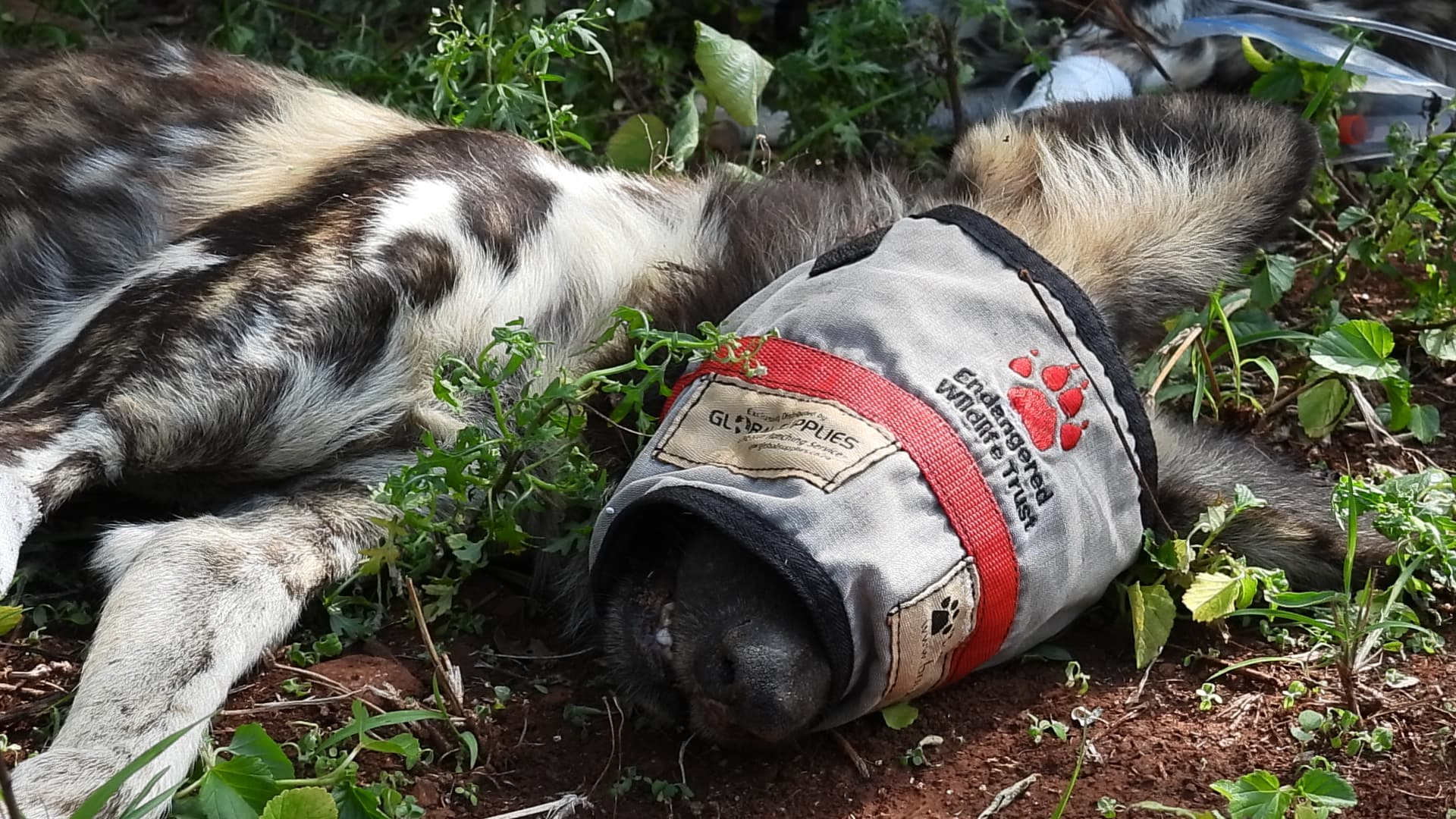
The newly established pack of African Wild Dogs, consisting of two females and one male, has been introduced to Zimanga Private Game Reserve where they will contribute to both the ecological functioning of the protected area and the greater metapopulation.
As part of a broader, coordinated conservation approach across South Africa, individuals are strategically moved between regions to support genetic exchange and population resilience. This ensures that smaller, isolated populations remain viable over time and reduces the risk of inbreeding within the metapopulation.
This approach is particularly important in landscapes where protected areas function as ecological islands, making active management essential to maintaining genetic diversity and long-term species persistence.
“With a lack of safe space as the key limiting factor, African wild dogs are no longer biologically independent; they are logistically dependent assets that require active life support.” – Eugene Greyling, Carnivore Conservation Field Officer at Endangered Wildlife Trust.
About Zimanga Private Game Reserve in KwaZulu-Natal
Zimanga Private Game Reserve, located in northern KwaZulu-Natal, is a protected area dedicated to conservation, biodiversity, and responsible ecotourism. Known for its commitment to habitat management and species protection, the protected area plays an important role within the broader conservation landscape of the region.
The reintroduction of African Wild Dogs to Zimanga Private Game Reserve marks a significant step in restoring the presence of this endangered species within the protected area. At approximately 7,000 hectares, Zimanga Private Game Reserve is best suited to supporting a smaller pack, with individuals carefully selected to match the ecological capacity of the protected area. Establishing packs on smaller protected areas plays an important role in expanding available habitat and increasing the number of breeding groups across the landscape.
“This is an incredible moment for the EWT’s Wild Dog Range Expansion Project and everyone involved in it. Historically, Zimanga hosted wild dogs extremely successfully, with 13 new packs established across Southern Africa from wild dogs born here. The fact that a reserve that was a historic beneficiary of the dogs’ success on Zimanga, is now in the position to assist in re-establishing a pack here shows how actions taken more than a decade ago have paid off, and how the metapopulation approach to conservation efforts allow even a smaller reserve to expand its joint conservation efforts well beyond its borders. It is living proof that the metapopulation approach works, and we are incredibly excited to host wild dogs again. A big thank you to all involved.” - Charl Senekal, Owner and Manager of Zimanga Private Game Reserve.
Why African Wild Dog conservation in South Africa matters now
African Wild Dogs are one of Africa’s most endangered carnivores, with populations remaining fragmented across much of their historic range. As a priority species, African Wild Dogs require access to sufficient, suitable habitat, making the expansion of protected areas able to support new packs a key focus of conservation efforts.
In South Africa, their long-term survival depends on a coordinated metapopulation management approach, where smaller, isolated populations are actively managed as a single, connected system.
Within this system, protected areas such as those in KwaZulu-Natal function as key nodes, supporting breeding packs while contributing to the broader national population. However, without intervention, these populations can become genetically isolated over time.
To address this, individuals are strategically selected and moved between regions to maintain genetic diversity, support population growth, and mimic natural dispersal processes. These decisions are guided by national and provincial advisory structures, including the Wild Dog Advisory Group, which brings together conservation organisations, protected area managers, and government stakeholders to coordinate species management at a landscape level.
“Effective African wild dog conservation in South Africa largely relies on a coordinated metapopulation approach, where populations across different protected areas are actively managed as a connected system. Reintroductions like this are a critical part of that strategy, allowing us to expand the species’ range, strengthen genetic diversity, and ensure that populations remain viable into the future. Each successful introduction is a meaningful step towards securing the long-term survival of the species and we are honoured to be part of this move.” - Anel Swart, Species Conservation Director at Wildlife ACT.
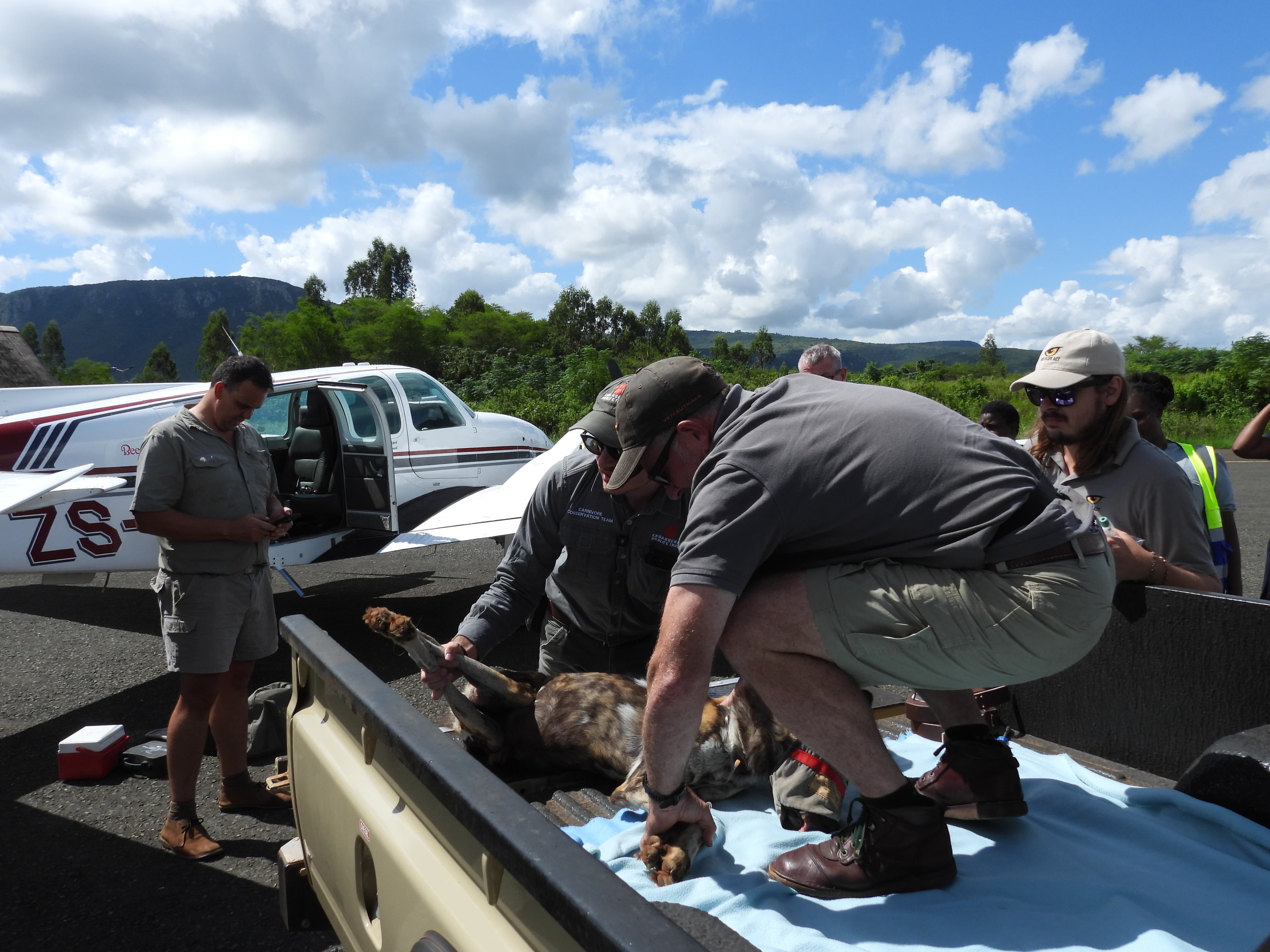
Post-release monitoring of African Wild Dogs
The pack of African Wild Dogs has been successfully translocated to Zimanga Private Game Reserve, where they will undergo a transition period in a temporary predator holding facility. This phase allows the individuals to acclimate to their new environment, strengthen social bonds, and establish cohesion as a pack before release.
Following this acclimation period, the pack will be released onto the protected area, where they will begin to explore, hunt, and establish their territory.
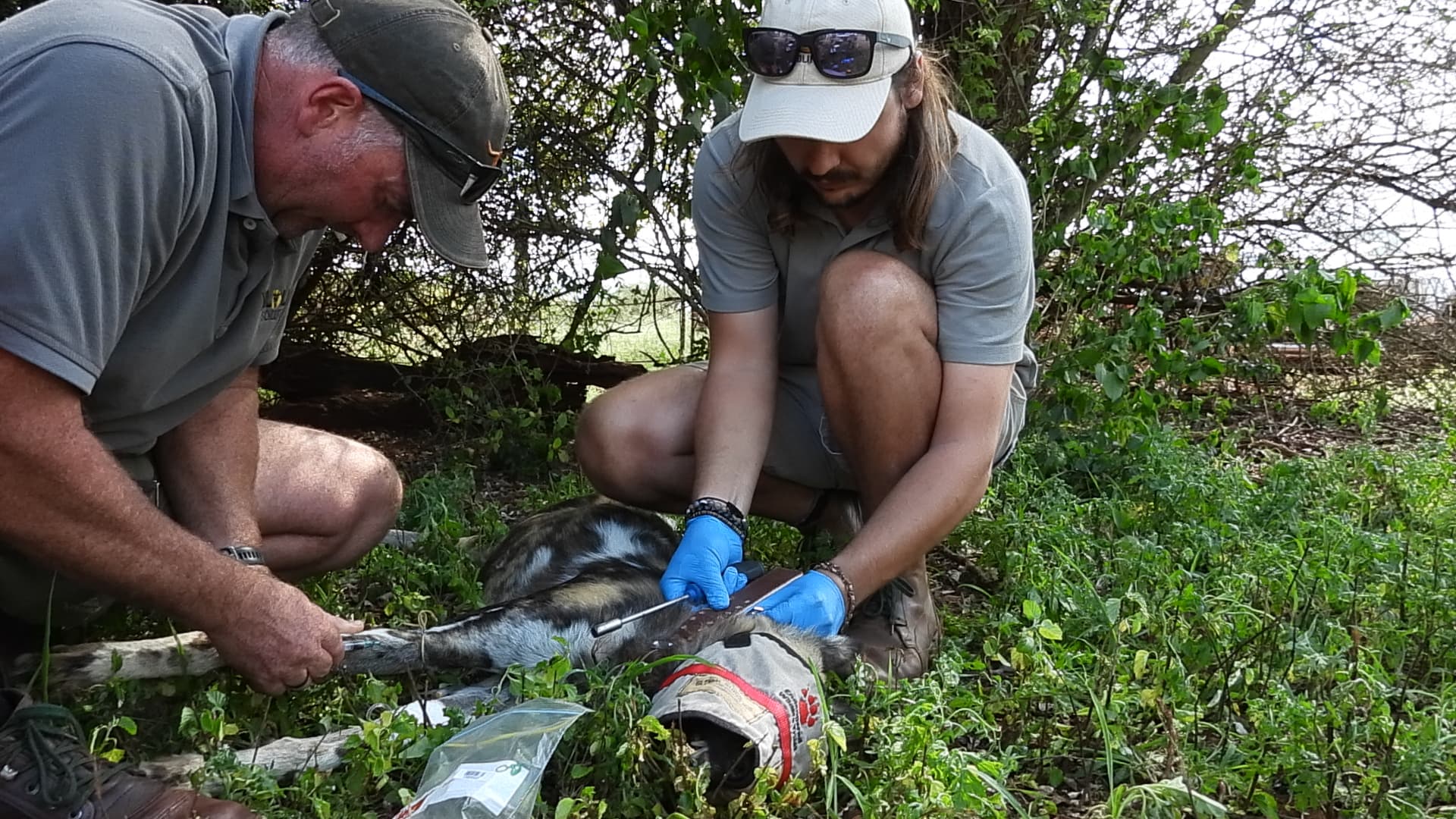
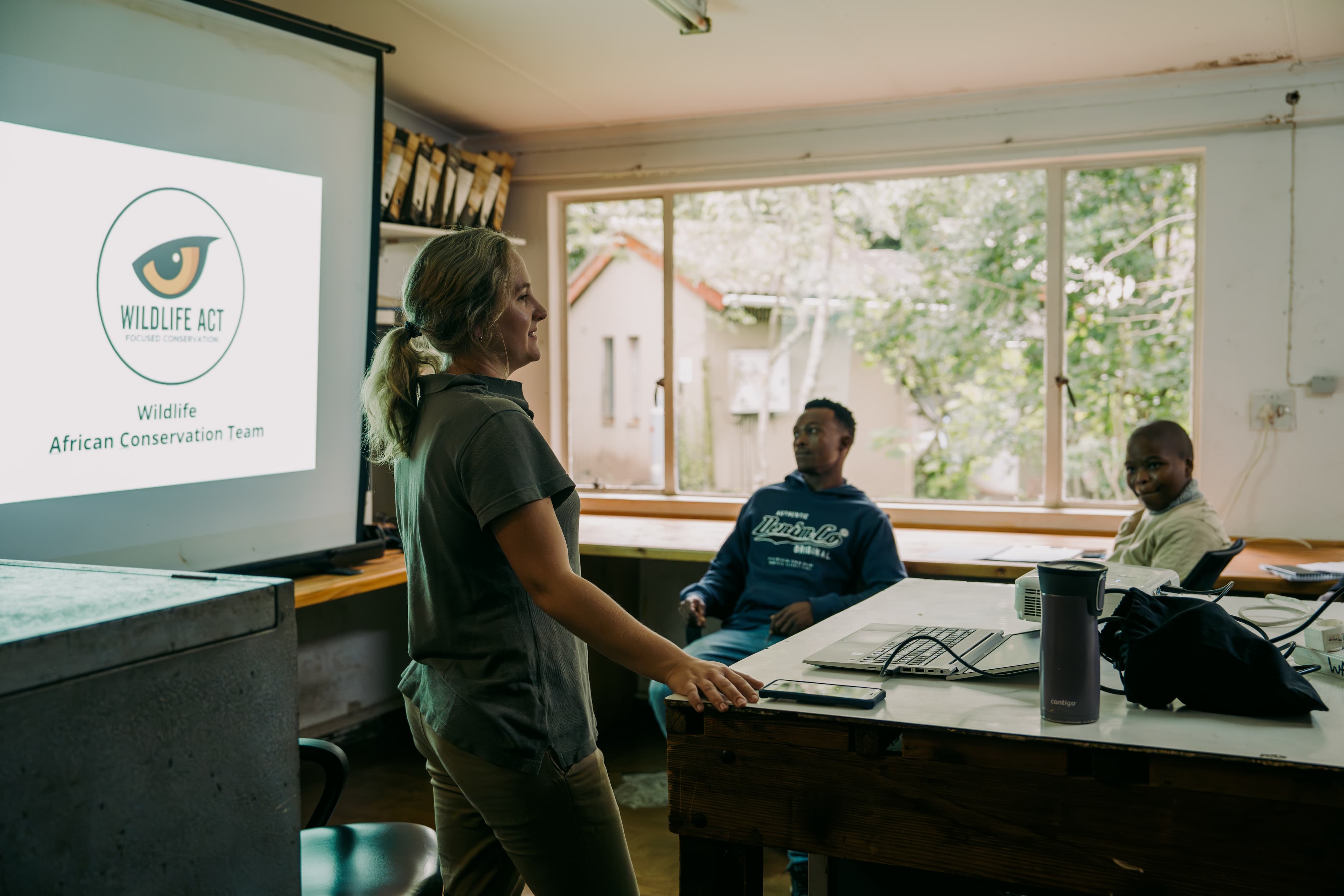
Wildlife ACT will assist with post-release monitoring by analysing GPS data and tracking the pack’s movements, behaviour, and adaptation over time. Using specialised VHF and GPS collars designed by Wildlife ACT Innovations, combined with direct field observations by the Zimanga Private Game Reserve team, real-time data will be gathered to support the pack’s successful establishment and respond to any potential risks.
Monitoring efforts will focus on pack stability, hunting success, territory establishment, and, ultimately, breeding activity, all of which are key indicators of a successful reintroduction.
“The use of GPS and VHF collars allows us to closely track the movements and behaviour of newly established packs, giving us the data needed to support informed management decisions as they settle into a new environment. It is always encouraging to be part of successful reintroductions like this, and we look forward to seeing how this pack establishes and contributes to the continued expansion of African wild dogs across KwaZulu-Natal.” - Chris du Toit, Wild Dog Programme Manager at Wildlife ACT.
.jpeg)