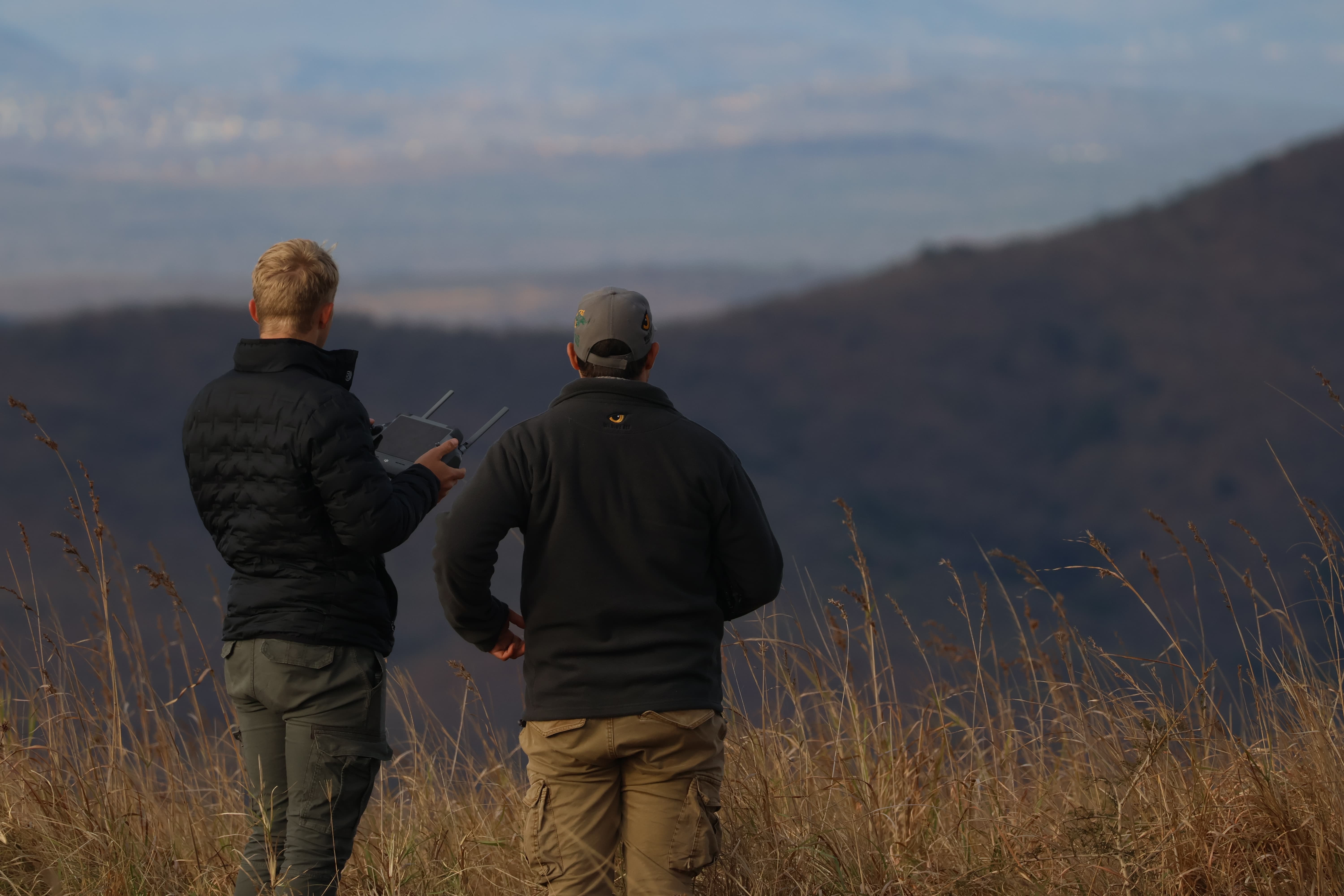
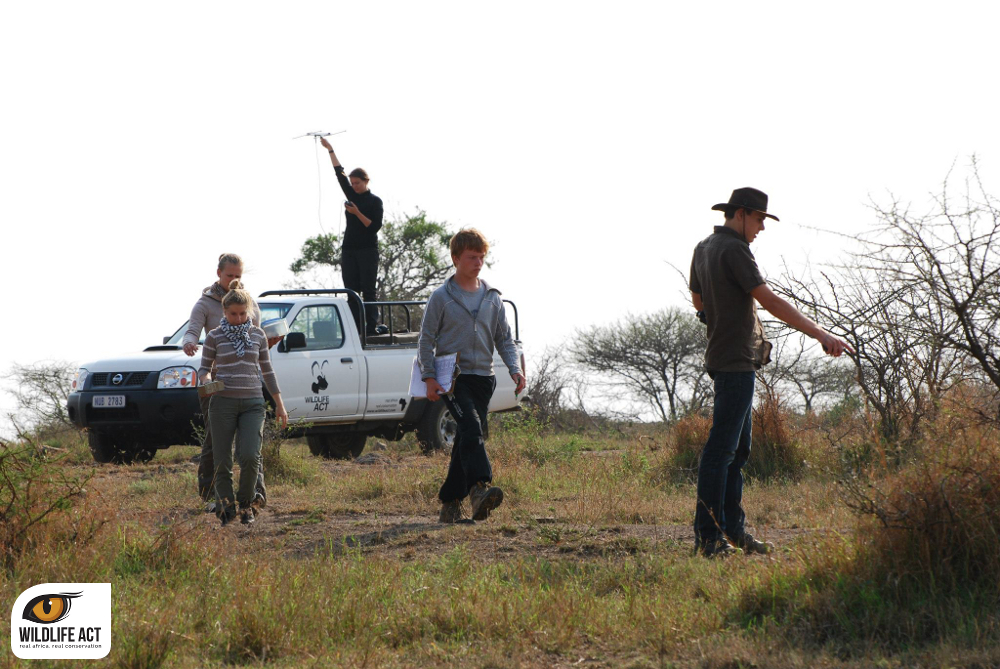
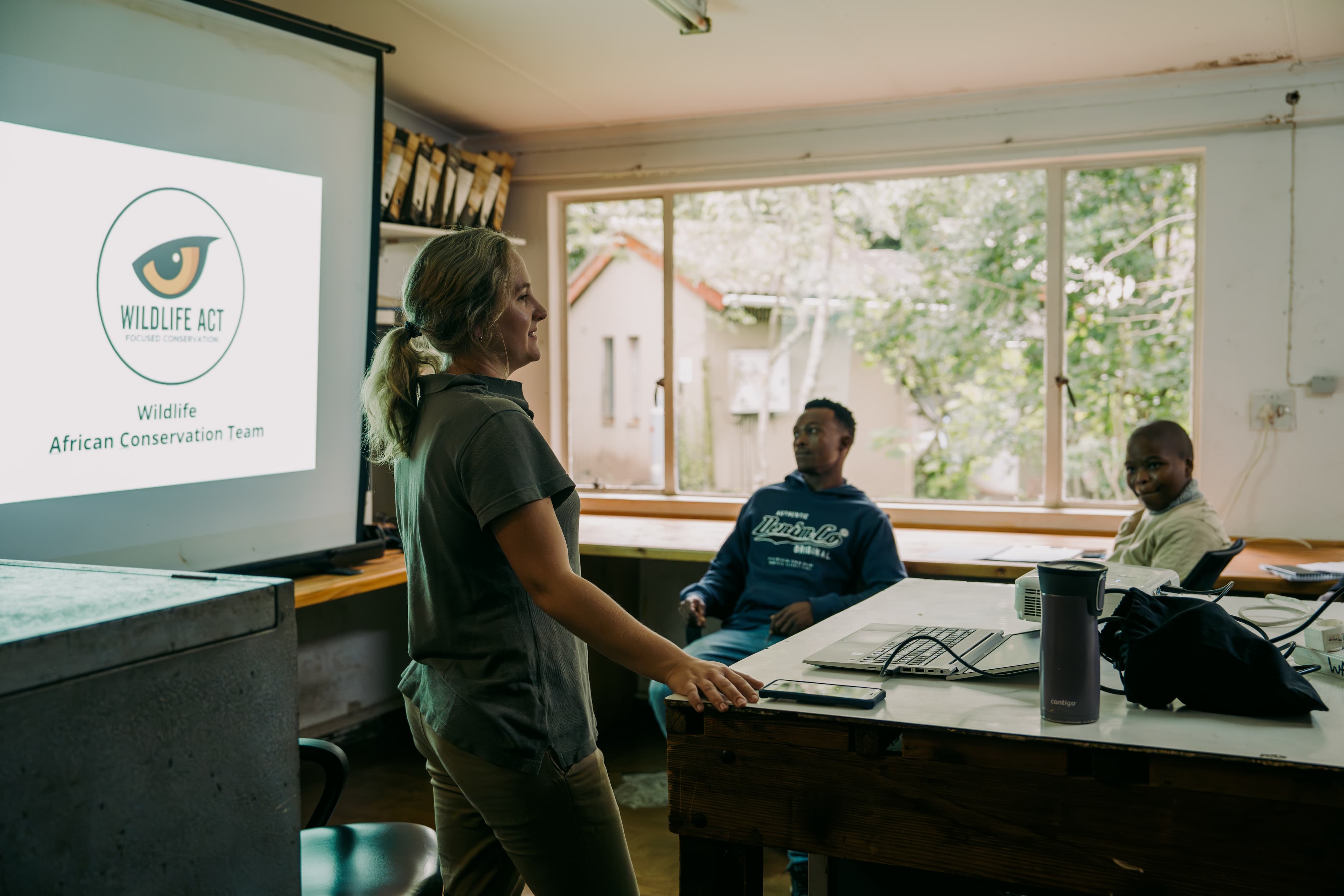
Header image: Volunteers are trained in monitoring and data collection by conservation professionals. Casey Pratt / Love Africa Marketing
Wildlife conservation volunteering in the Drakensberg, South Africa, is available year round through Wildlife ACT’s Southern Drakensberg Conservation volunteer program. This is an exciting opportunity to join a small but impactful team at a remote outpost in the stunning Drakensberg mountains. With a maximum of three volunteers at a time, the Vulture conservation program is intimate and allows for hands-on conservation work.
Wildlife conservation in remote mountain ecosystems depends on long-term monitoring. The Southern Drakensberg Project is a conservation program where volunteers support ecological monitoring of Vultures and broader biodiversity within the Maloti–Drakensberg landscape.
Ethical wildlife volunteering does not involve direct contact with wildlife. Instead, Wildlife ACT volunteers contribute to scientific observation, ecological surveys, and conservation data collection. To find out what it’s really like, read a real Drakensberg conservation volunteering experience here.
Monitoring: the Backbone of Wildlife Conservation in the Drakensberg

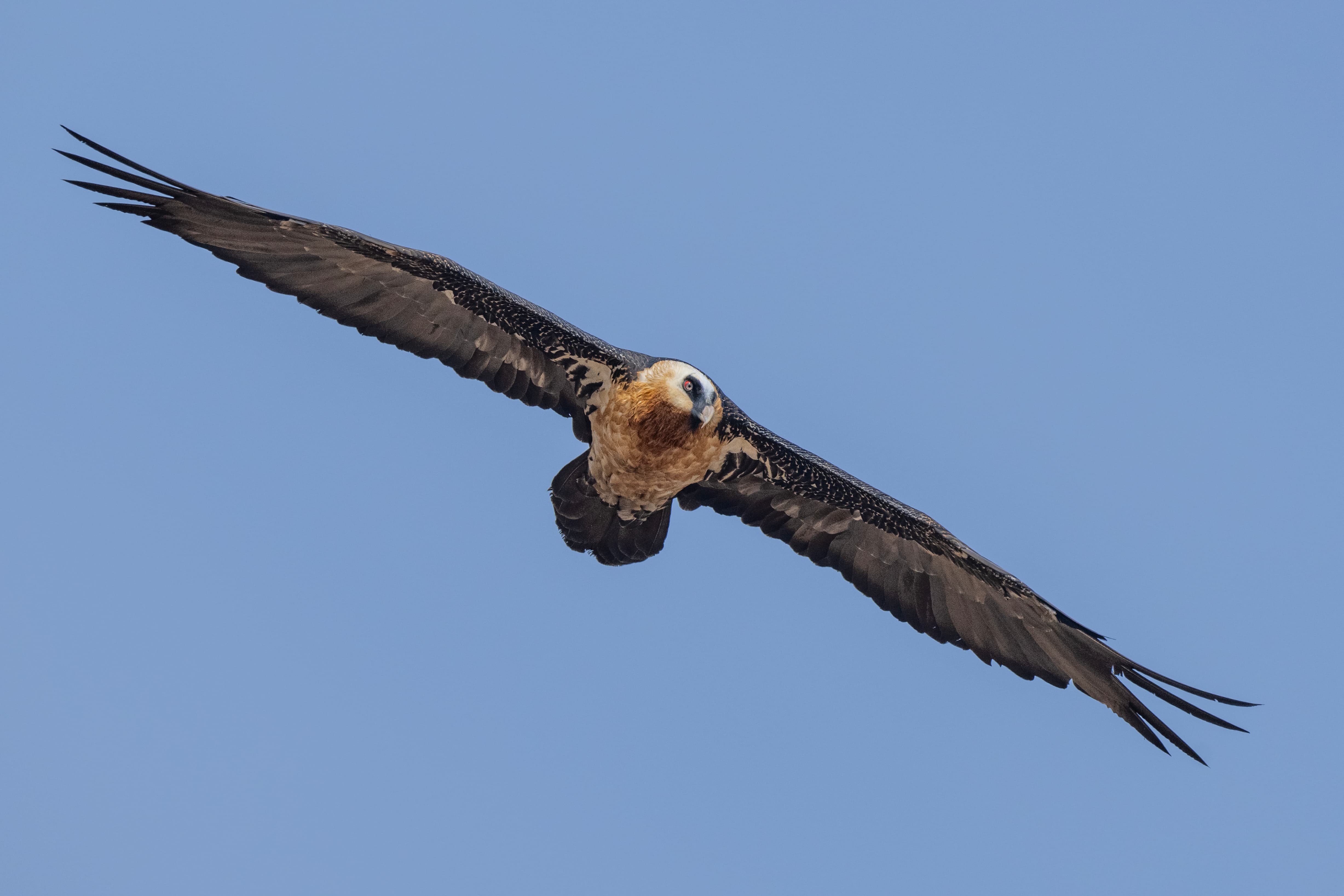
In the high-altitude landscapes of the Maloti-Drakensberg Park World Heritage Site, effective conservation begins with systematic, long-term monitoring. With only an estimated 50 to 100 breeding pairs of Bearded Vulture remaining in South Africa and Lesotho, the margin for error is small, and every management decision must be grounded in reliable data.
Monitoring sits at the core of modern conservation science because effective decisions depend on reliable, long-term ecological data. Without consistent data collection, conservation efforts risk being reactive rather than strategic.
By tracking population trends over years and even decades, conservationists can identify whether species are stable, increasing, or in decline, and assess the success of interventions over time. Daily monitoring ensures that the team can quickly detect emerging threats before they compound.
Wildlife ACT's Southern Drakensberg Conservation Project monitors nesting sites, manages Vulture safe feeding sites, conducts a long-term remote camera trap survey, and responds to emergency events - building the longitudinal dataset that conservation decisions depend on.
Interested in joining our conservation monitoring team in the Drakensberg? Learn more about volunteering with Wildlife ACT.
Why Mountain Ecosystems Require Long-Term Ecological Monitoring
The Maloti–Drakensberg landscape presents a distinct set of conservation challenges, shaped by its rugged terrain and ecological complexity.
One of the defining features of the region is its steep elevation gradients, which create a range of microclimates over relatively short distances. These shifts in altitude directly influence species distribution, with certain species confined to very specific elevation bands. As a result, even small environmental changes can have significant impacts on where and how wildlife can survive.
Seasonal variation further adds to the complexity of the system. Mountain environments such as the Drakensberg experience significant fluctuations in temperature and weather patterns across the year, all of which may influence species behaviour, breeding cycles, and movement. This seasonality means that data collected at one time of year may tell only part of the story, making year-round monitoring essential for a complete understanding of ecosystem dynamics.
Why Monitoring Vultures Requires Specialized Methods

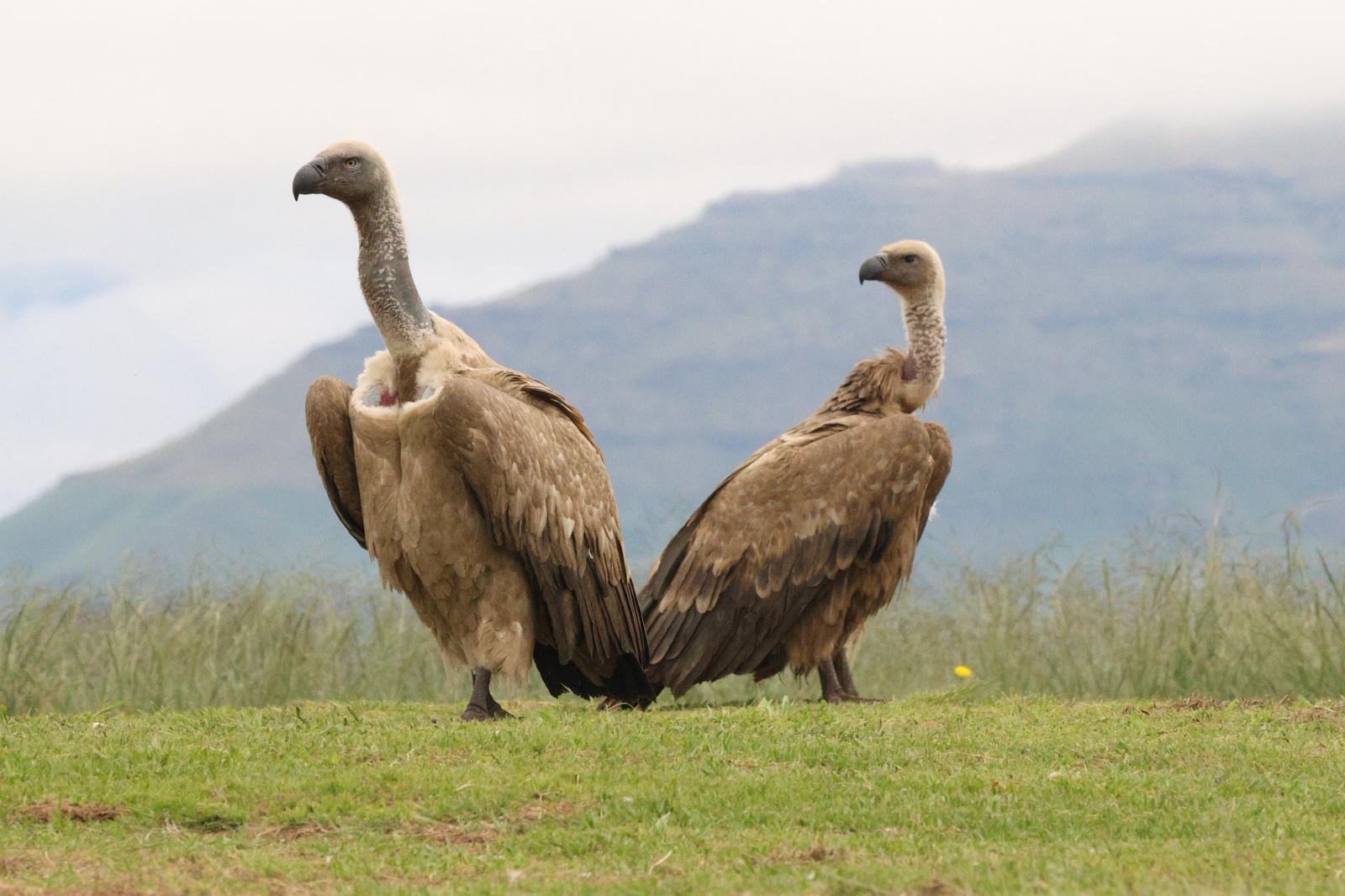
Monitoring Vultures presents a distinct set of challenges, driven by their ecology, behaviour, and life history traits. The two Vulture species found in the Maloti–Drakensberg - the Bearded Vulture and the Cape Vulture - are cliff-nesting species.
Monitoring during the breeding season is highly rewarding, but it does present certain challenges. Nests are often located on steep, inaccessible rock faces, making direct observation difficult and sometimes dangerous. As a result, direct nest monitoring requires careful planning, specialised vantage points, and minimal disturbance to avoid impacting breeding success. Volunteers will receive specialized monitoring training in the field from professional conservationists.
Vultures operate across exceptionally large home ranges, regularly moving across vast landscapes in search of food. Wildlife ACT monitoring data, supported by GPS tracking, shows that individuals travel across multiple Protected Areas and even transboundary regions, using a wide network of foraging sites rather than remaining close to nesting locations. This behaviour means that threats such as poisoning, habitat change, or infrastructure collisions may occur far from monitored breeding sites, making it more difficult to link local observations to broader population pressures, and requiring coordinated approaches.
Structured monitoring protocols are essential to overcoming these challenges. Consistent and standardised observations - such as repeated nest checks from fixed viewpoints, recording breeding stages, and minimising observer disturbance - allow conservationists to generate reliable, comparable data over time. This approach ensures that trends in productivity and population stability can be accurately assessed, even in difficult terrain.
Monitoring Vultures in the Southern Drakensberg Landscape
A core component of this work involves observing nesting and breeding behaviour. Field teams conduct regular surveys of known and potential nesting sites, often located in remote and rugged terrain. From carefully selected vantage points, monitors use high-powered optics to record activity such as nest occupancy, incubation, and chick development, ensuring minimal disturbance to breeding pairs.

Alongside nest monitoring, teams record sightings and movement patterns across the broader landscape. Through a combination of visual observations, camera trap surveys, and GPS tracking, Wildlife ACT collects data on how Vultures move between feeding and breeding areas, which habitats they utilise, and where potential risks may occur. This landscape-level understanding is essential for identifying key foraging areas and high-risk zones.
All data collected through this work contributes to broader regional conservation initiatives. Wildlife ACT operates as part of collaborative frameworks such as the Bearded Vulture Task Force, with field data feeding into national and transboundary conservation strategies, recovery planning, and policy development.
Wildlife conservation volunteering in the Drakensberg is your opportunity to support the vital work being done here. The funding received through our volunteer program directly supports our conservation work in the Southern Drakensberg.
Biodiversity Surveys and Ecosystem Monitoring in the Drakensberg
Within this ecosystem, the Bearded Vulture and Cape Vulture play a critical ecological role as scavengers, contributing to nutrient cycling and ecosystem health. Their presence is also an indicator of broader environmental stability. Protecting these species through consistent, science-based monitoring is therefore not only about safeguarding individual populations, but about maintaining the integrity of the entire mountain ecosystem.
In addition to avian monitoring, the team records sightings of other wildlife encountered during fieldwork, including mammals and smaller, less visible species captured through camera trap surveys. This wider dataset helps contextualise Vulture conservation within the broader ecological network, highlighting how different species interact with and depend on the same environment.

Tracking species presence over time provides valuable insight into ecosystem health. Changes in diversity, abundance, or behaviour can signal shifts in habitat condition, resource availability, or emerging pressures. As a volunteer, you will assist Wildlife ACT field monitors with essential daily monitoring work such as data collection and camera trap maintenance.
Prepare for your fieldwork by downloading the Southern Berg Checklist, which provides an overview of species commonly identified in this region.
The Role of Volunteers in Conservation Monitoring
Volunteers play an important role in supporting Wildlife ACT’s conservation monitoring work. Working alongside professional field teams, they assist with wildlife observations, help record accurate field data, and contribute to structured survey efforts. This includes identifying species, documenting behaviour, and ensuring that observations are captured consistently using established monitoring protocols.
Volunteers also assist with maintaining Vulture Safe Feeding Sites such as the Mzimkulu Vulture Hide. This involves preparing and placing clean, safe carcasses, maintaining the site to ensure it remains suitable for use, and monitoring Vulture activity through both direct observation and camera traps. These activities provide valuable insight into feeding behaviour, individual identification, and overall population health.
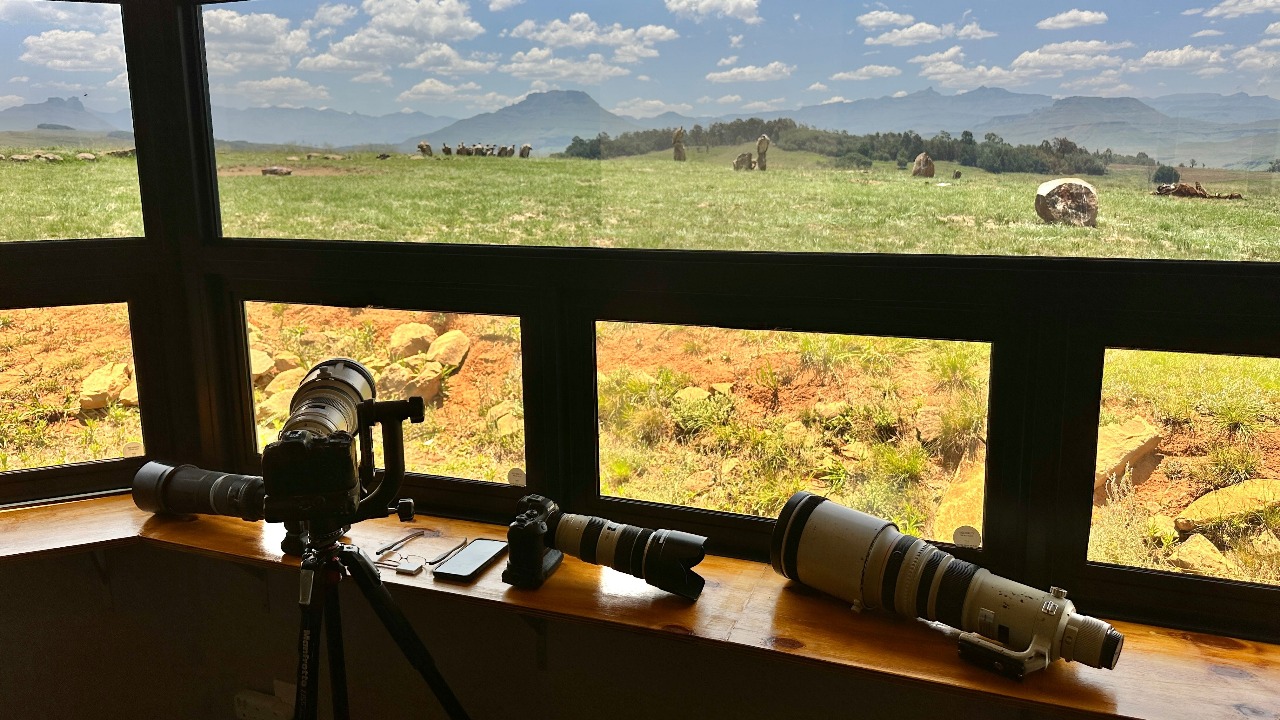
Volunteers also support broader biodiversity monitoring as required, through tasks such as camera trap deployment and maintenance, checking and cataloguing footage, and recording habitat observations across the landscape. This work helps build a more complete picture of ecosystem dynamics beyond focal species.
In a remote and logistically challenging environment like the Drakensberg, this additional field capacity is essential. By contributing to standardised data collection, volunteers play a direct role in building the long-term datasets that inform conservation decisions and management strategies.
Volunteer participation also directly supports the operational costs of the project, helping to fund field equipment, monitoring activities, and the continued presence of conservation teams in this remote landscape.
Make sure you have everything you need for your volunteering experience. Take a look at what you’ll find in a Southern Drakensberg field monitor’s toolkit here.
Learning Scientific Field Skills in the Drakensberg
Volunteering in the Southern Drakensberg provides a practical introduction to scientific fieldwork in a real conservation setting. Participants develop species identification skills, learning to recognise key bird species and other wildlife within high-altitude habitats, often using visual cues, behaviour, and habitat context.
They are also trained in ecological observation techniques, including how to systematically record sightings, monitor activity from a distance, and collect accurate field data. This is supported by an understanding of scientific monitoring protocols, ensuring that all data collected contributes meaningfully to ongoing conservation research.
Over time, volunteers begin to interpret wildlife behaviour and habitat use more effectively, recognising patterns in movement, breeding activity, and species interactions. For those interested in conservation careers, this experience offers direct exposure to the methods and discipline required in professional field-based conservation work.
Working in a Remote Mountain Conservation Landscape
Working in the Southern Drakensberg means operating in a physically demanding and often unpredictable environment. As part of a wildlife conservation volunteering experience in the Drakensberg, volunteers are immersed in rugged, high-altitude terrain, with steep slopes, rocky outcrops, and conditions that require a good level of fitness and careful navigation. Reaching monitoring sites often involves long hikes across uneven ground, sometimes carrying equipment to remote vantage points.
Weather conditions can change rapidly in the mountains, and volunteers need to be prepared for all possibilities. A single day may bring intense sun, strong winds, sudden rain, or near-freezing temperatures. These shifts can directly affect both wildlife activity and the ability to carry out monitoring work.
Fieldwork also involves long periods of observation. Monitoring nesting cliffs or scanning large landscapes requires patience and focus, often in exposed conditions for extended periods of time.
As a result, conservation teams must continually adapt their activities to the environment. Survey timing, observation points, and daily plans are adjusted based on weather, terrain, and wildlife behaviour. This flexibility is essential to ensure both effective data collection and the safety of those working in the field, and is a core part of what makes this a meaningful and ethical conservation volunteering experience.
How to Join the Wildlife ACT Southern Drakensberg Project
.jpg)
The Southern Drakensberg Conservation Project, part of Wildlife ACT's Vulture Conservation Program, operates in an area which is a stronghold for the Vulnerable Cape Vulture as well as the regionally Critically Endangered Bearded Vulture.
Applying to volunteer at this project is a straightforward process. You can apply directly through Wildlife ACT’s website, where you can also review project details, available dates, and requirements before submitting an enquiry.
By taking part, you contribute directly to long-term conservation work in one of South Africa’s most important mountain ecosystems. Your involvement supports the monitoring of Endangered Vulture populations and helps build the datasets that inform regional conservation strategies.
To learn more or apply, visit the project page here.
Frequently Asked Questions About Conservation Volunteering in the Drakensberg
What conservation work do volunteers do in the Drakensberg?
Volunteers support ongoing monitoring programs by assisting with wildlife observations, recording field data, and participating in tasks such as nest monitoring, biodiversity surveys, and camera trap work. The focus is on collecting accurate data that contributes to long-term conservation research.
Do volunteers interact directly with wildlife?
No. Wildlife ACT follows a strict no-contact policy. All monitoring is conducted from a distance using binoculars, spotting scopes, or camera traps to ensure that wildlife is not disturbed and natural behaviour is maintained.
What skills can I learn from conservation monitoring?
Volunteers develop practical field skills such as species identification, ecological observation, and data recording. They also gain an understanding of scientific monitoring protocols and learn how to interpret wildlife behaviour and habitat use in a real conservation context.
Do I need previous experience to join the project?
No prior experience is required. Training is provided on-site, and volunteers are guided by experienced field staff. A willingness to learn, adapt to field conditions, and contribute to conservation work is more important than prior knowledge.
What species are monitored in the Southern Drakensberg?
The primary focus is on cliff-nesting Vultures, particularly the Bearded Vulture and Cape Vulture. In addition, volunteers contribute to broader biodiversity monitoring, recording other bird species and wildlife present within the mountain ecosystem.
References
Körner, C. (2007) The use of ‘altitude’ in ecological research. Trends in Ecology & Evolution. Available at: https://www.sciencedirect.com/science/article/abs/pii/S0169534707002819
UNESCO World Heritage Centre. (n.d.) Maloti-Drakensberg Park. Available at: https://whc.unesco.org/en/list/985
University of Pretoria. (2007) Climate variability and environmental patterns in the Drakensberg region. Available at: https://repository.up.ac.za/items/64449f18-46df-42be-8ee7-6b045f6bcddd
VulPro. (2018) Cape Griffon Vulture colony monitoring protocol. Available at: https://www.vulpro.com/wp-content/uploads/2020/02/VulPro-Cape-Griffon-Vulture-colony-monitoring-Protocol-updated-September-20182.pdf
Wildlife ACT. (2025) Your hands-on guide to monitoring Africa’s endangered and priority species. Available at: https://www.wildlifeact.com/blog/your-hands-on-guide-to-monitoring-africas-endangered-and-priority-species
Wildlife ACT. (2025) Field essentials for conservation monitoring. Available at: https://www.wildlifeact.com/blog/field-essentials-conservation
Wildlife ACT. (2024) Mzimkulu Vulture Hide launched in the Southern Drakensberg. Available at: https://www.wildlifeact.com/blog/mzimkulu-vulture-hide-launched-in-southern-drakensberg
Wildlife ACT. (2025) Nature’s clean-up crew: The environmental importance of vultures and the urgent need for their conservation. Available at: https://www.wildlifeact.com/blog/natures-clean-up-crew-the-environmental-importance-of-vultures-and-the-urgent-need-for-their-conservation
Wildlife ACT. (2025) Vulture conservation in South Africa: Zululand aerial survey 2025 results. Available at: https://www.wildlifeact.com/blog/vulture-conservation-in-south-africa-zululand-aerial-survey-2025-results
Wildlife ACT. (2026) Volunteer during Bearded Vulture breeding season in the Southern Drakensberg. Available at: https://www.wildlifeact.com/blog/volunteer-during-bearded-vulture-breeding-season-in-the-southern-drakensberg
.jpeg)