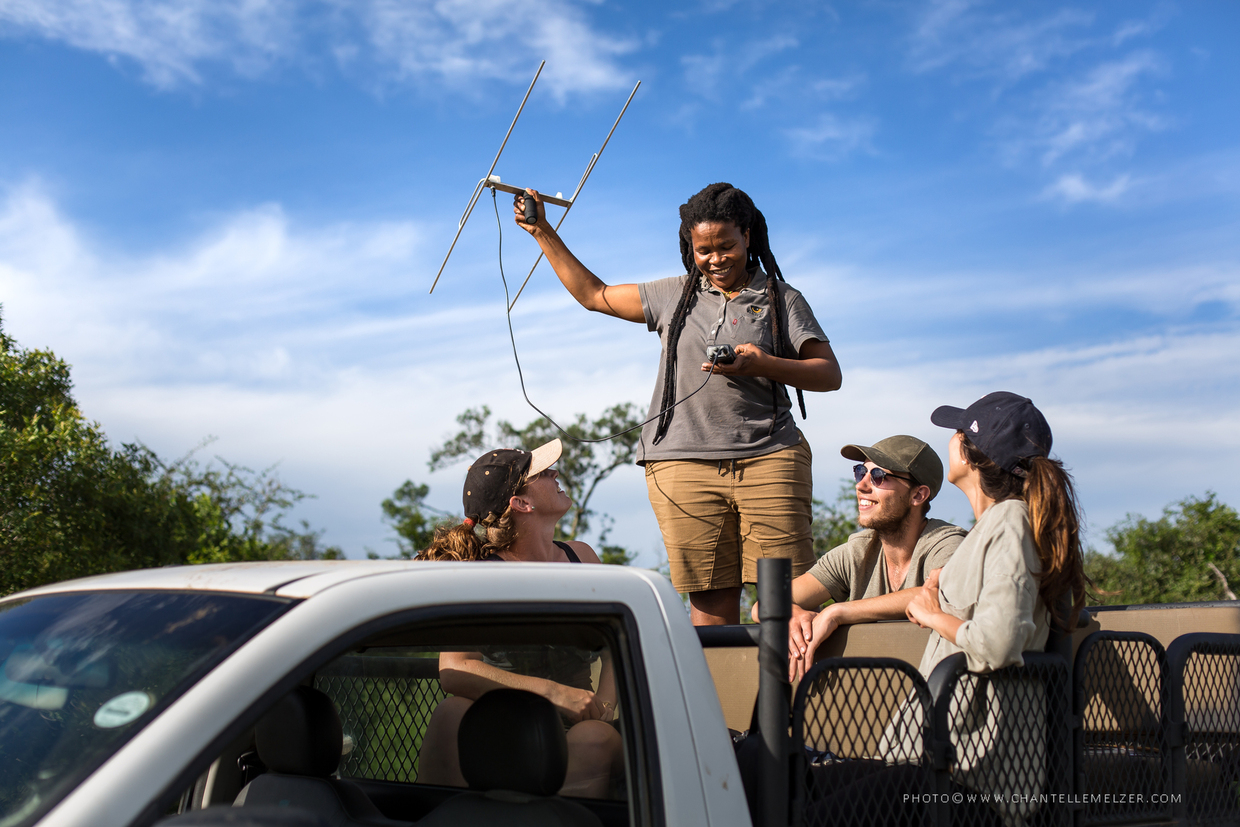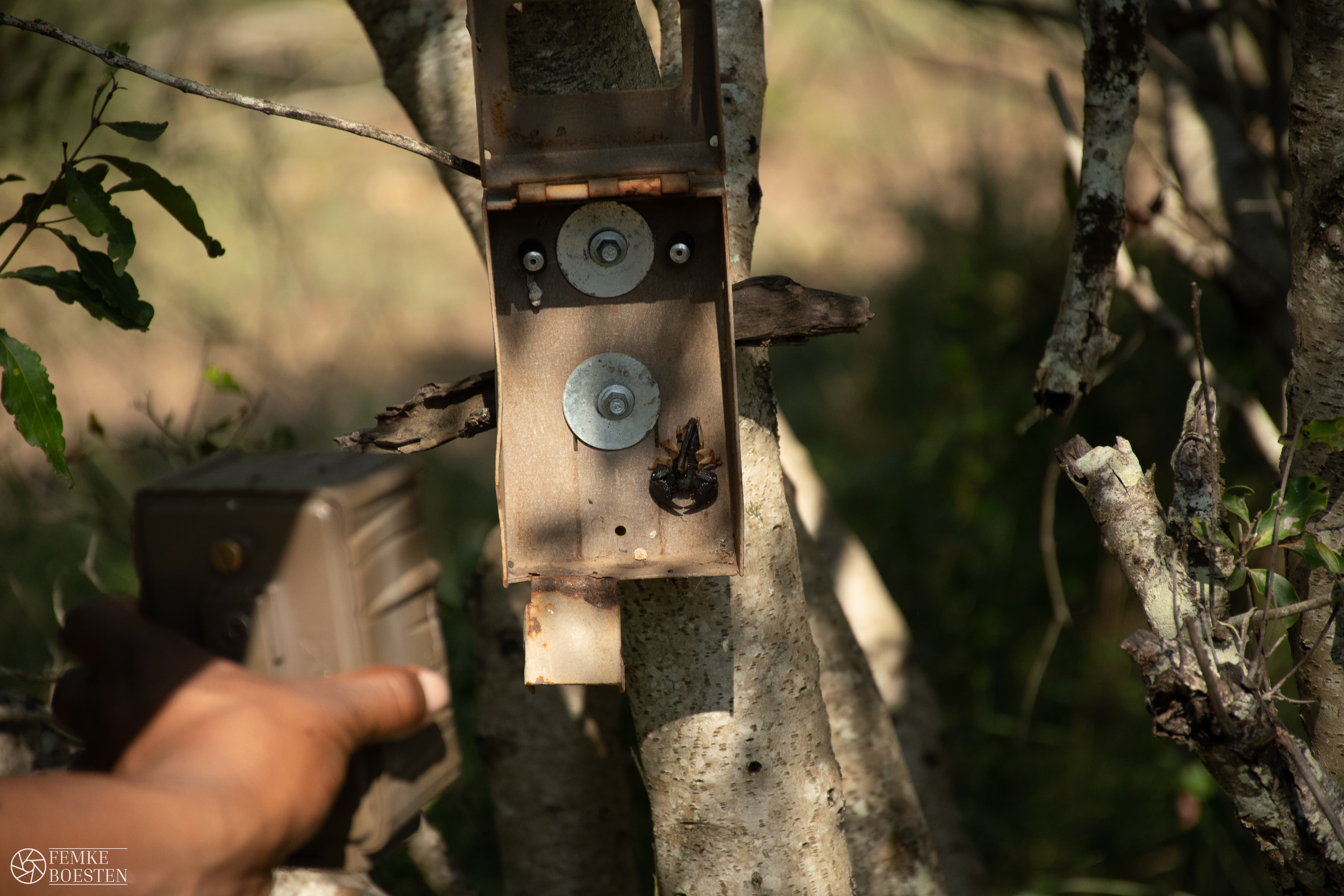
Why Camera Traps Are Essential for Monitoring Elusive Wildlife Species
Monitoring elusive wildlife species is one of the greatest challenges in modern conservation. Animals such as Leopard, African Wild Dog, and Black Rhinoceros move across vast landscapes, avoid human presence, and are often most active at night. This makes them difficult to study using traditional observation methods.
Camera traps have become an essential tool in wildlife conservation, allowing conservationists to monitor elusive species in a consistent, non-invasive way. These remote cameras operate continuously in the field, capturing real-time data on animal presence, behaviour, and movement without disrupting natural patterns.
Wildlife ACT’s approach is grounded in a simple principle: effective conservation starts with understanding. Monitoring provides the real-time data needed to guide conservation decisions, track population dynamics, assess health and behaviour, and respond to emerging threats in complex ecosystems
For elusive species, this level of insight can only be achieved through methods that are both continuous and non-intrusive. Camera traps play a central role in making this possible.
-2.jpg)
What Are Camera Traps and How Are They Used in Wildlife Conservation
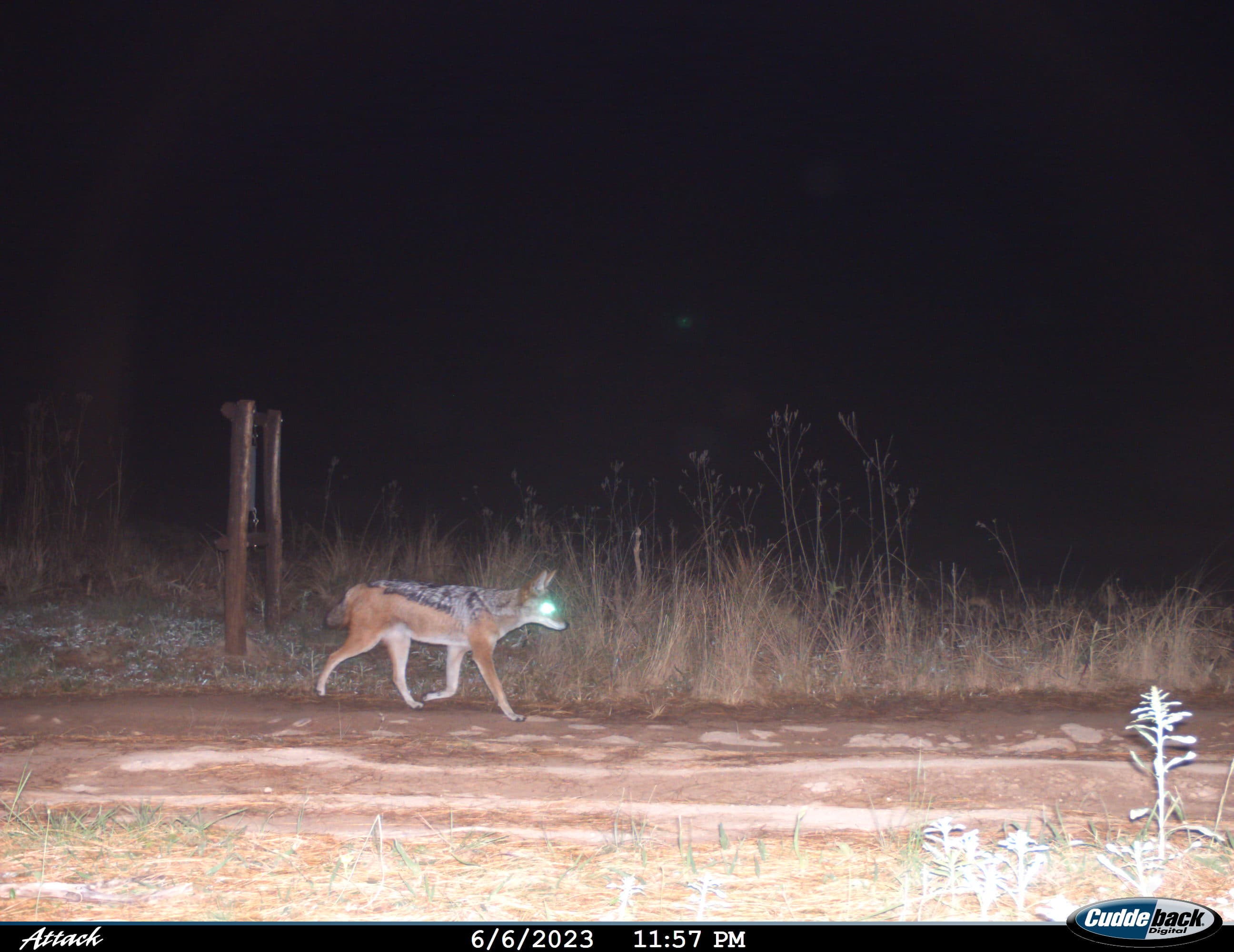
Camera traps are remote, motion-activated cameras used to monitor wildlife in their natural environment without human presence. Positioned strategically along game paths, near water sources, or in areas of known animal activity, these devices are triggered by movement and heat, capturing photographs or short video clips when an animal passes in front of the sensor.
Camera traps are a non-invasive wildlife monitoring tool that allows conservation teams to collect consistent, time-stamped visual data over extended periods. Because they operate passively and continuously, they are particularly effective for studying elusive, nocturnal, or wide-ranging species that are rarely seen during traditional field observations.
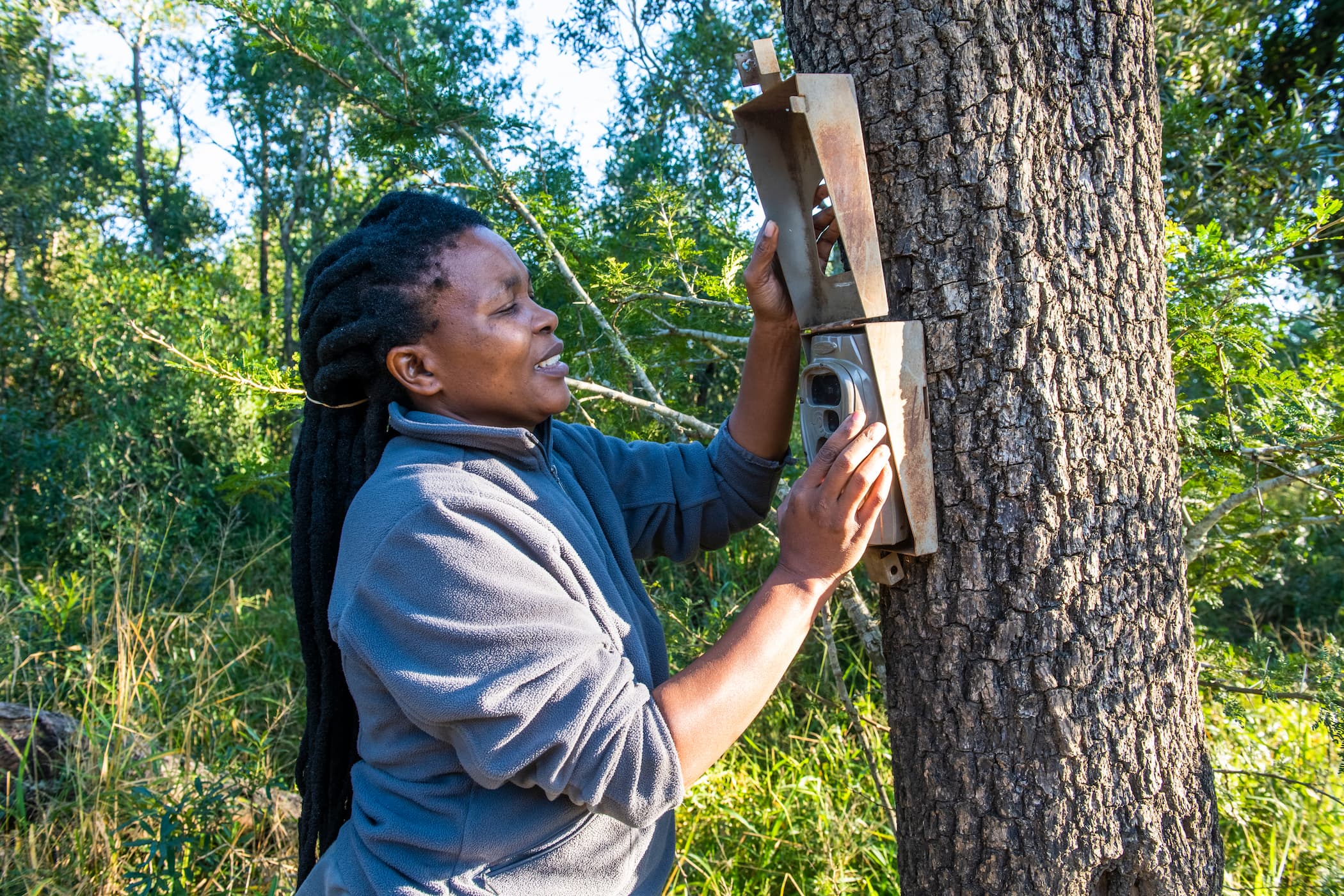
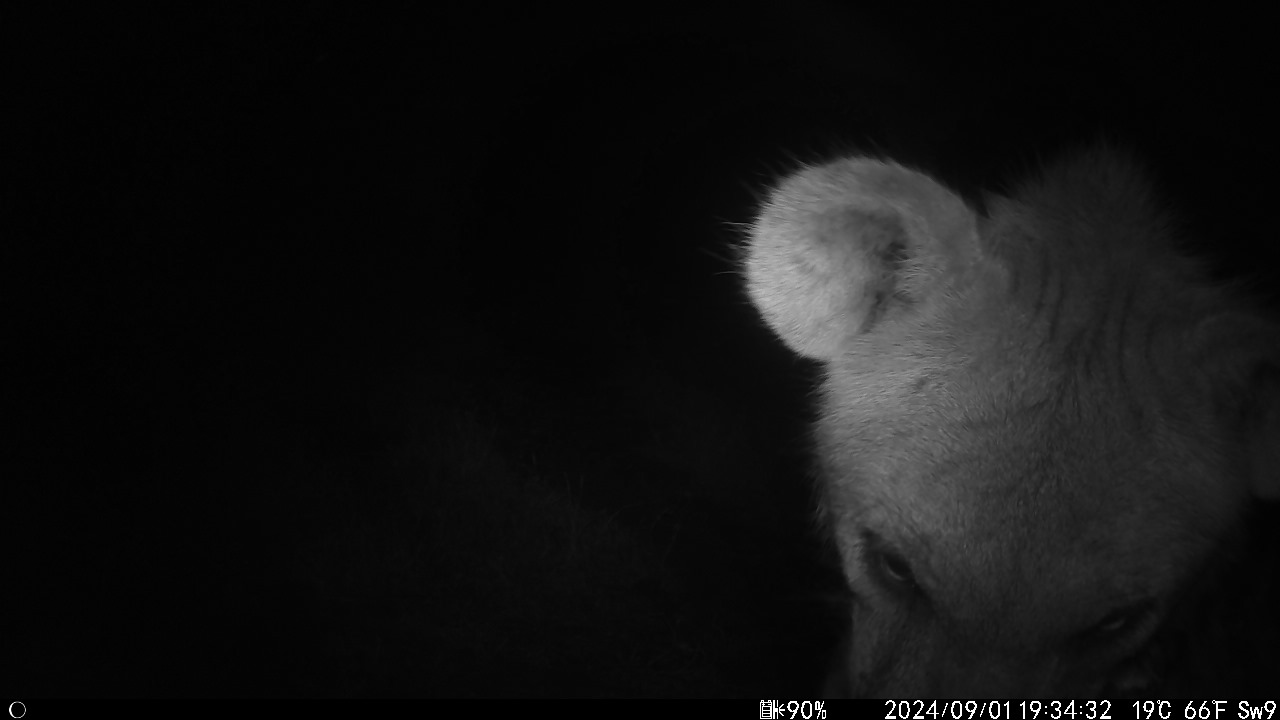
In Wildlife ACT’s field operations, camera traps are used to gather identification photographs for species such as Leopard, Cheetah, and Black Rhinoceros. These images are used to build and update individual identification kits, allowing conservation teams to recognise and track specific animals over time
Beyond individual identification, camera trap monitoring provides critical insights into population size, habitat use, and movement patterns. It also allows teams to detect injured or sick individuals, supporting early intervention where necessary.
As part of a broader, technology-driven monitoring system, camera traps complement tools such as telemetry tracking and GPS data, strengthening Wildlife ACT’s ability to monitor endangered and priority species and respond effectively to threats in real time.
Why Elusive Wildlife Species Are So Difficult to Monitor
Elusive wildlife species are defined not only by their rarity, but by their behaviour, movement patterns, and ability to avoid detection. Species such as Leopard, African Wild Dog, and Black Rhinoceros operate across large territories, move unpredictably, and often occupy dense or inaccessible habitats. Many are also most active at night or during low-light periods, further reducing the chances of direct observation.
These characteristics make traditional wildlife monitoring methods, such as visual sightings or short-term surveys, limited in both accuracy and consistency. Even in well-managed protected areas, it is not always possible to locate individuals on demand or to observe them long enough to gather meaningful data.
This creates a critical challenge for conservation. Without reliable monitoring, it becomes difficult to understand how many individuals are present, how they are using the landscape, whether they are breeding successfully, or if they are facing immediate threats.
Effective conservation depends on answering these questions. Monitoring allows conservation teams to track movement patterns, assess population dynamics, detect changes in behaviour, and identify risks such as injury, poaching, or dispersal beyond protected boundaries
For elusive species, the challenge is not only collecting data, but collecting it consistently over time. One-off sightings or irregular observations do not provide the level of detail required for informed conservation management. What is needed is a method that can operate continuously, across large areas, and without influencing animal behaviour.
This is where non-invasive, technology-driven approaches such as camera trap monitoring become essential.
How Camera Traps Work in Wildlife Monitoring
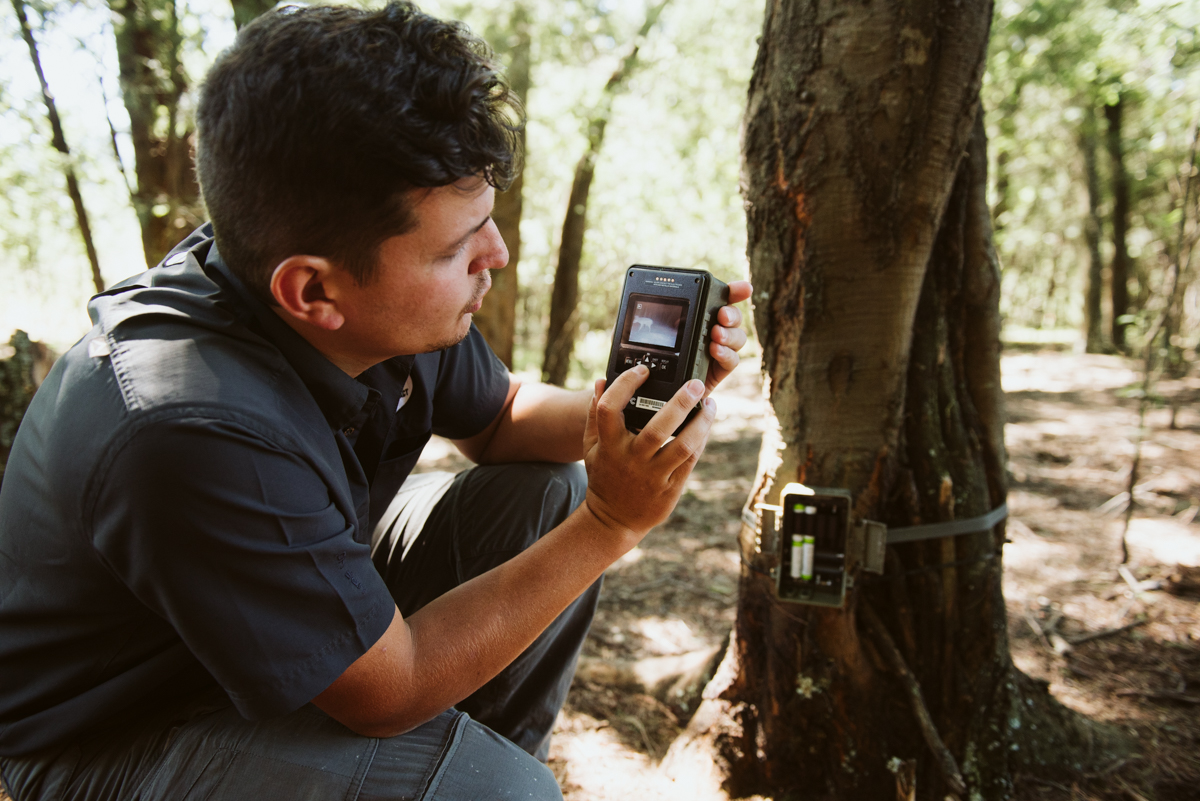
Camera traps work by using motion and heat sensors to automatically capture images of wildlife without human presence. These remote devices operate continuously in the field, allowing conservation teams to monitor species in real time without disturbing natural behaviour.
Each unit is equipped with sensors that detect movement within a defined range. When an animal passes in front of the camera, the device is triggered and captures a photograph or short video clip. These images are automatically time-stamped and stored on memory cards, creating a detailed, chronological record of wildlife activity at that location. Many camera traps also use infrared technology, allowing them to function effectively at night without using visible light.
The success of camera trap monitoring depends on strategic placement. Cameras are positioned along frequently used animal pathways, near water sources, at den sites, or within known territories of target species. This ensures that data collected is both relevant and representative of real wildlife activity.
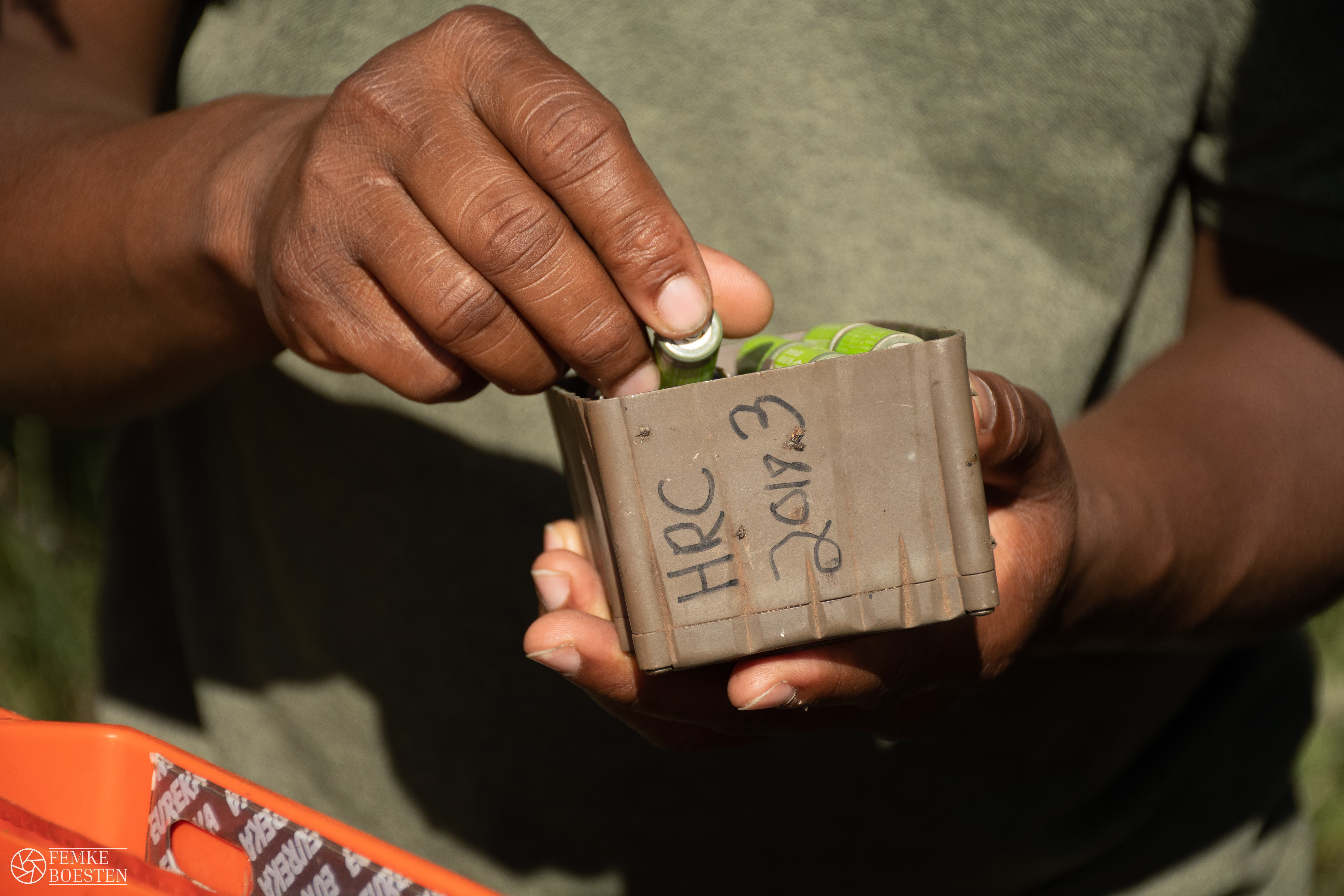
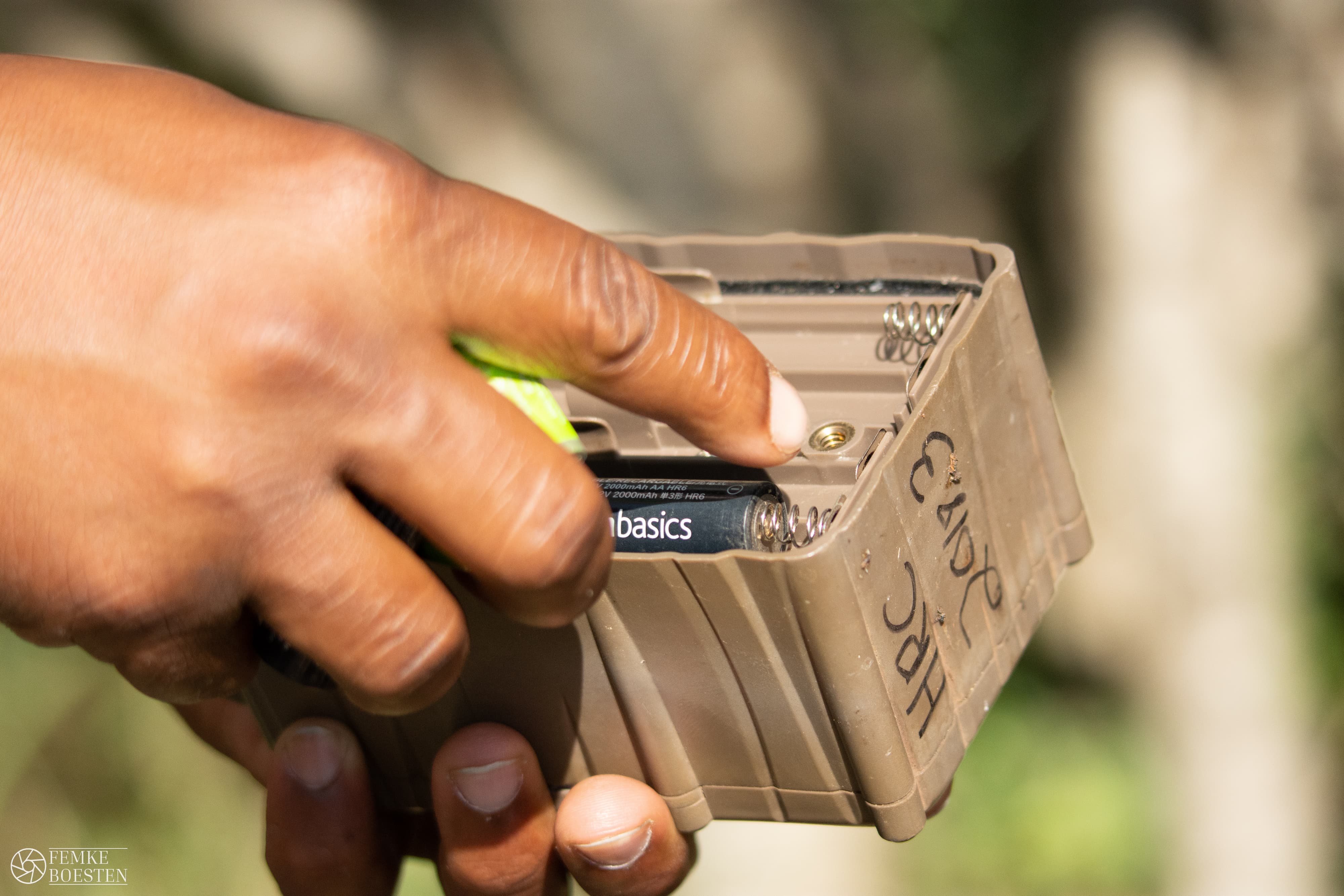
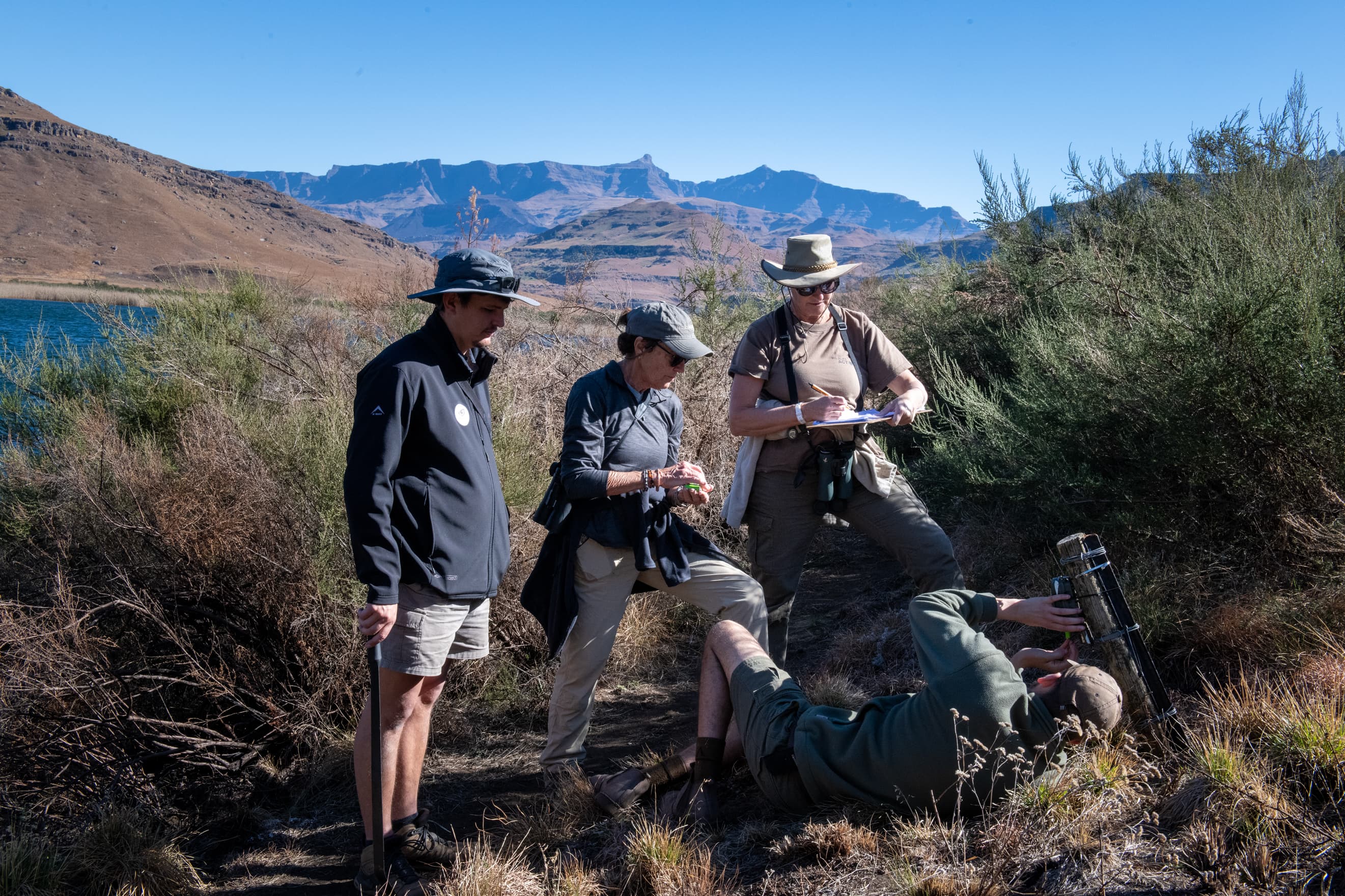
Once deployed, camera traps can remain active for extended periods, often operating for weeks or months at a time. Field teams conduct routine checks to retrieve memory cards, replace batteries, and maintain equipment. The images are then downloaded, organised, and analysed using structured data management systems.
At Wildlife ACT, camera trap data is carefully tagged and categorised to identify species, individuals, behaviour, and environmental context. This process allows teams to track animals over time, build individual identification records, and maintain accurate datasets that support both daily monitoring and long-term conservation planning
Because camera traps operate continuously and independently, they provide consistent coverage across large and complex landscapes. This makes them one of the most effective tools for monitoring elusive wildlife species and supporting science-led conservation decisions.
What Camera Trap Data Reveals About Wildlife Populations
Camera trap monitoring is not just about capturing images of wildlife. It is about generating reliable, long-term data that reveals how species live, move, and survive within their environment.
Each photograph collected contributes to a much larger dataset, allowing conservation teams to move beyond isolated sightings and build a detailed understanding of wildlife populations over time.
One of the most important applications of camera trap data is individual identification. For species such as Leopard, Cheetah, and Black Rhinoceros, unique markings, scars, and physical features allow individuals to be recognised from images. These records form identification kits that enable conservation teams to track specific animals, monitor survival, and understand population structure
Camera trap data also plays a critical role in estimating population size and density. By recording how often individuals are detected across different locations, conservation teams can begin to understand how many animals are present within a protected area and how those populations change over time.
Beyond population numbers, camera traps provide valuable insight into animal behaviour. Images can reveal activity patterns, social interactions, breeding behaviour, and territorial movement. For elusive and nocturnal species, this type of information is often impossible to collect through direct observation alone.
Another key contribution of camera trap monitoring is understanding habitat use. By analysing where animals are detected and how frequently they appear in certain areas, conservation teams can identify preferred habitats, movement corridors, and areas of ecological importance. This information is essential for protected area management, habitat protection, and long-term conservation planning.
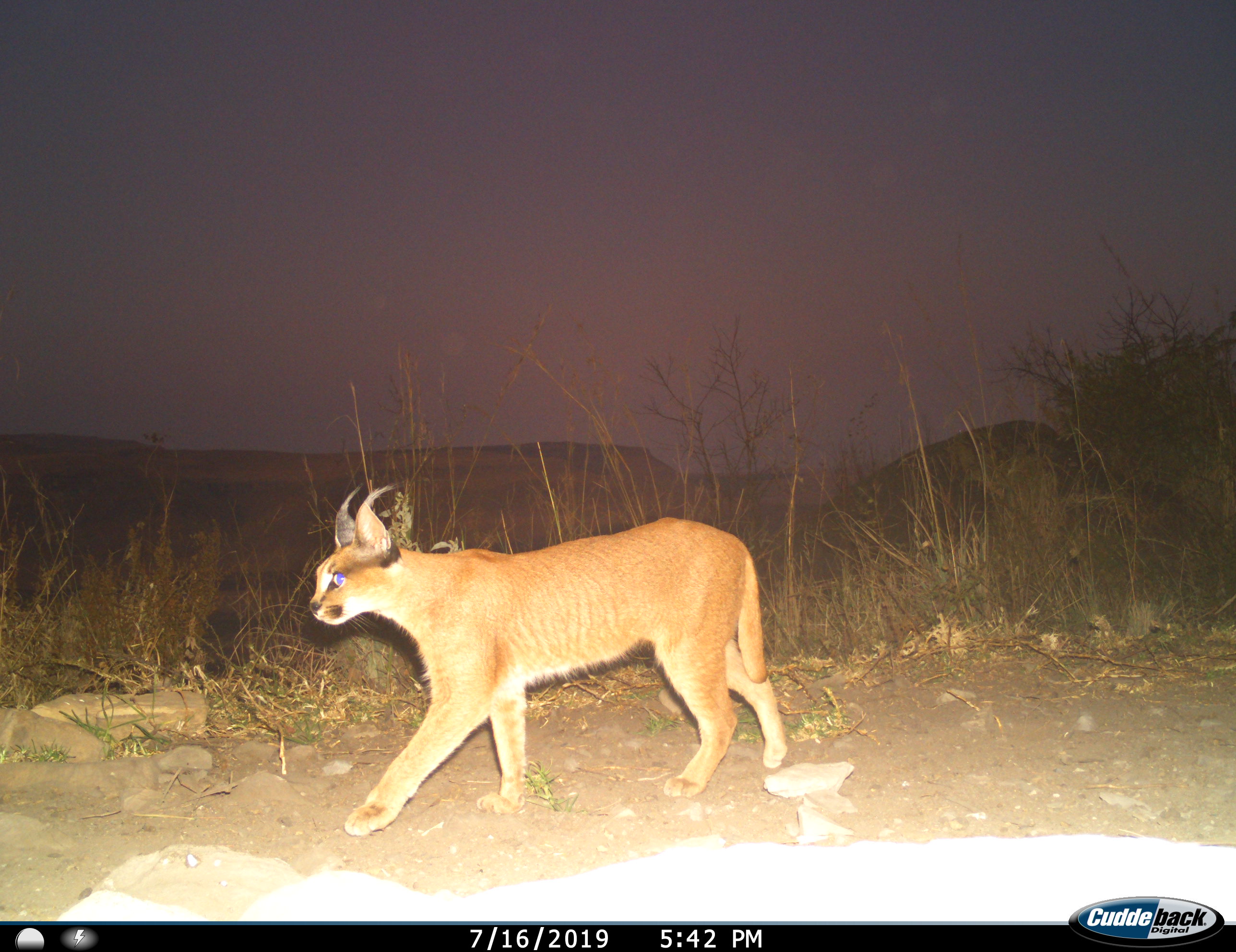
Camera traps also function as an early warning system. Images of injured, sick, or unusually behaving individuals can alert teams to potential threats, allowing for faster response to issues such as snaring, disease, or environmental stress. In high-risk areas, camera traps may also capture human activity, providing important information for anti-poaching efforts and protected area security.
This depth of insight is what makes camera trap monitoring so valuable. It transforms simple images into actionable data, supporting evidence-based conservation and enabling teams to make informed decisions that directly impact species survival.
Why Camera Traps Matter for Real Conservation Action
Camera traps are valuable not simply because they record wildlife, but because they strengthen conservation action on the ground. In species conservation, data only becomes meaningful when it can inform a decision, reduce uncertainty, or help a team respond more effectively to risk.
For elusive species, this matters enormously. Conservation managers are often working across large, complex protected areas with limited time, limited personnel, and species that are difficult to observe directly. In this context, camera trap monitoring helps close critical information gaps. It allows teams to confirm species presence, track changes over time, and make management decisions based on evidence rather than assumption.
This can influence a wide range of conservation actions. Camera trap records can support population assessments, help identify areas of important habitat use, guide the placement of further monitoring effort, and flag where threats may be emerging. In some cases, images may reveal that an individual has been injured, that a species is using a corridor more frequently than expected, or that human activity is taking place in a sensitive area. Each of these insights has practical management value.
At Wildlife ACT, camera traps form part of a broader monitoring system used to support protected area management and species conservation planning. Alongside telemetry, field observations, identification kits, and GPS data, camera trap records help build a more complete understanding of species status, movement, and risk across the landscape.

Camera Traps as Part of a Larger Wildlife Monitoring System
Camera traps are a powerful tool, but they are most effective when used as part of an integrated wildlife monitoring system.
At Wildlife ACT, monitoring is built on a combination of complementary technologies and field-based methods. These include VHF radio telemetry, GPS tracking, structured field observations, and species identification systems. Each of these tools provides a different layer of insight, and together they create a far more complete understanding of species behaviour and ecosystem dynamics than any single method could achieve.
Telemetry, for example, allows conservation teams to locate collared individuals in real time. This provides immediate information on movement, survival, and behaviour, particularly for high-priority species such as African Wild Dog and Black Rhinoceros. Field observations then add critical context, allowing monitors to assess health, group dynamics, and behavioural changes directly in the field
Camera traps strengthen this system by filling the gaps between direct monitoring events. They continue recording wildlife activity when teams are not present, capturing movement patterns at night, in dense vegetation, or in remote areas that are difficult to access regularly. This ensures that monitoring is not limited to specific times of day or locations.
The integration of these tools allows data to be cross-referenced and validated. A camera trap image may confirm the presence of an individual detected through telemetry. Repeated detections across different locations may highlight a shift in territory use. In this way, camera traps do not operate in isolation, but as part of a layered, evidence-based monitoring approach.
This integrated system is essential for managing wildlife across large protected areas, where species move freely across complex and often unpredictable landscapes. By combining multiple data sources, conservation teams can reduce uncertainty, improve accuracy, and make more informed decisions about species protection and habitat management.
The Importance of Long-Term Wildlife Monitoring
Effective conservation depends on consistency. Understanding wildlife populations requires more than isolated observations. It requires long-term monitoring that captures change over time.
Short-term data can provide useful snapshots, but it cannot reveal trends. Without long-term datasets, it is difficult to determine whether a population is stable, increasing, or in decline. It also becomes challenging to assess whether conservation interventions are working or whether new threats are emerging.
Long-term monitoring allows conservation teams to track changes in population size, movement patterns, habitat use, and behaviour across seasons and years. These patterns are essential for understanding how species respond to environmental pressures such as habitat loss, climate variability, or human activity.
Camera traps play a critical role in this process because they provide consistent, repeatable data. Once deployed in the same locations over time, they create a standardised record that can be compared across months and years. This continuity allows conservation teams to detect subtle changes that would otherwise go unnoticed.
At Wildlife ACT, long-term monitoring supports both day-to-day decision-making and broader conservation planning. Data collected over time contributes to species recovery strategies, informs protected area management, and strengthens collaboration with conservation authorities and research partners.
This long-term perspective is essential for species that are already under pressure. Conservation is not about isolated success stories. It is about sustained, measurable progress over time.
How Wildlife ACT Uses Camera Traps in the Field
Camera traps are embedded within Wildlife ACT’s daily conservation operations, supporting the monitoring of endangered and priority species across multiple protected areas.
In Zululand, camera traps are deployed along game paths, water sources, and key ecological areas to monitor species presence, movement, and behaviour. They are used alongside telemetry tracking and field observations to build a complete picture of how species such as Leopard, African Wild Dog, and Black Rhinoceros use the landscape.
In the Southern Drakensberg, camera traps contribute to broader biodiversity monitoring, supporting research into species distribution and ecosystem health within a complex mountain environment. These systems allow conservation teams to monitor wildlife activity in areas that are difficult to access regularly, particularly across rugged terrain and changing weather conditions.
Volunteers play an active role in this process. Under the guidance of experienced field monitors, they assist with setting up camera trap units, retrieving memory cards, and sorting through image data. This includes identifying species, tagging images, and recording key information such as time, location, and behaviour
This structured involvement ensures that camera trap monitoring remains consistent and scalable, while also contributing to the training and development of future conservation professionals.
The data collected through these efforts is not stored in isolation. It is integrated into broader monitoring systems, shared with conservation partners, and used to inform real-world management decisions. This includes identifying high-use areas, detecting potential threats, and supporting long-term species conservation strategies.
Camera traps therefore form part of a continuous, science-led monitoring process that directly contributes to the protection of wildlife across the landscapes where Wildlife ACT operates.
Monitoring Makes Conservation Possible
Protecting elusive wildlife species begins with understanding them.
For species that are rarely seen, move across vast landscapes, and avoid human presence, this understanding can only be achieved through consistent, non-invasive monitoring. Camera traps have become one of the most effective tools for making this possible, allowing conservation teams to collect reliable data, detect emerging threats, and build a clear picture of how species interact with their environment.
This data does not exist in isolation. It feeds directly into conservation action. It supports daily decision-making in the field, informs long-term species management, and strengthens the ability of conservation teams to respond to change with accuracy and confidence.
At Wildlife ACT, camera traps are not a standalone solution. They are part of a broader, science-led monitoring system that combines technology, field expertise, and long-term commitment to protecting endangered and priority species across protected areas.
In a world where many species are becoming increasingly difficult to find, the ability to monitor consistently and accurately is not optional. It is essential.
Because you cannot protect what you do not understand.
Frequently Asked Questions About Camera Trap Monitoring
What are camera traps used for in wildlife conservation?
Camera traps are used to monitor wildlife presence, behaviour, and movement without human interference. They help conservation teams identify individual animals, estimate population size, track habitat use, and detect threats such as injury or poaching activity.
How do camera traps work?
Camera traps work by using motion and heat sensors to detect passing animals. When triggered, they automatically capture images or videos, which are time-stamped and stored for later analysis. Many camera traps use infrared technology, allowing them to operate at night without disturbing wildlife.
Why are camera traps important for monitoring elusive species?
Elusive species are difficult to observe directly due to their behaviour, large ranges, and nocturnal activity. Camera traps provide continuous, non-invasive monitoring, allowing conservation teams to collect reliable data even when animals are not visible.
Are camera traps harmful to wildlife?
Camera traps are considered a non-invasive monitoring method. They allow animals to behave naturally without direct human interaction, making them one of the most ethical tools used in wildlife conservation.
Where are camera traps typically placed?
Camera traps are usually placed along animal pathways, near water sources, at den sites, or in areas where wildlife activity is expected. Strategic placement increases the likelihood of capturing meaningful data.
How accurate are camera traps for estimating wildlife populations?
Camera traps are highly effective when used consistently and alongside other monitoring methods. By identifying individual animals and tracking detections across locations, conservation teams can estimate population size and monitor trends over time.

.jpeg)


%20(2).jpg)