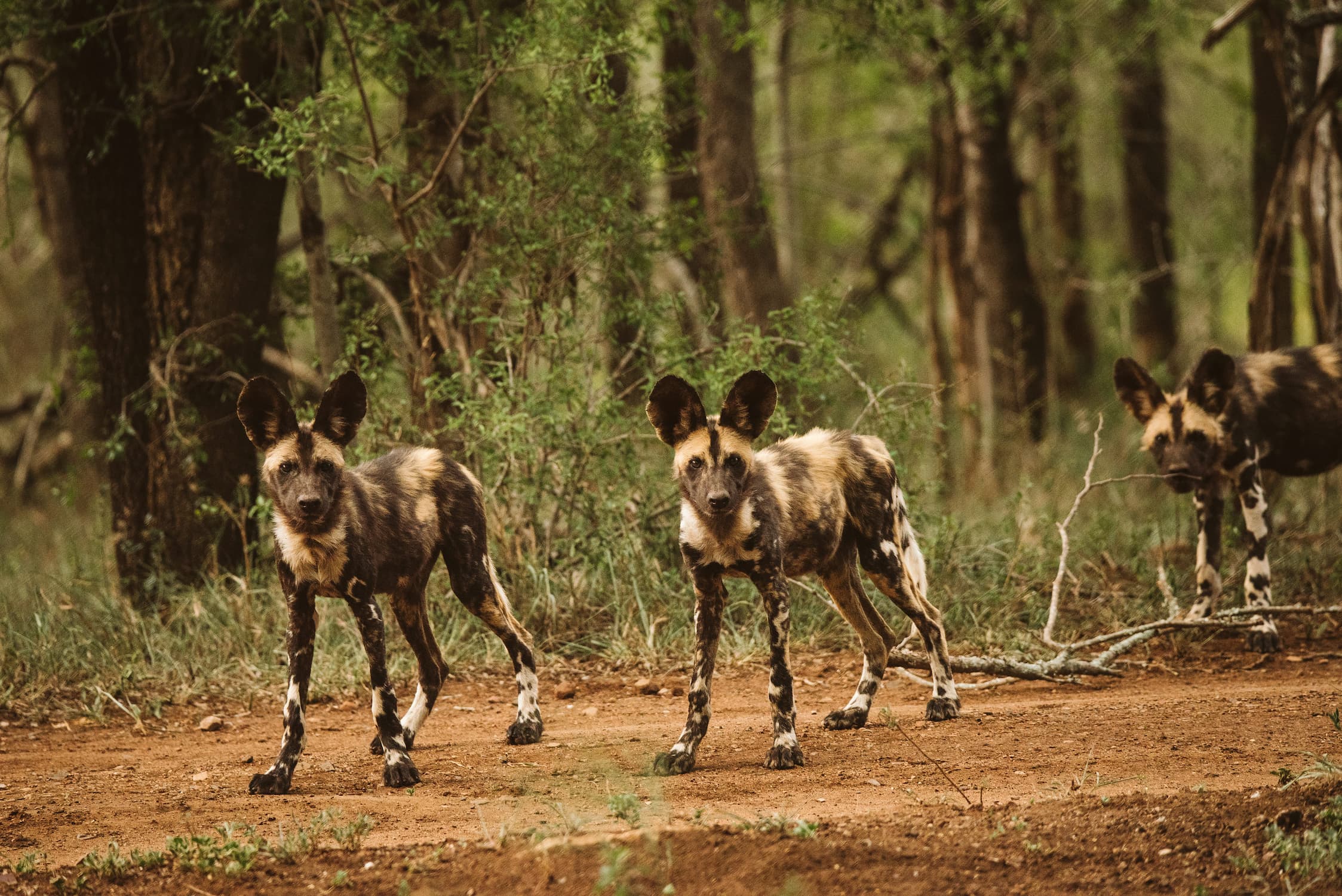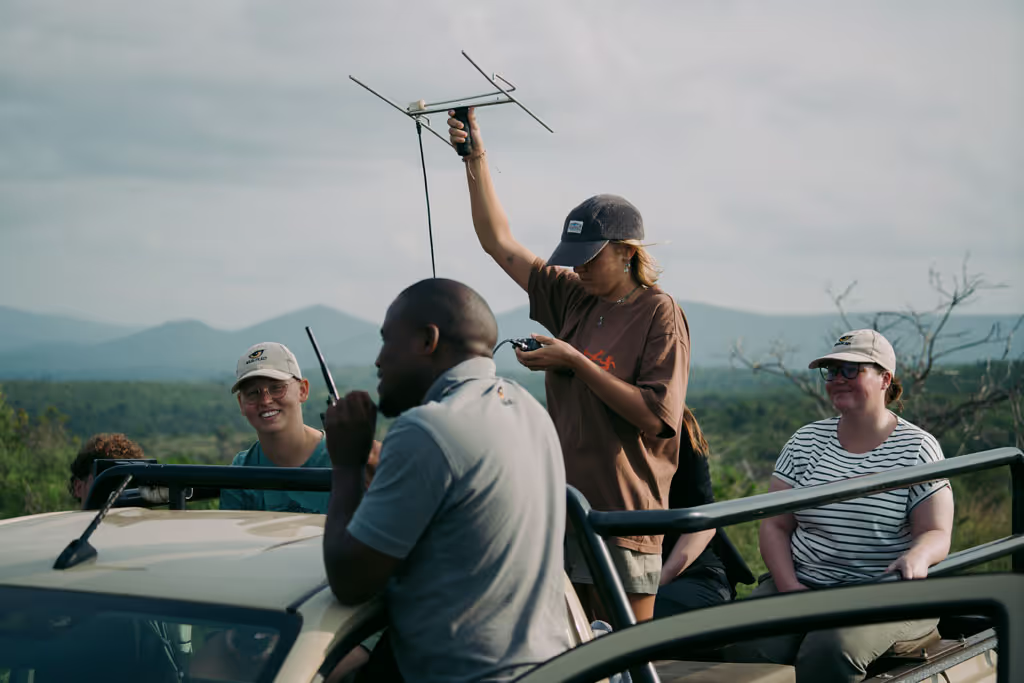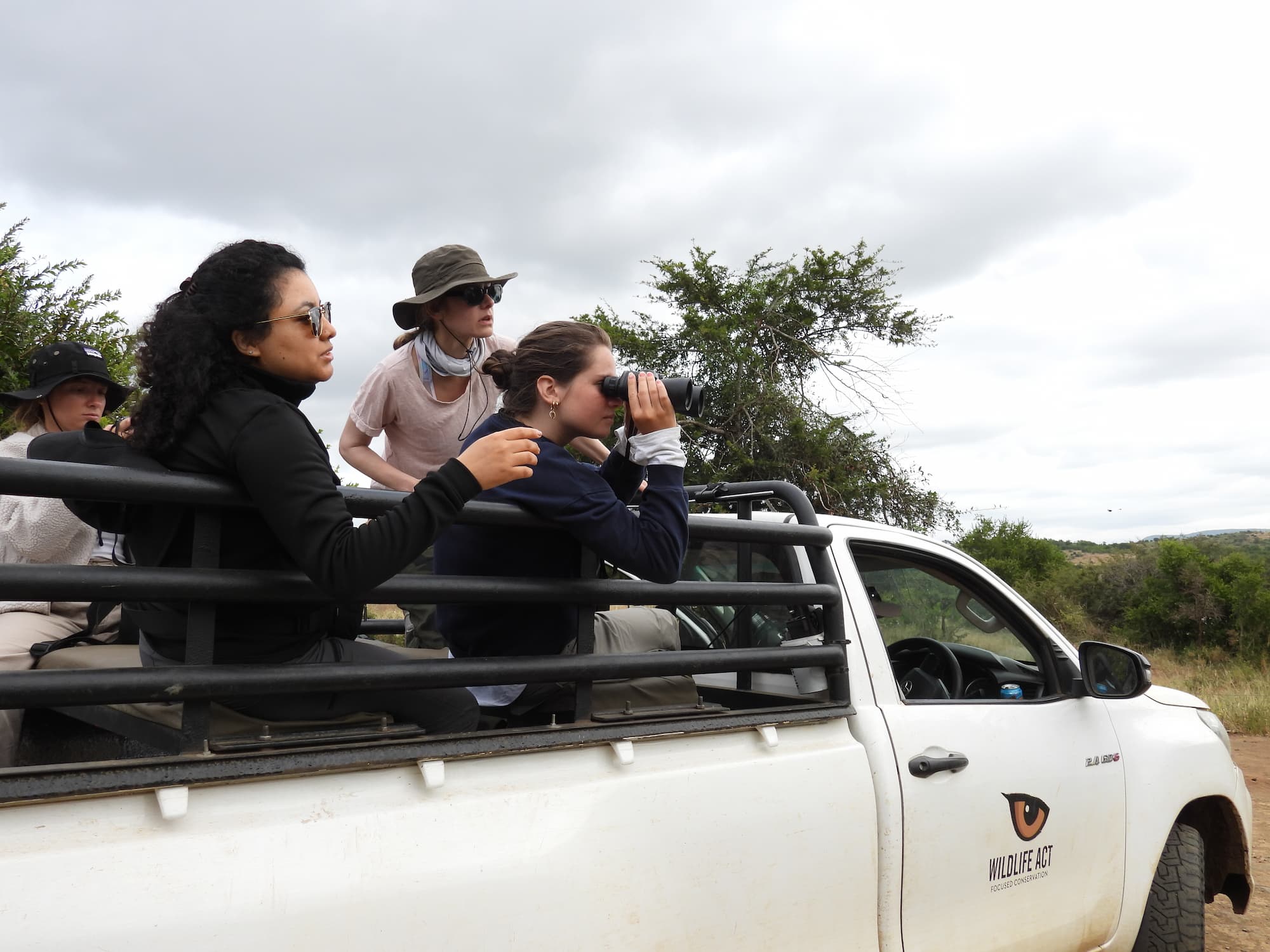
One visit to Zululand is rarely enough. On average, 17% of the volunteers who come to our projects each month are familiar faces - people who've already experienced the early mornings, the telemetry tracking, and the thrill of locating a Cheetah coalition or a pack of African Wild Dogs, and who've decided they want more of it.
If there’s one thing the Wildlife ACT team loves to see, it’s a returning volunteer. Our Endangered Species Conservation program in particular benefits hugely from the continued support these volunteers offer. What returning wildlife volunteers bring to conservation is both experience and familiarity with the realities of on-the-ground conservation work.
While all volunteers are greatly appreciated for supporting our vital Endangered species monitoring work, our high return rate tells us that our volunteer projects are working like they should - that people aren’t just joining us for a casual, once-off travel experience. It means we have a growing community of people around the world who genuinely care about the survival of Africa's most threatened species.
Why Return Volunteers Are Invaluable to Endangered Species Conservation in South Africa
They are committed to Wildlife ACT’s mission
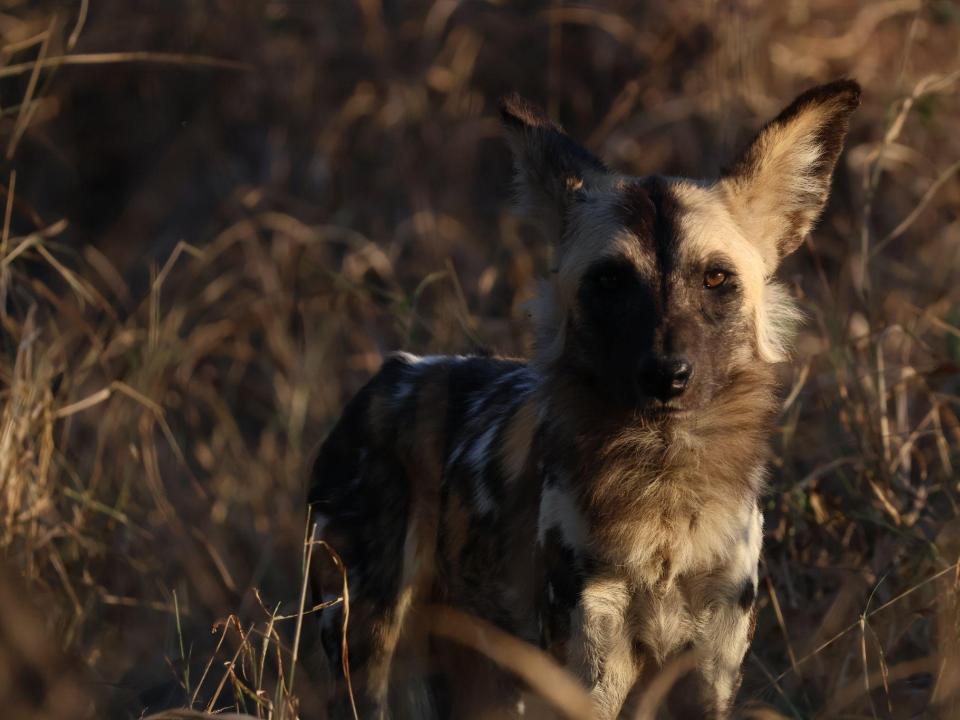
First-time volunteers usually have a lot of questions about our work - and we encourage this. Many leave with a feeling that the work Wildlife ACT does - which includes wildlife monitoring, real-time emergency response, and species recovery support - is vital, necessary, and impactful.
When people choose to come back, it tells us that the people who've seen Wildlife ACT’s work up close feel compelled to keep contributing to it, and are willing to invest their own time and finances to help us in our mission. That continuity is invaluable to the running and operational costs of our work.
They bring a wealth of experience
Returning to volunteer with Endangered species means that you already have a foundational understanding of the threats facing these species. You are familiar with the terrain and confident with the tools and systems we work with. You’ve worked with telemetry tracking before and are able to finetune this skill even further.
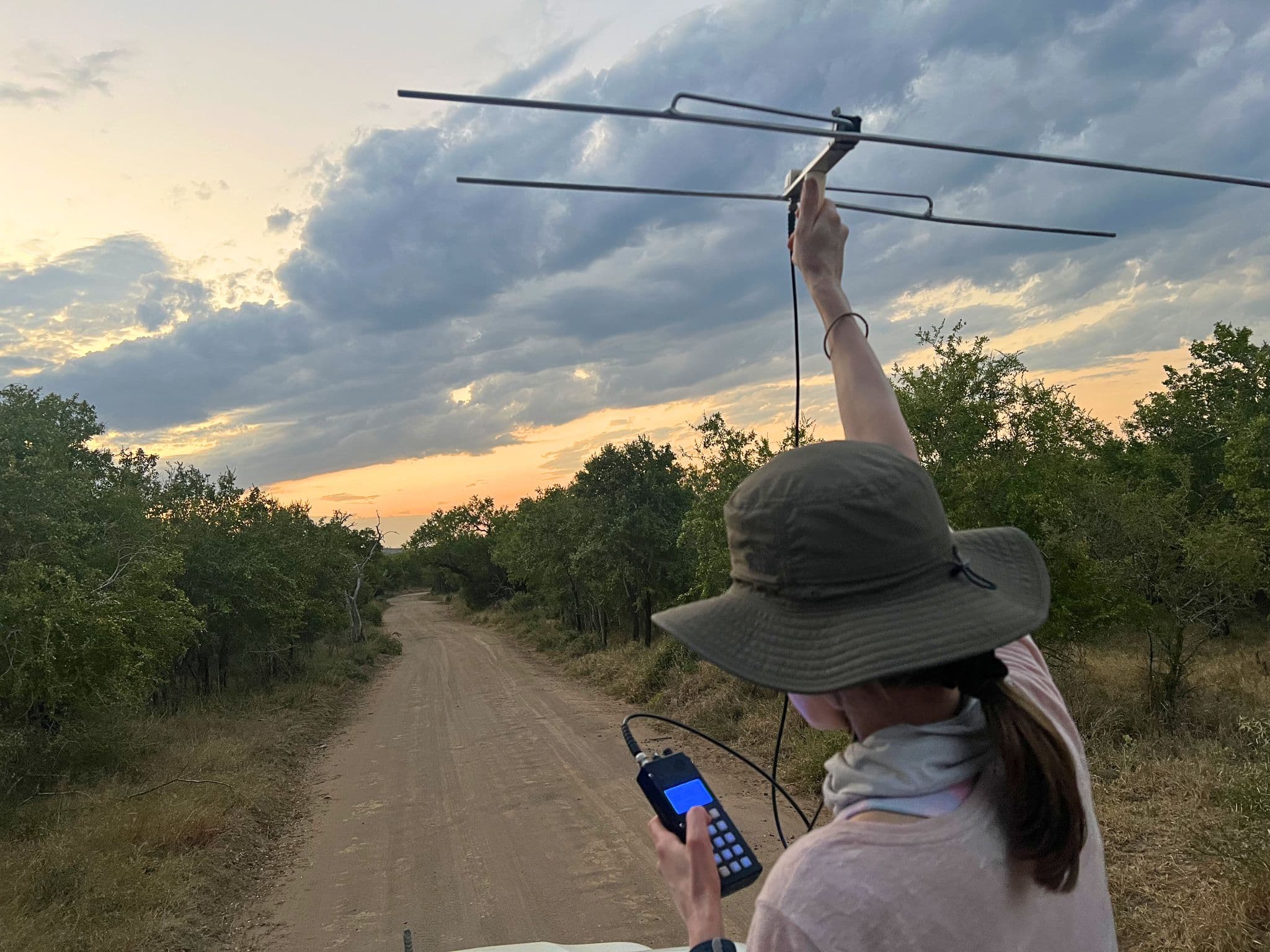
What many volunteers don’t realise is that, while all necessary training is provided on the ground, many of the skills are not quite as straightforward as they might seem, and that it takes time and lots of practice to get close to mastery!
We can’t emphasise enough how much our Priority Species Monitors appreciate and value a volunteer who has honed their telemetry skills. When it comes to African Wild Dog monitoring, for example, when time is of the essence, a volunteer who can quickly and accurately pinpoint the direction of the signal can be the difference between getting the all-too-valuable visual, or missing the pack by mere seconds before they disappear into the bush.
They become lifelong conservation ambassadors

Working in the bush is inspiring and motivating, but on those harder days, it helps to know there are people all over the world who care deeply about the protection of Endangered species and preservation of the ecosystem as a whole.
While time and finances might limit how often participants can join our Endangered Species Project in Zululand, many volunteers keep in touch through Wildlife ACTive, social media, and newsletter updates, and follow our work closely.
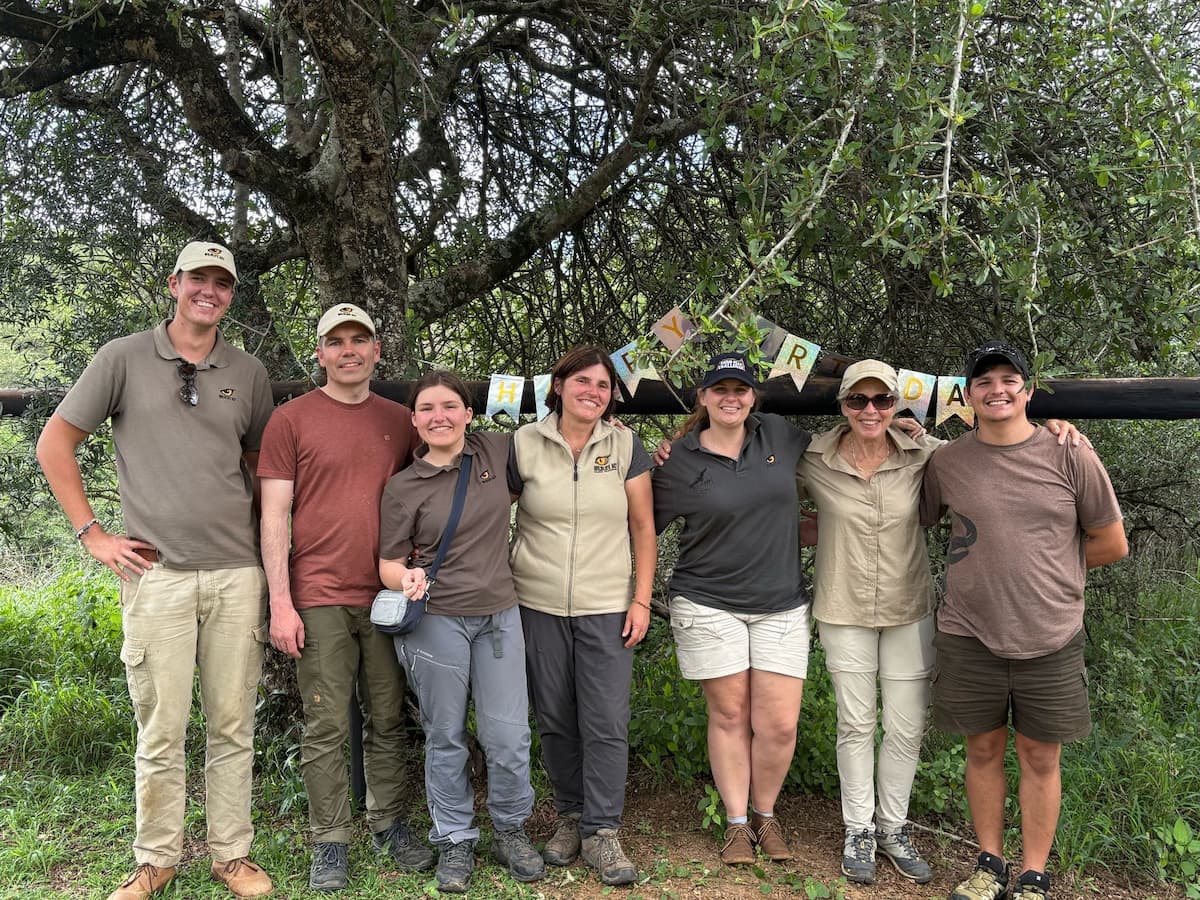
Many volunteers become lifelong conservation ambassadors, continuing to fundraise and support Wildlife ACT from afar. We like to think of them as extended members of the Wildlife ACT pack. Some volunteers have even inspired friends, family, and their children to join Wildlife ACT in the field.
Why Volunteer Abroad Again in South Africa
Repeat wildlife conservation volunteers often say that each visit offers them something different, and allows a fuller, richer experience. Whether you decide to volunteer in a different season than before (check out our seasonal guide here), or at a different camp, returning to volunteer with Wildlife ACT allows you to experience Zululand more fully.
Because conservation work has unpredictable aspects to it, each visit offers the potential for a new experience, such as witnessing a Rhino dehorning or a Cheetah collaring, being one of the first to sight the pups of an African Wild Dog pack, or finally getting that glimpse of elusive species like Leopard or Black Rhino.
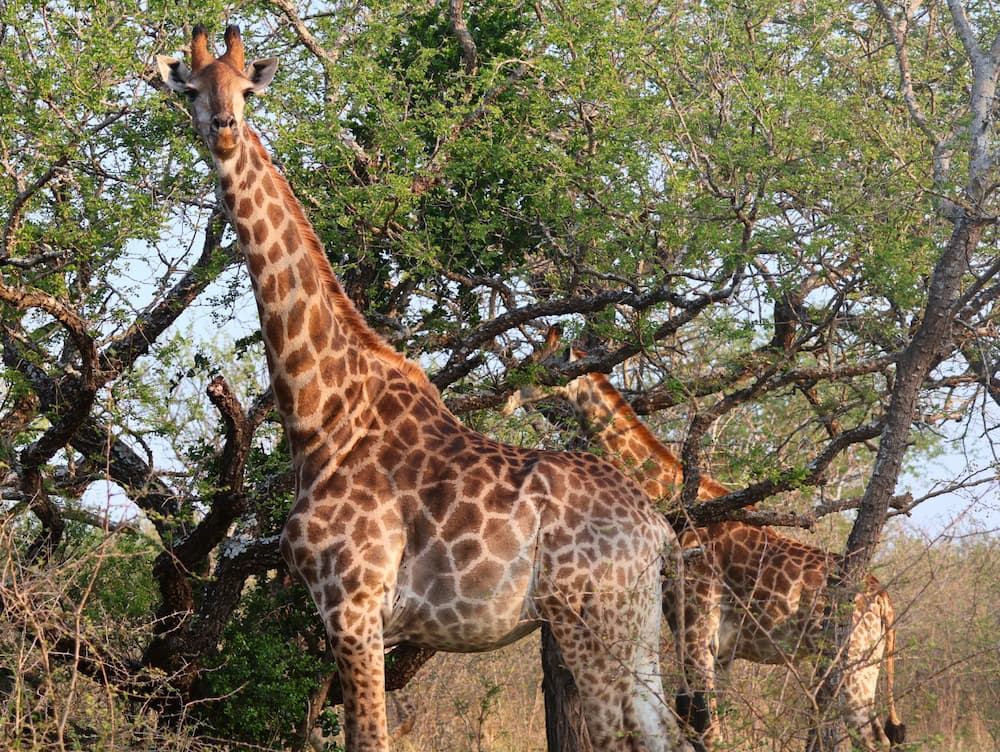
There is also a deeper level of understanding that comes with a second or third visit. What once felt new and unfamiliar begins to make sense in a more intuitive way. You start to recognise individual animals, understand behavioural patterns, and see how each data point contributes to the bigger conservation picture. The work becomes more meaningful because you can see its continuity: how today’s tracking efforts link to yesterday’s sightings, and how both feed into long-term species protection strategies.
Returning volunteers often find that they are able to engage more fully with the team as well. With the basics already in place, there is more space for conversation, for learning, and for asking more nuanced questions about conservation challenges in Zululand. Relationships with staff and fellow volunteers deepen, and what began as a once-off experience often evolves into an ongoing connection to the work as well as the people behind it.
Come Back to What Matters
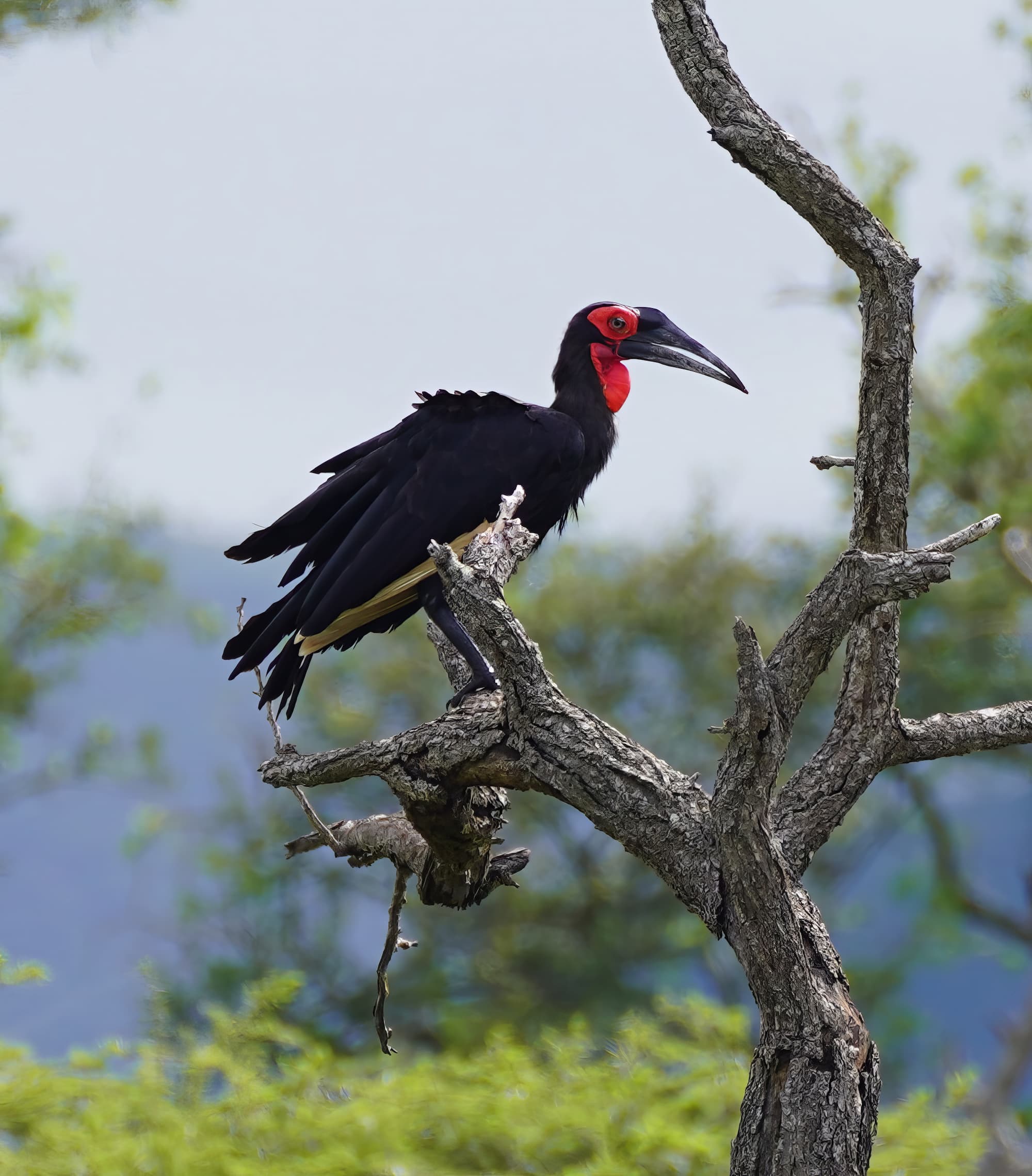
If you’ve already volunteered in Zululand with Wildlife ACT, you’ll understand that what we do extends far beyond a typical travel experience. It is real conservation work, carried out in real time, with tangible impact on Endangered species populations.
Continue your journey, building on the knowledge and skills you’ve already developed, strengthening your contribution to ethical conservation, and becoming part of a long-term effort to protect some of Africa’s most vulnerable wildlife.
To support and encourage this continued commitment, Wildlife ACT offers a returning volunteer discount for those who choose to join us again. It’s a small way of recognising the value that experienced volunteers bring to our projects, and of making it easier to continue contributing to meaningful conservation work in Zululand.
Secure Your Return to the Field

If you’re considering coming back, we encourage you to book your place in advance, as spaces on our projects remain limited throughout the year. Returning volunteers are always a welcome addition to our teams, and we look forward to building on the foundation you’ve already started.
Whether it’s to refine your skills, reconnect with the bush, or continue supporting Endangered species conservation (or perhaps a combination of the three), we can’t wait to see you again.
You can apply online or email us at info@wildlifeact.com.
Frequently asked questions about returning as a wildlife conservation volunteer

Do I need to retrain if I return as a volunteer?
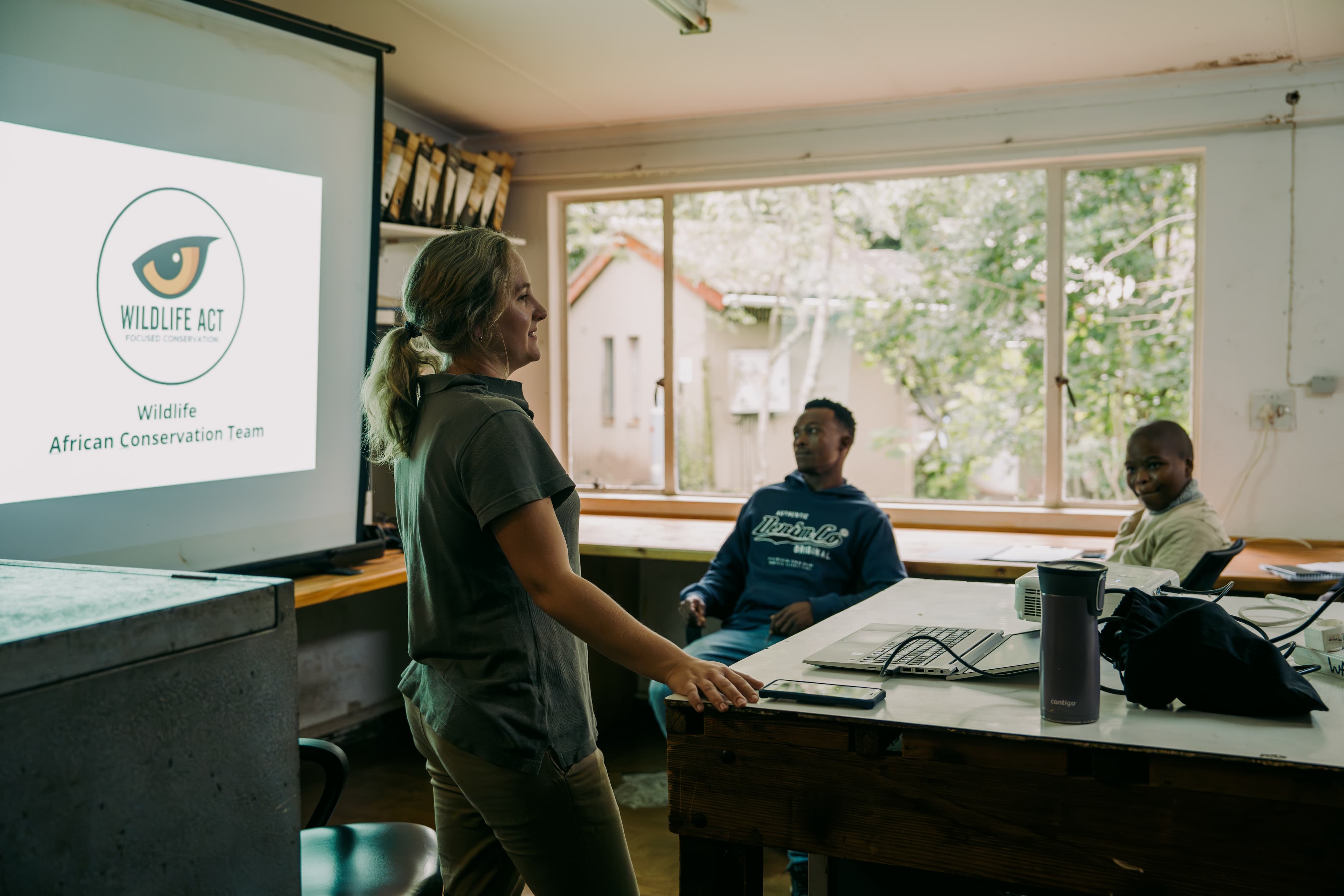
All returning volunteers will take part in the welcome presentation to ensure you are up to date with any changes in protocols or monitoring methods. However, your prior experience means you will generally become comfortable with the work much faster than first-time participants.
Is there a discount for returning volunteers?
Yes, details on the discount can be provided at the time of enquiry or booking.
Can I return to a different camp or project?
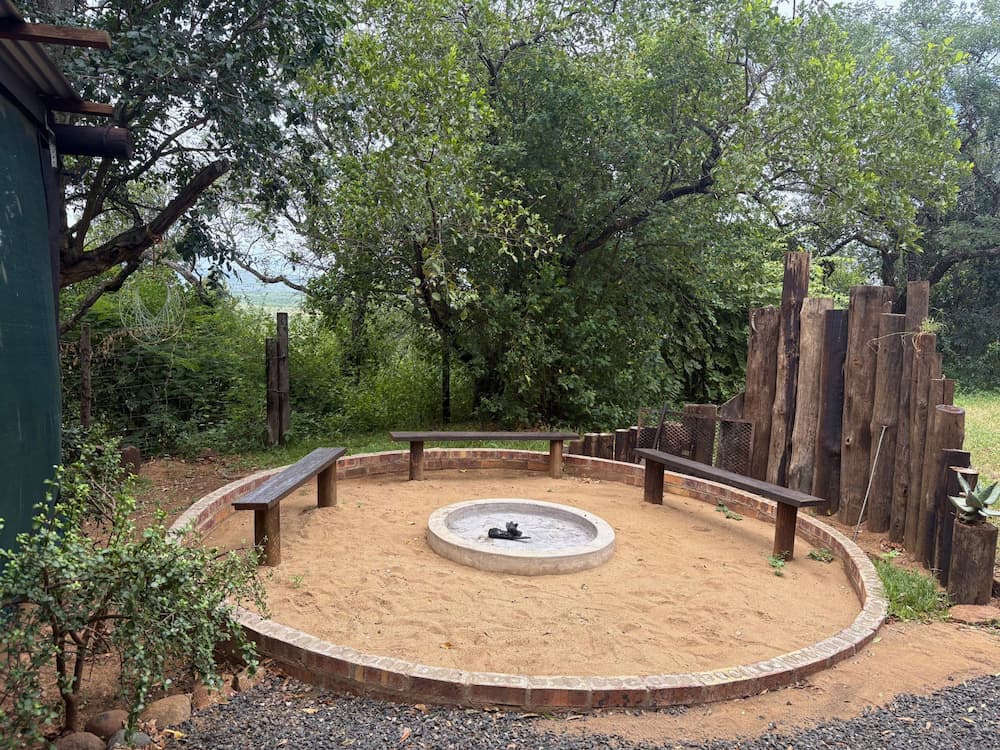
Absolutely. Many returning volunteers choose to experience a different reserve or species focus. This allows you to broaden your understanding of conservation work across Zululand while still building on your existing skills. You can also combine projects - for example, start off in Zululand before driving a few hours to the mountains to work with Endangered Vultures at the Southern Drakensberg Conservation Project.
Will I get to do different activities the second time?
While the core work remains focused on endangered species monitoring, each visit is different. Seasonal changes, animal movements, and ongoing conservation priorities mean that no two experiences are the same. Returning volunteers often find they are able to engage more deeply and take on a more active role in daily activities.
How soon can I return after my first trip?
There is no required waiting period. Many volunteers return within the same year, while others plan annual visits. Availability will depend on project space, so early booking is recommended.
How do I book as a returning volunteer?
You can book directly through the Wildlife ACT team or website. Be sure to mention that you are a returning volunteer so that the relevant discount can be applied and your previous experience taken into account.
.jpeg)