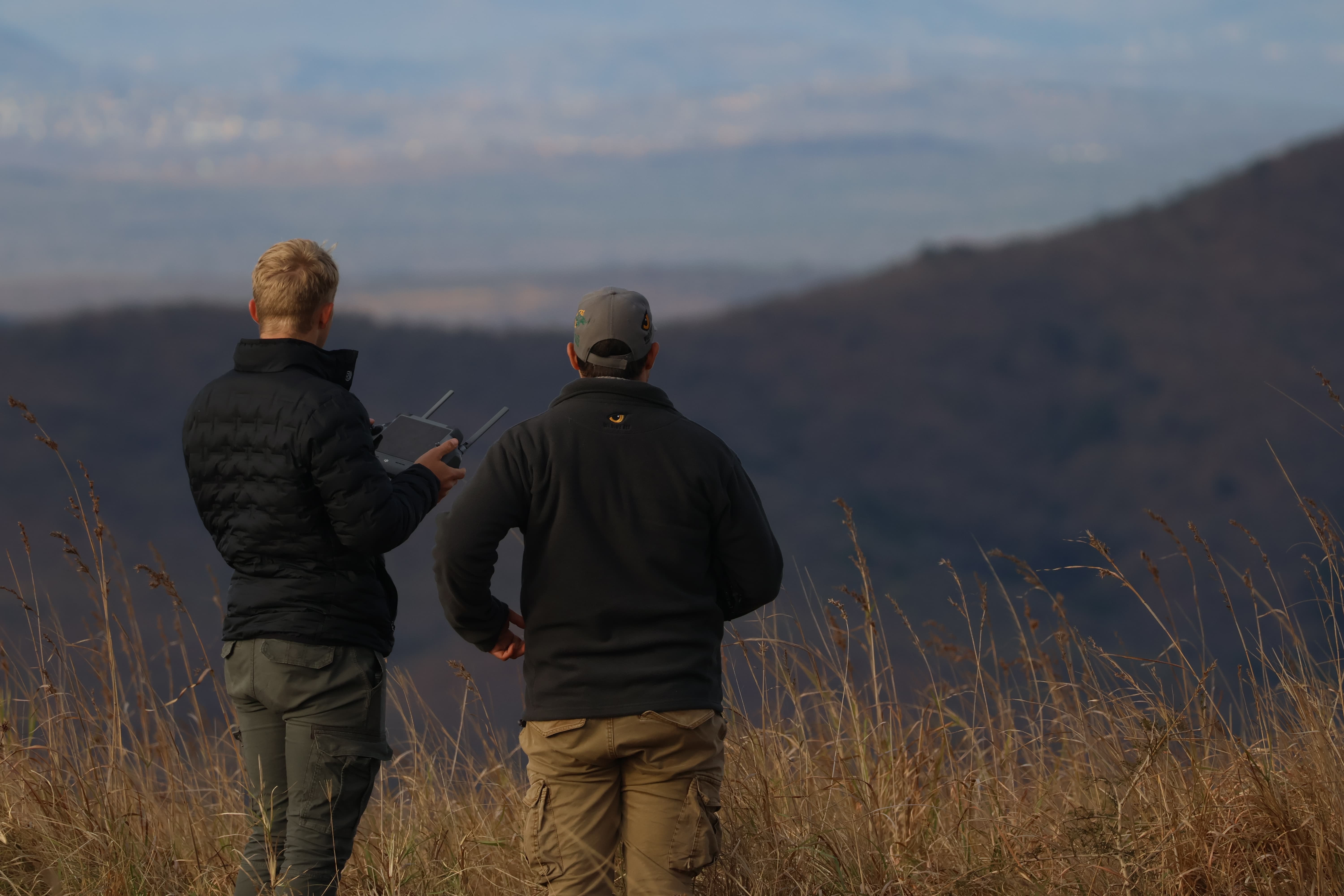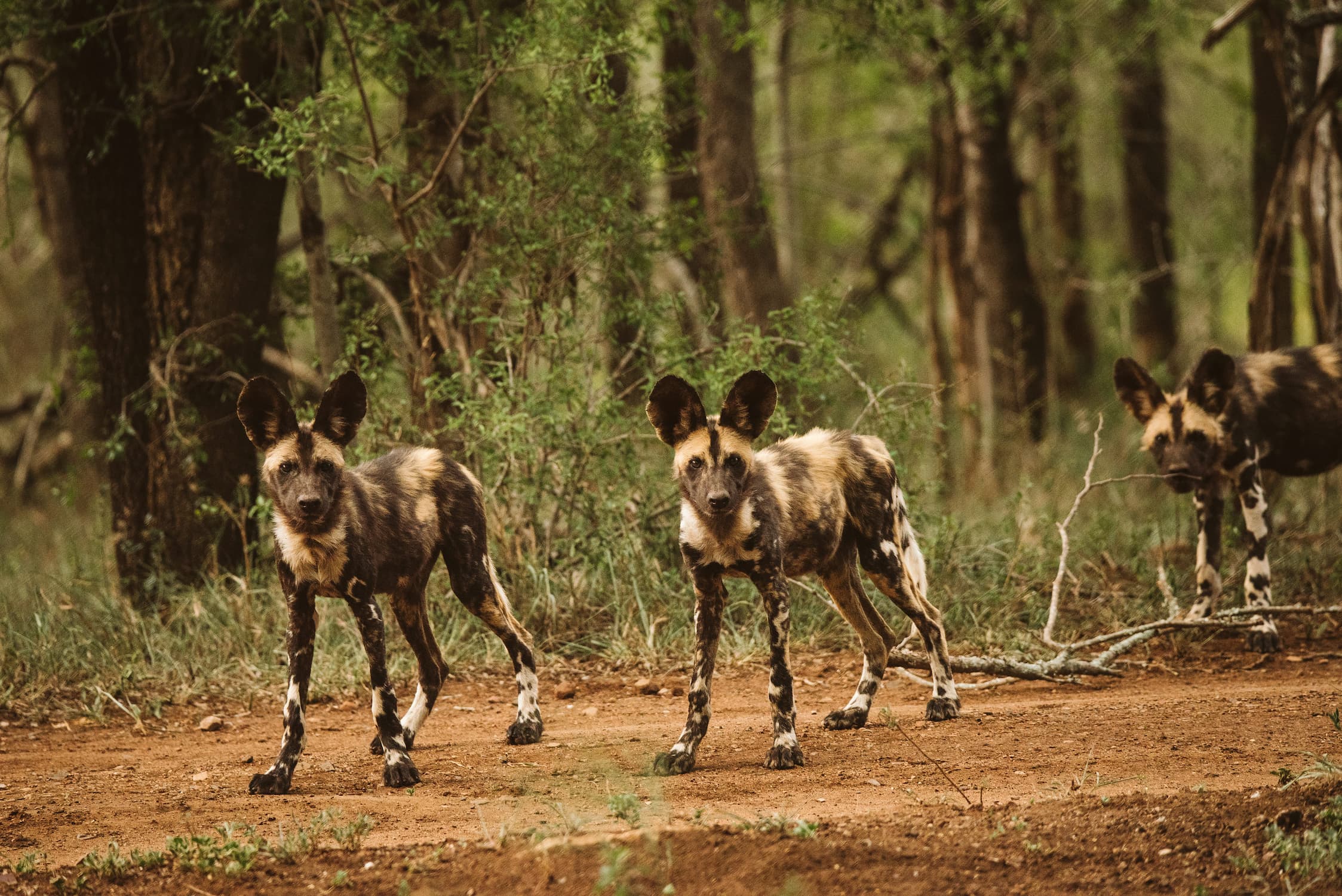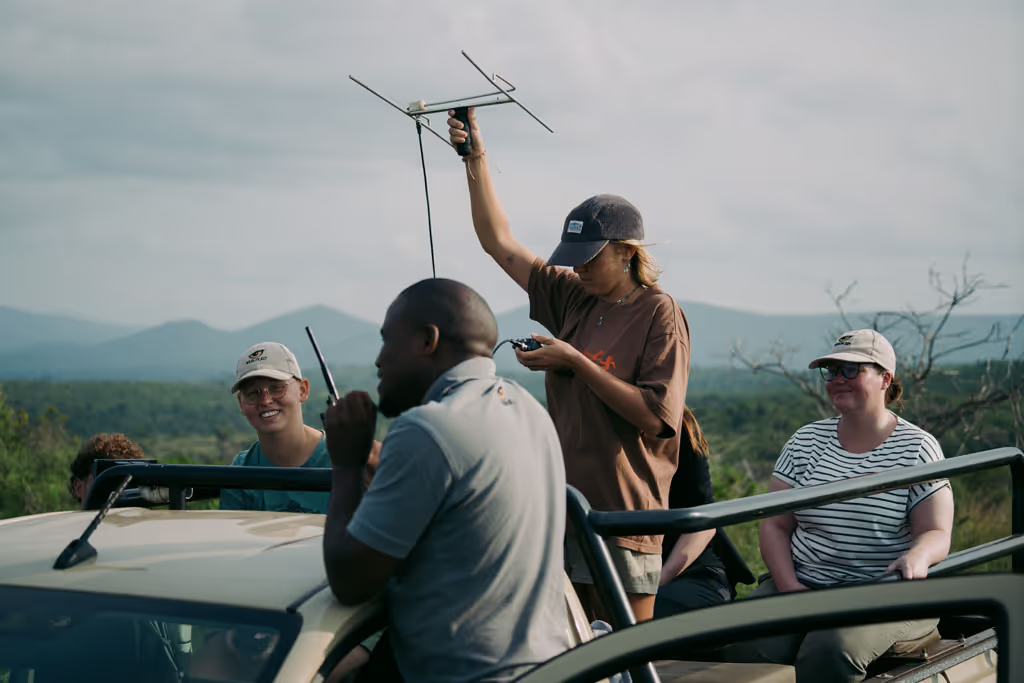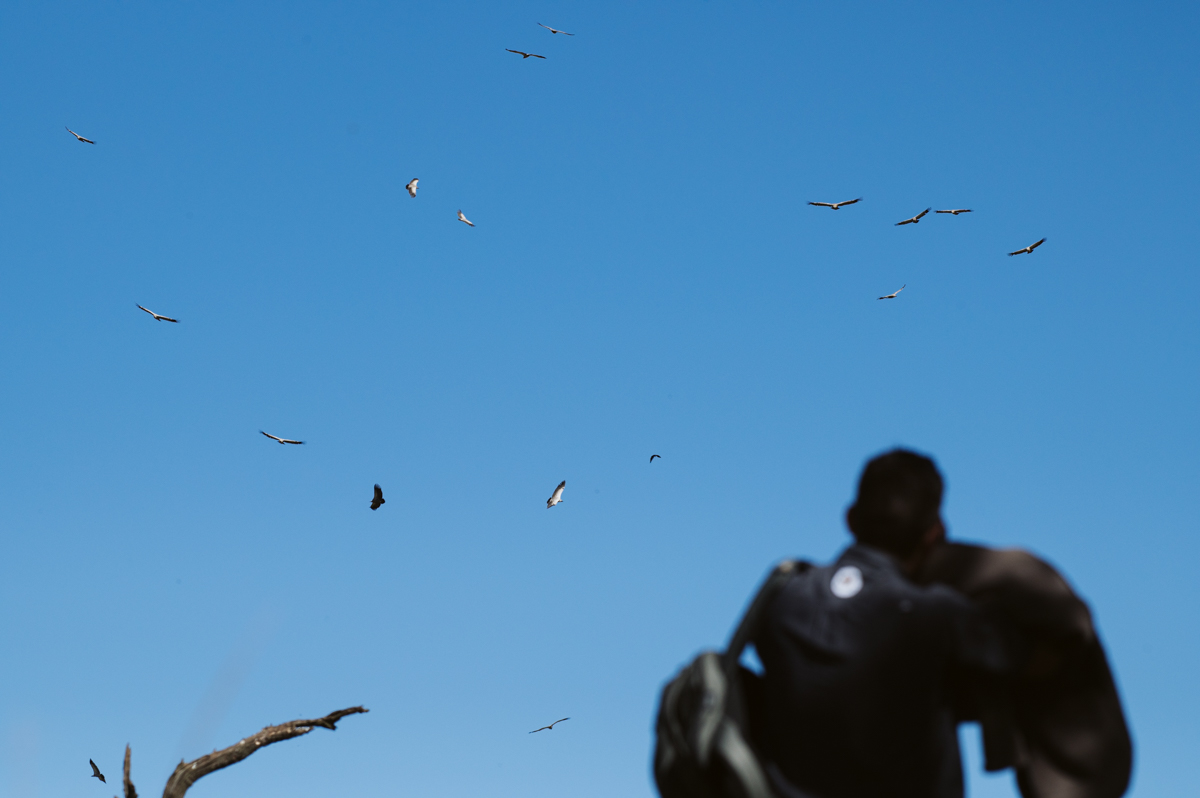
Volunteering for Vulture conservation in South Africa involves joining a structured conservation programme where participants assist with monitoring Vulture populations, recording ecological data, and supporting long-term research in protected areas such as the Maloti–Drakensberg. Through Wildlife ACT, volunteers work alongside experienced conservation practitioners, contributing directly to science-led conservation efforts focused on protecting threatened species and their habitats.
Why the Southern Drakensberg Is One of the Most Important Landscapes for Vulture Conservation
Across Africa, Vulture populations are declining at an alarming rate, with several species now classified as endangered or critically endangered on the IUCN Red List. This decline represents a significant conservation concern, as Vultures play a vital role in maintaining ecosystem health through their function as scavengers.
Southern Africa continues to support important populations of several Vulture species, and within this region, the Maloti–Drakensberg mountains provide critical high altitude habitat. The landscape supports breeding populations of species such as the Bearded Vulture and Cape Vulture, which rely on cliff faces for nesting and expansive open areas for foraging.
The structure and relative remoteness of the Maloti–Drakensberg landscape contribute to its importance for Vulture conservation. Steep cliffs provide suitable nesting sites, while the broader mountain ecosystem supports ecological processes that sustain wildlife populations. The region also forms part of a transboundary protected area network between South Africa and Lesotho, which is important for wide-ranging species such as Vultures.
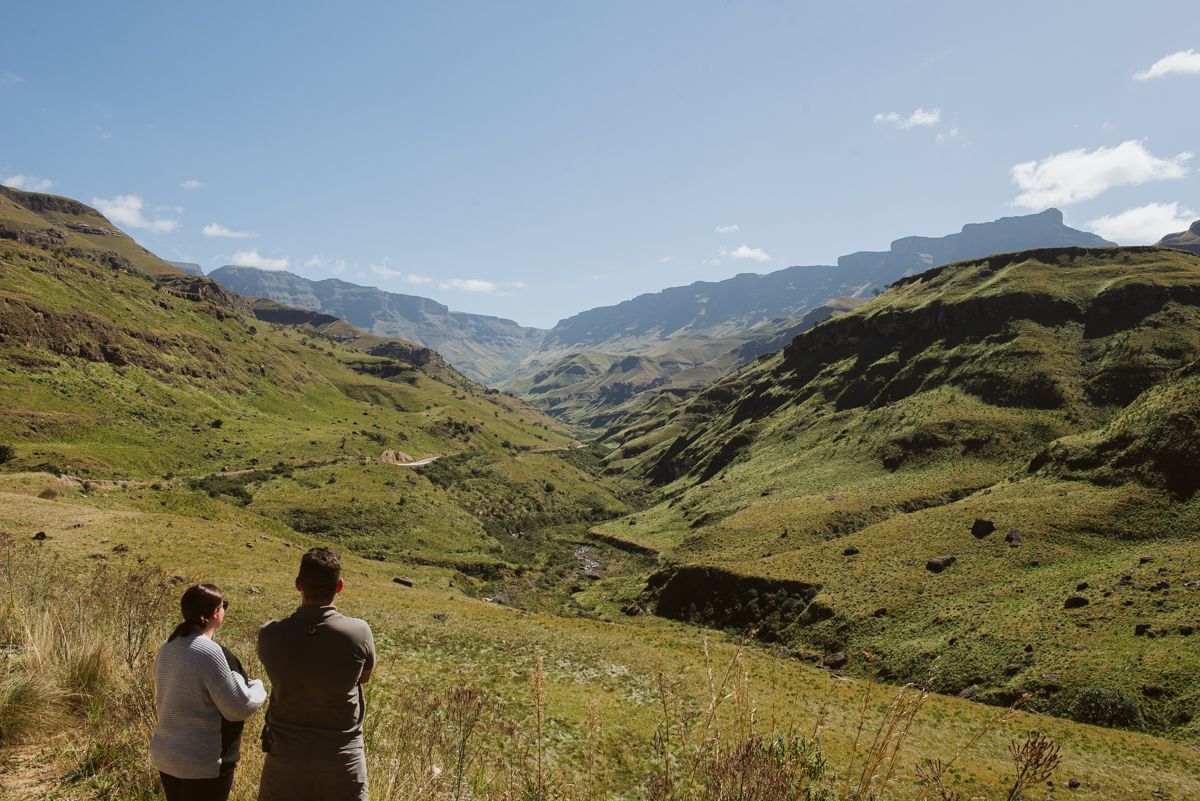
However, the presence of Vultures in this landscape depends on continued conservation efforts. Monitoring populations, understanding emerging threats, and protecting key habitats are all essential components of long-term conservation in the region. Structured ecological monitoring programmes provide the data needed to track population trends and inform conservation planning.
Wildlife ACT’s Southern Drakensberg conservation project contributes to this work by supporting ongoing monitoring initiatives and collaborating with regional conservation partners. Through these efforts, the project helps strengthen understanding of Vulture populations while contributing to the broader conservation of mountain ecosystems.
For those interested in wildlife conservation volunteering in South Africa, this landscape offers the opportunity to engage with conservation work that is grounded in long-term ecological monitoring and species protection.
Why Vultures Are Among the Most Important Birds in African Ecosystems
Vultures play a critical role in maintaining the health and balance of ecosystems across Africa. As obligate scavengers, they are uniquely adapted to locate and consume animal carcasses quickly and efficiently, performing a function that few other species can replicate at the same scale.
One of their most important ecological roles is the rapid removal of carcasses from the environment. By consuming remains before they can decompose, Vultures help limit the spread of disease among wildlife, livestock, and even human populations. This natural sanitation service reduces the risk of pathogens such as anthrax, rabies, and botulism spreading through ecosystems.
In addition to disease control, Vultures contribute to nutrient cycling. By breaking down carcasses, they help return nutrients to the soil, supporting plant growth and maintaining ecological processes. This function is particularly important in open landscapes where decomposition may otherwise be slower or less efficient.
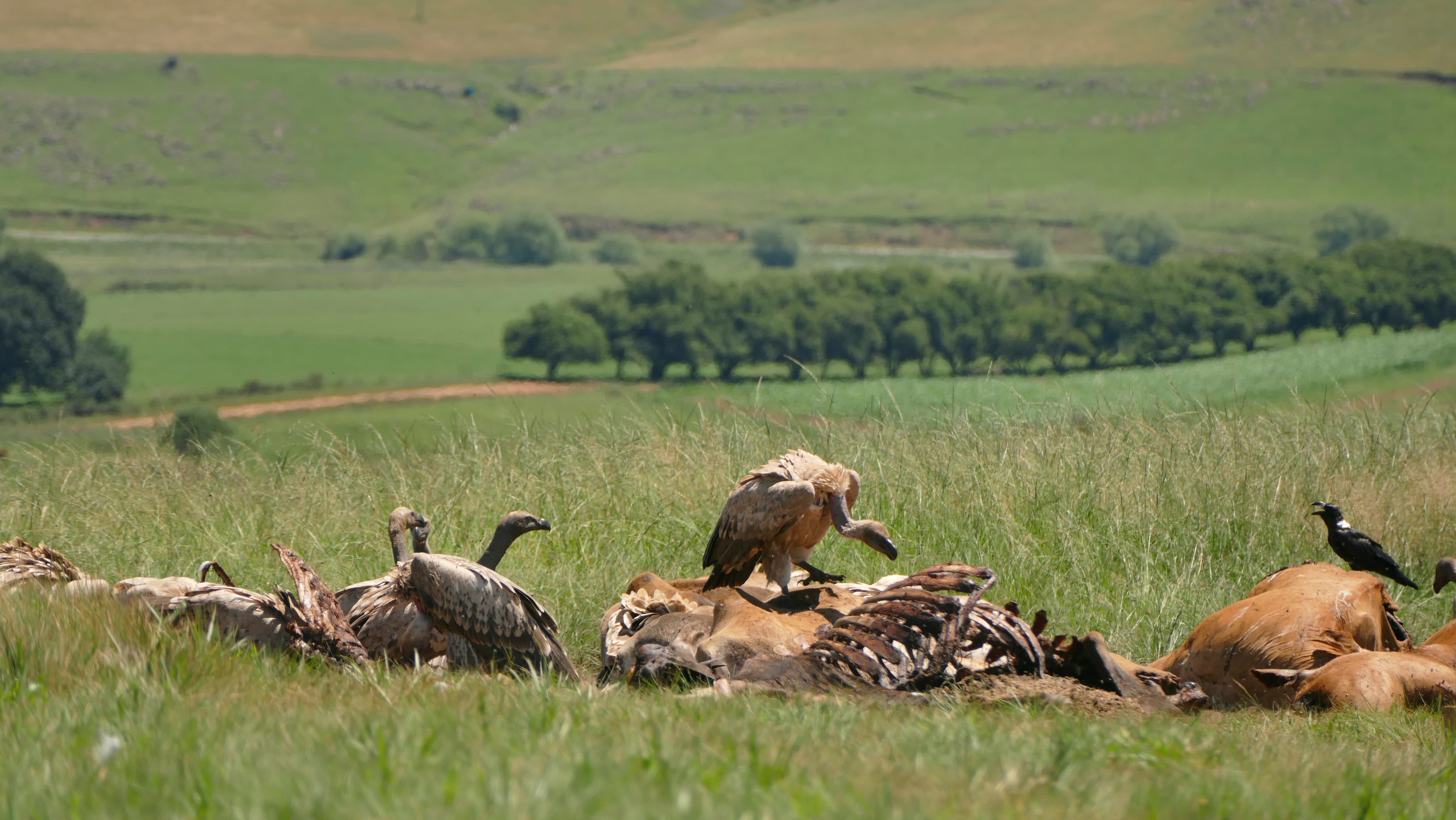
Southern Africa is home to several Vulture species, each occupying a slightly different ecological niche. These include the Bearded Vulture, which specialises in feeding on bones, the Cape Vulture, which relies on large carcasses in open landscapes, and species such as the African White-backed Vulture and Hooded Vulture, which are more widely distributed across the region.
Despite their ecological importance, Vultures are experiencing widespread population declines. The loss of these species has far-reaching consequences, not only for biodiversity but for ecosystem stability and human health. Their decline highlights the importance of conservation efforts focused on protecting Vulture populations and the ecosystems they depend on.
Understanding the role Vultures play in African ecosystems provides important context for conservation work in regions such as the Southern Drakensberg. It also reinforces why monitoring and protecting these species is a priority for conservation organisations working across southern Africa.
-2.jpg)
The Conservation Crisis Facing Vultures in Southern Africa
Vulture populations across southern Africa are under increasing pressure from a combination of human-driven threats. While these species have evolved to thrive in challenging environments, the scale and intensity of modern threats have led to significant population declines across multiple species.
One of the most serious threats to Vultures is poisoning. This can occur both intentionally and unintentionally. In some cases, poisoned carcasses are used to target predators, but Vultures, as scavengers, are often the most heavily affected. A single poisoning event can result in the loss of large numbers of birds, making it one of the most devastating threats to population stability. Wildlife ACT and its partners have responded to multiple poisoning incidents in Zululand and surrounding regions, highlighting the ongoing risk to these species.
Collisions with energy infrastructure, particularly power lines, also pose a significant threat. Vultures have large wingspans and rely on soaring flight, which increases the risk of collision in areas where power infrastructure intersects with key flight paths. These incidents can result in injury or death and are a growing concern in regions where development overlaps with important Vulture habitat.
Habitat loss and changes in land use further contribute to population pressures. As landscapes are transformed for agriculture, infrastructure, and human settlement, the availability of suitable nesting sites and foraging areas can be reduced. Even in protected areas, activities in surrounding landscapes can influence the movement and survival of wide-ranging species such as Vultures.
Another challenge is the slow reproductive rate of many Vulture species. Birds such as the Bearded Vulture typically raise only one chick per breeding cycle, which means that populations recover slowly from declines. This makes them particularly vulnerable to sudden losses caused by threats such as poisoning or collisions.
Illegal wildlife trade also affects certain species, where Vulture body parts are used for traditional practices. While this threat varies regionally, it contributes to additional pressure on already declining populations.
In this context, mountain ecosystems such as the Maloti–Drakensberg play an important role in supporting remaining populations. The availability of suitable nesting sites and relatively intact landscapes provides conditions that allow Vultures to persist. However, these areas are not isolated from broader threats, which means that ongoing monitoring and conservation intervention remain essential.
Addressing these challenges requires coordinated conservation efforts, supported by reliable data and long-term monitoring. Understanding where Vultures are breeding, how they are using the landscape, and what threats they face is critical for developing effective conservation strategies.
Why the Maloti–Drakensberg Mountains Are Critical for Vulture Conservation
The Maloti–Drakensberg mountain range represents one of southern Africa’s most significant high altitude ecosystems, providing essential habitat for a range of species, including threatened Vultures. Its unique combination of steep cliffs, open grasslands, and relatively low levels of disturbance creates conditions that support both breeding and foraging.
For cliff-nesting species such as the Bearded Vulture and Cape Vulture, suitable nesting habitat is a critical limiting factor. The escarpment and surrounding mountain slopes provide the vertical cliff faces required for nesting, offering both protection from disturbance and access to favourable flight conditions. These features make the region particularly important for breeding populations.
Beyond nesting sites, the broader mountain ecosystem supports the ecological processes that Vultures depend on. Open landscapes allow for efficient foraging, while the scale of the terrain enables wide-ranging movement between feeding and nesting areas. These characteristics are especially important for species that rely on large home ranges and consistent access to food resources.
The Maloti–Drakensberg is also part of a transboundary conservation landscape, spanning South Africa and Lesotho. This connectivity is important for maintaining genetic diversity and supporting the movement of species across a larger ecological network. For Vultures, which regularly travel long distances, the ability to move between protected areas is essential.

Despite its ecological importance, the region still requires ongoing conservation attention. Changes in land use, infrastructure development, and broader environmental pressures can influence how species use the landscape. Long-term monitoring is therefore essential for understanding population trends, identifying threats, and supporting informed conservation management.
In this context, the Maloti–Drakensberg is not only an important habitat for Vultures but also a key landscape for conservation research and monitoring. It provides an opportunity to study how species interact with a relatively intact mountain ecosystem while contributing to efforts aimed at protecting these birds across the region.
How Wildlife ACT Supports Vulture Conservation in the Southern Drakensberg
Wildlife ACT’s Southern Drakensberg Conservation Project contributes to ongoing efforts to monitor and protect Vulture populations within the Maloti–Drakensberg landscape. The programme is built around structured, long-term ecological monitoring, with a focus on generating reliable data to support conservation decision making.
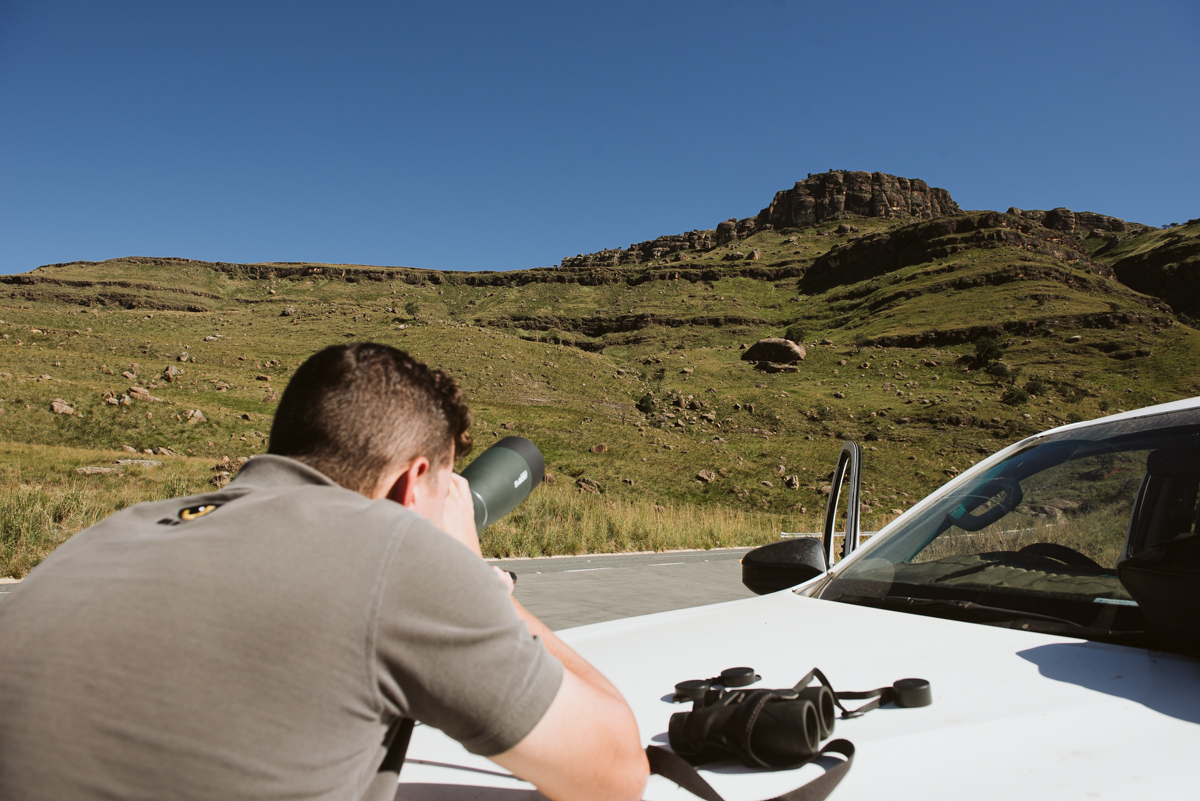
A key component of this work is the monitoring of Vulture populations and nesting activity. Field teams regularly observe cliff sites and surrounding landscapes to track breeding success, behaviour, and movement patterns of species such as the Bearded Vulture and Cape Vulture. These observations contribute to a broader understanding of population trends and help identify potential threats to nesting success.
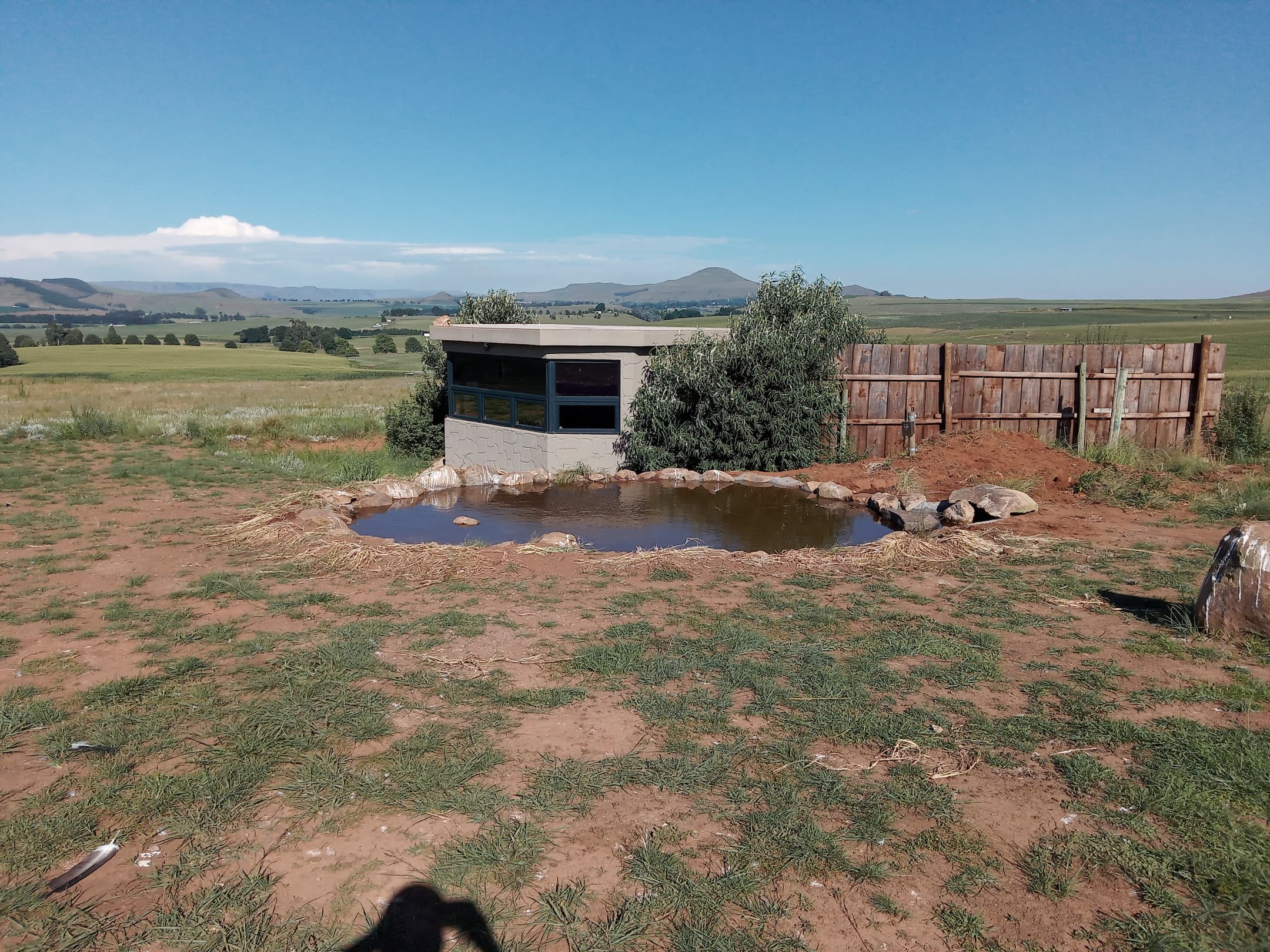
The project also supports the management and monitoring of Vulture safe feeding sites, including the Mzimkulu Vulture Hide. These sites provide a controlled and safe food source, helping to reduce the risk of poisoning while creating opportunities to monitor individual birds. Camera traps and visual observations are used to record activity, identify tagged individuals, and contribute to long-term monitoring datasets.
In addition to Vulture-specific work, the project includes a long-term camera trap survey across the mountain landscape. This survey provides valuable insight into wider biodiversity, recording species such as Serval, Caracal, Leopard, Aardvark, and Otters. Understanding how these species use the landscape helps build a more complete picture of ecosystem health and supports broader conservation planning.
Wildlife ACT works in collaboration with regional conservation partners, including Ezemvelo KZN Wildlife, the Drakensberg Conservation Initiative, and academic institutions such as the University of KwaZulu-Natal. Through these partnerships, data collected in the field contributes to regional conservation strategies, management planning, and ongoing research.
The project also responds to emerging conservation challenges where needed. This may include supporting responses to wildlife emergencies, such as injuries or poisoning incidents, and assisting with broader protected area management activities.
By combining species monitoring, habitat-focused work, and collaborative conservation efforts, Wildlife ACT’s Southern Drakensberg project contributes to a growing body of knowledge that supports the long-term conservation of Vultures and the ecosystems they depend on.
How Volunteers Contribute to Vulture Conservation Monitoring
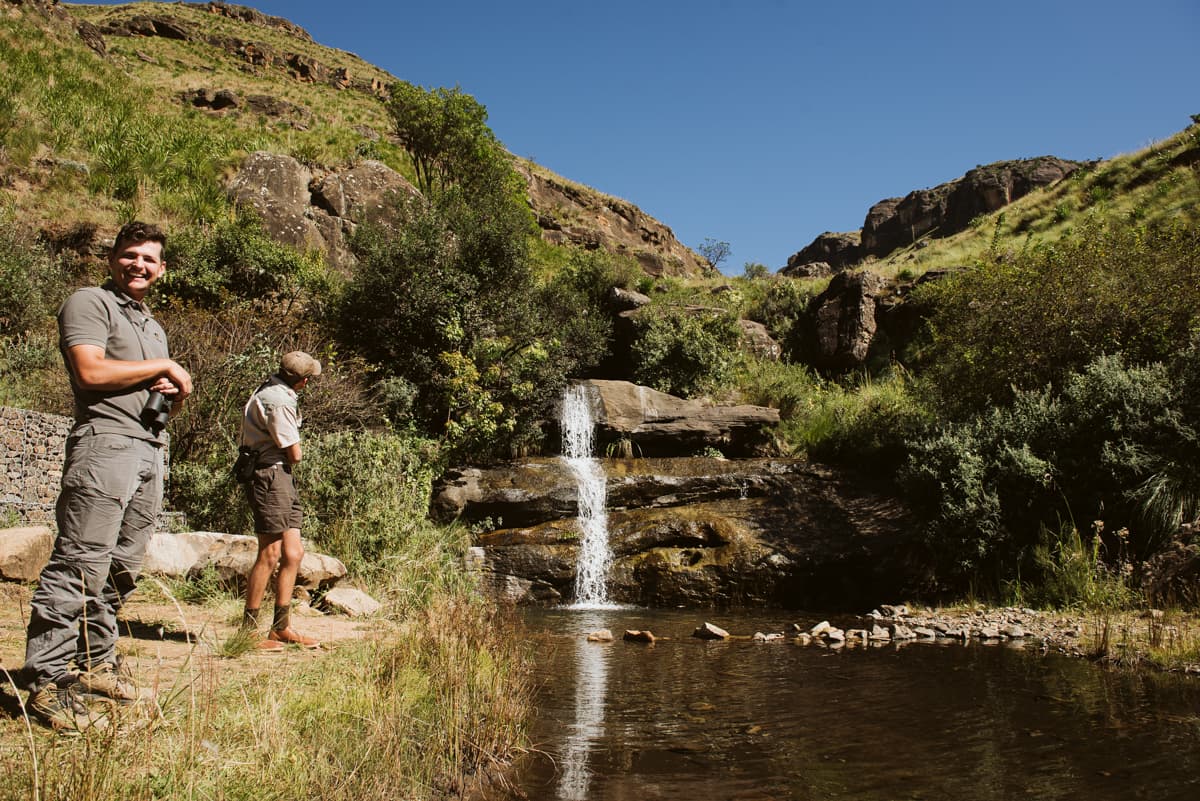
Volunteers play a supporting role in Wildlife ACT’s Southern Drakensberg Conservation Project by assisting trained conservation practitioners with structured monitoring and fieldwork activities. Their involvement increases the capacity of conservation teams working across a large and remote mountain landscape, where consistent data collection is essential.
A key area of involvement is supporting Vulture monitoring. Volunteers assist with observing nesting cliffs and surrounding areas, helping to record sightings, behaviours, and movement patterns of species such as the Bearded Vulture and Cape Vulture. These observations contribute to long-term datasets used to assess breeding success and population trends.
Volunteers may also take part in biodiversity and bird surveys across the landscape. These surveys provide additional ecological context, helping conservation teams understand how different species use the environment and how ecosystem health may be changing over time.
Another important component is assisting with the management of the Mzimkulu Vulture Hide. This can involve helping to transport carcasses, maintaining the site, and recording Vulture activity through both direct observation and camera traps. Monitoring at the feeding site also supports the identification of tagged individuals, which contributes to ongoing research and conservation planning.
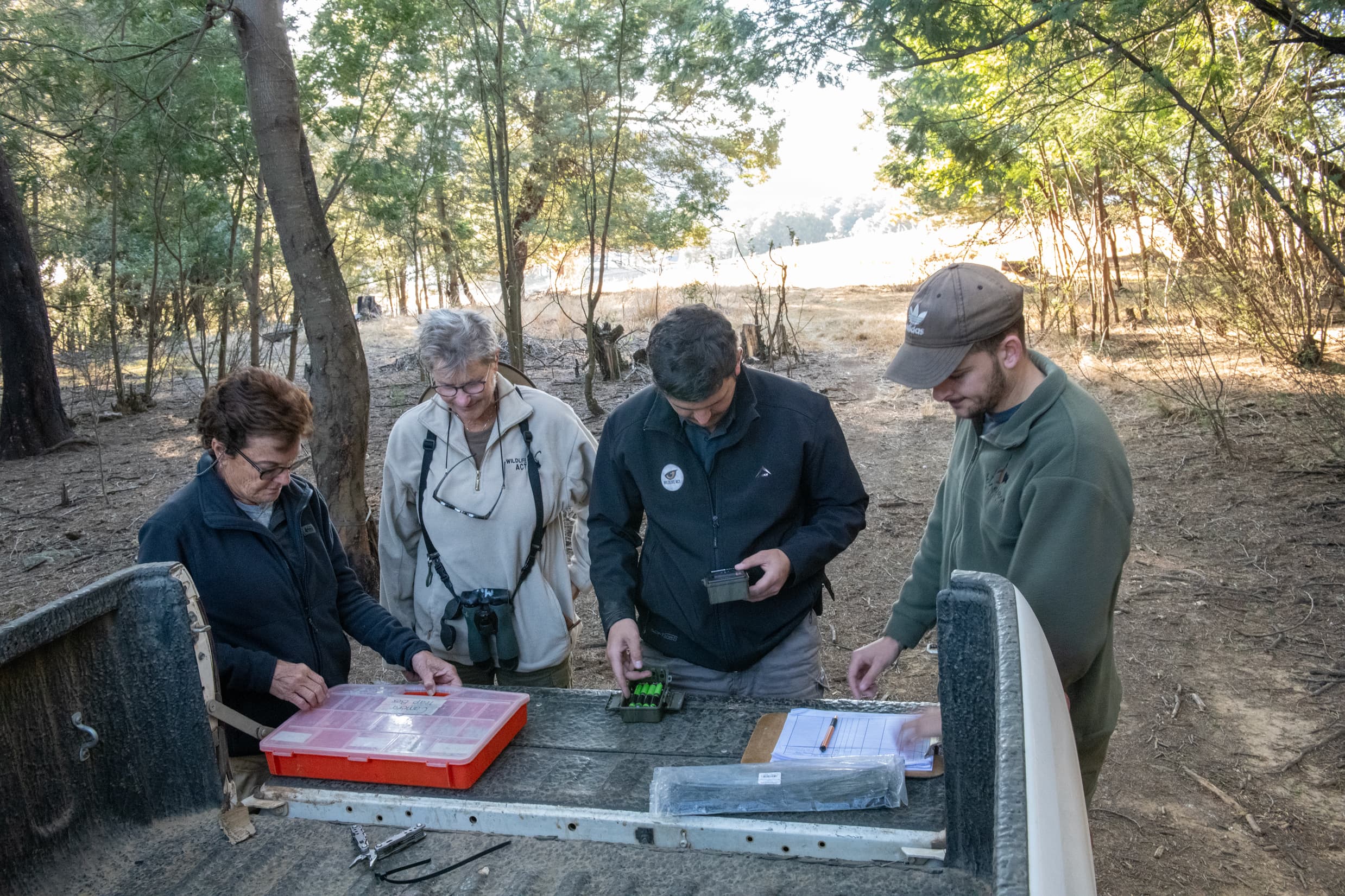
Camera trap surveys form a significant part of the project’s monitoring work, and volunteers support the setup, maintenance, and data collection associated with these systems. This includes clearing vegetation around camera stations, changing batteries and memory cards, and cataloguing footage. The data collected provides insight into species that are rarely seen directly, supporting broader biodiversity monitoring.
In some cases, volunteers may also support conservation teams in responding to urgent situations, such as injured wildlife or potential poisoning incidents. While these situations are not routine, they form part of the wider conservation context in which the project operates.
Throughout all activities, volunteers contribute under the guidance of experienced field staff. This ensures that monitoring is conducted consistently and that data collected is accurate and useful for conservation purposes.
For those interested in wildlife conservation volunteering in South Africa, this role offers the opportunity to contribute directly to ongoing conservation work while gaining practical experience in ecological monitoring and field research.
What Skills and Experience Do You Need to Volunteer for Vulture Conservation?
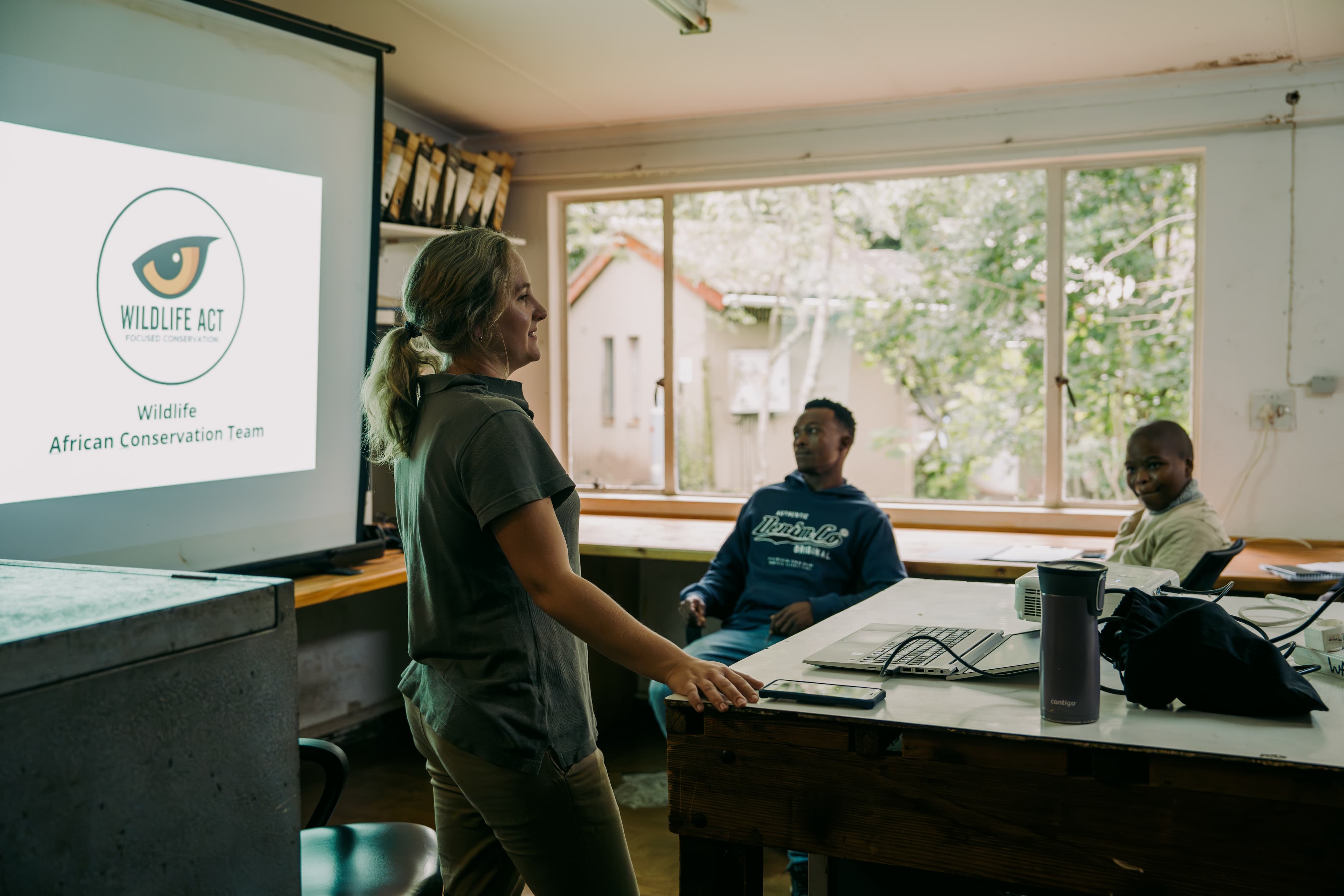
You do not need previous experience in wildlife conservation to volunteer on the Wildlife ACT Southern Drakensberg project. The programme is designed to provide hands-on exposure to conservation work, with guidance and support from experienced conservation practitioners throughout your stay.
Volunteers are introduced to monitoring techniques, data collection methods, and fieldwork protocols as part of their experience. This allows individuals from a wide range of backgrounds to contribute meaningfully to conservation activities, even if they are new to the field
That said, there are a few qualities that are important for anyone considering wildlife conservation volunteering in South Africa. A genuine interest in wildlife and ecology is essential, as much of the work involves careful observation and attention to detail. Volunteers should also be comfortable working as part of a team, as daily activities are collaborative and often require coordination in the field.
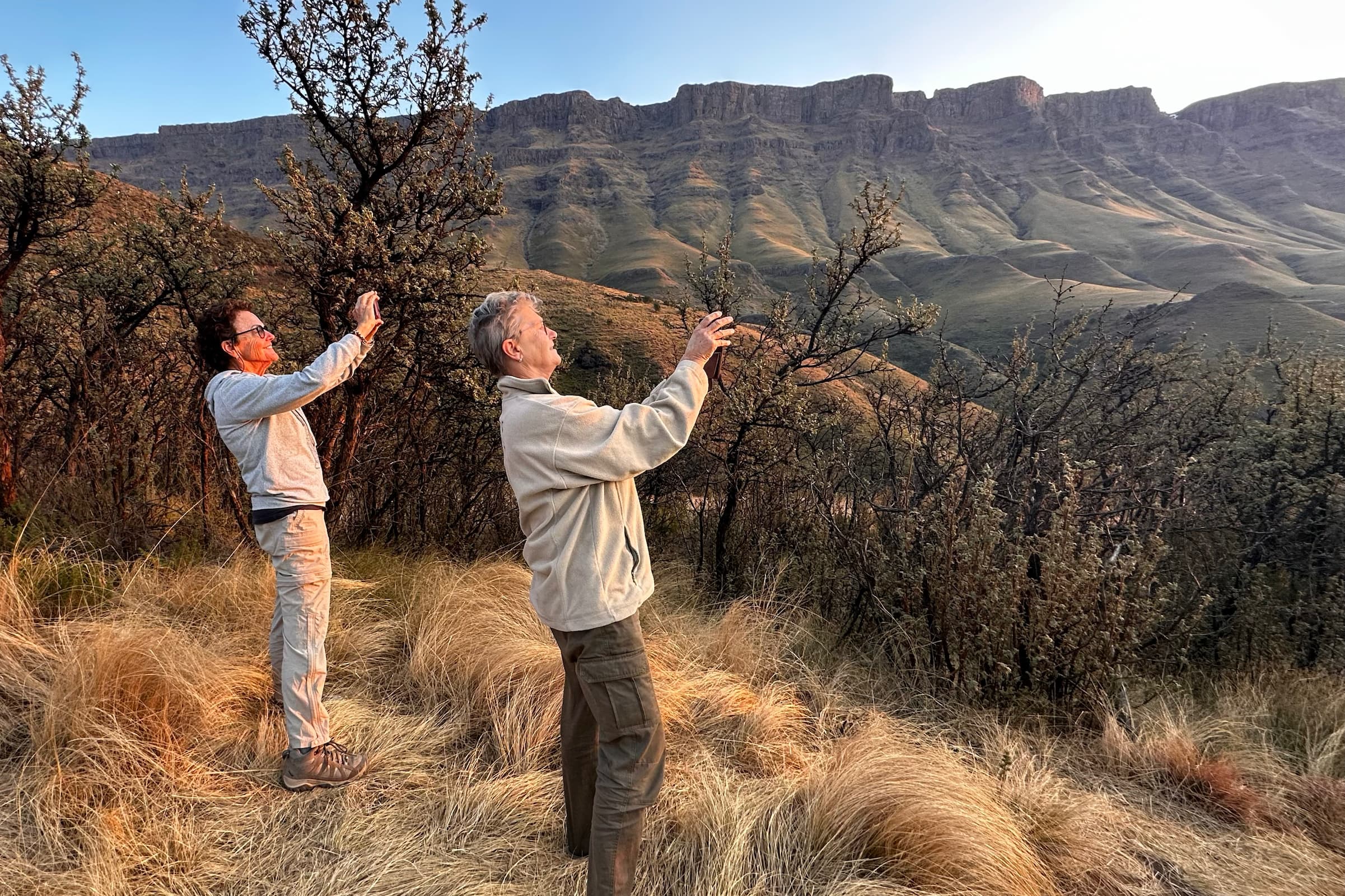
The physical environment of the Southern Drakensberg also means that a reasonable level of fitness is beneficial. Activities may include hiking to remote monitoring sites, working outdoors for extended periods, and adapting to changing weather conditions typical of mountain ecosystems.
Equally important is adaptability. Conservation work is influenced by weather, wildlife behaviour, and seasonal priorities, which means that plans can change. Being open to this variability is part of the experience and reflects the realities of working in a natural environment.
For students, graduates, and those exploring a career in conservation, this type of volunteer programme offers valuable exposure to field-based conservation work. It provides insight into how monitoring programmes operate and how data collected in the field contributes to long-term conservation outcomes.
Ultimately, the most important requirement is a willingness to learn and contribute. With the right mindset, volunteers can play a meaningful role in supporting Vulture conservation while gaining a deeper understanding of ecological monitoring in practice.
Why the Southern Drakensberg Project Is Unique for Conservation Volunteers
The Wildlife ACT Southern Drakensberg Conservation Project offers a distinct wildlife conservation volunteering experience shaped by its location, focus, and approach to conservation. Set within the Maloti–Drakensberg mountains, the project operates in a high altitude ecosystem that differs significantly from more commonly visited conservation areas in South Africa.
One of the defining features of the project is its focus on threatened raptor species, particularly the Bearded Vulture and Cape Vulture. These species require specialised monitoring approaches due to their nesting behaviour, wide-ranging movements, and sensitivity to disturbance. As a result, the work carried out in this landscape is highly specific and contributes to broader conservation efforts focused on these declining populations.
The mountain setting also creates a different type of conservation experience. Unlike more accessible landscapes, the Southern Drakensberg requires teams to work across rugged terrain, remote monitoring sites, and large open areas. This environment provides a deeper understanding of how conservation operates at a landscape level and highlights the importance of protecting interconnected ecosystems.
Another key aspect of the project is its emphasis on structured monitoring and long-term data collection. Activities are not designed around short-term experiences but are integrated into ongoing conservation programmes. Volunteers contribute to work that supports research, informs management decisions, and strengthens understanding of both Vulture populations and wider biodiversity.
The project operates with small conservation teams, which allows for closer collaboration between volunteers and experienced field staff. This creates a more immersive learning environment, where individuals can gain practical insight into monitoring techniques, ecological processes, and the realities of conservation work in the field.
For those seeking wildlife conservation volunteering in South Africa that is grounded in science and long-term impact, the Southern Drakensberg project offers a meaningful opportunity to engage with conservation in a unique and ecologically important landscape.
Learn more about the wildlife you will be working to protect here:
How to Join the Wildlife ACT Southern Drakensberg Conservation Project
If you are interested in volunteering for Vulture conservation in South Africa, you can join the Wildlife ACT Southern Drakensberg Conservation Project through the organisation’s structured volunteer programme.
The application process begins with completing an online enquiry or application form through the Wildlife ACT website. Once submitted, a member of the reservations team will be in touch to guide you through availability, project details, and next steps. This ensures that each volunteer is placed appropriately and fully prepared for the experience.
The programme operates in structured two-week cycles, with the option to extend your stay depending on availability and your interest in gaining further experience. Longer stays allow volunteers to deepen their understanding of monitoring work and contribute more consistently to ongoing conservation activities.
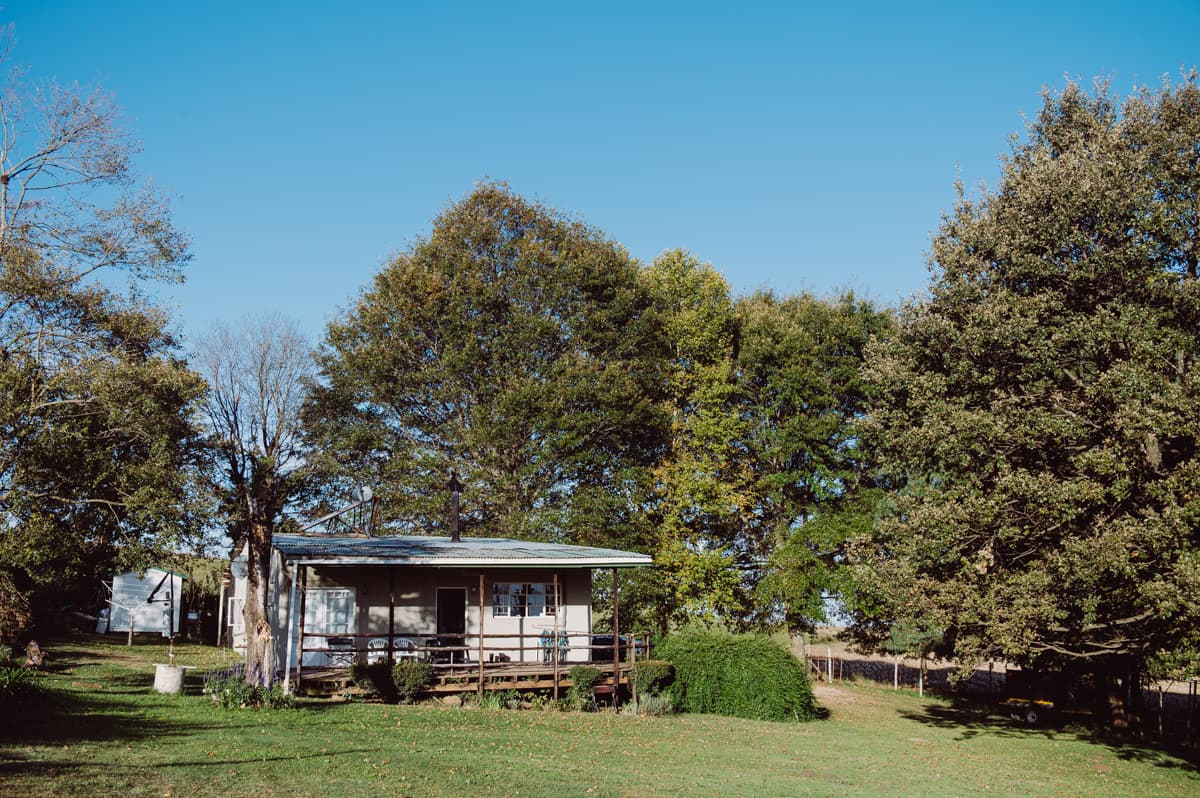
As part of the preparation process, volunteers receive detailed information about what to expect, including accommodation, daily schedules, and the type of fieldwork involved. This helps ensure that participants arrive ready to engage with both the physical and practical aspects of working in a mountain environment.
Joining the project means becoming part of a small conservation team working in the Maloti–Drakensberg landscape, supporting Vulture monitoring, biodiversity surveys, and long-term ecological research. For those looking to contribute to meaningful conservation work, this provides a direct way to get involved in protecting threatened species in South Africa.
To learn more and apply, visit:
https://www.wildlifeact.com/volunteer/program/vulture-conservation-south-africa
Frequently Asked Questions About Vulture Conservation Volunteering
Can anyone volunteer for Vulture conservation in South Africa?
Yes, most people can join a vulture conservation volunteer programme in South Africa, provided they have a genuine interest in conservation, are comfortable working outdoors, and are willing to contribute as part of a team. No prior experience is required, as training and guidance are provided by experienced conservation staff.
What species of Vultures are monitored in the Drakensberg?
Monitoring in the Southern Drakensberg focuses primarily on species such as the Bearded Vulture and Cape Vulture. These species rely on the mountain landscape for nesting and foraging and are a key focus of ongoing conservation efforts in the region.
What time of year is best for Vulture monitoring?
Vulture monitoring takes place throughout the year, but certain activities are seasonal. For example, Bearded Vulture nest monitoring typically occurs between May and November during the breeding season. Other activities, such as camera trap surveys and feeding site monitoring, continue year-round.
Do volunteers work directly with Vultures?
Volunteers do not handle or directly interact with Vultures. All monitoring is conducted at a distance to avoid disturbance, using observation techniques such as binoculars and camera traps. This ensures that conservation work remains ethical and does not interfere with natural behaviour.
What skills can you learn from a Vulture conservation volunteer programme?
Volunteers gain practical experience in wildlife monitoring, species identification, ecological data collection, and fieldwork techniques. They also develop a better understanding of conservation science, including how long-term datasets are used to support conservation planning and management.
How do volunteers support real Vulture conservation work?
Volunteers assist conservation teams by contributing to structured monitoring programmes, recording wildlife observations, maintaining equipment such as camera traps, and supporting activities at Vulture safe feeding sites. The data collected contributes to long-term conservation research and helps inform strategies to protect Vulture populations.
References
BirdLife International, State of the World’s Birds: Indicators for Our Changing World, BirdLife International, Cambridge.
Drakensberg.org, Flora and Fauna of the Drakensberg, available at: https://drakensberg.org/flora-fauna/ (accessed 17 March 2026).
IUCN, The IUCN Red List of Threatened Species, International Union for Conservation of Nature, available at: https://www.iucnredlist.org/ (accessed 17 March 2026).
Ogada, D. L., Keesing, F. and Virani, M. Z., ‘Dropping Dead: Causes and Consequences of Vulture Population Declines Worldwide’, Annals of the New York Academy of Sciences, vol. 1249, no. 1, 2012, pp. 57–71.
Project Vulture, The Bearded Vulture Recovery Programme, available at: https://projectvulture.org.za/our-work/reintroduction/the-bearded-vulture-recovery-project/ (accessed 17 March 2026).
Save Our Vultures, Mzimkulu Vulture Hide, available at: https://www.saveourvultures.com (accessed 17 March 2026).
.jpeg)