

An important part of Wildlife ACT’s work involves community-based conservation through our Community Conservation Programme (CCP).
Through this work, we form lasting partnerships with people who live alongside Protected Areas, particularly as our Community Conservation Liaisons (CCLs) live in these areas themselves and already have strong connections with the people living there. We also focus on education, stewardship, and nurturing future conservation leaders.
We are proud to share some of the educational initiatives and excursions that our CCP team has recently spearheaded, made possible with the generous support of donors and partners.
Empowering Youth through Financial Literacy
.jpg)
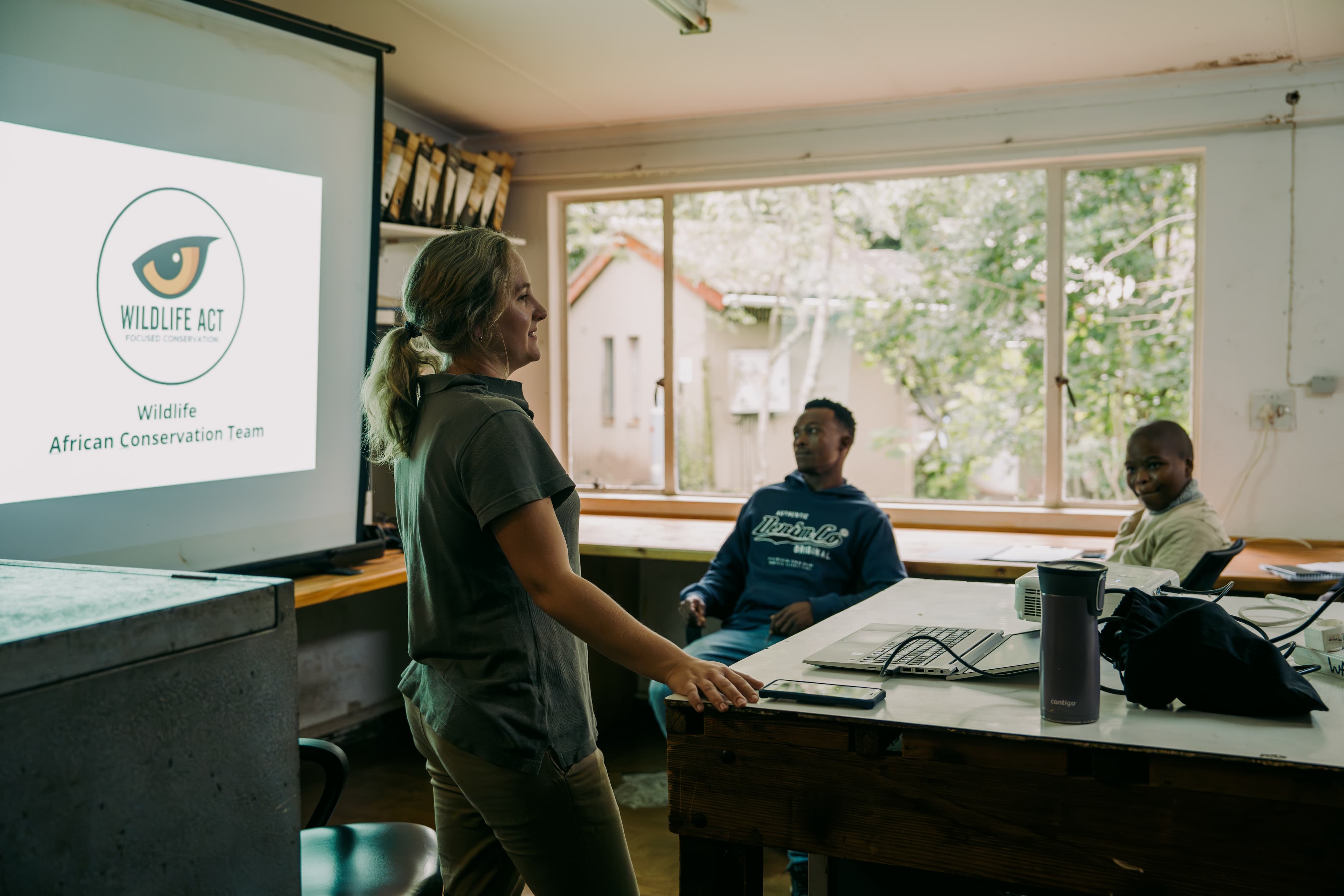
Since 30 September 2025, Wildlife ACT has partnered with a local service provider to deliver Financial Literacy and Personal Financial Management training to Community Conservation Liaisons (CCLs) and Conservation Ambassador Club members.
The training responds to the real socio-economic challenges faced by young people living near Protected Areas, where limited access to financial education can hinder personal development and long-term stability.
The sessions cover essential life skills including budgeting, saving, responsible spending, debt management, and future planning, equipping participants with practical tools to make informed financial decisions and build a foundation for financial independence.
Strengthening financial confidence and resilience, the training supports youth to better manage limited resources, reduce financial stress, and plan for education and employment pathways.
There is evidence that financial empowerment strengthens conservation outcomes. Youth who are financially literate are better able to remain engaged in conservation leadership roles and are less vulnerable to environmentally harmful activities driven by economic pressure.
Through this partnership with First National Bank, Wildlife ACT is investing in holistic community conservation leaders - young people equipped with both conservation knowledge and the life skills needed to build sustainable futures for themselves and their communities.
Growing together with Permaculture Principles
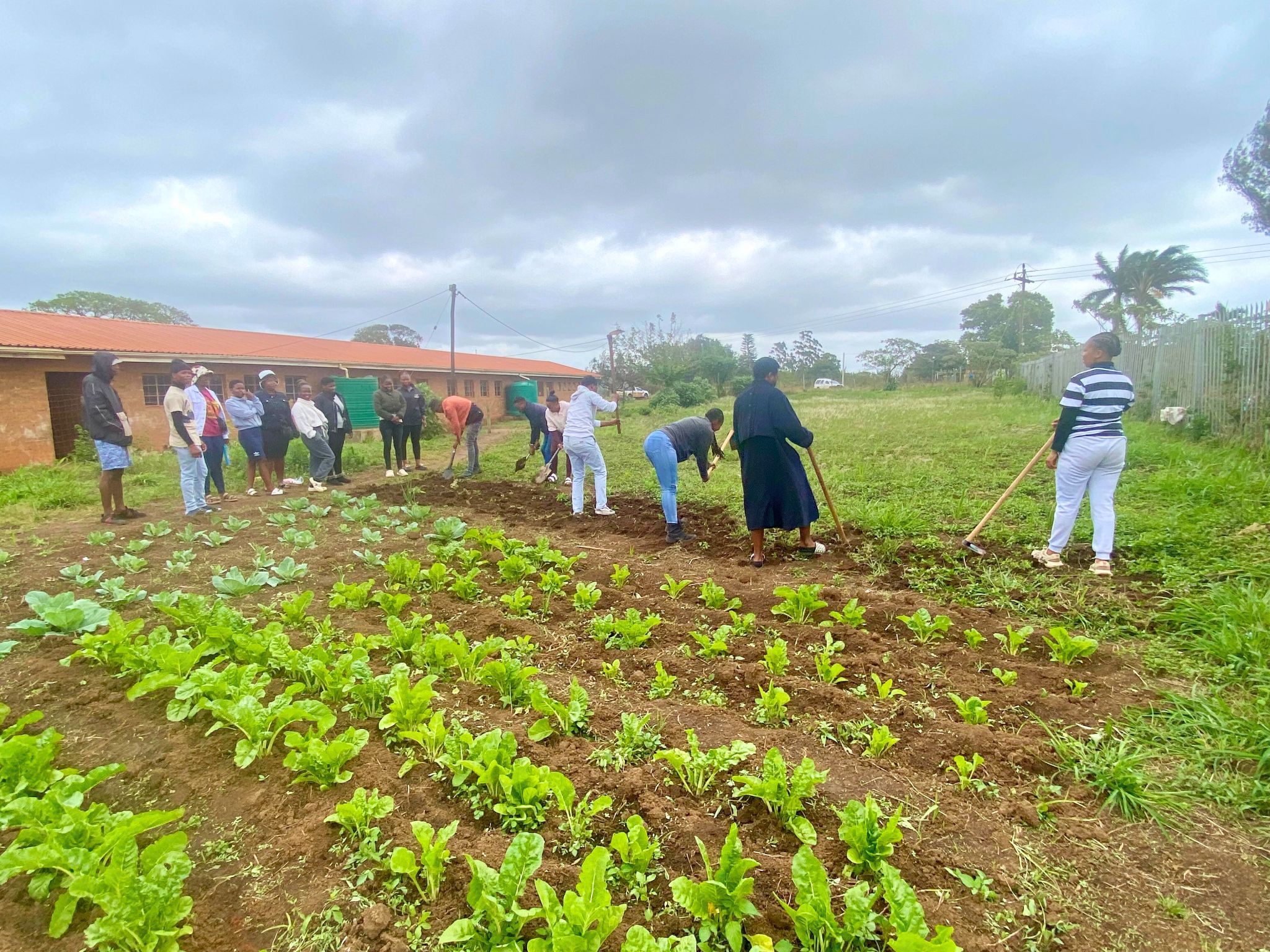
Wildlife ACT’s youth interns from Hlabisa, along with Conservation Ambassador Club members, have been bringing conservation to life through monthly gardening activities at Intuthuko Special School in Hlabisa, demonstrating how environmental stewardship begins with caring for the soil and nurturing food systems.
Guided by permaculture gardening principles, with valuable training received from Mr Mnotho from African Conservation Trust, the group applied conservation thinking directly to food production.
The interns prepared garden beds, planted seeds, and implemented sustainable practices that protect soil health, conserve water, and work in harmony with natural systems. Just a week later, they were encouraged to see healthy growth and visible progress, clear evidence of how conservation principles translate into thriving, productive gardens!
Building on this success, the interns expanded the initiative by establishing a new garden at Hlabisa Primary School, extending the benefits of sustainable gardening to more learners and educators.
Through these hands-on activities, young people are learning that conservation and food security are deeply connected. By growing food responsibly, communities can improve nutrition, strengthen livelihoods, and reduce pressure on natural ecosystems.
Exploring Nature, Learning on Foot
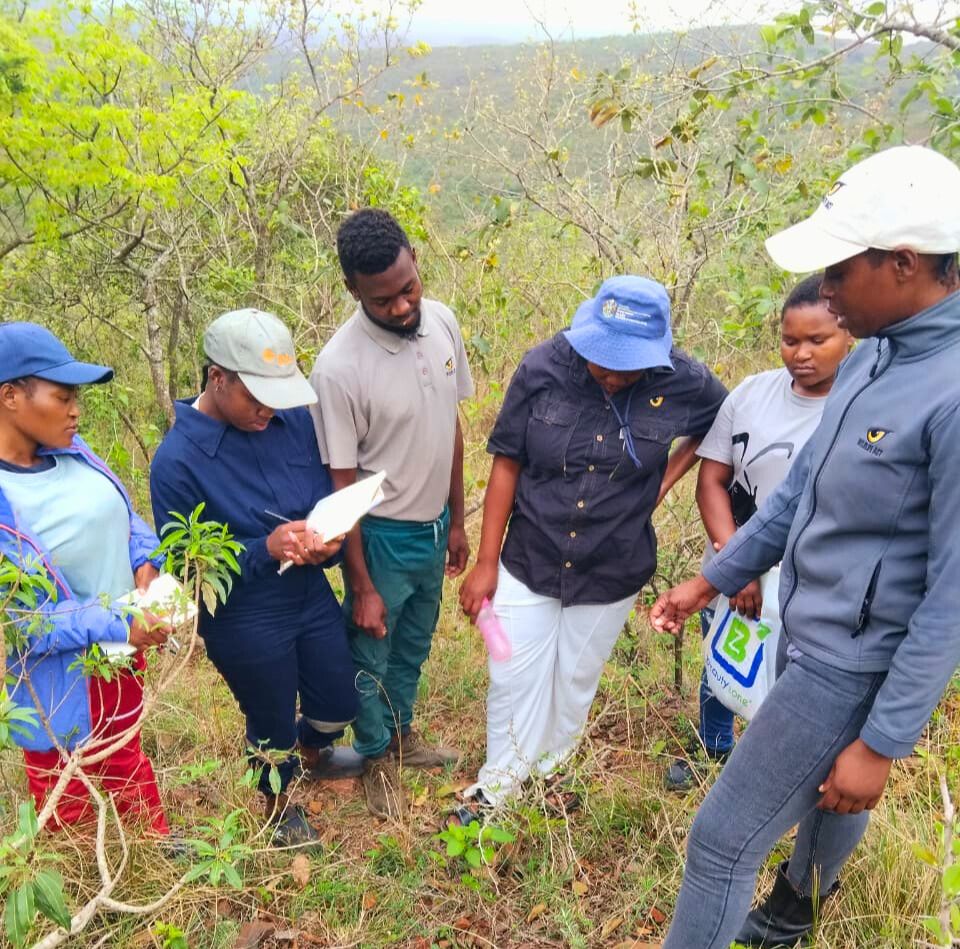
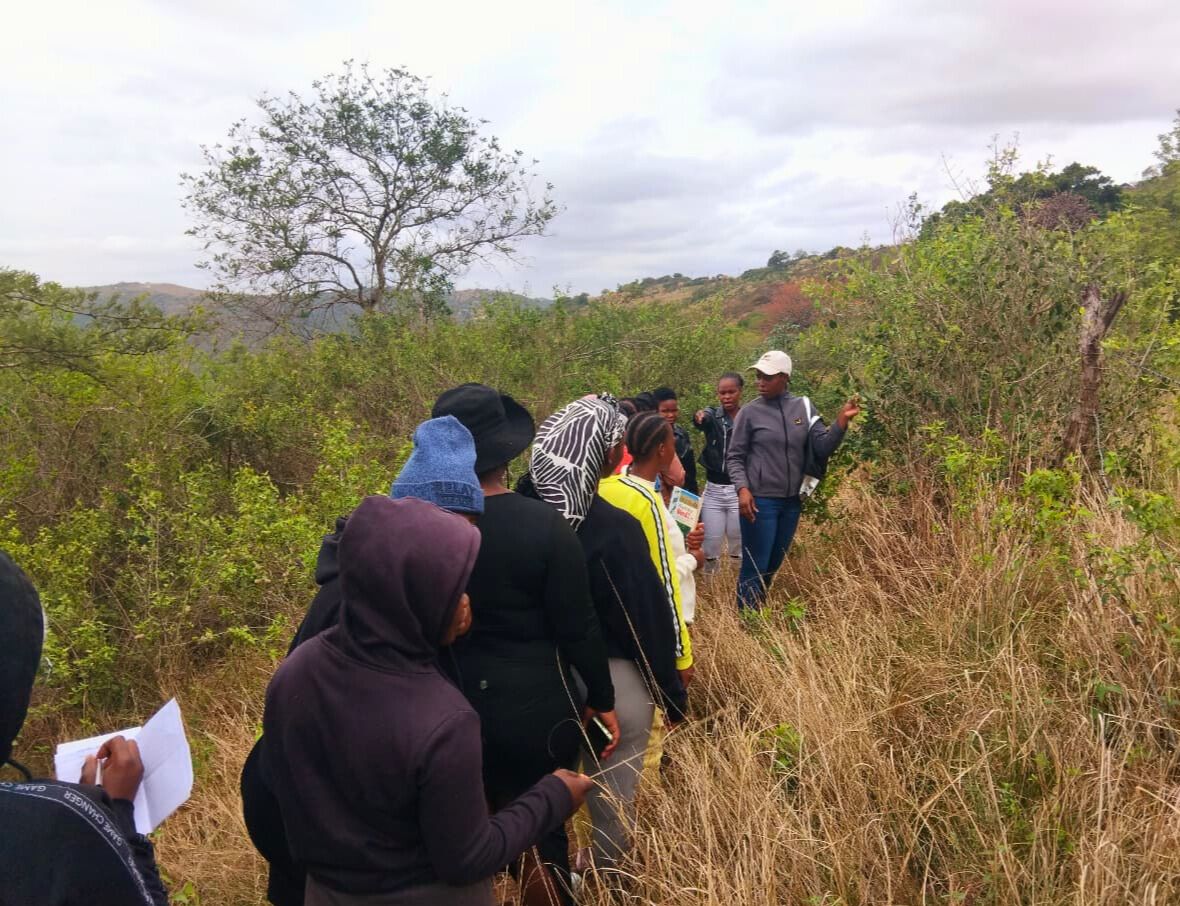
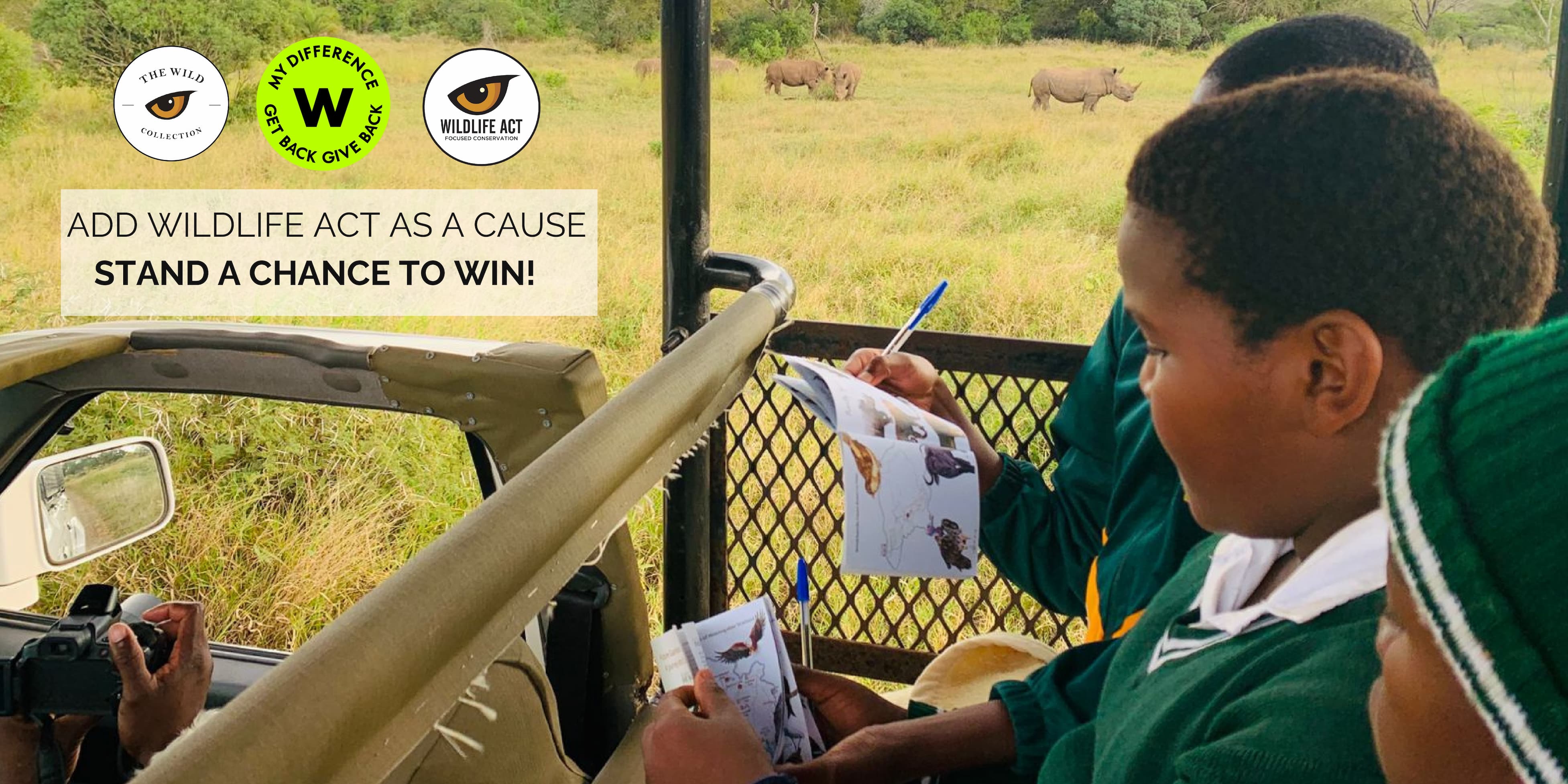
Our Community Conservation Liaisons (CCLs) and the Conservation Ambassador Clubs they work with regularly take part in guided walking trails, where they explore indigenous tree species, birdlife, and other signs of biodiversity within their local landscapes. These hands-on nature walks deepen their understanding of how ecosystems function and how species are interconnected.
By learning directly in nature, young conservationists develop a strong personal connection to their environment, strengthening their passion for conservation and sense of responsibility for protecting it.
The walking trails also build practical skills such as species identification and observation, supporting future learning and conservation career pathways. Through these experiences, conservation shifts from theory to lived practice, nurturing informed and motivated environmental stewards.
Youth Take Action for World Clean-Up Day
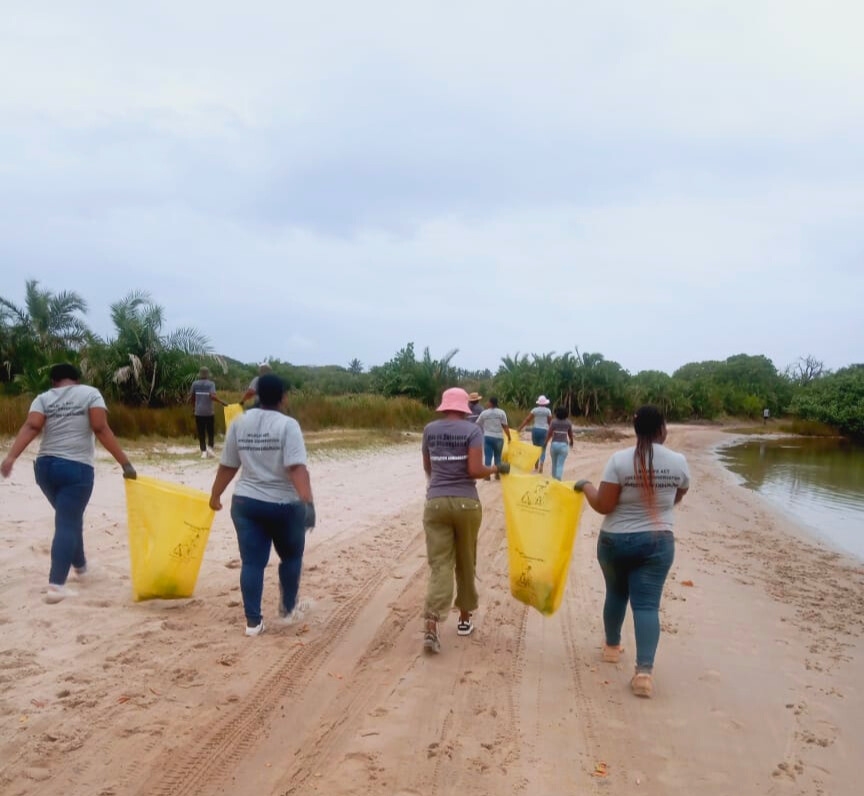
In celebration of World Clean-Up Day, CCL Makhosi Mpontshane as well Conservation Ambassador Club members, together with key stakeholders, united for a beach clean-up campaign dedicated to protecting South Africa’s precious marine ecosystems.
Guided by the global theme “Clean Seas Against the Climate Crisis,” the initiative highlighted the powerful link between waste pollution, ocean health, and climate resilience.
The clean-up served as hands-on environmental action as well as a valuable learning opportunity. Mrs. Masinga from Ezemvelo KZN Wildlife engaged participants by sharing valuable insights into the ecological role of Sea Turtles and the cultural and environmental significance of the traditional fish kraals of Kosi Bay. Her presentation sparked meaningful discussions among the youth, deepening their understanding of how healthy coastal ecosystems support marine biodiversity, local livelihoods, and long-standing cultural practices.
As Ambassador Club members removed waste from the shoreline, they witnessed first-hand the threats that plastic and pollution pose to marine life, particularly to vulnerable species such as Sea Turtles. These experiences reinforced the importance of individual and collective action in addressing marine pollution and responding to the climate crisis.
Support Wildlife ACT’s Community Conservation Programme
Through these and other initiatives, Wildlife ACT continues to empower young people to become active custodians of the environment, combining education, action, and cultural knowledge to inspire a new generation committed to protecting oceans, wildlife, and communities for the future.
Each contribution directly supports youth education, community engagement and wildlife protection. Support this important work here.
.jpeg)


%20(1).jpg)
