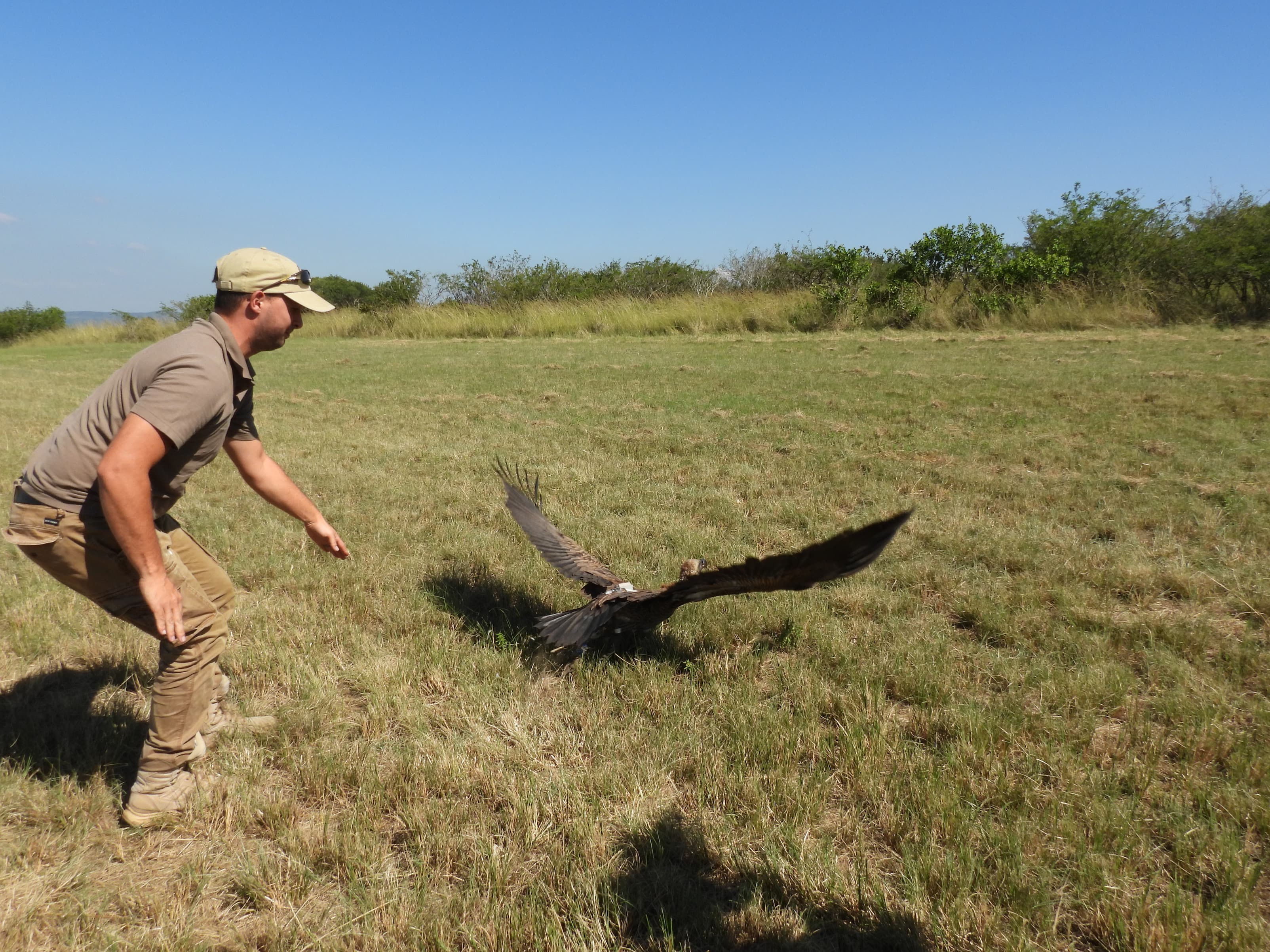
In April 2026, a coordinated two-day Vulture capture operation in Hluhluwe-iMfolozi Park marked a major step forward for Vulture conservation in KwaZulu-Natal.
Working together, Wildlife ACT and Ezemvelo KZN Wildlife, as part of the Zululand Vulture Project, successfully deployed 19 GPS tracking units to Vultures in the northern section of the protected area to Critically Endangered African White-backed Vultures.
The operation specifically targeted resident adult birds in an area where long-term movement information is more limited than others. By fitting additional tracking units to individuals in this population, conservation teams are strengthening their understanding of how these birds move across the landscape, where they feed and roost, and which areas are most important to their survival.
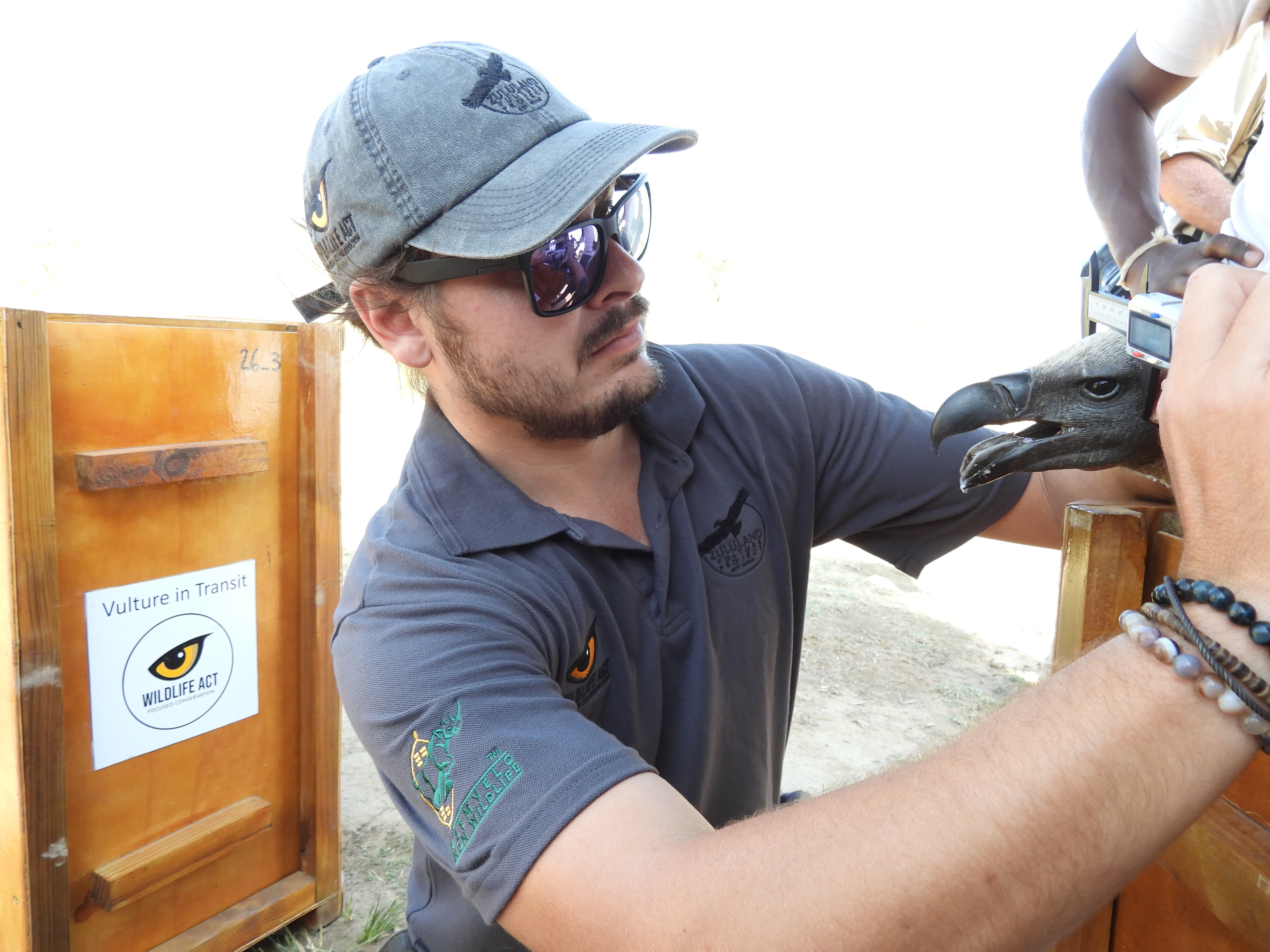
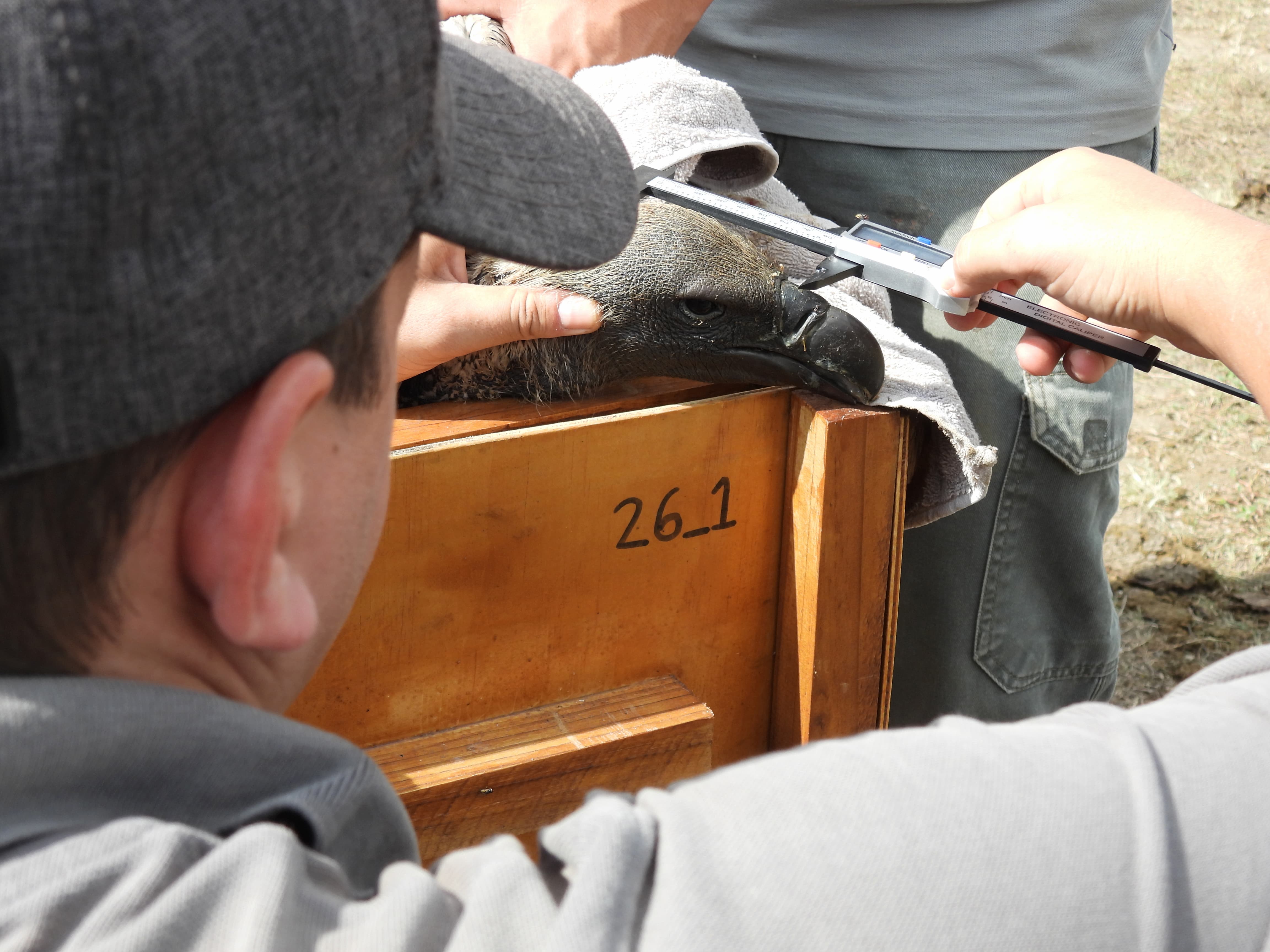
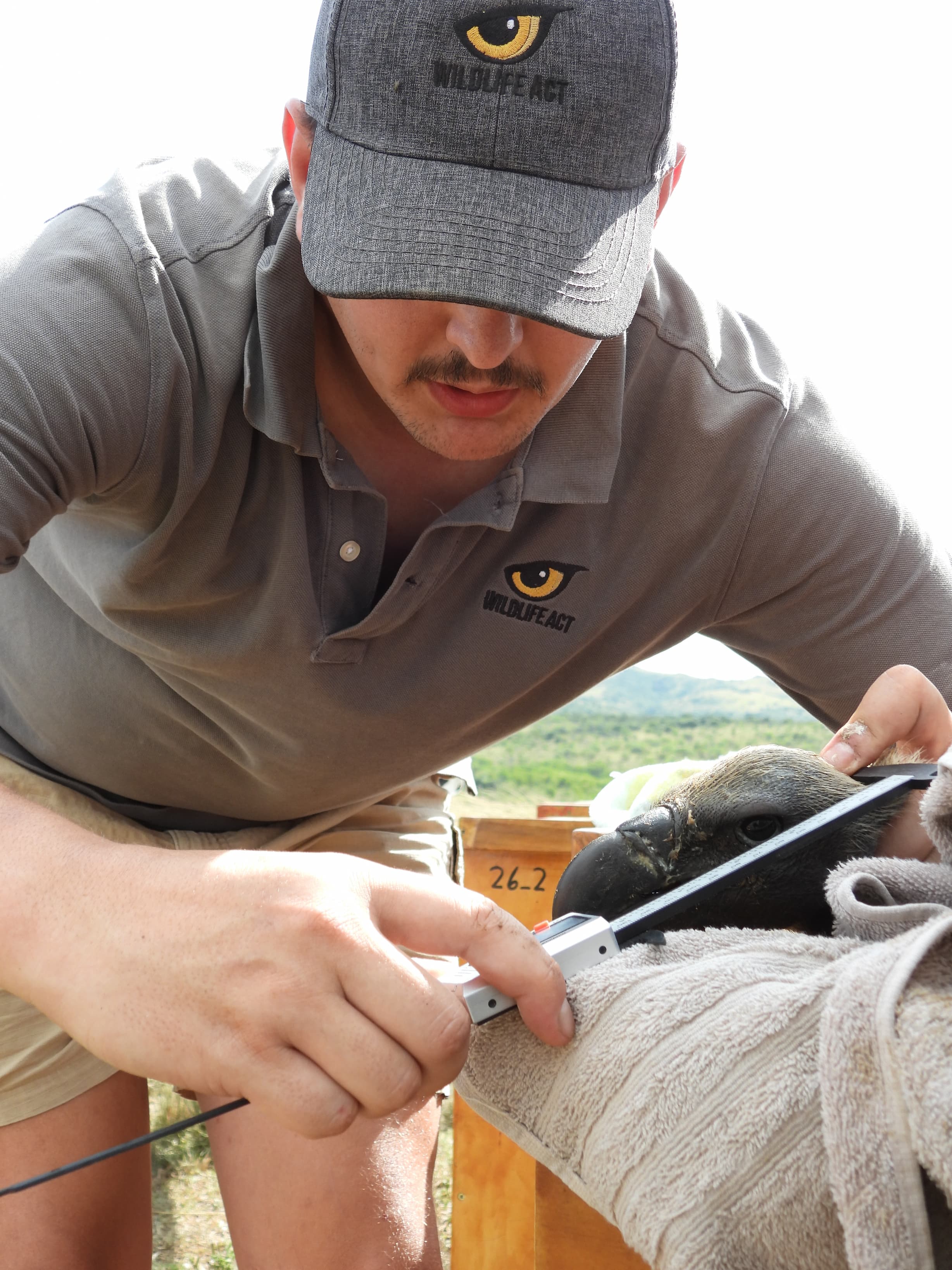
Each bird also underwent standard biometric processing during capture, including measurements linked to body condition, health, and population monitoring. These assessments contribute to a growing body of long-term conservation knowledge used to guide species management decisions across the region.
Deploying 19 units in just two days represents a significant operational achievement. More importantly, it dramatically expands the monitoring capacity for one of southern Africa’s most threatened scavenger species.
The operation required extensive preparation, rapid processing times, and close coordination between capture teams, Wildlife Monitors, and field staff to ensure minimal stress on the birds throughout the process.
A protected area at the centre of conservation in KwaZulu-Natal
Hluhluwe-iMfolozi Park, managed by Ezemvelo KZN Wildlife, is Africa’s oldest proclaimed protected area and one of the most important conservation landscapes in South Africa.
The protected area supports the biggest breeding population of African White-backed Vultures in KZN and plays a critical role in regional biodiversity conservation. Monitoring work conducted within the park contributes directly to conservation planning and management decisions at both provincial and national level, making access to resident Vulture populations especially valuable.
Why Vulture conservation matters
African White-backed Vultures are currently listed as Critically Endangered on the IUCN Red List. Although once widespread across much of sub-Saharan Africa, populations have declined rapidly over recent decades. In Zululand alone, the breeding population has declined by approximately 80% since 2004.
Poisoning remains the single greatest threat to the species.
Because Vultures feed communally, a single poisoned carcass can wipe out dozens of birds in a matter of hours. These incidents are linked both to the illegal wildlife trade, where Vulture body parts are used in traditional medicine, and to predator poisoning events targeting carnivores on livestock land.
Lead contamination is also an increasing concern. Our research conducted in KwaZulu-Natal has found elevated lead levels in more than a third of sampled African White-backed Vultures, likely linked to fragments of ammunition present in carcasses.
Additional threats, including collisions with powerlines and habitat pressures, continue to place strain on a species that reproduces slowly, typically raising just one chick every one to two years.
The loss of Vultures carries consequences far beyond the species itself. As highly efficient scavengers, Vultures play a critical role in ecosystem health by rapidly removing carcasses from the environment, helping reduce the spread of diseases such as anthrax, botulism, and rabies.
Without them, the health risks to wildlife, livestock, and people increase significantly.
How the tracking units support conservation
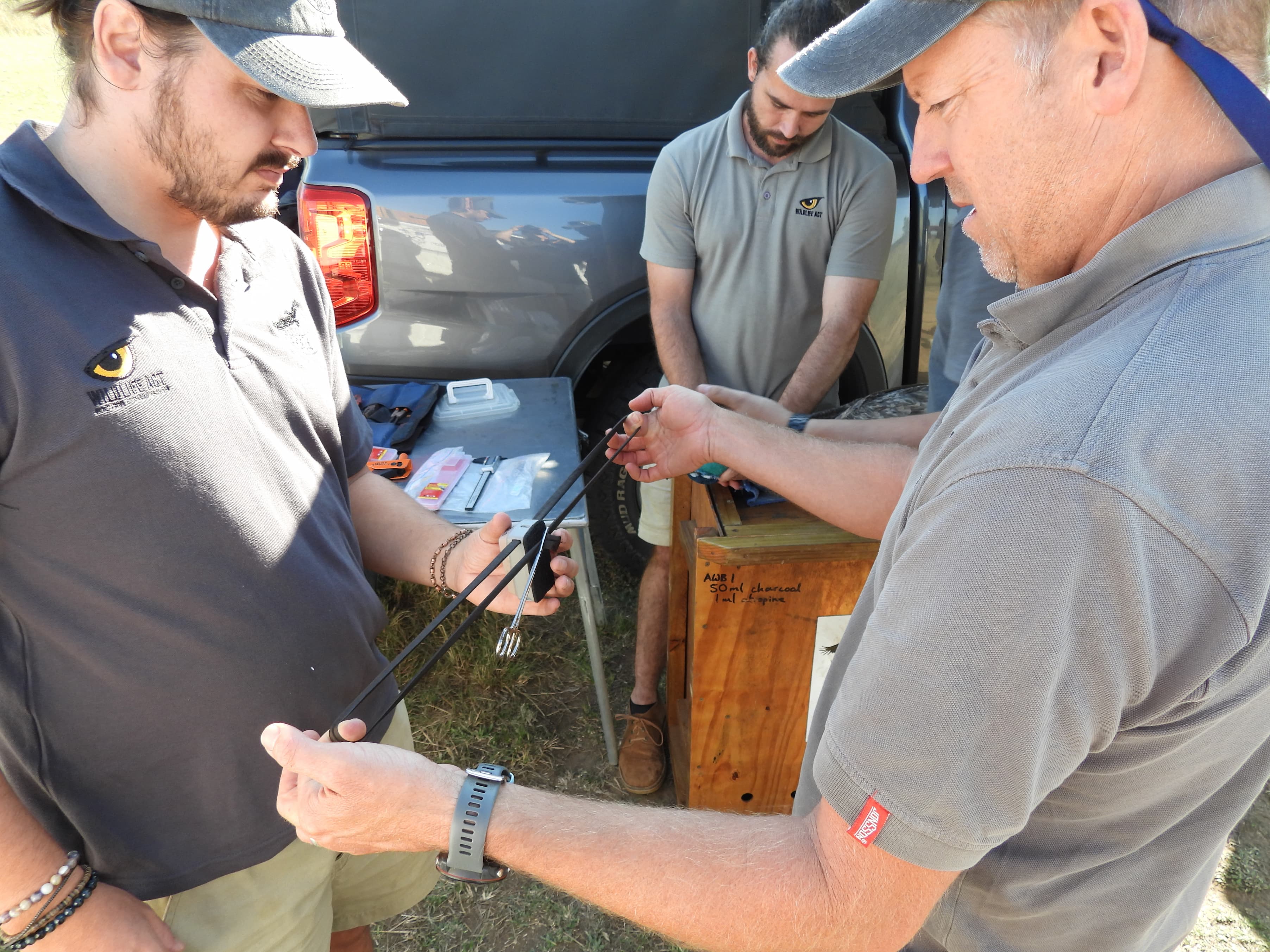
The GPS units used during this operation are lightweight, solar-powered devices developed by Wildlife ACT Innovations. Designed specifically for long-term conservation monitoring, the units transmit daily movement information remotely while minimising impact on the birds.
The tracking units serve two critical conservation functions.
First, they provide detailed information about how individual Vultures use the landscape, including feeding sites, roost locations, movement corridors, and high-risk areas. This information helps conservation teams identify critical habitat and better understand how threats affect the population.
Second, the units act as an early warning system.
Unexpected movement patterns, prolonged inactivity, or signals originating from known risk areas can immediately alert monitoring teams to potential emergencies. In poisoning incidents especially, rapid response is essential. The earlier a site can be reached and secured, the greater the chance of preventing additional wildlife deaths.
Conservation through collaboration
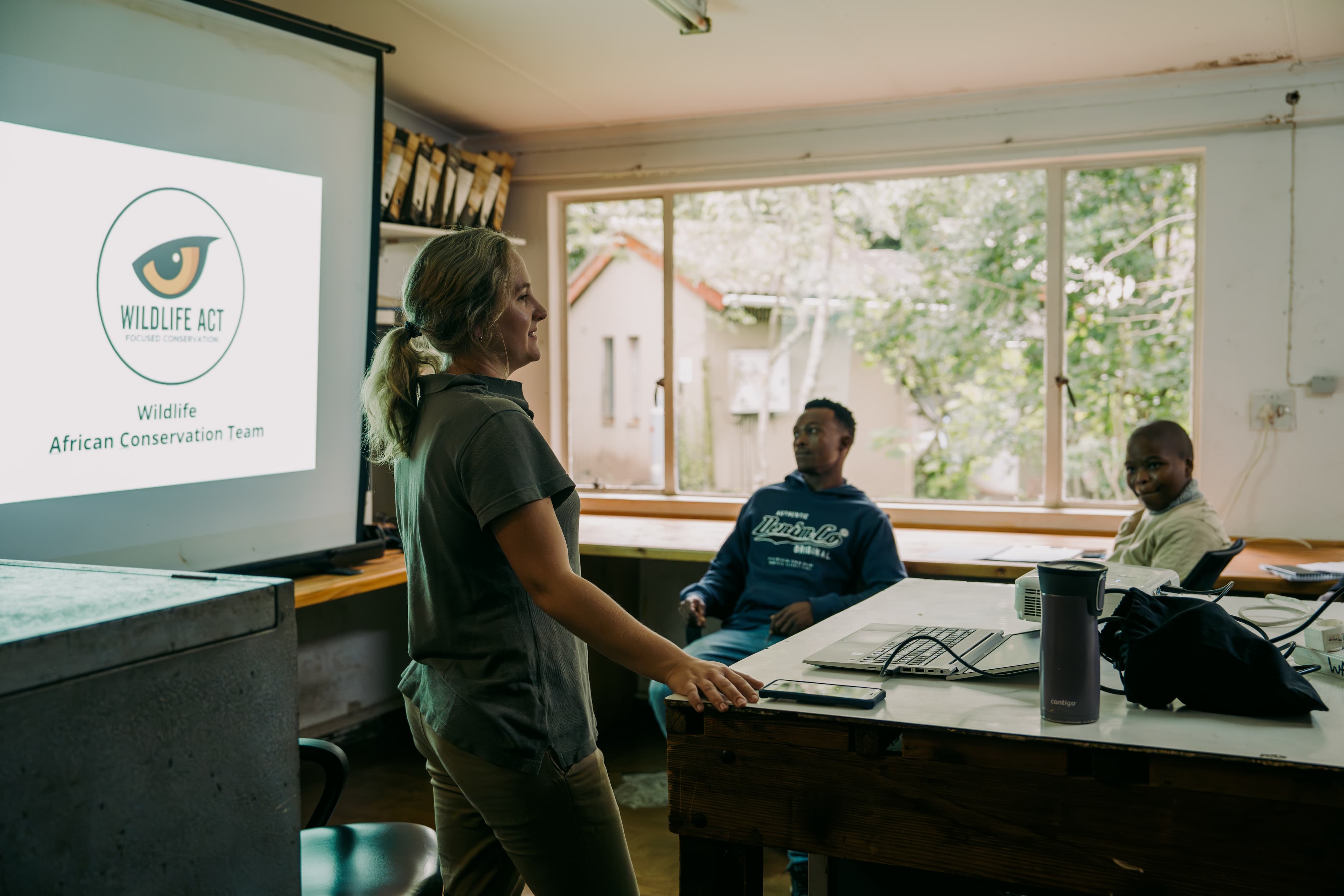
Operations like this depend on strong collaboration between conservation authorities, field teams, researchers, technical specialists, and funding partners.
This capture operation formed part of the ongoing work of the Zululand Vulture Project and Project Vulture KZN, collaborative conservation initiatives focused on the long-term protection of South Africa’s threatened Vulture species.
Wildlife ACT’s broader Vulture Conservation Programme supports this work through ongoing nest monitoring, lead testing, emergency poisoning response, field monitoring, community engagement, and conservation awareness initiatives across KwaZulu-Natal.
Wildlife ACT extends sincere thanks to the Ford Wildlife Foundation, Happy Hollow Foundation, Briandez Legacy Trust, and the Dry Creek Fund for supporting this work and helping make operations like this possible.
Support this work
Every tracking unit deployed represents far more than a point on a map. It strengthens our understanding of a species under immense pressure and improves our ability to respond to threats before more birds are lost.
Wildlife ACT is a registered non-profit organisation. To support the Vulture Conservation Programme and help fund field operations like this one, visit www.wildlifeact.com/donate.
.jpeg)


.jpg)