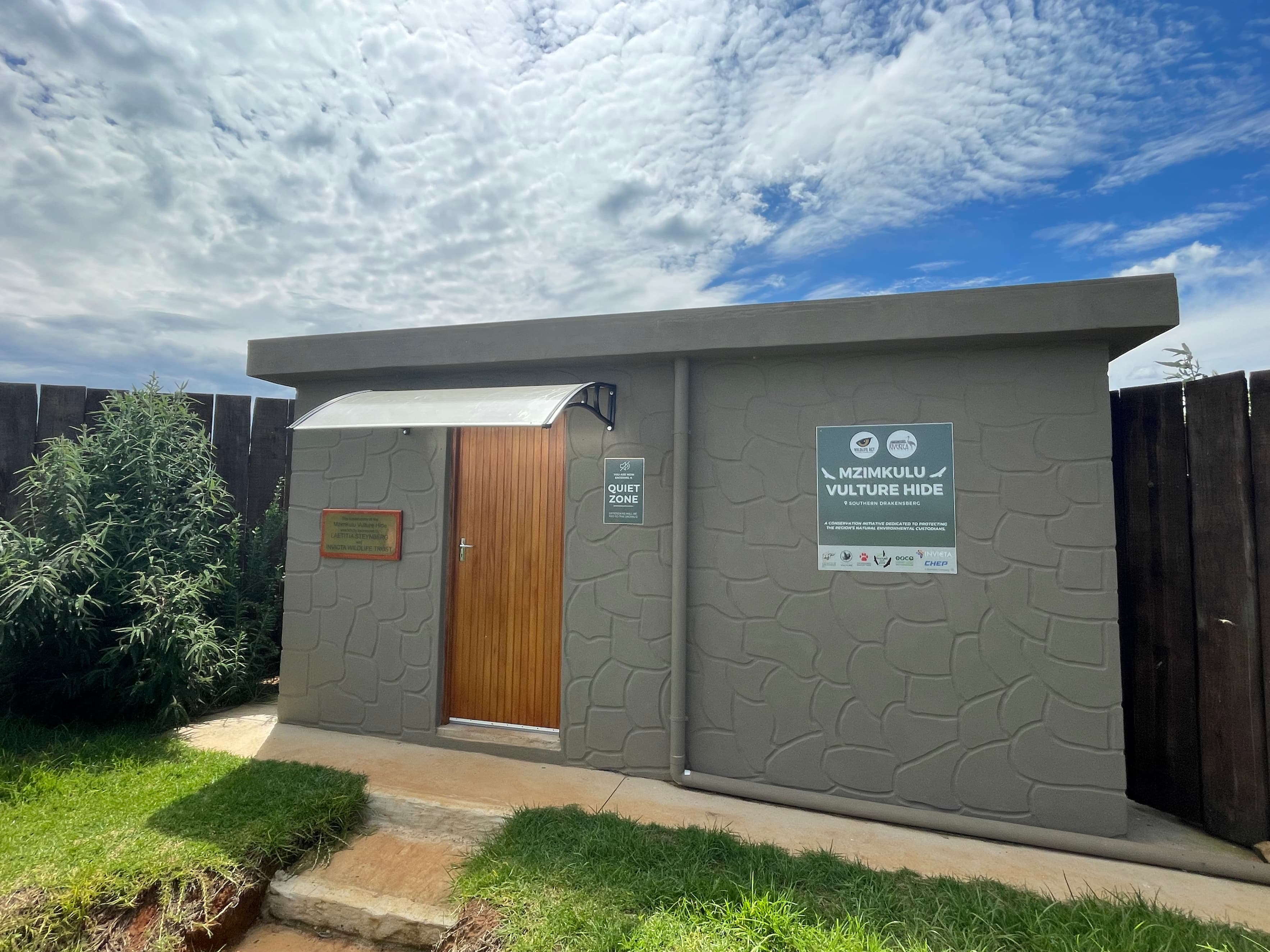
The Mzimkulu Vulture Hide is set to officially re-open to the public on 01 August 2026, following a temporary closure implemented as a precautionary response to the regional outbreak of Foot and Mouth Disease.
While vultures are not affected by Foot and Mouth Disease, the hide is situated on a working farm that supports livestock. Out of an abundance of caution, and in support of broader community efforts to prevent the further spread of the disease, all bookings and visitor access were temporarily suspended.
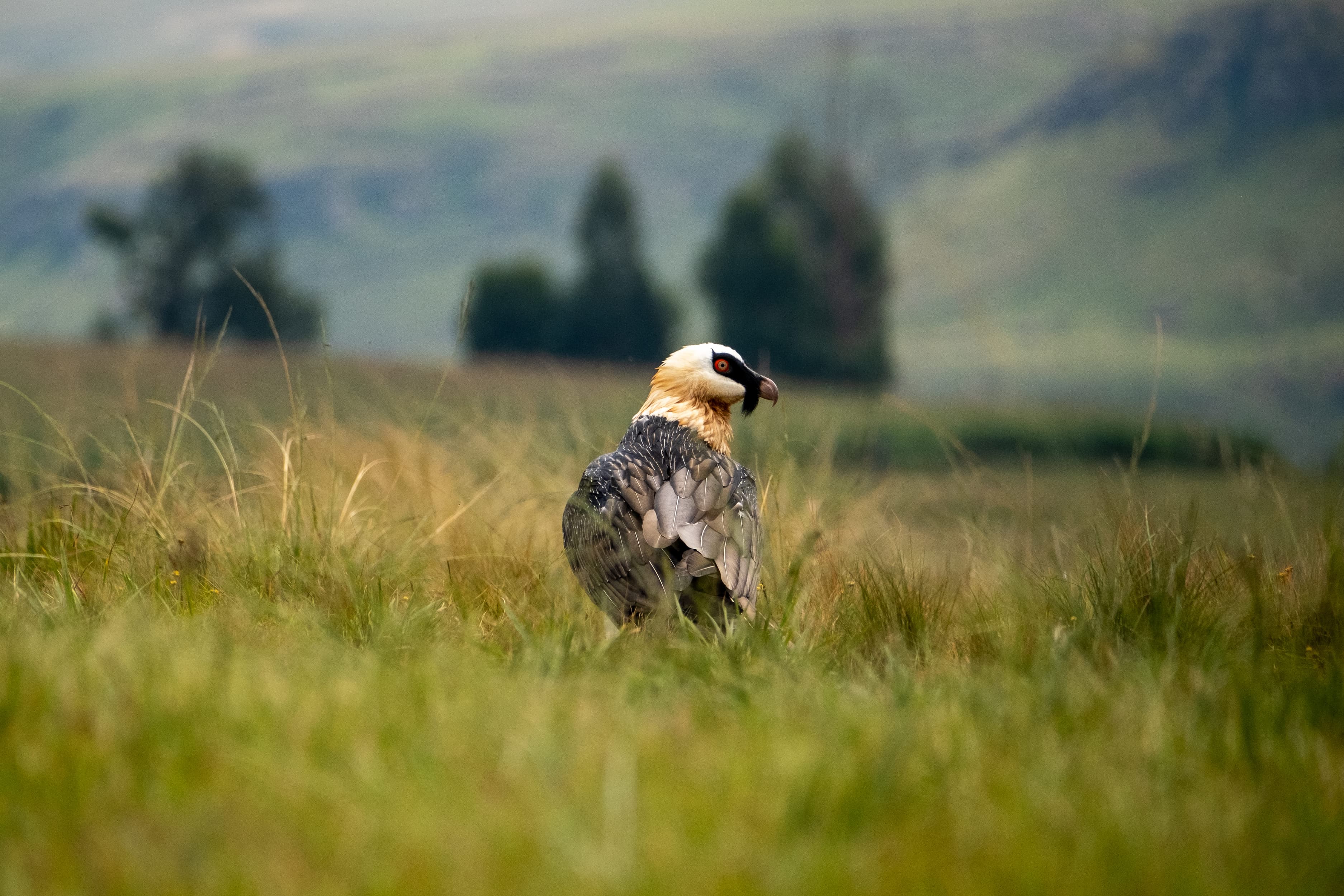
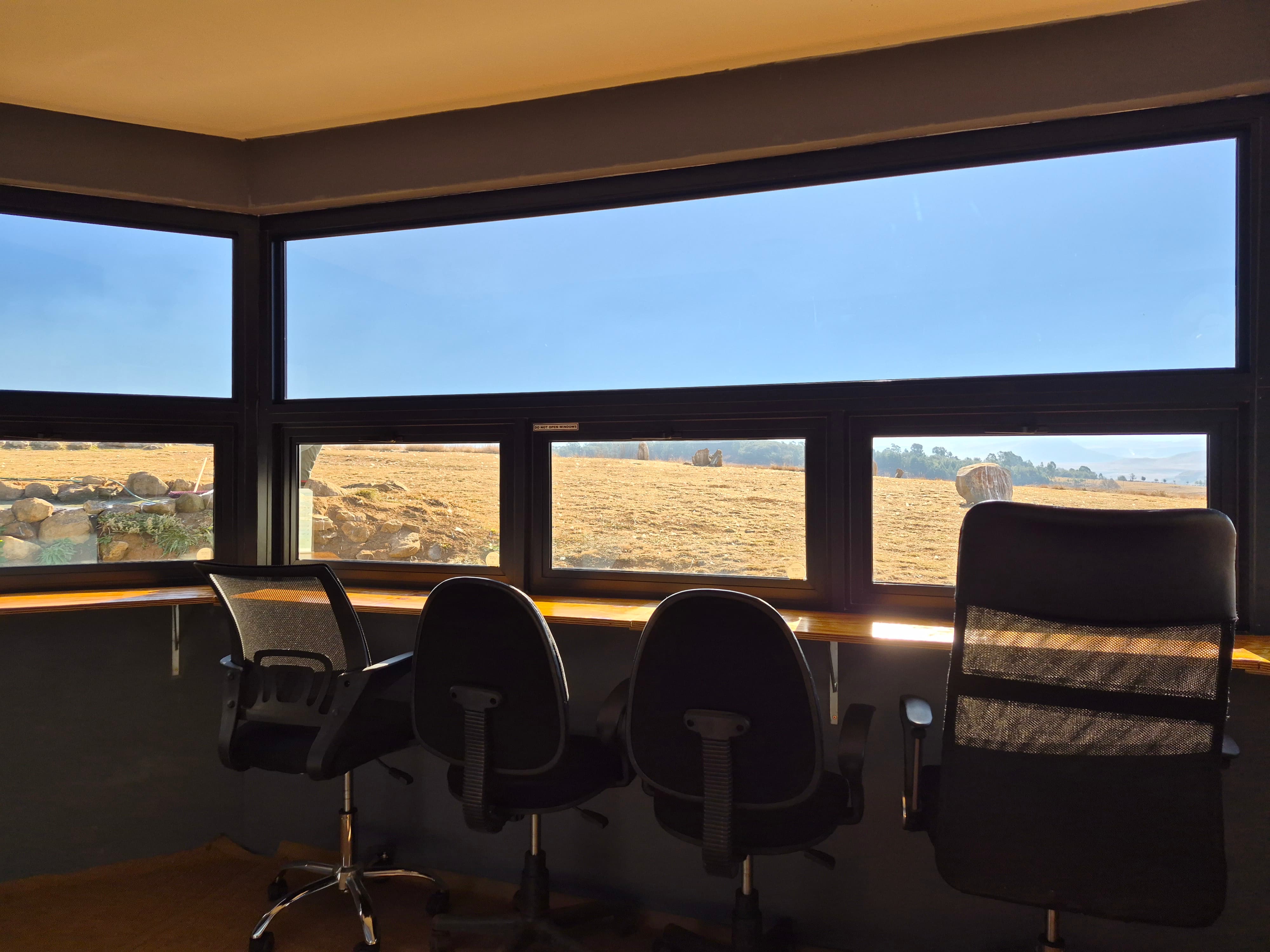
Located 8km outside Underberg, at the foot of the Maloti-Drakensberg World Heritage Site, the Mzimkulu Vulture Hide is a purpose-built photographic hide offering guests a rare, eye-level encounter with endangered vultures, including Cape and Bearded Vultures. The hide is fitted with one-way glass for disturbance-free photography, comfortable seating for up to six guests, and exquisite mountainous backdrops — making it a photographer and nature lover's paradise.
A Collaborative Conservation Partnership
The Mzimkulu Vulture Hide forms part of Wildlife ACT's Southern Drakensberg Conservation Project and is the result of a collaboration between Wildlife ACT and Riverlea Farm, with the shared aim of establishing a sustainable safe feeding site for cliff-nesting vulture species in the Southern Drakensberg.
Key conservation partners include Ezemvelo KZN Wildlife, Project Vulture, the Drakensberg Conservation Initiative, the Bearded Vulture Recovery Programme, and the Endangered Wildlife Trust.
The hide has been made possible through the generous support of Laetitia Steynberg, Invicta Wildlife Fund, CHEP, and the European Outdoor Conservation Association, along with the vital contribution of local Underberg farmers and landowners.
Conserving Endangered Vultures in the Southern Drakensberg
Wildlife ACT's Southern Drakensberg Conservation Project, in collaboration with partners, is actively addressing the alarming decline of South African vulture populations. The Project focuses on the cliff-nesting species of the Southern Drakensberg region — the vulnerable Cape Vulture and the regionally critically endangered Bearded Vulture — through nest monitoring, the management of safe vulture feeding sites, long-term remote camera trapping surveys, and emergency response.
Vultures play an essential role in maintaining healthy ecosystems. As nature's clean-up crew, they rapidly consume animal carcasses, preventing the spread of disease across wildlife, livestock, and human populations. Despite their importance, vulture populations across Africa are in severe decline — some species have experienced reductions of up to 70%, and all six South African vulture species are now classified as Vulnerable through to Critically Endangered.
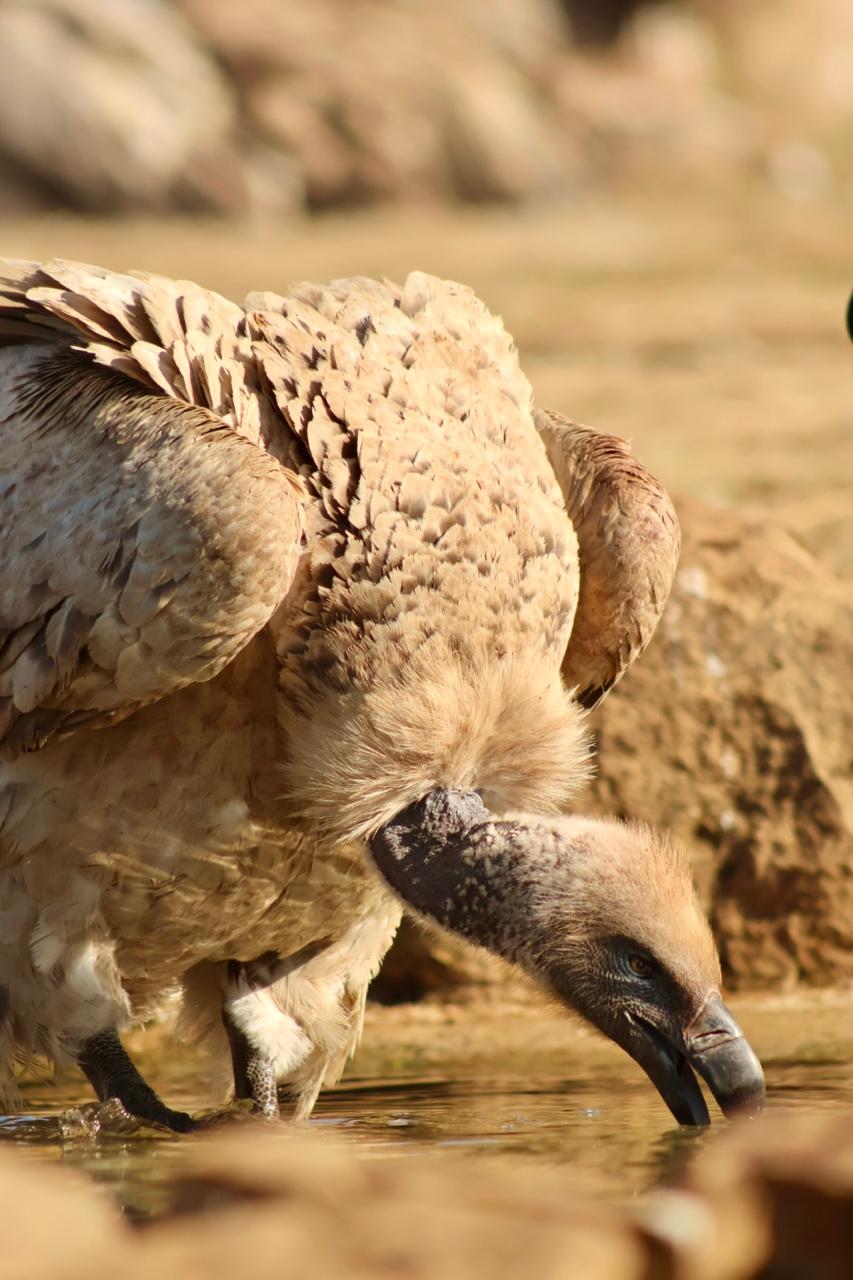
Alarmingly, only an estimated 50 to 100 breeding pairs of Bearded Vultures remain in South Africa and Lesotho, alongside approximately 4,500 breeding pairs of Cape Vultures.
Vultures face threats including poisoning, electrocution, collisions with energy infrastructure, habitat loss, and food shortages. Their protection is critically important not only for ecosystem health, but for human health — vultures possess highly specialised digestive systems capable of neutralising dangerous pathogens, making them a vital natural defence against the spread of disease.
"Vultures are critical to the health of our natural, agricultural, and rural environments," says Danielle Theron, Programme Manager of Wildlife ACT's Southern Drakensberg Conservation Project. "Safe feeding sites like Mzimkulu provide a reliable, uncontaminated food source in a region that is one of the last strongholds for both Cape and Bearded Vultures in South Africa. Without interventions like this, we risk losing these birds — and the vital ecosystem services they provide — entirely."
The Role of The Safe Feeding Site
The Mzimkulu Vulture Hide operates as a Vulture Safe Feeding Site — an area where uncontaminated carcasses are intentionally placed to provide a safe and sustainable supplementary food source for vultures. These sites play a critical role in mitigating food shortages, one of the key drivers of vulture decline, while also creating meaningful ecotourism opportunities that generate revenue to sustain conservation work.
The Southern Drakensberg is a stronghold for both the Bearded Vulture and Cape Vulture, making conservation action in this region especially vital. Revenue generated through visitor bookings at the hide is used directly to keep the Vulture Safe Feeding Site and hide operational.
Visiting the Mzimkulu Vulture Hide
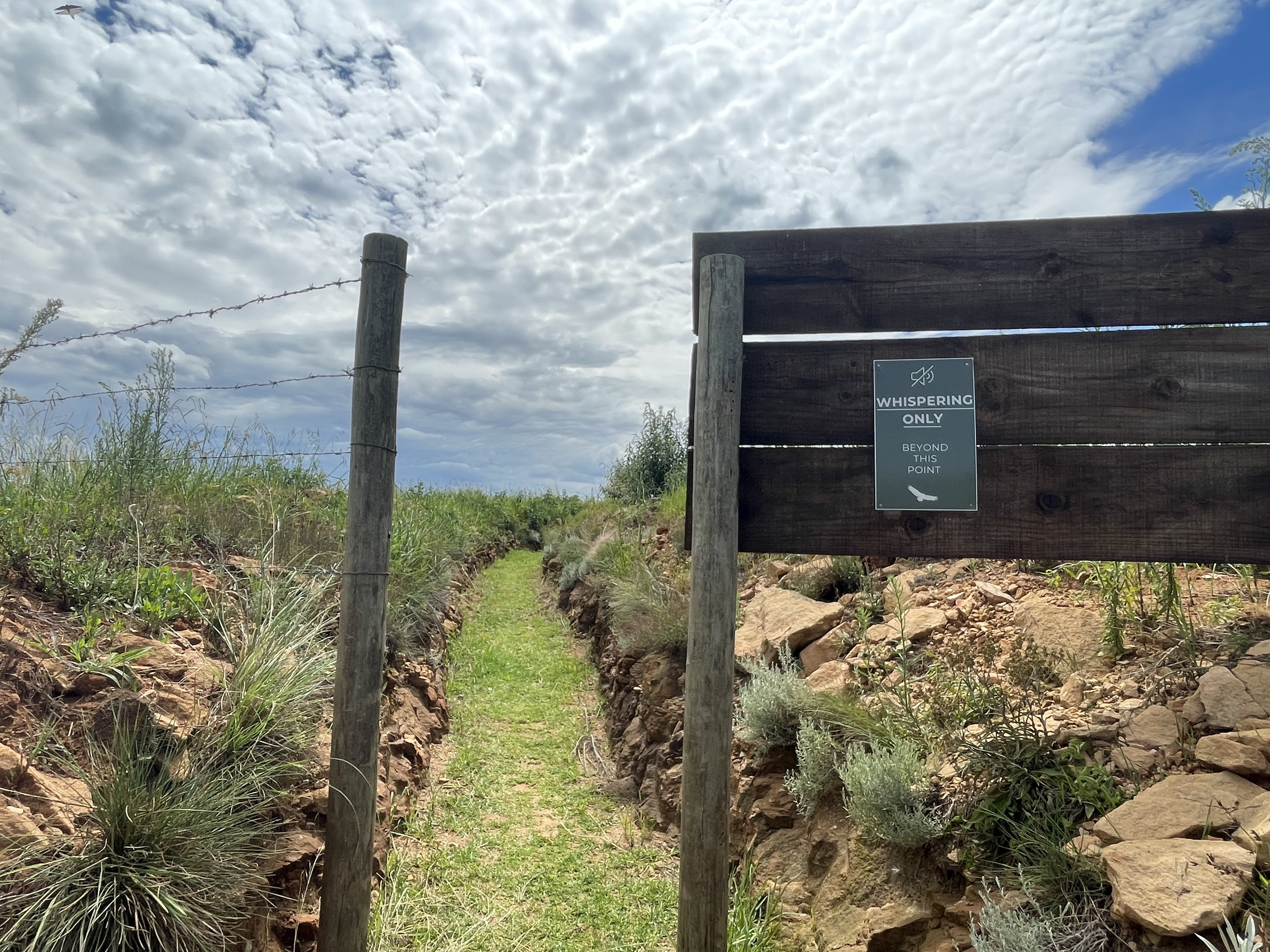
The hide reopens on 1 August 2026 and is open to photographers, birders, conservation enthusiasts, and nature lovers. Bookings must be made at least 48 hours in advance and can be made via email or through the website. Groups are kept small to minimise disturbance to the feeding site, and visitors are asked to keep volumes to a minimum at all times.
The Mzimkulu Vulture Hide plays an important role both for the local area and for vulture conservation in the Southern Drakensberg," says Danika Prinsloo, Hide Manager at the Mzimkulu Vulture Hide. It brings conservation-driven tourism to the Underberg region while directly sustaining the Safe Feeding Site that these birds depend on — the two go hand in hand, and we are excited to be reopening our doors on 1 August.
For bookings please contact:
Telephone:: 082 086 0924
Email: vulture@wildlifeact.com
Website: www.saveourvultures.com
.jpeg)


.jpg)