Last updated: 9 June 2026
Learn how a 28-day African Wildlife Conservation Course in South Africa blends field monitoring with structured lectures to build real conservation skills.
What Does the African Wildlife Conservation and Habitat Management Course Offer?

The African Wildlife Conservation and Habitat Management Course is a 28-day program that blends structured classroom learning with applied fieldwork. It is developed by Wildlife ACT and based inside Hluhluwe-iMfolozi Park, one of South Africa's oldest proclaimed protected areas.
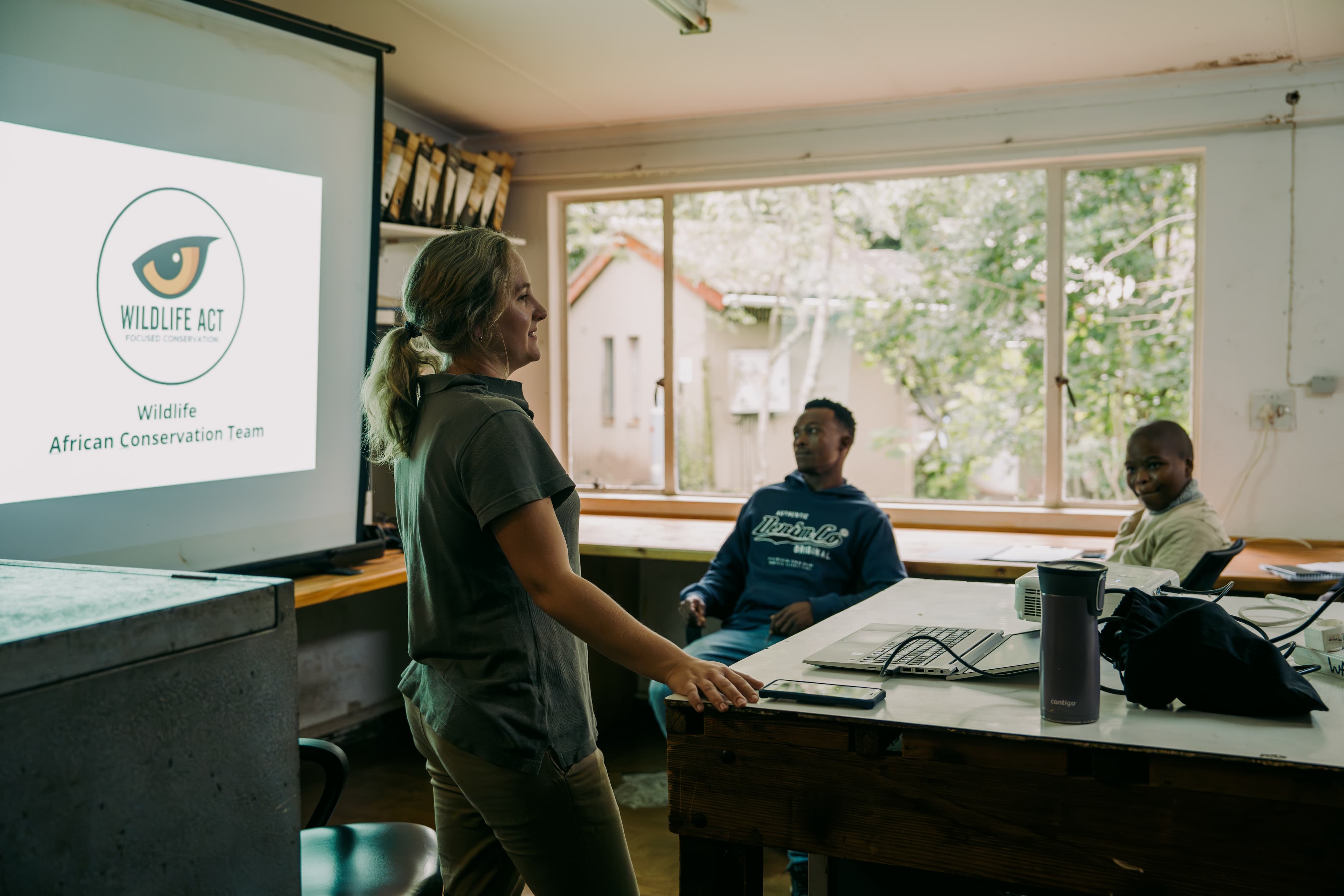
This conservation training course follows a blended learning model with a large part of the course taking place in the field and the remaining part dedicated to instructor-led lectures, written assignments, group discussions, and evaluations. Participants study from a comprehensive 267-page Conservation Handbook and a dedicated research and methodologies workbook. Weekly classroom sessions build knowledge progressively over four weeks.
The course provides a structured, guided introduction to conservation practice. It combines scientific learning with real-world field application. Whether you are an ecology student, a career changer, or a nature enthusiast, this program offers a practical foundation for understanding how conservation works on the ground.
Group sizes are intentionally kept small, with a maximum of five participants at any given time. This ensures a focused learning environment and meaningful access to both fieldwork and instructional support.
The program was established in 2019 in response to interest from previous volunteers and interns who wanted access to the same training delivered to Wildlife ACT's professional staff. It draws from over a decade of operational experience. The curriculum has been adapted to offer an accessible yet rigorous experience that reflects the realities of conservation in southern Africa.
As a result, participants are active contributors who work alongside professional Wildlife Monitors, ecologists, and protected area management authorities from Ezemvelo KZN Wildlife. Daily tasks are integrated with ongoing monitoring, research, and management operations. This immersive model ensures that every skill learned produces real conservation outcomes.
Testimonial:
A fantastic experience that I would recommend to all with a feeling for conservation of nature and wildlife. It was very interesting, diverse in activities, and given by people with passion and commitment. [The course] was a good mix of theoretical learning and practical activities, with focus on monitoring but also with a good variety of other activities (bushwalk, K9 visit, Community Conservation Program meeting). Luc De Noyette
Why Does a Blended Learning Model Matter in Conservation?
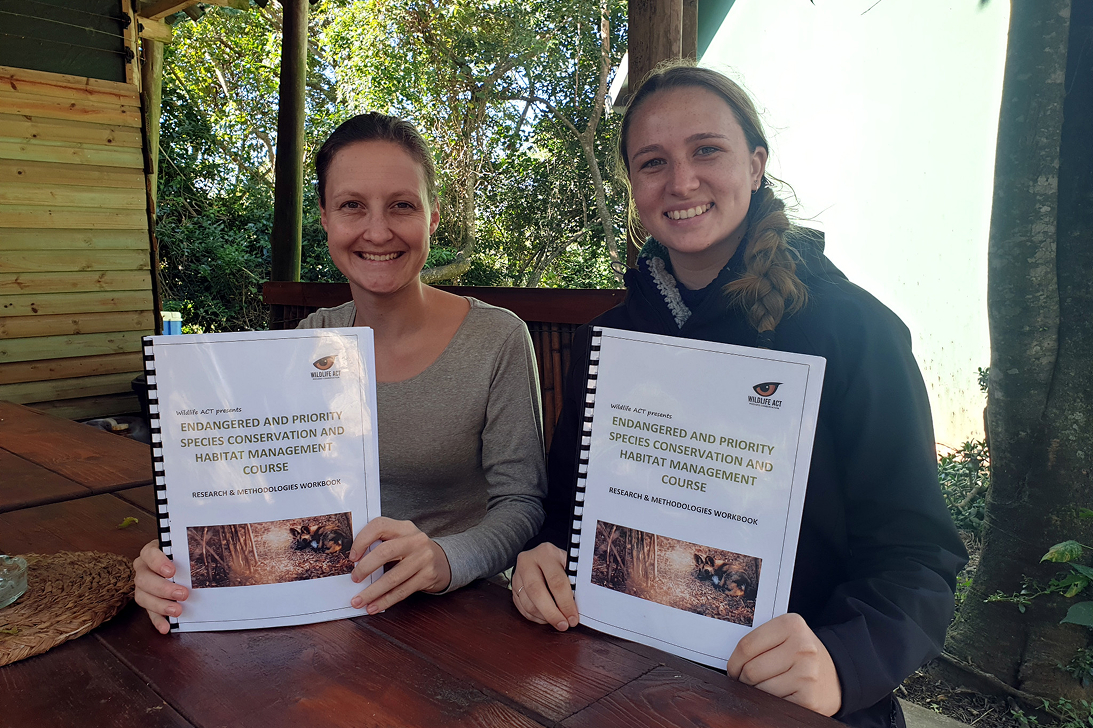
Many wildlife conservation courses focus heavily on either theory or fieldwork. This program combines both. The blended approach ensures that you understand the science behind what you observe and apply in the field. Classroom instruction gives you the framework. Fieldwork gives you the context. Together, they build skills that are both relevant and practical.
From your first week, you will study the Conservation Handbook in structured classroom sessions. This 267-page manual covers species monitoring techniques, conservation ethics, ecological principles, and practical field protocols. You also receive a research and methodologies workbook designed to guide you through key concepts and develop practical skills. Lectures are delivered sequentially. Each topic builds on the previous one. In addition, facilitators reinforce classroom learning through guided field activities. You apply what you have studied under real conditions with experienced practitioners on hand.
Furthermore, the course uses the same internal materials that Wildlife ACT uses to train its professional monitoring staff. This ensures that the standards you learn match current operational requirements. The African Wildlife Conservation and Habitat Management Course is also an approved study abroad program for University of Illinois Urbana-Champaign students. This reflects the academic rigour maintained throughout.
However, it is important to understand that this is a non-accredited program. It does not replace a university degree or formal qualification. Instead, it offers a practical foundation that complements academic study and helps clarify your direction in the conservation sector.
How Does This Course Differ from Volunteering?
Wildlife ACT's volunteer programs are centred around active contribution. Participants join ongoing field operations and assist with wildlife monitoring through regular field sessions. This approach suits individuals who want to spend extended time in the field, supporting projects while building familiarity through repetition and experience.

The wildlife conservation course offers a more structured learning environment. It guides participants through key conservation topics using a combination of lectures, field sessions, and applied learning. A key feature is the opportunity to learn directly from experienced conservation practitioners who are actively involved in the daily monitoring and management of Endangered and Priority Species in South Africa. These practitioners bring practical insight and real-world context into both lectures and field sessions.
Fieldwork is central to both experiences. The difference lies in how that fieldwork is framed. Within the course, field sessions support specific learning outcomes. Experienced staff provide context, explanation, and feedback throughout the process. Within the volunteer program, fieldwork is more frequent and focused on supporting ongoing conservation efforts over time.
For example, after a morning field session focused on telemetry tracking, you might return to camp for a lecture on species ethology. Later, you complete a written assignment that connects the two. This progressive structure is what distinguishes the course from a volunteering experience.
Many participants choose to combine both pathways. They start with the training course to build foundational understanding. They then continue into a volunteer program to apply that knowledge in a longer-term field setting.
What Does the Curriculum Cover?

The curriculum combines theoretical instruction with applied field training. Modules are delivered sequentially over four weeks. They align with Wildlife ACT's internal training framework used for staff and monitors. Each module includes instructor-led classroom sessions, practical application in the field, peer learning, and independent tasks.
What Will You Learn About Wildlife Monitoring and Data Collection?
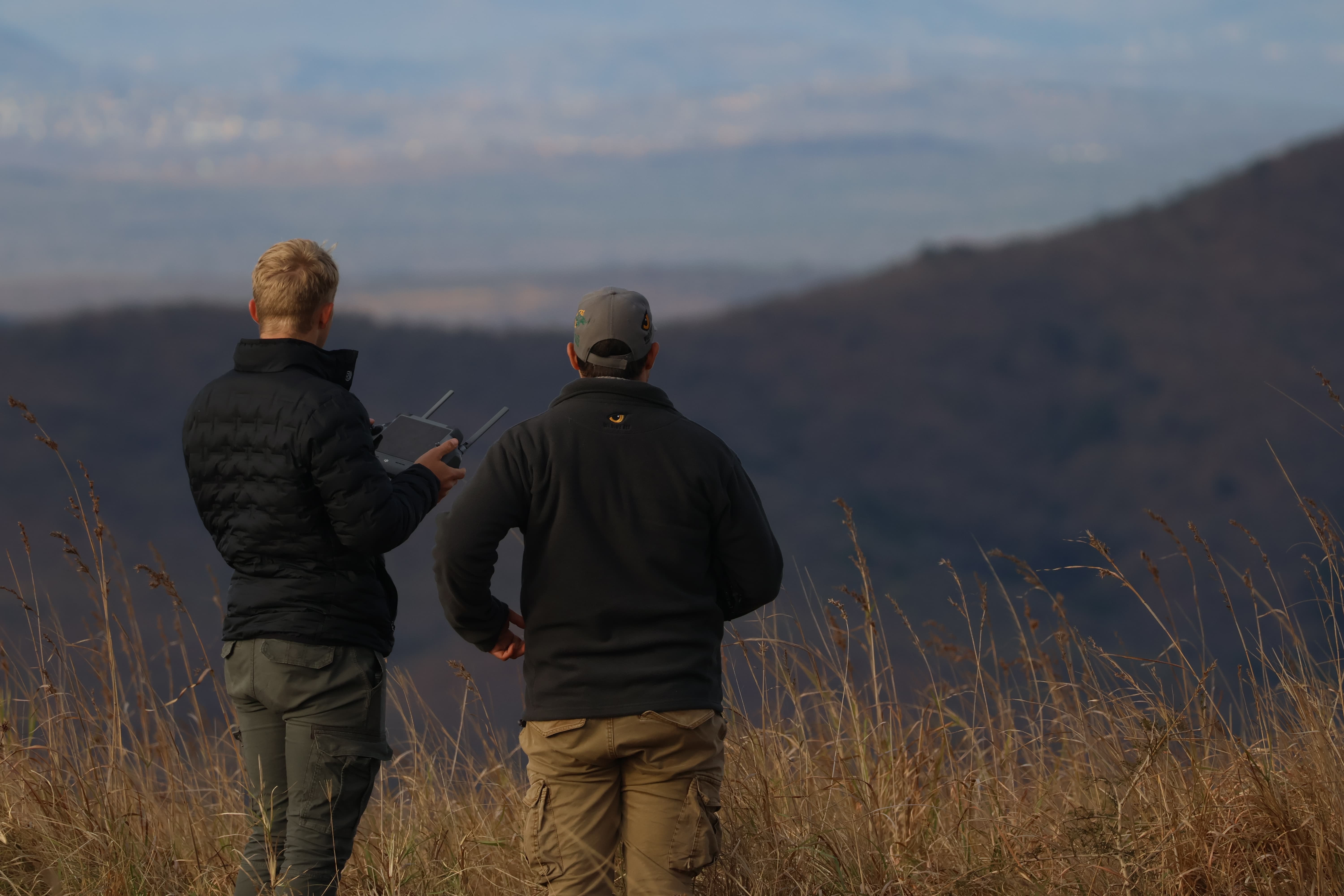
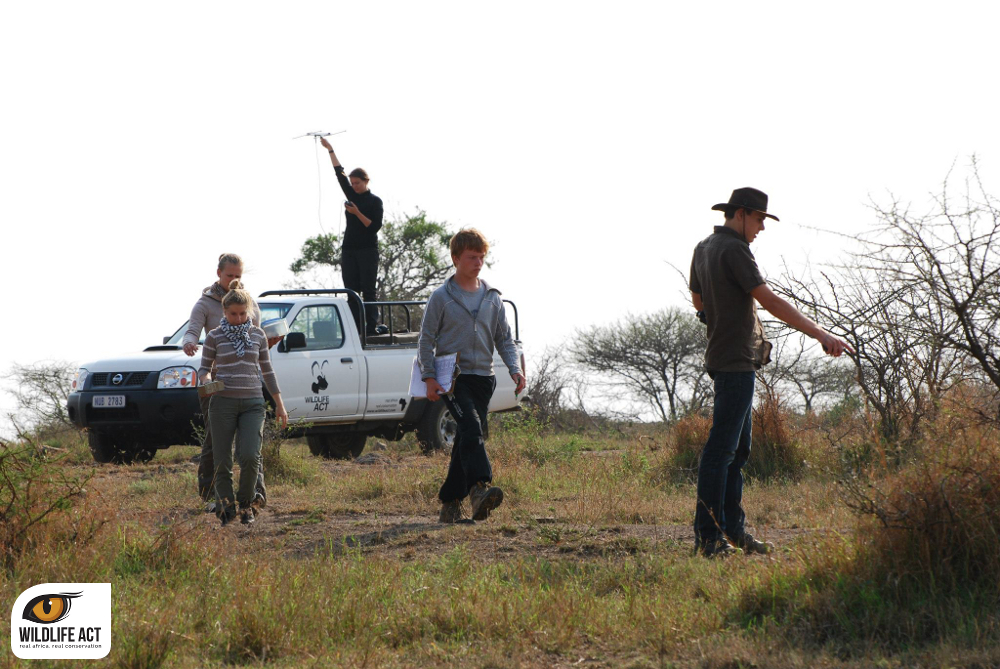
This module introduces modern wildlife monitoring systems, techniques, and applications. In the classroom, you study telemetry tracking theory, data collection protocols, and the principles of species monitoring. In the field, you learn to operate equipment such as VHF receivers, GPS devices, and camera traps. You are trained to gather, record, and analyse data on species movements, group structure, habitat use, and behaviour.
Conservation relies on accurate and consistent data. Throughout this module, you learn how observations are documented, how datasets are managed, and how this information contributes to broader research and conservation planning. This exposure provides valuable insight into how field data informs real management decisions.
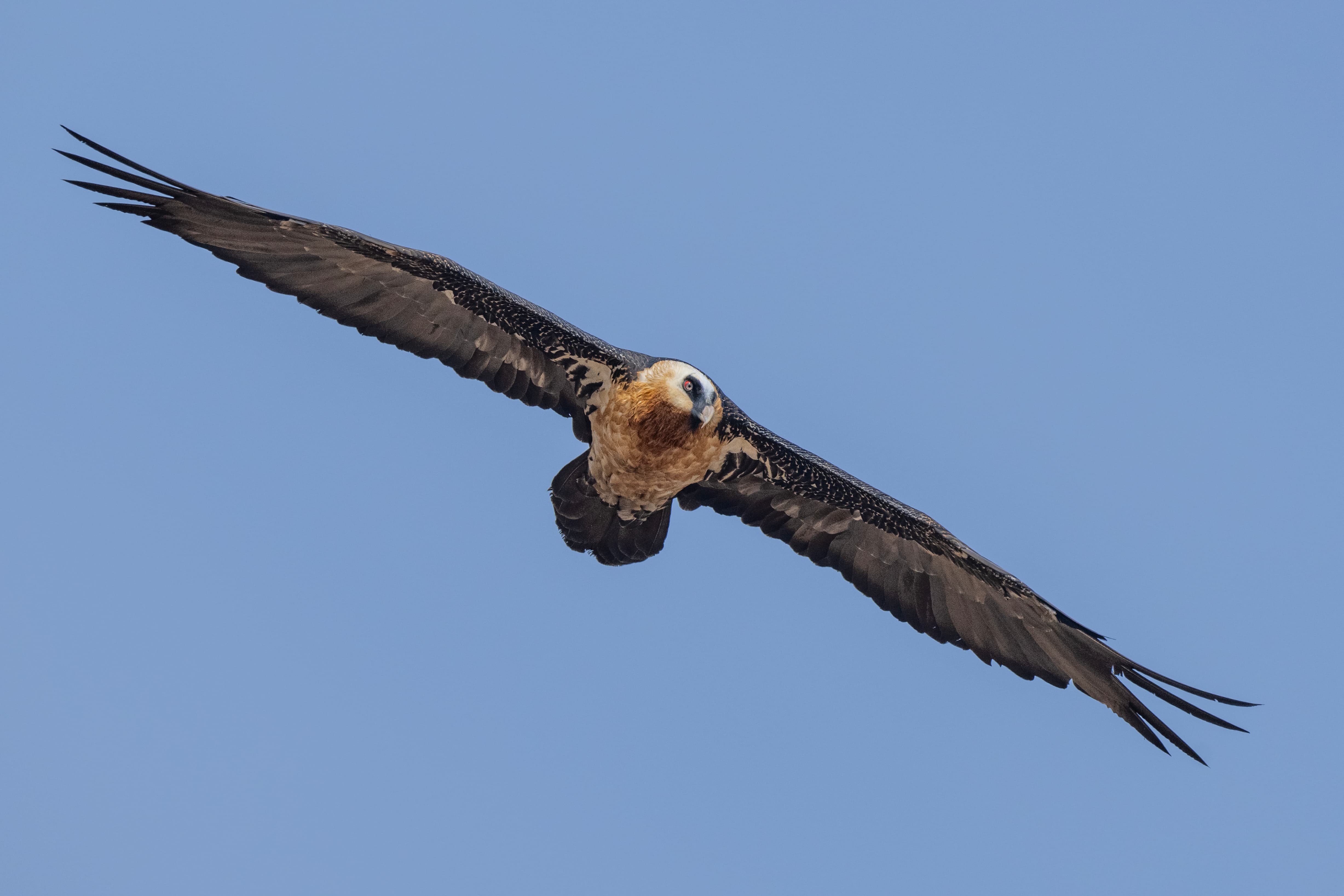
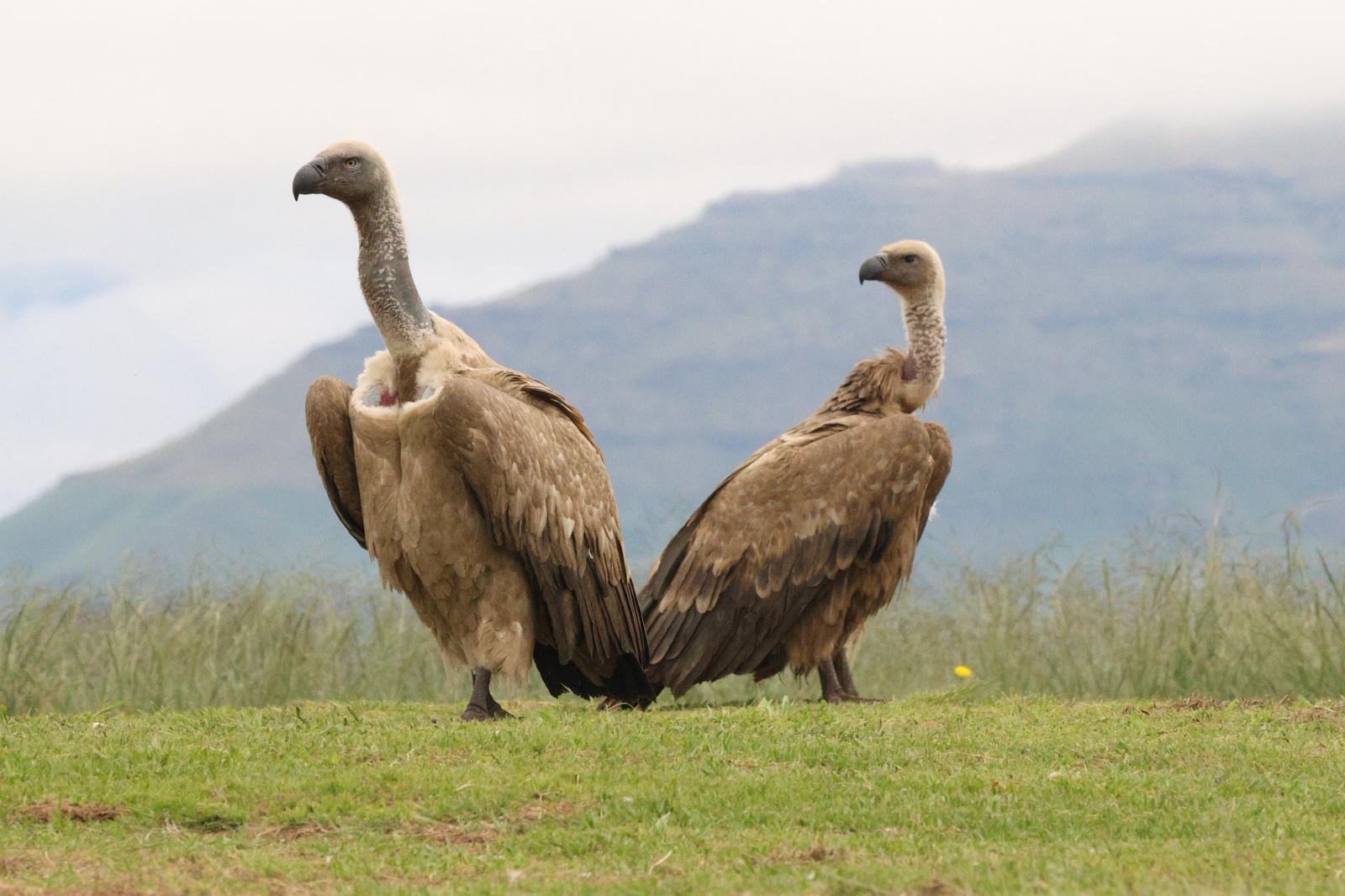
Participants engage with the monitoring of Endangered and Priority Species. These include the African Wild Dog, Cheetah, Lion, and Vulture. Where opportunities arise, participants also assist in monitoring species such as Hyaena, Elephant, Leopard, and both Black and White Rhinoceroses. However, species encounters vary depending on conservation priorities and conditions in the protected area.
How Is Camera Trapping Used for Species Research?

Camera trapping is a key tool used by Wildlife ACT to monitor elusive and nocturnal species. This is particularly important in areas with limited visibility or difficult terrain. In the classroom, you study camera trap theory, survey design, and equipment preparation. In the field, you assist in setting up camera trap stations. You learn to interpret photographic data, identify individual animals, and contribute to identification catalogues used by conservation authorities.
As a result, camera trap data contributes directly to long-term datasets on species such as the Black Rhinoceros, Leopard, and Hyaena. Camera trapping provides a valuable complement to direct observation methods and plays an important role in monitoring species presence, movement, and behaviour.
Read more about Camera Trapping here: https://www.wildlifeact.com/blog/camera-trapping-priority-species-monitoring
What Does Tracking and Spoor Identification Involve?
Understanding spoor is an essential skill for field-based conservation. This module teaches you to identify and interpret different animal tracks and signs. These include those left by arboreal, terrestrial, and aerial species. Through classroom instruction and guided field practice, you learn to distinguish between fresh and old spoor. You also learn to read the landscape for clues about wildlife presence and movement.
Specifically, these skills are applied during daily monitoring activities and during bushwalks with Wildlife ACT field staff. Tracking contributes both to species location efforts and to a broader understanding of animal movement patterns within the protected area.
What Are the Key Strategies for Habitat Management?

In addition to species-focused monitoring, participants support broader habitat management and ecosystem activities. This module introduces key ecological concepts related to veld condition, ecosystem health, and human influence. You learn game count survey methods including road strip counts and walking transects. You are also introduced to vegetation assessment techniques such as fixed-point photography and tree wire wrapping for Elephant impact deterrence.
Understanding how environmental factors such as fire, grazing, and human impact influence biodiversity helps build a more complete picture of how protected areas are managed over time. Hands-on conservation work may include erosion control activities, bush encroachment management, and learning about the use of fire as an ecological tool. These activities are guided by protected area priorities and conducted in collaboration with Ezemvelo KZN Wildlife.
What Do You Learn About Game Capture and Relocation Ethics?
This module provides an overview of wildlife capture techniques used for population management, reintroductions, and genetic diversity preservation. You study the theory and application of passive capture methods, boma management, and immobilisation procedures through classroom lectures and case studies. Participants do not take part in darting or direct animal handling. However, you gain an understanding of the ethical and operational considerations behind all wildlife relocations.
How Does the Conservation Course Address Wildlife Crime?
Participants are introduced to the complex drivers of the illegal wildlife trade. The module explores current threats, trade routes, enforcement challenges, and the human dimensions of wildlife crime through structured lectures and group discussions. You examine real-world case studies and discuss effective responses. These include policy interventions and the role of field monitoring in early detection.
Why Is Community-based Conservation Important for Long-Term Success?
This module highlights the importance of working with communities to support long-term conservation success. You are introduced to Wildlife ACT's Community Conservation Programme. You also gain an understanding of the organisation's human-wildlife coexistence work around Hluhluwe-iMfolozi Park. Understanding the social and environmental dynamics of conservation is essential for anyone looking to engage meaningfully in this field. Where possible, participants meet members of the Community Conservation team and take part in engagement sessions.
Testimonial:
I had a fantastic time during the 4 week Wildlife Conservation & Habitat Management Course. I loved being out in the field every day monitoring wildlife (endangered species) so you can peek into their lives and behavior. Being on the sidelines and seeing conservation experts working on their projects with lots of dedication was a great experience. Besides the field work you follow theoretical classes, which is a nice and balanced combination. I learned a lot about wildlife conservation & habitat management and met amazing like-minded people. Kelly van der Doelen
How Does Learning Move from Classroom Concepts to Field Application?
One of the defining features of this wildlife conservation course is the way learning is structured and applied. The program creates a direct link between theoretical understanding and practical experience in the field. Rather than separating theory and practice, the course integrates them.
Each topic introduced during the course is supported by a combination of guided discussions, field-based learning, and hands-on participation. Concepts introduced during classroom sessions are reinforced through real conservation activities. This allows you to apply knowledge in context, with experienced practitioners providing explanation and feedback throughout.
The course is supported by structured learning materials, including the Conservation Handbook and a research and methodologies workbook. These resources encourage independent thinking, deeper engagement, and continued learning beyond the time spent in the field.
It is important to recognise that conservation does not operate on a fixed schedule. Activities may shift depending on environmental conditions, species movement, or operational priorities within the protected area. This flexibility is an intentional part of the learning experience. It helps you understand how conservation work adapts to dynamic and often unpredictable systems.
Through this approach, you gain not only knowledge but also context. You begin to understand how different aspects of conservation connect, from data collection and species monitoring to habitat management and decision-making on the ground.
What Is Life Like at the Hluhluwe Research Camp?

You will be based at the Hluhluwe Research Camp for the full 28 days. The camp sits on a hilltop within coastal scarp forest in the northern Hluhluwe section of the protected area. It serves as a functional base for both field operations and classroom activities.
Hluhluwe-iMfolozi Park was established in 1895 and spans over 96,000 hectares. It is globally recognised as the birthplace of modern conservation. The protected area is managed by Ezemvelo KZN Wildlife and supports a wide range of Endangered and Priority Species. The Hluhluwe section is known for its hilly topography, coastal scarp forests, and large Elephant herds.
Accommodation consists of simple twin rooms with shared facilities. The camp is solar and generator powered. Meals are self-catered, with basic food supplies provided weekly. The camp includes a communal kitchen and shared living spaces. This lifestyle fosters a sense of responsibility and adaptability that is an integral part of the learning experience.

What Does a Typical Day Look Like on a Wildlife Conservation Course?
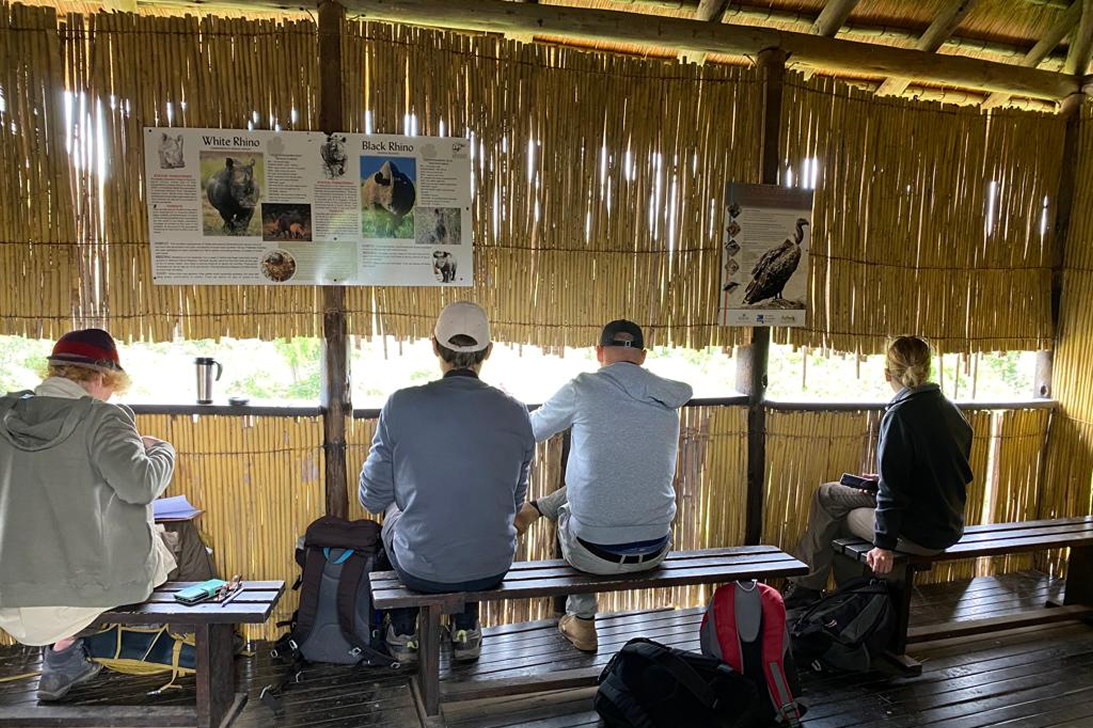
Life on this conservation training course is structured around the rhythms of the natural environment. Each day is designed to balance field exposure with structured learning.
Each day begins before sunrise. Early morning field deployments are designed to coincide with peak wildlife activity. Depending on conservation priorities, morning sessions may involve telemetry tracking, camera trap checks, spoor identification, or visual observations. The emphasis is not only on what is seen, but on how observations are made, recorded, and understood within a conservation context.
After the morning field session, you return to camp. The rest of the day is typically dedicated to classroom-based activities. These include data entry and review, structured lectures from the Conservation Handbook, written assignments, quizzes, and group discussions. Participants usually complete one field session per day. The remaining time is devoted to the theoretical component of the course.
In addition to the core program, there are occasional excursions and activities that support broader learning. These may include guided bush walks, which offer a more detailed understanding of ecosystems at ground level. There may also be overnight field experiences such as camping. These moments provide additional context and allow you to engage more closely with the environment in which conservation work takes place.
In the late afternoon, there may occasionally be further field activities. However, this depends on operational priorities set by reserve management. Evening debriefs allow the group to discuss findings and plan the next day's objectives.
By the end of your stay, you will have adapted to the rhythm of professional field work. This experience prepares you for the practical and personal challenges of working in remote conservation settings.
Testimonial:
My experience with Wildlife ACT has been amazing, and I've loved every moment of it. I'm so grateful for the opportunity. It's been an unforgettable experience that has taught me so much and made me even more passionate about protecting wildlife. I found the course content to be very well structured, clear, informative, and easy to follow. Each topic was presented in a way that kept me truly interested and made the material feel approachable and engaging. I feel the course not only provides valuable knowledge about various aspects of wildlife and ecosystem dynamics, but it also emphasises practical, hands-on experience. This combination ensures that participants leave with a deeper understanding of the challenges facing wildlife and habitats, as well as effective strategies for addressing them. Caitlin Wood
Who Is This Wildlife Conservation Course Designed For?
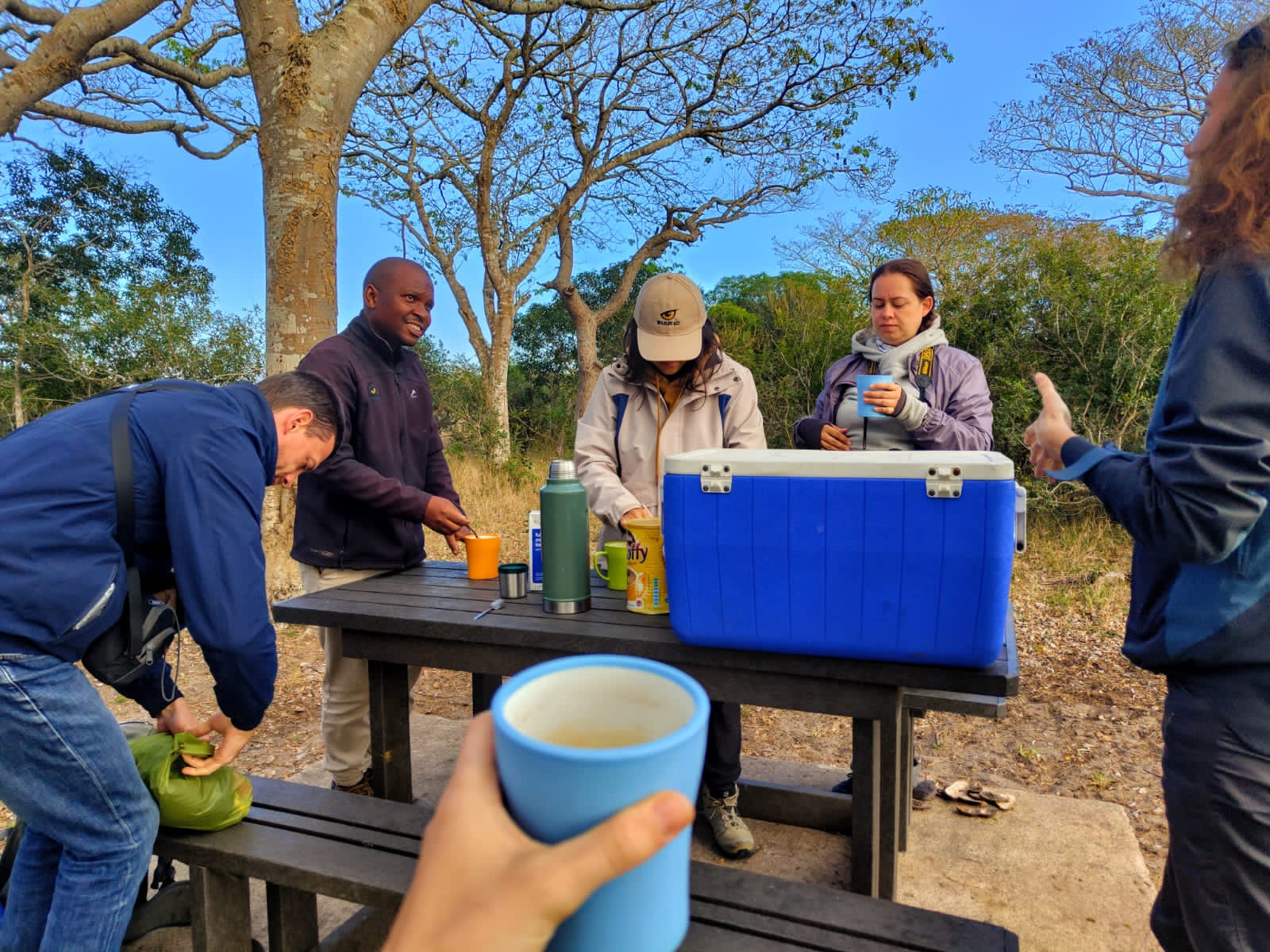
This course is designed for individuals who want to gain a clearer understanding of how conservation works in practice. It is particularly well suited to students studying biology, ecology, environmental science, or related fields who are looking to complement their academic learning with real-world field experience. Many participants join during or after their studies.
The course also attracts graduates and early-career conservationists building practical skills. It welcomes individuals exploring a transition into conservation from related disciplines. What brings this group together is a shared interest in learning, curiosity about applied conservation, and a willingness to engage with both the scientific and operational aspects of the field.
No prior field experience is required. While a basic understanding of conservation or ecology can enhance the learning experience, it is not a prerequisite. You should have a strong interest in wildlife, a reasonable level of physical fitness, and a willingness to work as part of a team.
Participants must be physically capable of spending several hours each day in the field. Early starts, heat, and dust are part of the routine. English is the language of instruction. You must be comfortable communicating, writing, and receiving instruction in English. This is essential for safety and full participation.
A comprehensive information pack is provided before arrival. It includes guidance on essential items such as walking boots, long trousers and sleeves, a sunhat, warm layers for early mornings, and sun protection.
What Are the Operational Logistics of the Course?
The program operates as a 28-day residential course with set start and end dates throughout the year. Each intake is limited to a maximum of five participants. This ensures a focused learning environment and meaningful access to both fieldwork and instruction. Participants must commit to the full duration. Late arrivals and early departures are not permitted.
The course begins and ends in Richards Bay. Participants arrange their own travel to the designated meeting point. Wildlife ACT staff provide transport from the meeting point to the protected area. Return transport is provided on the final day.
Because the course follows a structured schedule and operates with small group sizes, availability can be limited. This is particularly true during peak academic periods. It is recommended to plan ahead and secure a place in advance where possible.
Upon arrival at the research camp, everyone undergoes a structured orientation. This covers camp rules, safety procedures, the course schedule, and the ethical standards that guide field operations.

How Are Participants Evaluated and Certified?
Participants earn a Wildlife ACT Certificate of Participation by meeting the standards set for field performance, data collection, and engagement with the course material. Although this is a non-accredited program, it is delivered to professional standards and requires full participation.
At the start of the program, each participant receives the Conservation Handbook and the research and methodologies workbook. These serve as both learning guides and long-term references. Evaluation is based on field performance, contribution to data collection, and completion of written and oral exercises. Facilitators provide weekly feedback to guide your progress.
Upon successful completion, Wildlife ACT issues a Certificate of Participation. This document confirms your attendance and outlines the modules covered. It acts as a record of practical training for portfolios and academic applications.
Testimonial:
I recently completed the 4-week CTC course with Wildlife ACT and found it to be brilliant. Having worked in conservation in the UK, Alaska, and now New Zealand, I was impressed with the selection of interesting subjects that were covered. The days were spent monitoring Endangered species on Hluhluwe-iMfolozi Park and attending lectures in the classroom. The course leaders were knowledgeable and helpful, and the food and accommodation were good. We also saw amazing wildlife! I'd highly recommend this course, whether you have a conservation background, or are simply interested in learning about the fauna and flora of South Africa, you won't be disappointed! Mark Davies, New Zealand
Frequently Asked Questions About the Conservation Training Course
What certification will I receive after the course?
You receive a Certificate of Participation issued by Wildlife ACT. It documents your field-based training and outlines the modules completed. While non-accredited, many participants use it to support portfolios, CVs, and academic applications.
Do I need a background in science to join?
No. A background in biology or ecology is beneficial but not required. You need a strong interest in wildlife, reasonable fitness, and a willingness to work in a team. The curriculum builds skills progressively regardless of academic background.
Where will I stay during the training?
You stay at the Hluhluwe Research Camp within the protected area. Accommodation consists of simple twin rooms with shared facilities. The camp is solar and generator powered.
What species will I likely encounter?
Monitoring focuses on Endangered and Priority Species such as the African Wild Dog, Cheetah, Lion, and Vulture. Species encounters vary depending on conservation priorities and conditions in the protected area.
Is the course suitable for international participants?
Yes. The course welcomes participants from around the world. It is an approved study abroad program for University of Illinois Urbana-Champaign students. English is mandatory for all instruction and safety briefings.
How does this course differ from volunteering?
The course follows a structured curriculum with lectures, assignments, and evaluations. Volunteering focuses on supporting ongoing field operations. Many participants complete both, starting with the course and continuing into a volunteer program.
What should I pack for the course?
A comprehensive information pack is provided before arrival. Essential items include walking boots, long trousers and sleeves, a sunhat, warm layers, sun protection, a headlamp, and insect repellent.
Will I have access to Wi-Fi?
Internet connectivity is limited and unreliable. Mobile reception is intermittent. This environment supports full immersion in the learning experience.
Does the course include meals?
Meals are self-catered. Basic food supplies are provided weekly. The camp includes a communal kitchen for team use.
How do I get to the training camp?
The course begins and ends in Richards Bay. You arrange your own travel to the meeting point. Wildlife ACT staff provide transport to the protected area. Detailed instructions are shared upon acceptance.
Can I combine this course with a volunteer program?
Yes. Many participants continue into a Wildlife ACT volunteer program after completing the course. This allows you to apply what you have learned in a longer-term, field-based context.
What Is the Lasting Impact of This Conservation Training Course?
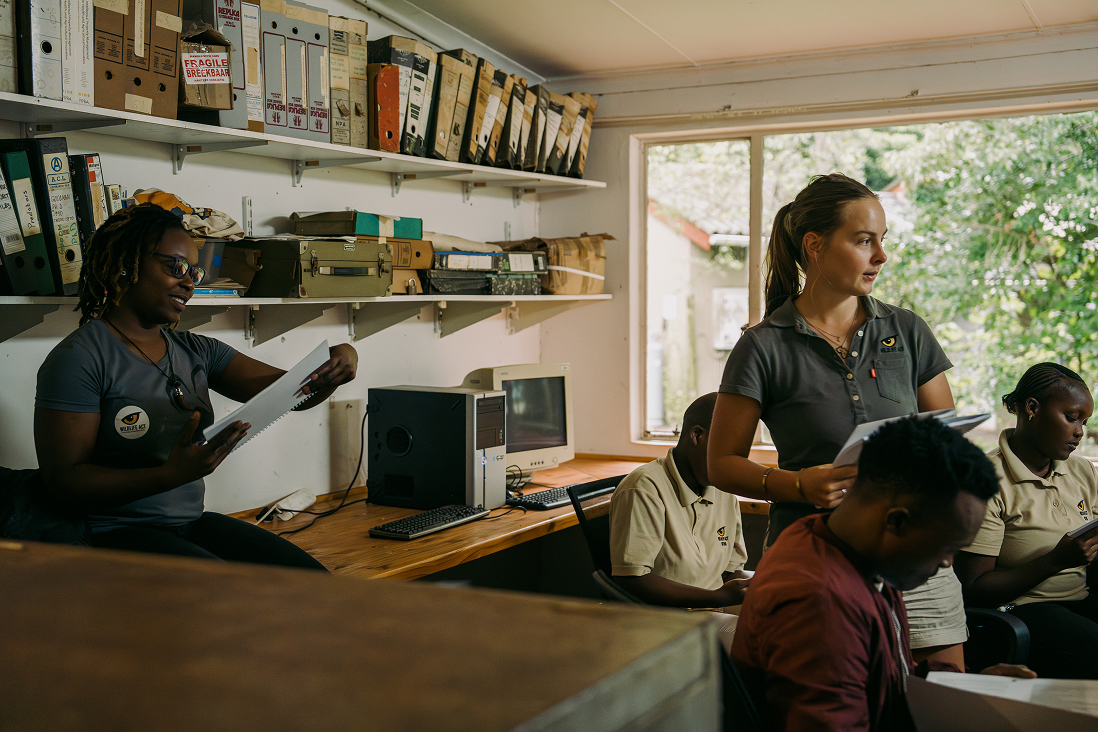
The African Wildlife Conservation and Habitat Management Course directly supports Wildlife ACT's mission to protect Endangered and Priority Species and build a stronger conservation community. Every participant contributes to ongoing species monitoring and habitat management within Hluhluwe-iMfolozi Park.
Participants leave with a Certificate of Participation backed by 16 years of operational expertise. They carry field-tested skills in telemetry, camera trapping, data collection, and species identification. The course also creates mentorship opportunities for Wildlife ACT's professional monitoring staff.
Some past participants have continued on to postgraduate study, internship placements, or field positions in conservation. Many graduates remain connected through the alumni network. They choose to support Wildlife ACT's Community Conservation and Human-Wildlife Coexistence Programmes. Alumni frequently describe the experience as one that shifted their perspective on conservation and personal responsibility.
This conservation training course builds a global network of informed conservation allies. Your journey begins here.
How Do You Apply for This Conservation Training Course?
If you are looking to better understand how conservation works in practice, this course offers a clear and structured starting point. Apply online to begin the application process. The reservations team will guide you through available dates, course details, and any questions about preparing for the program.
Because the course operates with a maximum of five participants and follows set monthly blocks, availability can be limited. It is recommended to plan ahead and secure a place early, particularly during peak academic periods.
For students, this course can be taken as a standalone learning experience or combined with a volunteer program before or after completion. This allows you to build both a strong theoretical foundation and extended field exposure over time.
Successful applicants receive an information pack with packing requirements and arrival logistics for Richards Bay. Please contact the team for guidance on medical requirements or visas.
We look forward to welcoming you to the Hluhluwe Research Camp for the benefit of our Endangered and Priority Species.
References
- Ezemvelo KZN Wildlife. (2024). KZN Wildlife. https://www.kznwildlife.com/
- University of Illinois Urbana-Champaign. (n.d.). Wildlife conservation and habitat management in South Africa. My Study Abroad. https://app.studyabroad.illinois.edu/index.cfm?FuseAction=Programs.ViewProgramAngular&id=11960
- Wildlife ACT. (2026). Endangered and priority species conservation. https://www.wildlifeact.com/about-wildlife-act/endangered-and-priority-species-conservation
- Wildlife ACT. (2026). Wildlife conservation training courses. https://www.wildlifeact.com/courses/conservation-training-courses
- Wildlife ACT. (2026). Is this wildlife conservation course right for you? A practical guide for science and biology students. https://www.wildlifeact.com/blog/is-this-wildlife-conservation-course-right-for-you-a-practical-guide-for-science-and-biology-students
.jpeg)