A responsible wildlife tourism experience can be recognised by a handful of clear standards, and every one of them can be checked before you book. The programmes worth supporting keep wildlife wild and free from human handling, place qualified conservationists in charge of the work, operate in partnership with recognised conservation authorities, and are open about where every visitor’s money goes. They also make sure the people living alongside protected areas share in the benefits. When these elements are in place, tourism becomes one of the most dependable sources of support available to conservation.
Wildlife sits at the centre of travel to southern Africa. The Southern Africa Tourism Services Association (SATSA) describes wildlife tourism as the foundation of the region’s tourism industry, and argues that places where visitors can still experience nature in its natural state will become more valuable as wild spaces grow scarcer elsewhere. The decisions travellers make before they book therefore help determine whether their money protects species and landscapes or supports industries that exploit them.
Ecotourism and how it differs from traditional tourism
Traditional, or mass, tourism is largely built around the visitor, with resorts, fixed itineraries, and attractions packaged for convenience and volume. Nature is often part of the appeal, but the long-term health of the environment and the wellbeing of the people living in it are seldom the organising principle.
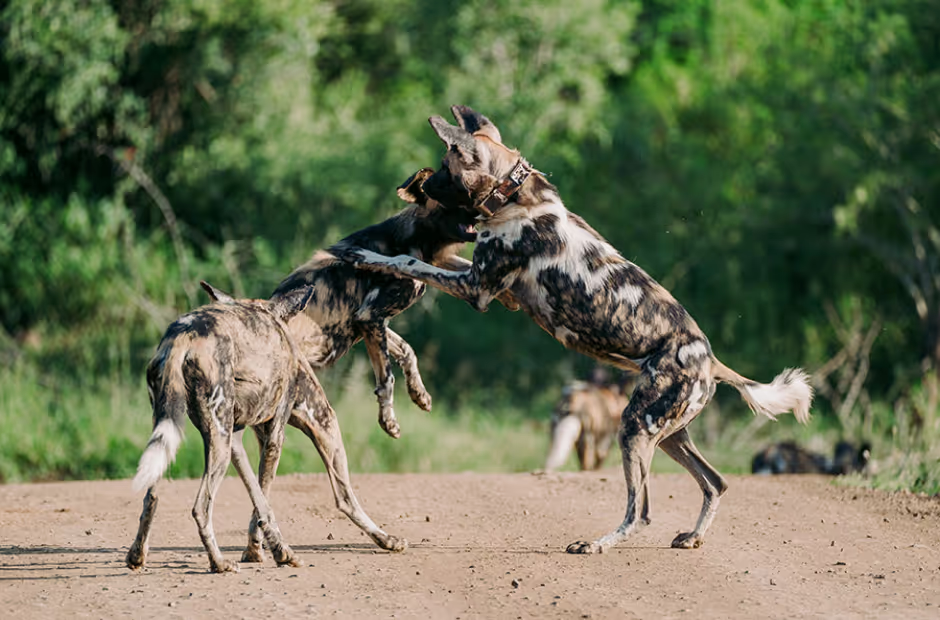
Ecotourism grew in prominence during the 1980s as a response to rapid resort development, when conservationists argued that intact, wildlife-rich ecosystems were themselves the attraction worth protecting. One of the most widely used early definitions came from Mexican architect and environmentalist Héctor Ceballos-Lascurain, who later broadened it to include promoting conservation, keeping visitor impact low, and involving local people in the economic benefits. The IUCN adopted this expanded definition in 1996.
The Global Sustainable Tourism Council (GSTC) treats ecotourism as a niche segment of tourism in natural areas. Drawing on the UN World Tourism Organization’s definition, it describes ecotourism as travel motivated mainly by observing and appreciating nature and traditional cultures, with education and interpretation built into the experience and small groups as the norm. Ecotourism should also reduce harm while generating income, employment, and awareness that help sustain the natural areas people come to see. The GSTC separates this from sustainable tourism, an aspiration that applies to every kind of travel, and from responsible travel, which describes the choices individual travellers make.
Why Wildlife ACT describes its work as responsible tourism
Because the word ecotourism is catchy and carries a caring, green image, it has often been claimed by businesses that are simply rural, remote, or rustic. Responsible Travel notes that the term is still used to greenwash operations that do little for people or place. Responsible tourism starts from a more candid position. It accepts that all travel has positive and negative effects, and asks everyone involved, from operators to individual travellers, to take responsibility for increasing the benefits and reducing the harm.
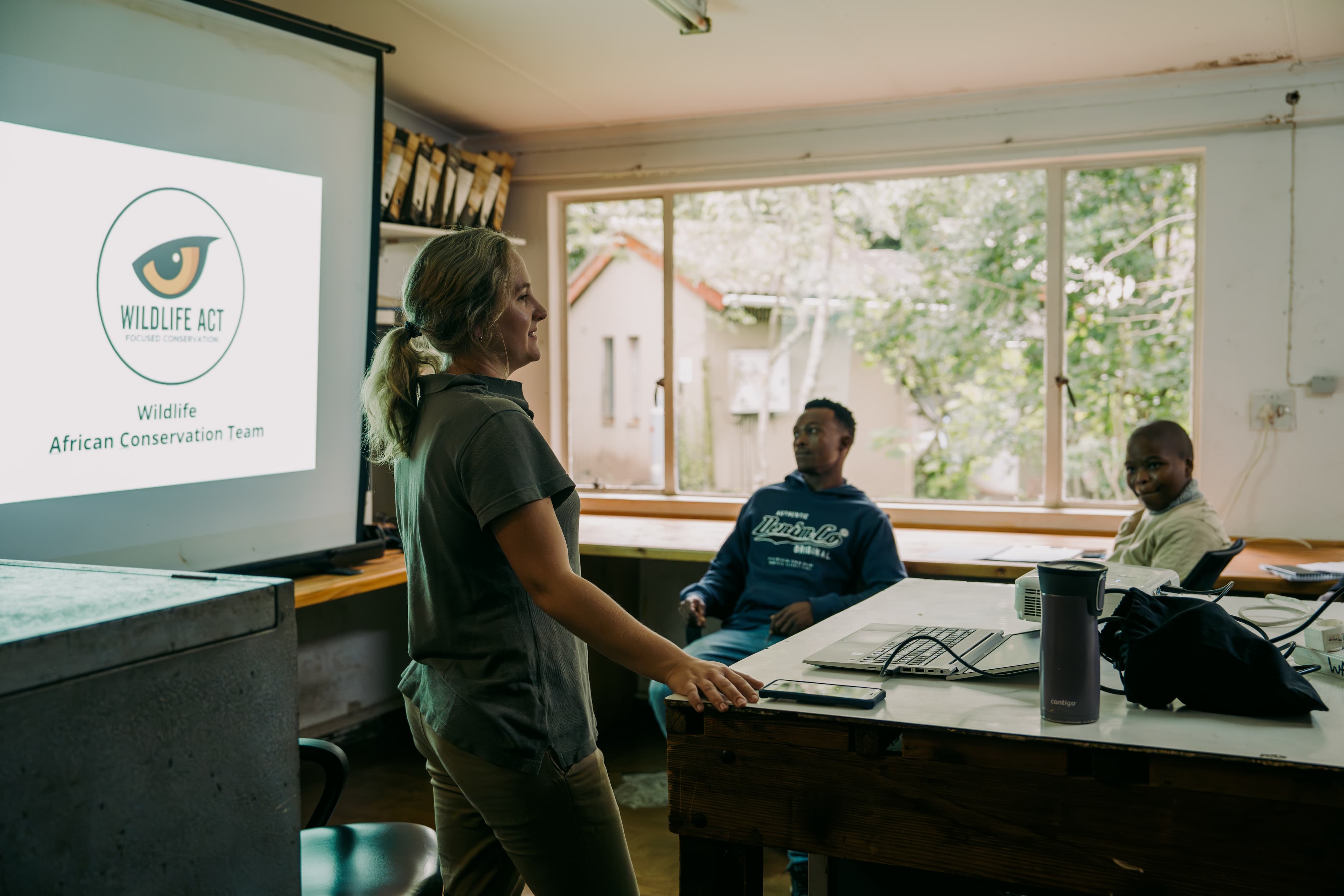
This framing reflects how Wildlife ACT works. Its programmes are measured by conservation outcomes, and the organisation takes responsibility for the footprint of every visitor it hosts, from the number of people in the field to the way data is collected and shared with protected area managers. Wildlife ACT’s Responsible Tourism Policy sets out the standards behind this approach.
Why responsible and ethical tourism matters
The first reason is the welfare of individual animals. SATSA’s guidelines for captive wildlife attractions are built on the principle that the interests of animals should never be placed below the benefits humans gain from them. This Integrative Approach, developed by Professor David Bilchitz and rooted in African philosophy, including Ubuntu, holds that respect for individual animals is essential to the survival of the species as a whole.
The second reason is people. The traditional ecotourism motto of leaving only footprints was designed to protect plants and animals, yet it overlooked the communities who have been custodians of these landscapes for generations. Lasting conservation depends on understanding local land use, economic needs, and culture, and Wildlife ACT has long held that conservation is only sustainable when neighbouring communities benefit from the natural heritage around them.
The third reason is money. Every booking funds something, whether that is professional monitoring of Endangered species in a proclaimed protected area or a facility that breeds animals for human interaction. Responsible tourism makes that choice a conscious one.
How to choose a programme that prioritises responsible tourism
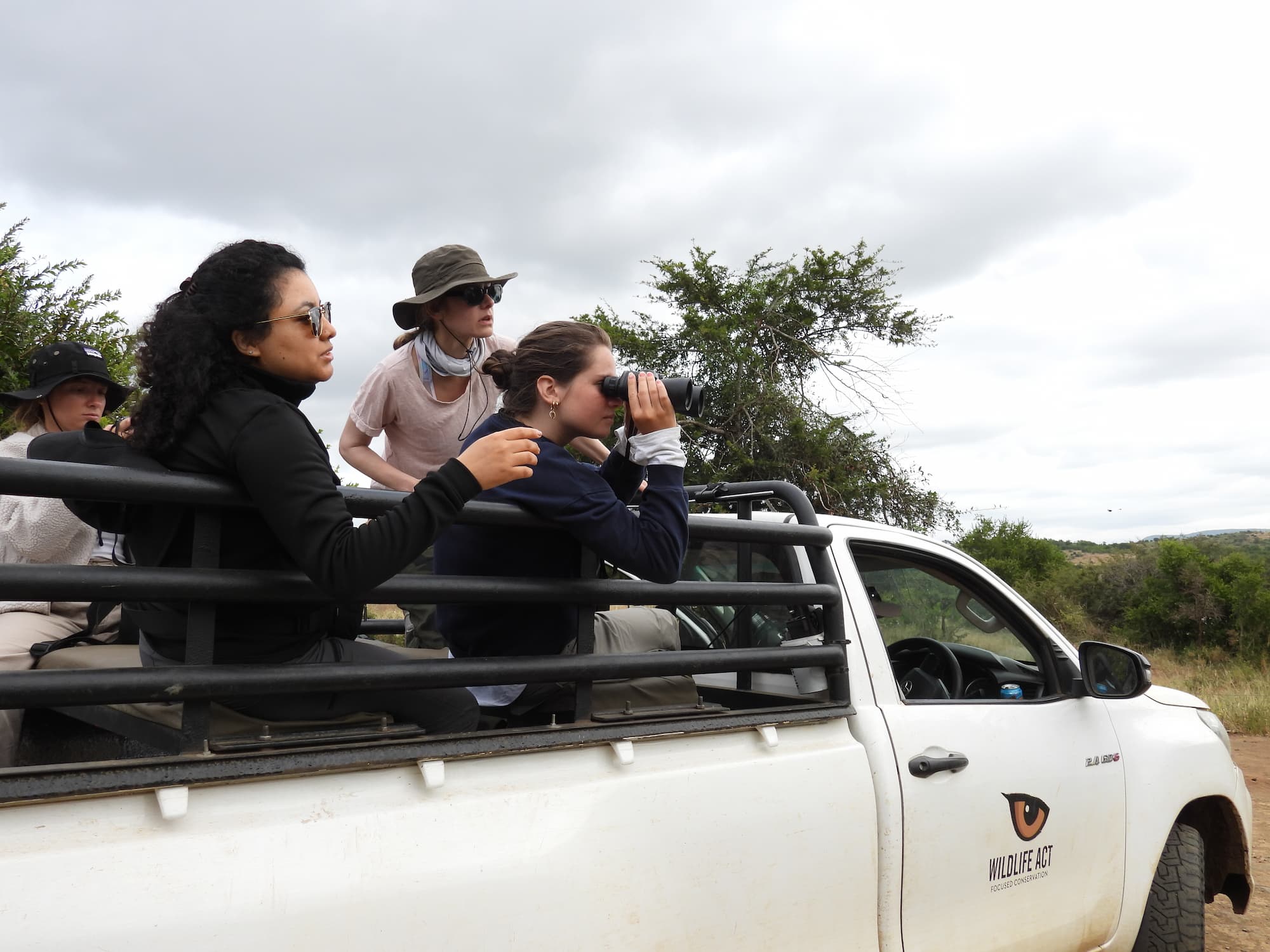
Start by looking at who leads the work. Ethical programmes are run by qualified conservation professionals, with visitors assisting these experts rather than standing in for them. Ask which conservation authorities, research institutions, and partner organisations the programme works with, and whether those partners are named openly. Wildlife ACT suggests asking whether an organisation has been vetted by an independent party, who has accredited it, whether it has been recognised for responsible practice, and how it reports on what it has achieved.

Next, ask what the work involves and why it is needed. Genuine conservation activities have a clear scientific purpose, such as recording locations, behaviour, and body condition, or maintaining camera trap surveys that feed into long-term datasets. Vague descriptions like “caring for the animals” suggest the programme lacks that purpose.
Group size and length of stay matter too. Smaller teams allow visitors to take part in real field operations and place less pressure on the environment, and longer stays tend to produce deeper engagement than a rapid rotation of short visits. Wildlife ACT encourages people to travel less often and stay longer when they do.
Finally, ask where your money goes. Responsible Travel recommends asking about an operator’s long-term goals, what it has already achieved, and whether your placement might take work away from a local person. For captive wildlife facilities in South Africa, WildChoices assesses operators against the SATSA guidelines and publishes a support recommendation for each. Its assessment of 203 facilities found that only 42.9% fall into the Support category.
Red flags in wildlife tourism
Greenwashing
Greenwashing describes environmental or ethical claims that are not backed by evidence. Warning signs include words like “eco”, “sustainable”, or “sanctuary” used without explanation, generic references to partners that are never named, and impact claims without figures or context. UK consumer law now penalises companies that make sustainability claims they cannot support, and travellers can apply the same test by asking for evidence.
SATSA’s guidance is especially useful here, because it judges a facility on the activities it offers rather than on how it describes itself. A facility may call itself a sanctuary, but a true sanctuary does not breed or trade animals, stage performances, or allow the public to touch or walk with the animals in its care. Ethical conservation organisations are also careful about the limits of their impact. They avoid saviour narratives, inflated success stories, and guaranteed outcomes, because wildlife behaviour and conservation results cannot be promised in advance.
Hands-on experiences with wildlife
Lion cub petting, walking with Lions, and riding Elephants are among the clearest red flags in wildlife tourism. SATSA classifies tactile interactions with any infant wild animal, walking with predators or Elephants, riding wild animals, touching predators, and animal performances as unacceptable. Cubs used for petting must be removed from their mothers, a process that is highly stressful for both. Animals used for walks or rides must be trained to accept an unnatural activity, often through harmful methods, and the guidelines find no educational or conservation value in these activities that could not be achieved in better ways. SATSA’s ethical framework gives riding an Elephant for pleasure as an example of use that remains unjustified even when the income pays for the herd’s care.
The origins and fate of these animals are part of the problem. Voice4Lions co-founder Sarah Dyer, who volunteered at a captive Lion facility before learning about the industry, explains that there is no conservation benefit in volunteering with Lions bred in captivity. She notes that captive Lionesses can be bred several times a year, compared with roughly every two years in the wild, and that Lions grown too large for interaction may be sold for hunting, further breeding, or the bone trade. Cubs handled by visitors can go on to become targets in canned hunting, where captive-bred animals are released into fenced areas to be shot. Research cited by SATSA has found that breeding Lions in captivity in South Africa has no conservation value. Close contact also carries risks for people, including bites, scratches, and diseases that can pass from animals to humans.
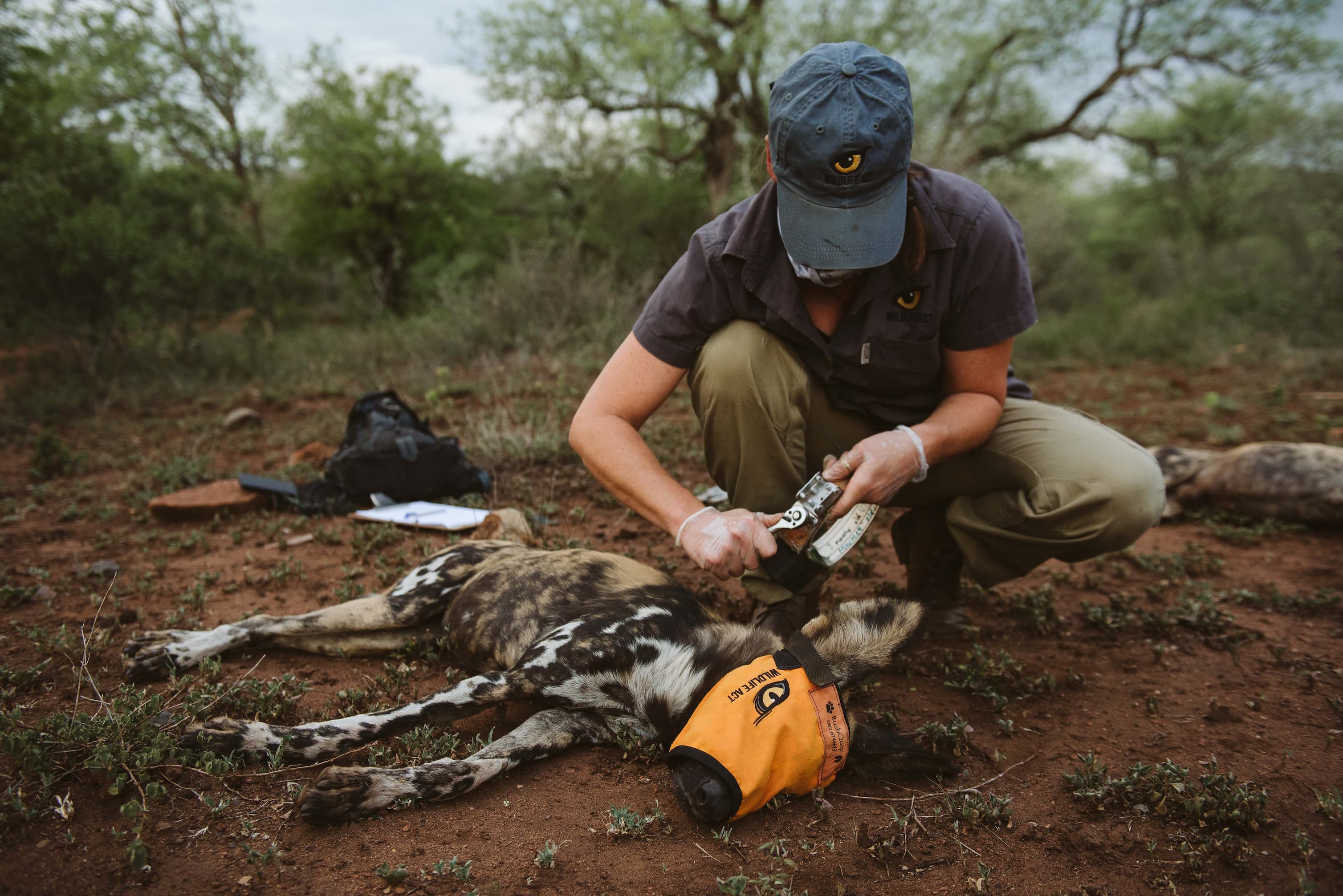
Wildlife ACT has campaigned alongside Blood Lions against the captive Lion industry since the release of the organisation’s documentary, and applies a strict no-contact approach to all wildlife. The only exceptions are essential conservation interventions, such as collaring or dehorning, carried out by professionals under the guidance of provincial and national authorities.
How conservation and tourism support one another
When tourism is designed around conservation needs, each strengthens the other. Wildlife ACT is structured as two linked operations, with a tour operator that brings volunteers and ecotourists into the field and a registered non-profit trust that carries out the conservation work. Volunteer fees cover the running costs of professional monitoring, including vehicles, fuel, specialised tracking equipment, and the salaries of permanent field staff. This model allows Wildlife ACT to provide monitoring services free of charge to under-resourced protected areas, and it has done so since 2008.
The data collected in the field is shared with protected area managers and conservation authorities to inform real-time decisions about species such as African Wild Dogs, Cheetahs, Vultures, and Black Rhinoceros. Daily monitoring also works as an early warning system, helping teams detect snares or injuries quickly enough for a veterinary response.
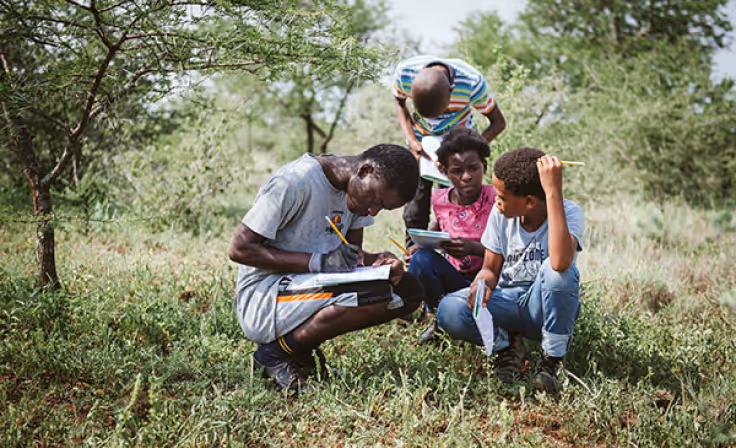
Responsible tourism reaches beyond wildlife. The judges of the 2023 WTM World Responsible Tourism Awards, where Wildlife ACT took first place for Best Nature-Positive Tourism, also recognised its community conservation work, which focuses on improving access to protected areas and highlighting economic opportunities in the conservation sector for people living nearby. Through its Community and Coexistence Programme, Wildlife ACT’s work has included conservation lessons in schools, bush camps for children, and a rapid response when conflict between people and wildlife arises. The same model earned Gold for Best Nature-Positive Tourism at the WTM Africa Responsible Tourism Awards earlier in 2023, following second place in the Best for Wildlife category at the 2018 World Responsible Tourism Awards. When Wildlife ACT received a Silver Award at the 2017 African Responsible Tourism Awards, the judges noted that volunteering tourists can contribute to conservation responsibly when they are professionally managed.
Responsible volunteering and the red flags to watch for
Voluntourism, the combination of volunteering and travel, has become a widely used term for people who want to give their time and funds to something meaningful. It has also become closely associated with programmes that do more harm than good, particularly in the wildlife sector. Wildlife ACT’s own volunteer model is a form of conservation-based tourism, and its awards recognise that model. What sets responsible volunteering apart is the way the programme is designed and led.
Responsible volunteering programmes expect to vet their volunteers, and Responsible Travel advises against taking on any task abroad that you would not be allowed or qualified to do at home. Be cautious of programmes where volunteers replace local staff, where short placements rotate through at high volume, or where there is no clearly qualified professional leadership. SATSA’s guidance also suggests asking whether animals are kept, bred, or traded to support a volunteering programme, which is a strong sign that the programme exists for its volunteers rather than for the animals.
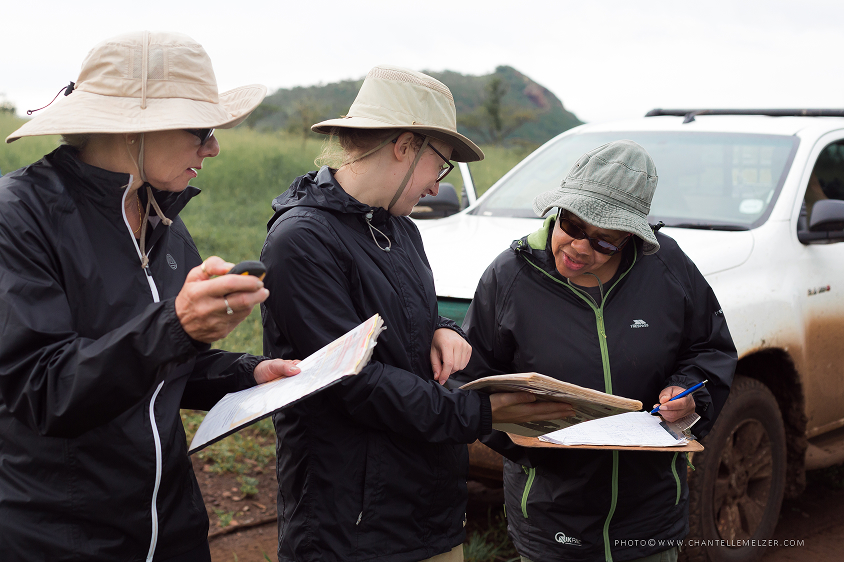
Ethical conservation volunteering follows a different pattern. Volunteers are integrated into conservation work that would continue without them, and their presence adds monitoring capacity where it is most needed. The work is often repetitive and depends on early mornings and patience, and its value builds over time through consistent, accurate data.
How Wildlife ACT’s programmes put responsible tourism into practice
Each Wildlife ACT programme applies the same principles in a different landscape, with small teams, professional oversight, and conservation needs guiding every day in the field.
Endangered Species Volunteer Program in Zululand
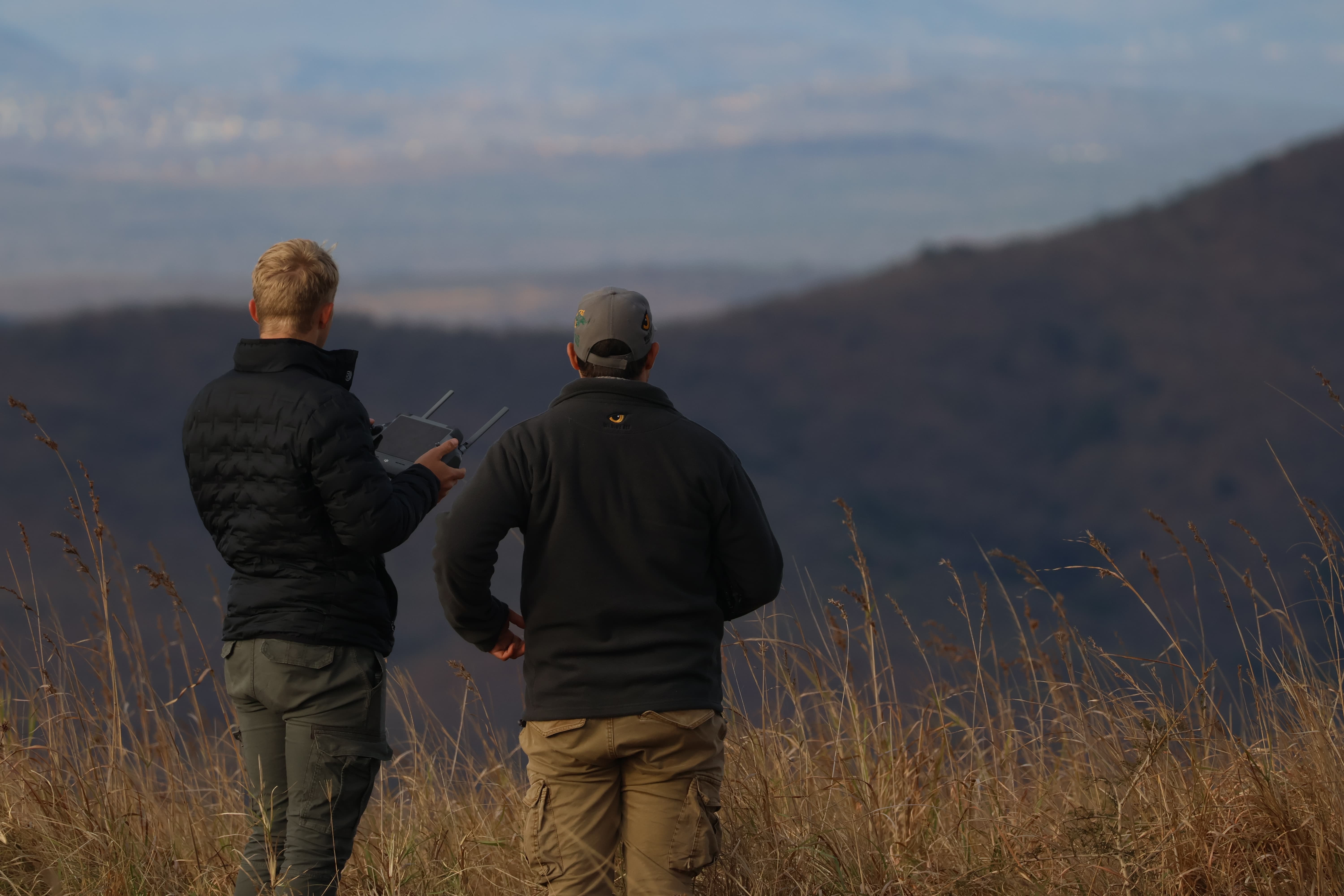
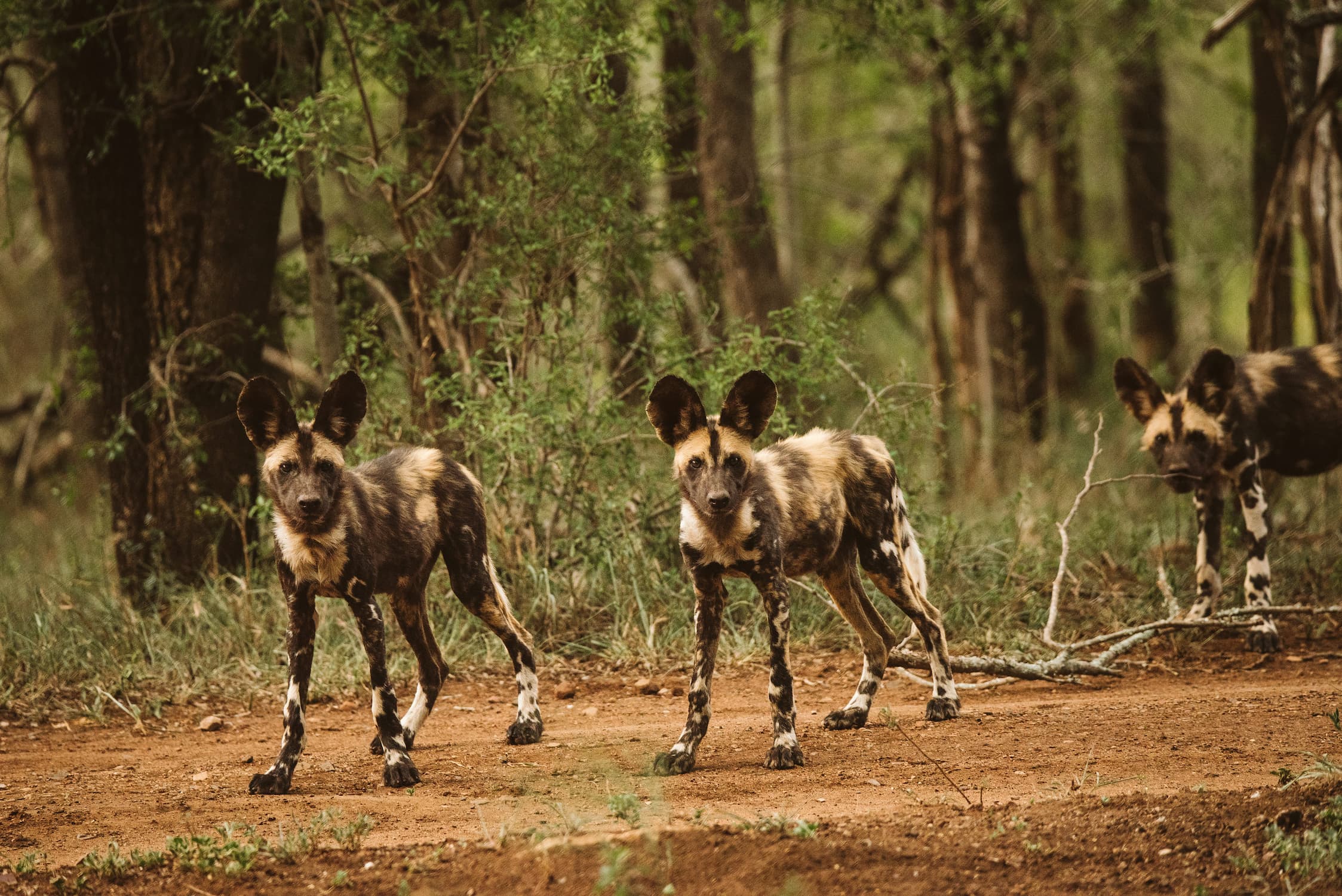
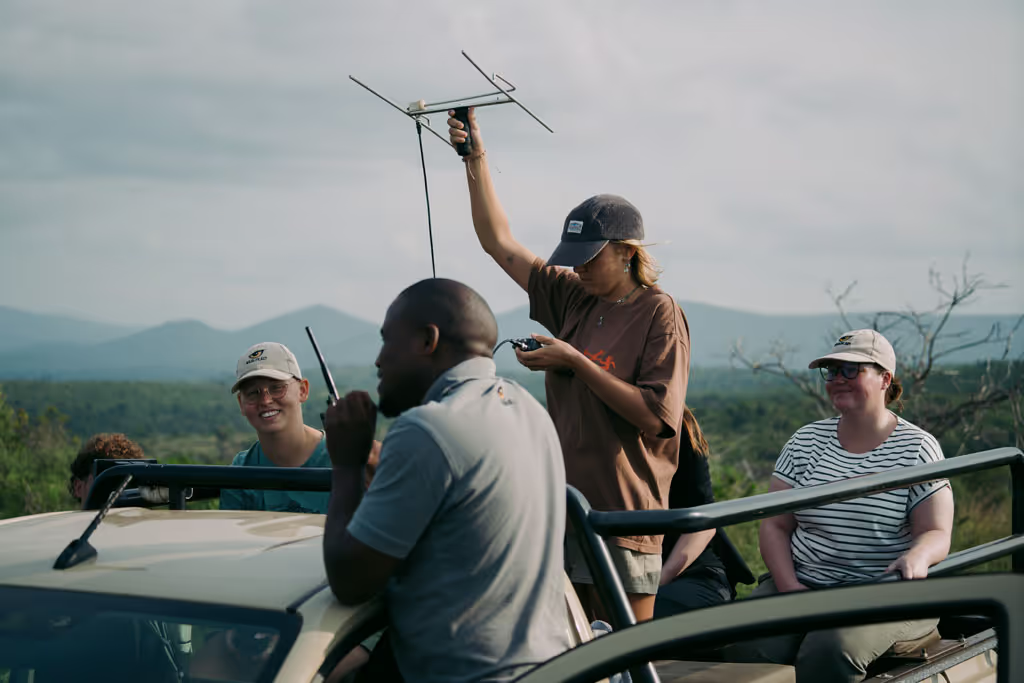
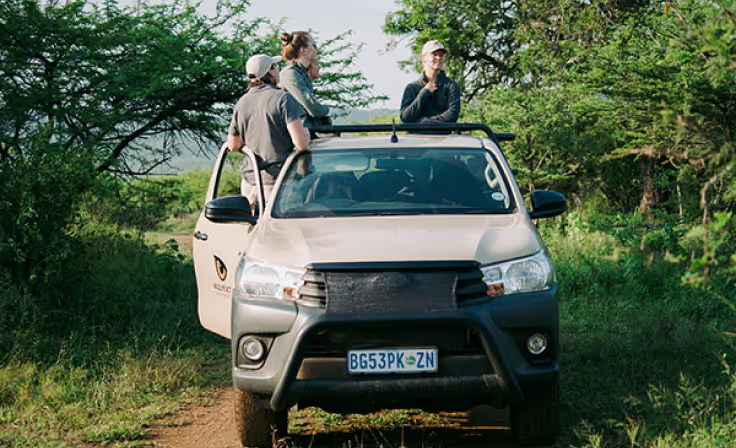
The Endangered Species Volunteer Program operates in the Hluhluwe and iMfolozi sections of Hluhluwe-iMfolozi Park and in Manyoni Private Game Reserve, where Wildlife ACT is contracted by protected area management to provide professional monitoring. Volunteers join a field team led by a Priority Species Monitor, helping to locate and monitor African Wild Dogs, Cheetahs, Black Rhinoceros, Lions, and Vultures using specialised tracking technology, camera traps, and direct observation. A maximum of six volunteers are placed at each site, stays begin at two weeks, and all work follows the no-contact principle within wild, proclaimed protected areas.
Southern Drakensberg Conservation Programme
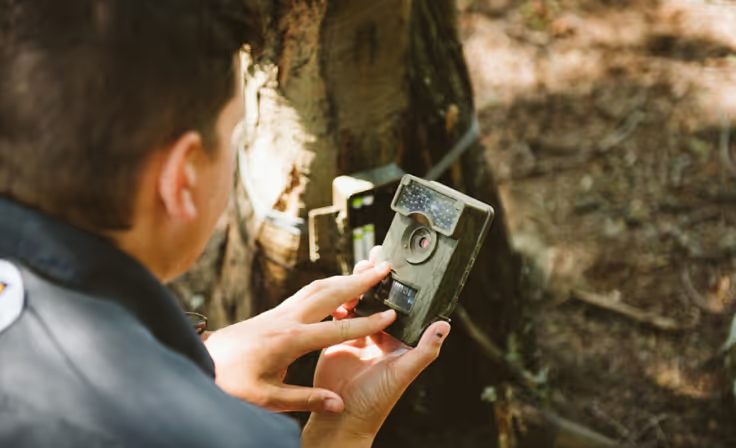
The Southern Drakensberg Conservation Programme focuses on cliff-nesting Vultures in and around the Maloti-Drakensberg Park World Heritage Site, including the Regionally Critically Endangered Bearded Vulture and the Vulnerable Cape Vulture. Volunteers observe nest sites from distant vantage points so that breeding pairs are not disturbed, help maintain the Vulture-safe feeding site at the Mzimkulu Vulture Hide, and support a long-term camera trap survey across the landscape. The work is carried out in collaboration with the Drakensberg Conservation Initiative and Ezemvelo KZN Wildlife, with research support from the University of KwaZulu-Natal, and no more than three volunteers join the team at a time.
Marine and Coastal Conservation Programme in the Seychelles
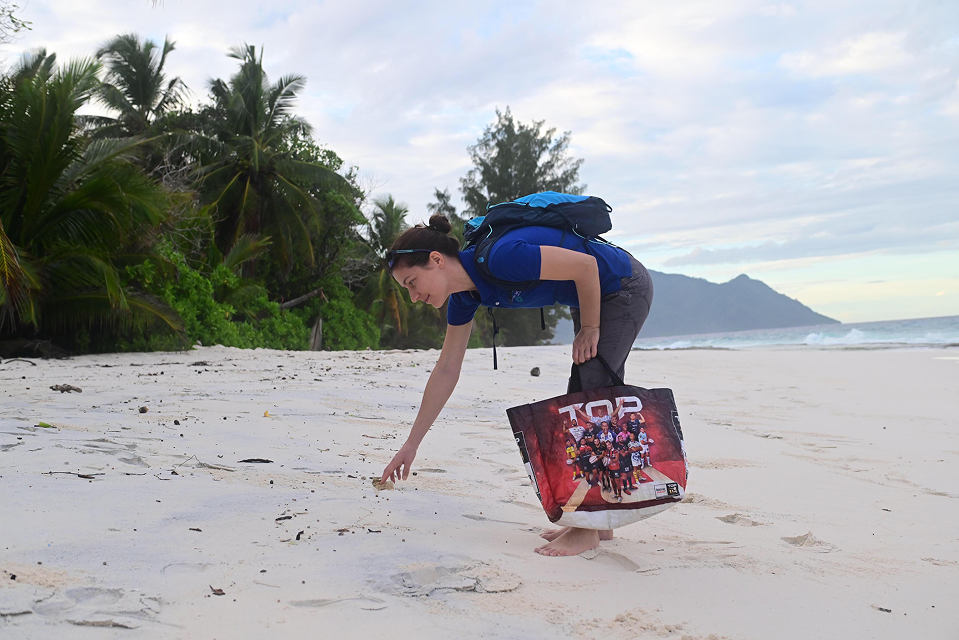
On North Island, ecotourists support the island’s Environmental Department as part of the Noah’s Ark Project, a long-term effort to restore the island’s terrestrial and marine ecosystems. The Marine and Coastal Conservation Programme centres on the protection of the Critically Endangered Hawksbill Turtle and the Green Turtle, with ecotourists joining beach patrols, nest protection, and data recording, alongside snorkel-based reef surveys, invasive species control, and indigenous planting. No more than four ecotourists are on the island at any time. There are no captive interactions or staged encounters, and the programme is honest that nesting activity and sightings cannot be guaranteed.
African Wildlife Conservation and Habitat Management Course
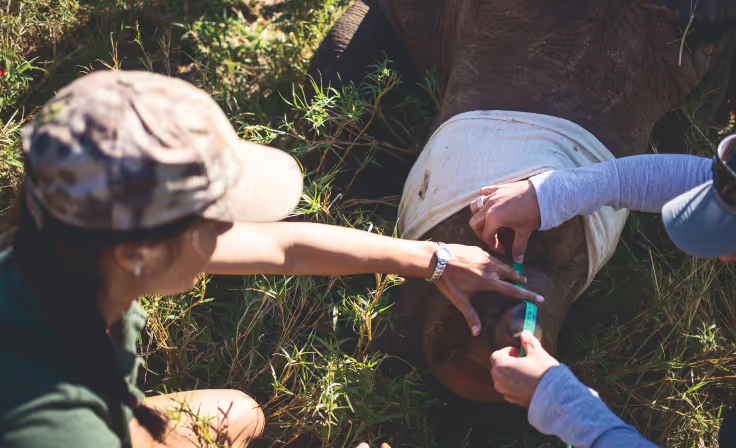
The African Wildlife Conservation and Habitat Management Course is a 28-day, field-based training programme in Hluhluwe-iMfolozi Park, developed from the framework Wildlife ACT uses to train its own conservation staff. A maximum of five participants join Wildlife ACT’s active monitoring teams while completing 10 formal lectures covering subjects such as animal behaviour, camera trapping, wildlife crime, and community conservation. Practical habitat management, including vegetation surveys and erosion control, gives participants a realistic picture of how protected areas are managed.
Endangered Wildlife Safari
For travellers who would like to support conservation without committing to a volunteer placement, the Endangered Wildlife Safari offers a stay of up to five days in Manyoni Private Game Reserve, a 23,000-hectare protected area formed by 17 private properties and first established to protect Black Rhinoceros under the WWF Black Rhino Range Expansion Project. Guests join Wildlife ACT’s conservation team for endangered species monitoring sessions and camera trap work linked to the provincial Leopard Survey, which Wildlife ACT conducts with Ezemvelo KZN Wildlife, iSimangaliso Wetland Park, and Panthera. Guests may also join the team during a Rhino dehorning operation, an anti-poaching measure carried out by professionals. Activities are adapted to the needs of the reserve at the time, groups range from two to eight people, and every booking includes a donation that funds Wildlife ACT’s monitoring, anti-poaching, and habitat protection work.
Frequently asked questions about responsible wildlife tourism
What is the difference between ecotourism and responsible tourism?
Ecotourism is a niche form of travel to natural areas, centred on appreciating nature, education, and small groups. Responsible tourism is a broader approach that applies to every kind of travel, asking operators and travellers to take responsibility for increasing the positive effects of tourism and reducing the harm it causes.
Is Lion cub petting ethical?
SATSA classifies touching or handling any infant wild animal, including Lion cub petting, as unacceptable. Cubs used for petting are removed from their mothers, and captive-bred Lions are often later used for breeding, hunting, or the bone trade. Research has found no conservation value in breeding Lions in captivity in South Africa.
Is walking with Lions or riding Elephants ethical?
SATSA classifies both activities as unacceptable. Training for walks and rides often involves harmful methods, the individuals involved have no choice about taking part, and the guidelines find no educational or conservation value in these activities that cannot be achieved in better ways.
How can I tell if a wildlife sanctuary is genuine?
A genuine sanctuary does not breed or trade wildlife, stage performances, or allow visitors to touch or walk with the individuals in its care. Wildlife in a true sanctuary is there because it was sick, injured, orphaned, rescued, or abandoned, and it is either given a permanent home or returned to the wild through a recognised conservation programme. WildChoices publishes support recommendations for captive wildlife facilities in South Africa.
How do I know if a wildlife volunteer programme is ethical?
Look for a programme led by qualified conservation professionals and run in partnership with recognised conservation authorities, with small group sizes, a clear scientific purpose behind each task, and a no-contact approach to wildlife. Ethical programmes are open about how volunteer fees are used and do not promise guaranteed sightings or close encounters.
Can I support conservation without volunteering?
Travellers can support conservation on a shorter stay through a conservation-focused safari. Wildlife ACT’s Endangered Wildlife Safari brings guests into the field alongside its conservation team for up to five days, and each booking includes a donation to Wildlife ACT’s monitoring and protection work.
Making a responsible tourism choice
Responsible tourism asks travellers to look beyond the photograph to the purpose behind the experience. Before booking, ask who leads the work, what it contributes to, how wildlife is treated, and where the money goes, and let the answers guide the decision. Programmes that pass this test give visitors a meaningful way to support conservation while making sure that the species they came to see remain wild.
To find out more about joining one of Wildlife ACT’s conservation programmes, explore the options and apply online.
References
Dyer, S., ‘Volunteering with Lions: What You Should Know’, Learning Service, 14 January 2020, https://learningservice.info/volunteering-with-lions-what-you-should-know/ (accessed 25 September 2026).
Global Sustainable Tourism Council, ‘Ecotourism and Sustainable Tourism’, GSTC, https://www.gstc.org/ecotourism/ (accessed 25 September 2026).
Mack, C., ‘Ecotourism, Ethical Travel and Sustainable Travel’, Responsible Travel, https://www.responsibletravel.com/holidays/responsible-tourism/travel-guide/ecotourism (accessed 25 September 2026).
Mack, C., ‘Responsible Wildlife Tourism in South Africa’, Responsible Travel, https://www.responsibletravel.com/holidays/south-africa-wildlife/travel-guide/south-africa-wildlife-responsible-tourism (accessed 25 September 2026).
Owen, C., ‘Responsible Volunteering in South Africa’, Responsible Travel, https://www.responsibletravel.com/holidays/south-africa-volunteering/travel-guide/responsible-volunteering-in-south-africa (accessed 25 September 2026).
Responsible Tourism Partnership, ‘2023 Wildlife Act: Best for Nature-Based Tourism, South Africa’, Responsible Tourism Partnership, https://responsibletourismpartnership.org/2023-wildlife-act-best-for-nature-based-tourism-south-africa/ (accessed 25 September 2026).
Southern Africa Tourism Services Association, Evaluating Captive Wildlife Attractions and Activities: A Guide and Tool by SATSA (WildChoices), https://www.wildchoices.org/wp-content/uploads/2023/08/SATSA-Captive-Wildlife-Attractions-Activities-Guidelines.pdf (accessed 25 September 2026).
Southern Africa Tourism Services Association, Tool for Assessing Captive Wildlife Attractions and Activities (WildChoices, 2022), https://www.wildchoices.org/wp-content/uploads/2022/02/SATSA_Tool_for_Assessing_Captive_Wildlife_Attractions__Activities.pdf (accessed 25 September 2026).
Whittington, M., ‘Ethical Marine Conservation Volunteering in the Seychelles’, Wildlife ACT, 18 February 2026, https://www.wildlifeact.com/blog/ethical-marine-conservation-volunteering-in-the-seychelles (accessed 25 September 2026).
Whittington, M., ‘How to Plan an Ethical Wildlife Conservation Gap Year in Africa’, Wildlife ACT, 20 February 2026, https://www.wildlifeact.com/blog/how-to-plan-an-ethical-wildlife-conservation-gap-year-in-africa (accessed 25 September 2026).
Whittington, M., ‘Top Volunteer Programs for 2026: Ethical Wildlife Conservation Opportunities Abroad’, Wildlife ACT, 16 January 2026 (updated 7 July 2026), https://www.wildlifeact.com/blog/top-volunteer-programs-for-2026-ethical-wildlife-conservation-opportunities-abroad (accessed 25 September 2026).
Whittington, M., ‘What Ethical Wildlife Conservation Volunteering Looks Like in the Southern Drakensberg’, Wildlife ACT, 20 March 2026, https://www.wildlifeact.com/blog/what-ethical-wildlife-conservation-volunteering-looks-like-in-the-southern-drakensberg (accessed 25 September 2026).
WildChoices, ‘Helping You Make Ethical and Informed Choices about Captive Wildlife Tourism in South Africa’, WildChoices, https://www.wildchoices.org (accessed 25 September 2026).
Wildlife ACT, ‘Model of Responsible Voluntourism: Infographic’, Wildlife ACT, 25 January 2019, https://www.wildlifeact.com/blog/responsible-voluntourism-infographic (accessed 25 September 2026).
Wildlife ACT, ‘Regenerative Tourism: Rethinking Travel to Make a Positive Impact on People and Planet’, Wildlife ACT, 28 September 2022, https://www.wildlifeact.com/blog/regenerative-tourism-make-a-positive-impact-on-people-and-planet (accessed 25 September 2026).
Wildlife ACT, ‘Why Ethical Wildlife Volunteering is Crucial for Conservation’, Wildlife ACT, 23 January 2026, https://www.wildlifeact.com/blog/why-ethical-wildlife-volunteering-is-crucial-for-conservation (accessed 25 September 2026).
.jpeg)