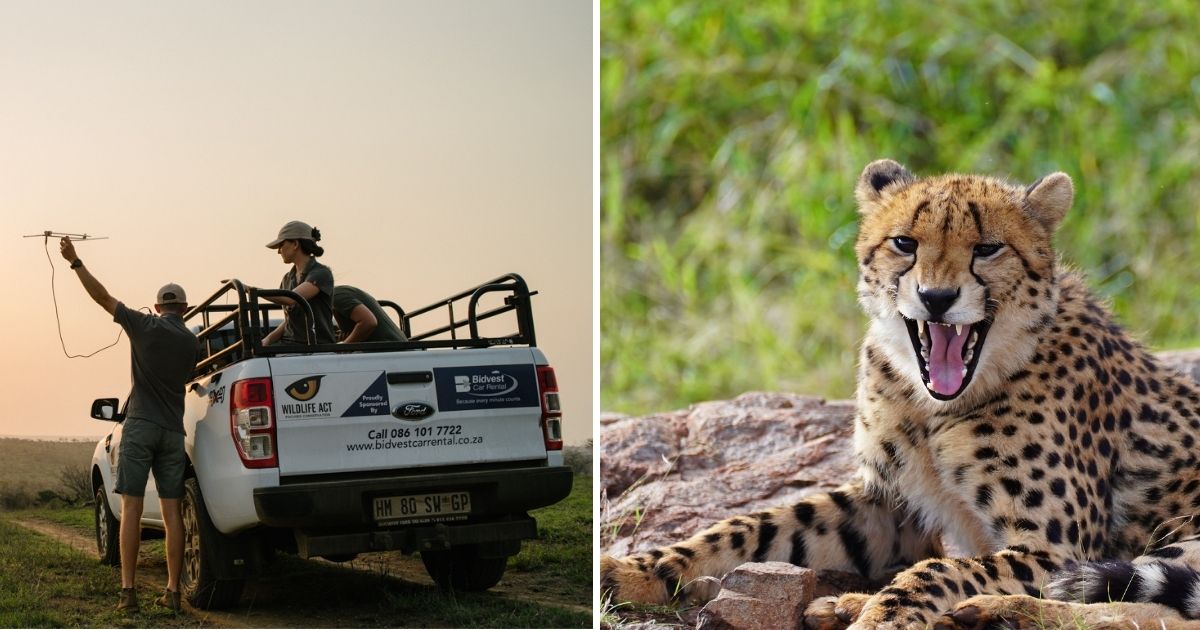
Five everyday changes lower the electricity, fuel, and water a household uses, and with them the carbon dioxide released to supply them. Washing in cold water, shortening showers, sharing rides, eating less meat, and switching off idle devices each target a different part of the household carbon footprint. International Day of Climate Action is observed every year on 24 October, and Wildlife ACT is marking it with five changes any household can easily implement starting today.
What the latest climate records show
According to the World Meteorological Organization (WMO), the 11 years from 2015 to 2025 are the 11 warmest on record, and 2025 was about 1.43 °C above the 1850 to 1900 average. Carbon dioxide in the atmosphere reached its highest level in the last two million years in 2024. The WMO Greenhouse Gas Bulletin recorded a global average concentration of 423.9 parts per million that year, 52% above pre-industrial levels.
Warming reshapes the places and species we depend on. The oceans absorb most of the excess heat, and a warmer climate brings rising seas, more intense storms, and shifting rainfall.
Everyday choices connect to this directly. Carbon dioxide is the largest human-caused driver of climate change, accounting for about 81% of the increase in the warming effect of long-lived greenhouse gases between 1990 and 2024. It is released whenever we generate electricity, burn fuel, or move water and food. One household's contribution is small, and many households acting together shift demand.
Why International Day of Climate Action matters to Wildlife ACT
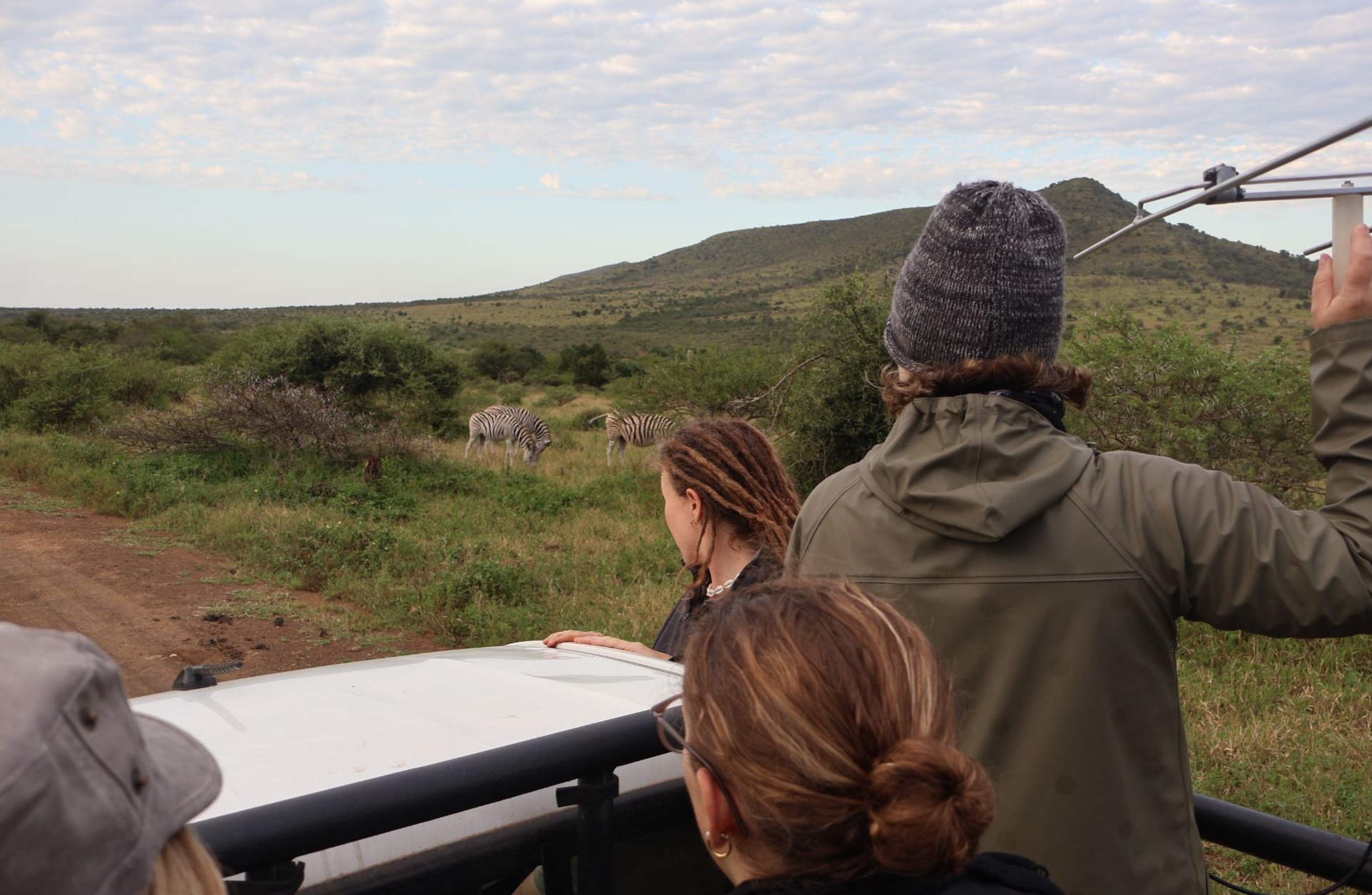
Wildlife ACT is a registered non-profit conservation organisation based in South Africa. Since 2008, it has provided professional monitoring services to protected areas across KwaZulu-Natal and the Seychelles, supporting conservation authorities with real-time data to guide species management and protection. Its vision is Thriving Wildlife, Resilient Ecosystems, and Empowered People, and a warming climate bears on every part of it because it reshapes the habitats that priority species depend on.
Climate change alters the conditions that habitats and the species within them depend on. According to the Intergovernmental Panel on Climate Change (IPCC), the risk of species extinction increases with warming in all projections for native species studied in biodiversity hotspots, and beyond 2 °C of warming by 2100 the risks of local extinction, extinction, and ecosystem collapse escalate rapidly. Zululand, where Wildlife ACT monitors four protected areas, lies within the Maputaland-Pondoland-Albany biodiversity hotspot.
Climate change adds pressure to priority species that already face habitat loss, poisoning, and snaring. Southern Ground Hornbills (Bucorvus leadbeateri) show heat stress above 25 °C and rest in shaded riverine vegetation in hot weather, and mortality from heat and drought is suspected to reduce populations to levels that take decades to recover. The International Union for Conservation of Nature (IUCN) lists drought as an ongoing threat to the African Savanna Elephant (Loxodonta africana), which moves long distances in response to season and drought.
Slow breeding makes added pressure harder to absorb. All six Vulture species in South Africa mature late, live long, and usually raise at most one chick a year, so populations recover very slowly. Southern Ground Hornbills take 8 to 10 years to reach breeding maturity and raise one chick per breeding attempt, which means the loss of adults has a large effect on the population.
Cutting the carbon dioxide released to supply household electricity, fuel, and water addresses the cause of these pressures.
Five measures you can take to lower your households' carbon footprint:
1. Cold washes and sun drying cut household electricity use
Heating the water accounts for about 90% of the energy a washing machine uses, according to the Alliance to Save Energy. A cold cycle removes the largest part of that demand and is gentler on fabrics. Cold-water detergents are formulated to work at lower temperatures, which makes them a practical match for everyday loads.

The same source notes that a machine without load sensors uses the same mechanical energy whether the drum is full or half empty, so washing fewer, fuller loads lowers the total. The hot water management factsheet from Eskom, South Africa's national electricity utility, gives the same guidance for South African households: use the cold setting, wash full loads, and keep hot washes for when they are absolutely necessary.
Drying clothes outdoors uses no electricity, whereas a tumble dryer ranks among the most energy intensive appliances in the home. A washing line or drying rack on a sunny day replaces that demand entirely. Where a dryer is unavoidable, cleaning the lint filter after every load improves air circulation and shortens the drying time.
2. Shorter showers and repaired leaks save water and energy
A hot shower consumes energy to heat the water as well as the water itself, so limiting yours to 4 to 5 minutes lowers both. Eskom's factsheet identifies water heating as the highest energy use in the average household, and recommends using less hot water as one of the most effective ways to reduce it.

Leaks carry a hidden energy cost. Water lost to a dripping tap or a leaking toilet has already been treated and pumped, a process that requires energy, so repairing leaks promptly saves the water and the electricity that delivered it. A few drops of food colouring in the toilet cistern reveal a hidden leak: if the colour reaches the bowl without flushing, water is escaping. The Gauteng water-saving guide lists further checks for taps, showerheads, and cisterns.
3. Shared journeys reduce the fuel burnt per passenger
Every shared journey takes a vehicle off the road, which means less fuel burnt for the same distance travelled. Project Drawdown reports that cars carry 1.57 people per trip on a global average. Adding a 75 kg passenger to a typical 1,800 kg car increases the total weight by less than 4%, so fuel use barely changes while the emissions are shared between more people.
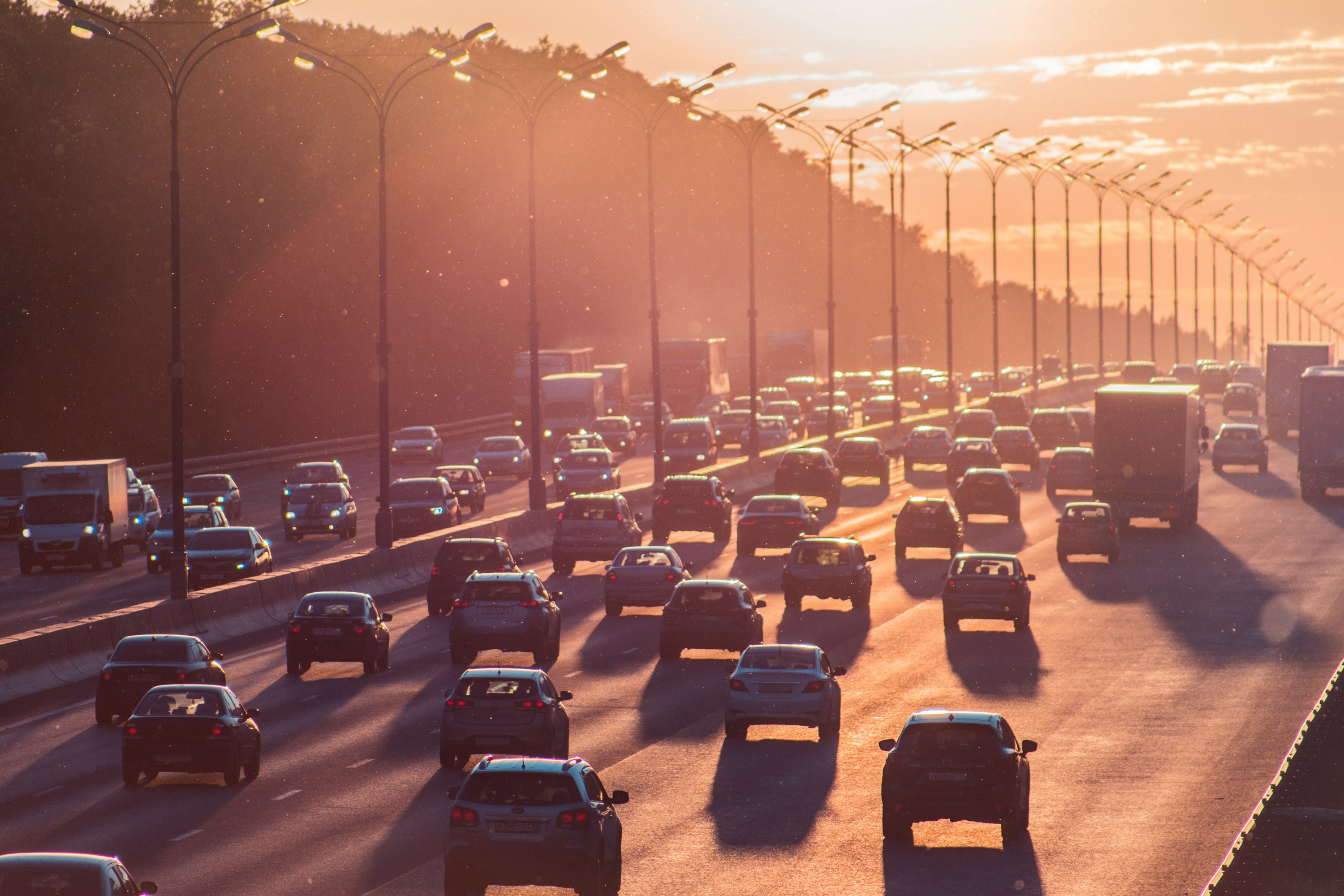
Carpool with neighbours on the school run and with colleagues on the commute to work, and take turns driving so the arrangement is easy to sustain. For shorter trips, walking or cycling cuts emissions further, and combining errands into a single outing avoids unnecessary kilometres.
4. Local food and less meat lower the carbon footprint of what we eat
Buying from farmers' markets and local producers shortens the distance food travels from farm to shelf. Food production is responsible for about one quarter of global greenhouse gas emissions, and Our World in Data shows that transport accounts for only about 6% of the carbon footprint of food. The largest reduction therefore comes from what is on the plate.

Plant-based meals generally carry a lower footprint than meat, and beef, mutton, and cheese produce the most greenhouse gas emissions per kilogram, according to a World Economic Forum summary of the Science study behind that data. A meatless Monday is a practical starting point. Food waste adds a further 6% to global greenhouse gas emissions, so planning meals and using what is bought also counts.
Volunteers on the Endangered Species Volunteer Program are encouraged to buy from local suppliers.
5. Switching off idle devices removes standby power demand
Many devices continue to draw power on standby or while plugged in. The International Energy Agency (IEA) reports that standby power accounts for up to 13% of residential electricity use in some OECD countries, the equivalent of a 60-watt bulb running continuously in each household. The IEA estimates that design changes could cut standby consumption by about 75%.

Switch off televisions, game consoles, and printers at the wall, and unplug phone and laptop chargers once charging is complete. A power strip with a switch turns off several devices together.
How a warming climate affects the places Wildlife ACT monitors
Every landscape Wildlife ACT monitors is exposed to a changing climate, and the effects differ from place to place.
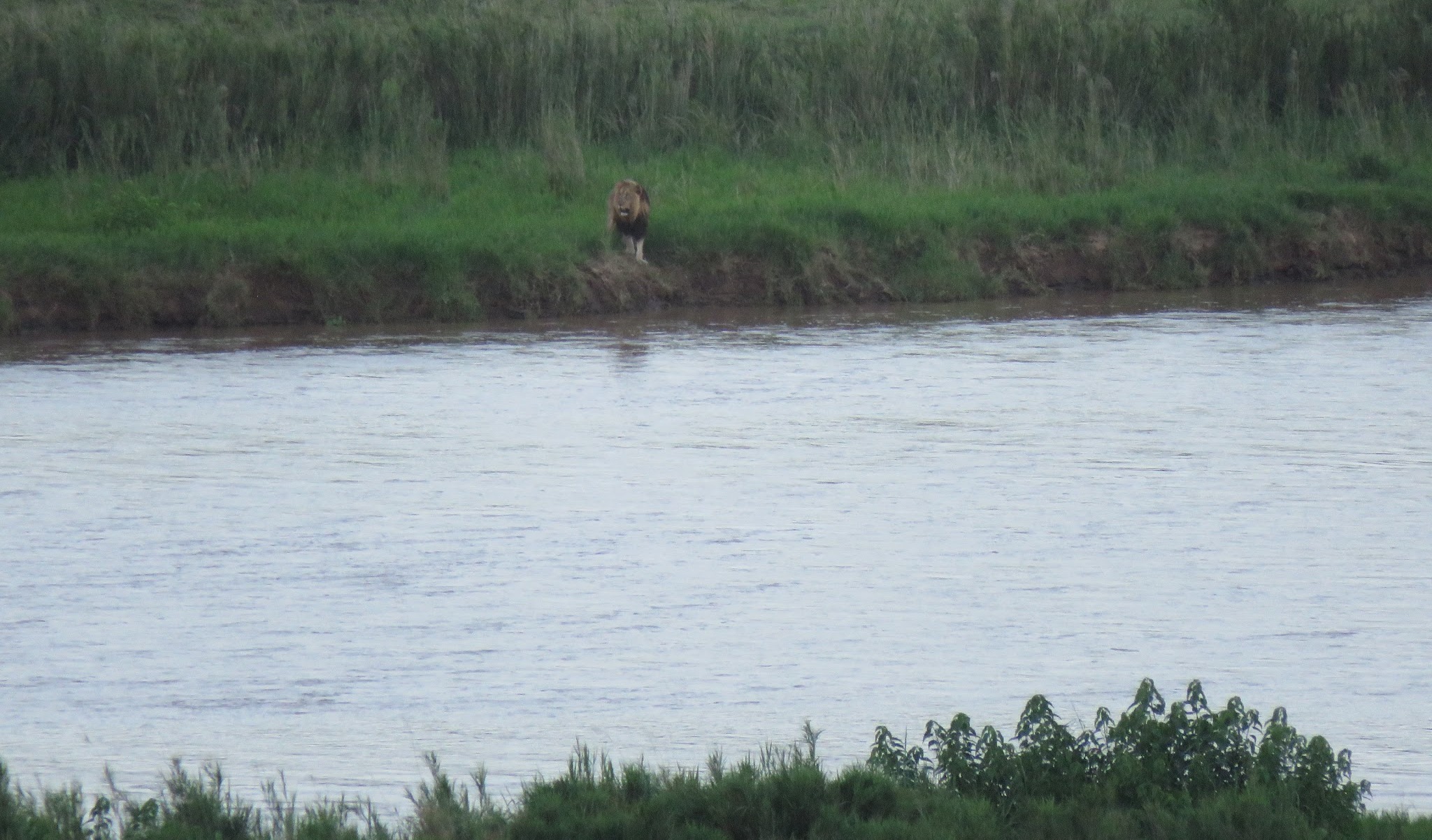
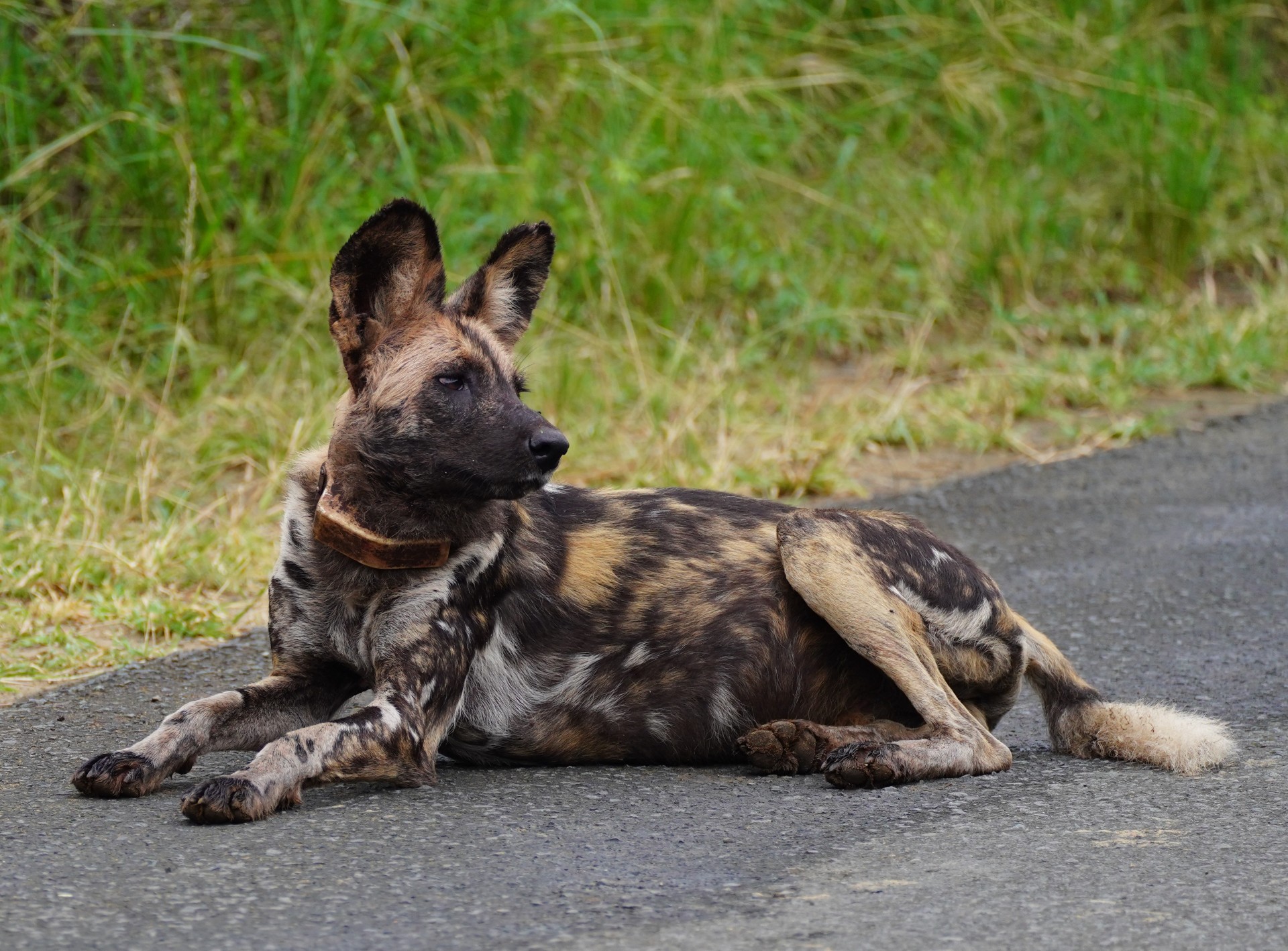
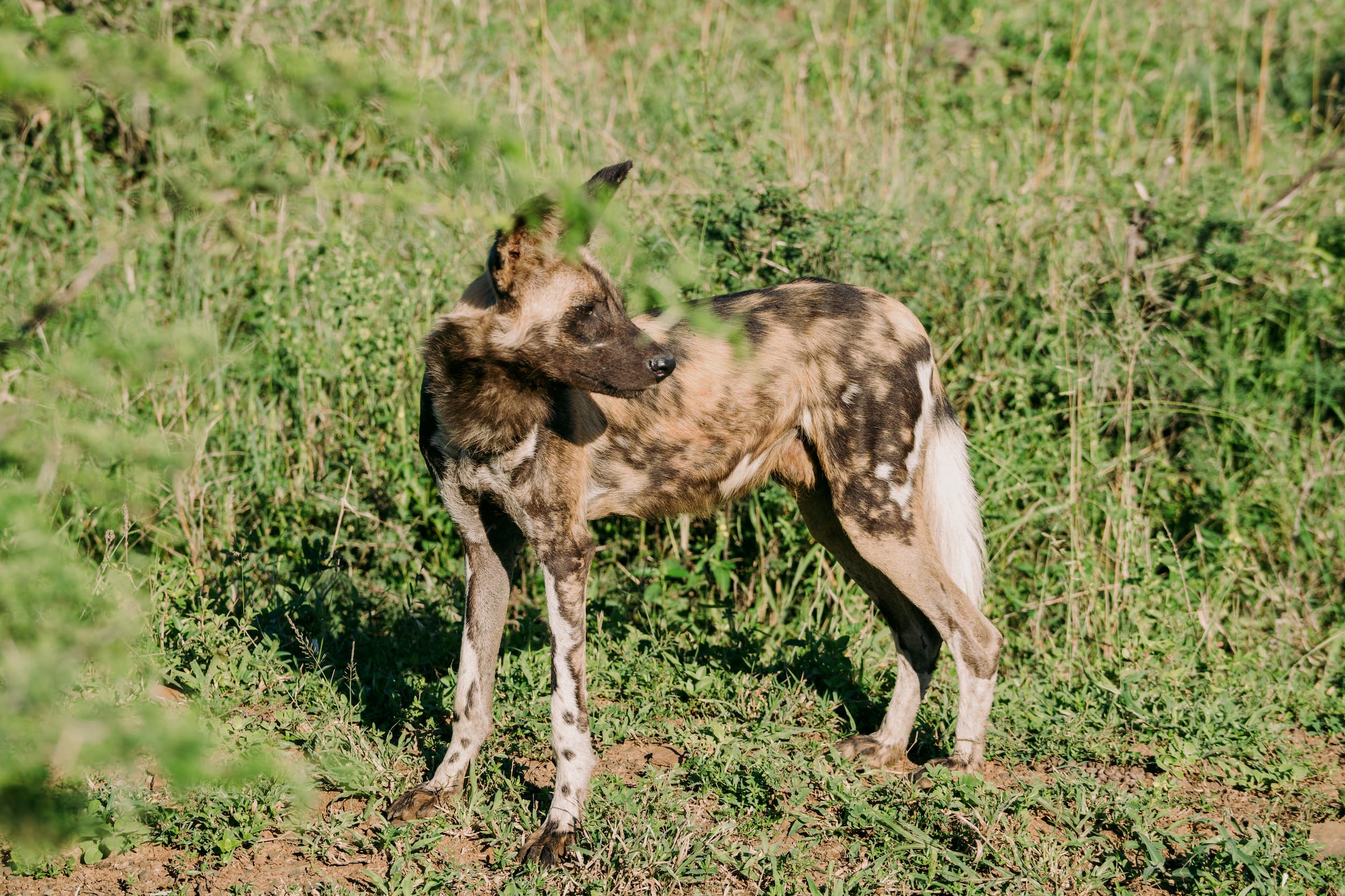
In Zululand, the climate runs on a rainfall calendar. Hot, humid summers bring most of the year's rain between October and April, winters are mild and dry, and seasonal patterns in wildlife behaviour revolve around water and food. The Black iMfolozi, White iMfolozi, and Hluhluwe rivers drain Hluhluwe-iMfolozi Park, and the iSimangaliso Wetland Park, a UNESCO World Heritage Site that includes uMkhuze Game Reserve, holds the region's wetlands. Shifting rainfall, one of the changes a warmer climate brings, therefore bears directly on the rivers, wetlands, and grasslands that the region's Lions, Black and White Rhinoceros, African Wild Dogs, Cheetahs, Leopards, and Vultures depend on.
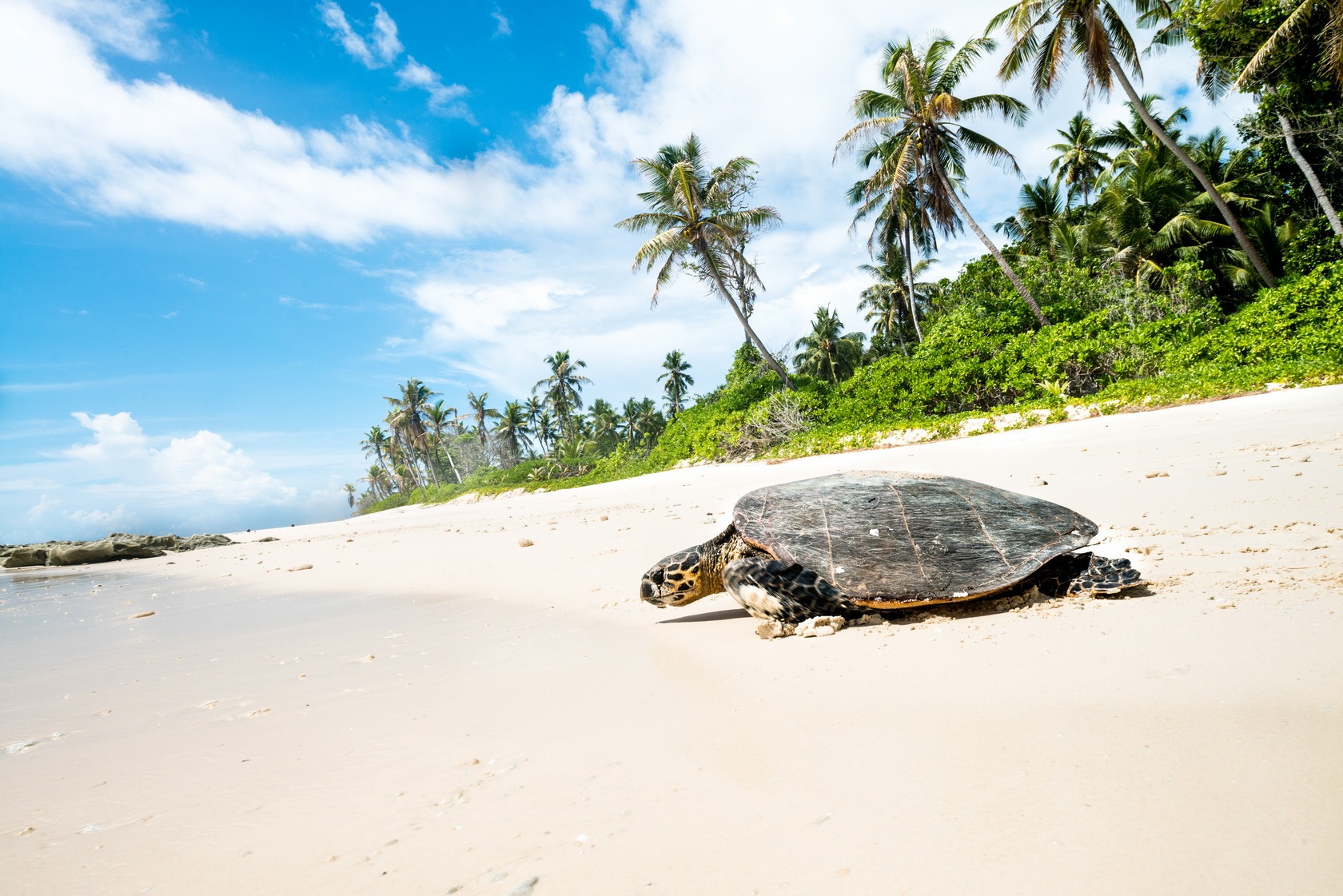
In the Seychelles, one of the world's most climate-vulnerable island systems, the exposure is to the sea. Sea-level rise, more intense storms, and ocean warming threaten the nesting beaches of Hawksbill Turtles (Eretmochelys imbricata), a Critically Endangered species, and Green Turtles (Chelonia mydas). Rising sand temperatures are skewing hatchling sex ratios toward females, and ocean warming drives coral bleaching, which occurred severely at North Island in 2016. Beach profiling on North Island, running since January 2004, records sand movement and erosion month by month.
Both are local expressions of a global change. The same warming is recorded worldwide, and the carbon dioxide behind it comes from electricity, fuel, and water use in households everywhere.
Small changes that add up across households
Small changes repeated daily shape how much energy, water, and fuel a household uses. Choose the ones that suit your household and make them part of your routine. A single household's carbon footprint is small, and the combined demand of many households is large.
Donor funding for the Wildlife ACT Seychelles project supports daily beach patrols, nest protection, habitat rehabilitation, and ecological monitoring, work that protects the nesting beaches climate change puts at risk. Wildlife ACT marks International Day of Climate Action because the habitats of the species it monitors are changing as the climate warms. Let this day motivate you to start, and share this post to help spread awareness.