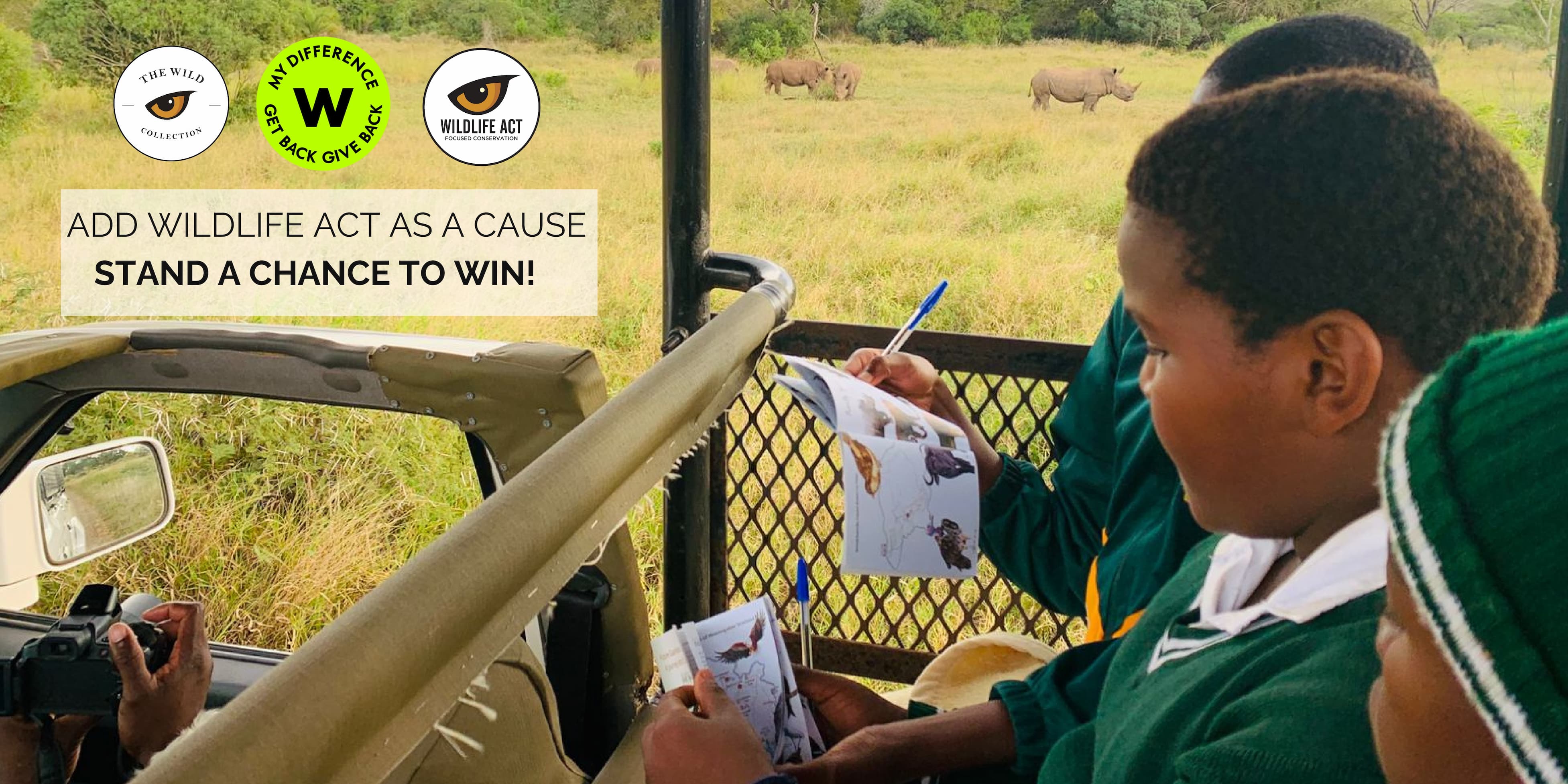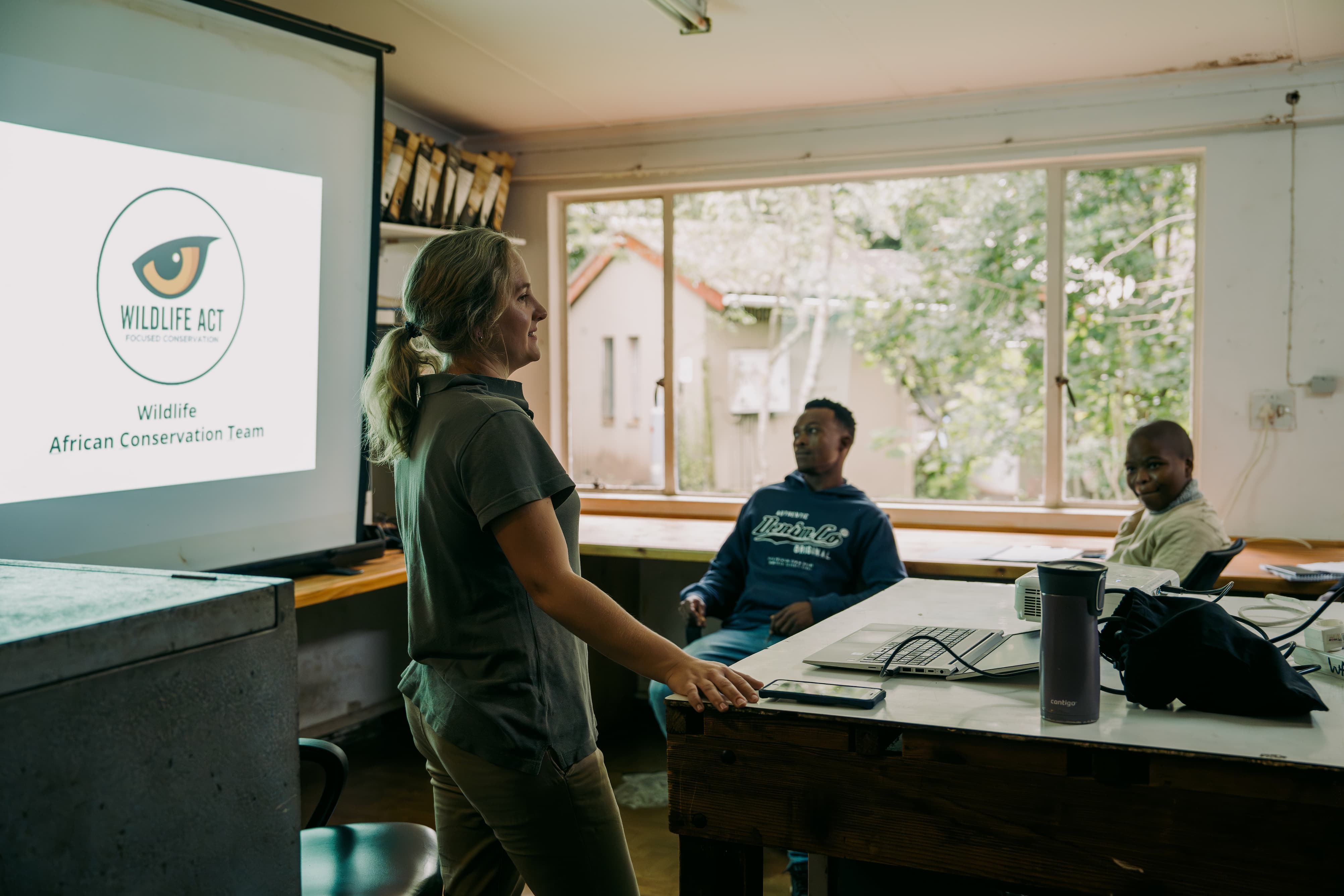
Gap year volunteer programs in Zululand place you in the middle of real conservation fieldwork, working alongside professional Priority Species Monitors to track and protect some of Africa’s most endangered wildlife. Wildlife ACT’s Endangered Species Volunteer Program runs across three protected areas in KwaZulu-Natal, South Africa, and is open to anyone aged 18 and over, from school leavers to career breakers. No previous conservation experience is needed.
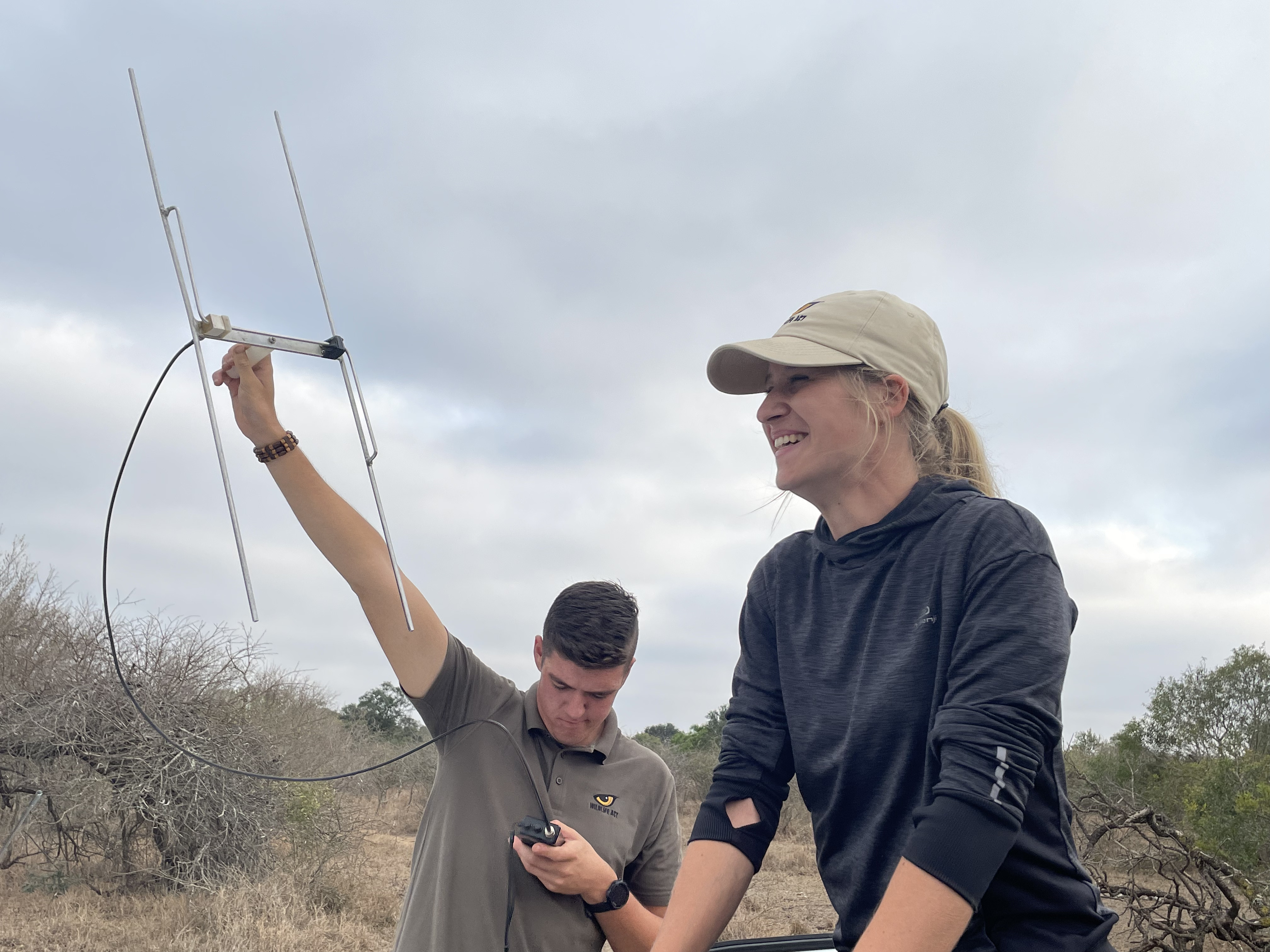
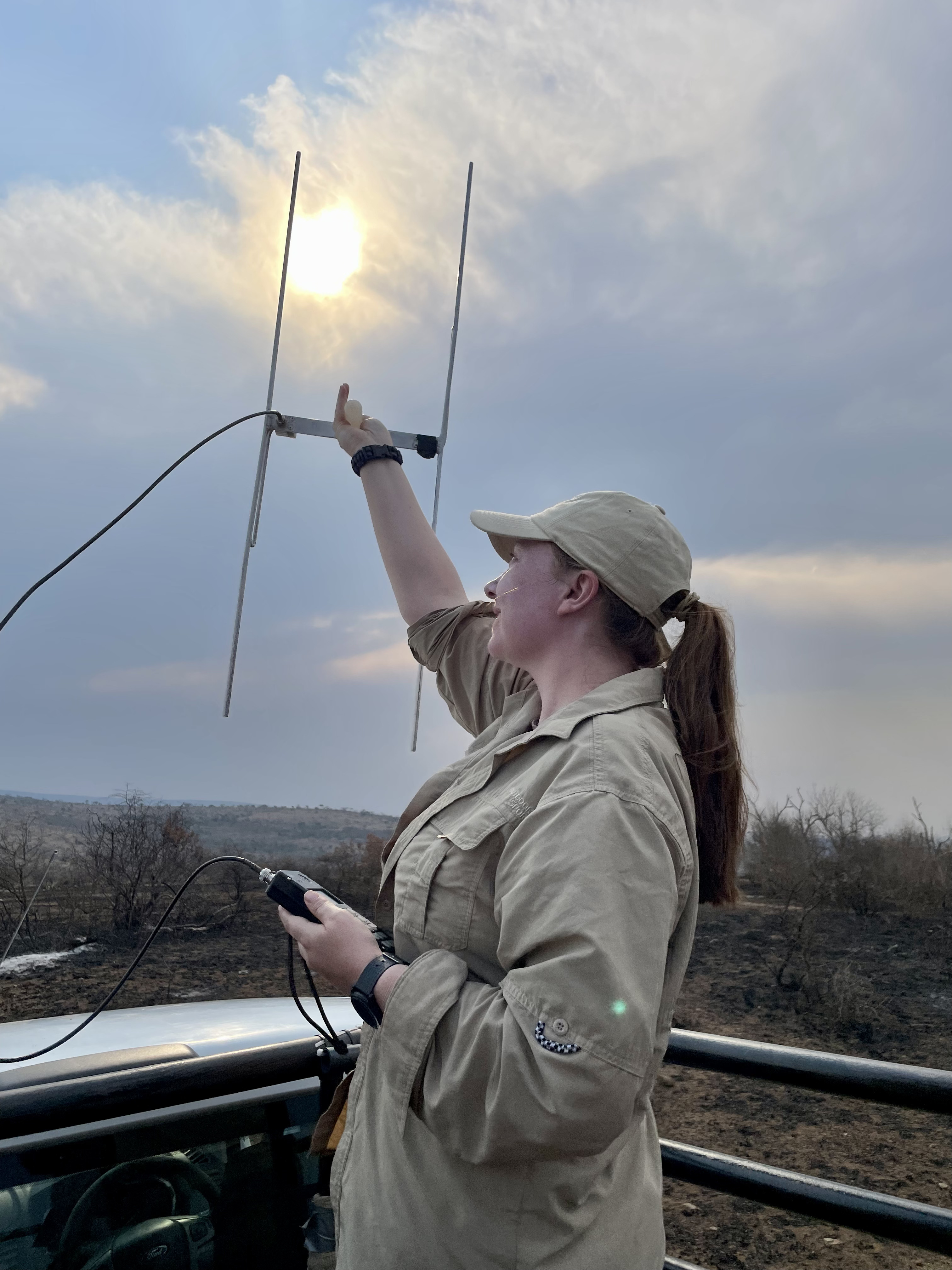
Volunteers join for a minimum of two weeks at Hluhluwe-iMfolozi Park or Manyoni Private Game Reserve, with start dates every second Monday throughout the year. Each project takes a maximum of six volunteers, which means you are genuinely integrated into the daily monitoring operation rather than observing from the sidelines. Your days begin before sunrise on an open 4x4, tracking collared animals by radio telemetry, mapping sightings with a GPS, and recording behavioural data that feeds directly into the management decisions of the protected areas where you work.
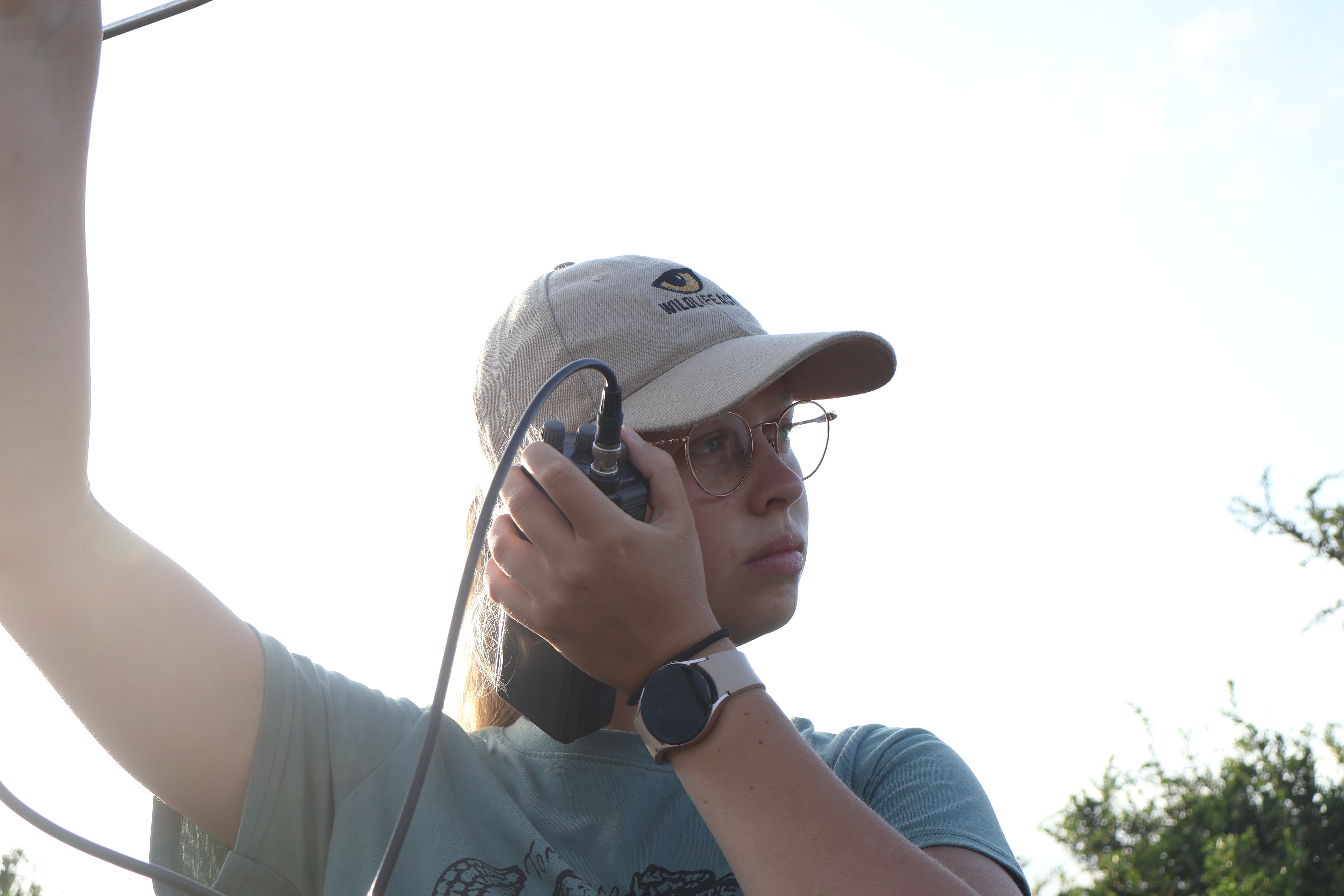
Practical skills you will gain in the field
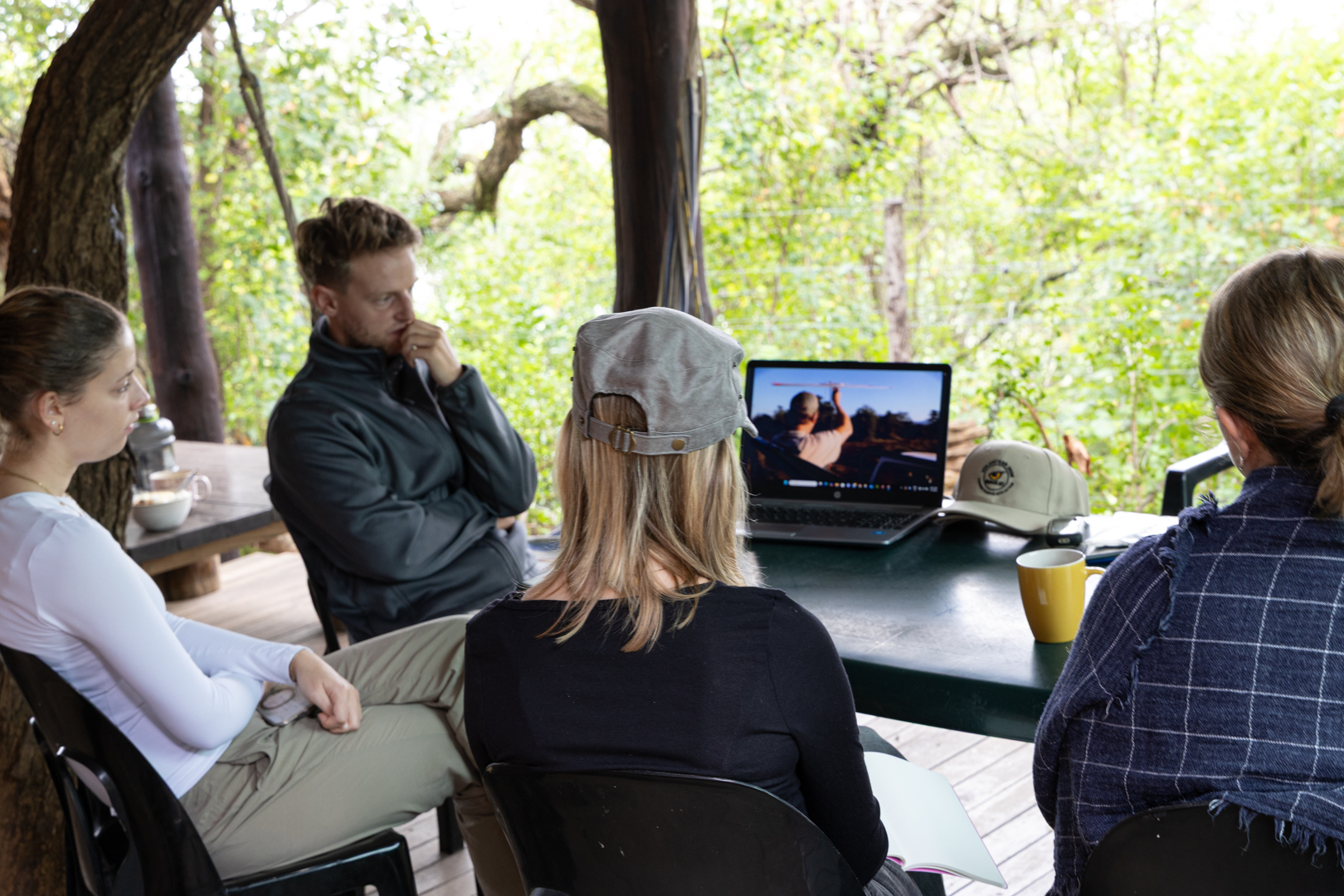
The program is built around the monitoring work that Wildlife ACT delivers to protected areas that cannot afford a dedicated monitoring team of their own. That means the skills you learn are the same ones the Priority Species Monitors use every day: telemetry tracking equipment, handheld GPS mapping, animal identification kits, camera trap deployment and maintenance, spoor identification, and structured behaviour data collection. Training happens in the field, on the job, from the first morning.
Bálint Bacso, who volunteered at Manyoni Private Game Reserve in November 2024, described it as “a wonderful learning experience that made me consider pursuing a future in wildlife conservation.” Many gap year volunteers arrive uncertain about their next step and leave with a much clearer sense of whether conservation is the career path for them. The experience sits well on a CV, and the practical field skills are directly transferable to conservation biology, wildlife management, and environmental science.
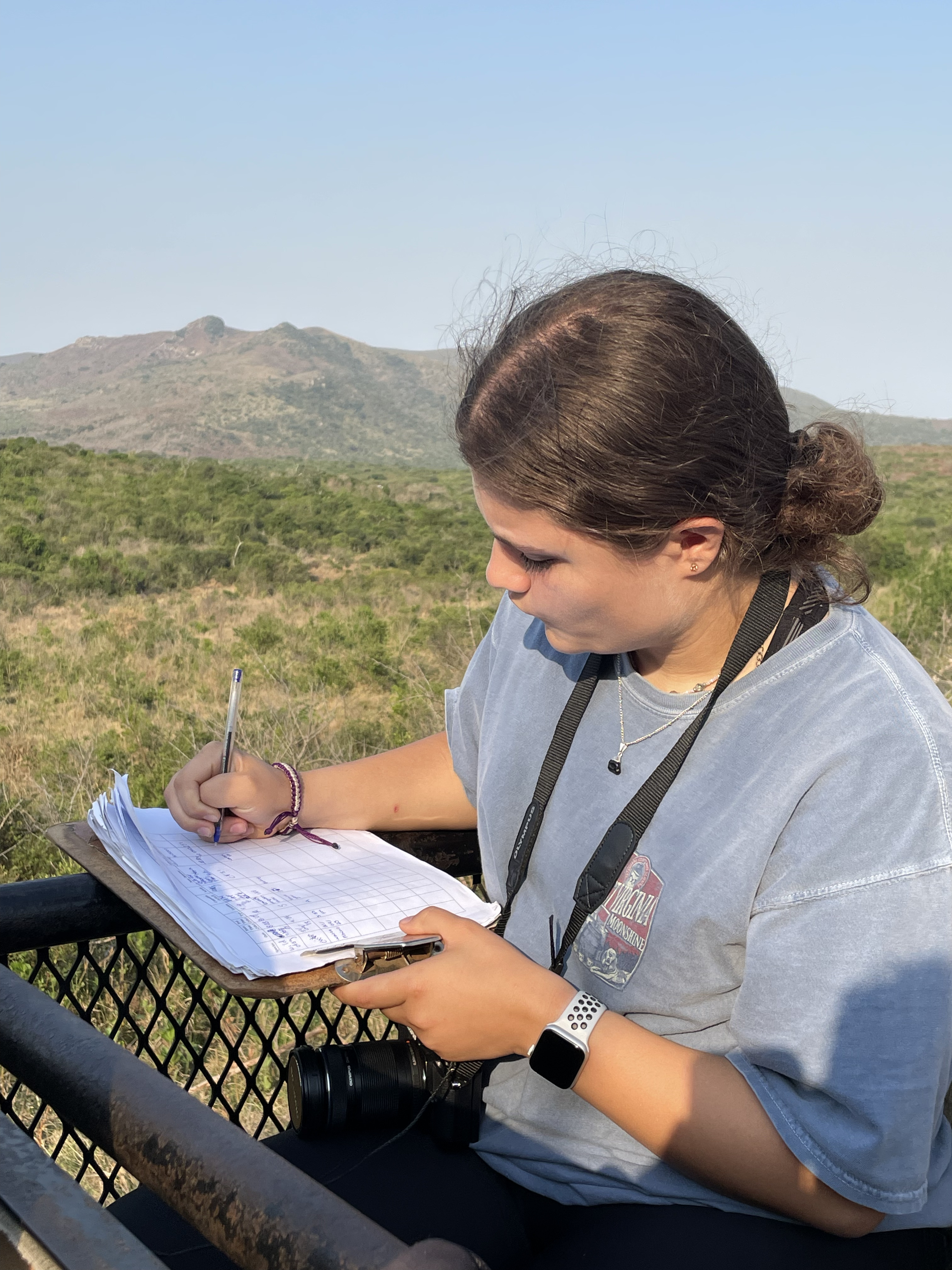
Your first week at a Zululand research camp
The first full day starts before sunrise, at about 03:30 in summer and 04:30 in winter, with your Priority Species Monitor driving the open 4x4 monitoring vehicle and scanning for telemetry signals. After a few days of training, you take over the tracking yourself. When a target animal is located, you map the sighting, update its identification kit, and record behavioural notes. A coffee stop and rusks on the back of the vehicle are part of the morning routine.
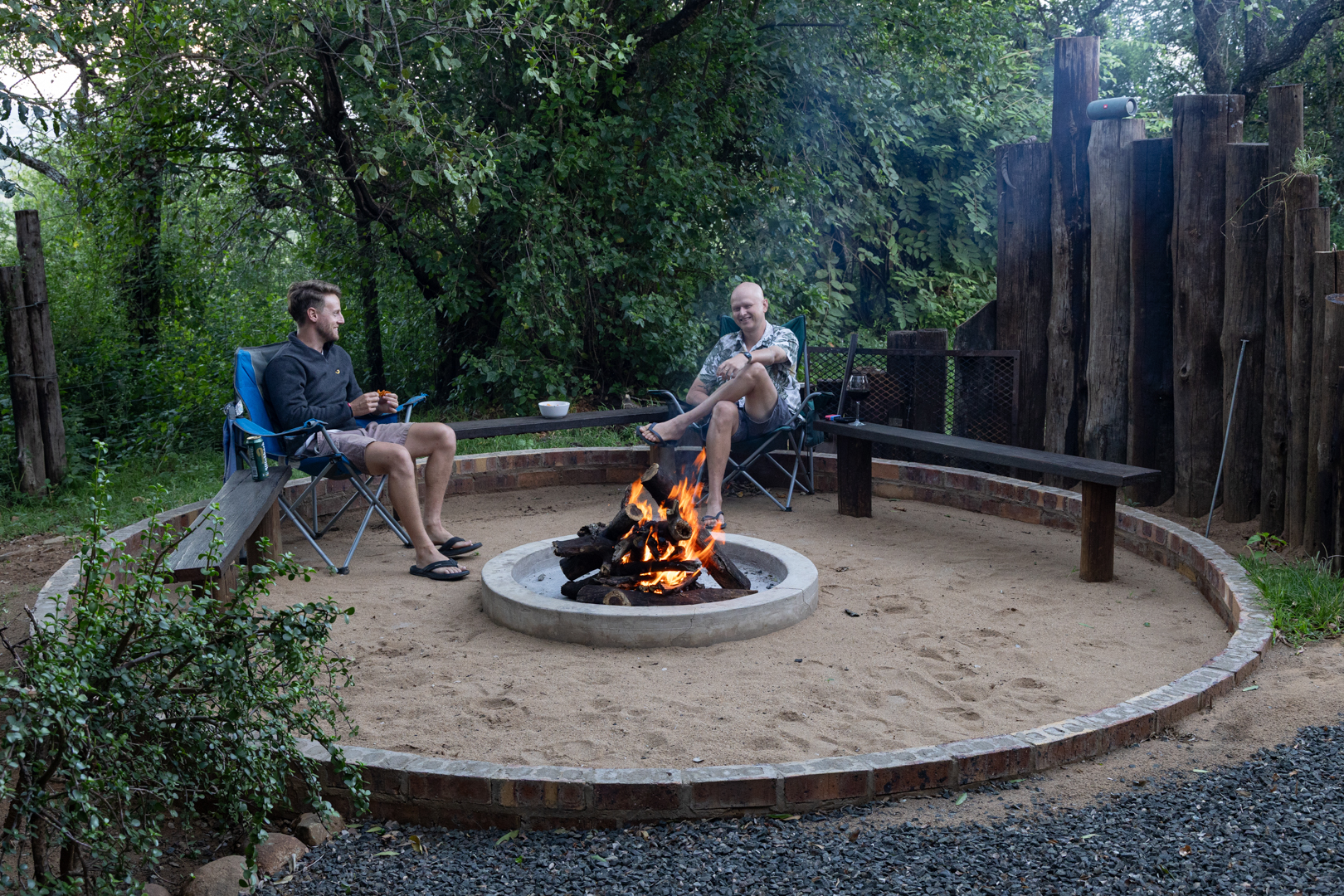
The second session runs from late afternoon until after sunset, and the hours between are for rest, reading, and camp life. The group cooks dinner together, often around the campfire. A day in the life of a Wildlife ACT volunteer describes the routine in full. Priority Species Monitors work seven days a week, so there is no fixed weekend, though you can take the occasional Sunday off.
The days are physically demanding. Tracking can stretch across large distances, and on some days the animal stays out of sight. That is part of real conservation fieldwork. Every day of monitoring adds to the long-term dataset, whether or not it produces a dramatic sighting. Alex Lacey, who volunteered at Manyoni Private Game Reserve in March 2025, put it well: “It has been tough work, for sure, and I am a bit broken at the end of my two weeks, but I have had some magical experiences with animals.”
Volunteers observe wild animals from the vehicle at all times, accompanied by their Priority Species Monitor or a qualified ranger. Contact stays limited, and the animals remain wild. Conservation interventions such as collaring or relocation take place only when a protected area needs them and can never be planned or promised.
Where you will live and work
Wildlife ACT places gap year volunteers at one of three projects in Zululand, the northern region of KwaZulu-Natal. Hluhluwe-iMfolozi Park covers 96,000 hectares, is managed by Ezemvelo KZN Wildlife, and is the oldest proclaimed game reserve in Africa, established in 1895. It holds two Wildlife ACT projects, one in each of its two sections, which have no fence between them and are managed as a single natural system. Manyoni Private Game Reserve covers about 23,000 hectares in the Msunduzi valley, was formed when 17 private landowners dropped their internal fences to create a single conservation landscape, and supports more than 70 mammal species.
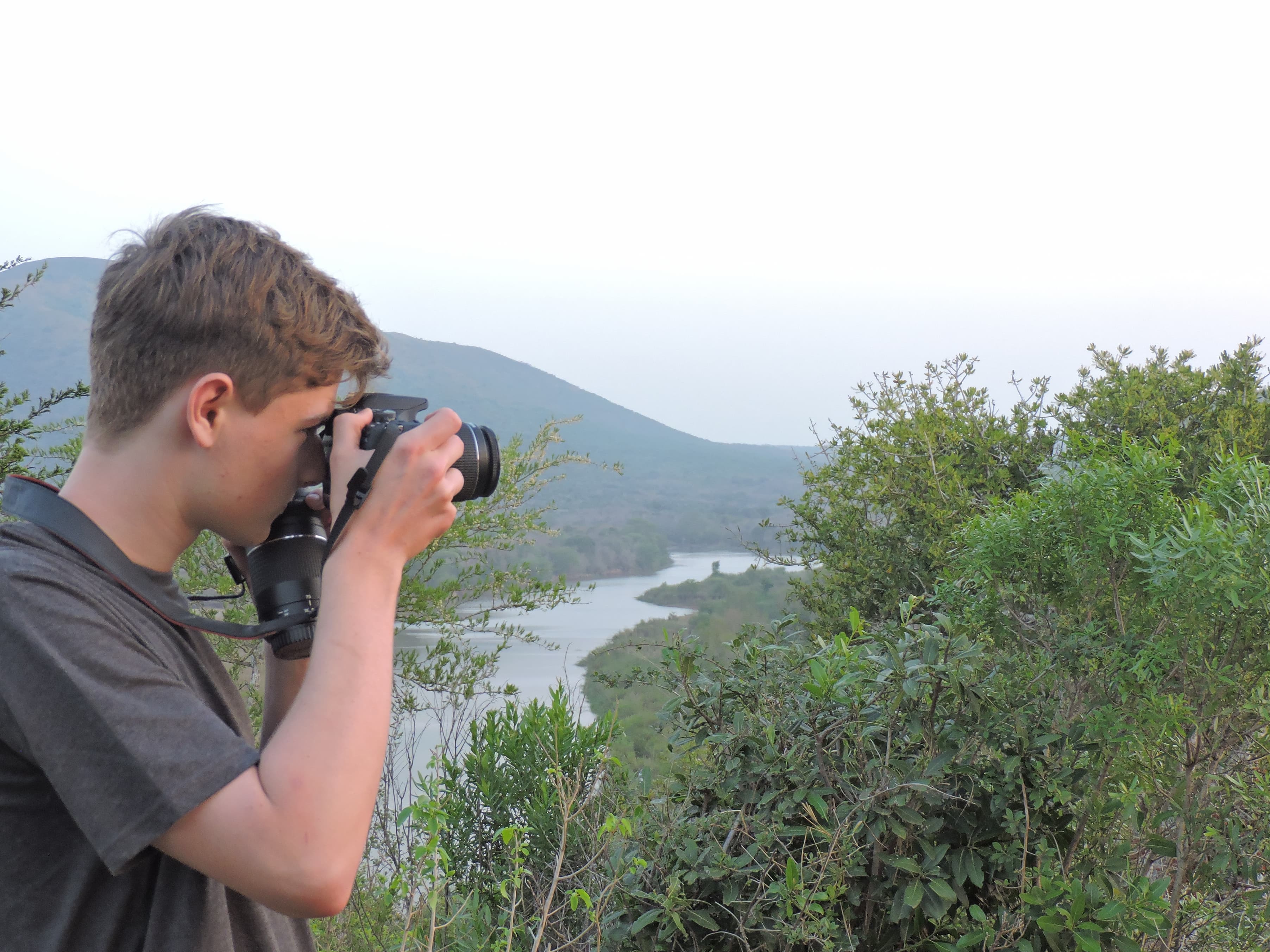
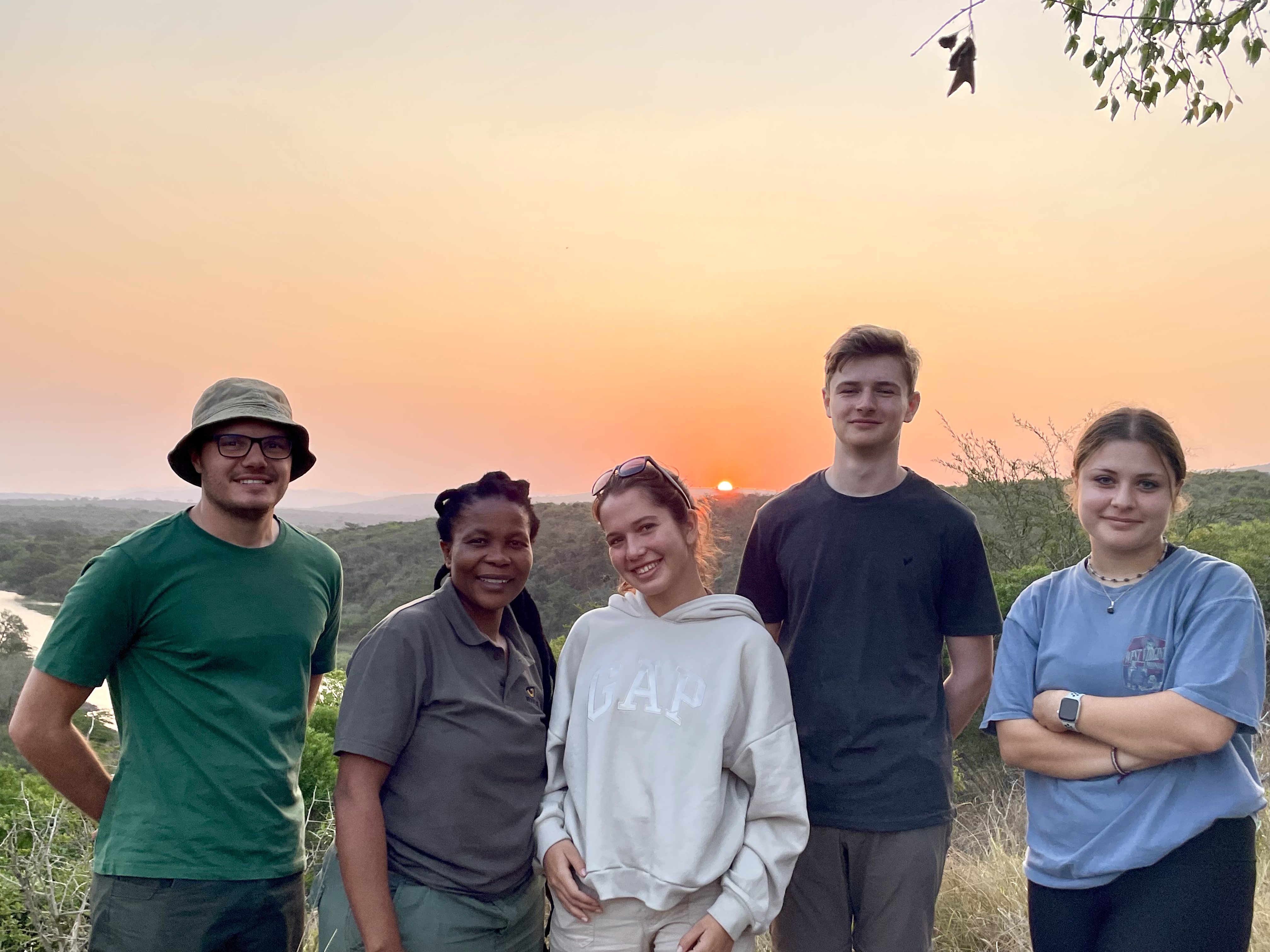
The camps are basic, functional, and set inside the protected areas themselves. You share a twin room with another volunteer of the same gender, and bedding, electricity, hot showers, a kitchen, and a washing machine are provided. Camp photo galleries and virtual tours are on the program page. Daria Hammond, who volunteered in Hluhluwe-iMfolozi Park in June 2024, wrote: “I loved that the other volunteers were the same ages as us.”
Endangered and priority species you will help to monitor
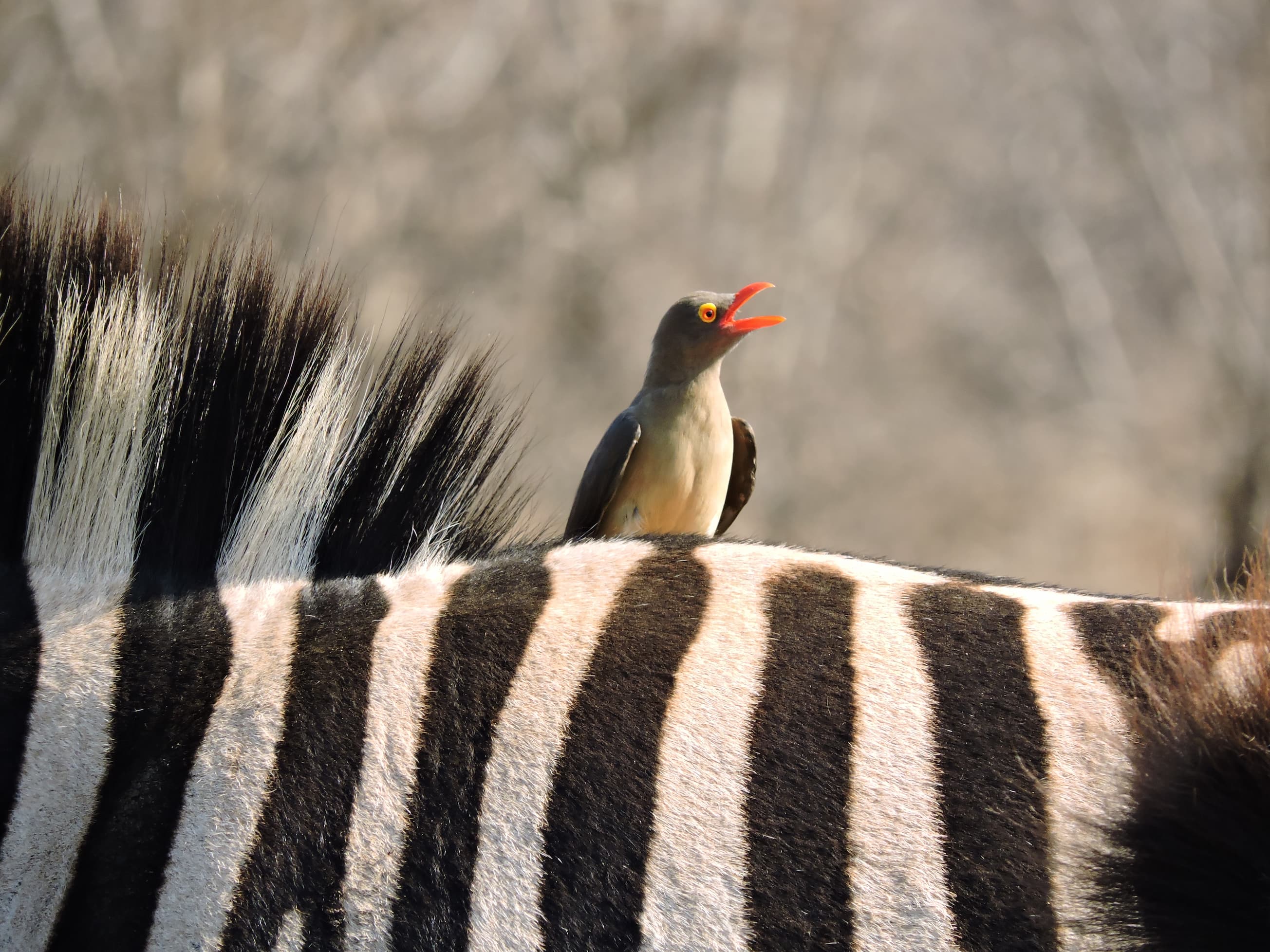
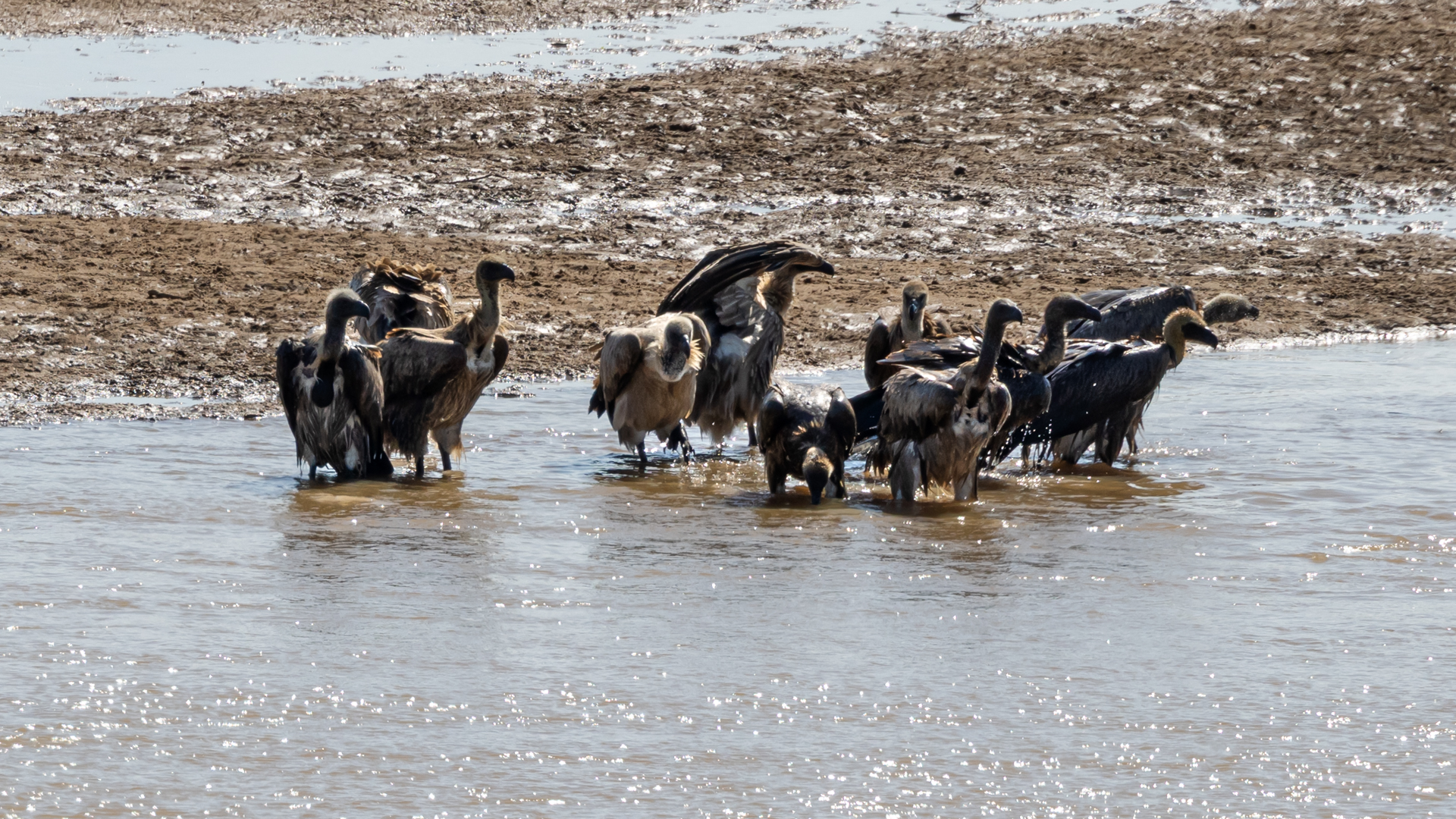
In Hluhluwe-iMfolozi Park, volunteers help to monitor the African Wild Dog, which the IUCN Red List classes as Endangered. Across both Hluhluwe-iMfolozi Park and Manyoni Private Game Reserve, monitoring covers Lion, African Savanna Elephant, Cheetah, and Rhinoceros, including the Critically Endangered Black Rhinoceros. Further species recorded in the same sessions include Vultures, monitored through the Zululand Vulture Project, Leopard, surveyed by camera trap as part of the KwaZulu-Natal Leopard Monitoring Project, Spotted Hyaena, and, in Hluhluwe-iMfolozi Park, the Southern Ground Hornbill.
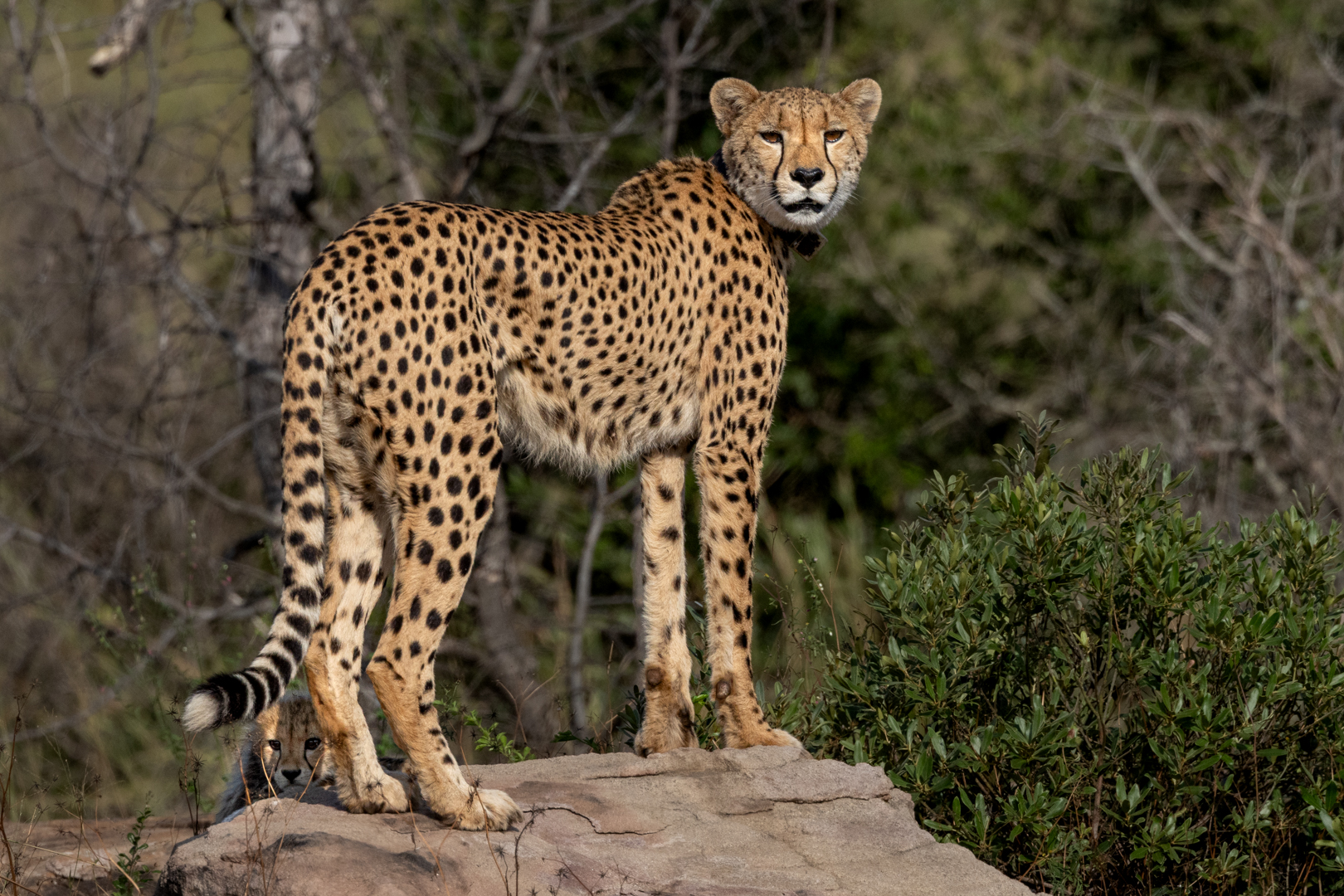
A priority species is any species of management concern on a particular protected area. The data volunteers collect goes into the management decisions of that area, which is why the monitoring continues every day regardless of whether sightings are spectacular or quiet. Wildlife ACT’s hands-on guide to monitoring Africa’s endangered and priority species explains the methods in more detail.
Who a Zululand gap year suits
The program suits students, people on a career break, and early professionals who want structured field experience in wildlife conservation. The standard age range runs from 18 to 70 and above, and no qualifications are needed. What matters is the willingness to manage early starts, long days, and hot, humid conditions as part of a small team.
This is a fee-paying conservation placement, not paid work or an internship. If you are hoping to handle animals or stay in lodge-style accommodation, this is not the right fit. The camps are simple, the animals remain wild, and the purpose is science-led monitoring. The volunteer watchlist and the reasons to volunteer with Wildlife ACT help you weigh up whether the placement fits.
Seasons and what to expect from the weather
The program runs all year, so a gap year in South Africa can start in any season. Summer, from October to March, brings hot, humid conditions with midday temperatures around 30°C and afternoon thunderstorms. Winter, from June to August, is mild and dry, with thinner vegetation that opens up wildlife viewing and a cold wind on the open vehicle before sunrise that makes a warm jacket essential. Both seasons have their rewards, and a warm layer and long trousers belong in your bag regardless of when you come. The field kit essentials and winter packing list cover what to bring, and the seasonal guide to visiting South Africa covers the rest.
Building a longer gap year across three protected areas
The minimum stay is two weeks, and most volunteers stay between four and 12 weeks. For every additional two-week block, you can move to a different protected area, so a six-week stay could include Manyoni Private Game Reserve and both sections of Hluhluwe-iMfolozi Park, depending on availability and the fortnightly Monday transfer cycle. Extended stays carry a reduced rate, and returning volunteers receive a discount.
Wildlife ACT also runs conservation placements in the Southern Drakensberg and on North Island in the Seychelles, and offers the African Wildlife Conservation and Habitat Management Course for those who want a structured academic foundation alongside field experience. Jonathan Dutt, who volunteered in Hluhluwe-iMfolozi Park in March 2025, wrote: “I just had the best two months of my life.” For more on planning, read how to plan an ethical wildlife conservation gap year in Africa and gap year volunteer opportunities in South Africa.
Choosing an ethical wildlife volunteer program in Africa
Africa wildlife volunteer programs vary widely in how they treat animals and how they use volunteer contributions, so the research matters before you book. Useful questions to ask any organisation include whether it operates under formal agreements with the management authority of each protected area, whether volunteers work alongside trained conservation professionals, whether group sizes are capped, and whether the program promises sightings or animal contact. Wildlife ACT has written separately on what to consider when choosing a wildlife volunteer project and why ethical wildlife volunteering is crucial for conservation.
Wildlife ACT is a registered non-profit conservation organisation, founded in 2008, that provides professional monitoring to protected areas free of charge. The Endangered Species Volunteer Program runs under contracts approved directly by each protected area’s management authority, and Wildlife ACT works with partners including WWF and the Endangered Wildlife Trust. The organisation won first place in the 2023 World Responsible Tourism Awards for Best Nature-Positive Tourism, and its approach is set out in the responsible tourism policy.
How volunteer fees fund the monitoring
Volunteer fees fund camp accommodation, meals, practical field training, vehicle fuel and maintenance, tracking equipment, and the salaries of the Priority Species Monitors. This is the mechanism that allows Wildlife ACT to provide monitoring to protected areas that could not otherwise afford it. International flights, travel and medical insurance, and personal spending are additional. Current fees in South African rand, euros, US dollars, and British pounds are listed on the program page.
How to volunteer in Africa with Wildlife ACT
Applying starts with the volunteer application form on the Wildlife ACT website, where you choose your preferred start dates. The team confirms availability and sends a personalised invoice with a secure payment link, so confirm your dates before buying flights. Most volunteers fly into OR Tambo International Airport in Johannesburg and connect to Richards Bay Airport, arriving by midday on the start Monday, when a Wildlife ACT driver meets the group. The volunteer FAQs cover visa requirements, health precautions, packing, and everything else you need to prepare, and the team can be reached through the contact page.
Gap year volunteer programs in Zululand offer a structured, ethical way to volunteer in Africa while contributing directly to endangered species conservation. Wildlife ACT’s Endangered Species Volunteer Program places you in the field with Priority Species Monitors across Hluhluwe-iMfolozi Park and Manyoni Private Game Reserve, and the data you record feeds into the management of the protected areas where you work.
Frequently asked questions
How old do you need to be to join a gap year volunteer program in Zululand?
The minimum age for Wildlife ACT’s Endangered Species Volunteer Program is 18, and the standard age range runs from 18 to 70 and above, depending on health and ability.
Do you need conservation experience to volunteer in Africa?
No experience or qualifications are needed. Priority Species Monitors deliver all training in the field, covering telemetry equipment, GPS devices, camera traps, spoor identification, and identification kits.
What is the minimum stay for the Endangered Species Volunteer Program?
The minimum stay is two weeks, and most volunteers stay between four and 12 weeks. Start dates fall every second Monday, and extended stays carry a reduced rate.
What does a typical day involve on a Wildlife ACT volunteer placement?
A day has two monitoring sessions on an open 4x4 with a Priority Species Monitor, one before sunrise and one from late afternoon until after sunset. Volunteers track animals by telemetry, map sightings with a GPS, and record behaviour data. The hours between sessions are for rest, and a day in the life of a Wildlife ACT volunteer covers the routine in full.
Is volunteering in Zululand safe?
A Priority Species Monitor with first aid training leads each project, and volunteers observe animals from the vehicle. The projects are insured through SATIB, underwritten by Lloyd’s of London, and Wildlife ACT recommends personal travel insurance as well. The volunteer FAQs have full details.
How do ethical wildlife volunteer programs differ from animal contact programs?
Wildlife ACT volunteers observe wild animals in their natural environment. The program includes no rehabilitation, handling, or interaction experiences. Each protected area’s management authority approves and contracts the projects, and sightings are never guaranteed. The guide to choosing a responsible and ethical wildlife tourism experience sets out what to look for.