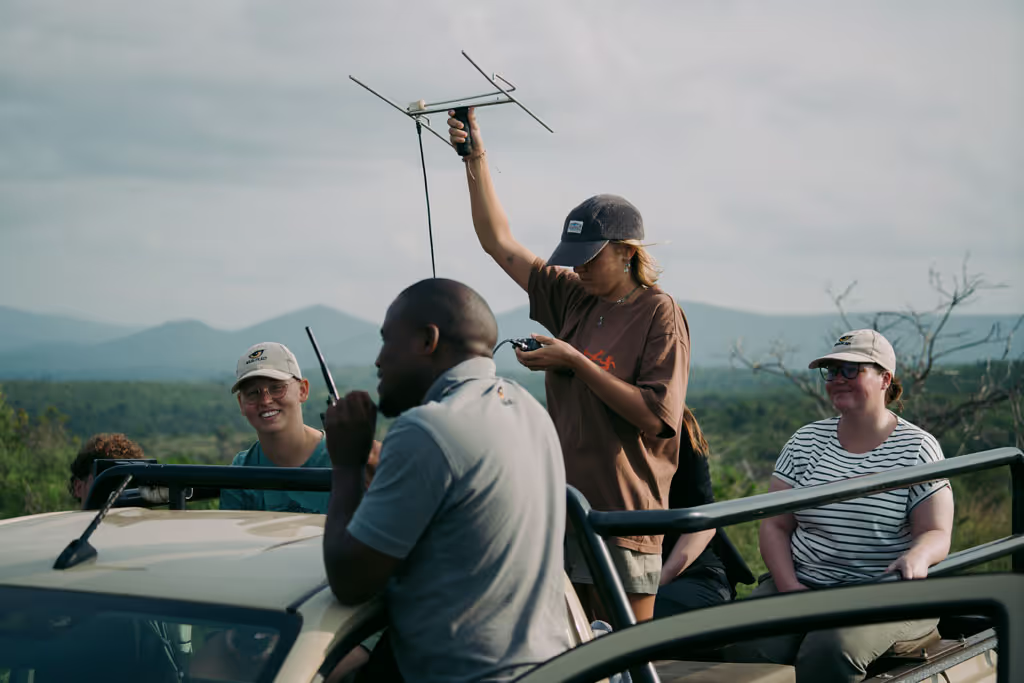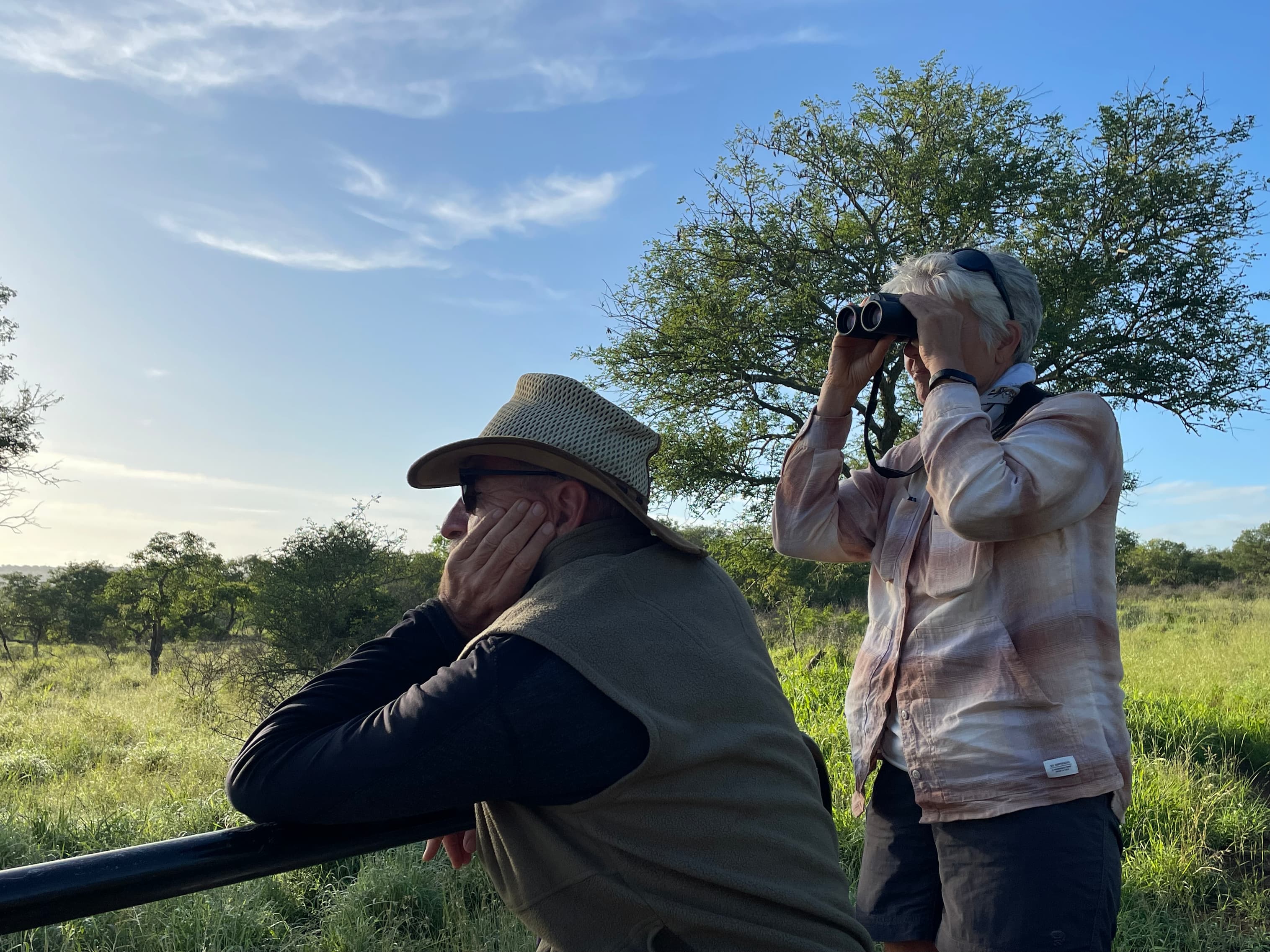
Retirees can volunteer with endangered species in Zululand, and anyone who wants to volunteer abroad over 50 can join Wildlife ACT’s Endangered Species Volunteer Program. The age range is 18 to 70+, depending on health and ability, and the minimum stay is two weeks. Volunteers join a Priority Species Monitor on an open vehicle to monitor and record endangered species.
Age guidelines and fitness for volunteers over 50
Wildlife ACT welcomes volunteers from the age of 18. Across the Endangered Species Volunteer Program, the standard age range is 18 to 70+, and the upper limit depends on your health and ability. The team groups volunteers of similar ages together and places people who are likely to get along well in the same group. You are welcome to email info@wildlifeact.com to talk through a specific situation before you apply. All training happens in the field, so no prior conservation experience is needed.
Most of each day is spent seated on an open 4x4 monitoring vehicle with elevated seating, travelling over unpaved roads and varied terrain. Locating an animal can take a full day and cover large distances, and every volunteer helps with camp cleaning and meal preparation. Volunteers who are relatively fit and able, fairly mobile, and confident in their ability to climb on and off an open top vehicle are well placed to enjoy the routine. Comfort with early starts and long days outdoors also helps.

Summer brings heat and humidity, with midday temperatures averaging about 30°C and reaching 35°C to 40°C. Sunscreen, a hat, and a large water bottle help in the heat. Winters from May to September are mild and dry. In June and July the vegetation thins out, which makes winter a favourite season for the Wildlife ACT team. Wildlife ACT’s post on reasons to join a wildlife volunteer project in Zululand during winter explains why. An earlier post on retiree volunteering in South Africa covers older volunteers across the organisation’s programmes.
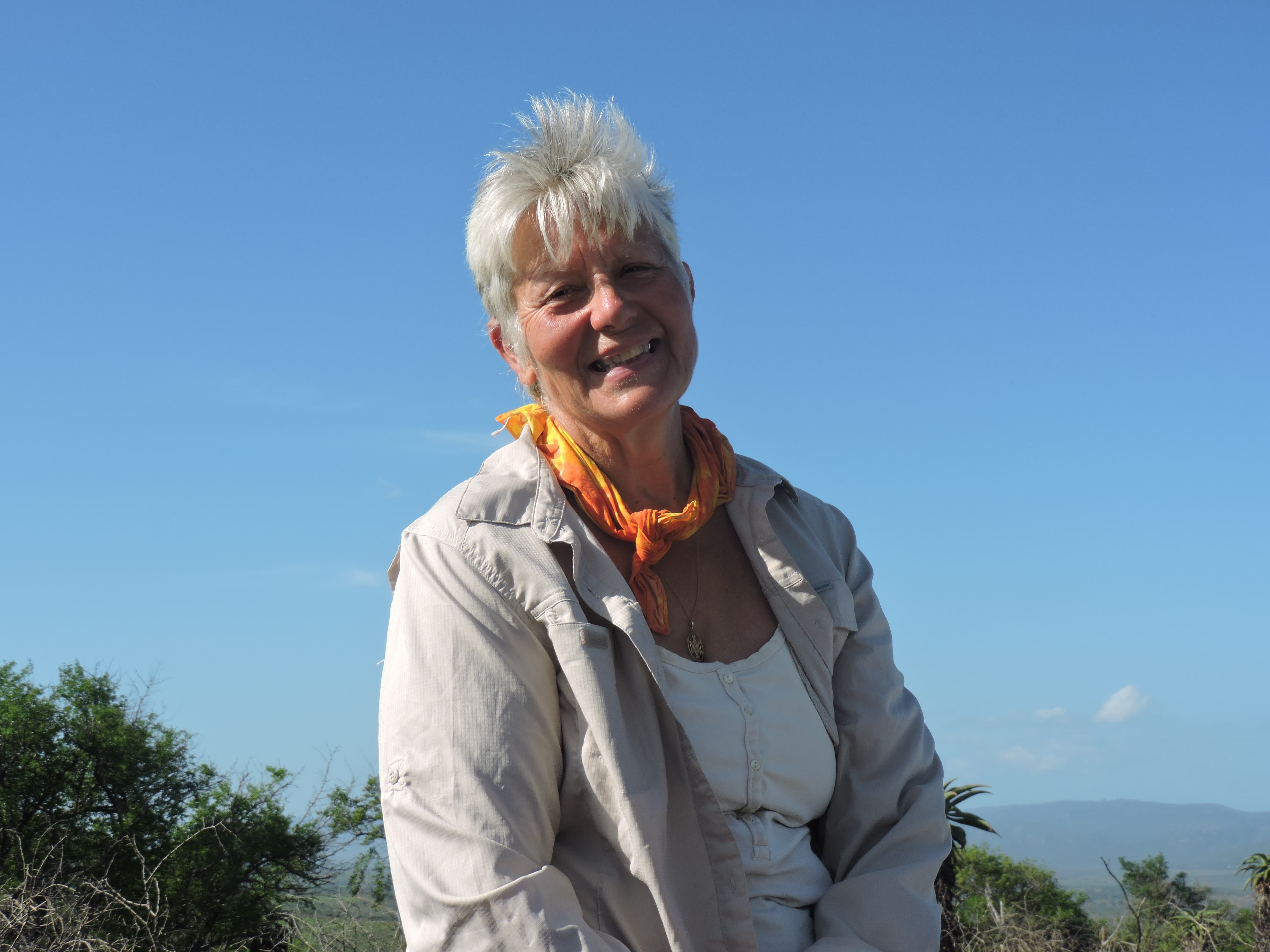
A typical day in the field
Each day in Zululand has two monitoring sessions, timed around the activity patterns of the animals. Mornings start before sunrise, with volunteers leaving camp at about 03:30 in summer and 04:30 in winter. Start times follow monitoring priorities and can change daily. You join the Priority Species Monitor on an open 4x4 vehicle, where equipment is checked and telemetry gear is prepared. Mornings on the open vehicle can be cool in any season and very cold before sunrise in winter. Pack a warm jacket and long trousers for every season.
Video: Becoming a Wildlife Volunteer, Episode 1, filmed by James Hendry during a week of volunteering in Hluhluwe-iMfolozi Park. For more on daily life, see Wildlife ACT’s post on a day in the life of a volunteer.
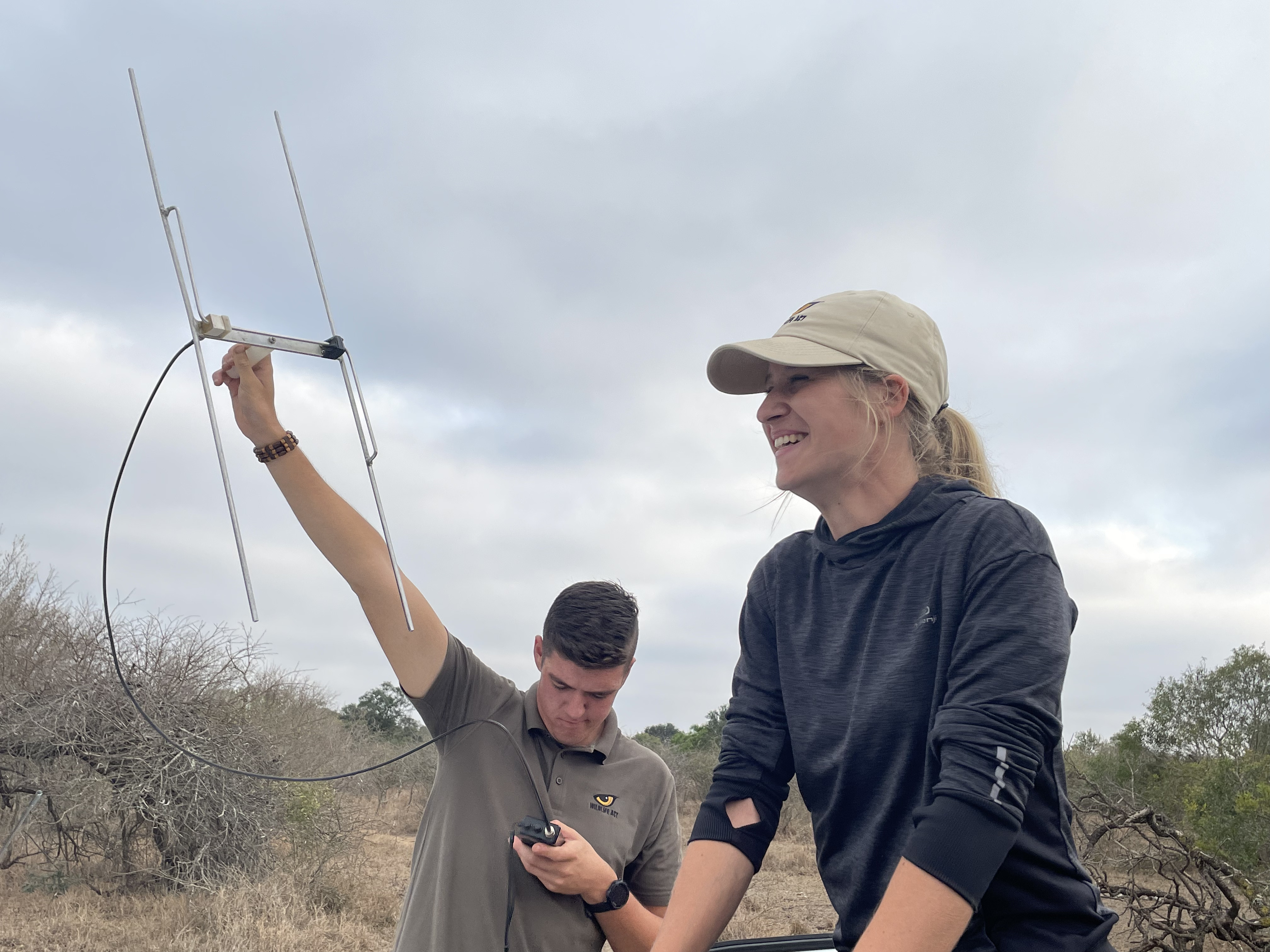
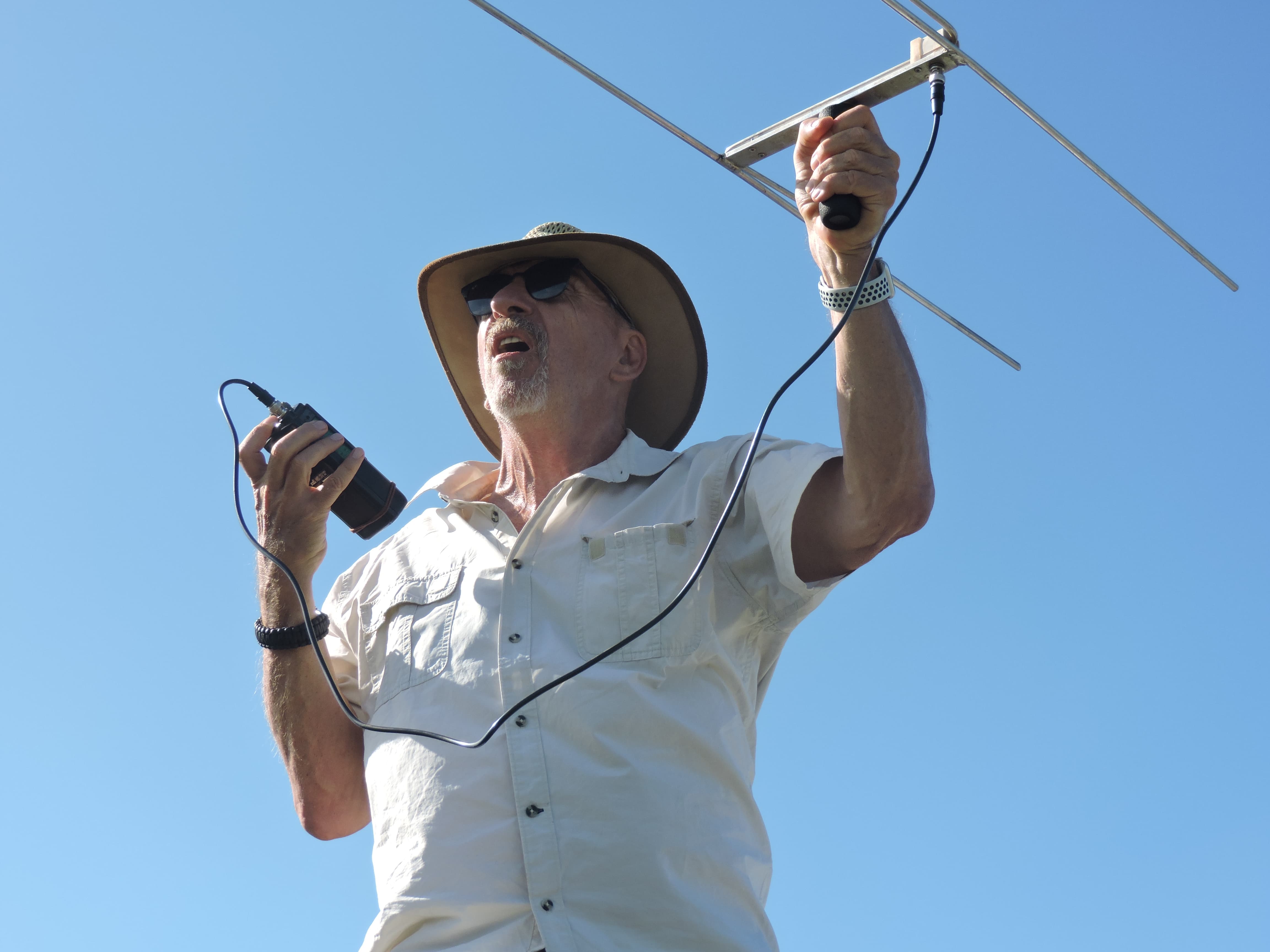
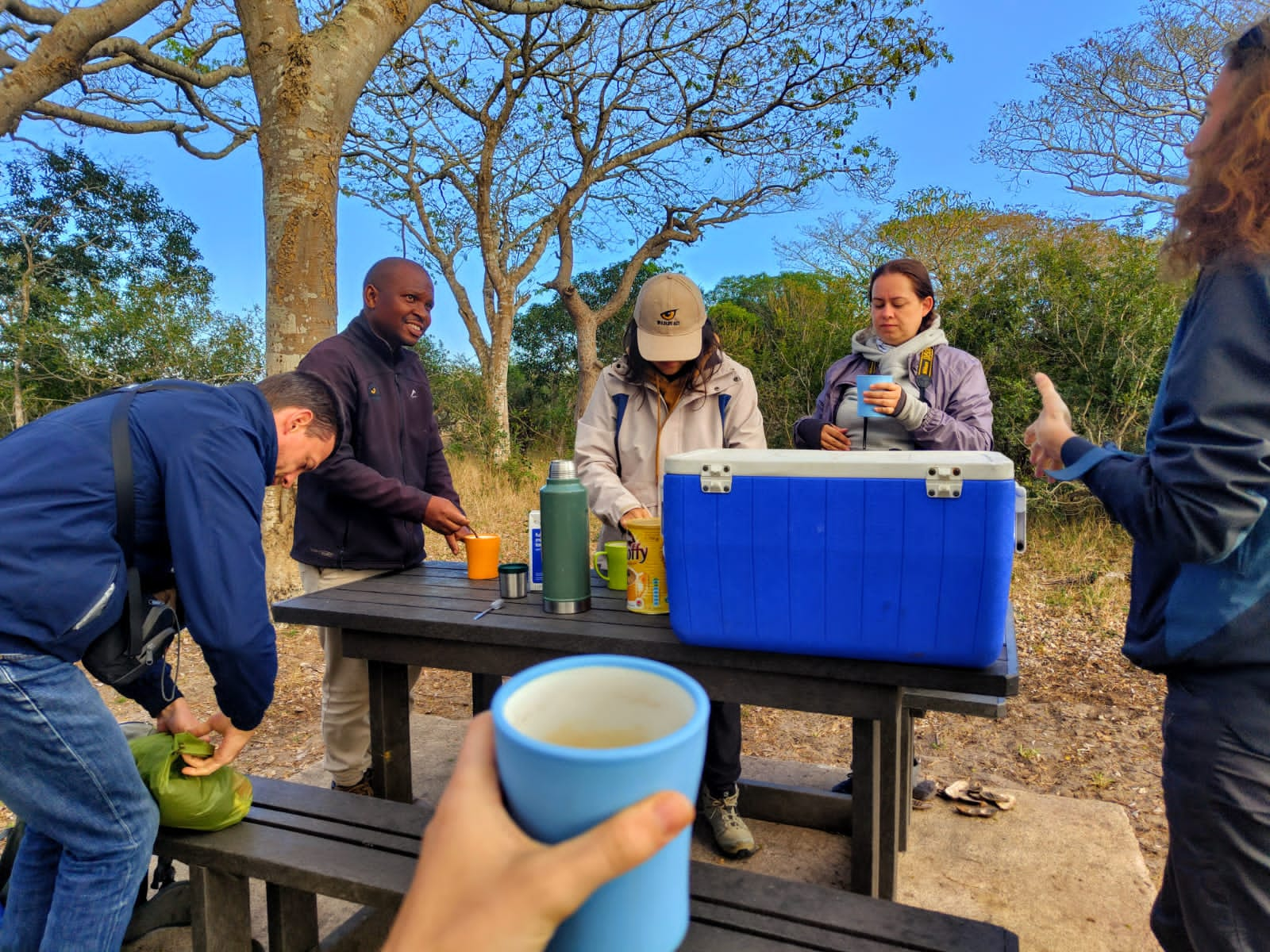
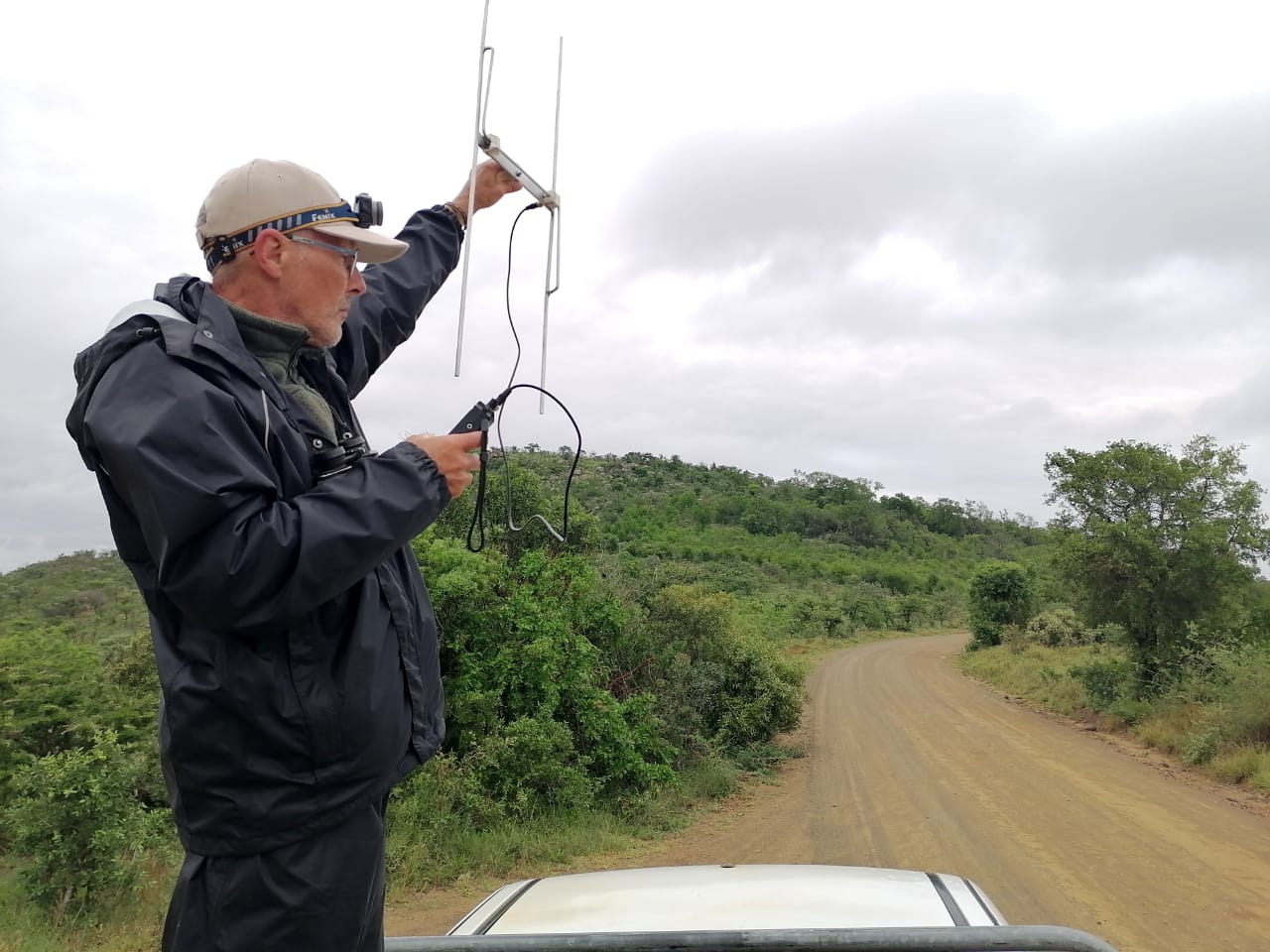
During the session, the Monitor locates specific animals using radio telemetry and spoor. Once an animal is found, volunteers map the sighting on a handheld Global Positioning System (GPS) unit. They also update identity kits and record behaviour notes. After a few days of training, volunteers operate the telemetry equipment themselves. Mornings include a coffee stop with traditional South African rusks.
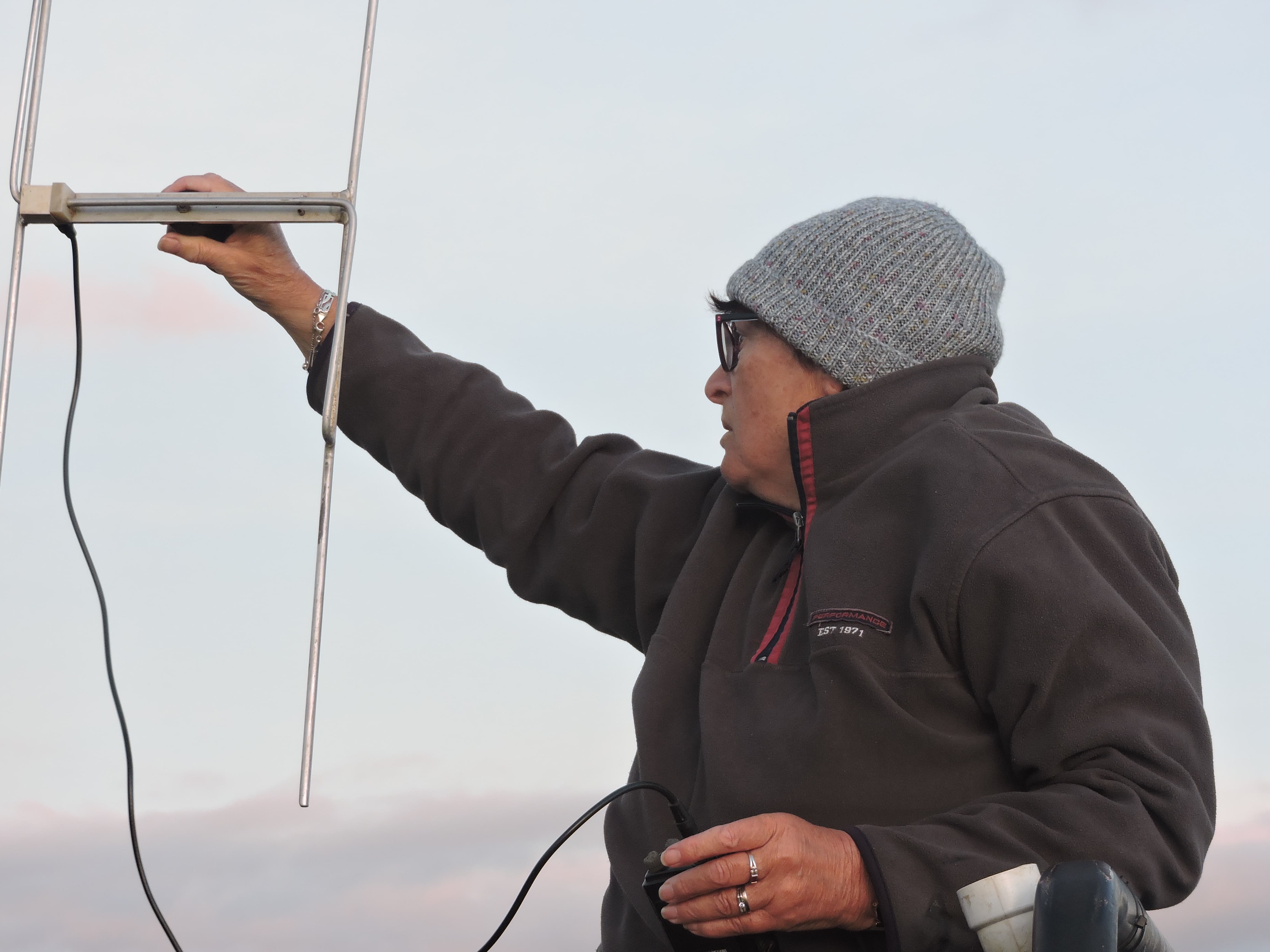
Late mornings at camp are for rest, reading, journalling, and watching the birds and animals nearby. Follow-up monitoring and camera trap work fill the afternoon session. After sunset, when temperatures drop quickly, a warm layer is welcome back at camp. Dinner is prepared together around the campfire on a rotating roster, the day’s sightings are discussed, and most volunteers go to bed early.
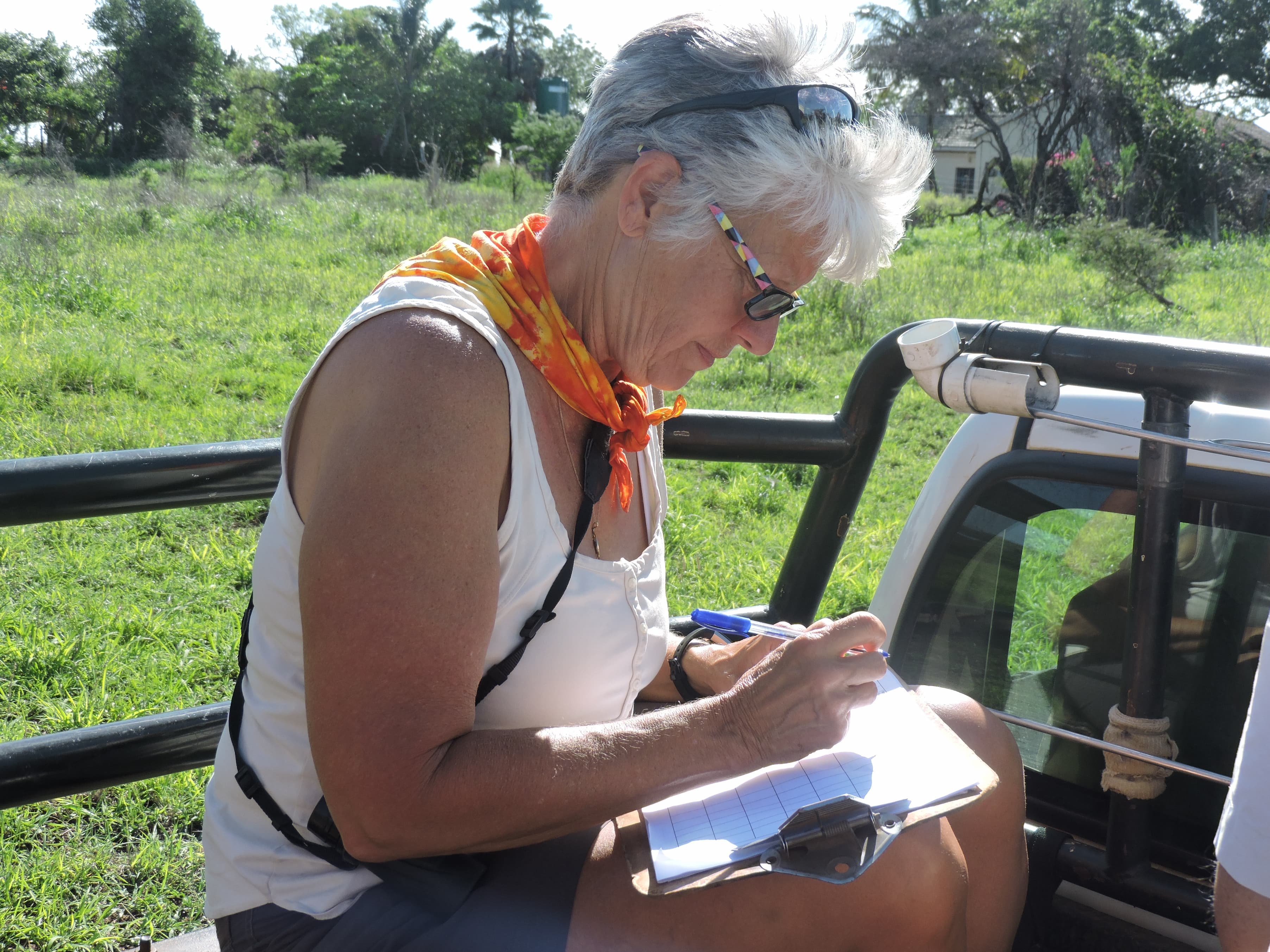
Field data goes into the camp computer once a week and feeds the long-term monitoring record. Priority Species Monitors work seven days a week because the animals are located daily. Volunteers can sit out a session when they need to rest, and may take the occasional Sunday off. Wildlife ACT also publishes a winter packing list for volunteering in Zululand.
Safety, supervision and group size
Safety is built into the structure of every project. Each project takes a maximum of six volunteers at a time. Leading the group is a Priority Species Monitor, who is responsible for volunteer health and safety in the field and holds a first aid qualification. Pre-arrival information covers health and safety, and the team at info@wildlifeact.com welcomes questions about either before you apply.
Volunteers view and monitor animals from the monitoring vehicle and stay seated on it unless the Monitor instructs otherwise. Monitors have full authority in the field, and volunteers always follow their instructions. Outside the research camp, volunteers walk only when accompanied by a ranger qualified to deal with dangerous game on foot. All three protected areas hold Big Five species, so any volunteer who feels in danger tells the Monitor straight away. Snakes usually move away from people. Anyone who sees one backs away slowly and asks someone to call the Monitor or a ranger.
Contracts approved by the management authority of each protected area govern Wildlife ACT’s work. Insurance through SATIB, underwritten by Lloyd’s of London, covers the projects. In a serious medical emergency, a helicopter can be dispatched to take a participant to hospital. From each project, the closest doctor is a 30 to 40 minute drive away. Every volunteer receives the Volunteer Code of Conduct when they book.
Jenny Harding, who volunteered in January 2020, described the program as “well organised” with “positive impact measurable.” Zoe Phillips, who returned in January 2025, wrote that the monitors “are so friendly but so knowledgeable.”
Health, vaccinations and travel insurance
Wildlife ACT accommodates medical conditions where possible, and the booking process invites you to share them so the team can assess what is possible. South Africa has no compulsory vaccinations for entry. Only travellers arriving from a yellow fever endemic area in Africa or South America need a yellow fever certificate. Hepatitis A, Hepatitis B, rabies, and typhoid vaccinations are recommended. A visit to a travel clinic helps each volunteer decide on them.
Zululand is a low to medium risk malaria area, so a conversation with your doctor about preventative medication is worthwhile. Malaria information for travellers is available from the National Institute for Communicable Diseases. Insect repellent, a mosquito net, and lightweight long sleeves in the evenings reduce the risk further. Anyone who develops a fever between one week and three months after the visit should be tested for malaria. Tick-bite fever affects a small number of people in Zululand and is not life-threatening. Tick repellent and a check for ticks after each outing reduce the risk.
Trips to doctors and pharmacies take a while, so bring the prescription medication you need for the entire stay. Spare glasses or contact lenses and a personal first aid kit are also worth packing. Doctor visits can be arranged in serious cases. Travel insurance is recommended for any trip outside your own country. An existing personal policy can often be extended to cover foreign travel. Insurance is arranged separately from the fee, and cover that includes cancellation is recommended.
Where volunteers work and which species are monitored
Conservation volunteering abroad takes many forms. Through the Endangered Species Volunteer Program, volunteers work at three projects in proclaimed protected areas in northern KwaZulu-Natal. Manyoni Private Game Reserve is a Big Five protected area formed in 2004, when 17 landowners removed their internal fences. Ezemvelo KZN Wildlife, the provincial conservation authority, manages Hluhluwe-iMfolozi Park. Within the park, Wildlife ACT runs one project in the Hluhluwe section and one in the iMfolozi section. Both sections are managed together as one natural system. Wildlife ACT provides professional monitoring services to Ezemvelo KZN Wildlife at no charge, and your placement depends on availability on your start date.
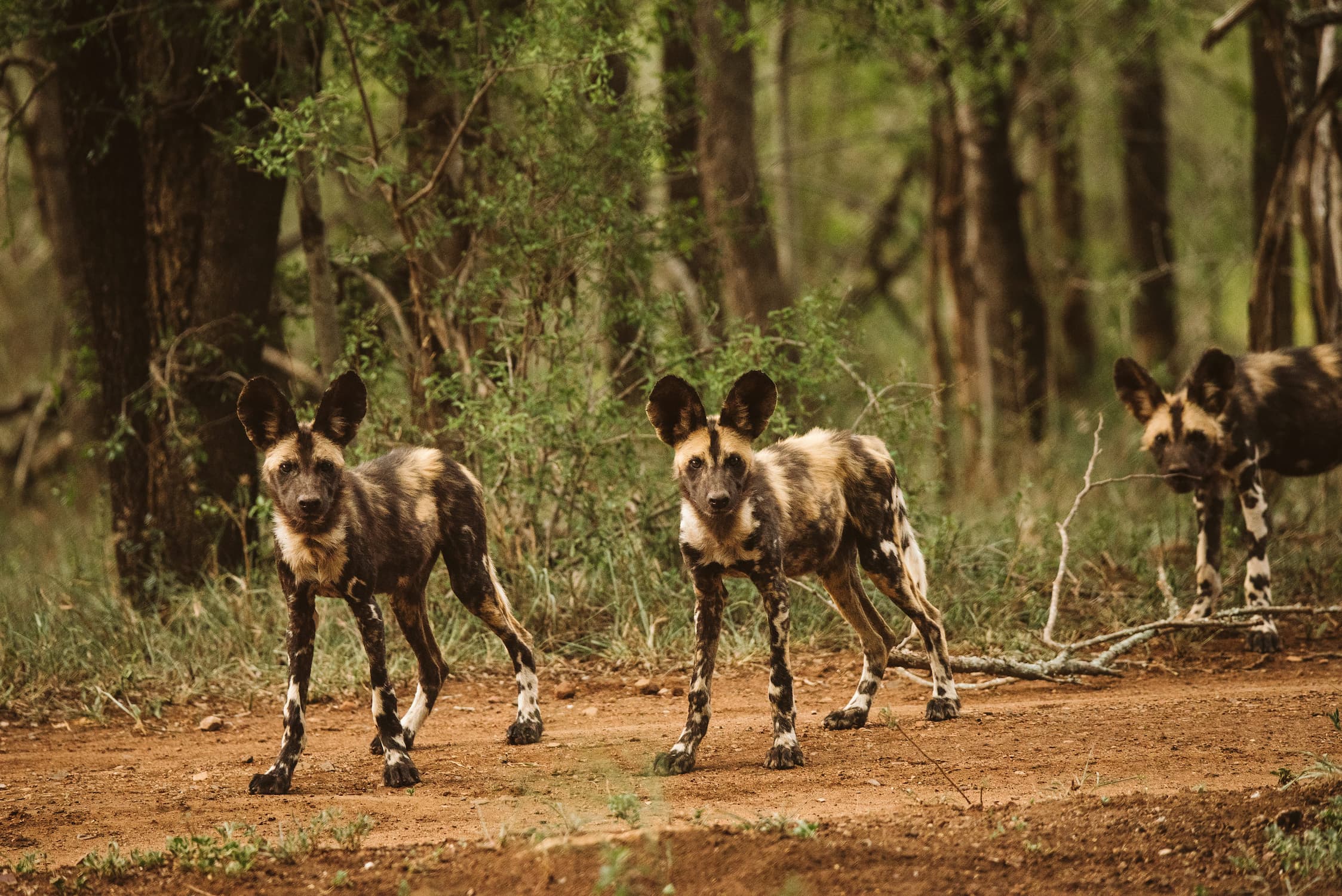
Species vary by site. Work in the Hluhluwe section includes African Wild Dog, Lion, White Rhinoceros, Cheetah, African Savanna Elephant, Leopard, Spotted Hyaena, and vultures. Southern Ground Hornbill appears in incidental records. In the iMfolozi section, volunteers focus particularly on Black Rhinoceros, a Critically Endangered species. Work there also covers Cheetah, African Wild Dog, Lion, Leopard, African Savanna Elephant, Spotted Hyaena, and vultures.
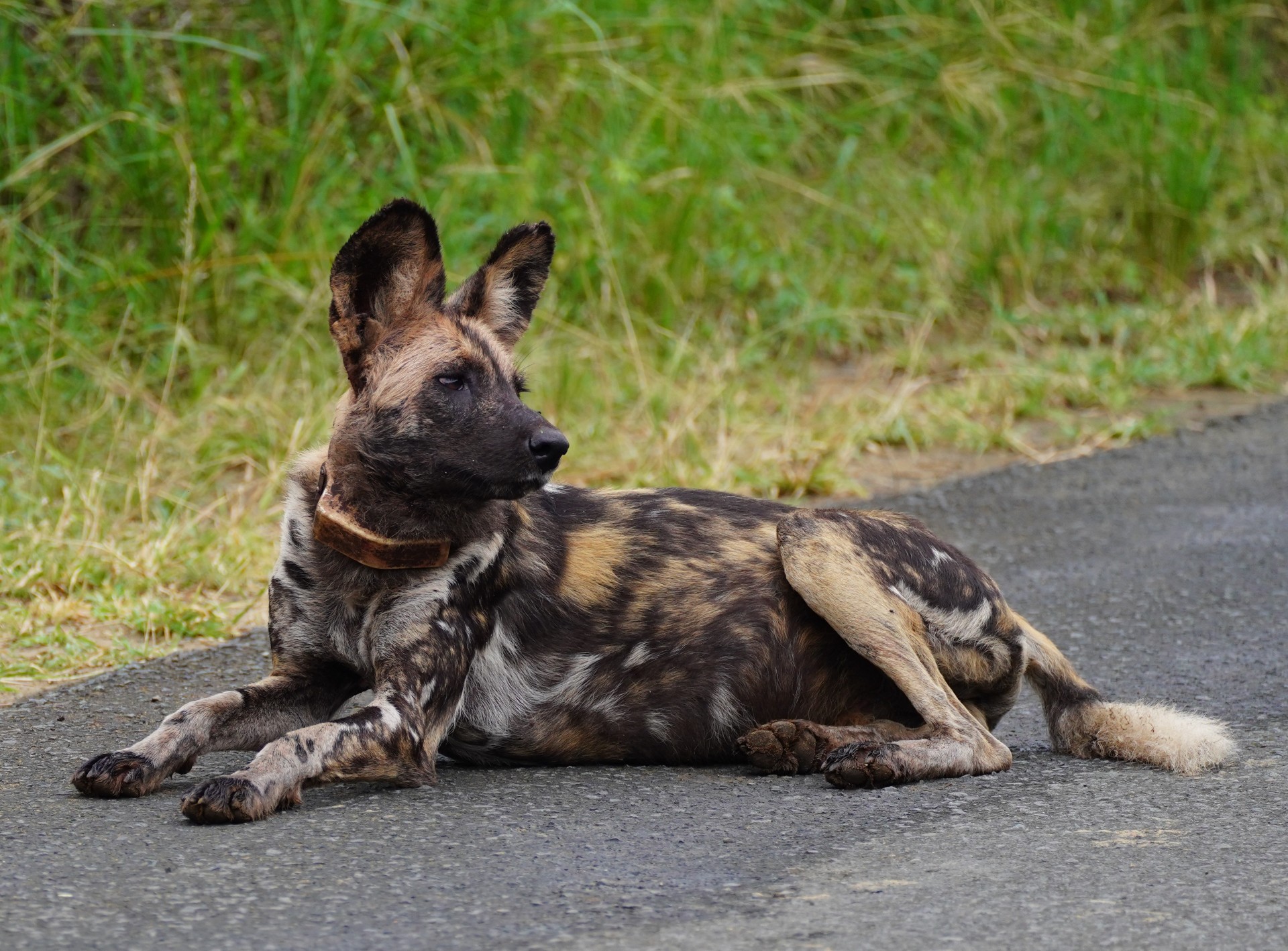
At Manyoni Private Game Reserve, volunteers monitor Cheetah, Lion prides, Black Rhinoceros, White Rhinoceros, African Savanna Elephant, Spotted Hyaena, and vultures. Camera trap surveys record Leopard. Vultures monitored include African White-backed Vulture, Hooded Vulture, and Lappet-faced Vulture, as part of the Zululand Vulture Project. Wildlife ACT’s pages on Hluhluwe-iMfolozi Park and Manyoni Private Game Reserve give further detail.
Accommodation, camp life and travelling with a partner or friends
Volunteers live in research camps inside the protected areas. Camps are basic and functional. Each has twin rooms, a shared toilet and shower with warm water, a kitchen, and an outdoor dining and braai area. Beds, mattresses, pillows, and bed linen are provided, and you bring your own towels. Volunteers who arrive alone share a room with another volunteer of the same gender. Couples, friends, and family members who join together can share a twin room with two single beds.
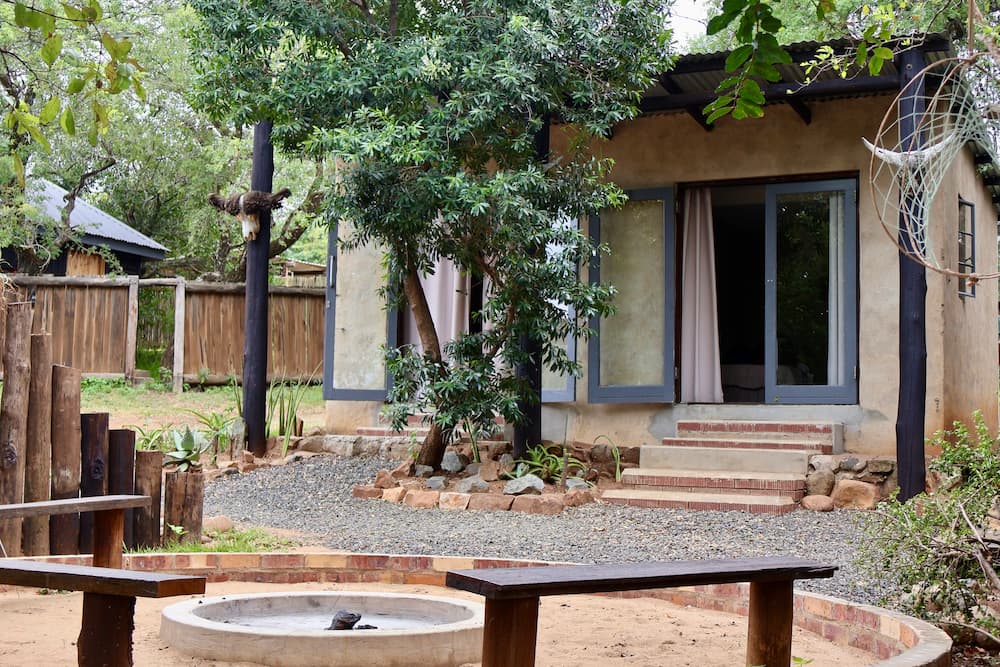
Each site has its own character. At Manyoni Private Game Reserve, volunteers stay in a large, secluded house with an indoor bathroom and a patio dining area. At Hluhluwe, volunteers use the Dung Beetle research camp on a forested hill in coastal scarp forest. Other scientists and researchers also stay there, in separate rooms. At iMfolozi, the project is based at Mbuzane Camp, a hilltop camp near a Section Ranger’s outpost. Its lookout, known as the Rock, overlooks the Black iMfolozi River. Some camps are partly fenced and some are open, so animals visit camp on occasion. At night, a torch is useful, and volunteers stay in camp after dark.

Basic food items cover three meals a day, including fruit, and volunteers take turns preparing meals. Vegetarian, vegan, coeliac, and lactose-free diets are catered for, so please share any dietary needs before you arrive. Camps have electricity, with generator and solar power at iMfolozi, and washing machines are available for your clothes. Mobile signal reaches the camps, and a project laptop is available for email, although the internet connection is slow. Photographs of the camps are in Wildlife ACT’s project photo galleries.
Volunteers include students, people on a career break, retirees, and professionals, from many nationalities and age groups. Alexandra Kawecki, who volunteered in January 2025, described spending the holidays at Manyoni as “a wonderful experience.”
Flexibility, minimum stay and extended stays
The minimum stay is two weeks. Bookings run in multiples of two weeks, so you can choose the length that suits your calendar. Most volunteers stay between four and 12 weeks, and reduced rates apply to longer stays. For every additional two weeks, you can move to a different protected area. Over six weeks, volunteers can work at Manyoni Private Game Reserve and both sections of Hluhluwe-iMfolozi Park. Placements start every second Monday, which limits driving to and from the airport and reduces the carbon footprint of the program.
Who the program suits and what to expect
The Endangered Species Volunteer Program suits people with a genuine interest in conservation who enjoy working as part of a small team. Wildlife ACT looks for a willingness to learn, a strong work ethic, and respect for wildlife and wild spaces. Adaptability to early mornings and changing field conditions also helps. Participants include students, people on a career break, retirees, and professionals looking to gain field experience.
For anyone who wants to volunteer in Africa through working conservation fieldwork, the routine rewards patience and curiosity. Sightings vary from day to day. Long hours of monitoring without a sighting of the target animal still add to the long-term record. Monitoring takes place from the vehicle, and volunteers do not handle animals as part of the routine work. Camp life includes occasional power cuts and water shortages, slow internet, and an intermittent mobile signal, so a relaxed and adaptable approach helps.
People looking for a safari holiday, luxury accommodation, close animal contact, or guaranteed sightings are likely to find a different kind of trip a better match. The same goes for anyone who prefers to set a personal daily schedule. Email info@wildlifeact.com to talk through a specific situation before you apply. Wildlife ACT’s post on why ethical wildlife volunteering is crucial for conservation is available for anyone comparing programs.
How the work supports protected areas
Many protected areas operate with limited budgets and staff, so a dedicated monitoring team is often out of reach. Protected area management authorities contract Wildlife ACT to provide a professional monitoring service free of charge. Priority Species Monitors deliver the service, supported by volunteers. Volunteer fees fund the vehicles and fuel, equipment, data management tools, staff salaries, and logistical support that keep the monitoring running. Monitoring records animal movement, habitat use, population demographics, snaring and illegal hunting incidents, and breakouts. Those records feed long-term monitoring databases shared with protected area management authorities.

Since 2008, Wildlife ACT has worked with organisations including the Endangered Wildlife Trust, Panthera, and Wildtrust. Wildlife ACT has won first place for Best for Nature-Based Tourism at the WTM Africa Responsible Tourism Awards. Mary Harvey, who volunteered in January 2020, wrote, “I felt very much a part of the project.”
How to apply
If you are wondering how to volunteer in Africa with a program that works inside proclaimed protected areas, begin with the volunteer application form. On it, you choose your preferred start dates. Next, the team confirms availability for those dates, sends a personalised invoice with a secure payment link, and a 30% deposit confirms your place. Current fees are listed on the program page in South African rand, euros, US dollars, and British pounds. Each project takes a maximum of six volunteers at a time, so confirming dates before booking flights is wise. Afterwards, a pre-arrival information pack covers packing, travel, health, and safety.
Volunteers fly to OR Tambo International Airport in Johannesburg and on to Richards Bay Airport, arriving by 12:00 midday on Monday. Zululand is rural and accepts South African rand, so changing money at OR Tambo is wise, because Richards Bay Airport is very small. Most stores take card payments, and ATMs are available. A driver meets the group at the airport. From there, a 4x4 monitoring vehicle takes volunteers to the project, where the Priority Species Monitor takes them to camp.
Entry requirements can change, so checking the official sources before booking flights is worthwhile. Volunteers enter South Africa on a normal tourist visa. American, British, Australian, and some European citizens are usually exempt from a tourist visa for stays of 90 days or less. For each nationality, the South African Department of Home Affairs confirms the requirements. Applicants who need a visa should apply at least four weeks before departure. Visas must be in place before arrival, so wait for the outcome before travelling. Since 1 July 2026, all travellers entering or leaving South Africa must submit an online traveller declaration through the South African Revenue Service. It is due no more than 24 hours before the final flight leg into the country.
Retirees who want to volunteer abroad over 50 can start with the application form. Questions about dates, fitness, and health are welcome at info@wildlifeact.com.
Frequently asked questions
What is the age limit to volunteer abroad over 50 in Zululand?
Wildlife ACT accepts volunteers on the Endangered Species Volunteer Program in Zululand from the age of 18, and the standard age range is 18 to 70+. The upper limit depends on each volunteer’s health and ability, so people over 50, including volunteers over 60, are welcome to apply. The team groups volunteers of similar ages together where possible.
How fit do I need to be to volunteer in Zululand?
Volunteers on Wildlife ACT’s Endangered Species Volunteer Program should be relatively fit and able, fairly mobile, and confident in their ability to climb on and off an open top vehicle. Most of the day is spent seated on the vehicle, although locating an animal can take a full day and cover large distances. Every volunteer helps with camp cleaning and meal preparation, and long days, early starts, and heat are part of the routine.
What vaccinations and health precautions are needed for Zululand?
South Africa has no compulsory vaccinations for entry. Only travellers arriving from a yellow fever endemic area in Africa or South America need a yellow fever certificate. Hepatitis A, Hepatitis B, rabies, and typhoid vaccinations are recommended. Zululand is a low to medium risk malaria area, so volunteers should ask a doctor about preventative medication and bring the medication they need for the whole stay. Medical conditions can be shared when booking.
Do I need travel insurance to volunteer with Wildlife ACT?
Wildlife ACT recommends travel insurance for any trip outside the traveller’s own country. An existing personal policy can often be extended to cover foreign travel. The Zululand projects are insured through SATIB, which is underwritten by Lloyd’s of London. A helicopter can be dispatched to take a participant to hospital in a serious medical emergency. The closest doctor is a 30 to 40 minute drive from each project.
What is the accommodation like on the Zululand volunteer program?
Volunteers live in research camps inside the protected areas, in twin rooms shared with a volunteer of the same gender. Each camp has a shared toilet and shower with warm water, a kitchen, and an outdoor dining and braai area. Bed linen is provided, and volunteers bring their own towels. The camps are basic and functional, and volunteers prepare meals in turn.
Can I volunteer in Zululand with my partner or a friend?
Yes, couples, friends, and family members often join Wildlife ACT’s Endangered Species Volunteer Program together. The camps have twin rooms with two single beds, so two people can share a room. Volunteers who arrive alone share with another volunteer of the same gender. Each project takes a maximum of six volunteers at a time, so the team confirms availability for your dates.
What is the minimum stay for volunteering in Zululand?
The minimum stay on Wildlife ACT’s Endangered Species Volunteer Program is two weeks, and bookings run in multiples of two weeks. Most volunteers stay between four and 12 weeks, and reduced rates apply to longer stays. For every additional two weeks, a volunteer can move to a different protected area. A six week stay can include Manyoni Private Game Reserve and both sections of Hluhluwe-iMfolozi Park.
Do I need conservation experience to volunteer?
Volunteers with no prior field or conservation experience are welcome on Wildlife ACT’s Endangered Species Volunteer Program. Training is practical and delivered in the field by a Priority Species Monitor, and covers telemetry equipment, handheld GPS devices, camera traps, spoor identification, and the recording of behaviour data. Wildlife ACT looks for a willingness to learn, respect for wildlife, and the ability to adapt to early mornings.
Is volunteering in Zululand safe?
A Priority Species Monitor leads every Wildlife ACT project in Zululand and is responsible for volunteer health and safety in the field. All Monitors hold first aid qualifications. Volunteers view and monitor animals from the monitoring vehicle and stay seated unless the Monitor instructs otherwise. Volunteers receive the Volunteer Code of Conduct when they book, and outside the research camp they walk only with a ranger qualified to deal with dangerous game on foot.
How do I volunteer in Africa with Wildlife ACT?
To volunteer in Africa with Wildlife ACT in Zululand, complete the volunteer application form and choose your preferred start dates. The Wildlife ACT team confirms availability, then sends a personalised invoice with a secure payment link, and a 30% deposit confirms the place. Placements start every second Monday, and the team can be reached at info@wildlifeact.com with questions about dates and availability.